By Yalini Saranya | Center Manager
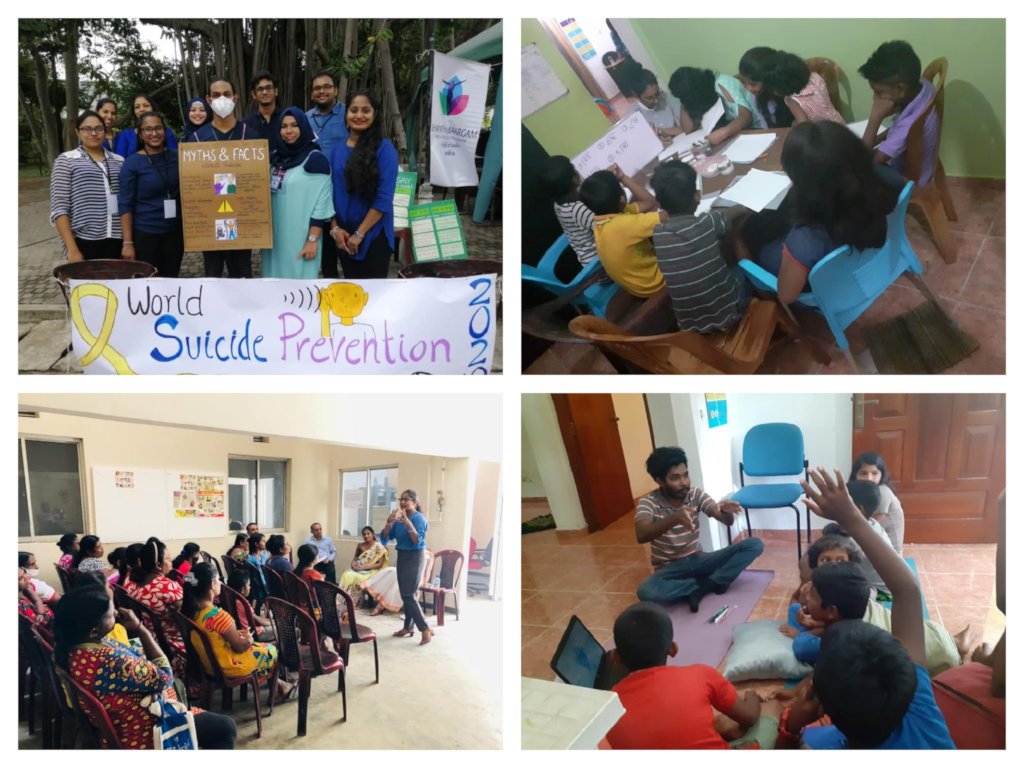
Shanthi Maargam, meaning “Pathways to Peace”. it was established in 2016 as a registered non-profit organization dedicated to reducing violence in society. We provide psychosocial support to youth in vulnerable urban communities such as Gothamipura, Wanathamulla, and Obeysekarapura, helping them break generational cycles of violence. Our services include counselling, community outreach, and advocacy initiatives. At Shanthi Maargam, we strive to create a safe space where youth can heal from trauma and develop the skills needed to become positive contributors to society. At the “Youth Center”, we are dedicated to empowering children and youth through professional counseling services, focusing on enhancing emotional well-being. The two main objectives of Shanthi Maargam are:
Overview of Children of Shanthi Maargam
This overview of the children at Shanthi Maargam is based on data from 80 participants, reflecting available information. the data for the overview of the Shanthi Maargam children were collected through observation and experience. The data highlights key issues affecting children, with economic hardships being the most prevalent, followed by parental substance use, absence of parental figures, and family imprisonment. Other concerns include school dropouts and involvement in drug-related activities, underscoring the need for targeted support.
The data shows that 48 (58.5%) children are affected by economic issues, 4 (37.7%) are not, and the status is unknown for 1 child.
The data indicates that 31 children are affected by drug use in their immediate family, 20 are not, and 2 are unknown. Among affected children, 12 are aged 6-10, 7 are aged 11-14, and 12 are above 15, showing a broad age range impacted by substance-related issues.
The data shows that 16 children experience the absence of one parental figure, with 3 aged 6-10, 5 aged 11-14, and 8 above 15. Reasons include imprisonment, working in labour jobs abroad, separation, living with relatives, or parental death.
The data reveals that 14 children are affected by substance and alcohol use, with 3 aged 11-14 and 11 above 15, while no cases are reported among those aged 6-10.
There are 2 children affected by having an immediate family member in prison or constantly going in and out of prison, with 5 aged 6-10, 2 aged 11-14, and 5 above 15. Among these, one father of two children suffers from substance-induced psychosis.
Seven children are affected by the absence of parental figures, with 2 aged 6-10, 2 aged 11-14, and 3 above 15.
While only 7 children are identified as school dropouts, with 1 aged 11-14 and 6 above 15, it's important to note that none continue after the O/L exam, and many exhibit high absenteeism rates.
Shanthi Maargam’s Community-Based Youth Resilience and Violence Prevention Efforts
In response to the urgent and complex challenges confronting children and youth in Sri Lanka, including emotional distress, exposure to violence, and limited access to psychosocial support, Shanthi Maargam (SM) proposes a comprehensive, community-based intervention. This initiative aims to build emotional resilience, prevent gender-based violence (GBV), and promote healing among vulnerable adolescents through trauma-informed care, psychosocial services, and inclusive community engagement.
A key focus of the program is to decrease the acceptance of racist and ethnocentric attitudes among children and adolescents accessing the youth center, while simultaneously fostering empathy and increasing pro-social norms. By promoting tolerance, respect, and inclusion, the initiative supports youth in becoming agents of positive change within their communities, contributing to the reduction of violence, conflict, and discrimination. In addition, capacity-building efforts are embedded throughout the intervention to enhance both sustainability and scalability. Youth are equipped with the skills and knowledge to effectively implement Shanthi Maargam’s PEACE Manual and adapt it to their unique cultural and community contexts.
Through this youth-led approach, the program not only addresses immediate psychosocial needs but also strengthens community resilience and long-term peacebuilding efforts. These are the main interventions:
(1) Provide youth-friendly, trauma-informed counseling services that are delivered in poor urban settings to address emotional trauma, anxiety, depression, and behavioral challenges.
(2) Creation and strengthening of safe spaces where adolescents can access psychosocial support, life skills education, and peer networks in a stigma-free, empowering environment.
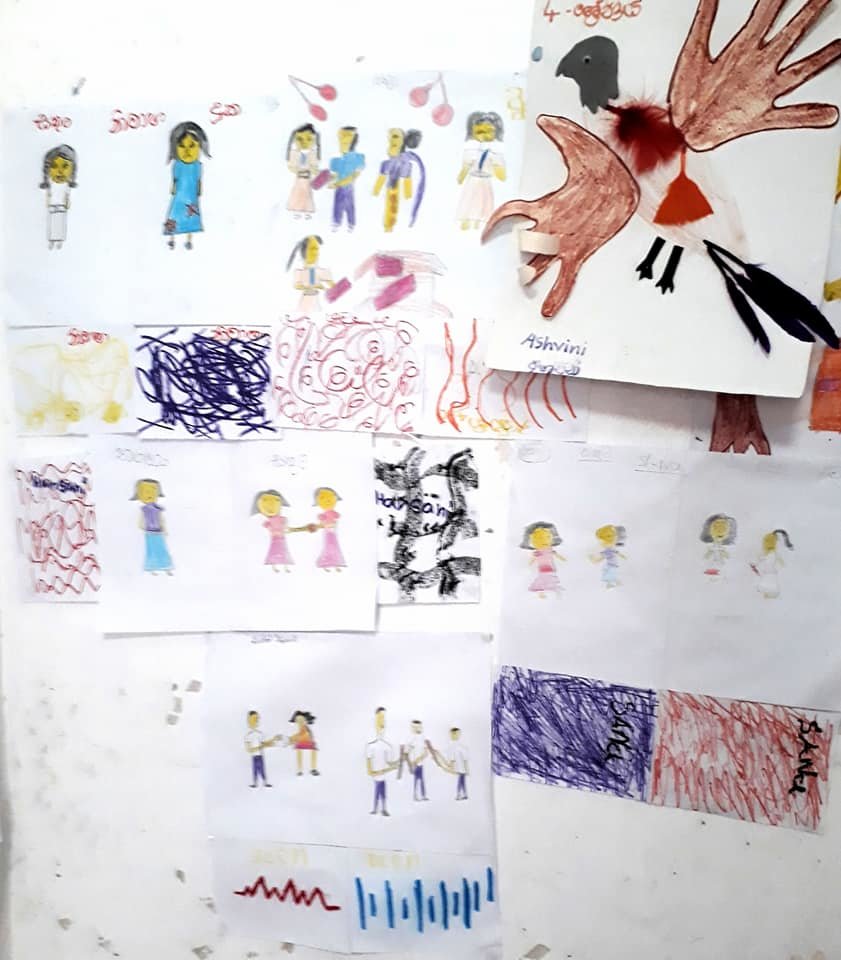
(3) Conducting programs to improve skills in children and youth using a Positive Youth Development (PYD) Approach. E.g. film circle, reading circle, art therapy sessions
(4) workshops and training sessions that engage both boys and girls in challenging harmful norms, addressing power imbalances, and promoting respect, equality, non-violence and anti-racism
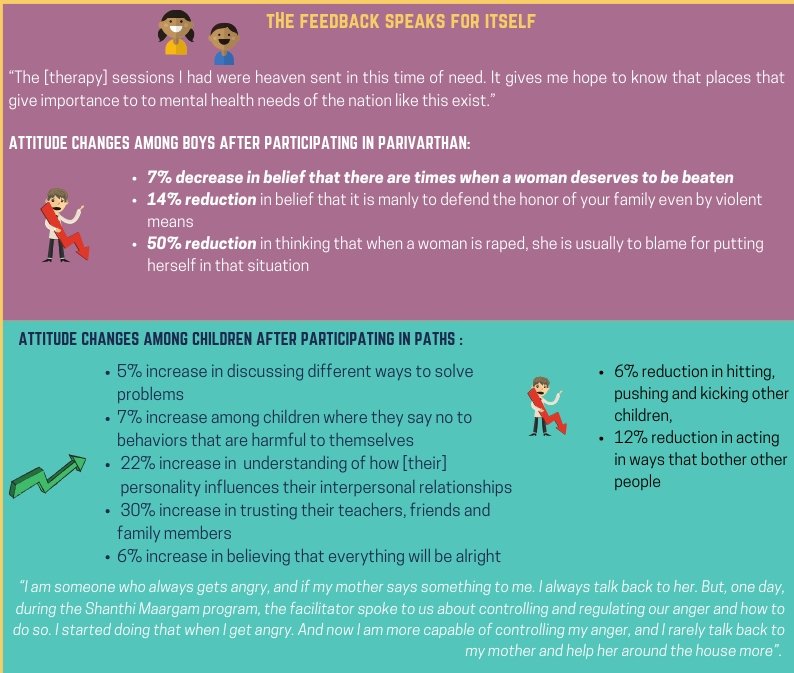
(5) Providing education and awareness sessions for gender-based violence and life skill development by using evidence-based material which has been adapted to the Sri Lankan context, such as “Parivarthan for Boys”, “Parivarthan for Girls”, and “Paths to Change” by Shanthi Maargam.
(6) Robust community mobilization through structured engagement of parents, teachers, and local service providers to create a supportive ecosystem for youth well-being.
(7) Promoting positive coping strategies and resilience-building activities among adolescents and youth, such as yoga, mindfulness, and meditation practices
In addition, Shanthi Maargam worked to strengthen referral pathways and protection mechanisms, connecting survivors and at-risk youth to legal aid, healthcare, mental health services, and economic empowerment opportunities. This multi-layered intervention model built on Shanthi Maargam's proven expertise and aligned with global best practices in trauma-informed care, GBV prevention, and youth development. By addressing root causes alongside immediate needs, this approach not only mitigated harm but also fostered long-term resilience, social cohesion, and systemic change.
Counselling
Mental health is a critical issue in Sri Lanka, yet national policies do not adequately address the specific needs of children and youth. Shanthi Maargam provides free, confidential, trilingual counselling services (Sinhala, Tamil, English) to support those unable to access private care. The hotline offers Psychological First Aid, ongoing counselling, and referrals, serving as a vital lifeline for youth. The counselling team participates in regular peer supervision and ongoing training in areas such as CBT, DBT, LGBTQ+ awareness, self-care, and reflective practice. Supervision sessions include check-ins, discussion of challenges, referral strategies, and protocols for self-harm and suicidal cases. Roleplays and practical exercises help strengthen counselling skills, promote team bonding, and enhance service quality. Clients have shown noticeable improvements, including better emotional understanding, problem-solving, communication, self-care, and distress tolerance, positively impacting their overall mental well-being.
Leadership Awareness Session
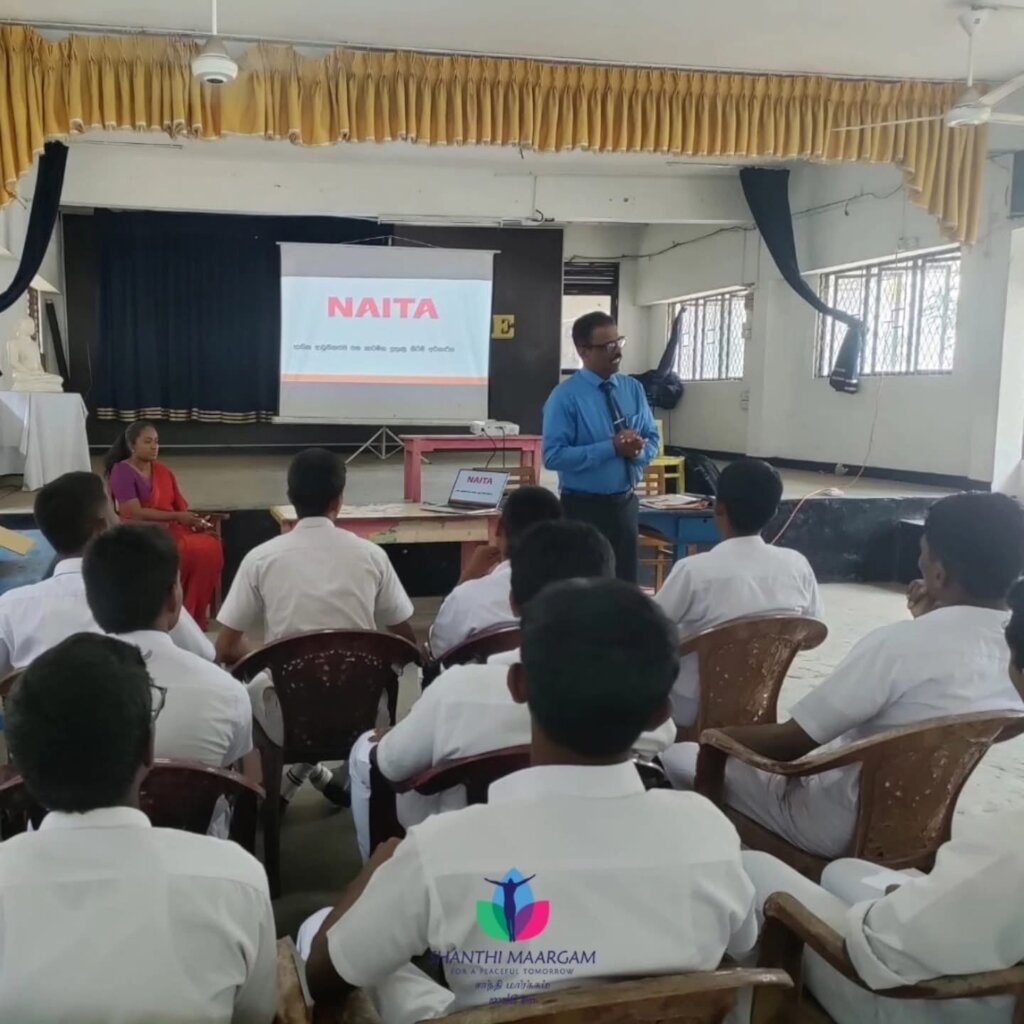
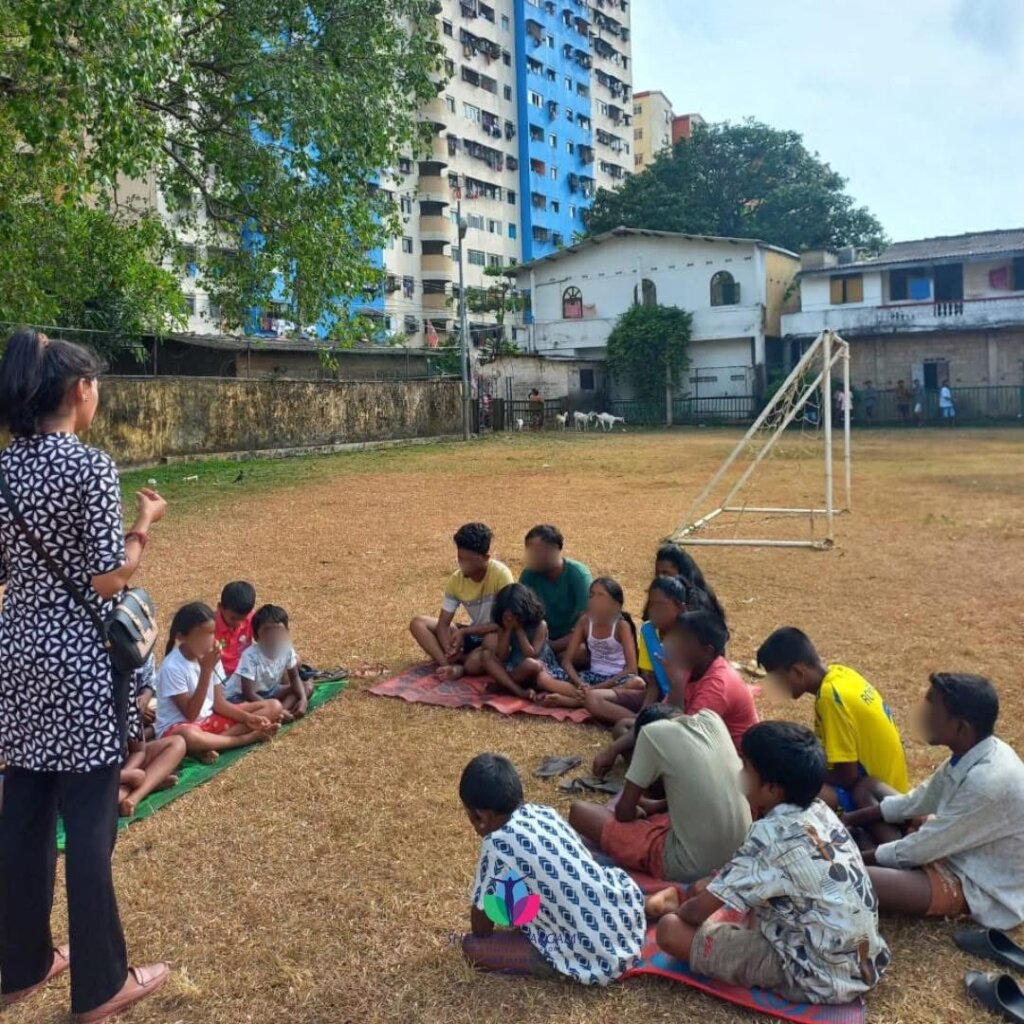
A leadership awareness session was conducted in Wanathamulla for children and adolescents, aimed at promoting positive youth development. Facilitated by the Head of Psychology, the session focused on identifying leadership potential, fostering responsibility, and developing proactive habits. Through interactive, age-appropriate activities based on Stephen Covey’s 7 Habits of Highly Effective People, participants practiced skills such as goal setting, task prioritization, and active listening. The session promoted self-awareness, effective communication, and future planning. Participants reported increased confidence and expressed interest in engaging in similar learning activities in the future.
Mental Health Workshops for Community Children
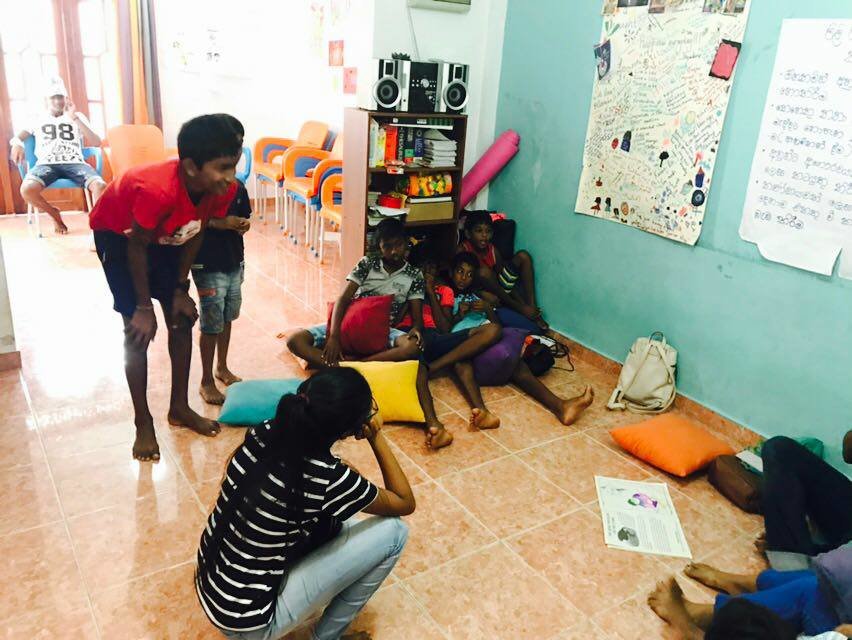
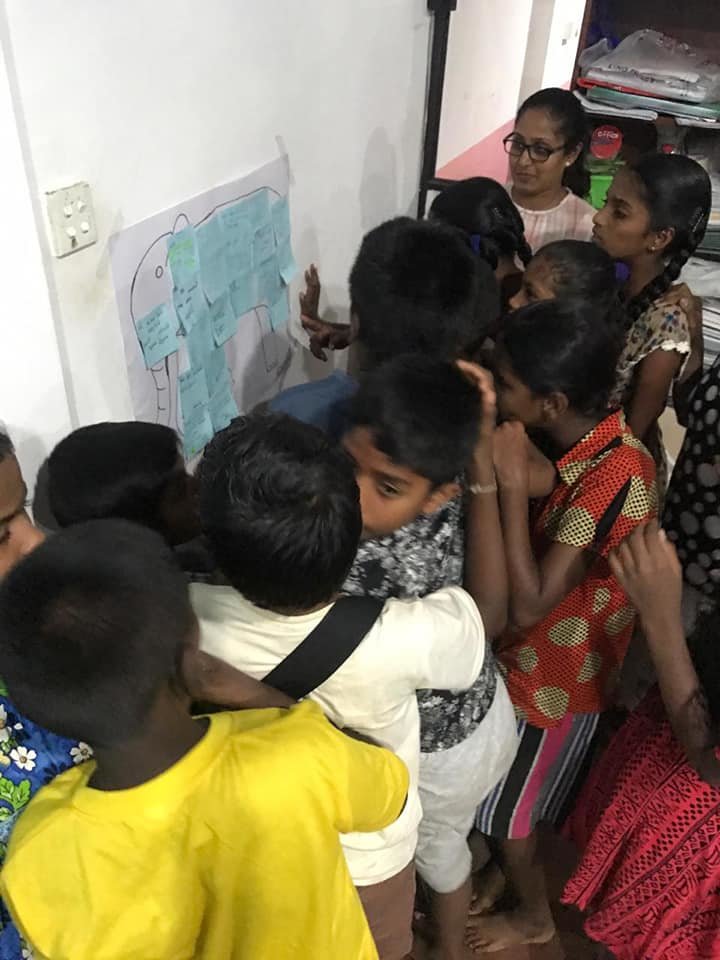
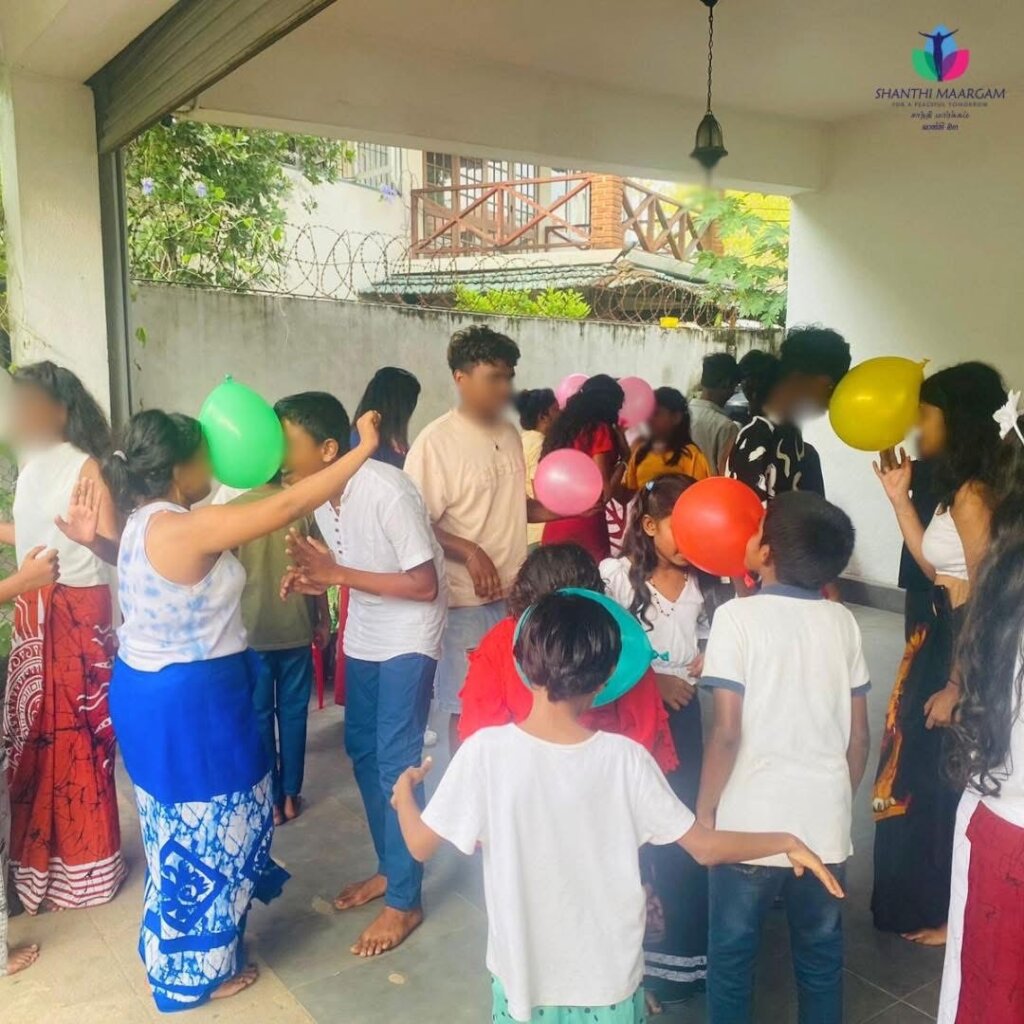
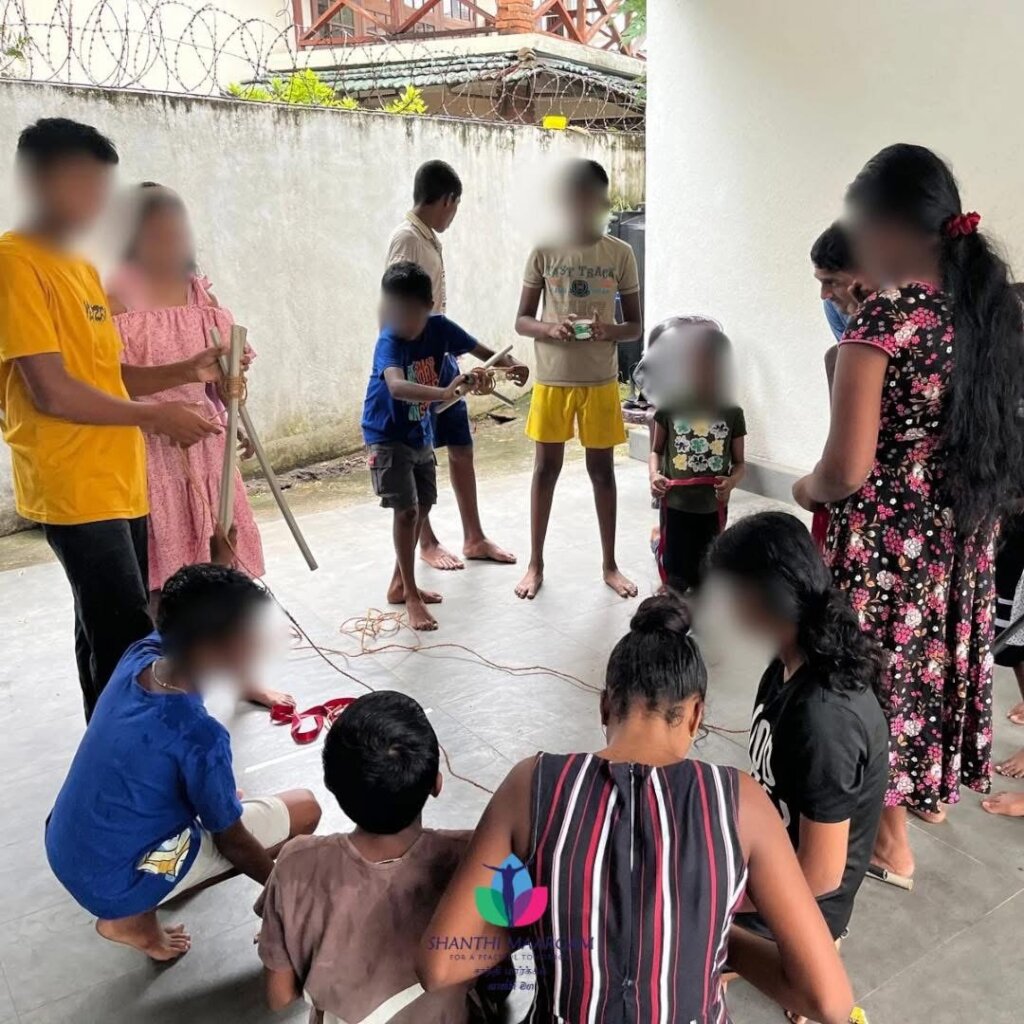
Shanthi Maargam organized interactive workshops to strengthen life skills, emotional intelligence, and social connections among children in the community. Through activities focused on communication, conflict resolution, and empathy, children learned to manage peer interactions more effectively. Exercises on goal-setting and self-reflection encouraged them to recognize their strengths, plan for the future, and understand the support available to them. Collaborative challenges and team-building activities enhanced leadership, problem-solving, and cooperative skills, while reflection exercises on personal values and cultural identity fostered respect for diversity. These workshops helped children develop greater self-confidence, improved emotional regulation, stronger interpersonal skills, and a deeper sense of empathy and social responsibility, contributing positively to their overall well-being and personal growth.
Weekly Nutritious Meals
At Shanthi Maargam, we provide weekly nutritious meals to children who may not have regular access to healthy food, a common challenge in the vulnerable communities we serve. Looking ahead, we plan to increase the frequency of meal distribution and implement a needs-based approach to ensure that children visiting the center outside scheduled sessions also receive meals. This initiative not only alleviates hunger but also fosters a sense of care, safety, and dignity among children, supporting their overall well-being, concentration, and participation in educational and recreational activities.
School Workshops
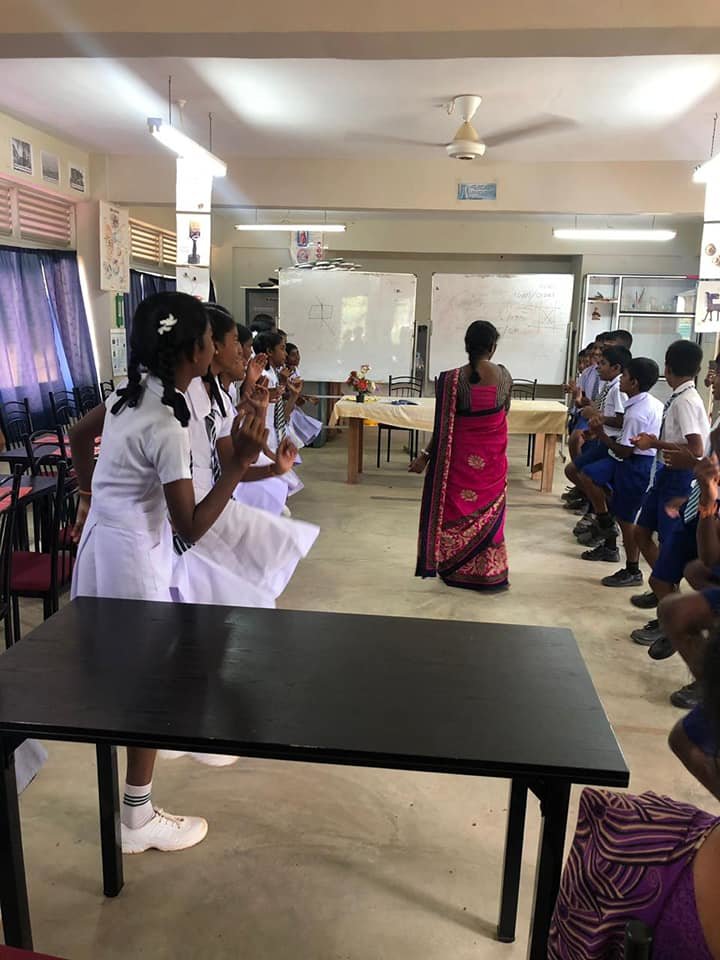
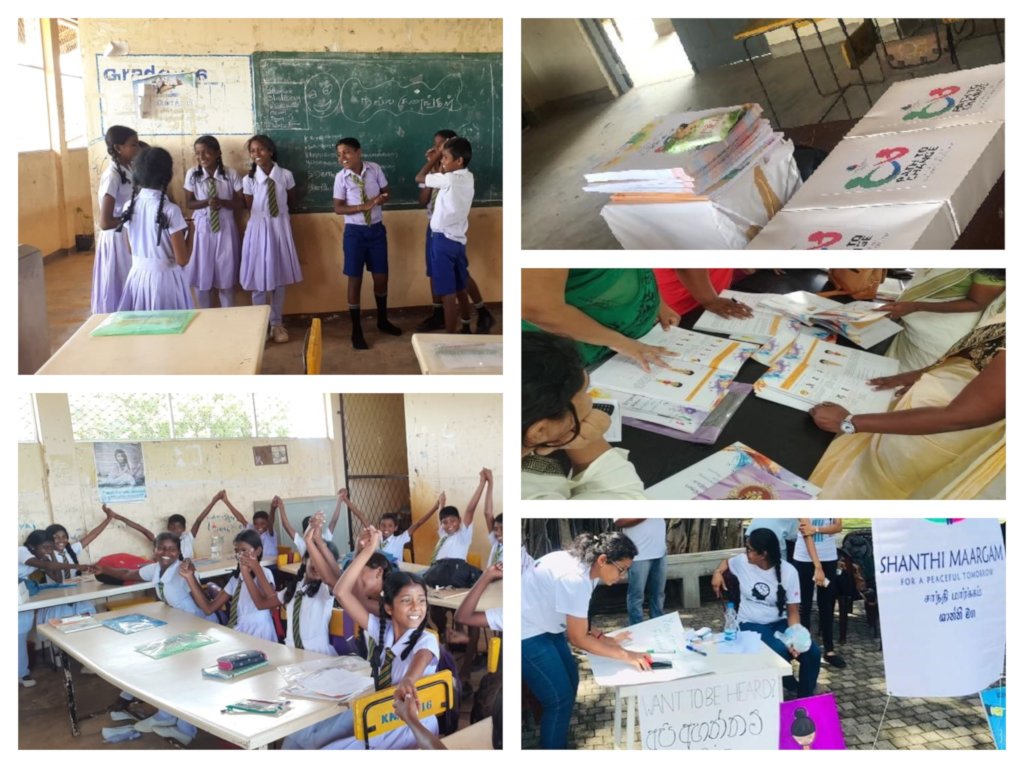
Shanthi Maargam organized interactive school workshops to promote personal hygiene, self-care, and overall emotional well-being. Designed for different age groups, the sessions used creative activities, storytelling, and role-plays to engage students meaningfully and challenge misconceptions that hygiene is linked to wealth. The workshops also addressed issues such as hygiene-related bullying and encouraged regular school attendance, fostering a supportive and inclusive learning environment.
Through practical exercises in grooming, peer support, and life skills, students developed confidence, empathy, and effective communication. Activities on goal-setting, stress management, and resilience helped children reflect on their strengths, aspirations, and coping strategies, equipping them with tools to handle personal and social challenges. These workshops strengthened emotional awareness, promoted positive behaviors, and enhanced students’ self-esteem and social skills, contributing to their holistic development and empowering them to navigate daily life with greater confidence and well-being.
Internship Program
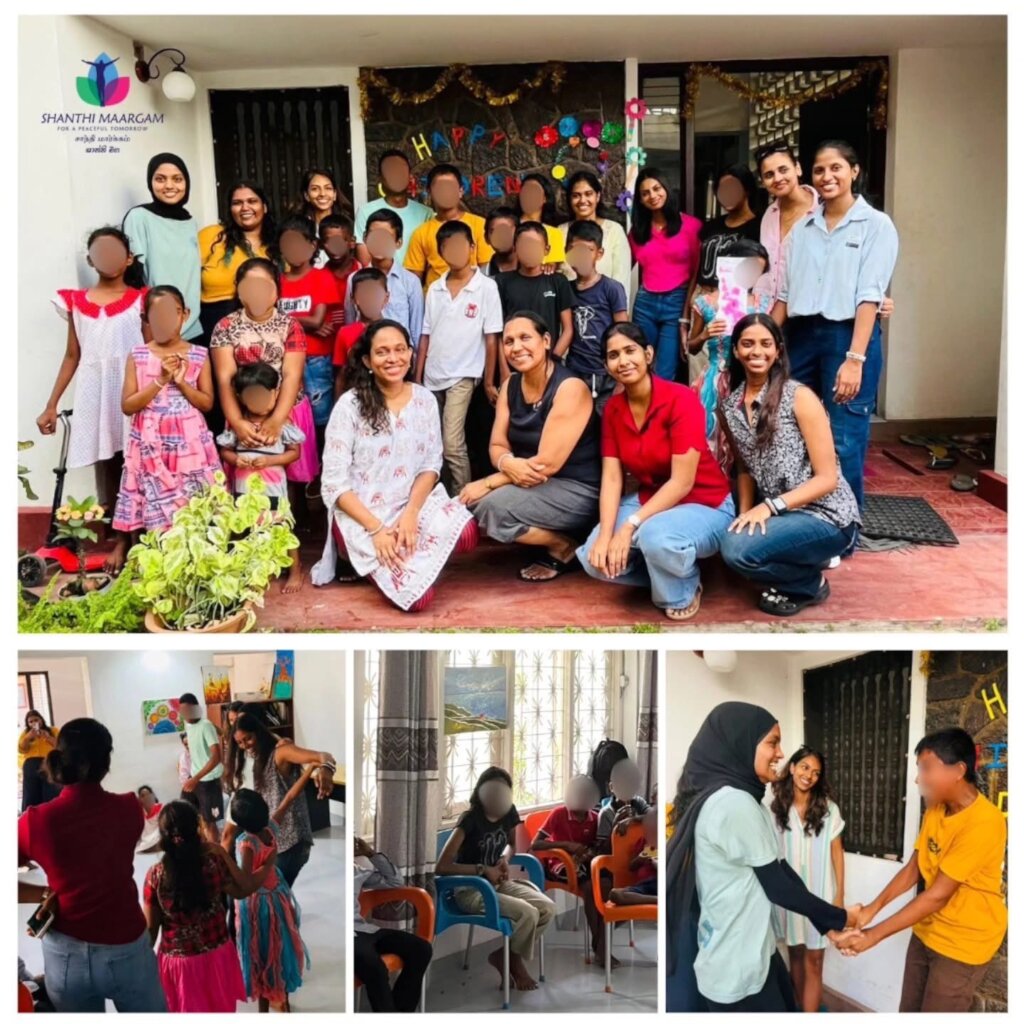
The Psychology and Community Social Work Internship was successfully completed at the end of the 4th quarter, in collaboration with SLITT Campus and the University of Peradeniya. As part of the program, interns actively conducted and facilitated numerous Positive Youth Development (PYD) sessions and mental health-related workshops, specifically targeting the urban poor communities. Interns engaged in community visits, created community maps, and conducted thorough needs assessments to better understand the challenges faced by these populations. Each session was designed to be interactive and experiential, offering interns not only academic and professional exposure but also personal growth. The hands-on nature of the internship allowed them to develop deeper insights into key mental health topics, fostering a lasting impact and inspiring a deeper commitment to the field.
This internship program at Shanthi Maargam is of significant importance, as it provides a practical, community-centered platform for future mental health and social work professionals. It empowers interns to apply theoretical knowledge in real-world contexts, while simultaneously supporting the organization’s mission to promote mental well-being and resilience among vulnerable youth and communities.
https://www.facebook.com/share/p/1J9QeF8je7/?mibextid=wwXIfr
https://www.facebook.com/share/p/174eZSgKZo/?mibextid=wwXIfr
PATHS to Change Program
The PATH sessions created an interactive space for children to reflect on their learning, build life skills, and engage with important social and emotional topics. Using tools like the Reflection Key, children explored personal growth and how to apply lessons in daily life, strengthening their self-awareness and confidence. A major focus was on cyber relationships, where participants learned to critically assess the risks and benefits of online interactions. Activities like group discussions and roleplays helped develop practical strategies for online safety and recognizing cyber harassment. Reflection sessions, such as those following community visits, further promoted empathy, ethical thinking, and values like respect and responsibility. Over time, many children showed improved behavior, leadership, and communication skills. Despite challenges with inconsistent attendance, facilitators successfully reinforced key topics like friendship, healthy relationships, and drug awareness by revisiting earlier lessons.
https://www.facebook.com/share/p/173E47KMKc/?mibextid=wwXIfr
Experiential Learning Activities
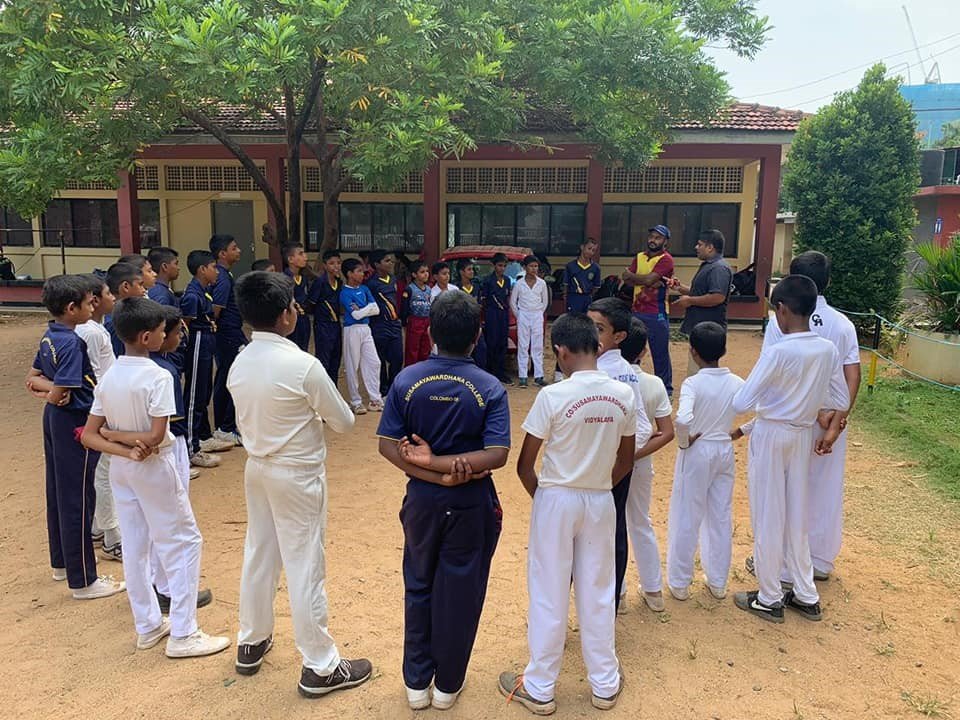
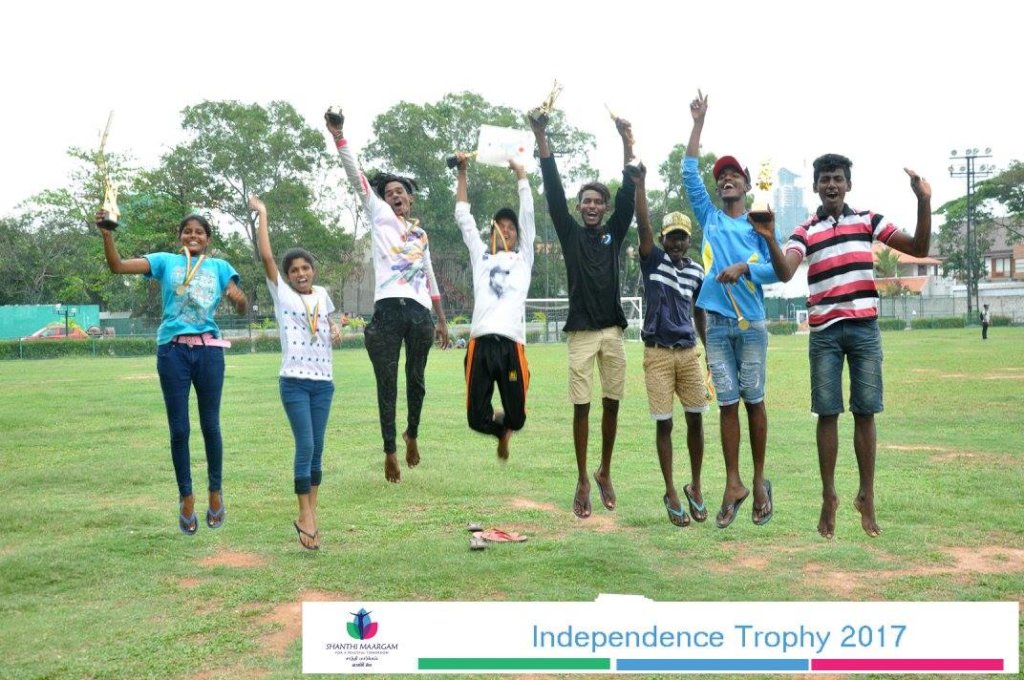
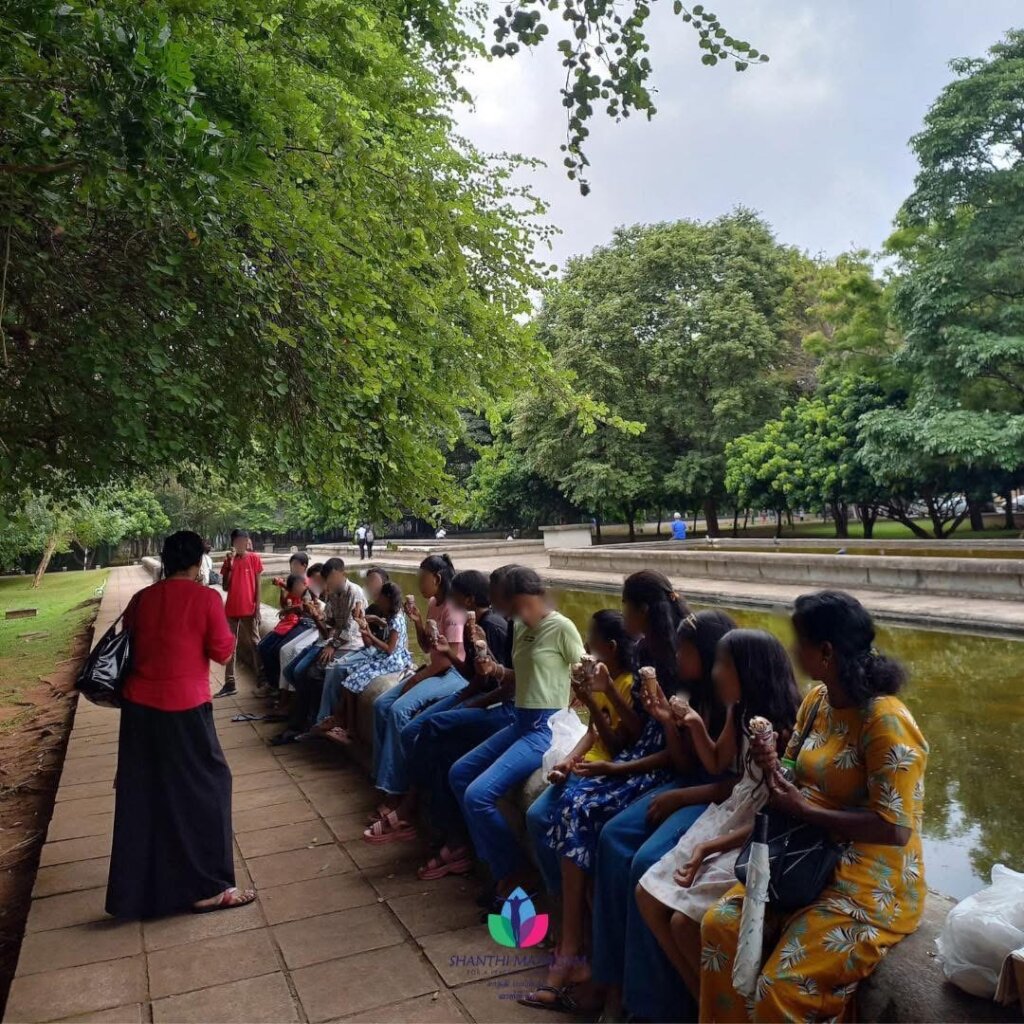
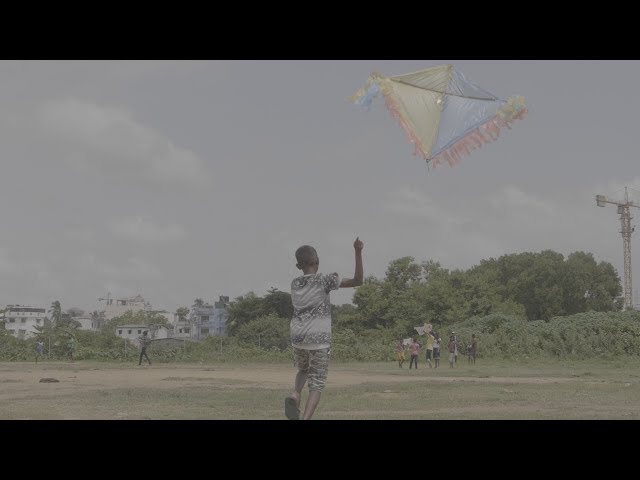
Shanthi Maargam organized several engaging outdoor activities for children, including a successful outing to Independence Square that boosted social skills and confidence through games and interaction with foreigners. The youth club’s visit to the Sri Lanka National Planetarium inspired curiosity and a passion for learning. In August, kite-making and flying sessions highlighted teamwork and joy, with children actively participating and supporting each other. These events not only provided fun and learning but also strengthened social bonds and encouraged the children to explore new experiences confidently. Outdoor activities like these are always a great way to relieve mental stress for kids, and they thoroughly enjoyed the experiences. These events not only provided fun and learning but also strengthened social bonds and encouraged the children to explore new experiences confidently.
https://www.facebook.com/share/v/1CHV6wixuL/?mibextid=wwXIfr
https://www.facebook.com/share/v/172hnsQyxA/?mibextid=wwXIfr
https://www.facebook.com/share/p/17BNnuiHep/?mibextid=wwXIfr
https://www.facebook.com/share/p/16rz9zMKoY/?mibextid=wwXIfr
Most Significant Change
Title: Strings of Hope – An Unexpected Journey from Participant to Performer
As part of the PYD sessions, Shanthi Maargam conducted a six-month guitar class for children from urban poor communities. The primary goal of the program was to offer a space for emotional healing, stress relief, and skill development through music. Sessions were led by a trained counselor who not only taught music but also created a safe and supportive environment for the children. One of the participants, a young girl from a highly vulnerable background, demonstrated a remarkable transformation. Her father is currently in prison due to drug-related issues, and her mother works tirelessly as a cleaning staff member at an international school to support the family. Despite these challenges, the girl showed a deep interest and enthusiasm for the guitar sessions.
Throughout the program, she participated actively, using music as an emotional outlet and a source of comfort. What started as a therapeutic activity gradually became a passion. At the end of the program, she used her own saved pocket money to buy a second-hand guitar. a significant gesture that reflected her commitment and emotional investment. Today, this girl is not only continuing to practice the guitar but is also confidently performing at her school’s cultural events. Music has become a source of identity and pride for her.
Project reports on GlobalGiving are posted directly to globalgiving.org by Project Leaders as they are completed, generally every 3-4 months. To protect the integrity of these documents, GlobalGiving does not alter them; therefore you may find some language or formatting issues.
If you donate to this project or have donated to this project, you can receive an email when this project posts a report. You can also subscribe for reports without donating.



Support this important cause by creating a personalized fundraising page.
Start a Fundraiser