By Country Director | IsraAID Nepal
Flood Response
Barely two years after the 2015 earthquake that rocked Nepal, the south of this small Himalayan Nation experienced major floods and landslides, affecting six million people in 18 districts.
The fast water washed away thousands of houses and permanently damaged farm land, food stocks and water infrastructure. More than 120 people have lost their lives, and many more are still missing. The most affected are often already marginalized and impoverished communities, such as the Dalit, Madhesi and other.
Nepal, among the poorest countries in the world, has very few resources to handle a disaster of this scale. The lack of infrastructure, especially in the localities of these vulnerable communities, exacerbates the risks and makes the need for a response urgent.
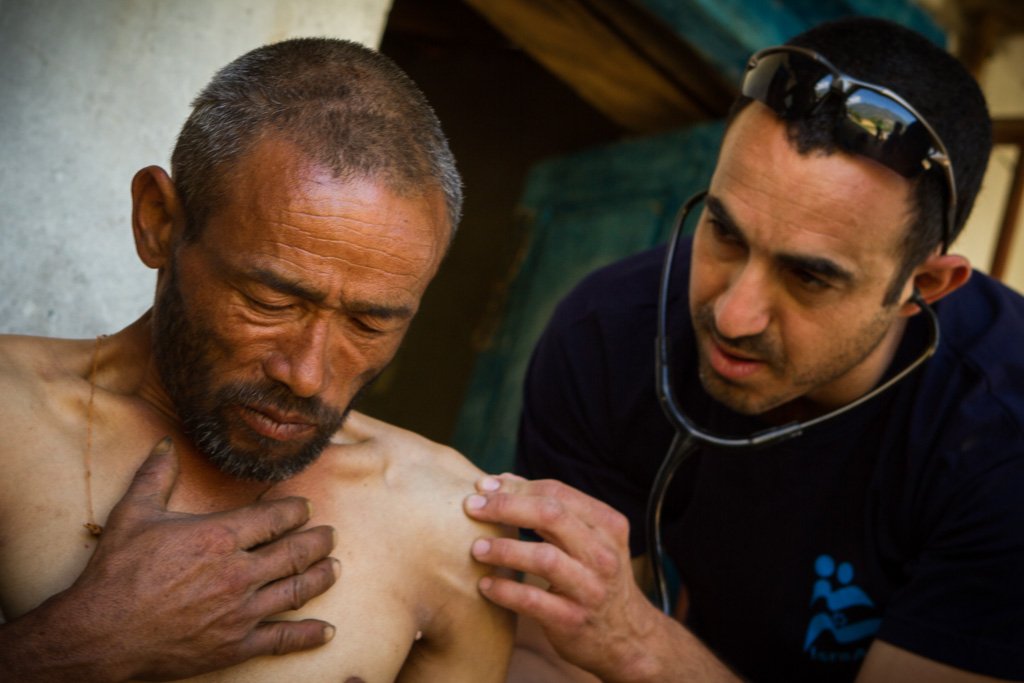
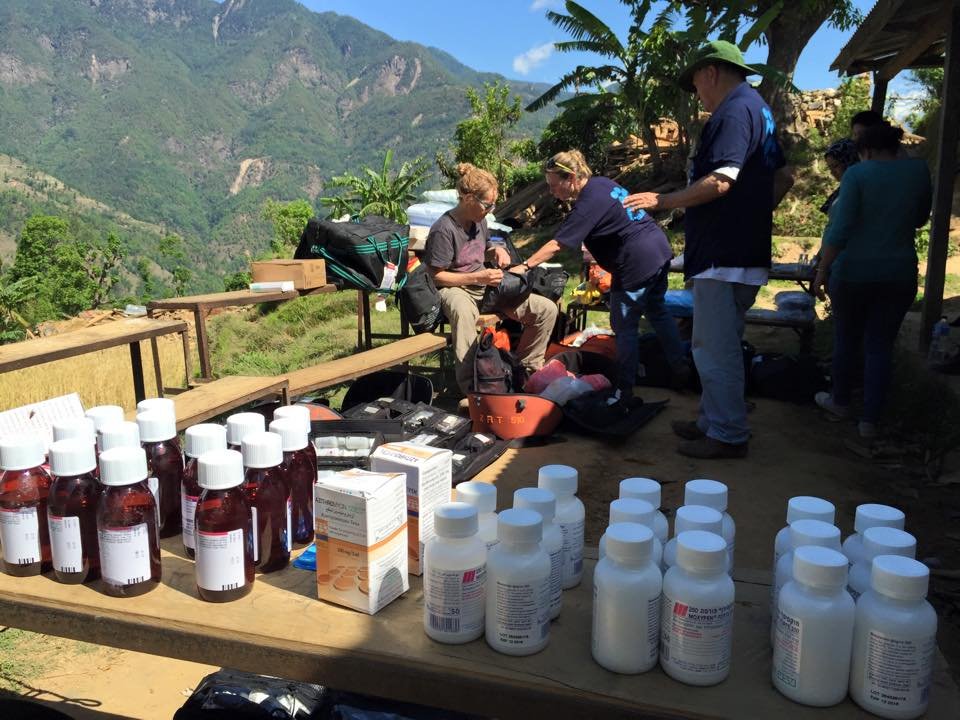
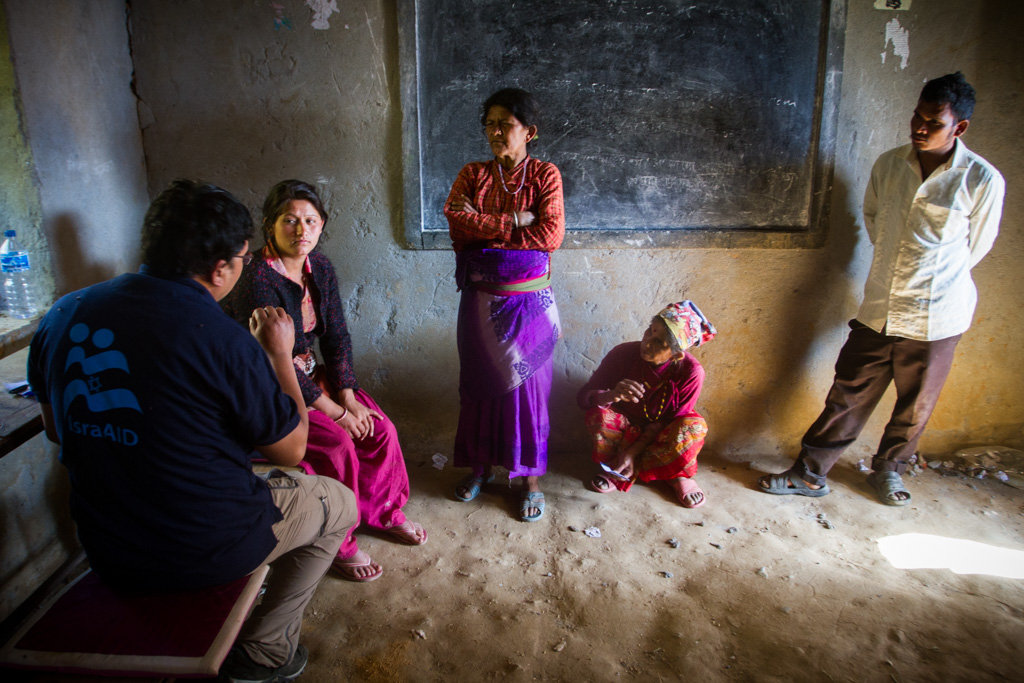
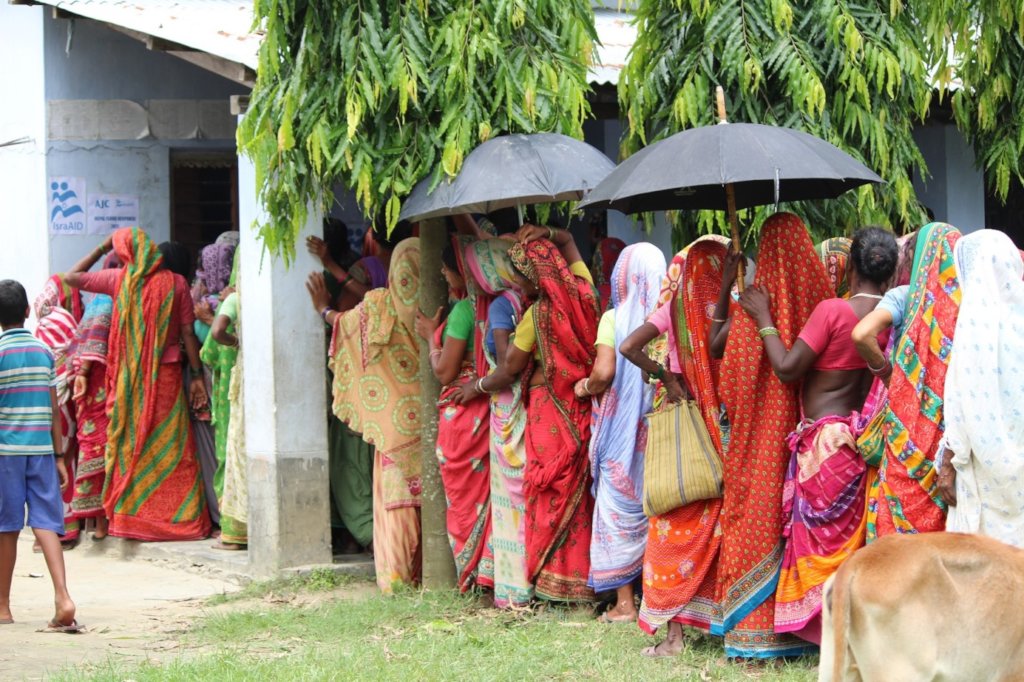
IsraAID is one of the first international organizations to receive approval from the Government (Central and local level) for such a response. On Thursday 17th August, IsraAID sent a first response and assessment team of 16 people to the area. The team has tirelessly been working in the Saptari District after the floods delivering medical assistance, targeted drugs to reduce the spread of water-borne diseases, public health messages and hygiene kits, and mental health support for those deeply affected by the trauma of losing their homes. The team has distributed medicines and served 1,653 patients with medical aid, 649 recipients with psychosocial support, and distributed 600 hygiene kits in just five days.
Exciting partnership
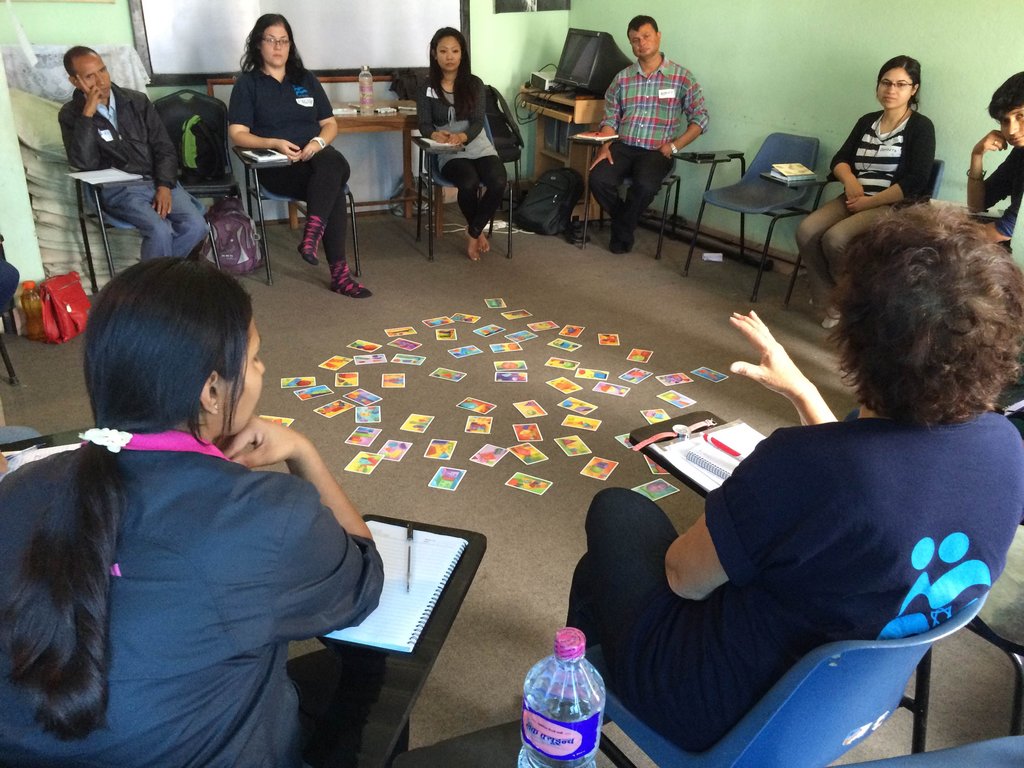
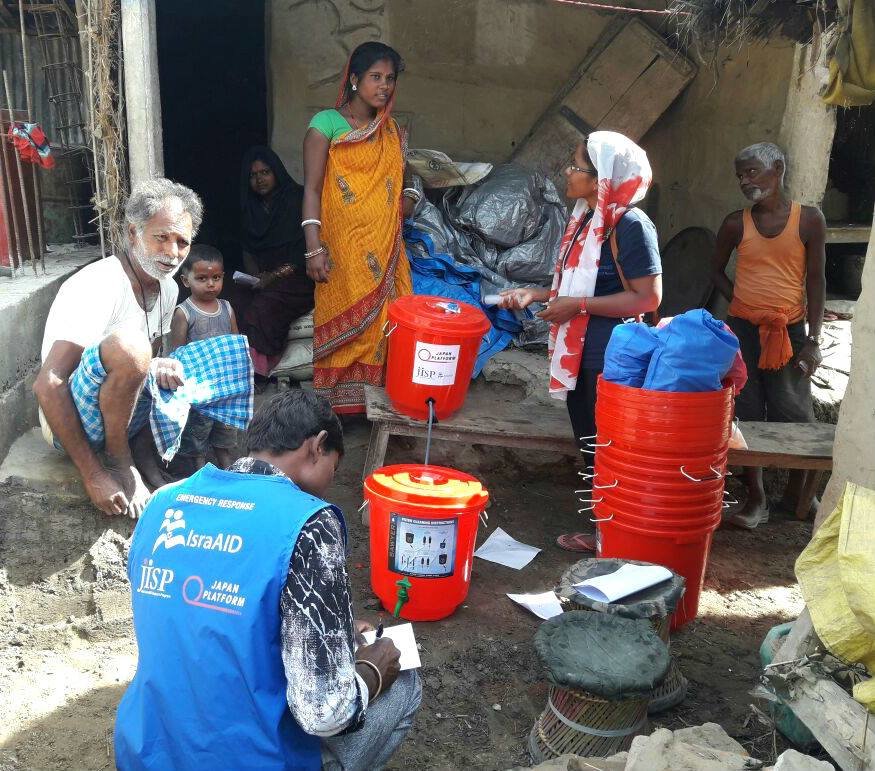
IsraAID Nepal and IsraAID Japan (JISP) have partnered in the flood response, and have together done amazing work in Saptari in the last 6 weeks. They have distributed filters and feminine hygiene kits to over 200 families affected by the flooding, and provided counseling and Psychosocial support for vulnerable women and children.
They have also started WASH clubs in schools to promote good hygienic behavior and prevent more cholera outbreaks. As one of the poorest regions in the country, access to clean water before the flood was limited at best. After the flooding any structures which had been in place to filter drinking water had been largely washed away. With this project we are aiming to reach 300 households providing filters, buckets and other items for access to clean drinking water and basic hygiene.
HoneyAID
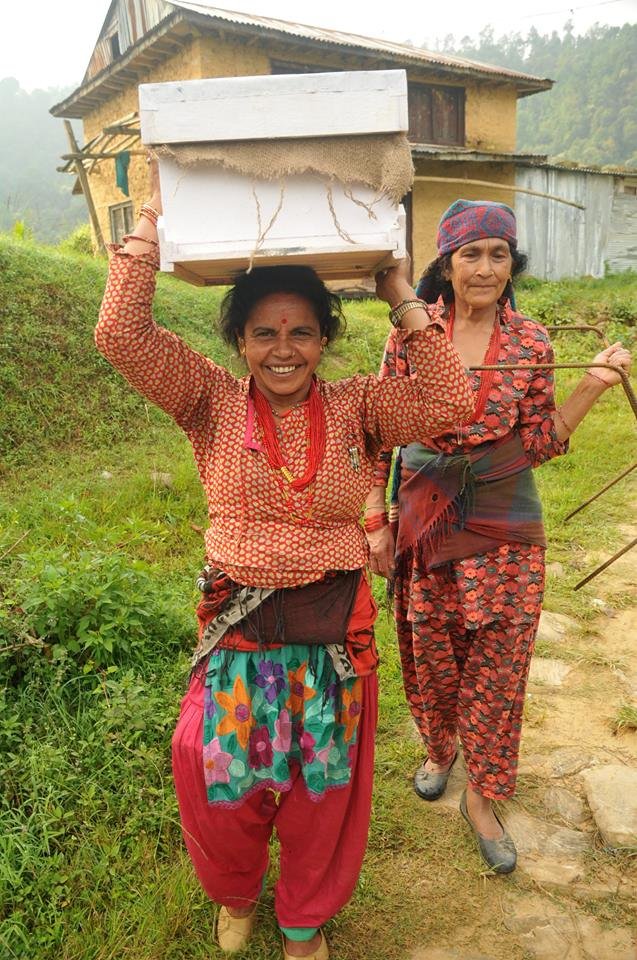
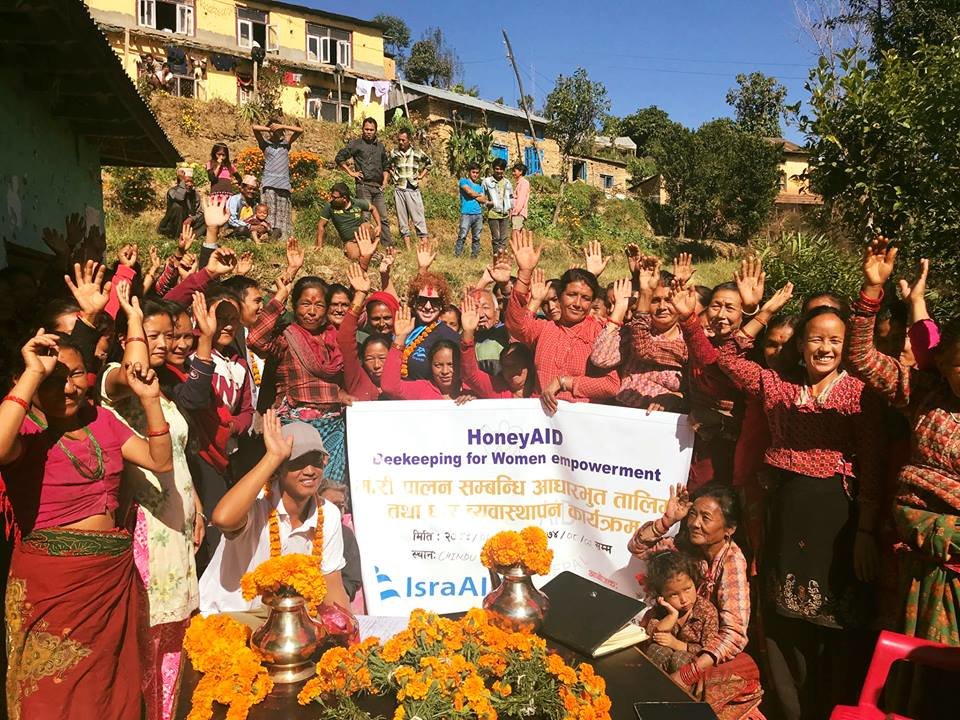
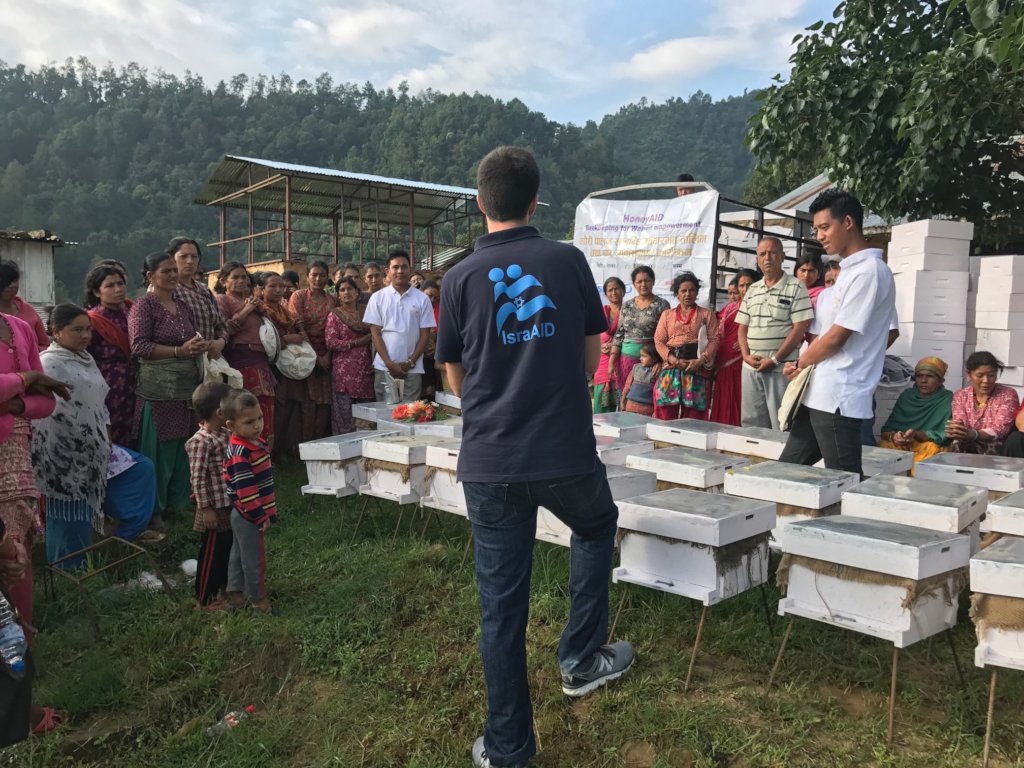
Last month, HoneyAID launched a training and beehive distribution program in Chundi, another village highly affected by the earthquake, which two years on still suffers from the aftermath. IsraAID will be providing 65 women in-depth training, all the materials needed to start their own beekeeping business, and constant technical support in the coming months.
The team also distributed new hives to 62 women in Kusadavi, another rural village highly affected by the earthquake. All the recipients of these hives will receive constant support from HoneyAID staff with the aim of providing a long-term solution for sustainable income. The smiles radiating from these women was infectious and all thanks to the tireless and highly professional work done by the HoneyAID staff.
Thank you for your continued support – please keep IsraAID in mind for GivingTuesday, only one week from now!
Project reports on GlobalGiving are posted directly to globalgiving.org by Project Leaders as they are completed, generally every 3-4 months. To protect the integrity of these documents, GlobalGiving does not alter them; therefore you may find some language or formatting issues.
If you donate to this project or have donated to this project, you can receive an email when this project posts a report. You can also subscribe for reports without donating.