By Salik Ansar | Project Manager
As we step into October, we take a moment to express our heartfelt gratitude for your continued support and belief in our mission. Your generosity has carried us through another remarkable quarter, one filled with growth, learning, and meaningful impact for both people and wildlife.
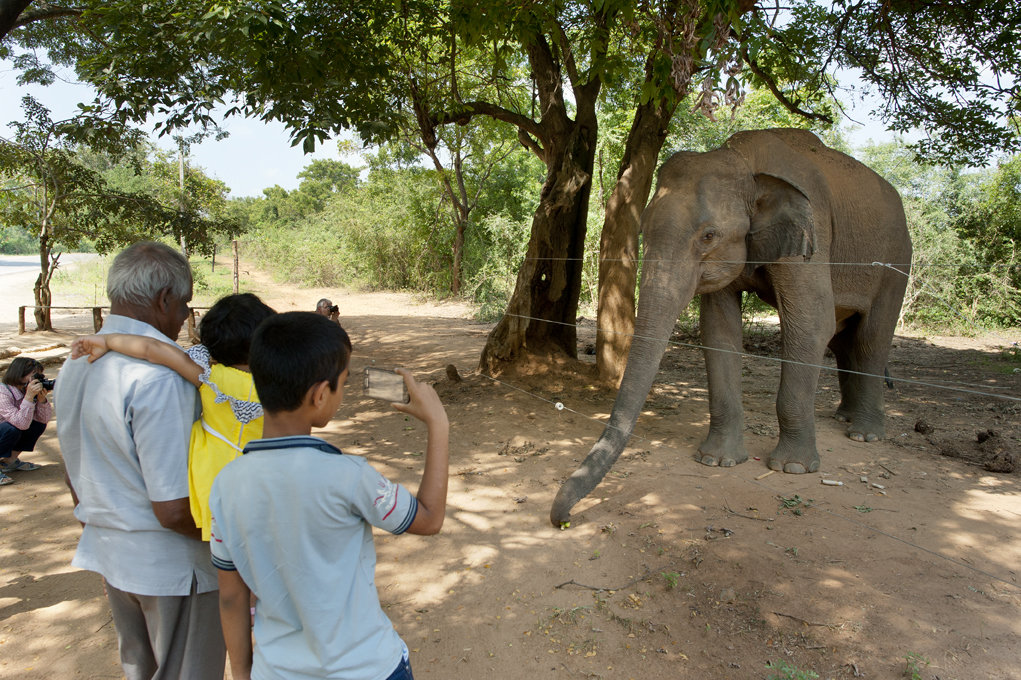
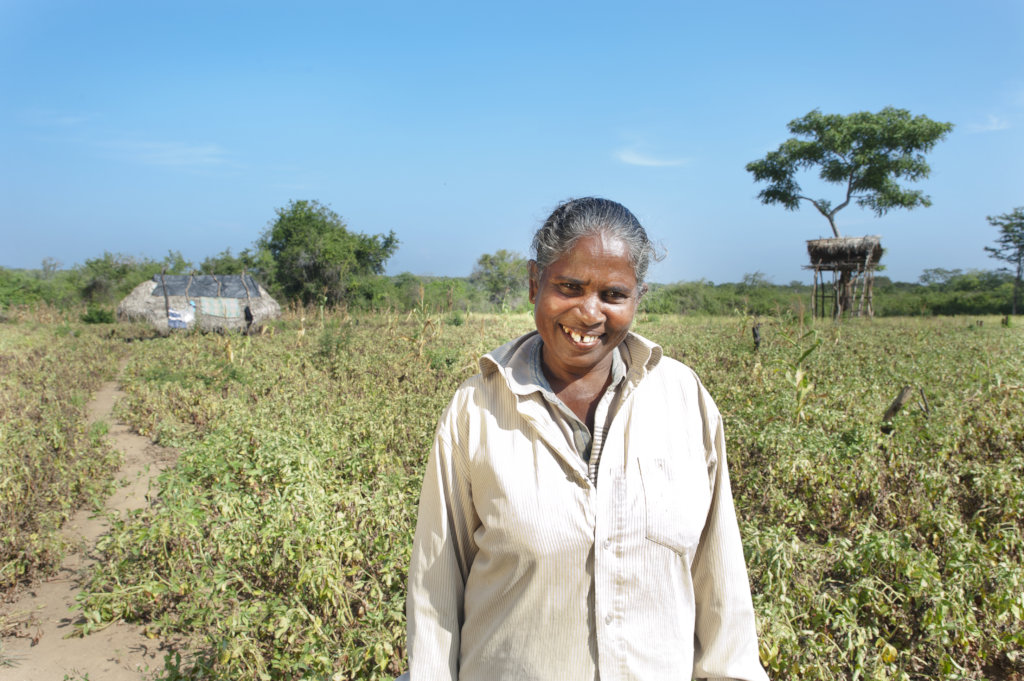
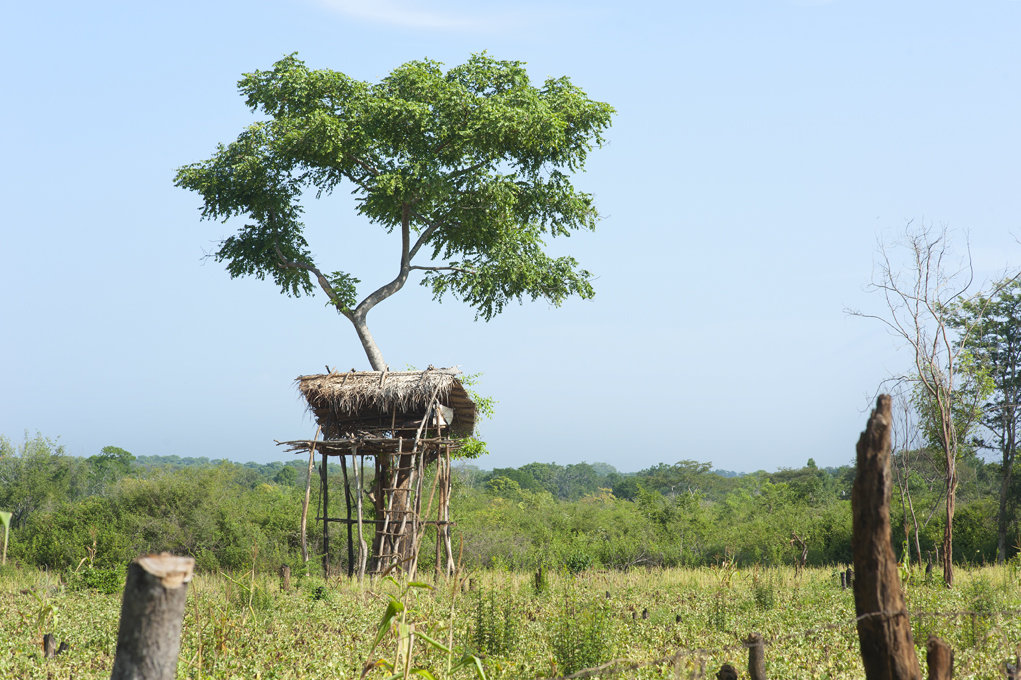
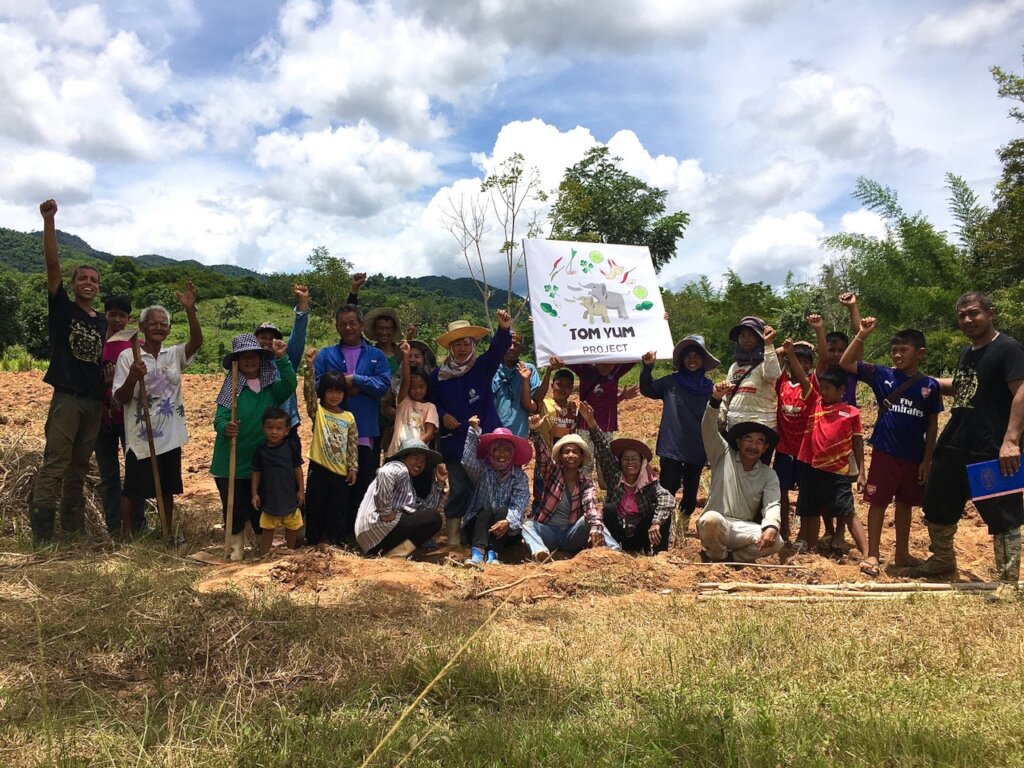
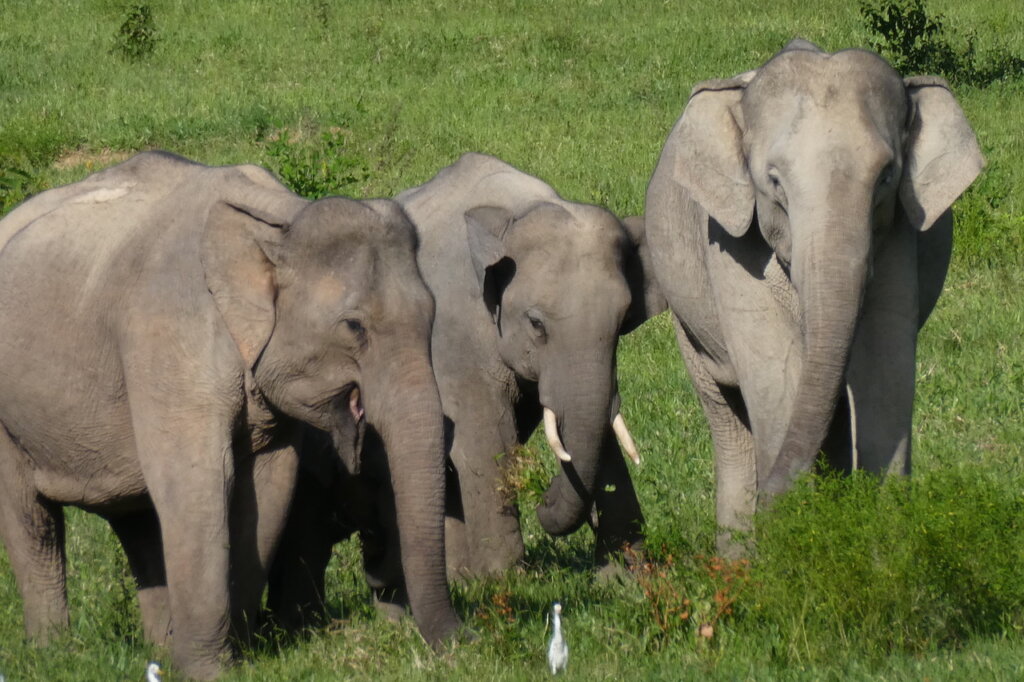
Thanks to you, our work empowering communities to coexist with elephants continues to strengthen. Each contribution helps us take another step toward a future where conservation goes hand in hand with community well-being. From supporting farmers in mitigating human-elephant conflict to building resilience through sustainable livelihoods, your support makes it all possible.
We’re thrilled to share that some exciting updates from the field this quarter, from new community-led initiatives to fresh insights from the field. None of this would happen without you - our steadfast supporters - who remind us that real change begins with compassion and commitment.
Together, we’re not only protecting elephants, but nurturing the harmony between people and the wild places they call home.
Alternative Crop Project: Over 12,600 saplings planted!
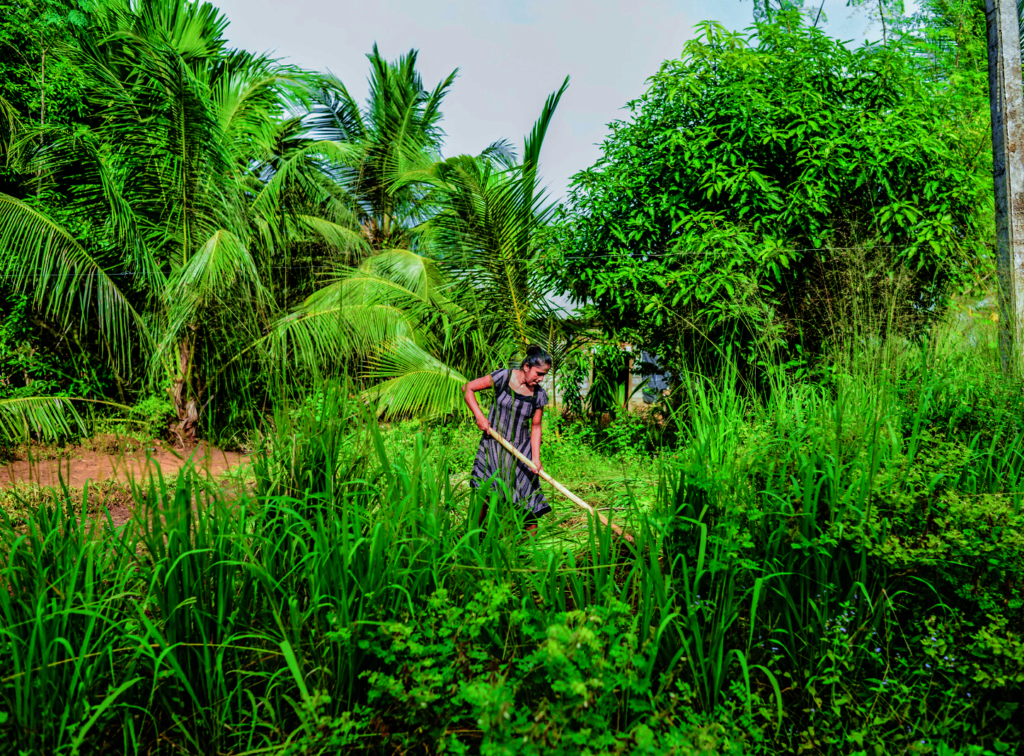
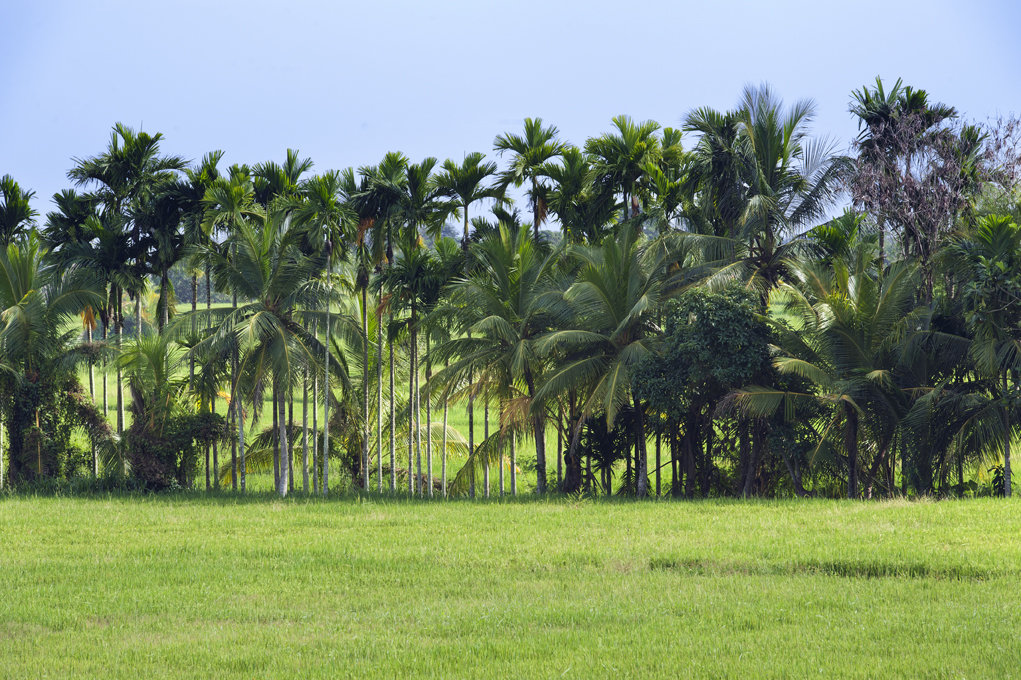
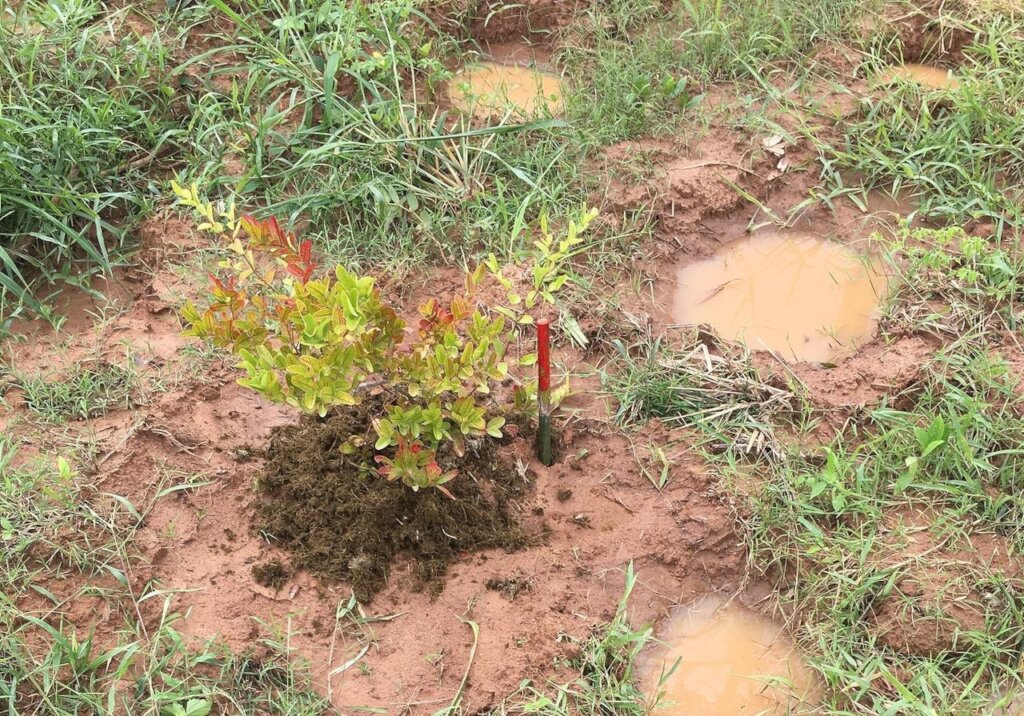
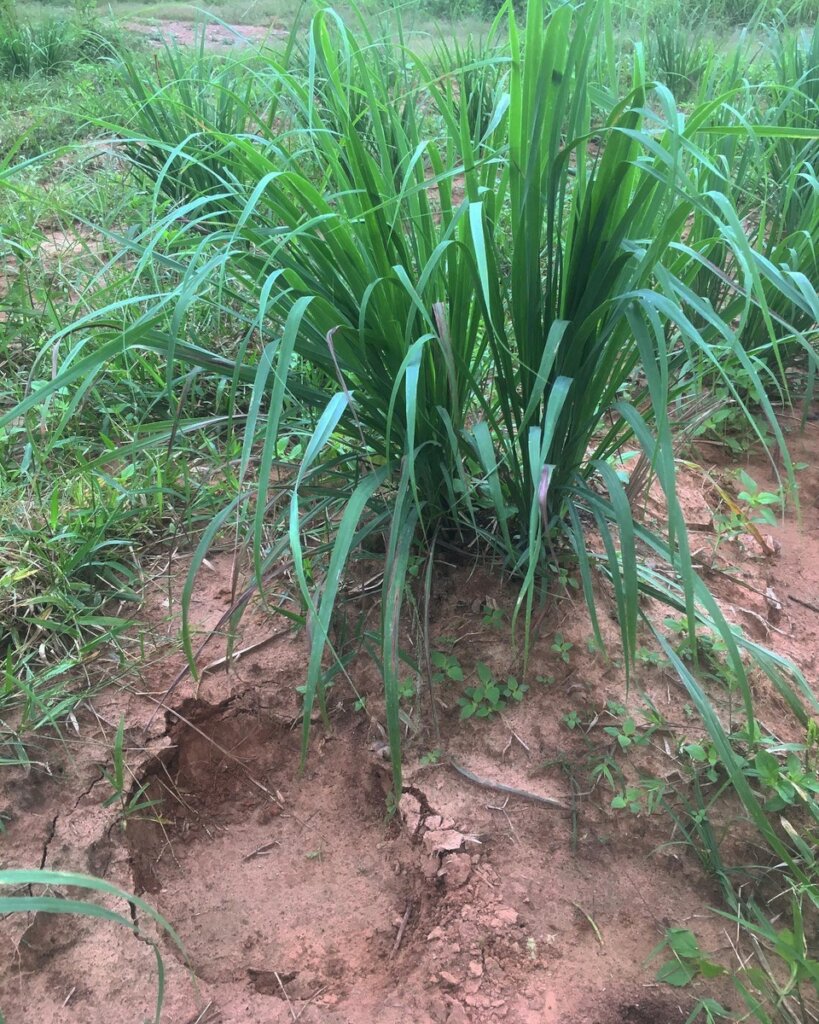
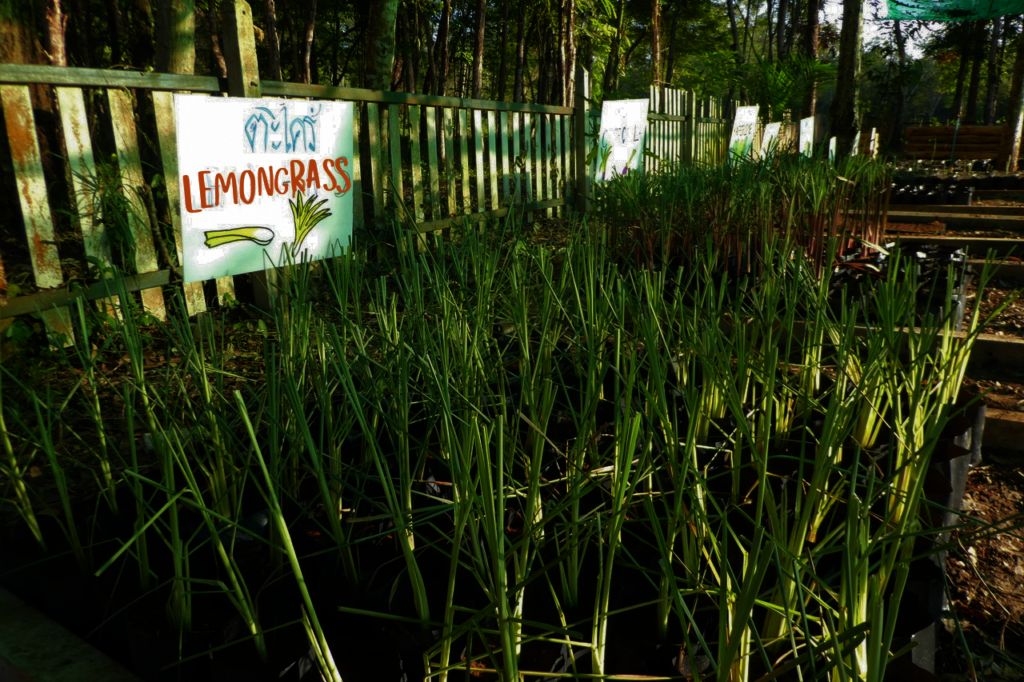
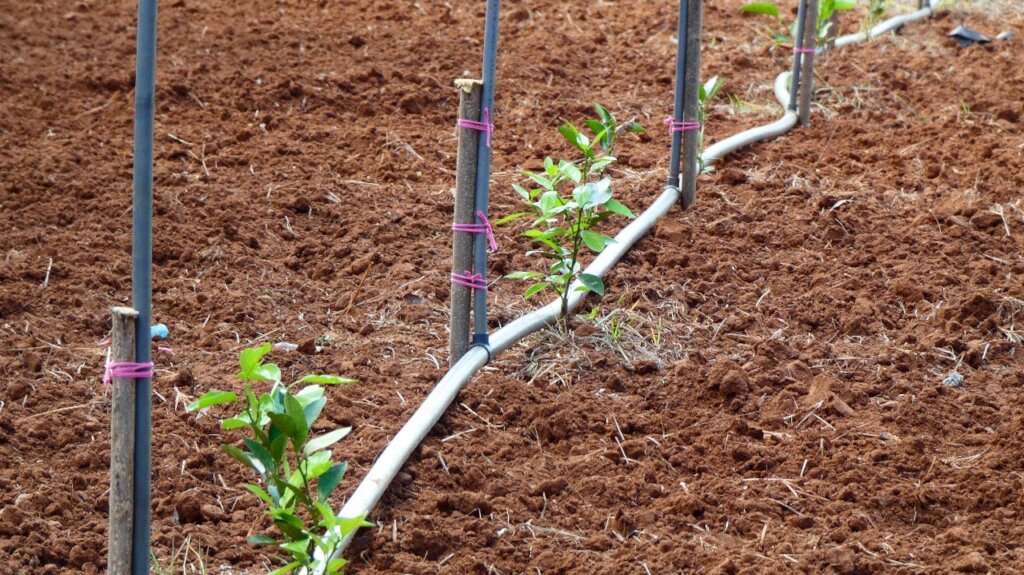
With your help, our alternative crop distribution program continues to reach new milestones, building on the foundation set with our initial 40 participating farmers. Following the distribution of 3,610 saplings to the first 20 farmers last December, we expanded in June 2025 to reach 45 more farmers, distributing approximately 1750 local orange, 4521 lemon, and 5400 moringa plants. That’s enough saplings to transform 65 family farms and cover over 32 acres of farmland!
The reporting quarter coincided with the dry season, which posed significant challenges for crop maintenance and irrigation. Water availability was severely limited, affecting sapling survival and growth across several project sites. During routine follow-ups, our team observed that some farmers had neglected irrigation for the distributed crops due to resource constraints and competing priorities, particularly the need to focus on their main cash crops.
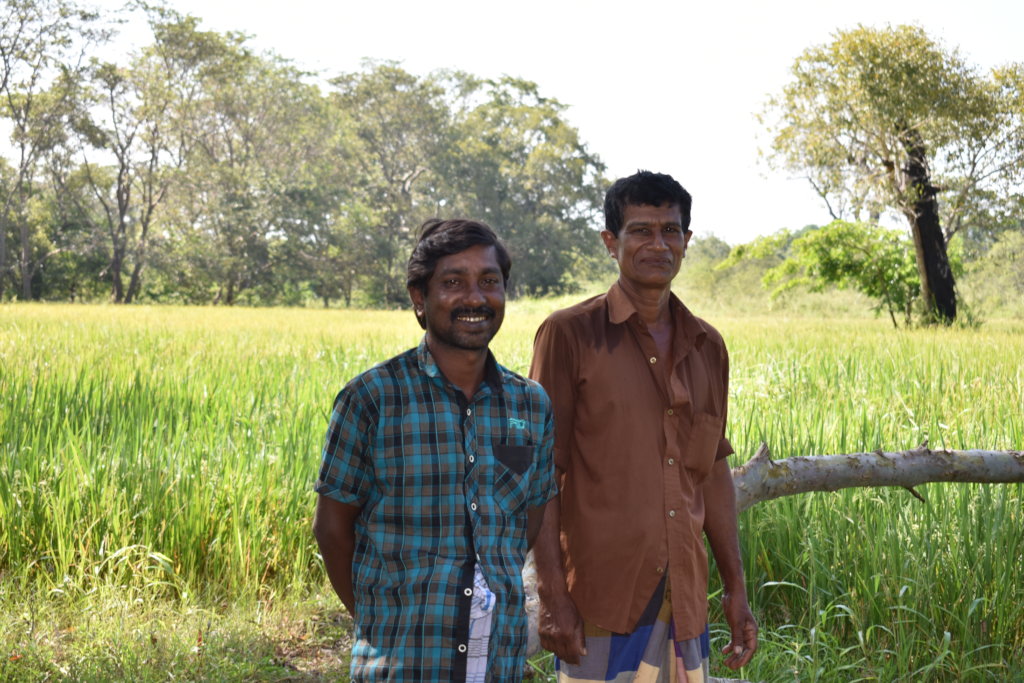
"We need to explain and reiterate the importance of managing the farm properly, farmers need to be supervised and we need to listen and work with them." - Sameera (Field Officer)
In response, the field team revisited these farmers to provide hands-on guidance and support, helping them reinstate proper irrigation practices. This included developing simple, sustainable irrigation plans tailored to each farmer’s available water sources, while emphasizing the long-term benefits of the alternative crop program for both livelihoods and elephant coexistence.
Despite these challenges, preparations for the next phase of expansion are well underway. An additional 3,000 saplings (making the total to around 12600 saplings) have been ordered and are scheduled for distribution once the rains commence as I type in mid-Oct. (Yay – the rains are back!) This upcoming round will build on the lessons learned from the previous year, with greater focus on selecting suitable crop types and prioritizing farmers with adequate irrigation facilities.
Thanks to your continued support, each new sapling planted represents not just a step toward sustainable livelihoods, but also renewed hope for the coexistence of people and elephants.
Biodiversity Study: Phase 3 completed!
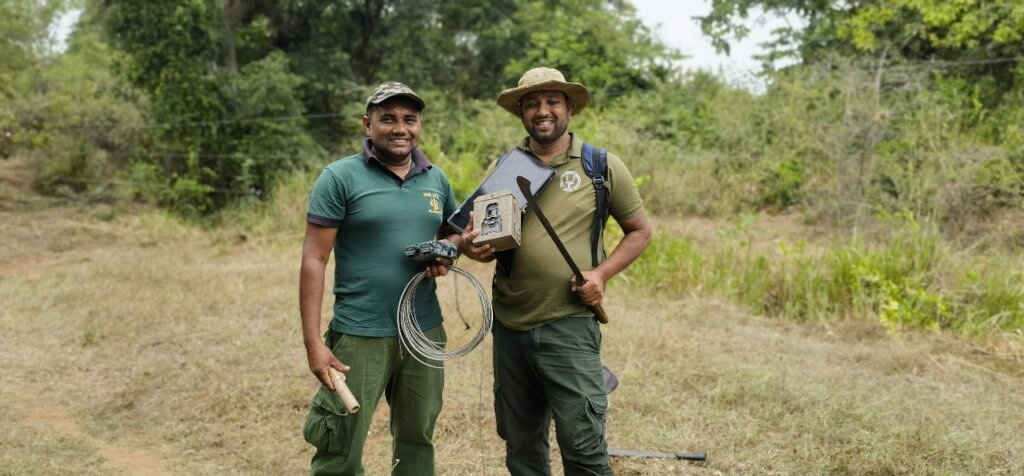
During this quarter, the third phase of the biodiversity study was successfully completed across 18 selected farms - nine representing our alternative crop sites and nine serving as control sites. The survey was led by Mr. Sudesh, Senior Lecturer in Zoology and Environmental Management, in close collaboration with our field team, in Udawalawe. Conducted over a five-day period, the study included both daytime and nighttime observations, enabling a more comprehensive understanding of faunal activity compared to previous phases.
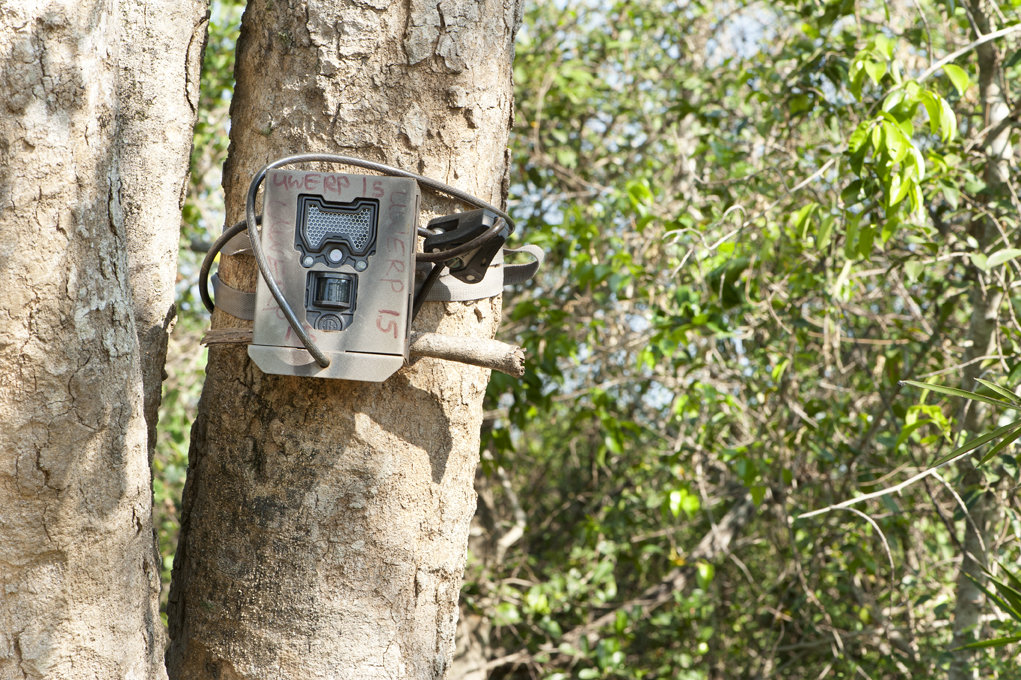
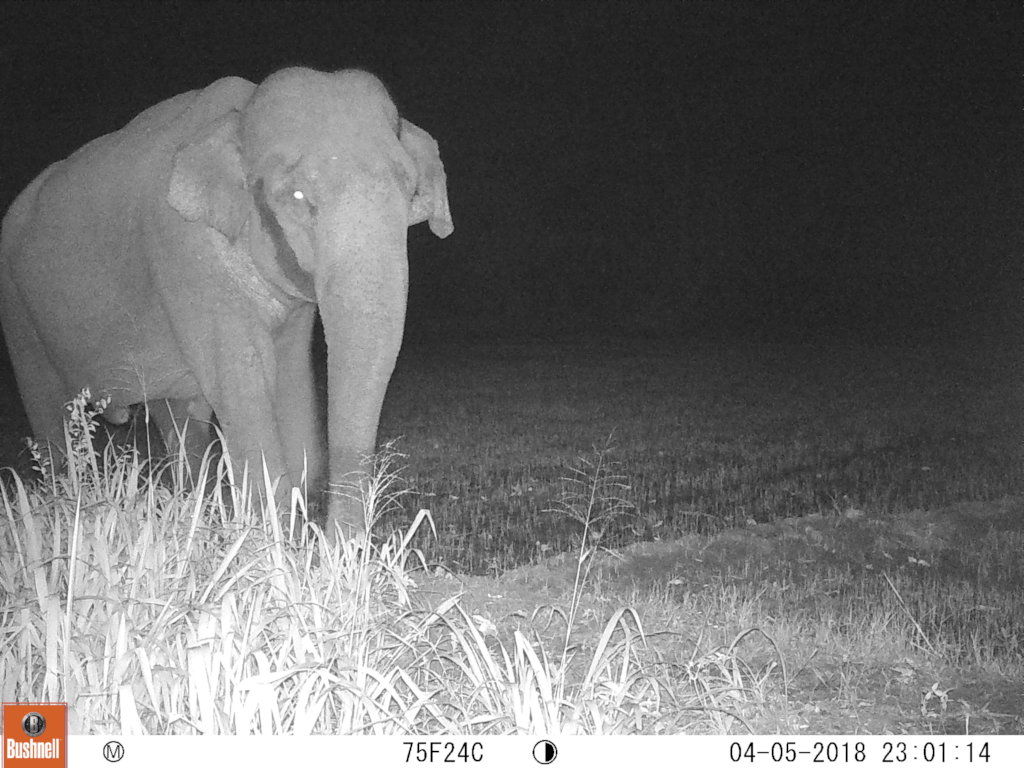
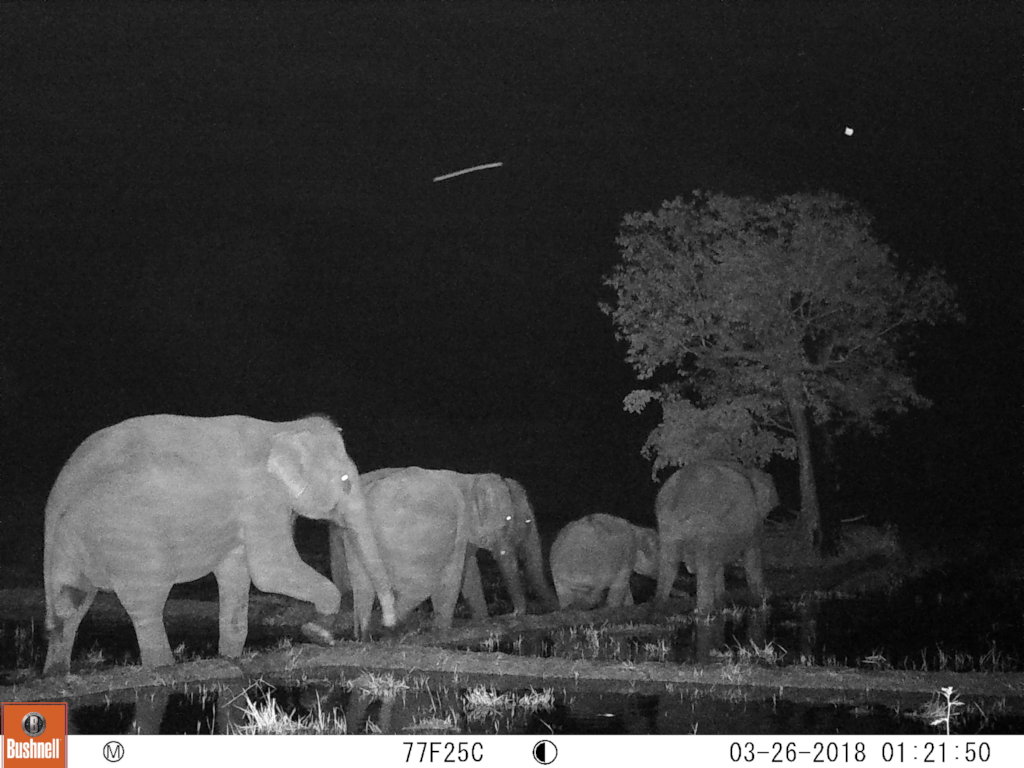
As with earlier studies, the team camped on-site throughout the survey period, employing a combination of visual encounter surveys, camera traps, and Sherman traps to record the diversity of small animals across the selected landscapes. A detailed report from Mr. Sudesh and his team is expected in the coming weeks and will provide valuable insights into the ecological differences between the alternative crop farms and the control sites.
In other news: Meetings, meetings and more meetings!
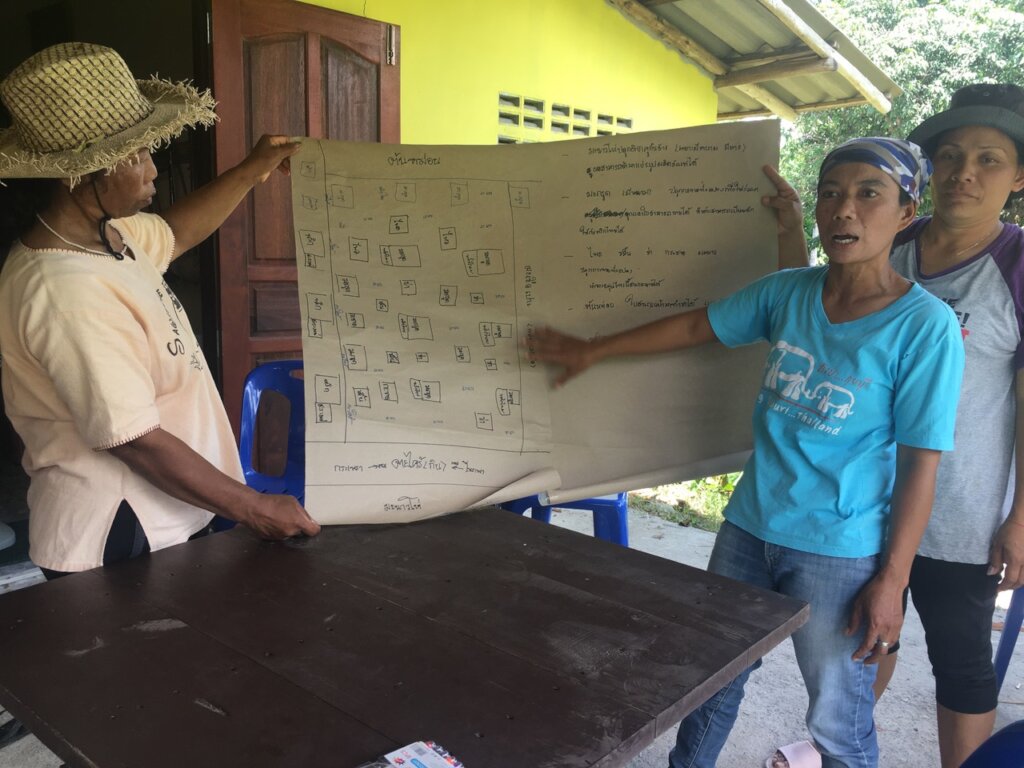
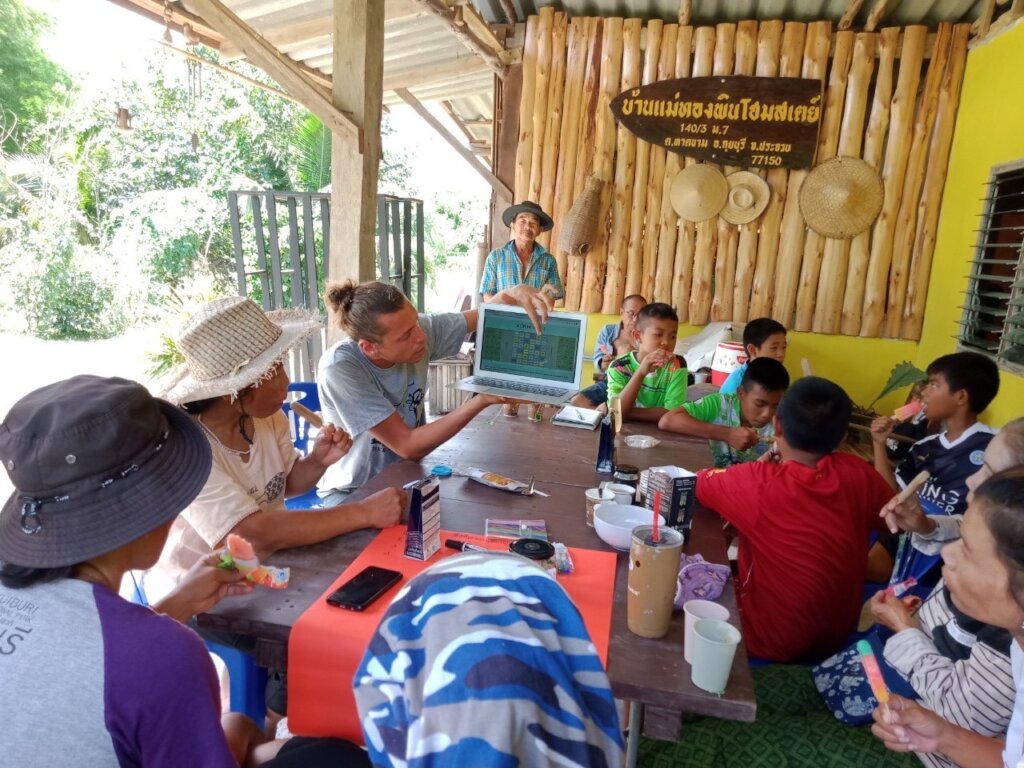
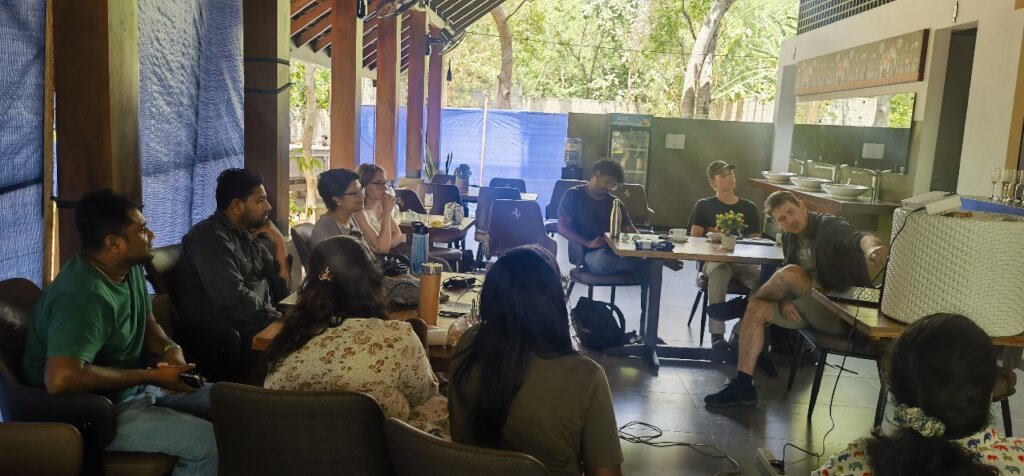
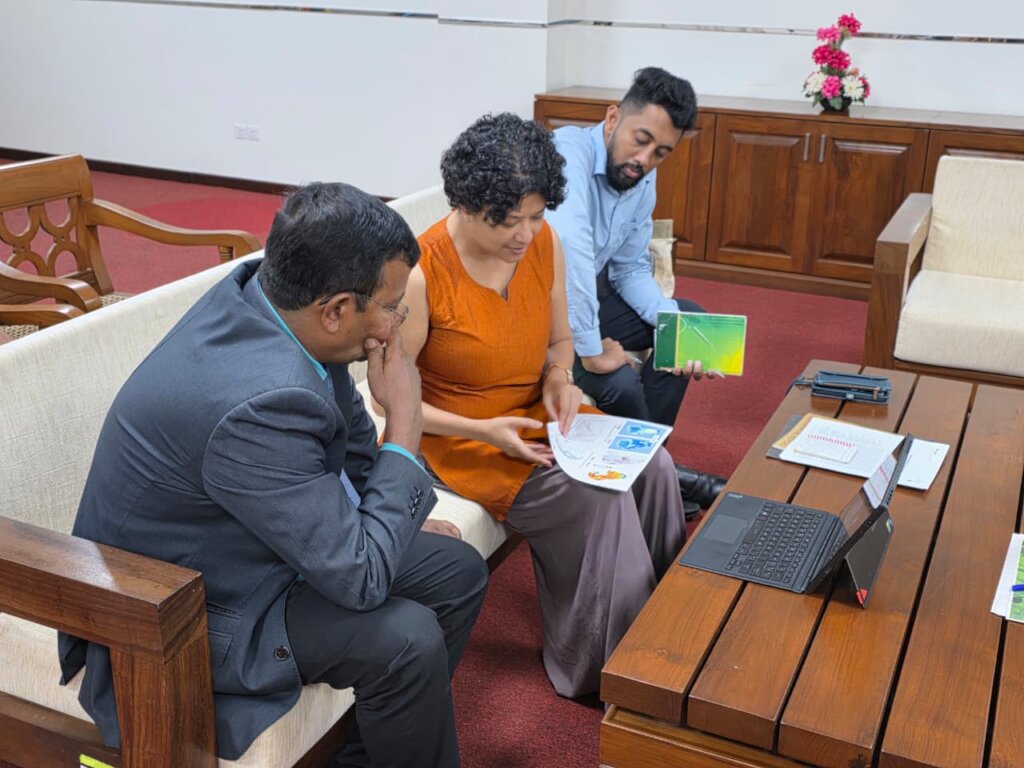
During this quarter, our team held several key meetings to review progress and strengthen collaboration across project partners. Notably, Dr. Shermin met with the Deputy Minister of Wildlife and Environment of Sri Lanka to discuss our project, share key findings, and explore potential areas for future collaboration. In addition, the annual team meeting was held in Udawalawe, bringing together field and research teams to reflect on achievements, challenges, and plans for the upcoming season. We were pleased to have members from other elephant conservations join the meeting, providing valuable feedback and gaining insight into recent developments on the ground.
Links:
Project reports on GlobalGiving are posted directly to globalgiving.org by Project Leaders as they are completed, generally every 3-4 months. To protect the integrity of these documents, GlobalGiving does not alter them; therefore you may find some language or formatting issues.
If you donate to this project or have donated to this project, you can receive an email when this project posts a report. You can also subscribe for reports without donating.



Support this important cause by creating a personalized fundraising page.
Start a Fundraiser