By Erick Bosire | Project Leader
1. Background Information
Context: The Lurambi Sub-County project aims to support over 10,000 Orphans and Vulnerable Children (OVC) whose families and caregivers live in abject poverty. A primary consequence of this poverty is the inability to afford essential educational requirements. Lacking basic items like school uniforms, bags, and stationery creates significant social stigma and forms a powerful barrier to school attendance, directly contributing to poor educational performance and perpetuating the cycle of poverty.
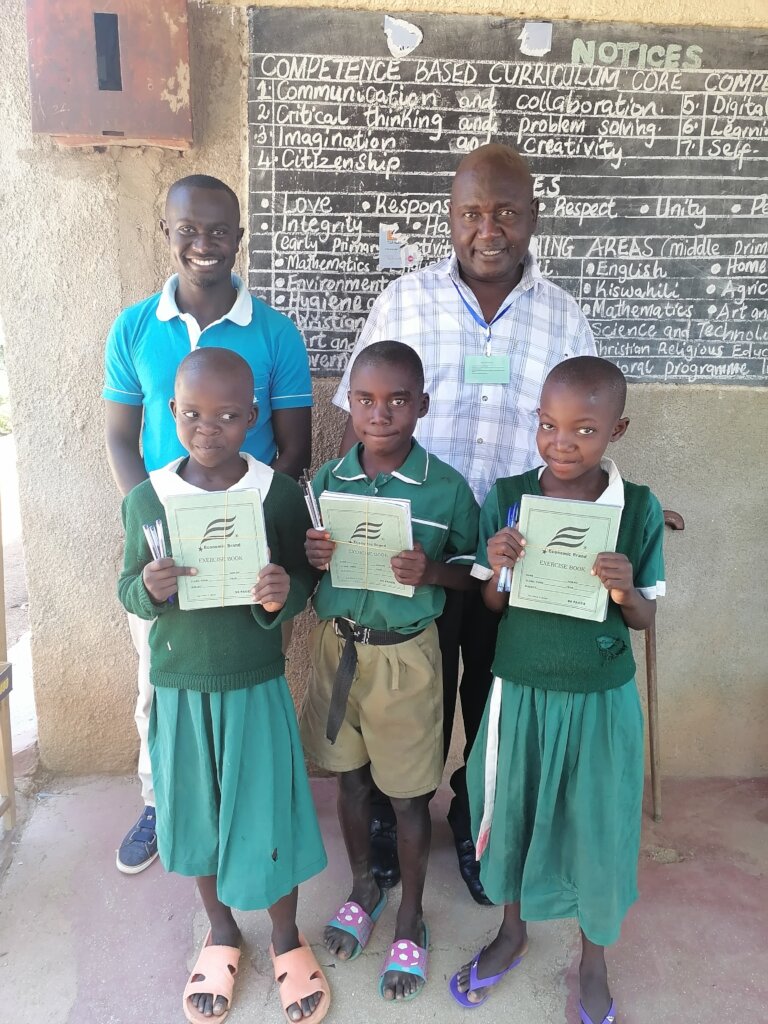
Goal: This specific initiative focused on eliminating these key material barriers to learning by providing comprehensive educational kits to the most needy OVC, thereby improving their access to school, boosting their morale, and promoting consistent attendance.
2. Activity Proceedings
Identification of Recipients: Working in conjunction with Community Health Volunteers (CHVs) and local Community Units (CUs), the most vulnerable OVC were identified based on criteria including household poverty level, current school attendance records, and immediate need for educational resources.
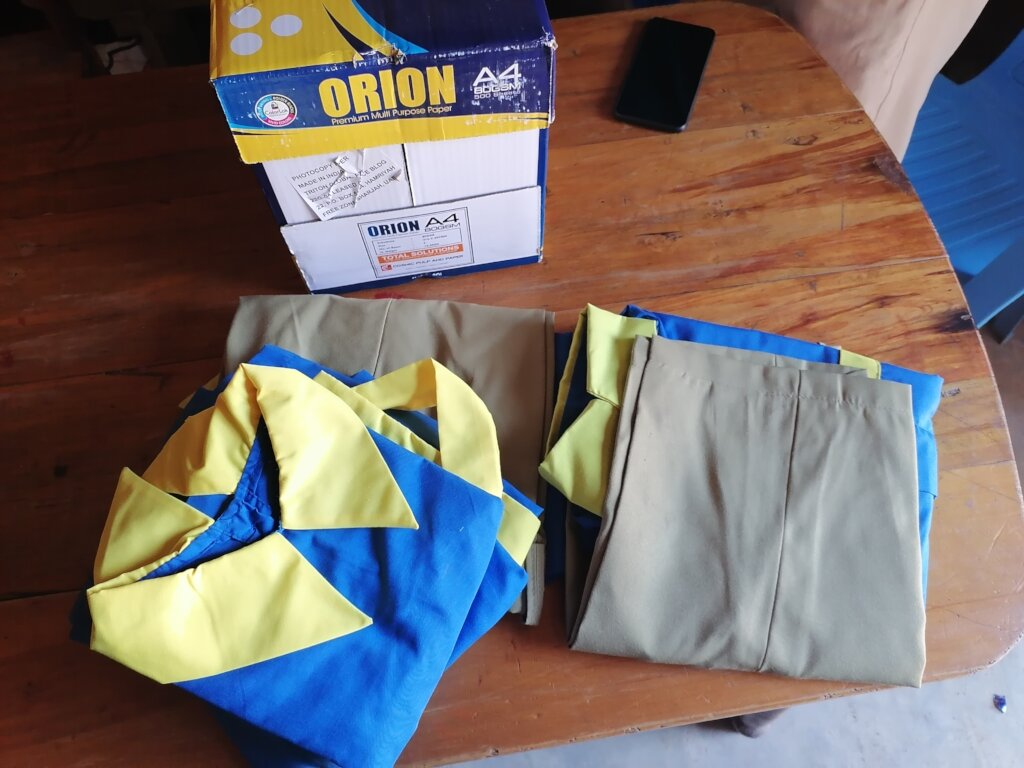
Procurement and Preparation: Funds were allocated for purchasing complete school uniforms (including shoes and sweaters where required), and a year’s supply of necessary stationery and textbooks. Uniforms were sized prior to distribution to ensure an immediate, proper fit for the students.
Distribution: A dedicated distribution day was organized at schools. Each identified child received their personalized pack. The event also included a brief session with teachers to reinforce the importance of daily school attendance and to address any immediate concerns regarding their child’s enrollment status.
3. Lessons Learned
The provision of complete, matching uniforms immediately elevated the children’s self-esteem and reduced instances of social isolation. They were able to attend school without the visible marker of their poverty, fostering a stronger sense of belonging.
Utilizing the network of CHVs proved highly effective for needs assessment and accurate distribution, confirming that local, community-based personnel are the most reliable resource for outreach and verification.
4. Challenges
Despite the significant number of kits distributed, the need far outstrips the resources available. The OVC population in Lurambi is over 10,000, and a large proportion still requires basic educational support, presenting a significant prioritization challenge.
While sizing was conducted, the rapid growth of children means that uniforms will need replacement or resizing within the next 12-18 months, requiring a continuous supply chain and budget planning.
5. Recommendations
Continuous Educational Fund- We recommend establishing a dedicated, revolving fund to ensure educational needs are met annually. This would cover:
Replacement uniforms for growing children.
Consumable items (stationery) for subsequent school terms.
Support for the few children still without uniforms.
We recommend dedicating a small resource to monitor the academic performance of the OVC recipients over the next year. Linking material support to documented progress can serve as a powerful motivation and provide valuable data on the long-term effectiveness of the intervention.
Formalizing a partnership with the Ministry of Education (MOE) alongside the Ministry of Health could streamline the identification process and potentially secure supplementary resources or fee waivers for the OVC population.
Project reports on GlobalGiving are posted directly to globalgiving.org by Project Leaders as they are completed, generally every 3-4 months. To protect the integrity of these documents, GlobalGiving does not alter them; therefore you may find some language or formatting issues.
If you donate to this project or have donated to this project, you can receive an email when this project posts a report. You can also subscribe for reports without donating.



Support this important cause by creating a personalized fundraising page.
Start a Fundraiser