Project Report
| Sep 8, 2025
Monitoring the progress of WASH project in schools
![]()
1.0 ACTIVITY PROCEEDINGSDuring the month of July 2025, the WE REACH WASH team undertook a second round of Monitoring, Assessment and Support (MAS) visits to our 10 partner schools in Mumias East Sub County, following the June school visits. These visits aimed to track the progress of the School Health Clubs (SHCs), provide on-the-ground mentorship to Teacher Health Champions, and support schools in strengthening sustainable WASH interventions.The July visits came at a time when the momentum around hygiene, sanitation, and menstrual health had visibly picked up within the schools, with Group 7 School Health Clubs playing a central role in driving the change.Strengthening Peer-Led Health EducationAll 10 schools now have fully functional School Health Clubs, whose membership has grown steadily, each club recording an increase of 2–3 new members since the last visit. The clubs are now highly active, holding weekly or biweekly sessions that use songs, drama, parades, and skits to pass on messages about hygiene, menstruation, sanitation, and disease prevention. These interactive tools have improved understanding and participation, especially among boys, helping to break menstrual taboos and create supportive environments for girls.Class Health Champions: A student in every classroom, have been instrumental in keeping WASH conversations alive. They continue to offer a safe space for students (especially girls) to raise concerns or ask questions, which are then escalated to the Teacher Health Champions for action. This structure has improved the flow of information and made it easier to respond to student needs promptly. Teacher Health Champions: A Backbone of SupportOur Teacher Health Champions, who were trained earlier in March 2025, have been at the forefront of mentoring student leaders and implementing School Health Club work plans. During the visits, they reported consistent peer-learning activities, cleanliness campaigns, and active parent involvement. They also participated in a government-organized training on deworming, held in July for all health teachers in Mumias East Sub County. The Teacher Champions who attended this training shared their insights with the rest of the club members and school staff, and are now actively preparing their schools for the upcoming county-wide deworming campaign, ensuring that children are not only aware but ready to benefit from it.Engaging the School CommunityBeyond the clubs, several schools are integrating WASH practices into the broader school culture. Kitchen gardens are flourishing, with vegetables being sold to fund soap-making projects, thus promoting both handwashing and school-based income generation. In four schools, Eshikufu, Eluche, Mungabira, and Shitoto Annual General Meetings (AGMs) were held where Teacher Health Champions sensitized parents on WASH practices. As a result, more parents are now encouraging children to wear shoes, practice home-based hygiene, and support club-led school cleanliness campaigns leading to a visible reduction in jigger infestations and improvement in student presentation.Local health dispensaries also played a role by conducting community sensitizations and supporting the typhoid vaccination campaign, which saw over 5,000 learners vaccinated in July 2025. This collaborative effort complements school-based hygiene education and disease prevention, especially as schools continue teaching about water treatment methods like boiling and LifeStraw use.Outcomes and Next StepsImproved Health Literacy: Students can now confidently discuss issues around menstruation, hygiene, and sanitation.Disease Reduction: Typhoid, waterborne illnesses, and parasitic infections have reduced due to combined efforts of the Health Clubs and government health interventions.Parental Engagement: Parents are more engaged and contributing to school and home hygiene. Sustainability Models: Kitchen gardens and soap-making projects are helping schools sustain WASH supplies.Remaining Gaps:Despite the gains, a few challenges persist:Poor toilet infrastructure in some schoolsLimited access to clean waterShortage of sanitary padsInconsistent access to soap in lower-income schoolsThese will be addressed in subsequent support visits, with plans to work more closely with school management committees and local government departments. 1. Eluche Comprehensive School
Progress:
- Health Club Members: 23
- Increased WASH promotion through student-led activities (Health Clubs) and campaigns.
- Teacher Health Champions provided advanced training on WASH topics.
- Enhanced personal and environmental hygiene practices observed among students
- AGM parade sensitization led to an increase in the number of pupils wearing shoes, maintaining low jigger cases (one case).
- Implementation of a reusable pad program in progress to reduce waste and costs.
Challenges:
- Soap shortages persist, limiting handwashing implementation.
- Sanitary pad shortages cause 8 -10 girls to miss school monthly.
2. Mabanga Primary School
Progress:
- Health Club Members: 20
- Conversion of an unused restroom into a fully operational MHM facility.
- Health club members involved in the cleanliness of the school environment.
- Collaboration with local NGOs for additional WASH resources and support.
- Frequent club meetings have reduced menstrual stigma, boosting girls’ confidence.
- Health Club members led water treatment sessions and Teacher Health Champions supervised vaccination of typhoid by the government which has reduced waterborne diseases in the school.
- Through establishing of kitchen gardens, the revenue collected is used to fund soap-making ingredients, improving handwashing from the pupils.
Challenges:
- Poor toilet conditions and lack of changing rooms hinder sanitation and MHM.
- Sanitary pad shortages continue, impacting girls’ attendance
3. Khwikhondwe Primary School
Progress:
- Health Club Members: 17
- Revitalized the health club with new sessions for members.
- Awareness campaigns on safe drinking water practices extended to local communities.
- Regular maintenance checks on school WASH facilities to ensure functionality.
- Community sensitization by PHO’s and CHP’s increased shoe-wearing and general cleanliness increasing the pupil’s personal hygiene.
- Frequent club meetings educated students, reducing menstrual stigma and improving girls’ attendance.
- The government has vaccinated the children aged 3 to 14 years in schools and at home has led to the reduction of waterborne diseases.
- The area Member of parliament has established toilets for the school children improving the general condition of the school.
Challenges:
- Poorly maintained water tanks prevent consistent water access, forcing reliance on water from homes or collected rainwater.
- The absence of a school gate leads to theft of soap containers.
- Potholed classroom floors pose a challenge to jigger prevention, as they can harbor jigger eggs.
- No dedicated changing rooms, and pads are improperly disposed of in latrines.
- Sanitary pad shortages since September 2024 contribute to high absenteeism among girls.
4. Mungabira Comprehensive School
Mungabira Comprehensive School continues to strengthen its 20-member health club, which holds weekly sessions focused on cleanliness, sanitation, and water treatment, in line with earlier training. The school recently held its Annual General Meeting with a renewed emphasis on hygiene practices both at home and in school. Additionally, the headteacher remains committed to resource management by consistently providing tissue paper and supplying soap.
Progress:
- Health Club Members: 20
- Election of new health club leaders and class representatives.
- Conducted hygiene sensitization talks during weekly health parades.
- As a result of hygiene sensitization during the Annual General Meeting, the number of learners wearing shoes increased to 93%, contributing to the elimination of jigger cases. The emphasis on cleanliness has also led to noticeable improvements in personal hygiene and overall school sanitation.
Challenges:
- The leaking water tank remains unrepaired, limiting water access.
- No changing rooms or proper pad disposal facilities, affecting MHM.
- Sanitary pad shortages persist, with irregular government supplies.
5. Eshikufu Comprehensive School
Progress:
- Health Club Members: 22
- Continued focus on menstrual health and hygiene, with new educational materials developed.
- Health club sessions held for boys and girls to understand and support menstrual health.
- The Annual General Meeting (AGM) emphasized personal cleanliness and boiling drinking water, leading improved hygiene, and no jigger cases.
- Water-related diseases have reduced, supported by the government’s typhoid vaccination for children aged 3 to 14 years.
- Student-led soap-making, funded by kitchen garden revenue, ensured a steady handwashing soap supply.
- Health Club members relayed menstrual concerns to teachers, improving MHM support.
Challenges:
- No water tank; reliance on a community spring persists.
- Sanitary pad shortages continue, with girls missing 2–3 days of school monthly.
- Lack of changing rooms hinders MHM.
6. Shitoto Primary School
Progress:
- Health Club Members: 30
- Increased participation in school health parades with demonstrations on soap making.
- Organization of a community clean-up day involving students and parents.
- Establishment of a health monitoring committee to ensure sustainable hygiene practices.
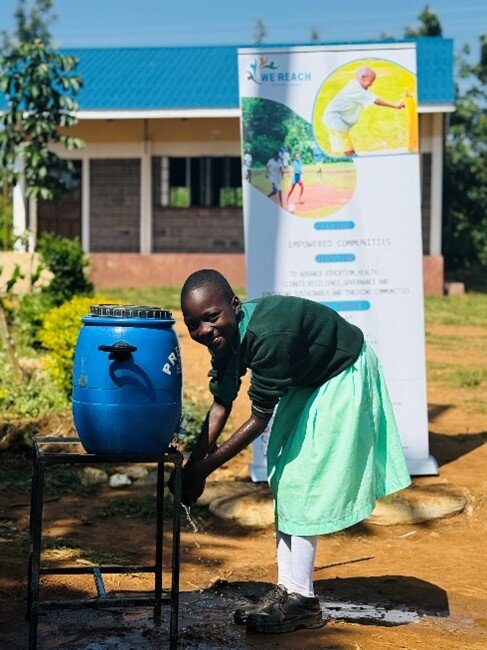
- New handwashing stations increased hygiene compliance to 85%.
- Frequent club meetings reduced menstrual stigma, boosting girls’ confidence.
- Health Club and Teacher-led water treatment and TCV vaccination reduced waterborne diseases, including typhoid.
Challenges:
- Poor toilet conditions and irregular pad supplies affect sanitation and MHM.
- No dedicated changing rooms, limiting menstrual hygiene practices.
7. Bumwende Primary School
Progress:
- Health Club Members: 27
- Successful implementation of the vegetable garden project, generating funds for WASH initiatives.
- Proposal writing is ongoing whereby the Head Teacher and the Teacher Health Champion are targeting the area MP for funds to build abolition block or the school.
- Engagement of older students as WASH ambassadors to mentor younger pupils.
- AGM sensitization led to 95% shoe-wearing, reducing jigger cases to one.
- Frequent Health Club meetings reduced menstrual stigma, improving attendance.
Challenges:
- Inadequate washing points and poor toilet conditions persist.
- Lack of proper pad disposal facilities affects MHM.
- Water access remains limited due to insufficient infrastructure.
8. Rise and Shine Special School
Progress:
- Health Club Members: 20
- Re-established health club activities with new leadership.
- WE REACH team provided training for the new teacher health champion.
- Child-led WASH structures implemented effectively to address ongoing issues.
- Daily adapted hygiene sessions reduced menstrual stigma, with the girls reporting confidence attending school during periods.
- The health teachers led water treatment (using LifeStraw filters tailored for accessibility) and TCV vaccination eliminated waterborne diseases.
Challenges:
- Limited caregiver support for maintaining disability-friendly hygiene facilities increases staff workload.
- Poor toilet conditions, lacking accessible features (e.g., ramps, wider doors), hinder sanitation for students with mobility challenges.
9. Mutono Primary School
Progress:
- Health Club Members: 20
- Enhanced drama activities to convey WASH messages, including performances for local community events.
- Development of a WASH newsletter distributed to parents during Parent Teacher Association (PTA) meeting
- Installation of new hand washing stations through donations by the Ministry of Health in collaboration with other NGO’s
- Through regular health club meetings, more children are now coming to school with shoes regardless of type leading to increased shoe-wearing which reduces jigger infections.
Challenges:
- Poor toilet conditions and lack of changing rooms hinder sanitation and MHM.
- Sanitary pad shortages persist, with irregular supplies.
10. Ebwaliro Comprehensive School
Progress:
- Health Club Members: 18
- Expansion of the health club with additional members.
- Introduction of a peer-mentoring program to sustain hand washing and latrine hygiene practices.
- Collaboration with local health workers PHO’s and CHPs for monthly hygiene workshops.
- Soap-making workshop, funded by kitchen garden revenue, ensured two months’ soap supply.
- Frequent club meetings reduced menstrual stigma, improving attendance.
Challenges:
- Poor toilet conditions and lack of pad disposal facilities persist.
- No dedicated handwashing stations, limiting hygiene training.
Sanitary pad shortages remain a concern
2.0: LESSONS LEARNT:
- Sensitization in Eshikufu, Eluche, Mungabira, and Shitoto significantly improved hygiene and shoe-wearing.
- Club meetings normalized menstruation, with tailored sessions at Rise and Shine achieving higher impact.
- Teacher-led treatment and TCV vaccination reduced typhoid and other diseases, with boarding schools like Rise and Shine benefiting from centralized implementation.
- Peer support, especially adapted at Rise and Shine, improved girls’ confidence and teacher communication.
- Revenue, including from kitchen gardens in schools, supported soap-making.
- Encouraging shoe-wearing and hygiene without financial contributions reduced jigger cases.
- Typhoid campaign amplified disease prevention, particularly in boarding settings.
- Poor toilets and water access, especially non-accessible facilities at Rise and Shine, limit impact.
3.0: CHALLENGES:
- Sanitary pad shortages remain a significant barrier, especially for girls with special needs at Rise and Shine. Additionally, the lack of disposal facilities undermines proper MHM, discouraging school attendance and increasing absenteeism. While class champions offer peer support, these gaps continue to undermine confidence and learning for menstruating girls.
- Water accessibility remains a major challenge across several schools. In at least five schools where they are leaking or poorly maintained water tanks limit the availability of clean water for drinking, handwashing, and general hygiene. This inconsistency affects the delivery of hygiene education and daily sanitation routines, undermining the overall impact of WASH initiatives. Without reliable water access, even well-equipped facilities and trained health clubs struggle to maintain safe hygiene practices.
- Several schools continue to struggle with poor toilet conditions, the latrines are either in poor condition or not inclusive, where the lack of accessible toilets limits participation for learners with special needs. These infrastructure deficits limit the effectiveness of WASH interventions and compromise student health and dignity.
4.0: RECOMMENDATIONS:
- Repair leaking water tanks and invest in borehole construction to ensure consistent access to clean water, particularly in affected schools like Khwikhondwe.
- Encourage schools to leverage alternative income-generating activities such as kitchen gardens to support the purchase of soap-making materials and other hygiene supplies.
- Establish partnerships with NGOs, government agencies, and well-wishers to provide regular sanitary pad supplies and training on reusable pads, tailored to meet the needs of all learners, including those with special needs.
- Install additional handwashing stations near toilets and classrooms, ensuring they are inclusive and accessible.
- Install a secure school gate at Khwikhondwe to prevent theft of hygiene materials, and repair potholed classroom floors to help prevent jigger infestations and enhance the learning environment
5.0: CONCLUSION
The WASH program in Mumias East has made significant strides in promoting key hygiene practices and strengthening school health clubs. Community sensitization, regular club meetings, and targeted interventions such as typhoid vaccination and teacher-led water treatment have contributed to improved student hygiene and a reduction in waterborne diseases. However, the program’s full impact is limited by persistent infrastructure challenges, including inadequate water access, poor toilet facilities, and shortages of soap and sanitary pads. For sustained progress, future efforts should focus on improving WASH infrastructure, ensuring reliable supply of essential resources, and deepening engagement at both school and community levels so as to enhance student health and educational outcomes.
![Share on Twitter]()
![Share on Facebook]()