By Juan Pablo Moncada | Intercultural Education Program Coordinator
Dear friends and supporters,
In our work with students, and throughout our reports, you may have noticed certain words that appear constantly. Support, accompaniment, guidance, and strengthening are some of them. As we wrote this report, we found ourselves writing them again and reflecting about the essence of our work: to put indigenous youth at the center .
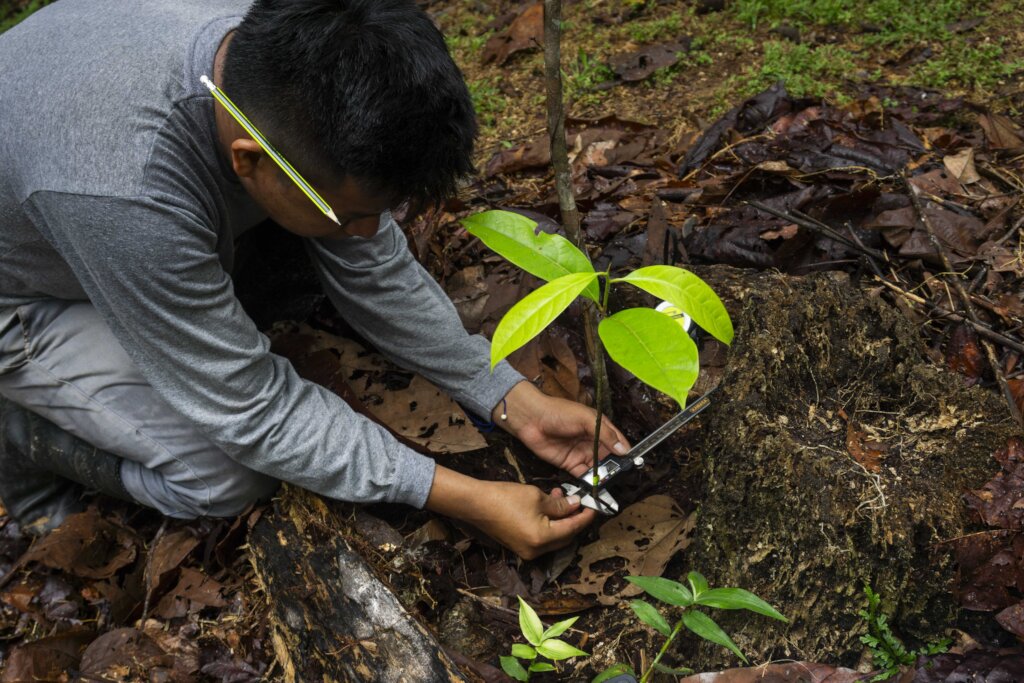
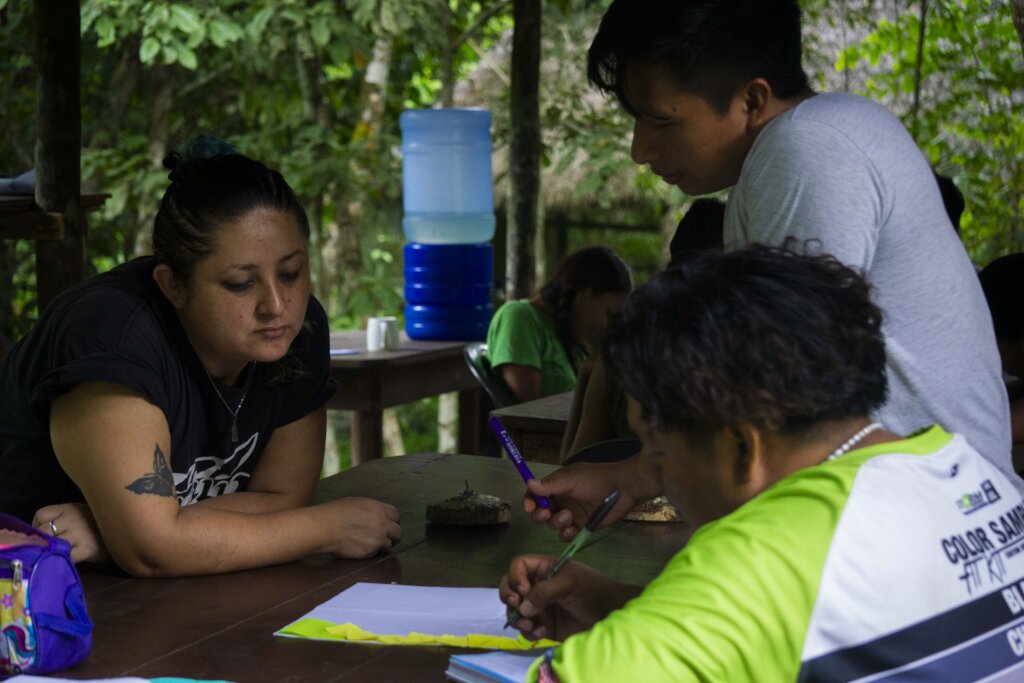
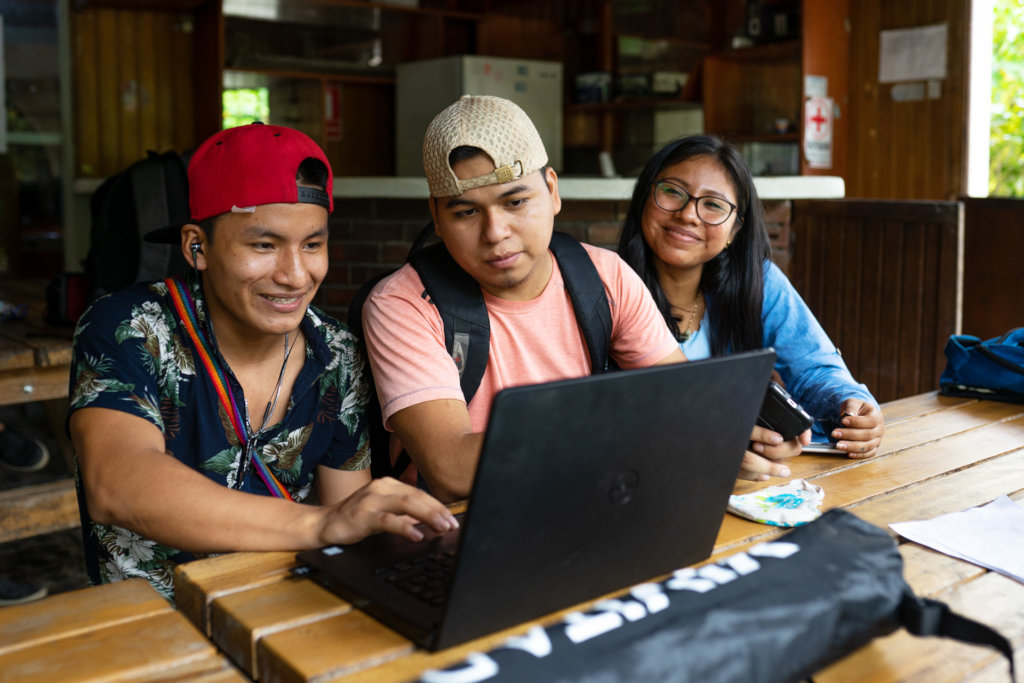
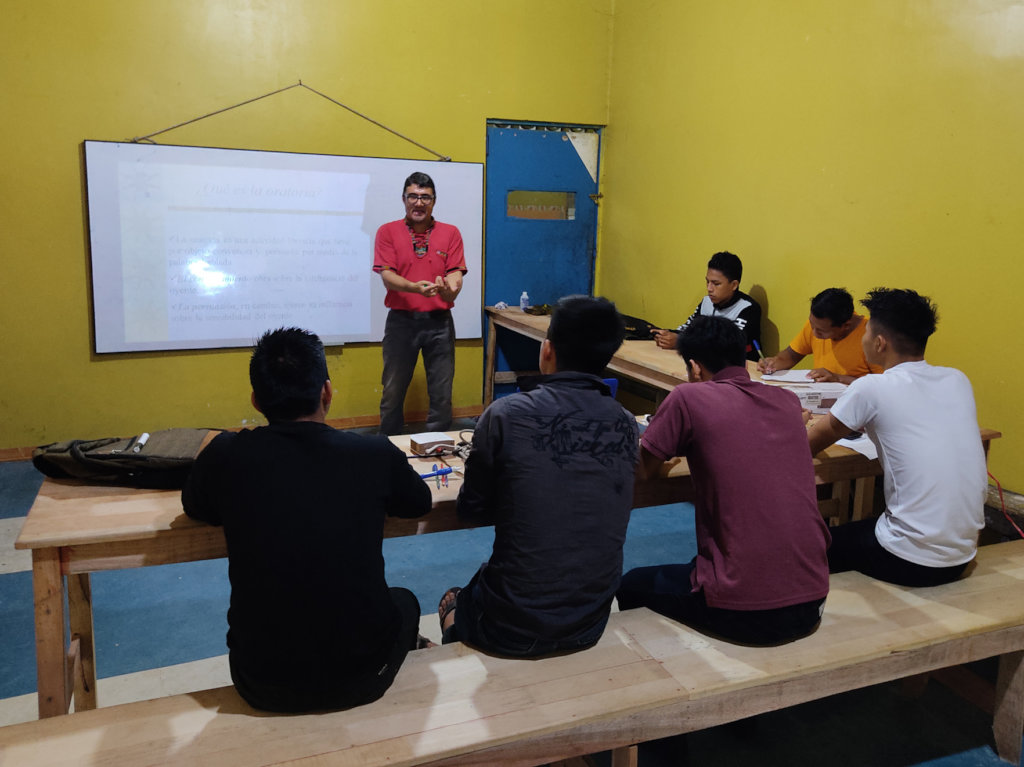
Our only purpose is to ensure that they find in us what they need to keep moving towards the fulfilment of their dreams. We achieve this by providing academic guidance and support to help students close educational gaps. Over the past few months, we also offered support to address a challenge that directly affects their ability to stay in school: access to resources. Students in programs such as Nursing, Ecology, and others received the educational materials they need for their daily studies.
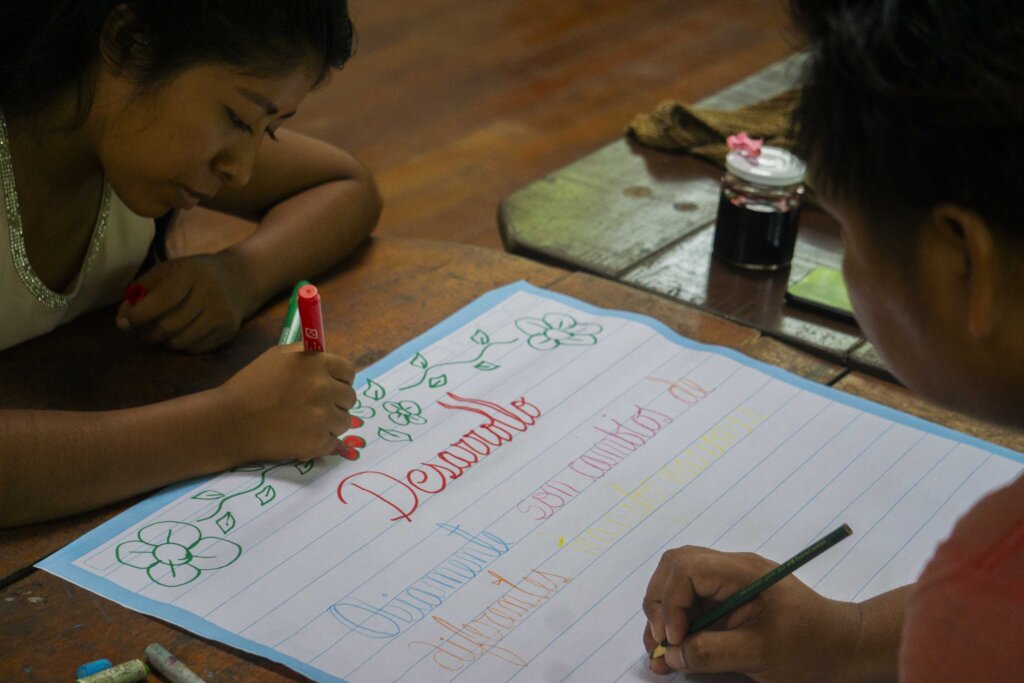
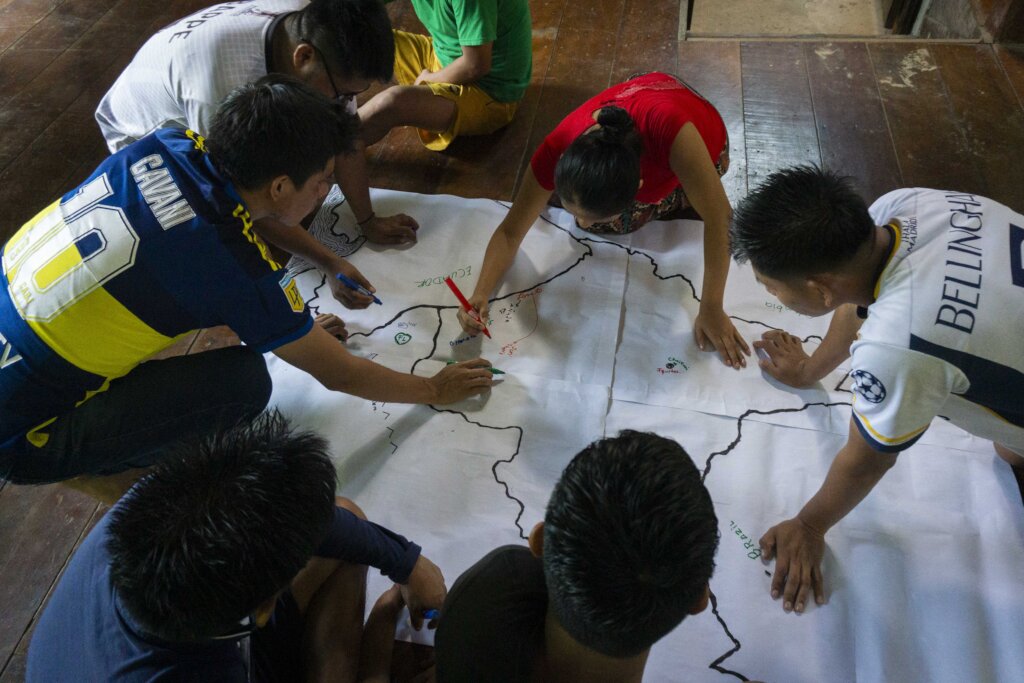
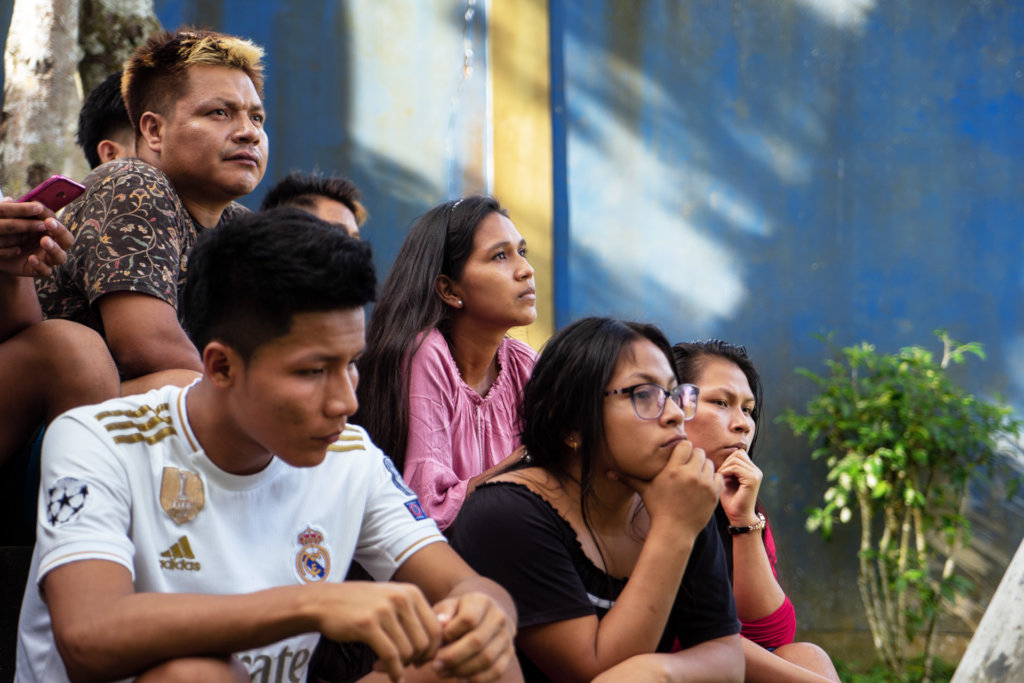
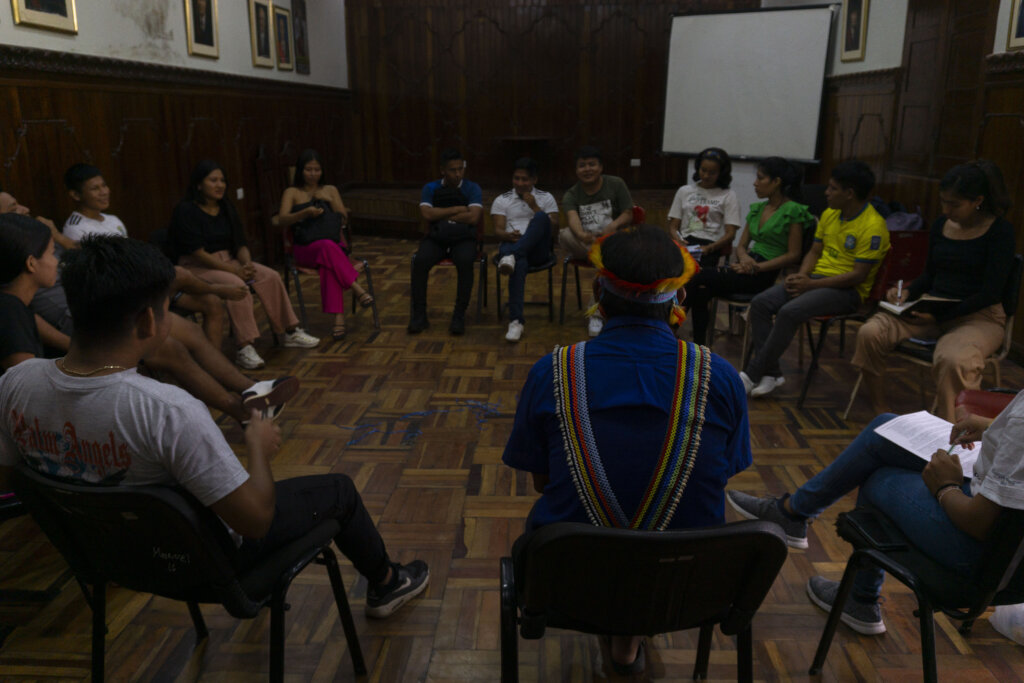
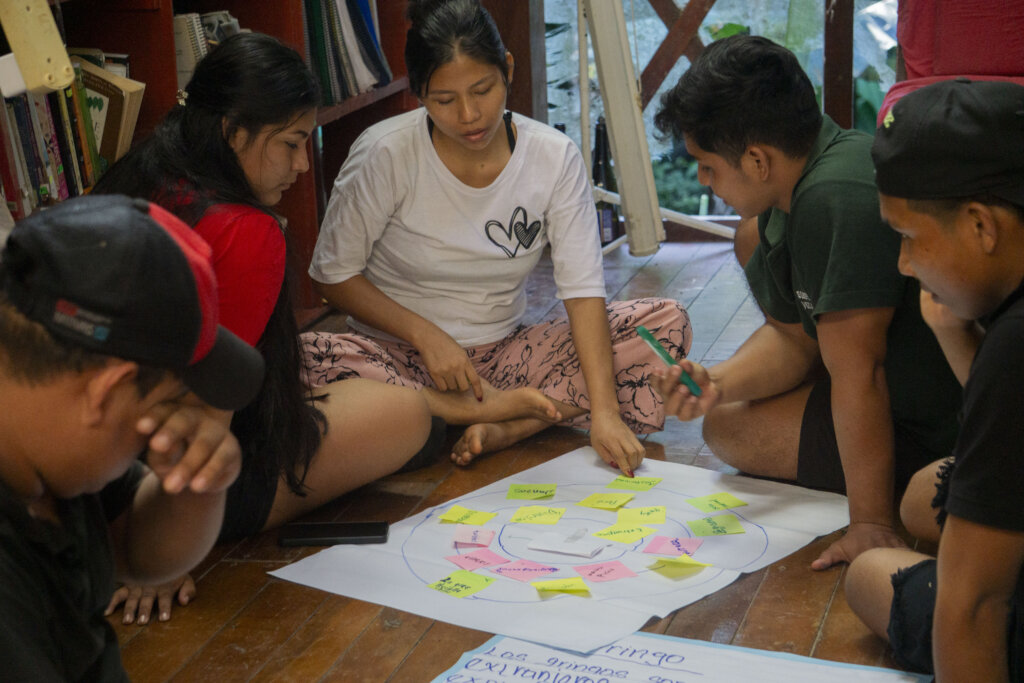
In addition to such support, Indigenous students from the Achuar, Awajún, Bora, Kichwa, Shawi, Tikuna, and Wampis peoples took part in eight dialogue sessions. These sessions were carried out with a participatory, hands-on approach that encouraged constant interaction and ensured students were active contributors at every stage. This allowed us to gather real, relevant insights that are helping to shape intercultural strategies - integrating Indigenous knowledge with psychological approaches - to strengthen the students’ emotional well-being. To enrich the experience, we were honored to count on the presence of a Shawi elder, whose wisdom added great depth to the process.
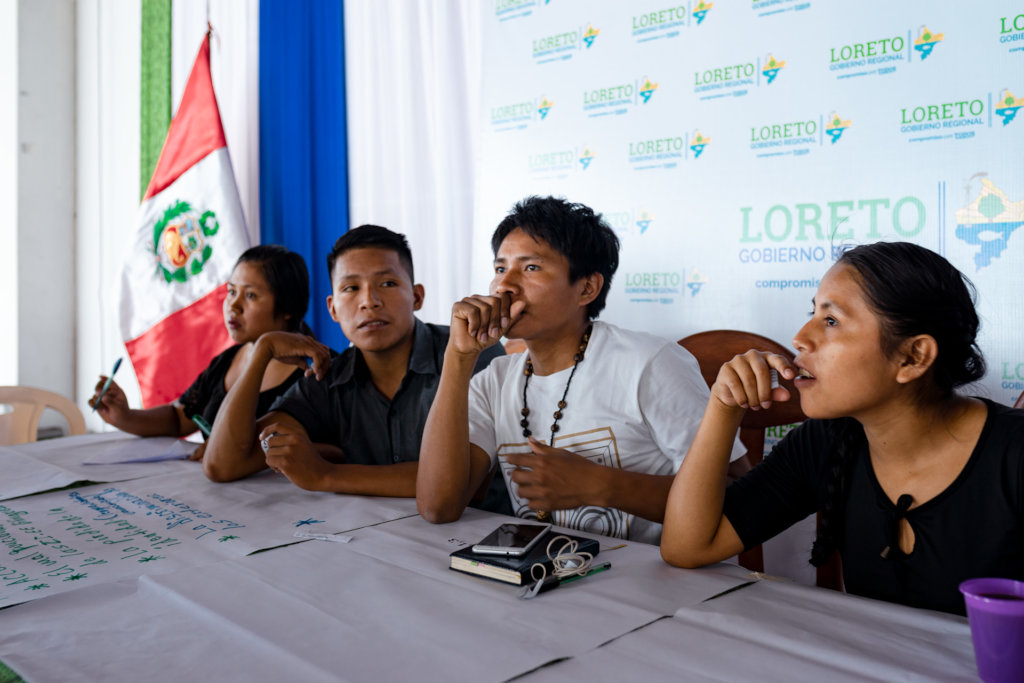
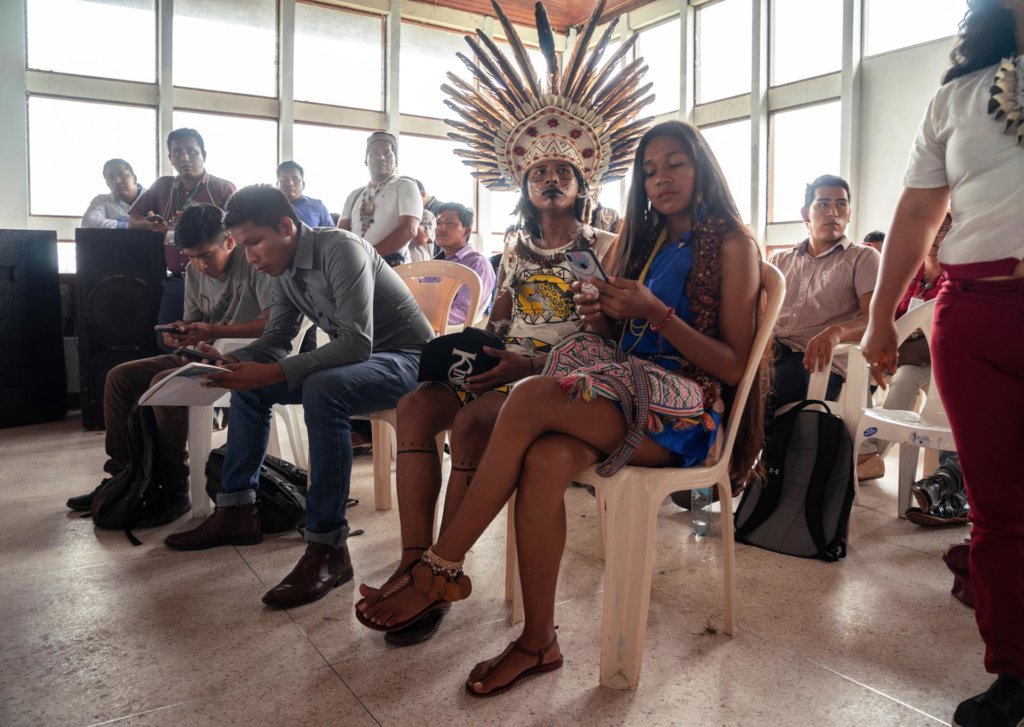
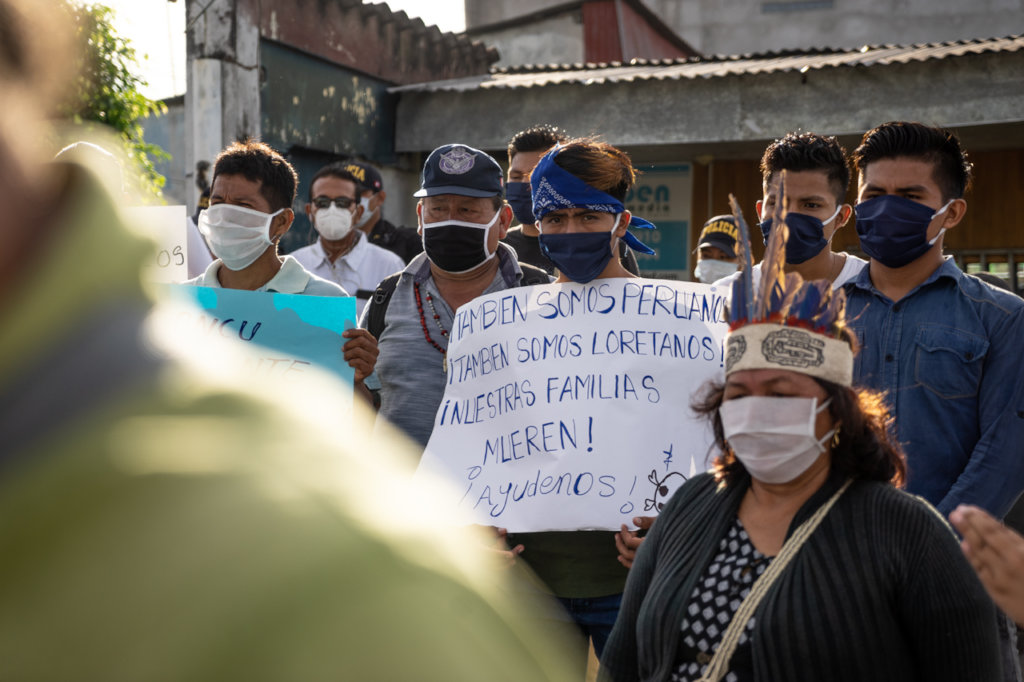
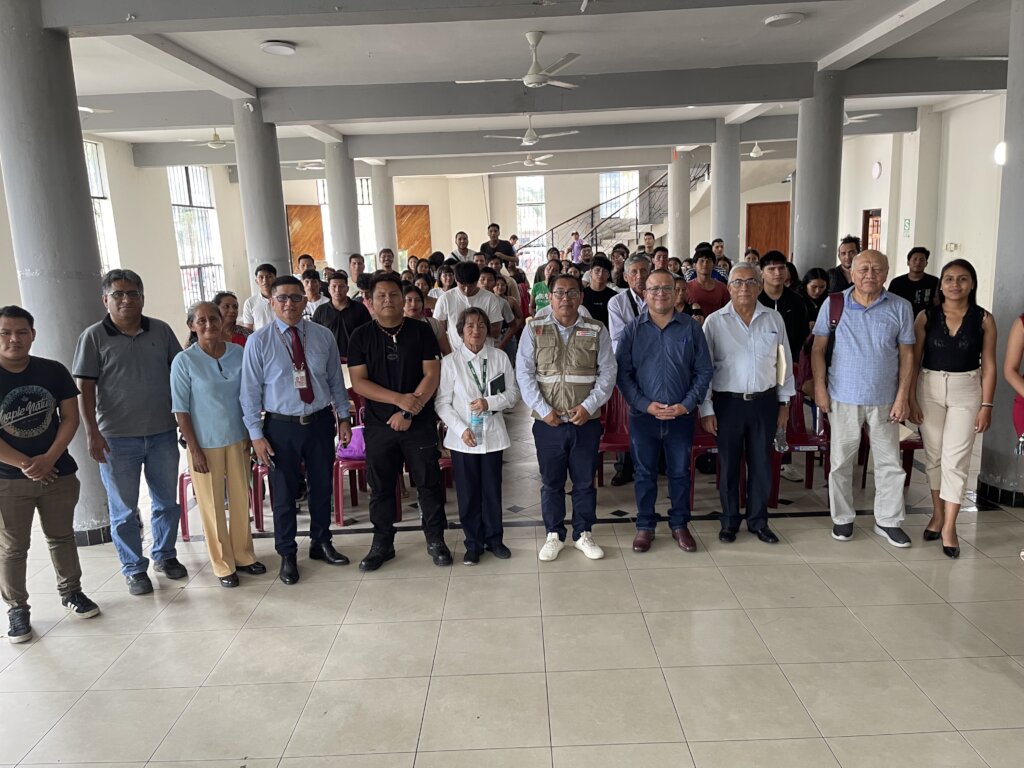
June 5th this year marked the 16th anniversary of what is known in Peru as the “Baguazo”, a day Indigenous peoples remember as a turning point in the defense of their territories. On that day at least 31 indigenous people died in clashes with security forces. For the anniversary, we organized the event “Intercultural Dialogue and Collective Rights: Reflections from the Baguazo,” with the aim of promoting critical analysis and intercultural dialogue. The event focused on the defense of Indigenous rights, centering on access to higher education for Indigenous peoples. It brought together representatives from Indigenous organizations, as well as public and private institutions engaged in intercultural work and rights advocacy. Lirio, the president of the student organization (OEPIAP), participated in one of the panels that focused on strategies of resistance in the face of rights violations.
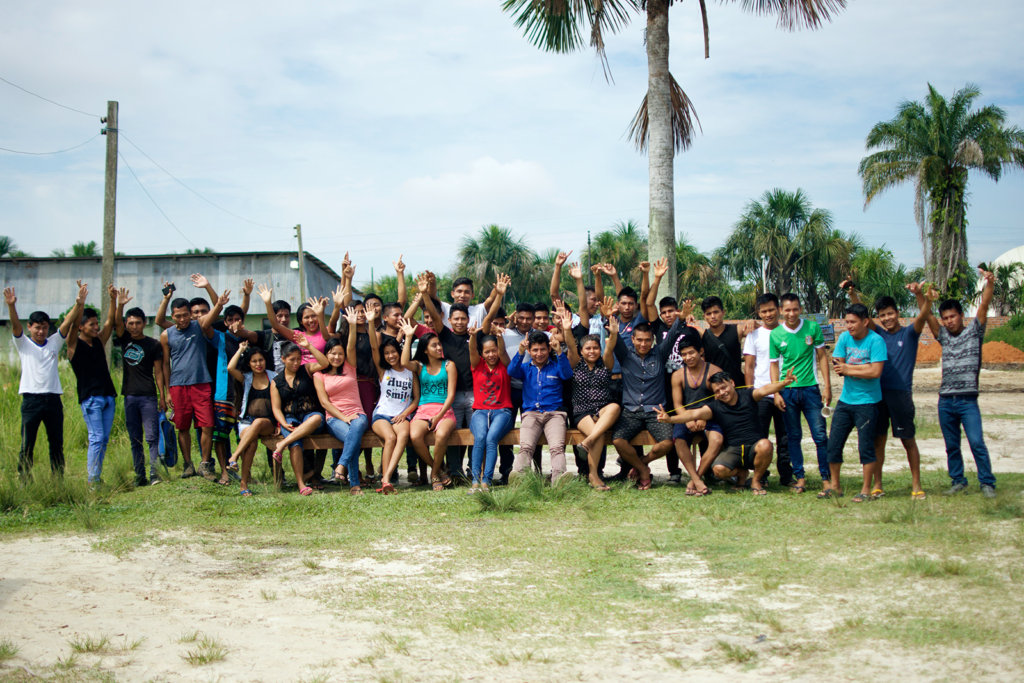
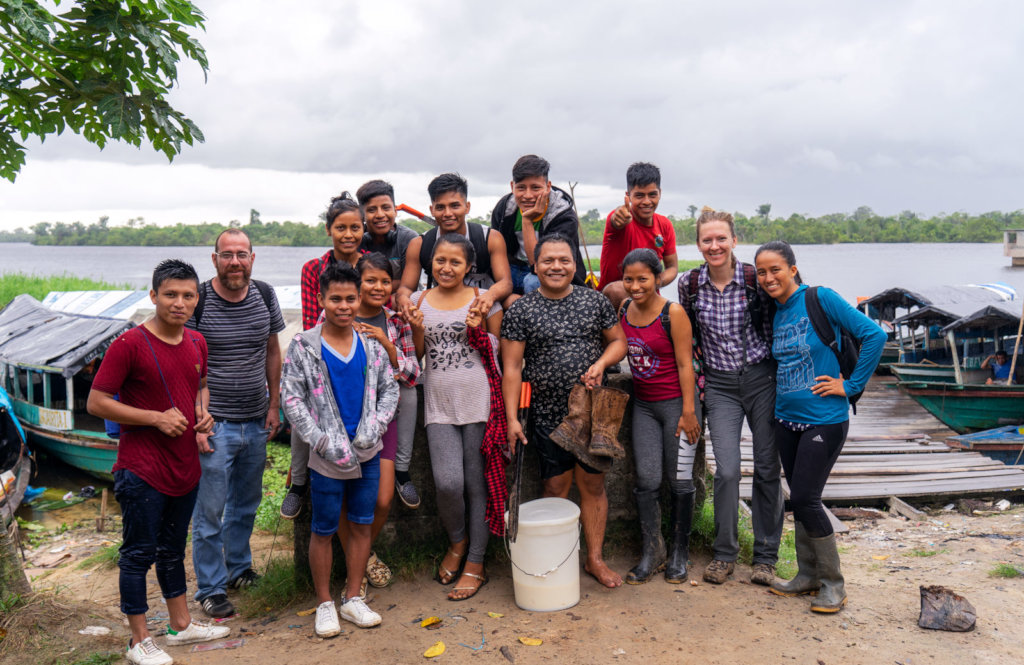
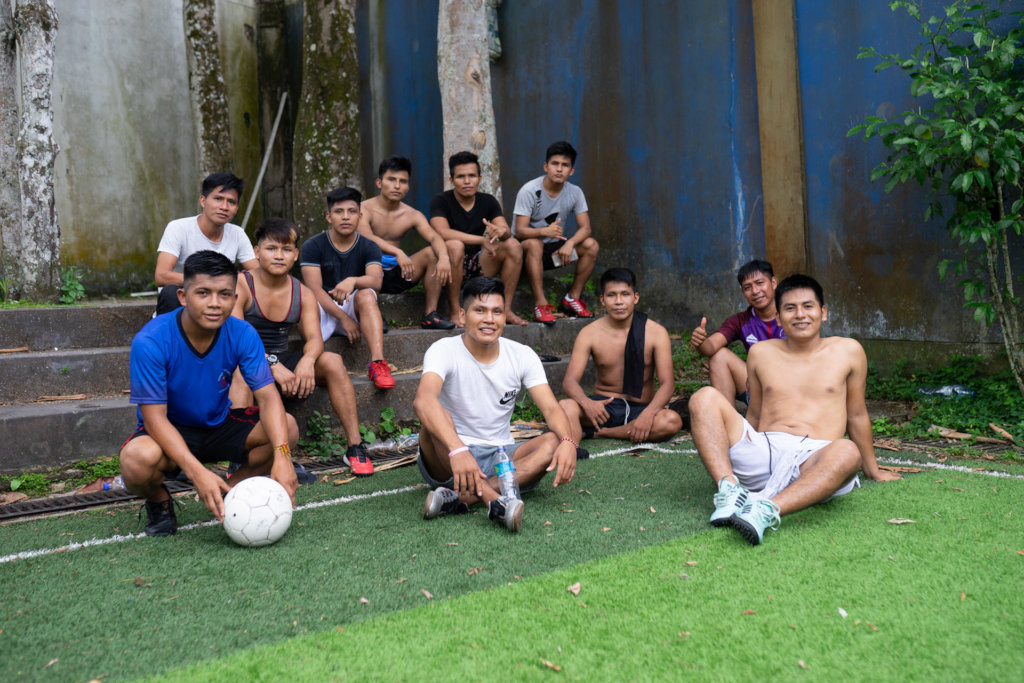
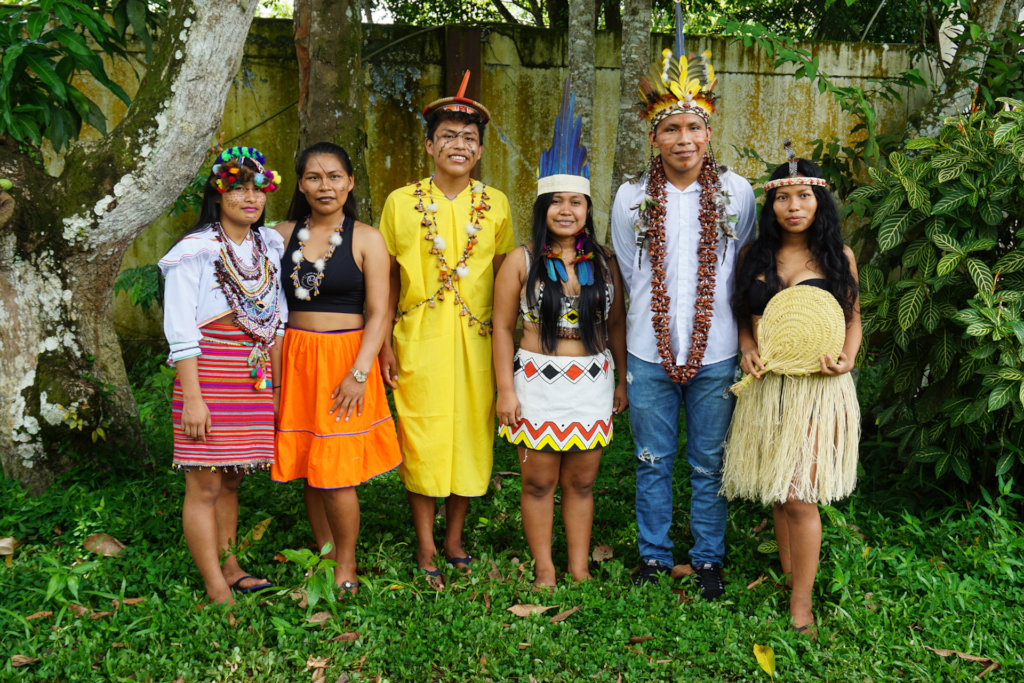
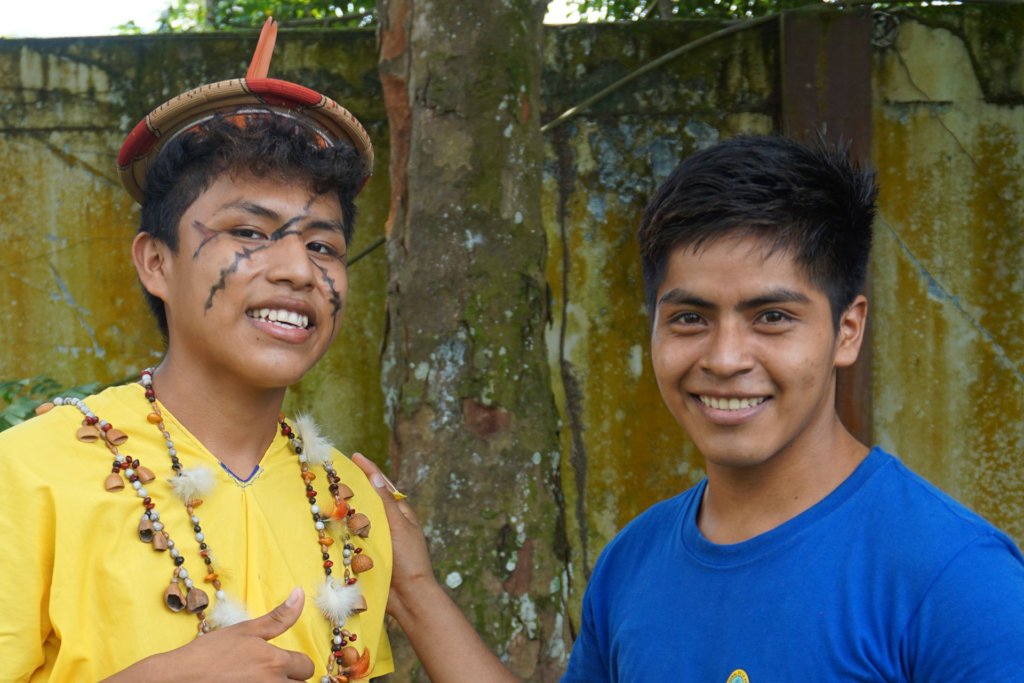
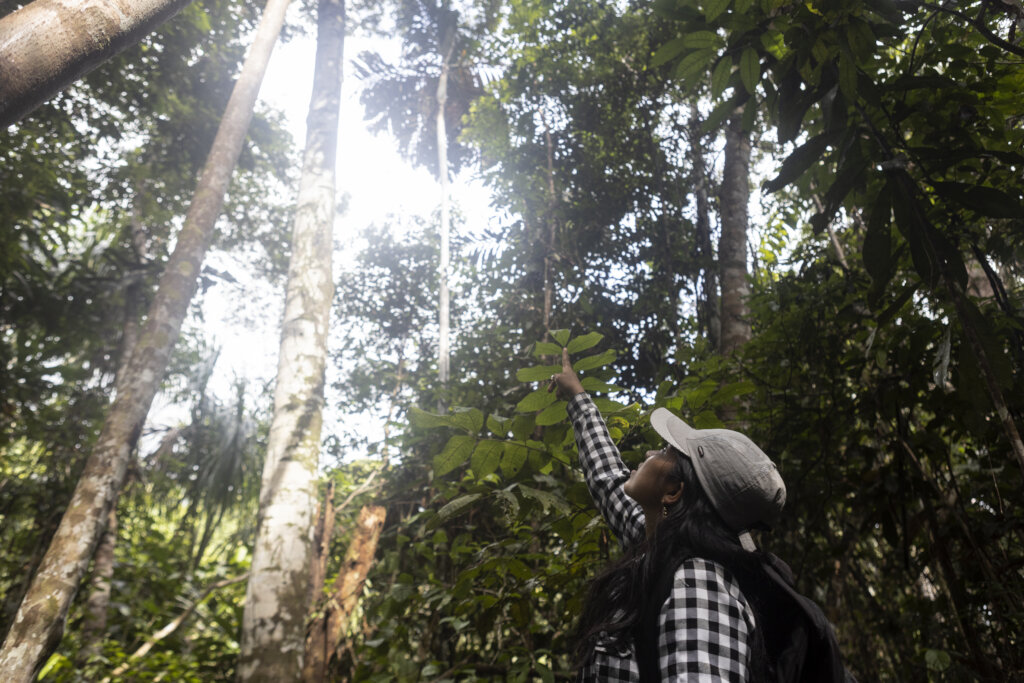
Finally, we invited students to our Permaculture Center with the students for our “Promoters of Buen Vivir (Good Living)” training program. Over the course of a weekend, 20 Indigenous youth engaged in reflection, learning, and team-building activities that also helped to strengthen their cultural identity. Together, they revisited and celebrated their traditions, valuing what their communities have preserved and taking pride in their roots. The activities also created space to explore leadership, empathy, and the unique contributions each young person makes to the organization.
We are deeply grateful to our supporters for making this journey possible and look forward to continuing alongside these young people as they grow into the leaders the Amazon needs.
With gratitude,
The Chaikuni Team
Project reports on GlobalGiving are posted directly to globalgiving.org by Project Leaders as they are completed, generally every 3-4 months. To protect the integrity of these documents, GlobalGiving does not alter them; therefore you may find some language or formatting issues.
If you donate to this project or have donated to this project, you can receive an email when this project posts a report. You can also subscribe for reports without donating.



Support this important cause by creating a personalized fundraising page.
Start a Fundraiser