By Judith Chelangat | Sexual Reproductive Health and Rights Coordinator
Thank you for investing in Menstrual Health for girls and women with your donation. This latest report comes to you from Judith Chelangat, Sexual Reproductive Health and Rights (SRHR) Coordinator responsible for Schools and Youth. Judith highlights the link between supporting SRHR, empowering girls and women and improving livelihoods.
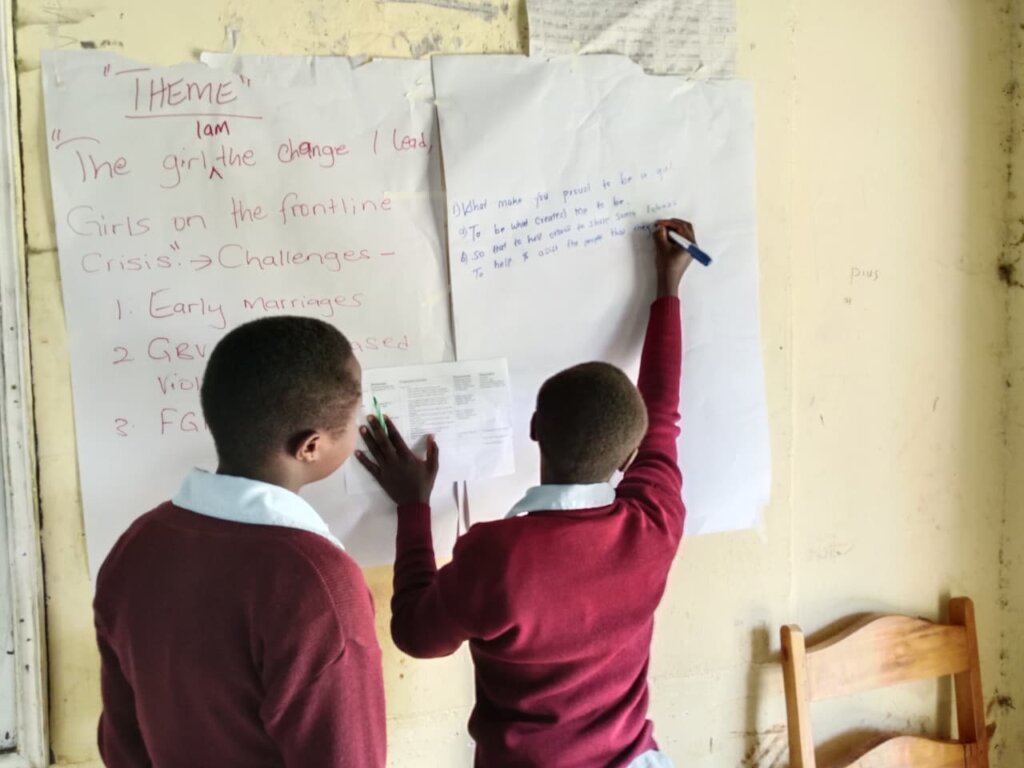
Across communities where harmful practices such as Female Genital Mutilation (FGM) persist, many girls continue to face risks that threaten their health, education, and future opportunities. Change begins when girls are given knowledge, safe spaces, and the confidence to speak—and when families and communities are supported to protect and invest in them.
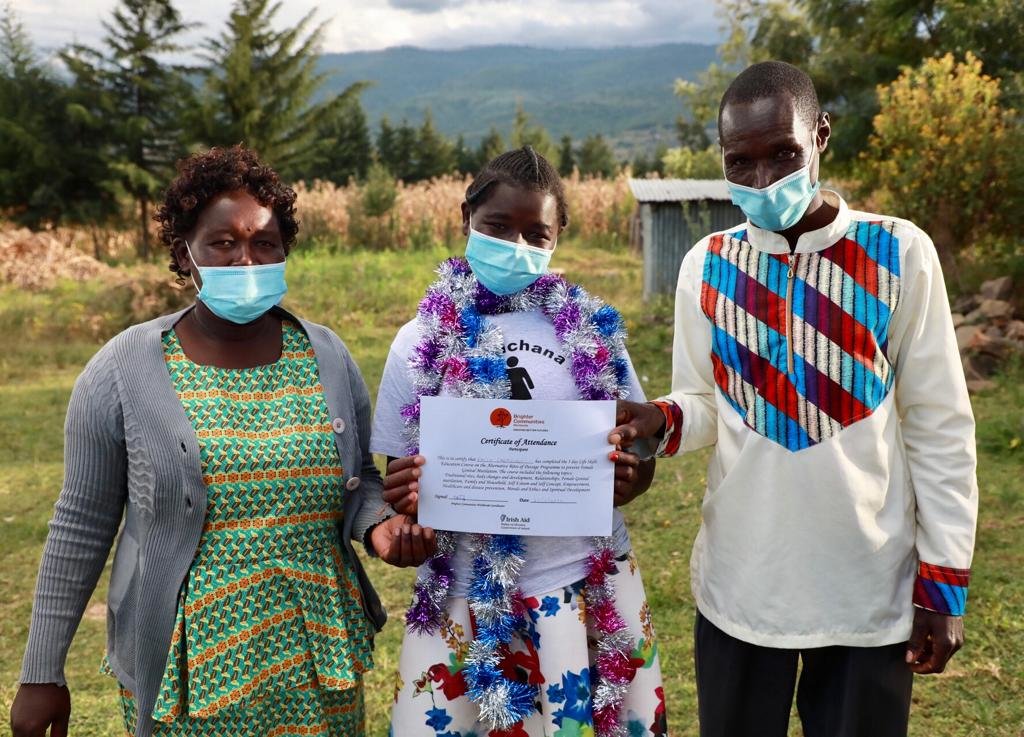
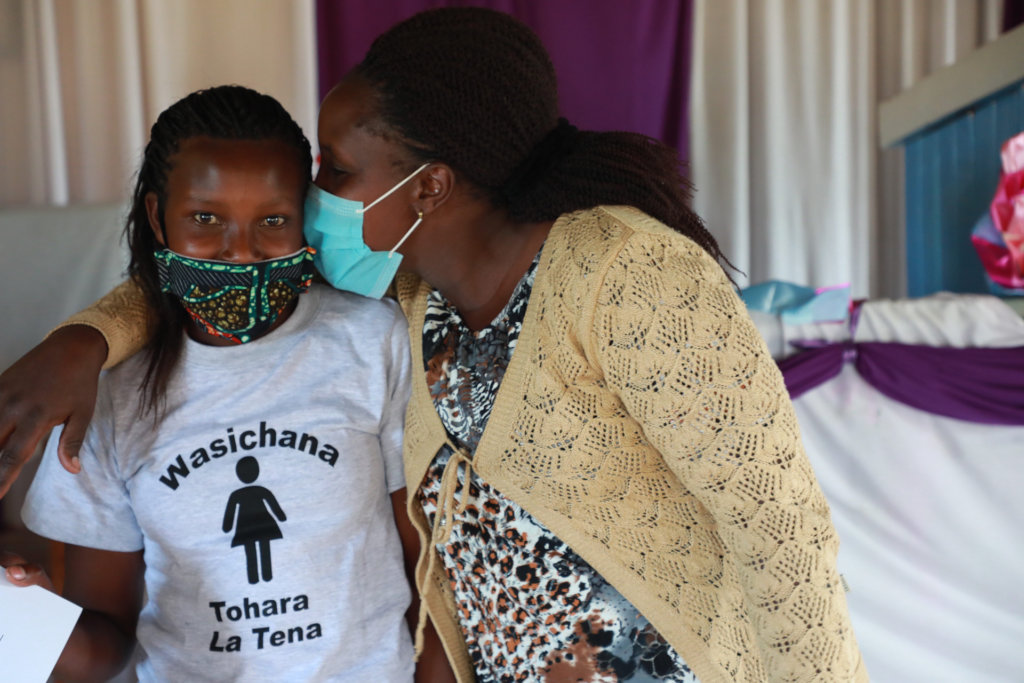
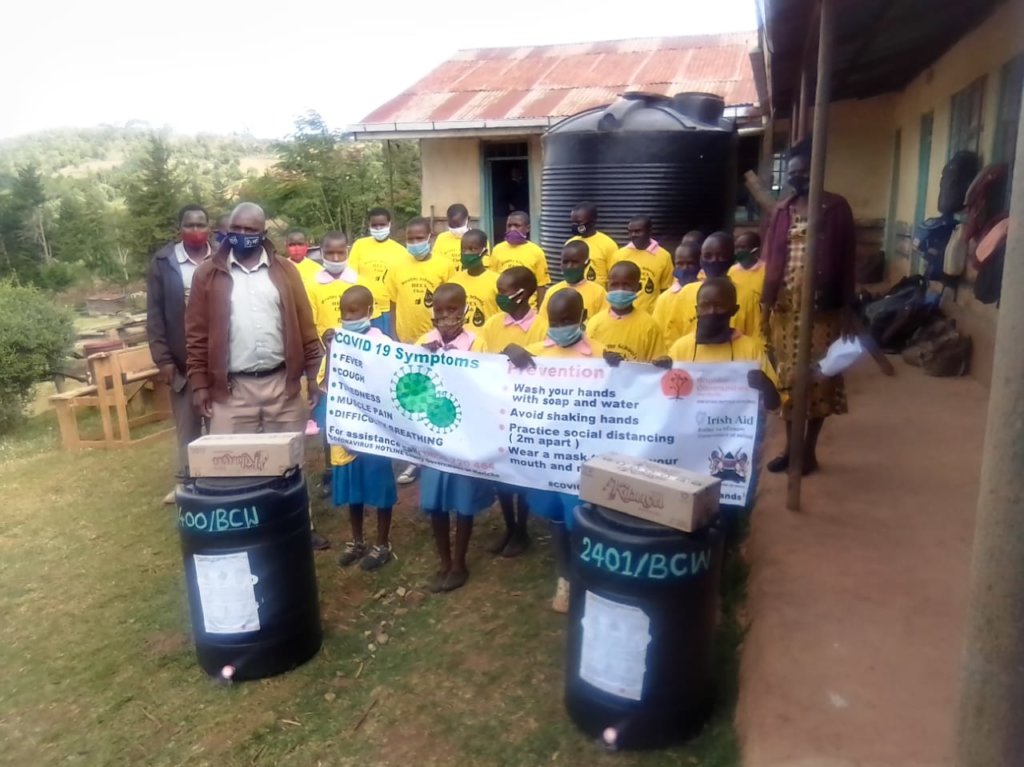
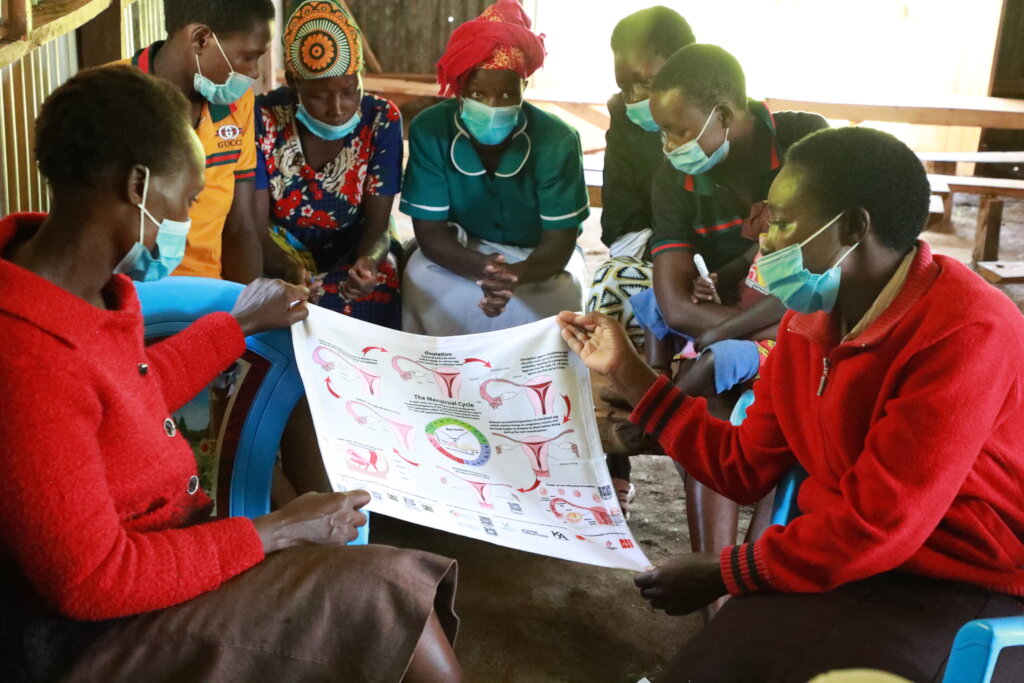
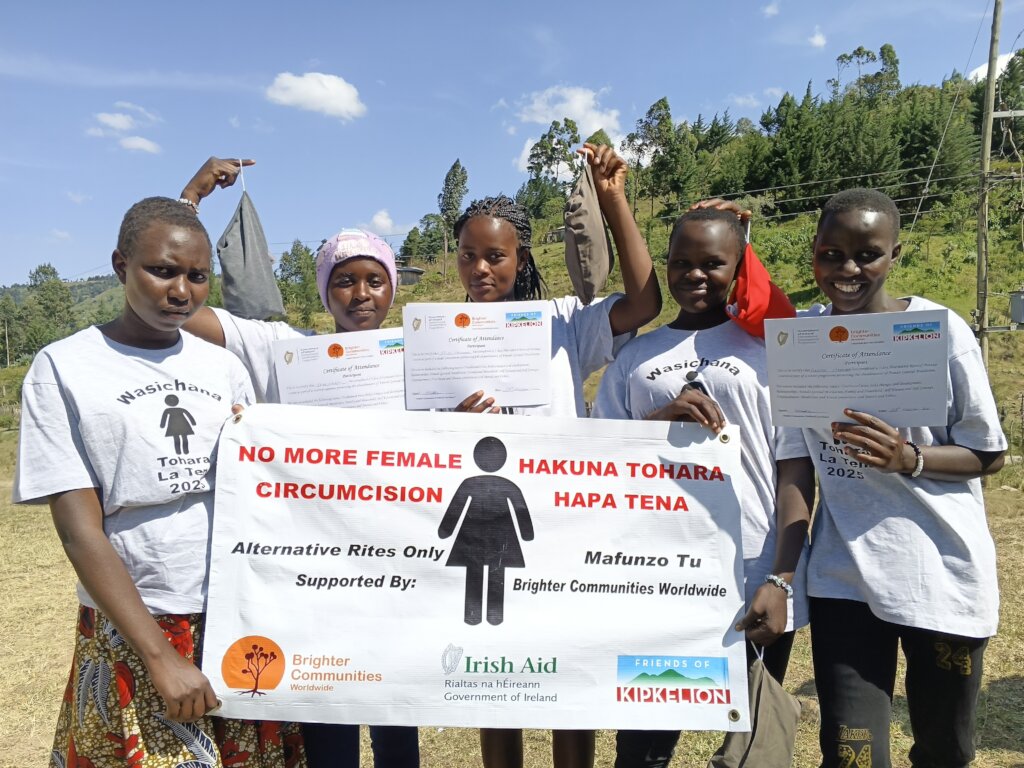
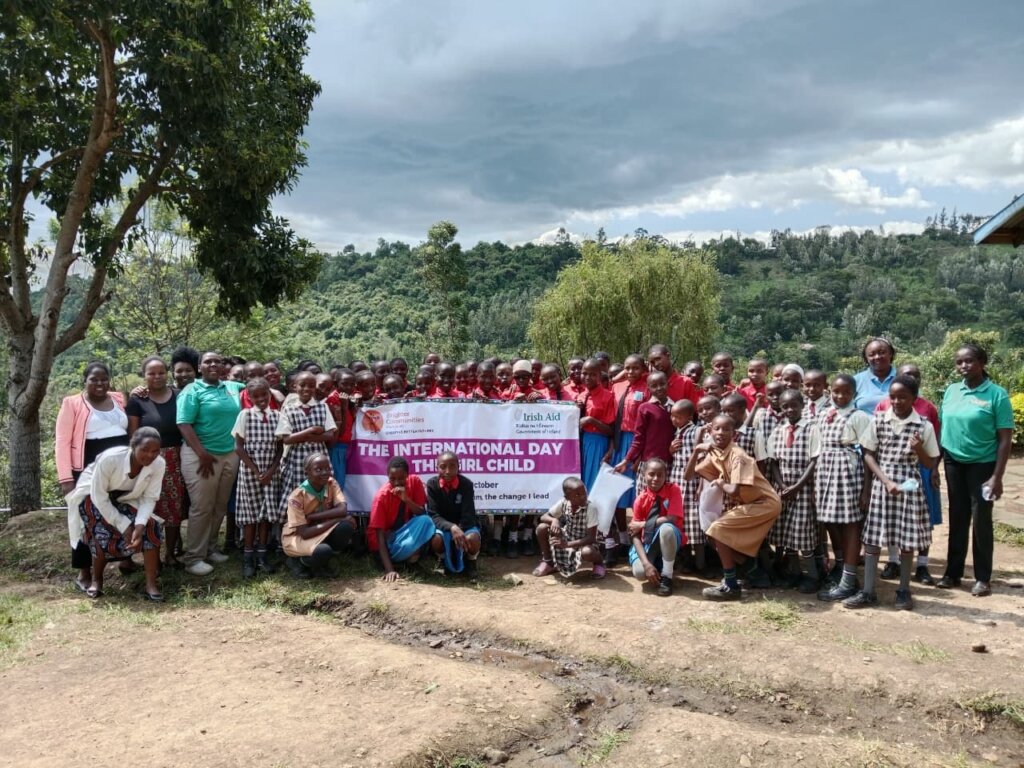
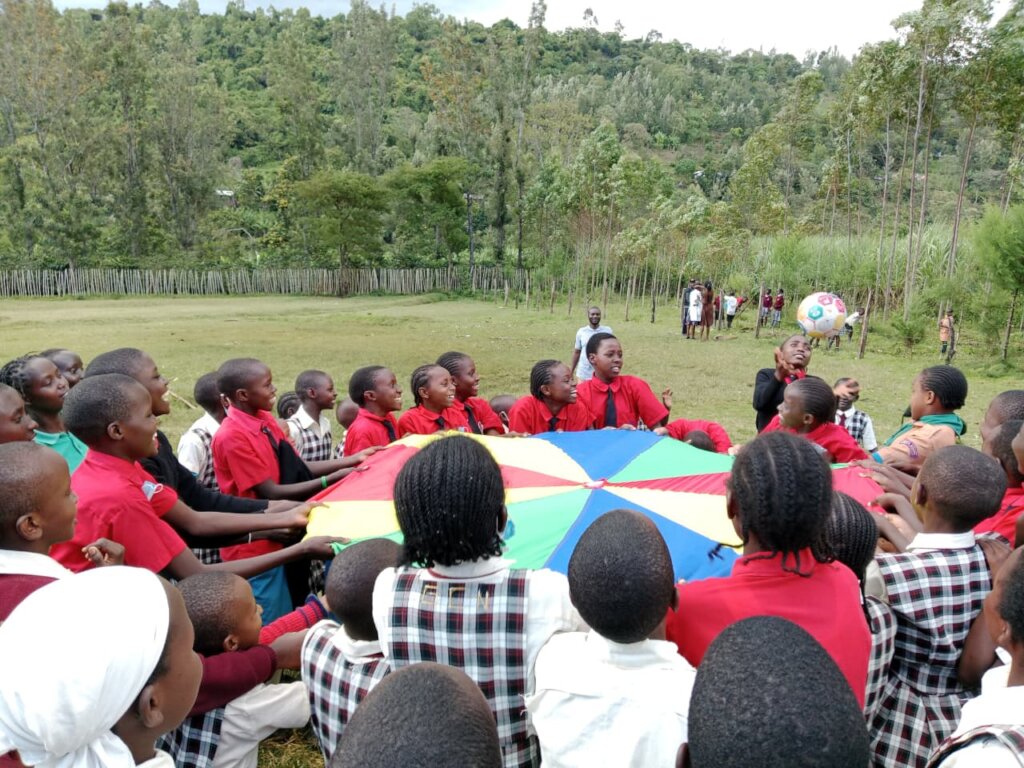
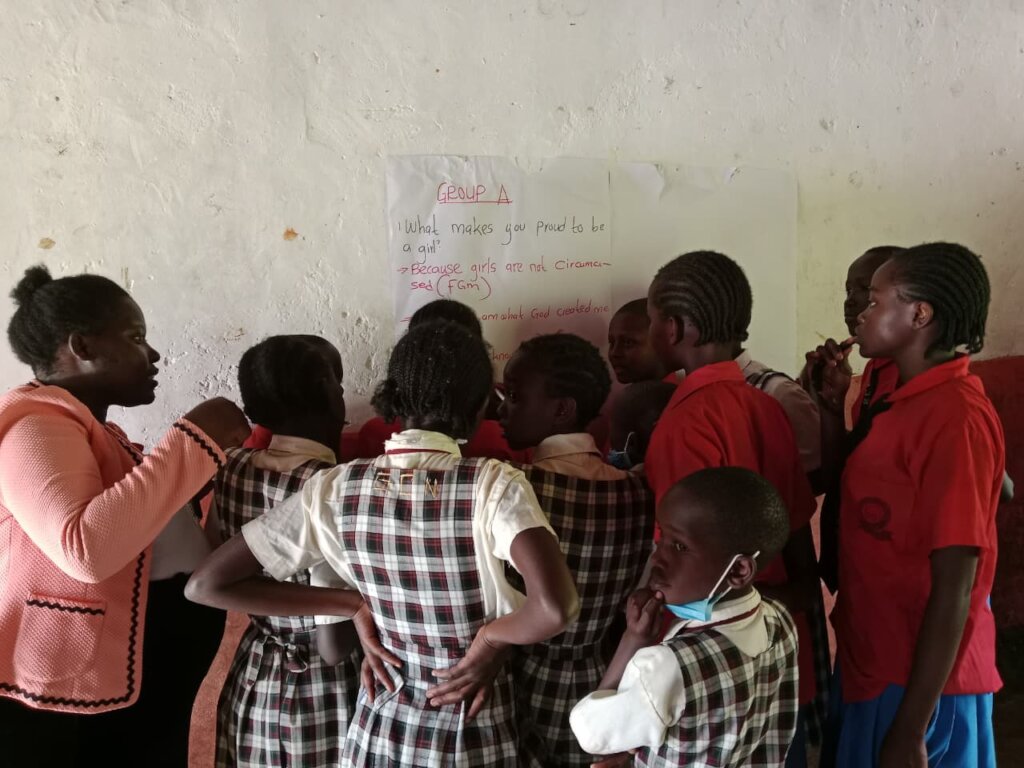
Through the Alternative Rite of Passage (ARP) and Sexual and Reproductive Health and Rights (SRHR) programmes, girls are learning that their bodies belong to them and that they have the right to make informed choices about their lives. In 2025, 2,592 girls participated in ARP programmes and 52 ARP courses were run across Kericho county. Through these ARP trainings the girls learned about their rights, understood the dangers of FGM, and practiced self-advocacy. These sessions also strengthened peer support networks, helping girls build confidence together.
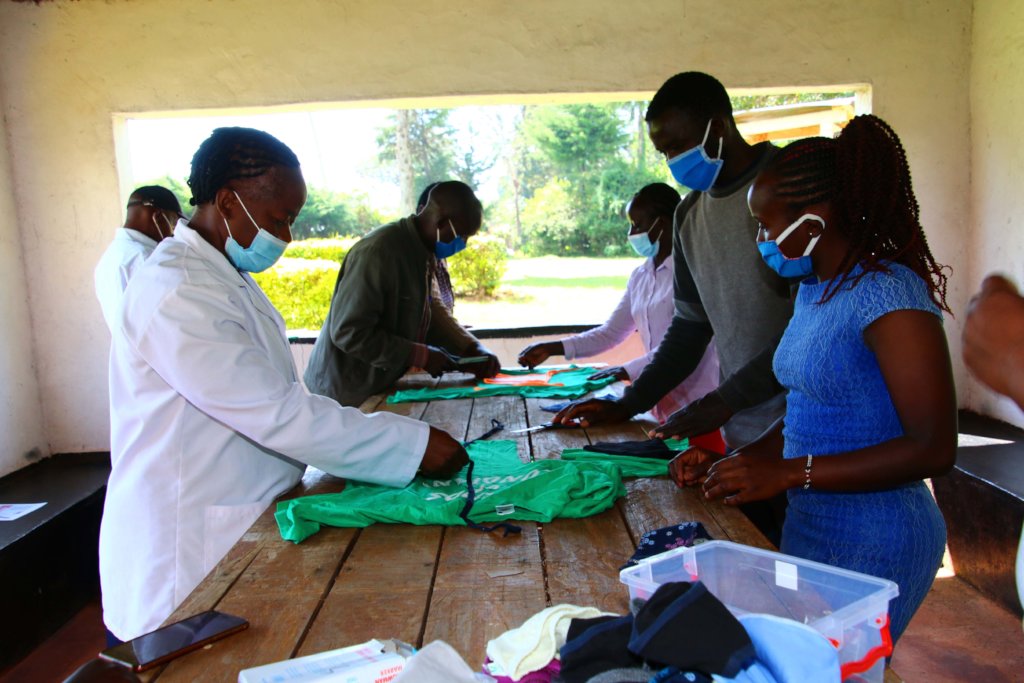
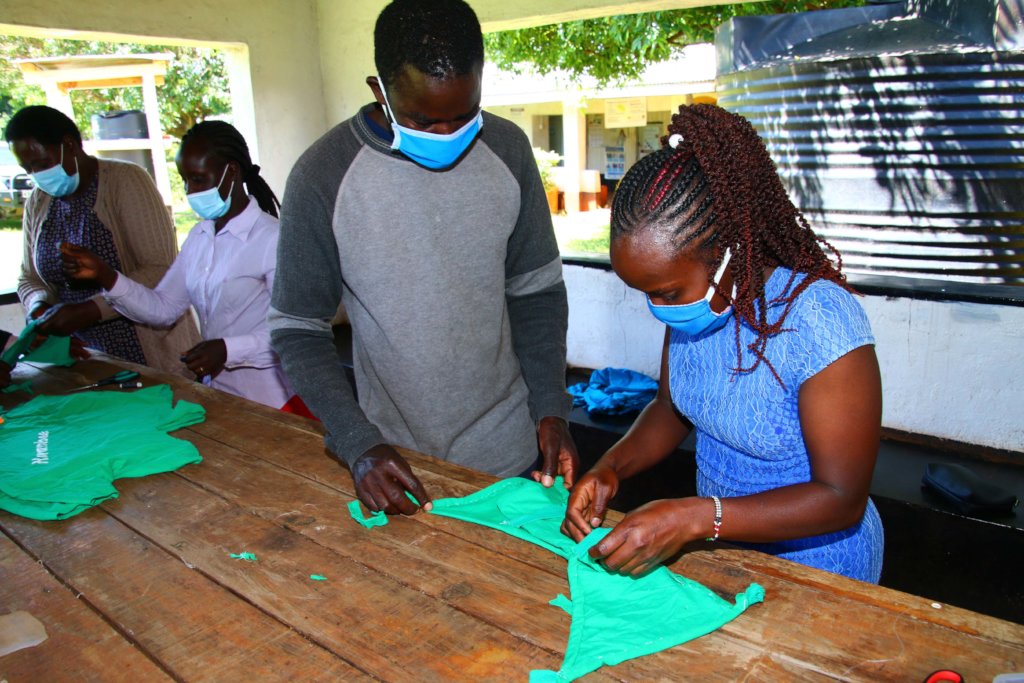
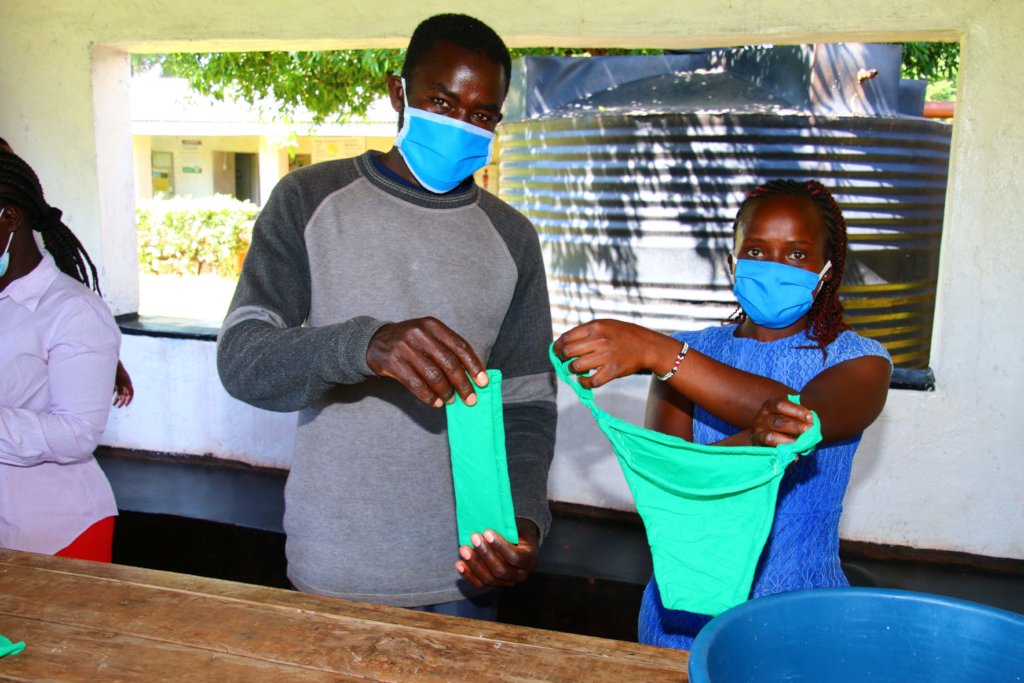
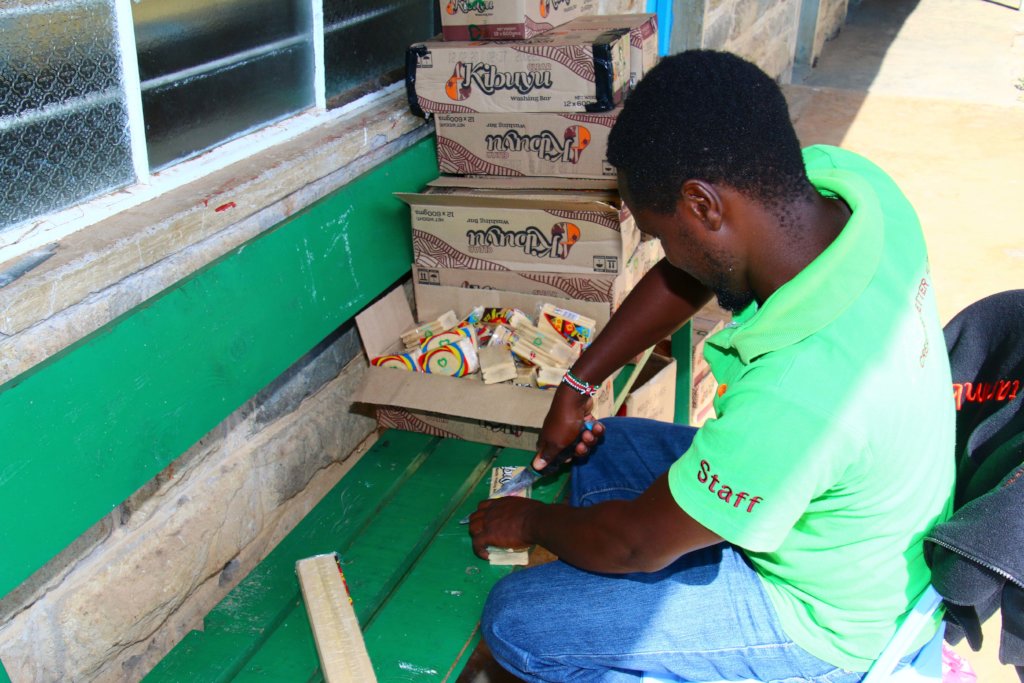
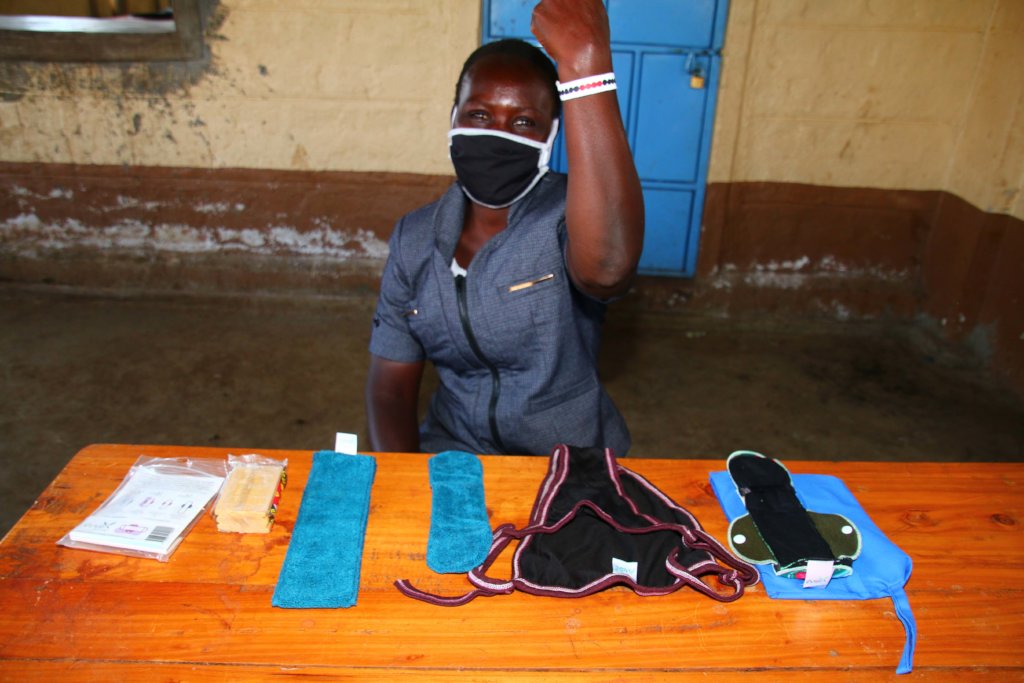
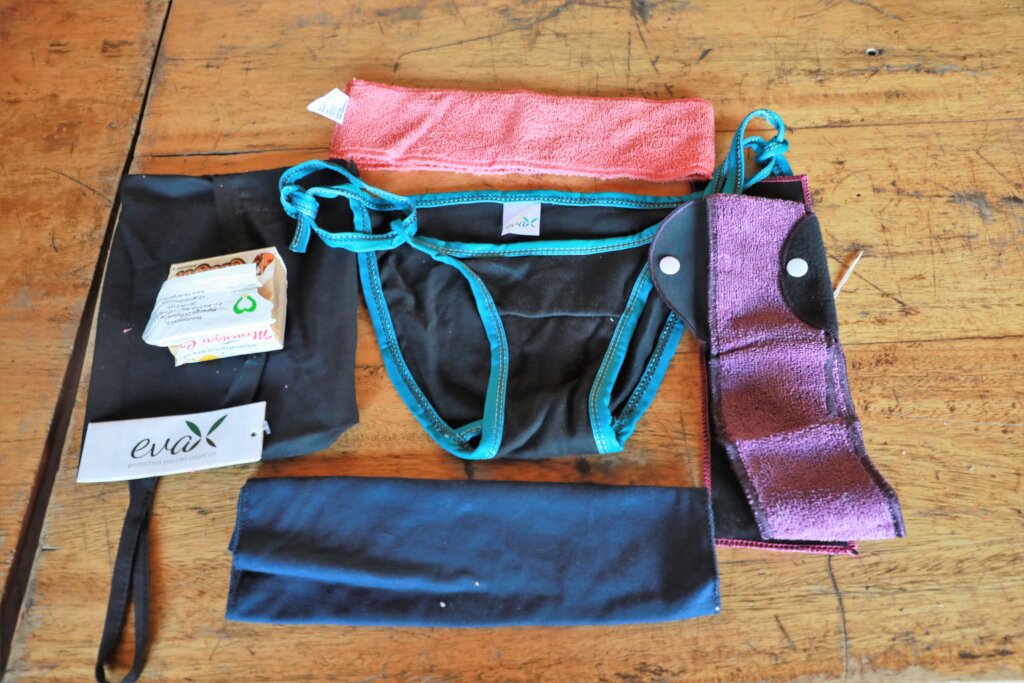
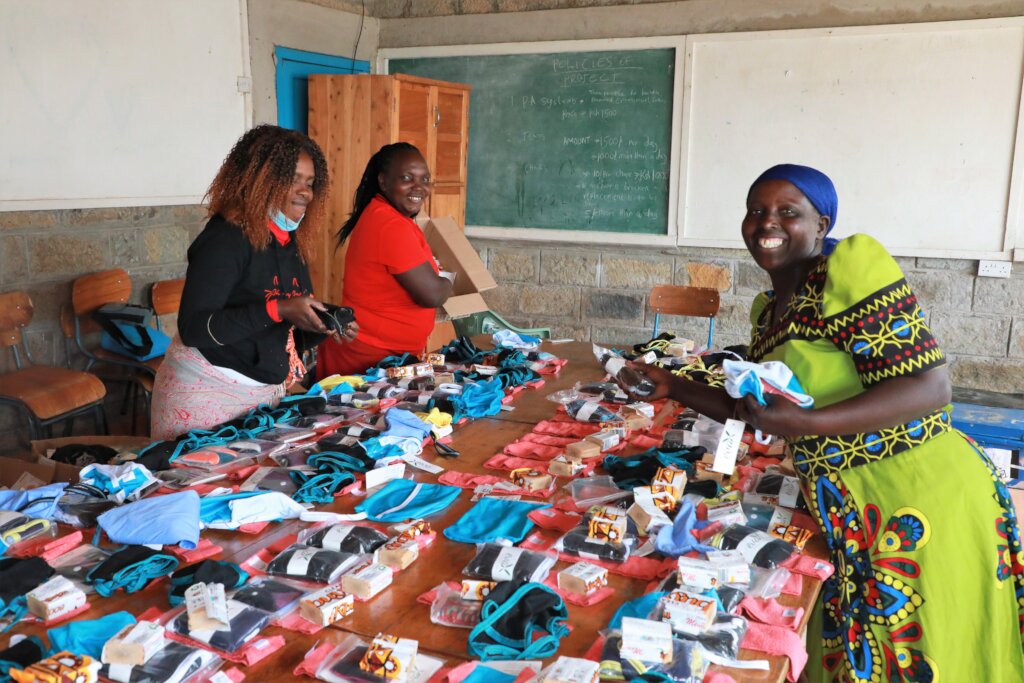
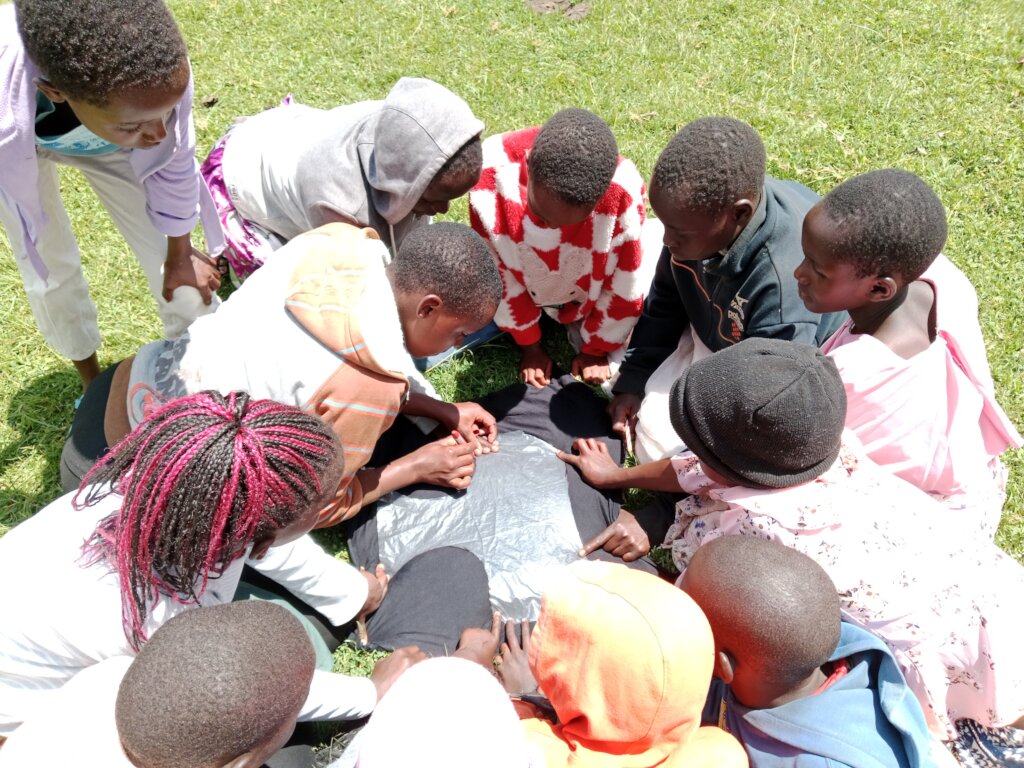
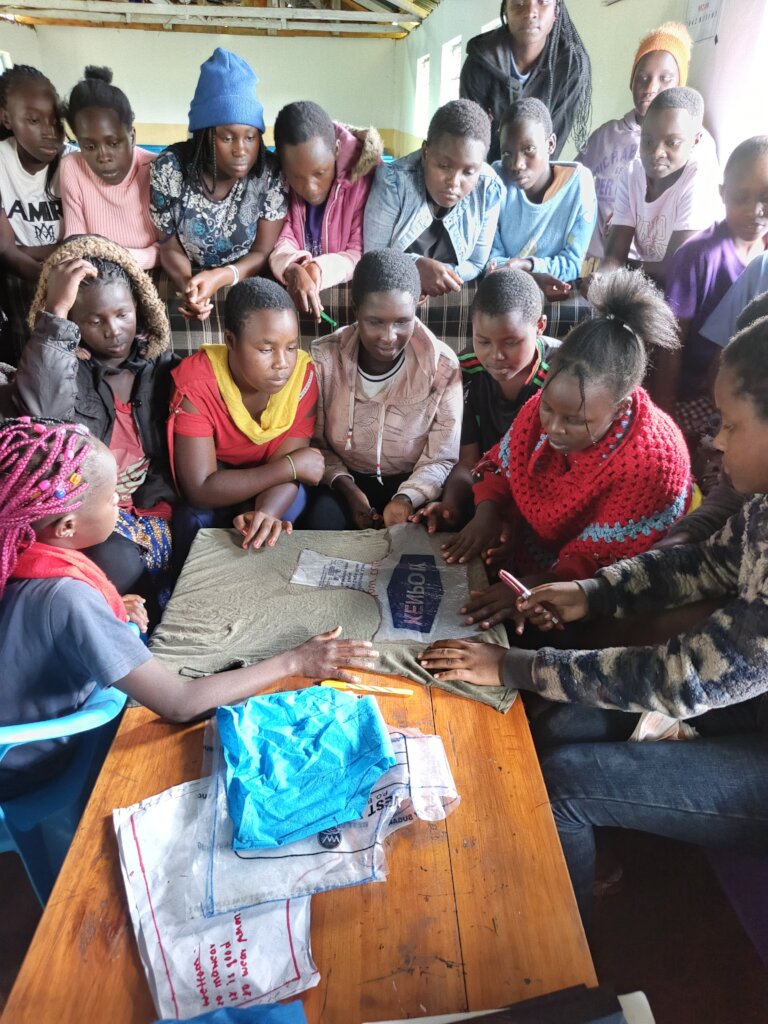
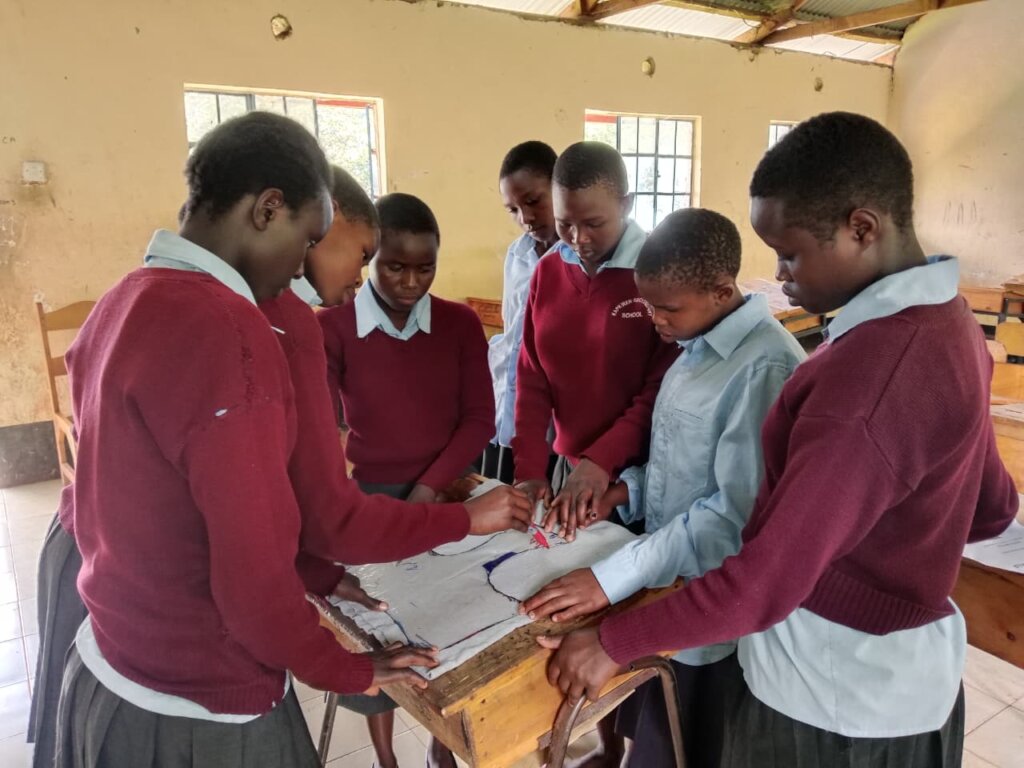
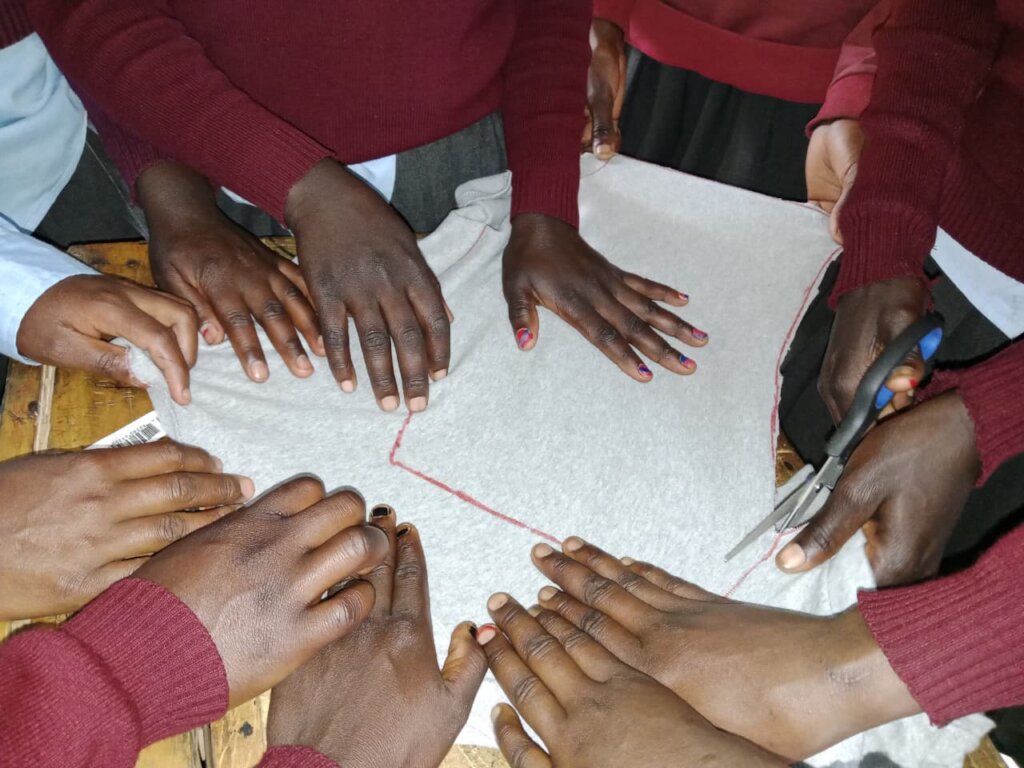
Practical skills are a key part of this empowerment. Girls and women learn how to make reusable sanitary kits using locally available materials such as old t-shirts, improving menstrual hygiene and ensuring that menstruation does not interrupt school attendance or participation in daily activities like income generation activities for the women.
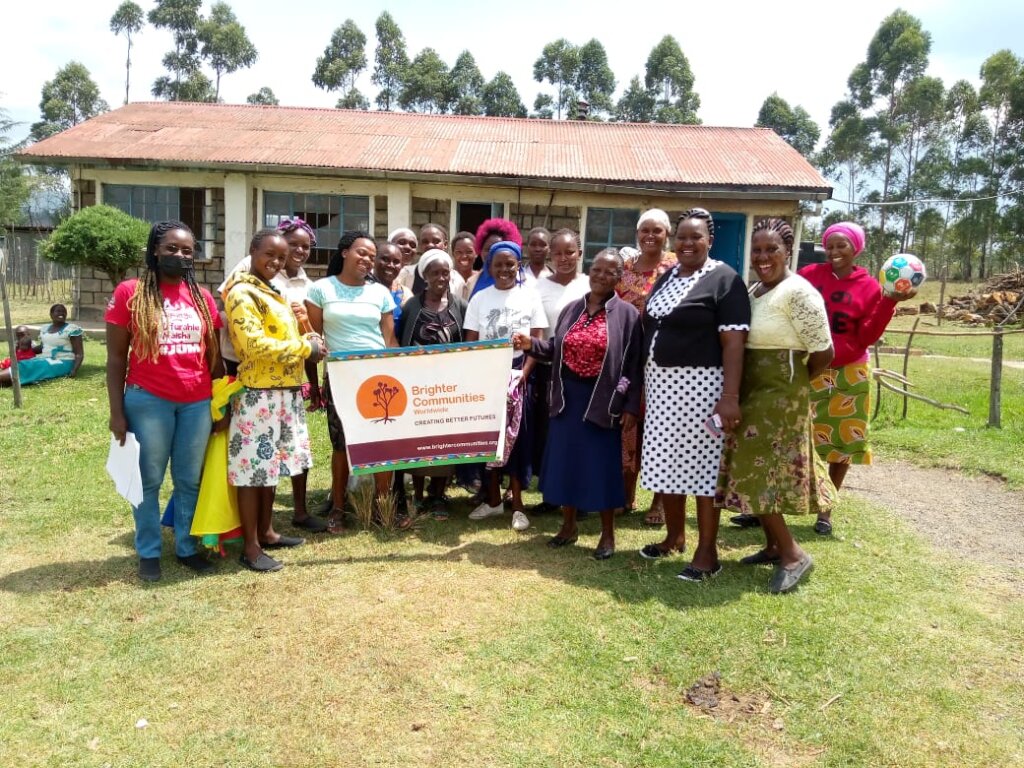
“As a woman and a mother, lack of sanitary products has been a major challenge. The menstrual health training showed me that I can make my own sanitary pads using locally available materials. Managing menstruation will be easier because sanitary pads will always be available, allowing women and girls to go through their periods with dignity.” says Evaline, a community member from Kipyemit in Kipkelion East Sub-County.
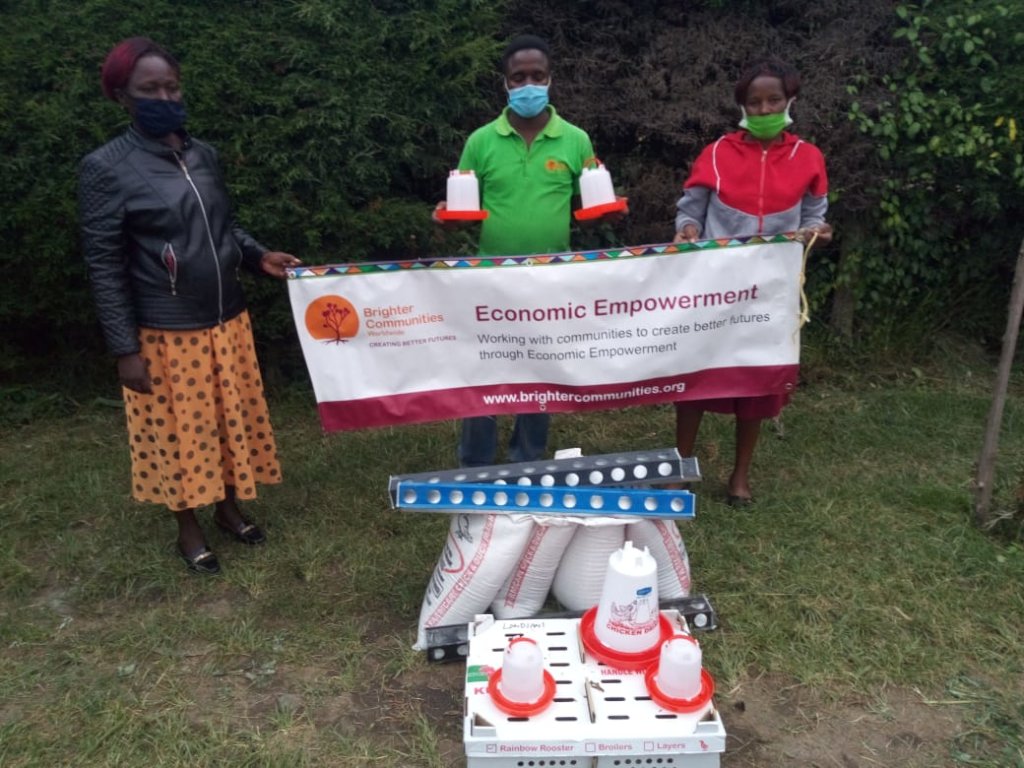
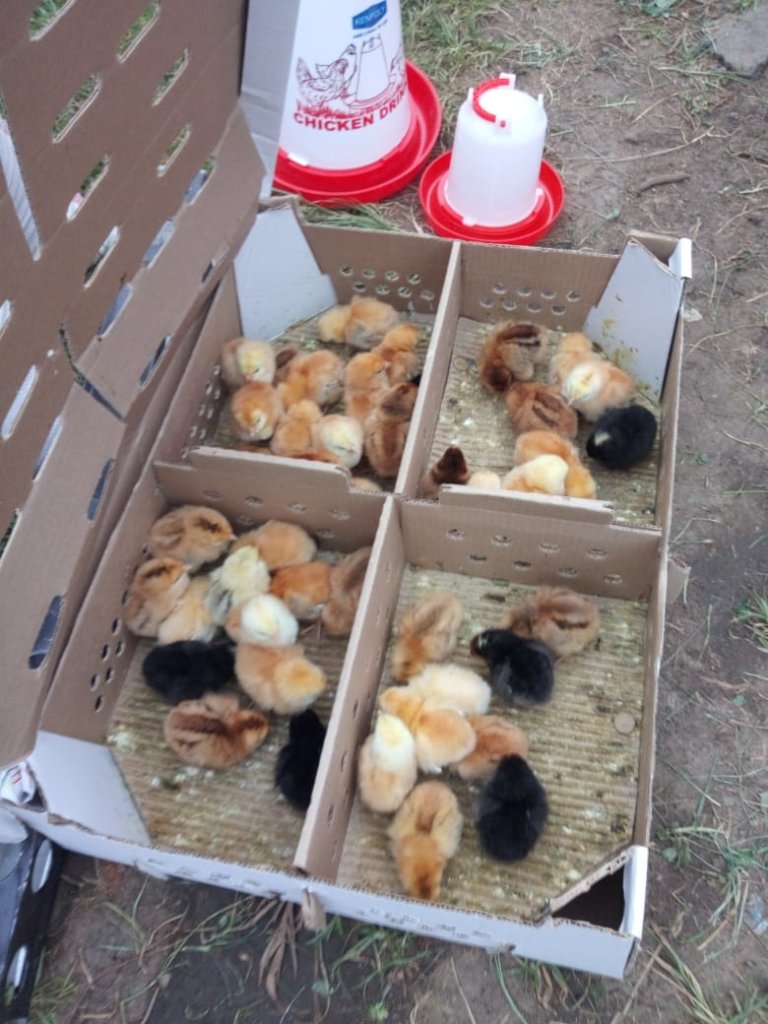
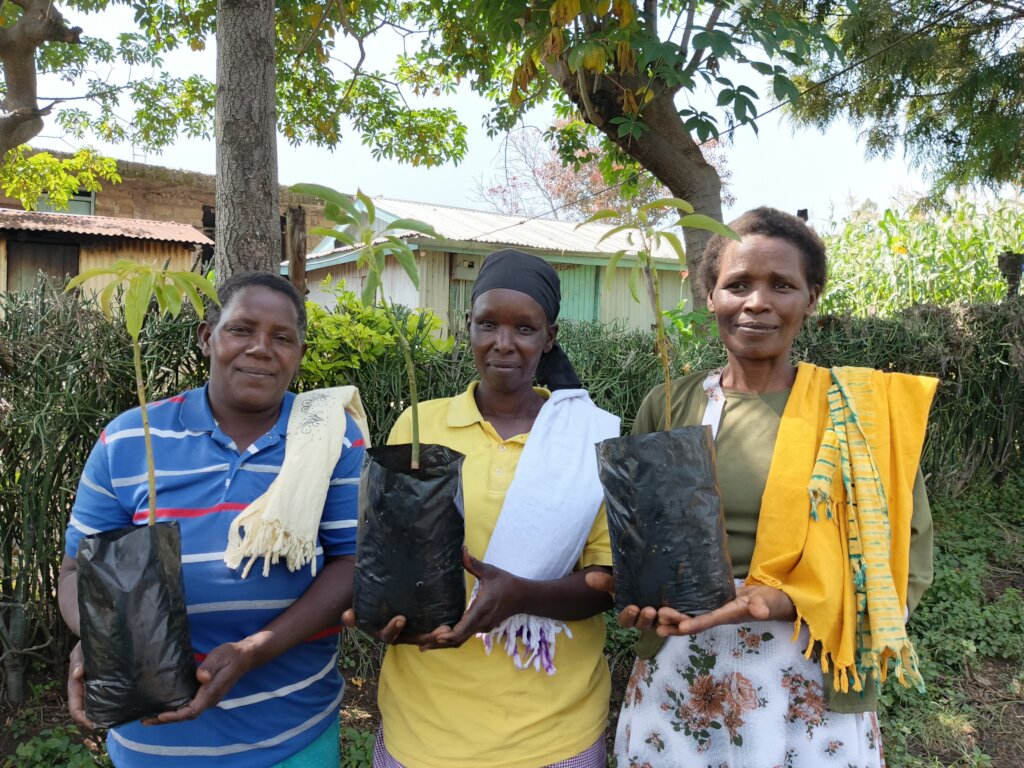
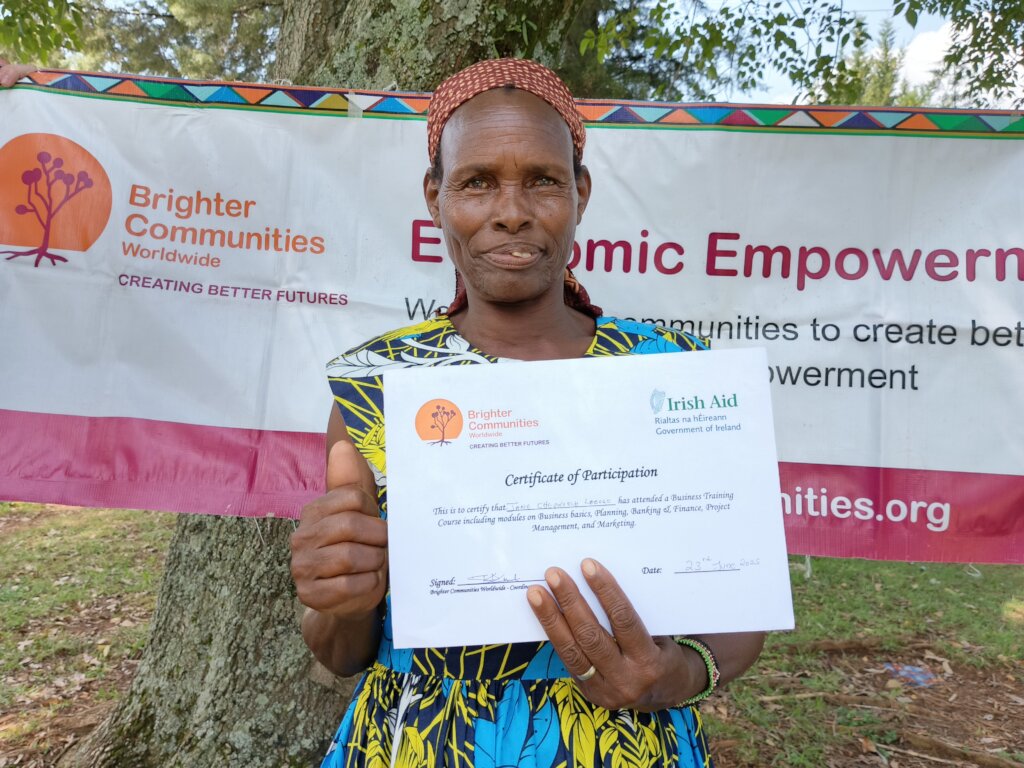
This work is reinforced by economic empowerment at the household level. Women and community groups are supported with income-generating resources, including start-up materials, technical mentorship, and access to savings opportunities. Strengthening household livelihoods helps reduce economic pressures that can increase girls’ vulnerability and supports families to make safer, healthier choices for their daughters.
Asante sana!
By Rose Hennessy | Operations Manager
By Denise Kelleher | Fundraising and Communication Support
Project reports on GlobalGiving are posted directly to globalgiving.org by Project Leaders as they are completed, generally every 3-4 months. To protect the integrity of these documents, GlobalGiving does not alter them; therefore you may find some language or formatting issues.
If you donate to this project or have donated to this project, you can receive an email when this project posts a report. You can also subscribe for reports without donating.



Support this important cause by creating a personalized fundraising page.
Start a Fundraiser