By Manuela Garcia Gutierrez | HAF Intern
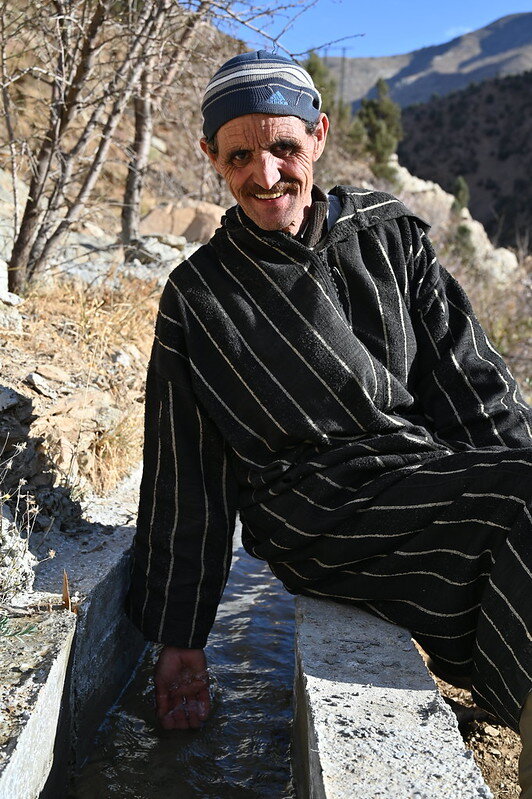
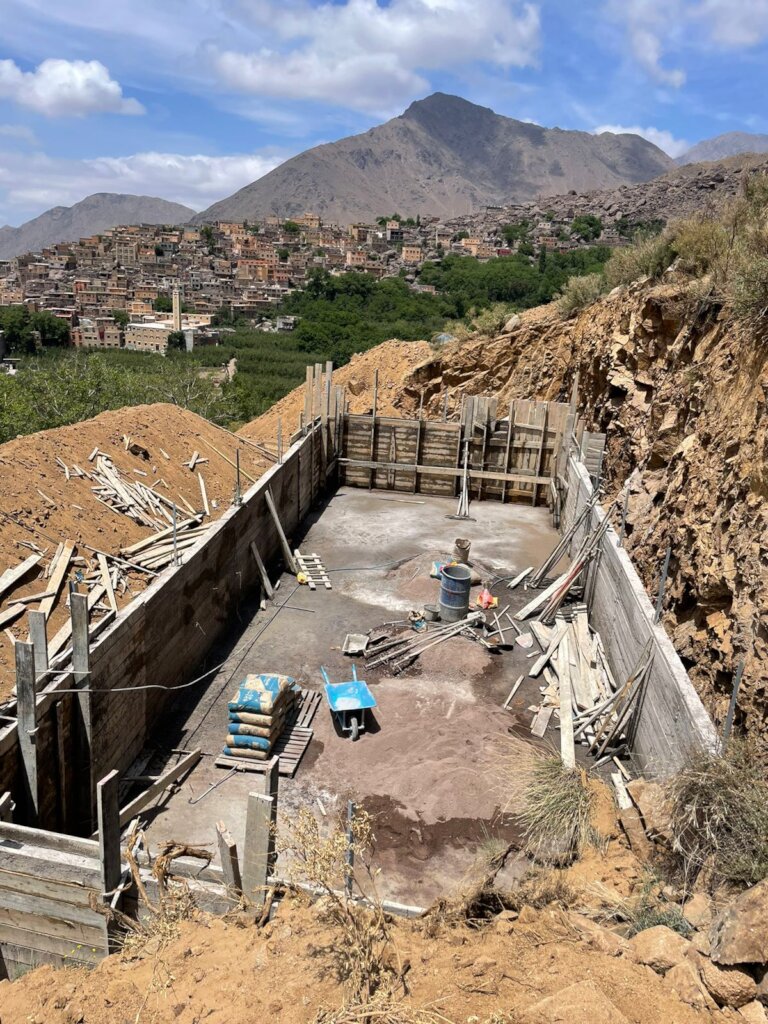
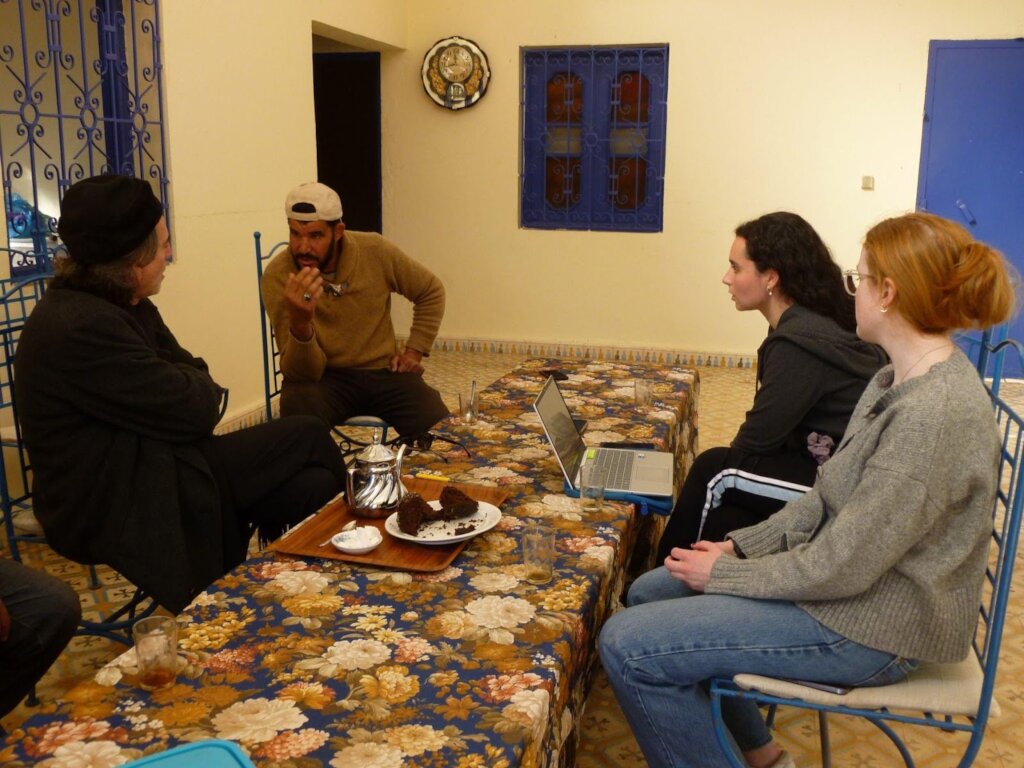
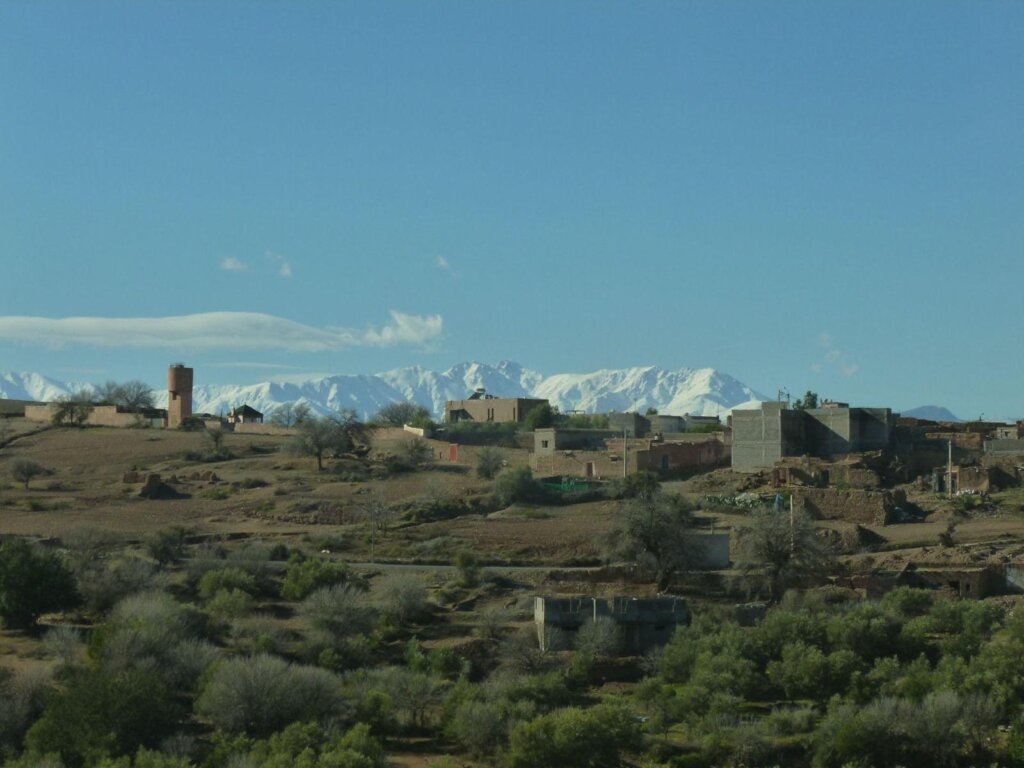
Last week, we visited the village of Akrich in the Al Haouz province, where the High Atlas Foundation has been working over the past two years to develop a clean drinking water system through the construction of a well, a water tower, and the rehabilitation of pipes connecting water directly to households and the local school. Our visit had a dual purpose to better understand how the project has transformed daily life in the village and to apply a model of data collection and impact reporting to quantify progress, identify remaining gaps, and build a strong foundation for future fundraising efforts, particularly for unmet needs such as irrigation infrastructure.
What stood out immediately in Akrich is how something so ordinary for many of us —turning on a tap— can fundamentally reshape an entire community. Reliable access to clean water is often treated as a given, an invisible part of modern life. In Akrich, however, water scarcity had long dictated how people organized their daily life, their work, their family relationships, and even their sense of dignity. Before HAF’s intervention, water access was intermittent and uneven. Households would receive water only every other day, and sometimes not at all during the summer months. Families planned their lives around scarcity, rationing water carefully and enduring long periods of uncertainty.
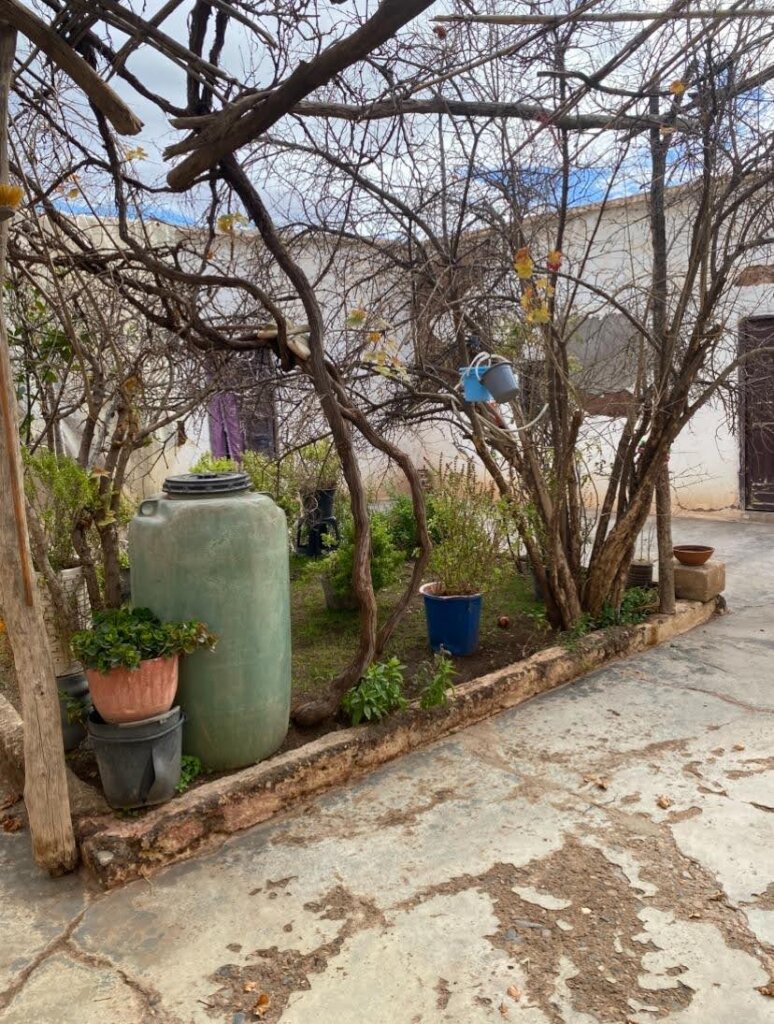
Today, every household has access to clean water every day, including during the most dry seasons. This shift alone represents a life changing transformation. People no longer have to wait, worry, or negotiate over a resource that is essential for drinking, cooking, hygiene, and health. Further, villagers reported increased food availability in their households, since the access to clean water allows them to grow small crops in their gardens for personal consumption. The construction of a solar-powered water pump has also made it possible for water to reach homes located at higher elevations, which had previously been excluded from the system. Additionally, a public basin at the local school ensures that children have access to clean water throughout the day, which was not possible a few years ago.
As we spoke with villagers, it became clear that the impact of clean water goes far beyond physical infrastructure. Improved access has reduced stress within households, eased tensions between family members, and contributed to a greater sense of stability. Several individuals emphasized how much peace of mind comes from knowing that water will be available when needed. Health outcomes have also improved significantly. In the past, water-related illnesses were common, and older generations recalled periods when infant and child mortality linked to unsafe water was tragically frequent. While challenges in rural health persist, access to clean drinking water has eliminated one of the most dangerous and preventable risks the community once faced.
One of the most important lessons from our visit to Akrich was the value of listening to communities throughout the entire project lifecycle. From the earliest stages, the village association played a central role in communicating needs, facilitating coordination, and managing maintenance after construction. Villagers consistently expressed that they felt heard and respected during the design and implementation of the project. Periodic consultations with beneficiaries, from beginning to end, are essential to ensure that interventions align with the aspects that communities themselves identify as priorities, rather than what external actors assume to be most urgent.
These conversations also challenged a common misconception about rural development that the primary barrier is a lack of knowledge. In Akrich, farmers and community members clearly understand how water infrastructure works and how irrigation could improve agricultural productivity. The limitation is not technical capacity, but access to material and financial resources. Those who previously had the means to invest in small-scale infrastructure were able to irrigate their land. Those who did not were left behind. As villagers explained, if the necessary infrastructure were in place, everyone would benefit equally. This underscores the importance of directing resources toward communities that already possess the knowledge and motivation to improve their conditions but lack the capital to do so.
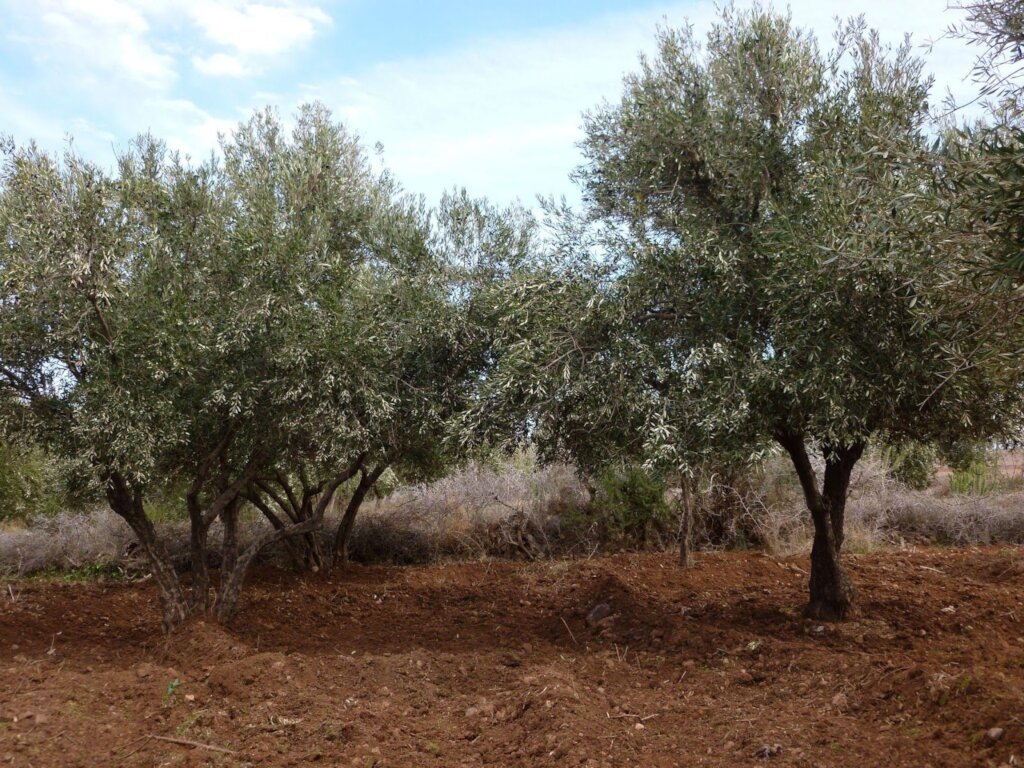
The conversation around irrigation made this especially clear. While HAF’s intervention in Akrich focused on drinking water, rightly prioritized during years of severe drought, the need for irrigation remains pressing. Rain-fed agriculture alone is increasingly unreliable, and farmers are eager to expand and diversify their crops if water access allows it. Designing such a project requires technical planning, regulatory coordination, and funding, but the demand and local commitment already exist. In this sense, development projects do not simply “bring solutions”; they unlock potential that is already present.
Another powerful insight from our visit relates to the gendered impacts of water access. In Akrich, water scarcity has historically placed a disproportionate burden on women, who carried primary responsibility for managing household water needs, often at significant cost to their health, time, and personal well being. With clean water now available at home, daily tasks can be carried out more efficiently, enabling greater dignity, autonomy, and participation in social life.
Access to functioning communal spaces, such as the hammam, further strengthens hygiene, well being, and social cohesion. At the same time, important limitations remain in the pursuit of gender equity. Women were not employed during the construction phase. Although they actively communicated community needs and priorities, this experience highlights that while improved water access is transformative, it is not sufficient on its own to achieve gender equity. Structural inclusion of women in planning, implementation, and governance remains essential. HAF’s IMAGINE empowerment workshops remain a central part of achievement of sustainable development with everyone.
Visiting Akrich was a reminder that development is deeply human, grounded in everyday experiences and shaped by whether people have access to the resources they need to live with dignity. Clean water does not solve every problem, but without it, nearly every problem is intensified. As HAF continues its work, grounding impact measurement in the voices and experiences of communities like the one in Akrich will be essential, not only to demonstrate results to donors, but to ensure that future projects remain responsive, equitable, and rooted in real, community-identified needs.
Project reports on GlobalGiving are posted directly to globalgiving.org by Project Leaders as they are completed, generally every 3-4 months. To protect the integrity of these documents, GlobalGiving does not alter them; therefore you may find some language or formatting issues.
If you donate to this project or have donated to this project, you can receive an email when this project posts a report. You can also subscribe for reports without donating.



Support this important cause by creating a personalized fundraising page.
Start a Fundraiser