By IsraAID Staff | IsraAID Kenya
This November, IsraAID's Chief Development and Communications Officer visited IsraAID's team in Kenya:
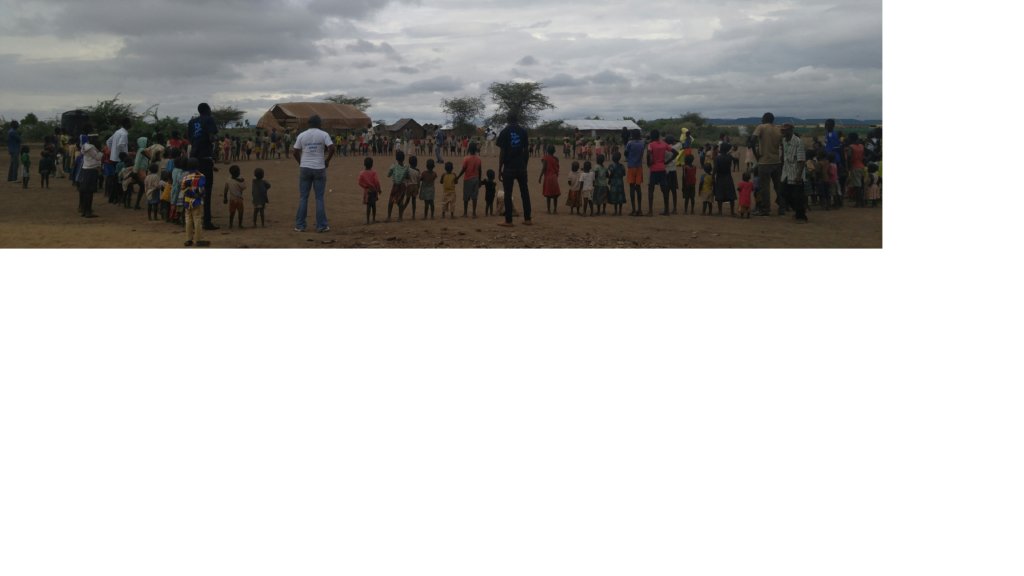
Last week, I traveled to the Kakuma refugee camp in Kenya, which recently turned 30 years old. Everyone we met spoke of just one thing: The drought.
Heartbreakingly, the Horn of Africa is experiencing its worst drought in 40 years. Four failed rainy seasons – with a real worry for a fifth – only exacerbate the dangerous lack of access to safe water in the area, which is home to some 250,000 refugees at the Kakuma camp, as well as a host community of 320,000.
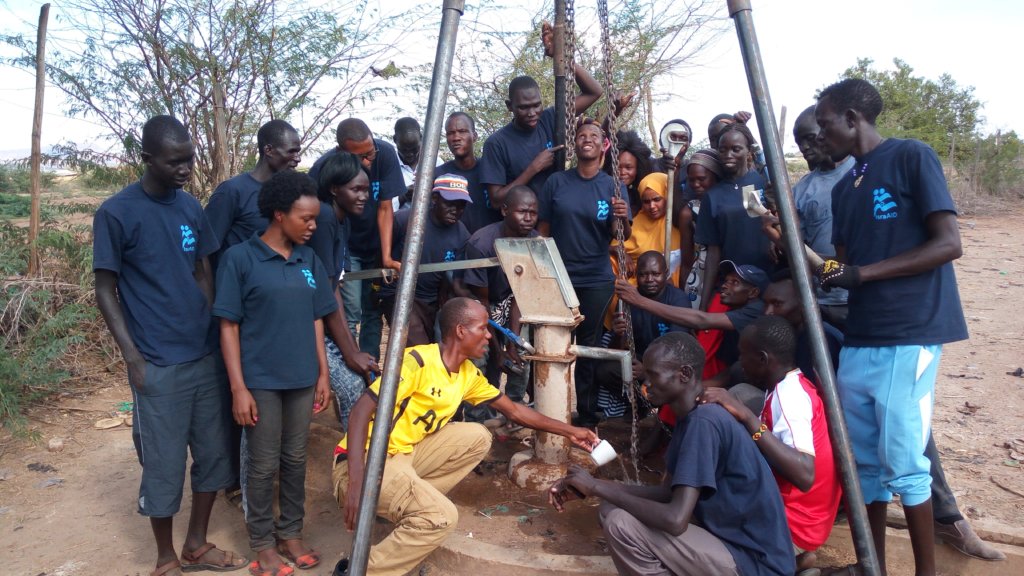
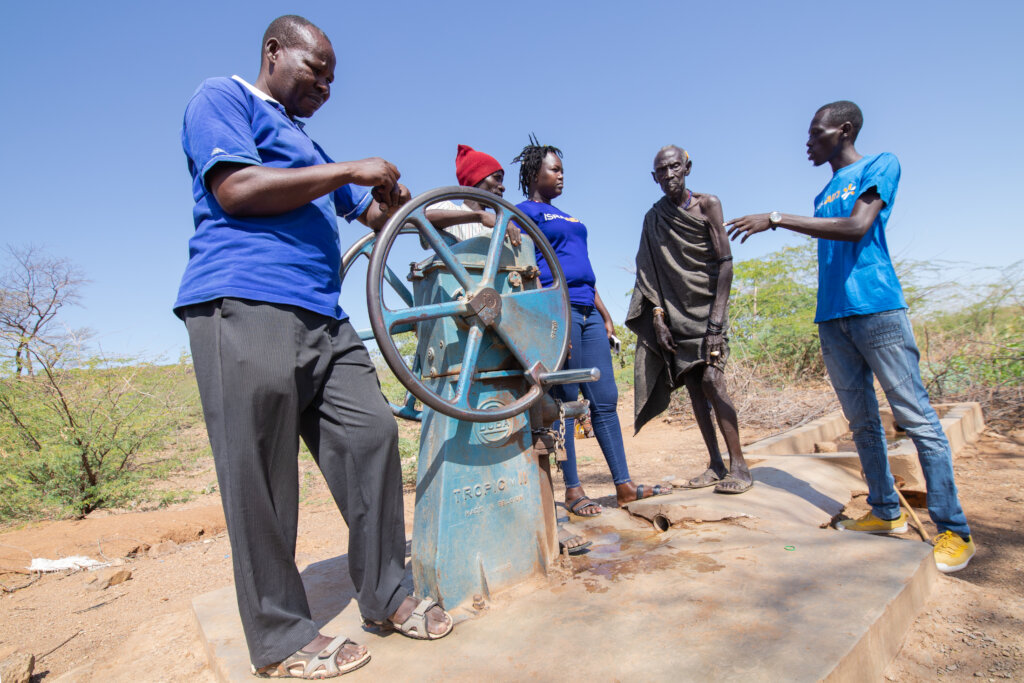
In the camp, where IsraAID has worked for more than a decade, groundwater is accessed through boreholes with a tap attached. The water is turned on two to three days a week, for two to three hours at a time. With no formal water distribution system, the population has no idea when the water will come. When it does flow, they must be ready to queue for hours, and someone must always be available to stand in line. There are only 24 boreholes to serve more than 200,000 people.
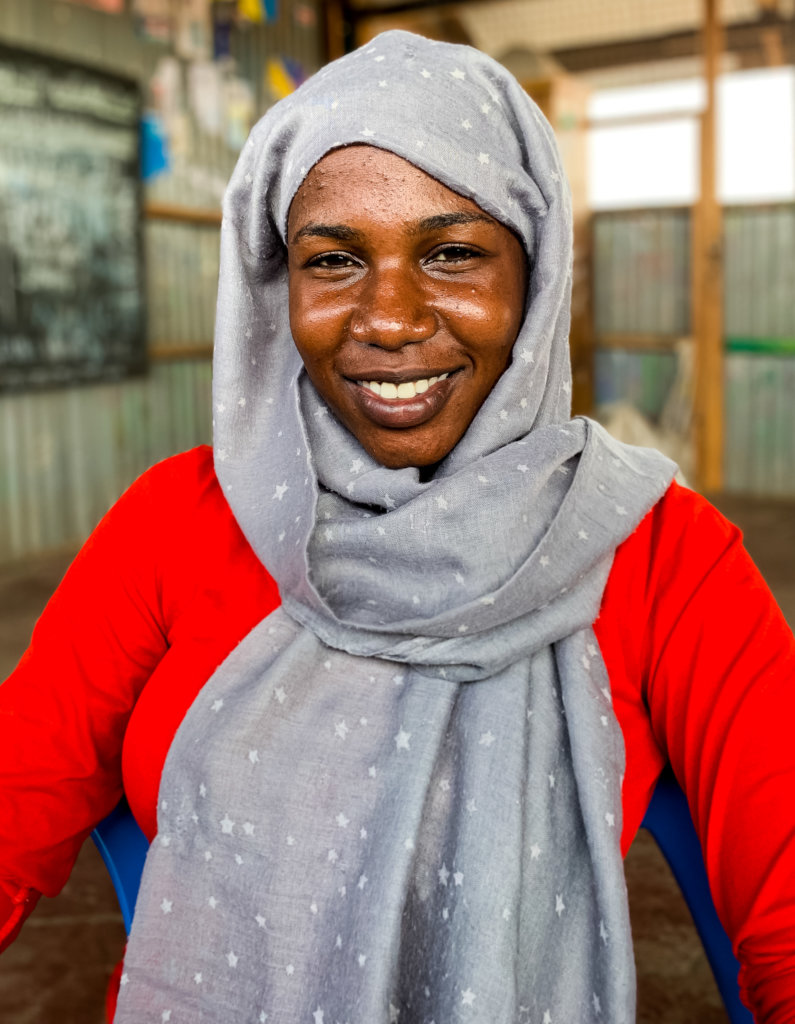
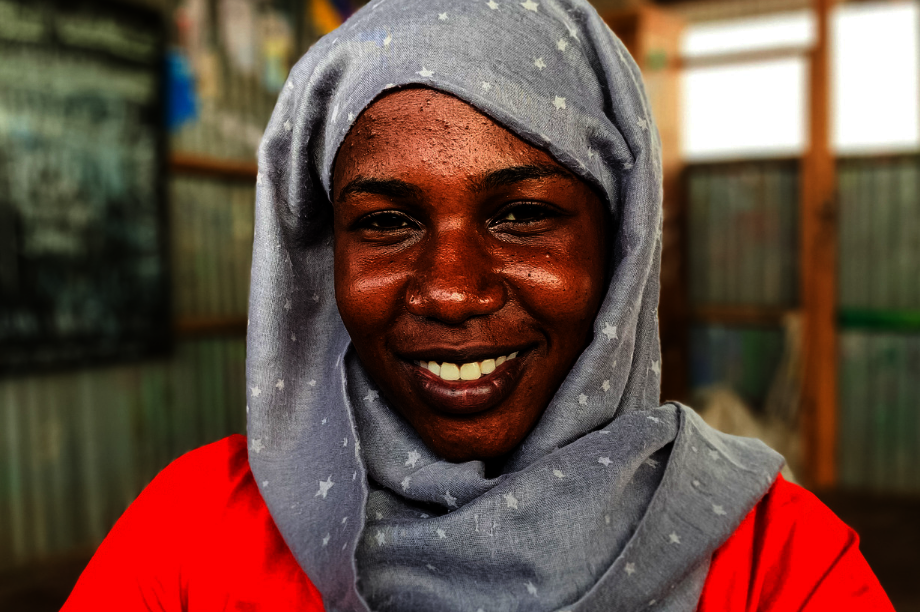
Our home visit to Tisha, an intelligent and friendly 14-year-old girl, was interrupted when the neighbor shouted that the water had been switched on. As the designated person staying home on standby – and therefore not at school – Tisha had to drop everything and run.
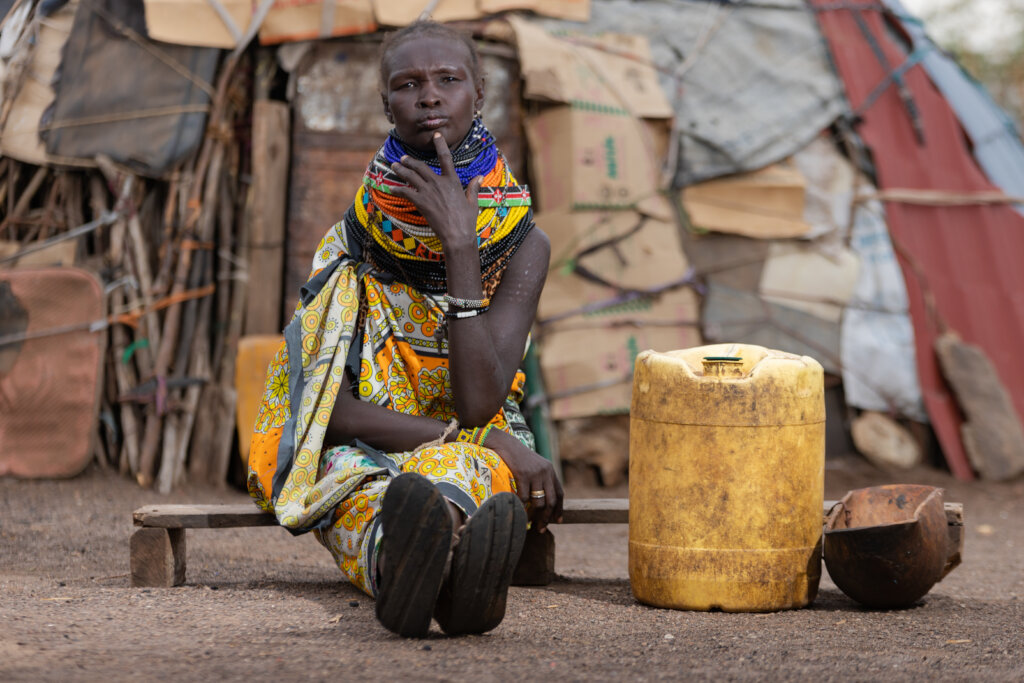
In the surrounding community of Turkana, the water situation is even more dire. Whereas the refugee community is provided with basic services according to international standards, the host community here does not qualify.
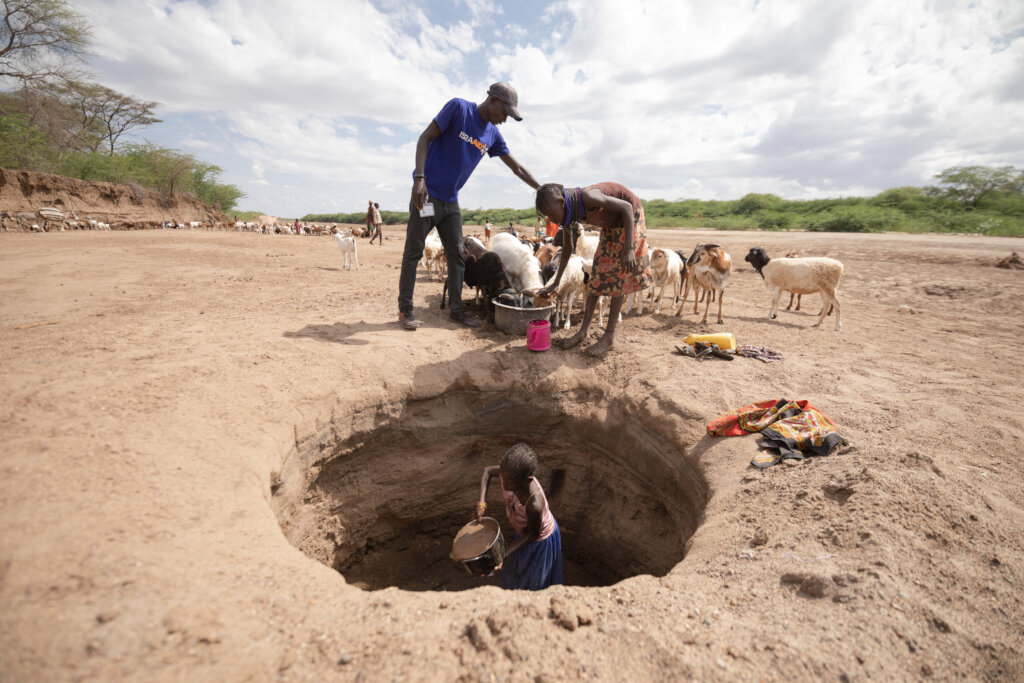
There is no official provision of water. In fact, there are a mere 12 boreholes that serve this entire community, many of which are broken, forcing people to walk for miles to dig into dry seasonal riverbeds. And while waterborne illnesses, such as acute diarrhea, have spiked from drinking untreated water, this is not just about water.
Cases of malnutrition, particularly among children, have skyrocketed. The doctor at the refugee camp said that cases have reached a four-year high, topping 253 acutely malnourished children in one month.
Of course, most of the food rations that refugees receive rely on water to cook – rice, pulses, beans – and due to the drought, rations were cut to 52% of what is needed per household. While world leaders discuss (worthy) long-term fintech solutions for carbon trading over a glass of wine, children across the region are growing increasingly vulnerable.
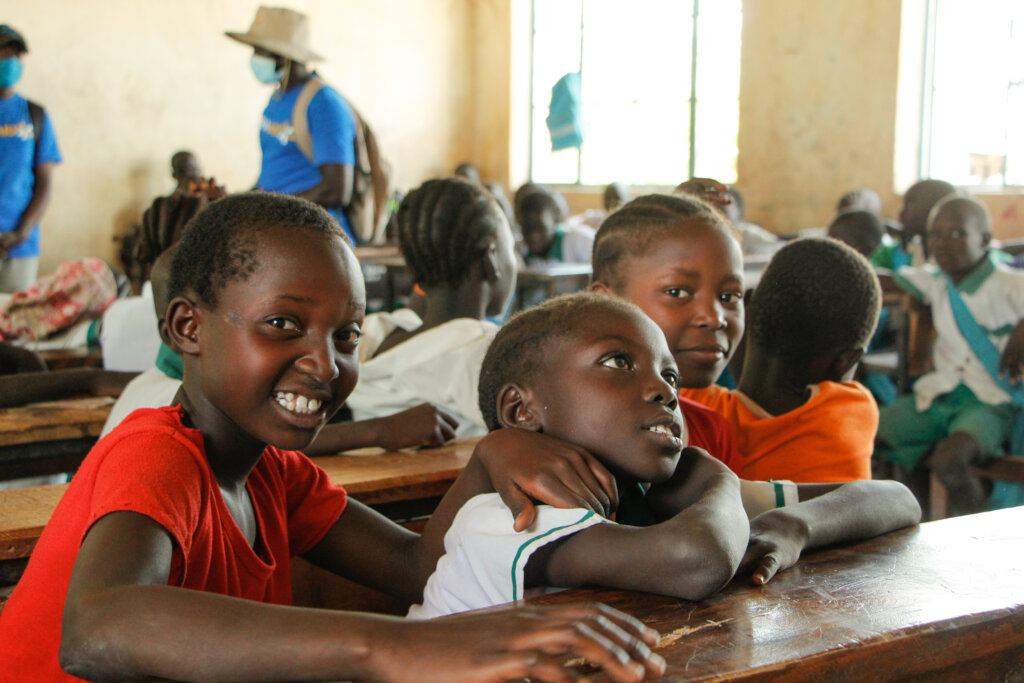
The drought has caused a significant increase in child protection issues. Caregivers now spend much of their day in pursuit of water. Children are left alone for long periods of time. In other cases, it is the children who walk for hours to find riverbeds. When they travel further afield – often to unfamiliar territory – they face a real risk of sexual violence from predators who wait near water sources.
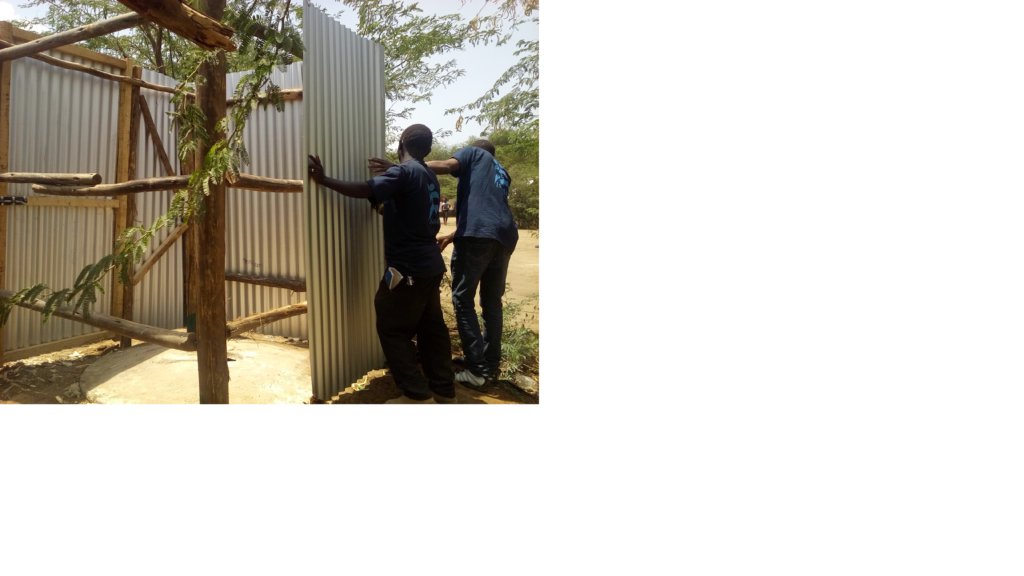
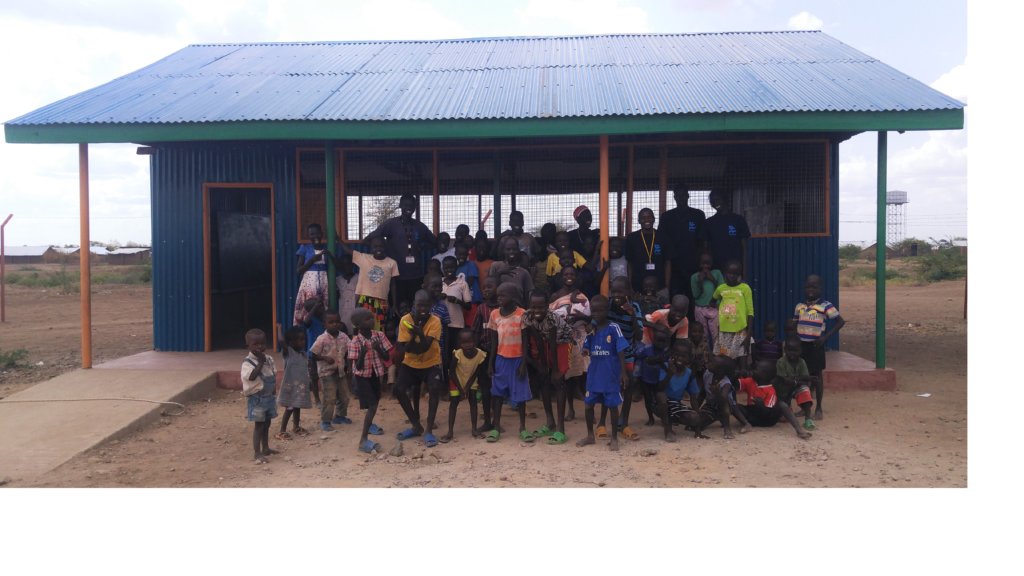
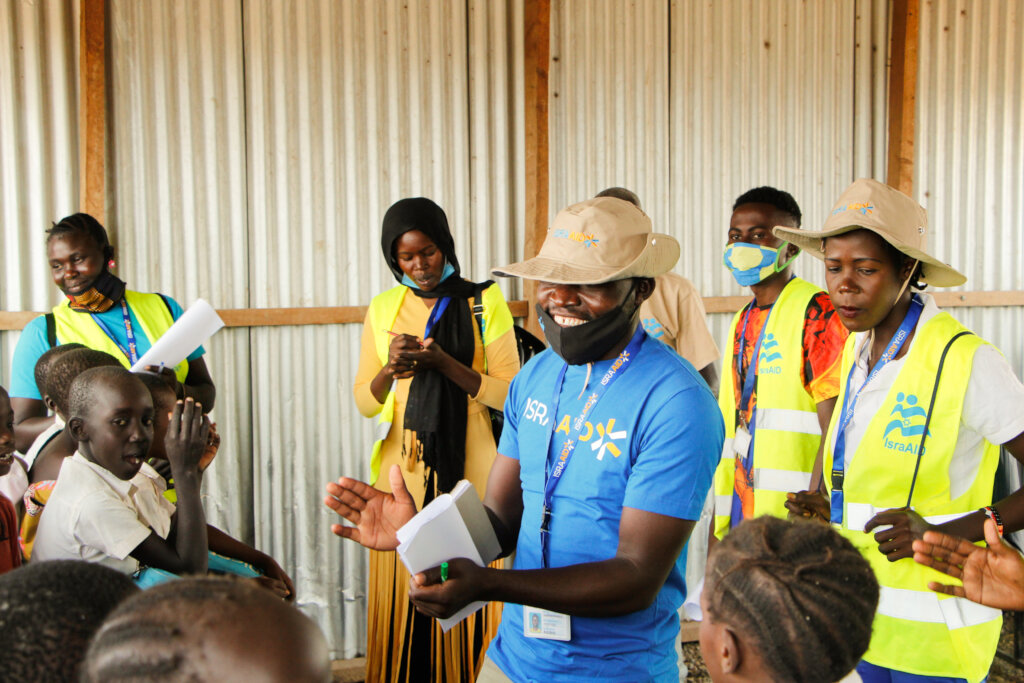
Organizations, such as ours, are out there, in both the refugee and host communities every day. In arduous conditions, the humanitarian groups are providing transformative psychosocial support and child-friendly spaces that host hundreds of children every day, giving urgently needed respite to parents. And of course, new water programs are being installed, which will go on to provide safe water to thousands.
Our work, however, is but a drop in a very dry ocean. It demands attention. It demands support. As the world’s media obsesses over the suits and the speeches, it’s time to refocus away from the words of tomorrow, and back onto the much-needed actions of today.
Over the past few months, IsraAID Kenya has been expanding our response to the drought, surveying and making plans to drill more boreholes, addressing cases of malnutrition and protection concerns via home visits, as well as continuing our usual activities to offer children and adults skills training, mental health support, and access to medical services.
By IsraAID Staff | IsraAID Kenya
By IsraAID Staff | IsraAID Kenya
Project reports on GlobalGiving are posted directly to globalgiving.org by Project Leaders as they are completed, generally every 3-4 months. To protect the integrity of these documents, GlobalGiving does not alter them; therefore you may find some language or formatting issues.
If you donate to this project or have donated to this project, you can receive an email when this project posts a report. You can also subscribe for reports without donating.



Support this important cause by creating a personalized fundraising page.
Start a Fundraiser