By Kate Lapides-Black | Director of Communications
"My humanity is bound up in yours, for we can only be human together."- Desmond Tutu
There's a word in Swahili –– Umoja –– that translates to "unity." Umoja is both a principle and a practice of people living harmoniously together with each other and the planet.
When we're in the field with our Maasai staff in Kenya we see Umoja in practice every day, and it was no different on the trip we've just returned from. We see it in the many women's empowerment groups that our team have organized in their communities who collectively identify and support the most vulnerable children in their communities –– creating a safety net to ensure they don't fall through the cracks. We see it in our trusted driver Momposhi, a local Maasai leader who never fails to stop for the women hailing his car from the roadside to see if they need a ride to the clinic for a sick child. We see it in our staff and Team Angaza volunteers, a good number of whom used their own savings three weeks ago–– as they do at the start of each new school term –– to pay school fees for many children who are not their own.
But it's also true that Umoja doesn't exist for girls and women in many deeply traditional Maasai communities. Practices such as child marriage, FGM, and gender violence occur when one subgroup of people fails to see how certain beliefs, norms, and practices may be creating harm for a different subgroup in their community. And by default, failure to see the harm created for one group means an inability to see how the damage ultimately ripples out to reduce the harmony for us all.
At the foundational level, our programs all stem from a desire to increase Umoja among the people and communities where we work. We can only be whole when we recognize that all of us –– including girls –– are equal human beings who also have hopes and dreams for a future in which they too get to make decisions about the course of their lives. History shows that when they can do so, not only do their own lives improve but the lives of their communities do as well. Because our existence depends on each other.
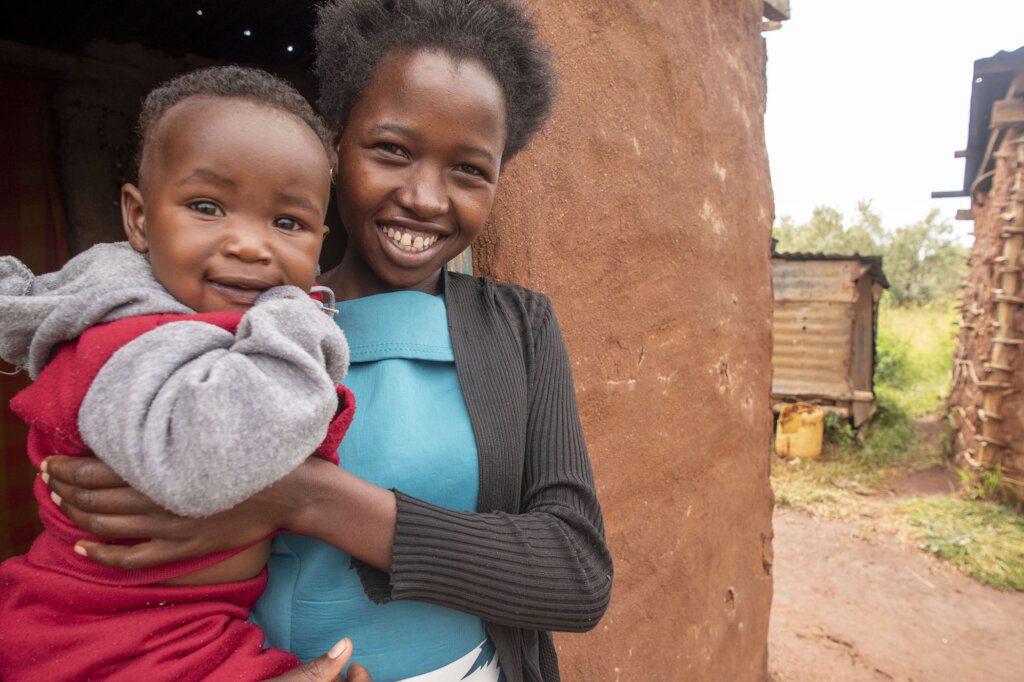
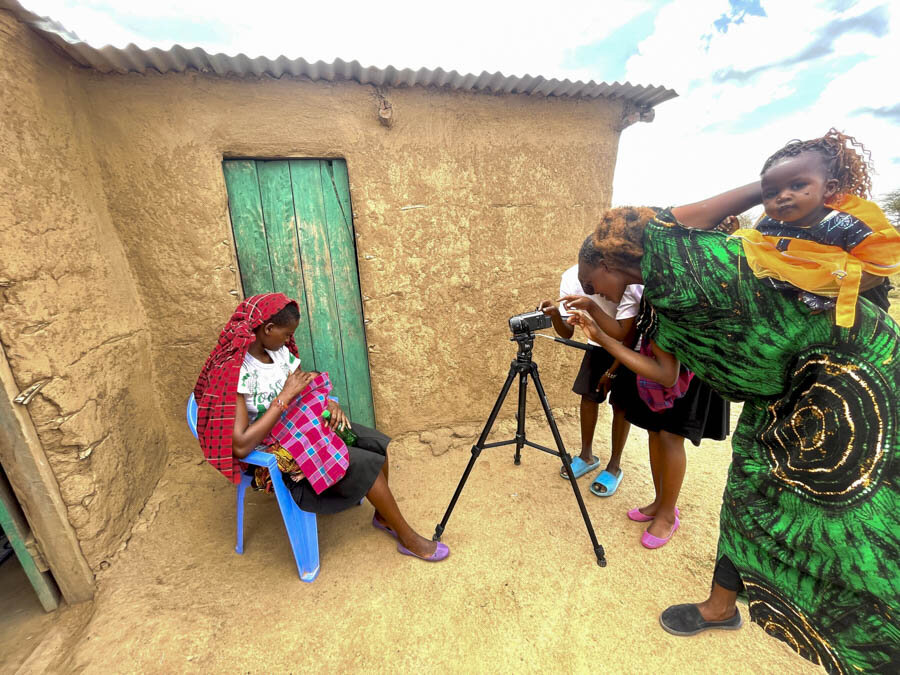
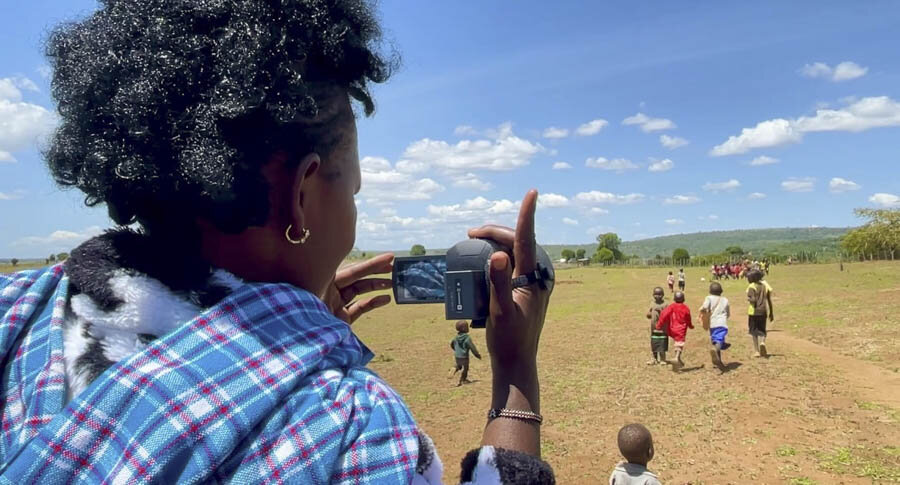
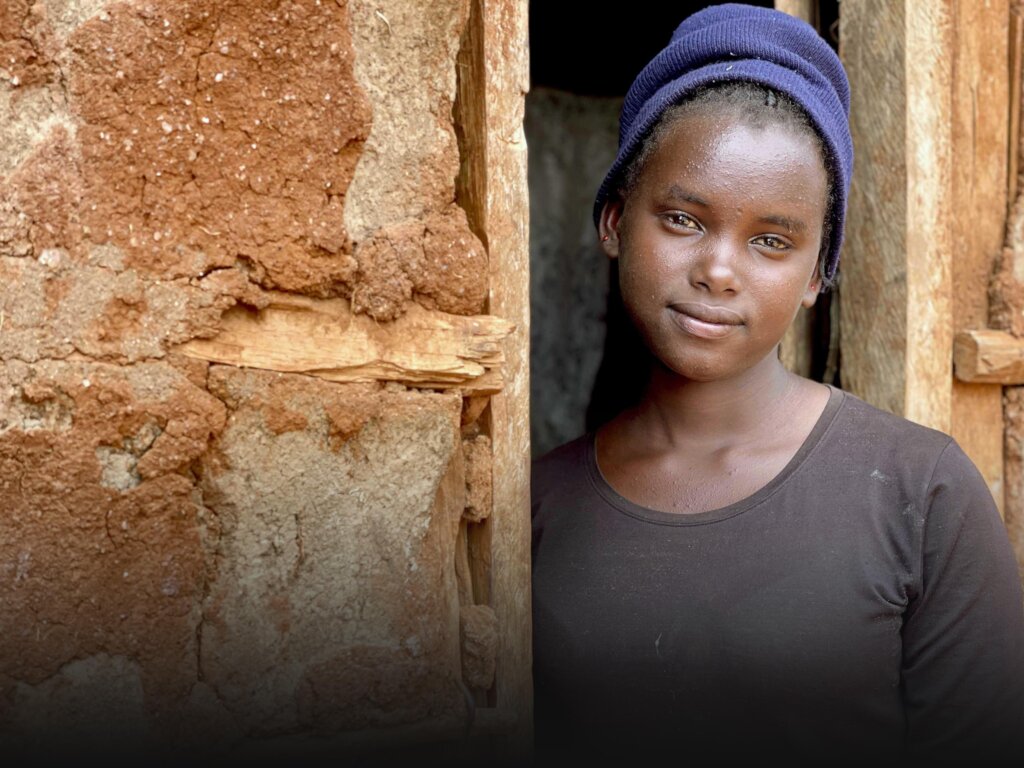
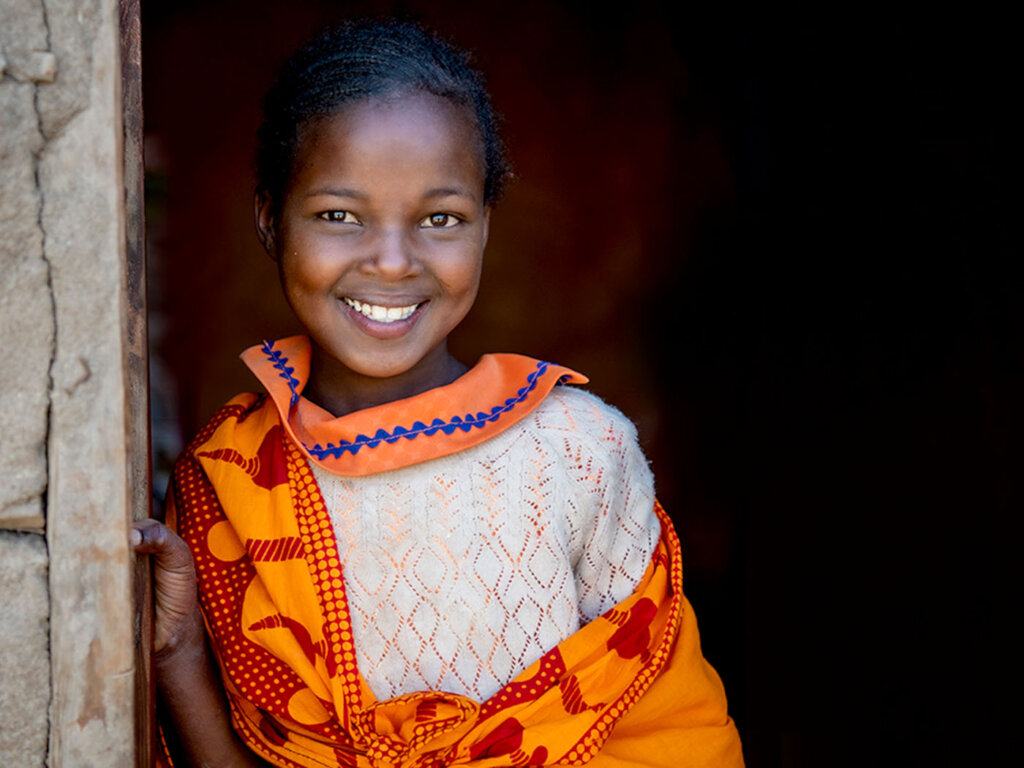
Our latest program in Kenya, Participatory Video, aims to use the tools of media to help those with power in Maasai communities better see the humanity of the most marginalized who do not typically have an opportunity to be seen or heard: Maasai girls. By sharing stories of their hopes and challenges through video in their own voices, Maasai girls –– especially those who have had babies or married at a tender age and dropped from school –– have a new way to have their voices heard by the men who so often decide their futures. Because it's impossible to listen to their stories and not see that they too have dreams and rights; that they too have an important role to play in their communities.
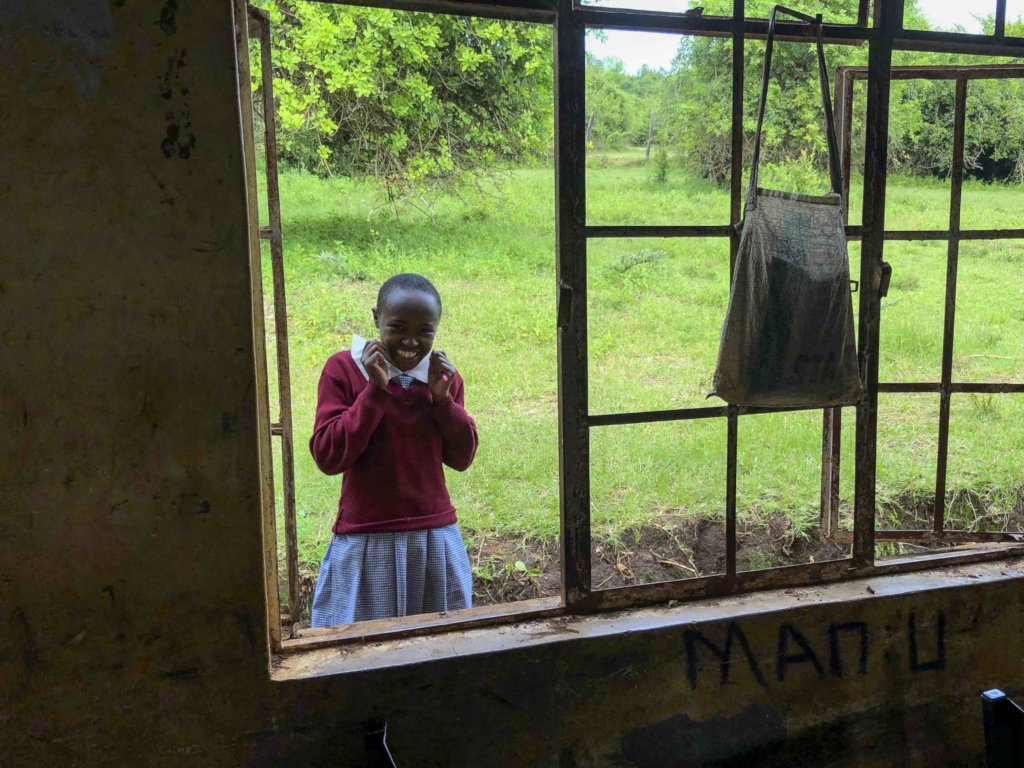
As we write these words our staff are working with a small group of out-of-school teenage girls on a PV project in the border town of Olposomoru. It's the fourth group our staff have worked with to date and our third community. And nearly every time the message each group of girls has chosen to focus on as the collective theme for their video remains the same: A desire to return to school and avoid getting married off at young age –– even after pregnancy.
"Peace is not just the absence of conflict," noted Desmond Tutu's countryman Nelson Mandela. "Peace is the creation of an environment where all can flourish regardless of race, colour, creed, religion, gender, class, caste or any other social markers of difference." The reason we love Participatory Video is because it's such a powerful tool for moving the needle on the narratives that constrain Maasai girls' futures –– shifting them from versions that depict them as subjects whose futures are decided by fathers and uncles to new stories that show their full and amazing capacities; nurture their flourishing; and encourage their fathers, families, and communities to support them to reach their dreams.
Links:
By Kate Lapides-Black | Director of Communications
By Kate Lapides-Black | Director of Communications
Project reports on GlobalGiving are posted directly to globalgiving.org by Project Leaders as they are completed, generally every 3-4 months. To protect the integrity of these documents, GlobalGiving does not alter them; therefore you may find some language or formatting issues.
If you donate to this project or have donated to this project, you can receive an email when this project posts a report. You can also subscribe for reports without donating.



Support this important cause by creating a personalized fundraising page.
Start a Fundraiser