By Development Team | Kidsave Staff
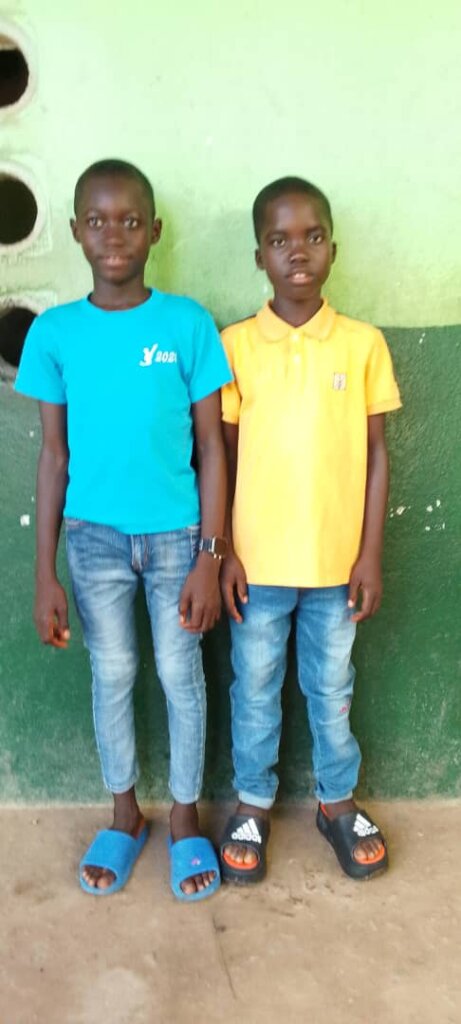
For years, siblings Mustapha and Ansu Kemoh dreamed of something many of us take for granted — a family.
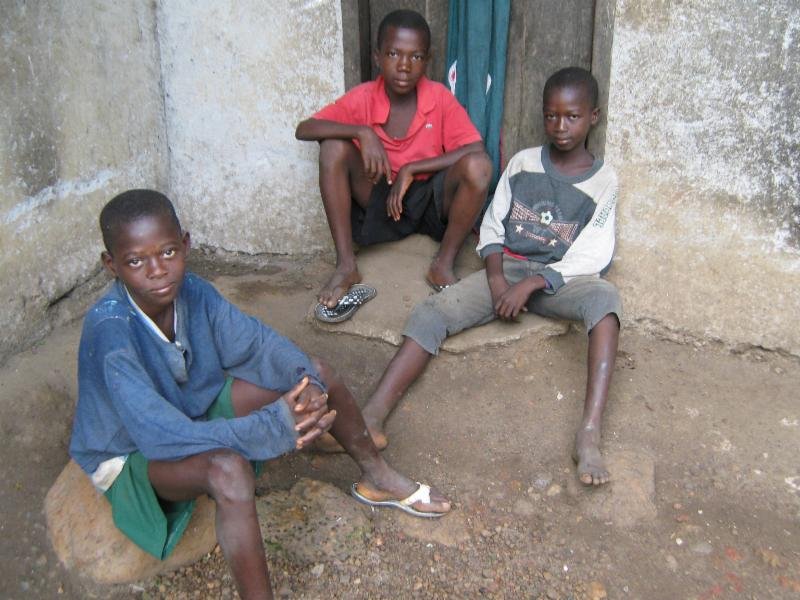
They were just 2 and 4 years old when they lost their parents to the 2015 Ebola outbreak in Sierra Leone. In the chaos that followed, they were brought to the Dawar Islamic Orphanage in Hanga, where they spent nearly a decade growing up without a single visit from a relative. Life became routine — the same walls, the same schedule, the same ache of wondering if someone, somewhere, still thought of them.
That changed when Kidsave’s partner, IDI, in collaboration with the Ministry of Gender and Children’s Affairs, launched a family reunification effort in the Kenema District. The initiative aimed to return older children from orphanages back to family and community care — a monumental step for Sierra Leone’s child welfare system and for dozens of children who had spent years waiting.
IDI’s social workers spent weeks gathering information, tracing relatives, and traveling to remote areas, sometimes walking miles to reach the last known homes of the children’s families. Their persistence paid off when they found Ms. Rugiatu Sannoh, Mustapha and Ansu’s aunt, living in Nomo Farma, a village nearly 65 kilometers away.
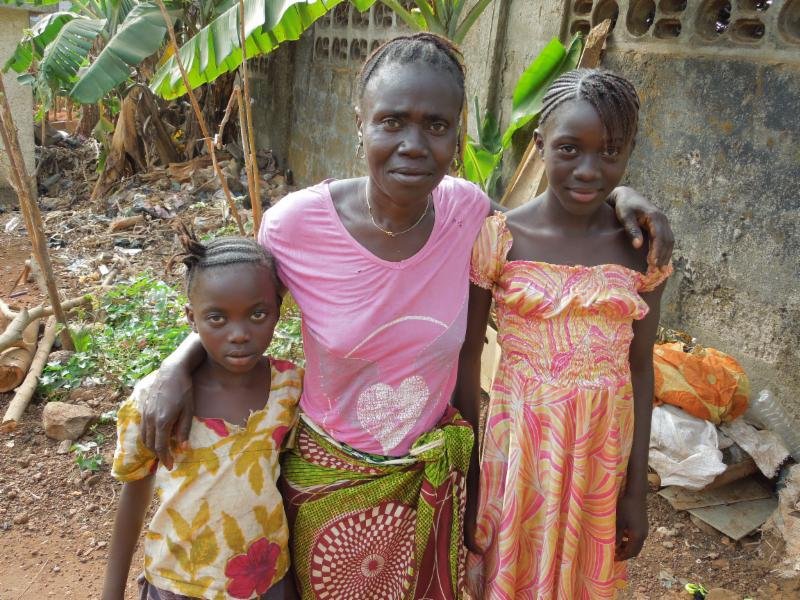
When Rugiatu received the news, she was overcome with emotion. She had long believed her nephews were lost forever after the Ebola crisis. “They are my sister’s children,” she said. “They belong with me.”
A hosting event brought them together for the first time in nearly ten years. The reunion was filled with both joy and disbelief — long hugs, tears, and laughter from the children who couldn’t believe they were finally with family again. After a successful week of bonding, they were officially reunited with their aunt, marking a new beginning in their lives.
“This day can be remembered as a new beginning,” Mustapha said during the ceremony. “We will forever remain grateful to Kidsave and IDI Salone for finding us our family again.”
Since returning home, the siblings have adjusted beautifully to community life. They now attend school regularly, help their aunt around the home, and enjoy spending time with other children their age. For them, simple moments — playing hide and seek, listening to village elders’ stories, and sharing meals — have become daily reminders of love and belonging.
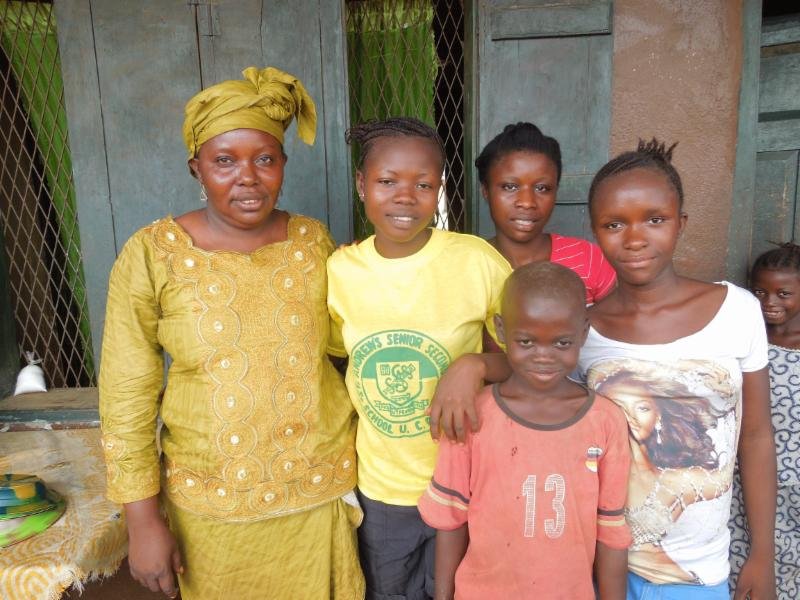
Their story is one of 57 successful reunifications completed this year by IDI with Kidsave’s support. Eleven of those children were hosted by caring families through community events held in Dama, Dawawulo, and Sendumie, where hundreds of local residents came together to witness the power of family and community.
In addition to reunifications, over 600 people participated in training programs on child welfare, protection, home management, and leadership — ensuring families were prepared to welcome children into safe and supportive environments.
Monitoring also remains a key part of the program. IDI continues to check in on over 100 children across 25 communities. Nearly half of those have now successfully completed their six-month follow-up period, thriving in their new homes.
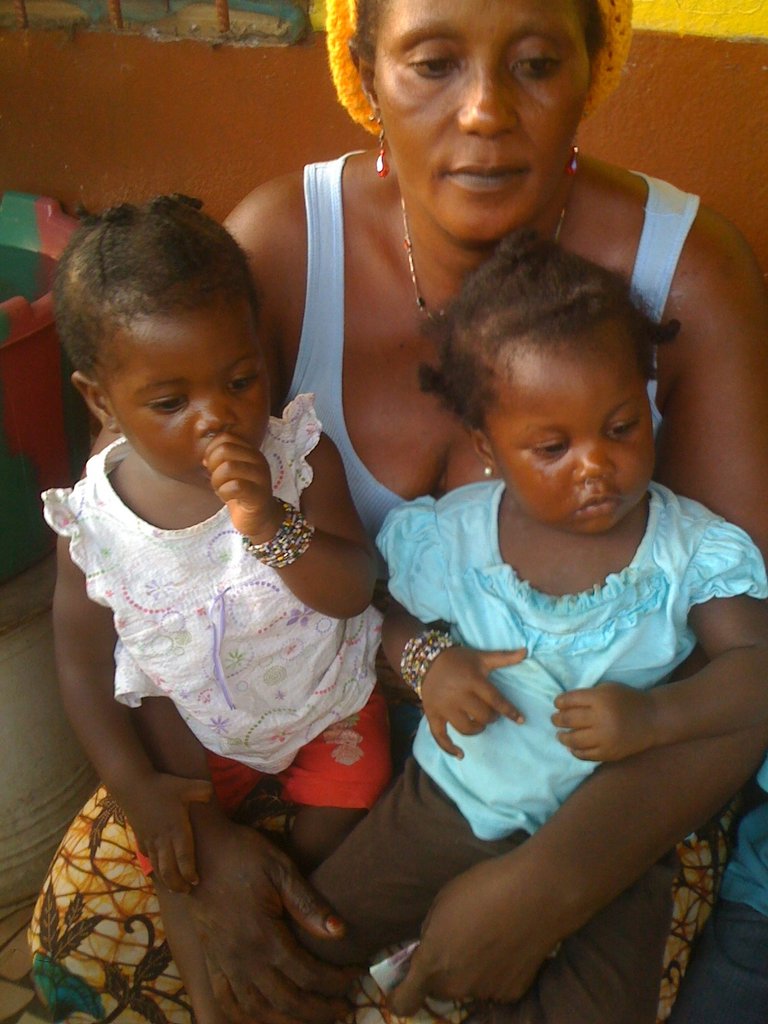
But the program doesn’tstop at reunification — it also focuses on empowerment and stability. Through Kidsave’s microloan initiative, families like 55-year-old widow Muniatu Sillah received small business loans and financial mentoring to help sustain their households. Despite her own hardships, Muniatutook in two children from the reunification program and used her business income to provide food, education, and care. “The microloan changed my life,” she said proudly. “Today, I can feed my family and meet their needs. We have a happy home.”
These stories — of Mustapha and Ansu, of Rugiatu, of Muniatu — are reminders of how far compassion and persistence can go. Each reunion represents more than just a child finding family; it’s a community coming together to heal and rebuild after loss.
Together, Kidsave and IDI are showing that no child should grow up without love, belonging, and a place to call home.
Links:
Project reports on GlobalGiving are posted directly to globalgiving.org by Project Leaders as they are completed, generally every 3-4 months. To protect the integrity of these documents, GlobalGiving does not alter them; therefore you may find some language or formatting issues.
If you donate to this project or have donated to this project, you can receive an email when this project posts a report. You can also subscribe for reports without donating.



Support this important cause by creating a personalized fundraising page.
Start a Fundraiser