By Michaelle M. | Project Leader Assistant
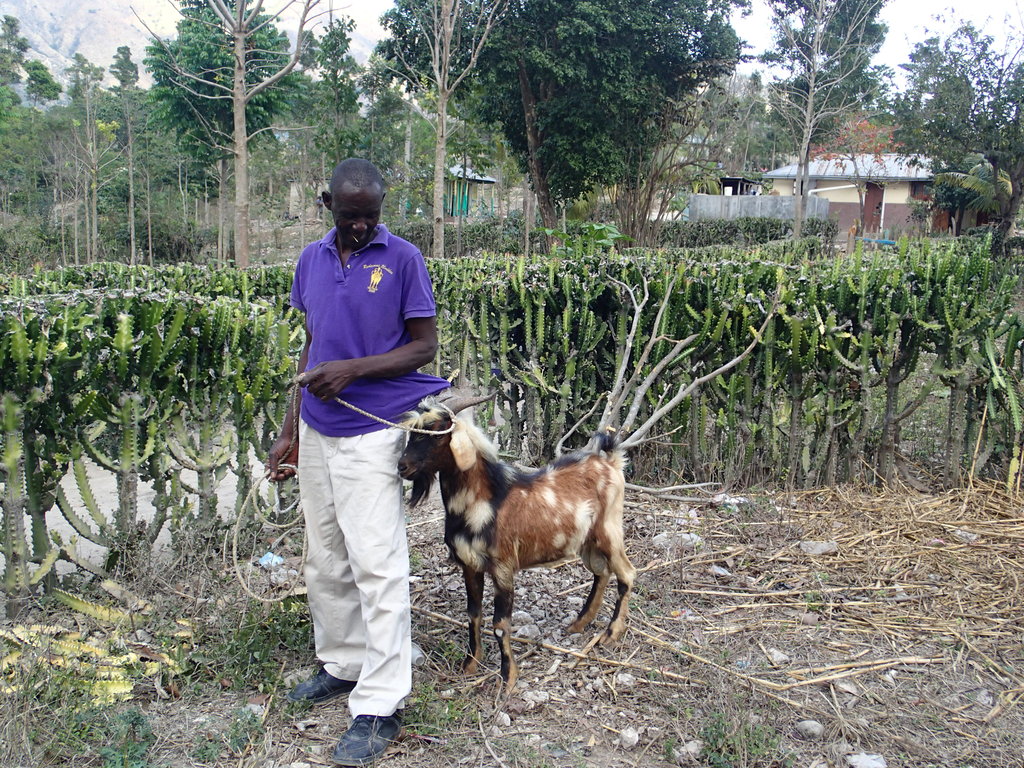
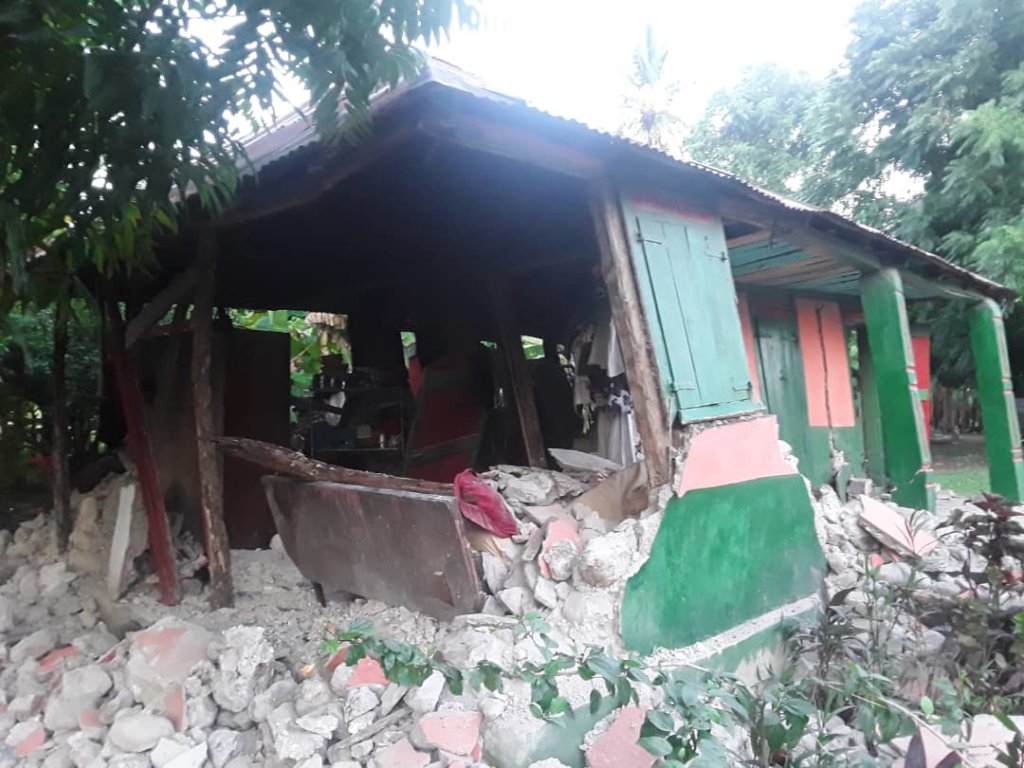
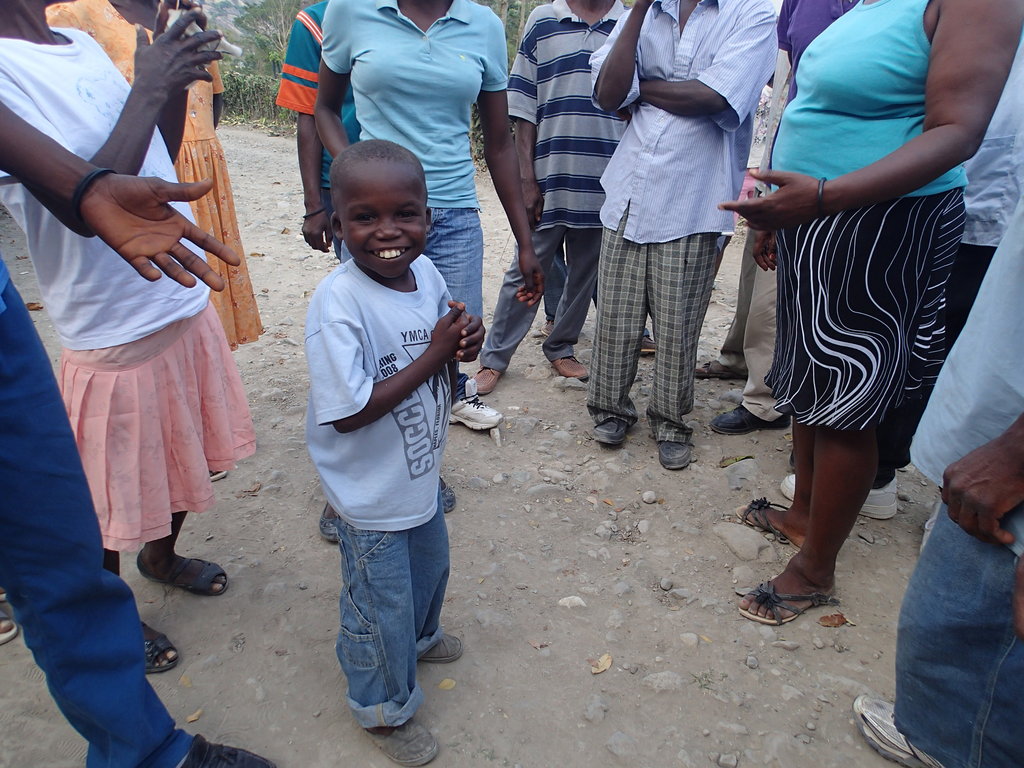
Hurricane Melissa, one of the most destructive storms in recent memory, has left a trail of devastation across the Caribbean. It has affected Haiti particularly impacting the country’s agricultural sector. Farmers, who are the backbone of the nation’s economy, have been grappling with the destruction of their homes, fields, and livelihoods. The storm, which made landfall with powerful winds and relentless rainfall, resulted in catastrophic flooding that has decimated vast swathes of farmland, leaving many agricultural communities in ruin. For Haiti, an island nation that relies heavily on subsistence farming, the damage is far-reaching, threatening not only the food security of millions but also the long-term sustainability of the agricultural sector.
For farmers, the immediate loss was not just the physical damage to their properties but the destruction of their crops, which had been growing steadily until the storm. Fields that had once been filled with cassava, rice, and other staple crops were now nothing more than fields of mud and debris. The extent of the devastation meant that some farmers lost entire harvests, resulting in an immediate shortage of food supplies.
One of the many significant losses following Hurricane Melissa was in cassava farming. Cassava, a vital root crop that provides sustenance to many families in Haiti, was particularly vulnerable to the storm’s intense flooding. As the floodwaters surged, many cassava fields were submerged, leading to oversaturation of the soil. In such conditions, cassava plants’ roots—typically hardy and able to withstand a variety of environmental challenges—became susceptible to rotting.The soil, now saturated with excess water, created an anaerobic environment that promoted the rapid decay of cassava roots. Without the necessary air supply, the roots began to decompose, rendering the crops unharvestable.
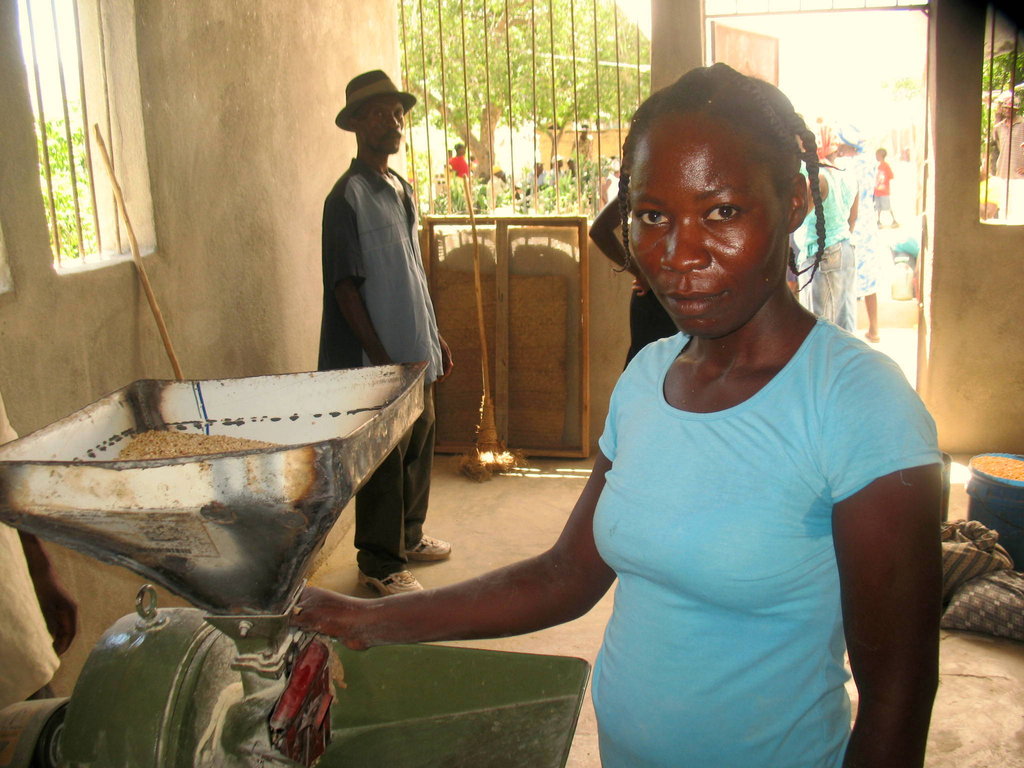
Despite the overwhelming challenges, Haitian farmers are displaying incredible resilience and determination in their efforts to restore their land. Across the affected regions, farmers have been working tirelessly to clear their fields of debris, removing fallen trees, mud, and waterlogged plants in the hope of replanting.
Replanting, however, is no simple task. The process is time-consuming and expensive. Farmers must not only clear the land but also invest in seeds, tools, and other resources, many of which are now in short supply. Even with such enormous effort, the recovery process is likely to take some time, especially as the country’s agricultural infrastructure remains fragile.
In the coming months and years, the true scale of Hurricane Melissa's impact on Haitian agriculture will continue to unfold. But for now, the immediate focus must be on providing relief to farmers and helping them rebuild their livelihoods. Only by addressing the needs of these farmers can Haiti hope to recover and ensure that its people have access to the food they need to survive. The road to recovery may be long, but with determination, collaboration, and sustainable solutions, there is hope for a brighter future for Haitian agriculture and its farmers.
Project reports on GlobalGiving are posted directly to globalgiving.org by Project Leaders as they are completed, generally every 3-4 months. To protect the integrity of these documents, GlobalGiving does not alter them; therefore you may find some language or formatting issues.
If you donate to this project or have donated to this project, you can receive an email when this project posts a report. You can also subscribe for reports without donating.



Support this important cause by creating a personalized fundraising page.
Start a Fundraiser