By Sheila Cross | Team Manager
UPHOLDING RIGHTS AMID RISING RISK: STILL SERVING, STILL NEEDED.
As legal protections are eroded, essential services become harder to access, ASsIST’s work becomes not just necessary, but urgent.
This Year in Context: Shrinking Protection, Rising Need
It has now been over six years since our team began providing legal information and assistance to asylum seekers and refugees in Greece. In 2025, this work became harder—but no less essential. A series of new laws, proposed and passed, are reshaping asylum policy toward exclusion and deterrence. At the same time, Greece is proposing tighter controls on NGOs that provide vital services in the public interest.
Like many community-based initiatives, ASsIST has also faced funding shortfalls—most recently losing a third of our modest budget due greater competion due to fewer funds accessible. Transparency matters to us: we share this not for sympathy, but to underscore the critical need for continued support.
What’s Happening at the Borders
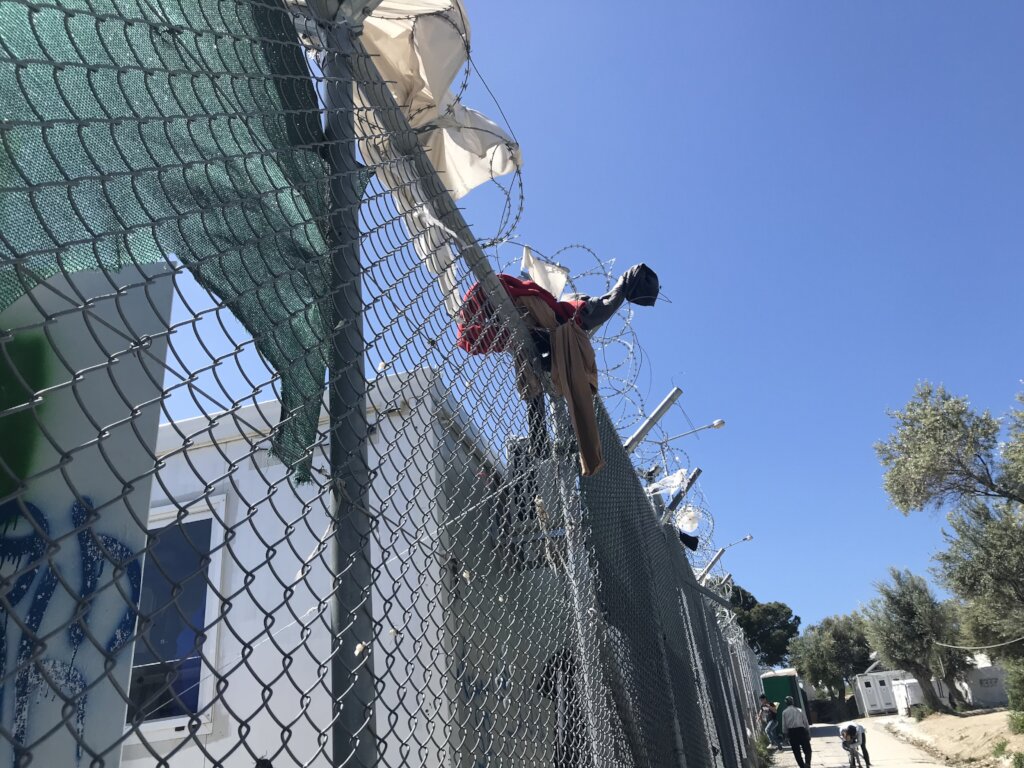
From 01 January to 26 October 2025, 38,653 people arrived in Greece seeking asylum,including. 33,761 people arriving by sea and 4,892 via the land borders. Tragically, 37 people have died in the Aegean Sea in 2025 so far, with 15 deaths in October alone in incidents near Chios, Lesvos, Rhodes, Farmakonisi, and Samos. UNHCR also reported at least nine people missing in 24 separate incidents.
Increased arrivals to Crete and Gavdos via the Central Mediterranean route, 14,773 people as of 26 October 2025, led to new cooperation between Greece and Libya on migration control. Greece began training Libya’s coast guard on Crete—despite widespread concerns over Libya’s record of human rights abuses. The number of lives lost on this route is not published. (Statistics from UNHCR Operational Data, Europe Sea Arrivals-Greece.)
Meanwhile, reception infrastructure on Crete is stretched to the limit. Ad hoc shelters are being used while authorities push ahead with plans for a new facility—sparking local protests over tourism and social impacts.
Major Policy and Legal Developments
1. Suspension of Registration for North African Sea Arrivals (11 July 2025)
Greek Parliament approved a three-month suspension of asylum registration for sea arrivals from North Africa. This change allows for immediate detention and potential return without screening or vulnerability assessment. Legal access is now most needed at the point of arrival.
2. “Returns” Law (03 September 2025)
This law increases fear and discourages appeals. Families risk separation, and those lacking documents may be trapped in indefinite monitoring or detention cycles.
3. New Restrictions on “Subsequent Applications”
Under Law 5226/2025 (in force since 8 September), individuals seeking to reapply for asylum now face a €300 fee for each second or further subsequent application—tripling the previous cost. This barrier may block even those with new evidence or changed circumstances from accessing protection. The law also enables faster rejection and may limit the right to remain during reconsideration.
Our team remains available through the WhatsApp Helpline to explain these changes and refer clients to trusted legal aid where available.
Social and Economic Pressures
Harsh political rhetoric continues. In summer 2025, the Minister of Migration described new arrivals as an “invasion.” This kind of language fuels xenophobia: the Racist Violence Recording Network reported rising hostility toward non-Caucasian people across Greece—particularly linked to the Crete arrivals.
On the economic front, growth has slowed to 2.2%. Asylum seekers face rising precarity, with proposed benefit cuts and the removal of housing subsidies. Shifting resources toward job-readiness programs makes little sense unless access to formal work becomes realistic.
Your Support in Action
Despite the worsening environment, our services are available to a many people as our resources allow without discrimination of any kind. Our clients including those those unregistered, or facing new penalties after rejections and in administrative detention.
Our Team has continued to:
Looking Ahead: 2026 and Shared Humanity
As ASsIST’s Year of Solidarity draws to an end, we thank you for another year of your support. Our solidarity remains steadfast.
2026 will be our Year of Shared Humanity. We will build on that foundation, celebrating the ties that hold us together across borders, beliefs, and lives.
When ‘us’ and ‘them’ becomes we, humanity is restored. Shared humanity begins with recogniton: the simple act of seeing each other as equals in fear, in hope, in resilience. Each respectful action turns care into action.
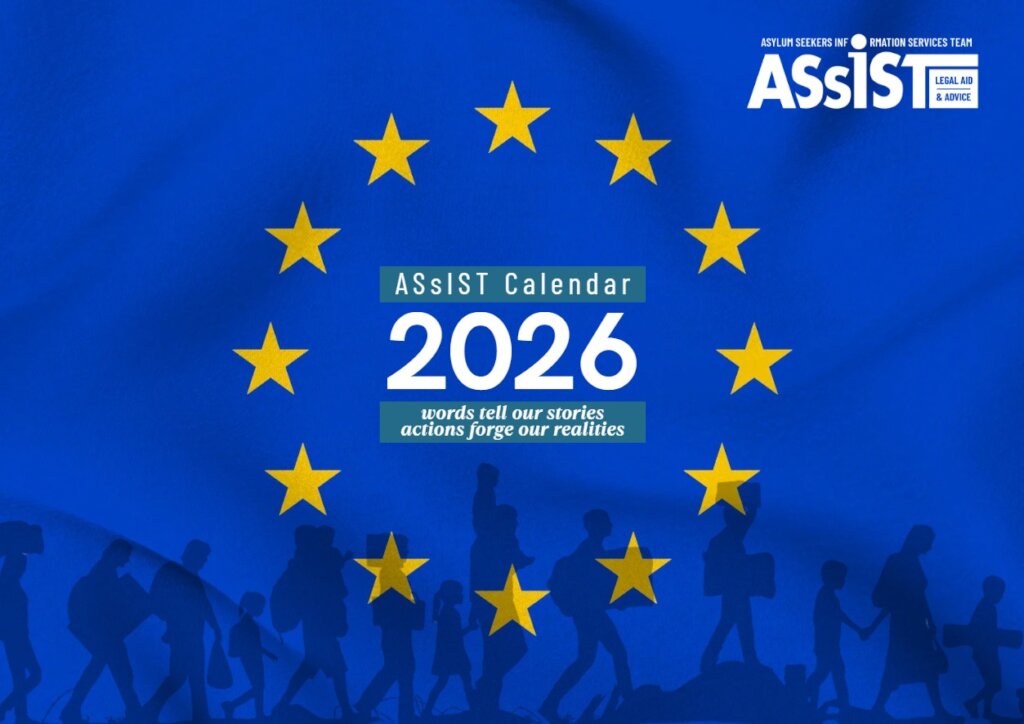
A Calendar built on principles of shared humanity, practised in solidarity.
Each month features a quotation from the works of bell hooks or Nancy Fraser, two thinkers whose writing helps shape how we understand justice, care, and resistance. These are paired with real-world insights into asylum and migration in Greece, and how ASsIST works, imperfectly but consistently, to reflect those values in practice.
All proceeds from calendar sales support our legal and information services.
Our thanks and appreciation to everyone helping to make this work possible: ensuring that people seeking protection are met with respect, information, and fair process.
Links:
Project reports on GlobalGiving are posted directly to globalgiving.org by Project Leaders as they are completed, generally every 3-4 months. To protect the integrity of these documents, GlobalGiving does not alter them; therefore you may find some language or formatting issues.
If you donate to this project or have donated to this project, you can receive an email when this project posts a report. You can also subscribe for reports without donating.



Support this important cause by creating a personalized fundraising page.
Start a Fundraiser