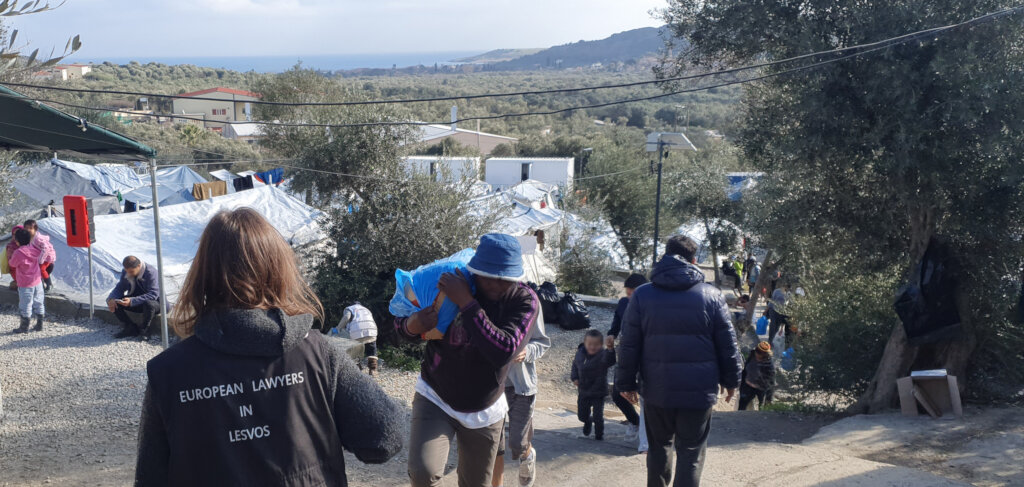
Our work over the past 3 months has reminded us of both the huge impact of free, impartial legal assistance and of the mounting challenges of the providing it in the current European context.
From May to July, ELIL supported nearly 3,000 people in Greece and more than 1,300 in Poland. Almost one in three were children, including many unaccompanied or separated minors. Behind each number is a person navigating an increasingly restrictive and ever changing system.
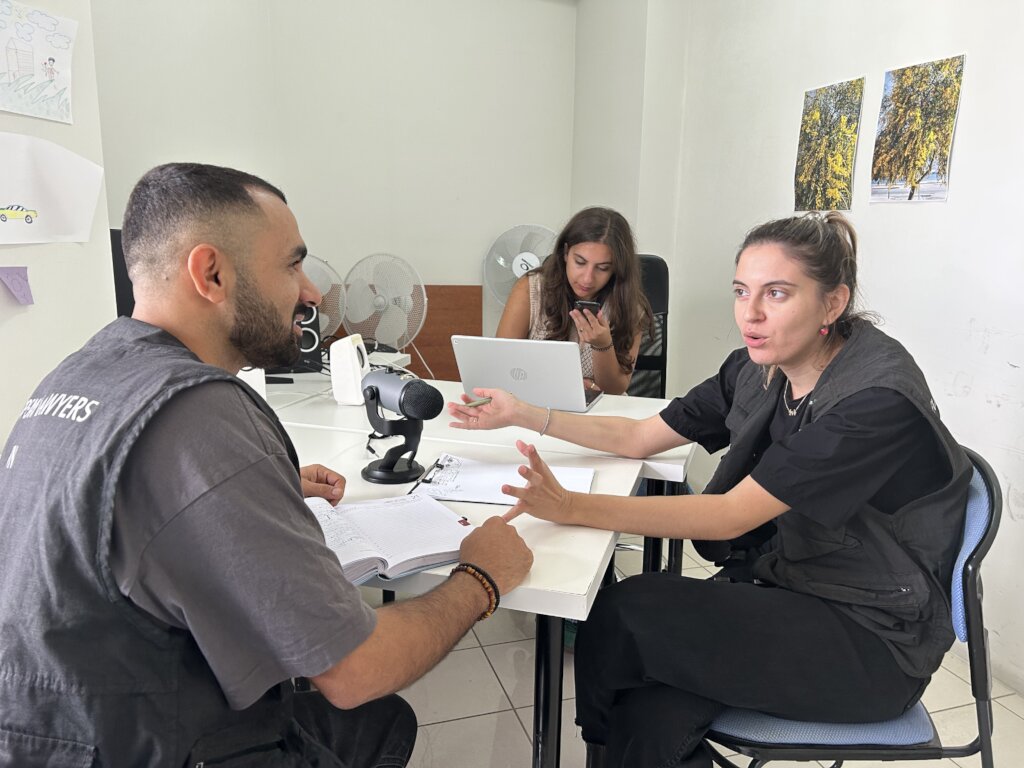
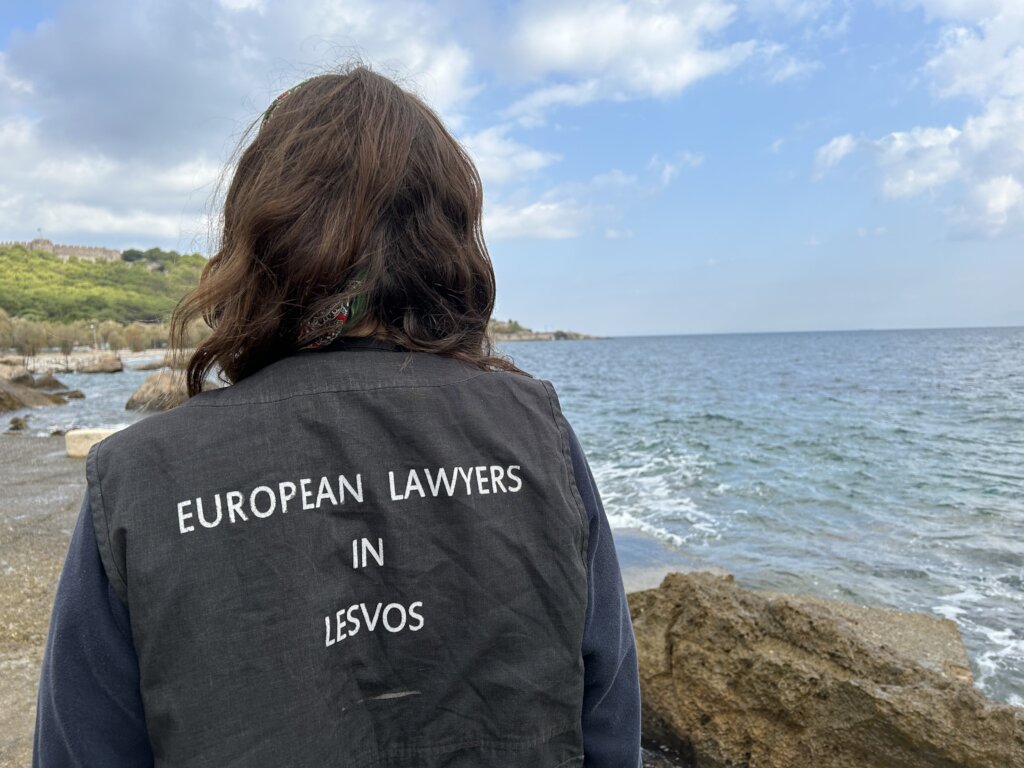
In Greece, the context is fragmented and unpredictable: interviews cancelled without notice, notifications misdirected, applicants detained en route to registration. Our teams in Athens, Thessaloniki, Samos and Lesvos have stood alongside applicants through these complex procedures, providing clarity and ensuring applicants are aware of their rights. Our interventions secured releases, prevented wrongful deportations, and moved family reunification cases forward despite systemic delays. Across all sites, we continued to accompany unaccompanied children, survivors of human trafficking, and families at risk of eviction from the camps.
At the same time, the broader context in Greece has become more restrictive. The government suspended asylum for arrivals from North Africa, forcing many into closed detention centres. We are already representing people detained under this law, including an unaccompanied minor. Major NGOs have scaled back operations, leaving gaps in interpretation and services.
In Poland, our lawyers confronted similar violations to the right to seek asylum, after the Polish government suspended the right to claim asylum at the border with Belarus. This had a huge impact on our work, since we are the only NGO with lawyers permanently present at the border. In response to this change, the only way for our applicants to access asylum was by taking cases to the European Court of Human Rights. ELIL has represented over 80% of all such cases nationwide. In Warsaw, our work with Ukrainian refugees continues, alongside support for an increasingly diverse range of applicants.
Across both countries, the trend is clear: protections are shrinking while needs grow. Arrivals in Greece have already surpassed 26,000 this year, and political hostility toward refugees and migrants is deepening across Europe.
Yet amid these challenges, we are reminded of what is possible when legal aid is present. Families have been reunited. Children and survivors of violence have found safety. Vulnerable applicants have secured protection. Wrongful detentions have been overturned. Each success demonstrates that independent, free legal assistance remains a lifeline.
With your support, we will continue to defend the right to asylum - in courtrooms, camps, and border zones.
The ELIL team