By Doris Kananu | Program Director
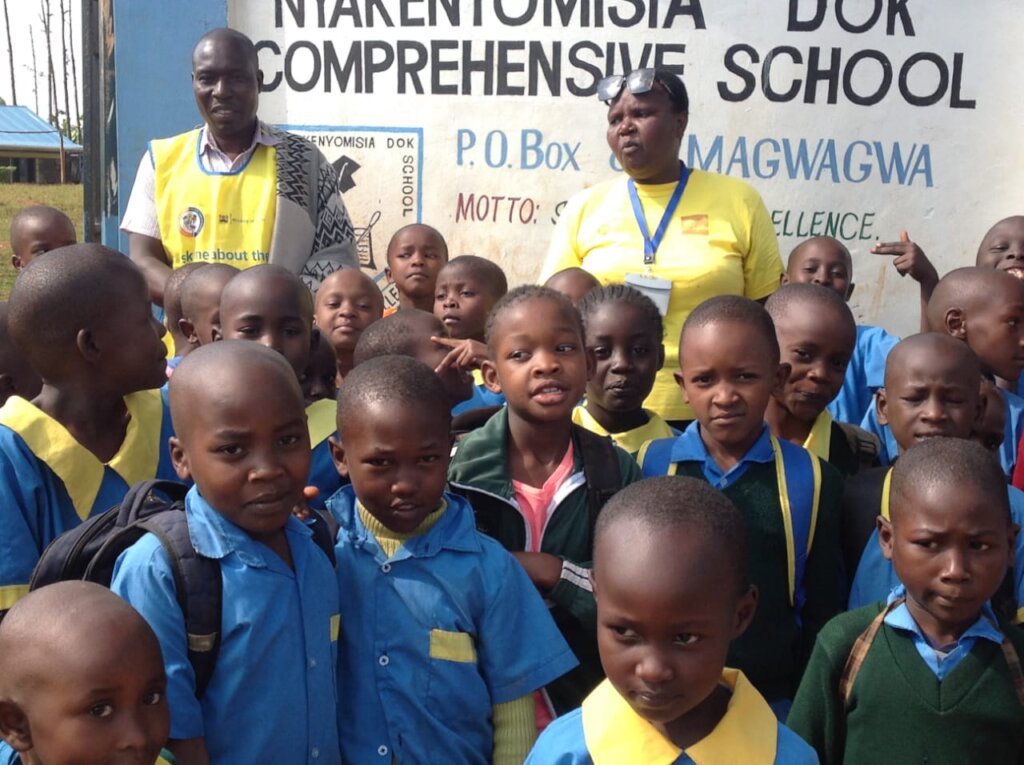
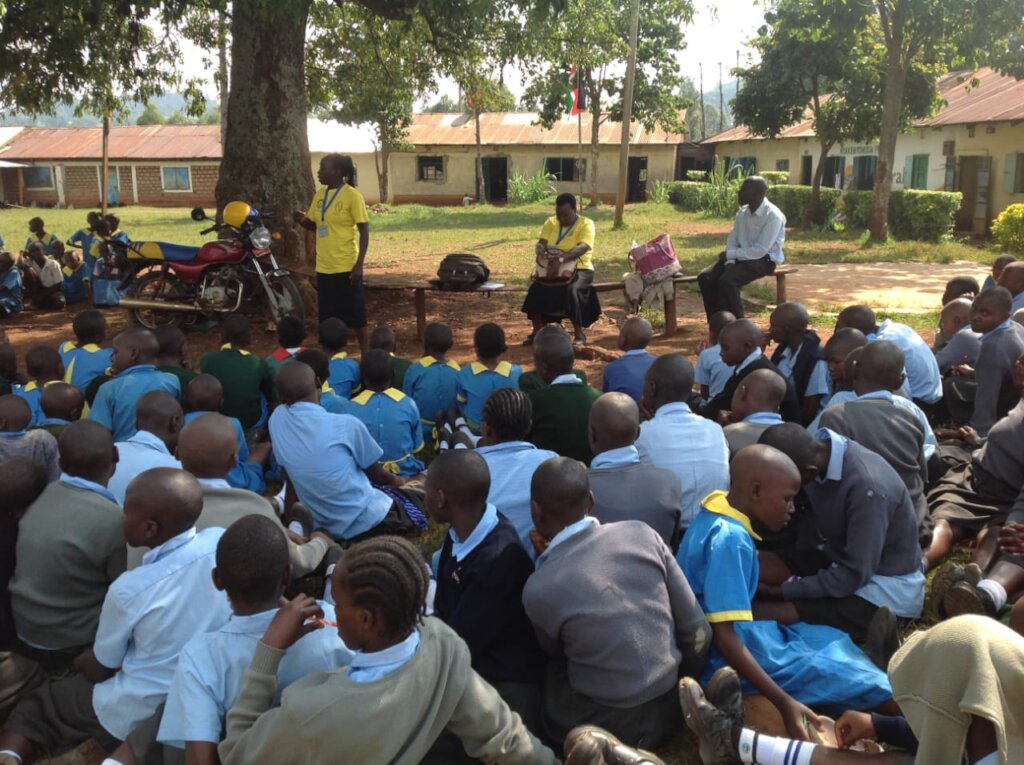
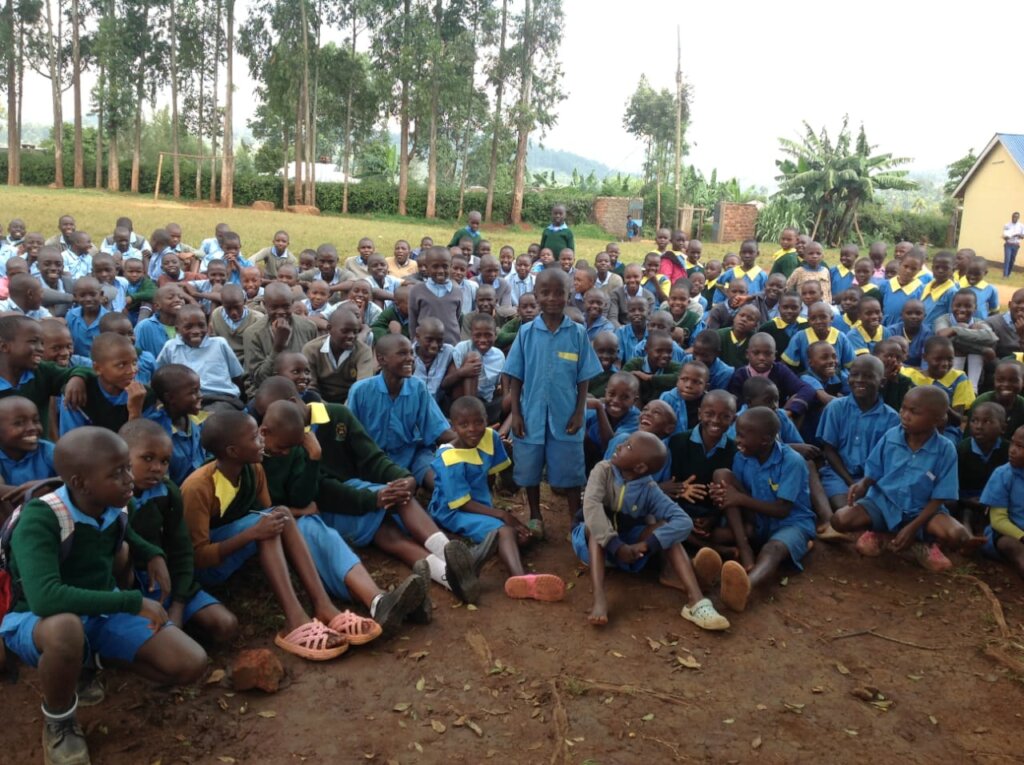
Empowering young minds to challenge harmful cultural practices remains at the heart of our mission at the Hope Foundation for African Women (HFAW). Our team recently had the privilege of visiting Nyakenyomisia Primary School in Nyamira County for a mentorship and advocacy outreach session. This visit formed part of our continuous efforts to equip learners with the knowledge and confidence to resist Female Genital Mutilation (FGM), early teenage pregnancies, and other practices that threaten their health, education, and future.
Nyakenyomisia Primary School is a vibrant and well-managed institution, known for its discipline and strong leadership. The school hosts a total of 555 learners — 135 ECDE pupils (70 boys and 65 girls), 230 primary pupils (150 boys and 80 girls), and 190 junior secondary learners (90 boys and 100 girls). The administration and teachers received the HFAW team warmly and actively participated in the mentorship activities, underscoring the importance of empowering learners with accurate information about their rights and well-being.
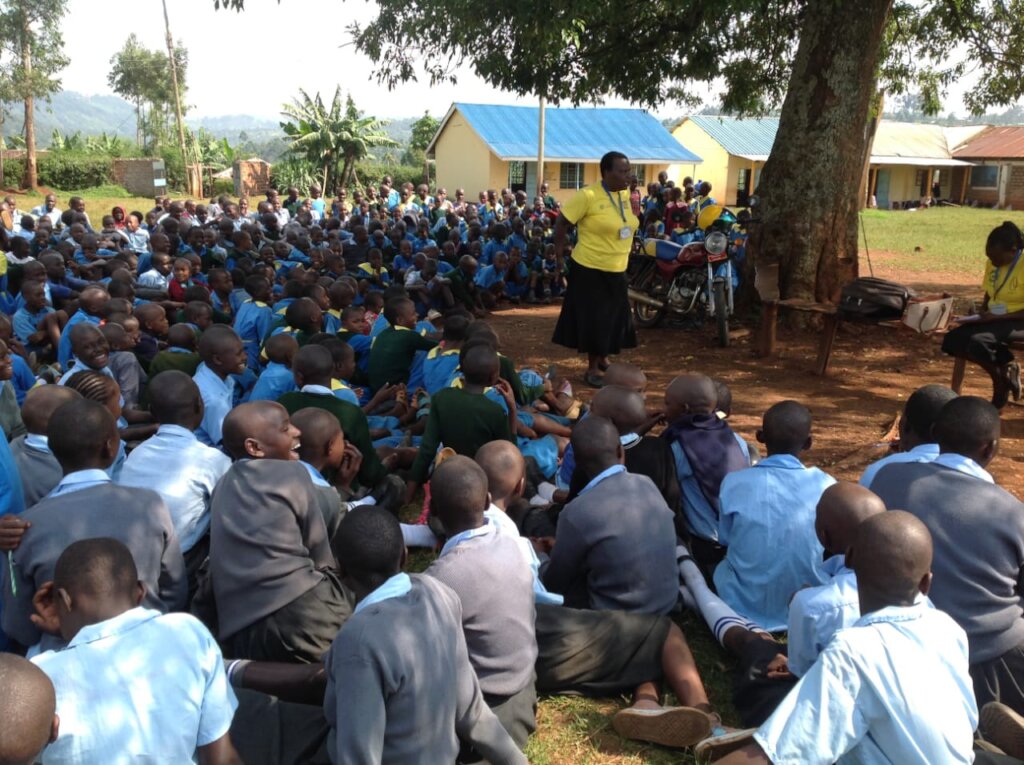
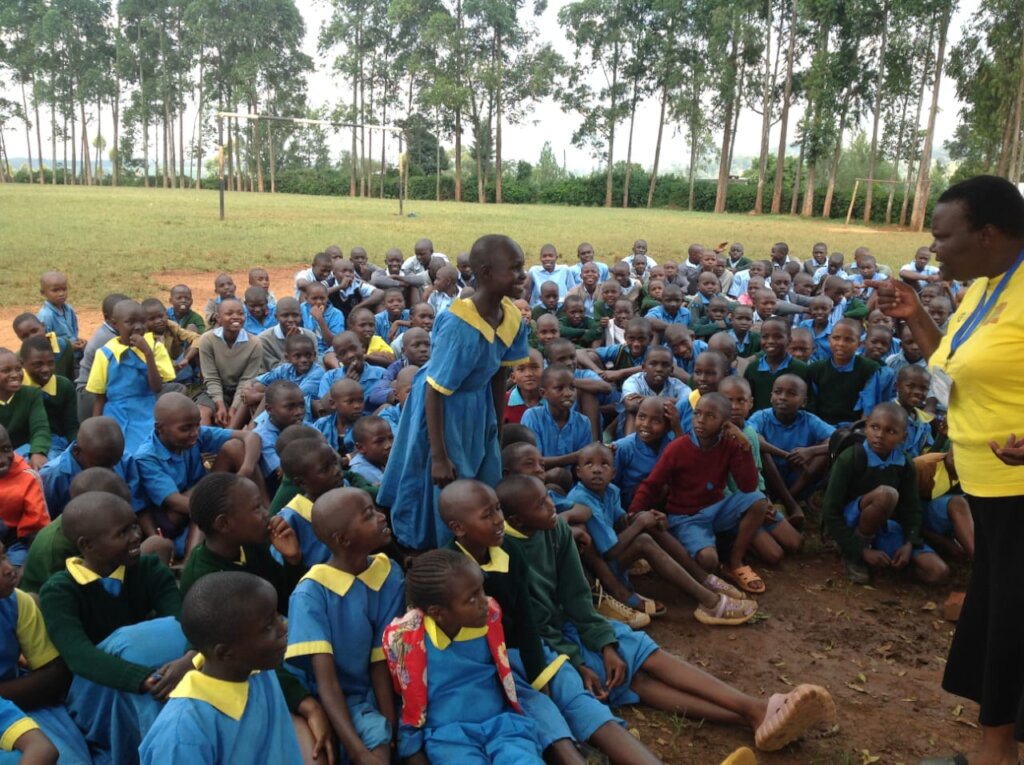
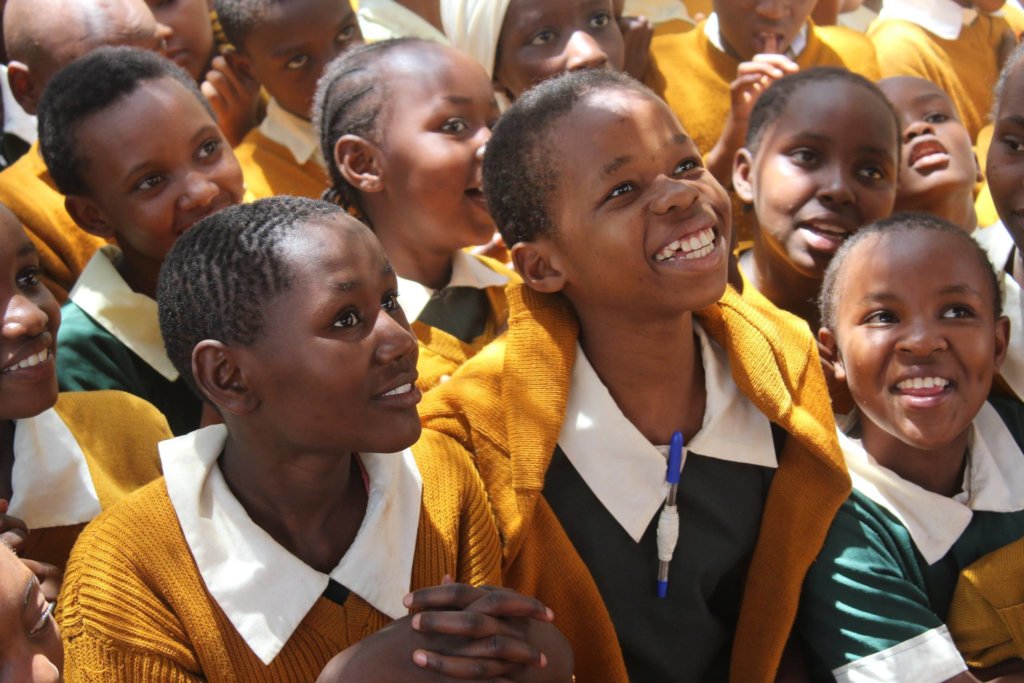
During the visit, the HFAW team held lively and participatory discussions with the learners on issues surrounding FGM, early teenage pregnancies, and personal protection from abuse. The learners listened attentively and asked thoughtful questions, revealing both their curiosity and the myths they often hear within their communities.
One learner, Miriam, not her real name, raised her hand and asked, “What are the rights of girls and women when it comes to FGM?” Another girl, Maggy, not her real name, shared a story that reflected common community beliefs. “My grandmother told me that being cut makes a girl beautiful and respectful,” she said shyly. Before the facilitator could respond, Joy, not her real name, quickly added, “That’s not true! I’ve seen girls who are not cut, and they look even more beautiful and are veryrespectful.”
Another learner, Fridah, not her real name, voiced another belief she had heard: “They say uncut girls will never get married or be liked by men.” Deborah, not her real name, chimed in, saying, “I heard that if a girl is not cut, her clitoris grows big, tears her panties, and starts to smell.”
The HFAW facilitators gently explained that these were myths and misconceptions passed down through generations to justify FGM. They commended Joy for her accurate observations. They clarified that the practice has no health or moral benefits but instead causes severe pain, health complications, and lifelong psychological trauma. The team emphasized that FGM violates human rights and that every girl has the right to grow up healthy, safe, and free from harm or discrimination.
The discussion grew even more personal when learners began sharing their own experiences. Keith, not her real name, spoke with determination: “When I get home, I’ll tell my mother and grandmother about the dangers of FGM.” Feldah, not her real name, shared a painful memory: “I once ran away from home after hearing my grandmother plan to have me cut.” Another learner, Phanice, not her real name, raised a difficult question: “Is it possible to restore the clitoris after FGM?” Joyce, one of the HFAW facilitators, responded compassionately that restoration is impossible for clidoridectory where the clitoris is cut off and dumped. She however mentioned that for the women who undergo infibulation (tightening the vulva without cutting the clitoris), may have some help getting this private area untightened by specialized doctors. This is an expensive procedure done in developed countries. She urged the girls to resist FGM.
As the session came to an end, the learners expressed deep gratitude. Many said the discussion had opened their eyes and given them courage to speak up about issues that affect them. They eagerly requested HFAW to return for more sessions, showing a genuine thirst for knowledge and empowerment.
The HFAW team left Nyakenyomisia feeling inspired by the learners’ openness, bravery, and determination to protect themselves and their peers from harmful practices. It was clear that continued engagement is essential to cut the FGM at its roots by creating resistance among the children and youths. However it is essential to also engage with parents, elders, and community leaders—to challenge entrenched cultural norms and strengthen child protection within the community. That is HFAW’s continued mission.
On behalf of the entire HFAW team, I extend heartfelt appreciation to our partners and supporters whose unwavering commitment makes such impactful outreach possible. Your support enables us to reach schools like Nyakenyomisia, inspire young minds, and empower them to make informed, life-affirming decisions. Together, we can build a generation free from FGM and early teenage pregnancies—one child, one school, and one community at a time.
With deepest appreciation,
Doris Kananu
Program Director, Hope Foundation for African Women.
Project reports on GlobalGiving are posted directly to globalgiving.org by Project Leaders as they are completed, generally every 3-4 months. To protect the integrity of these documents, GlobalGiving does not alter them; therefore you may find some language or formatting issues.
If you donate to this project or have donated to this project, you can receive an email when this project posts a report. You can also subscribe for reports without donating.



Support this important cause by creating a personalized fundraising page.
Start a Fundraiser