By Luisa Ramos | Directora
Estimado amigo,
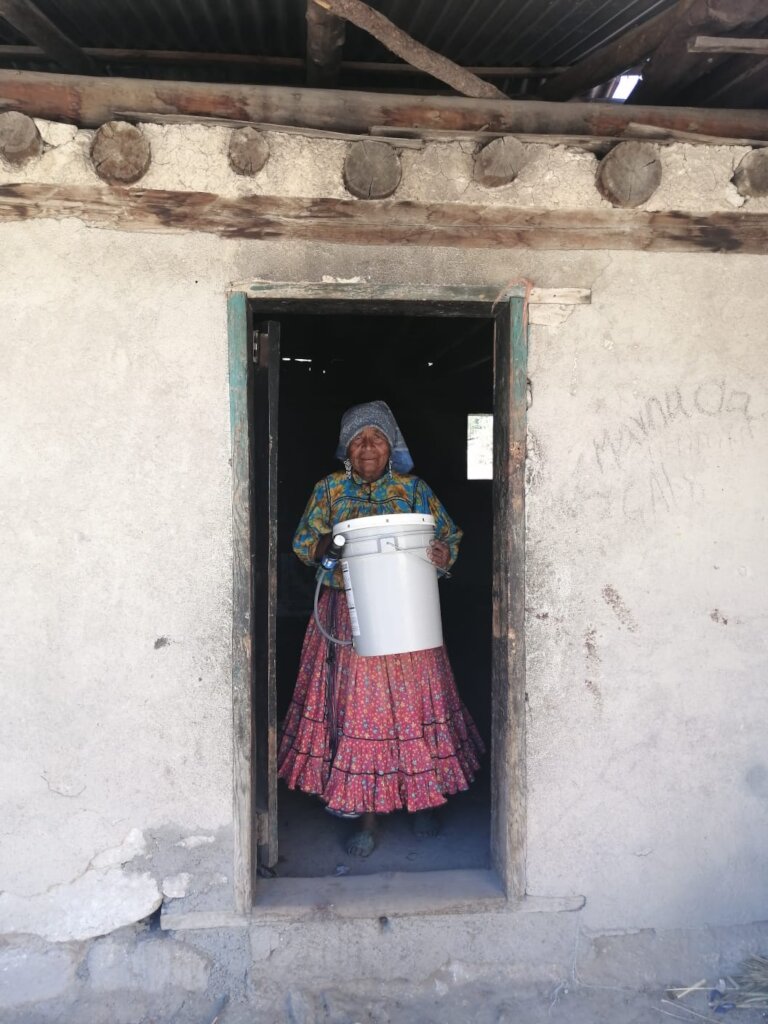
Quiero contarles sobre Juana.
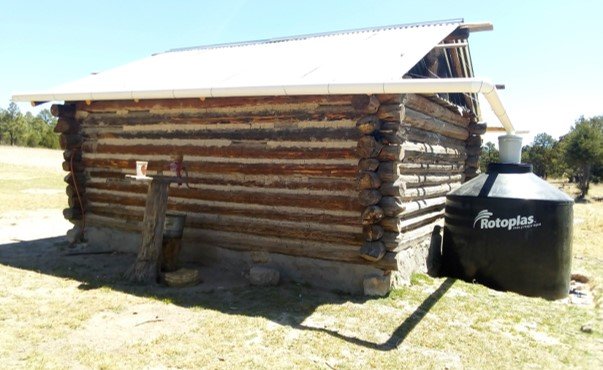
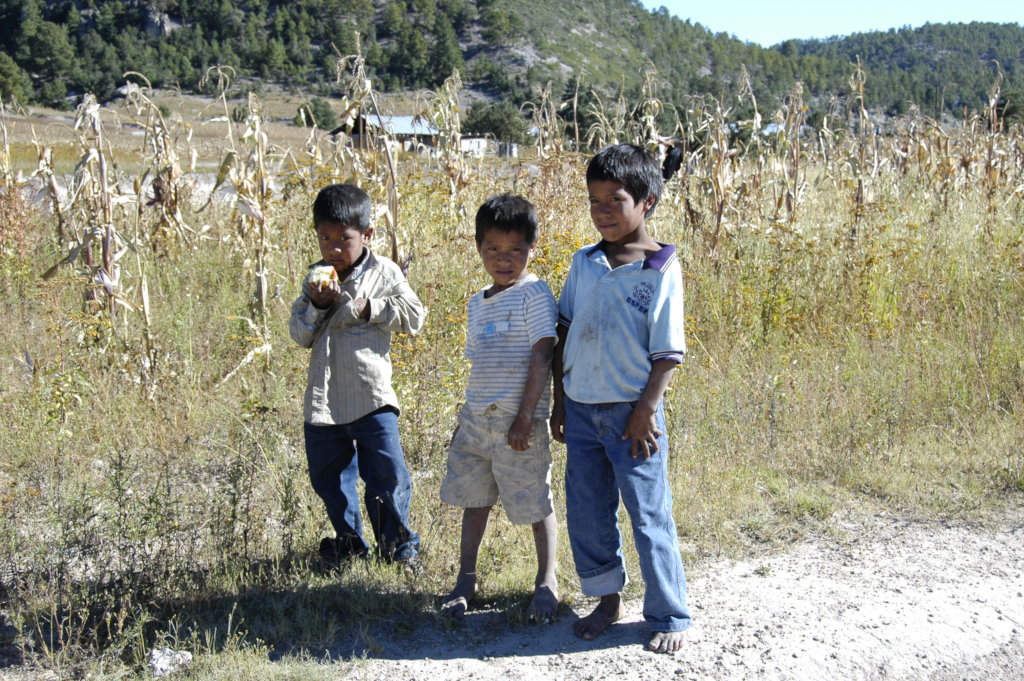
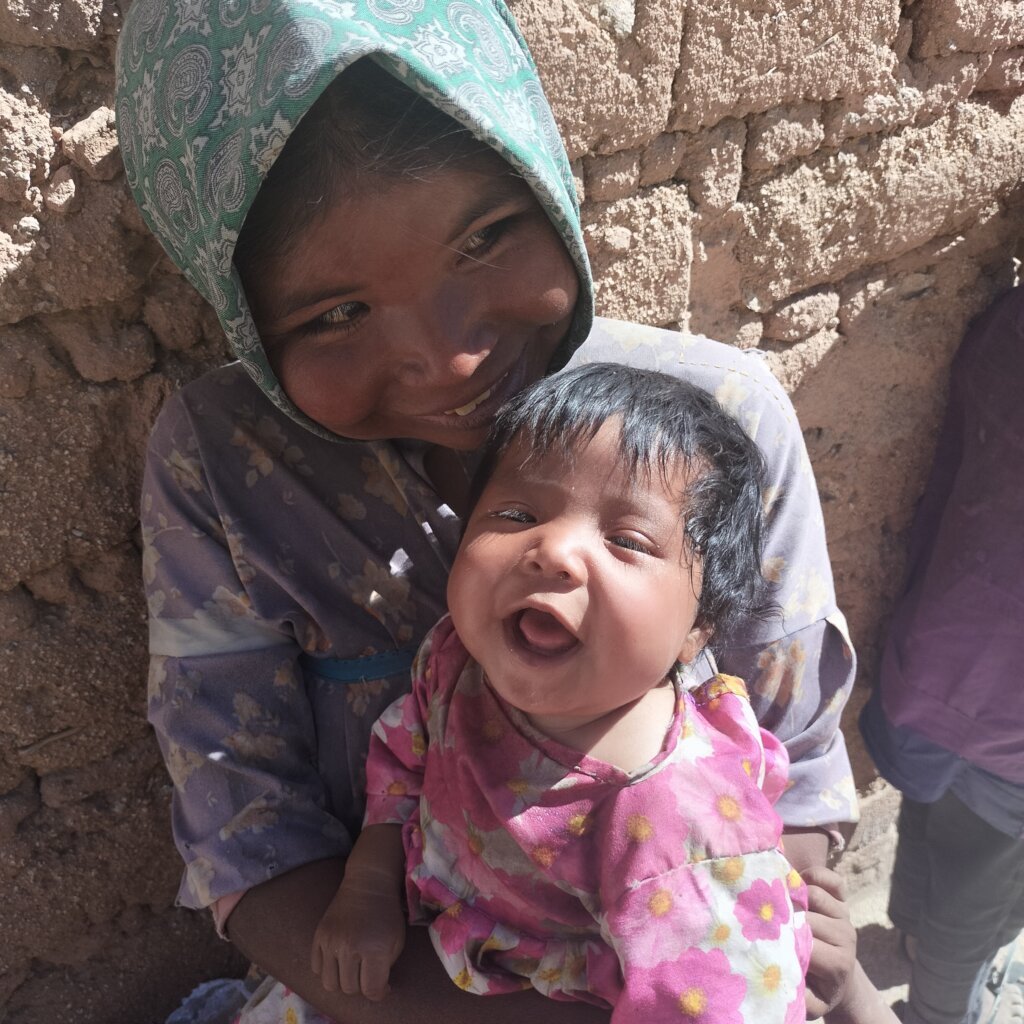
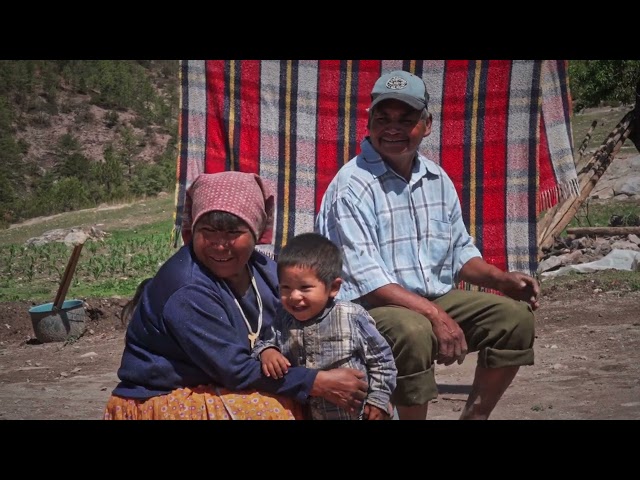
Juana vive en lo alto de la Sierra Tarahumara. Su casa es pequeña, construida de madera y tierra. Durante años, el agua moldeó sus días y sus preocupaciones.
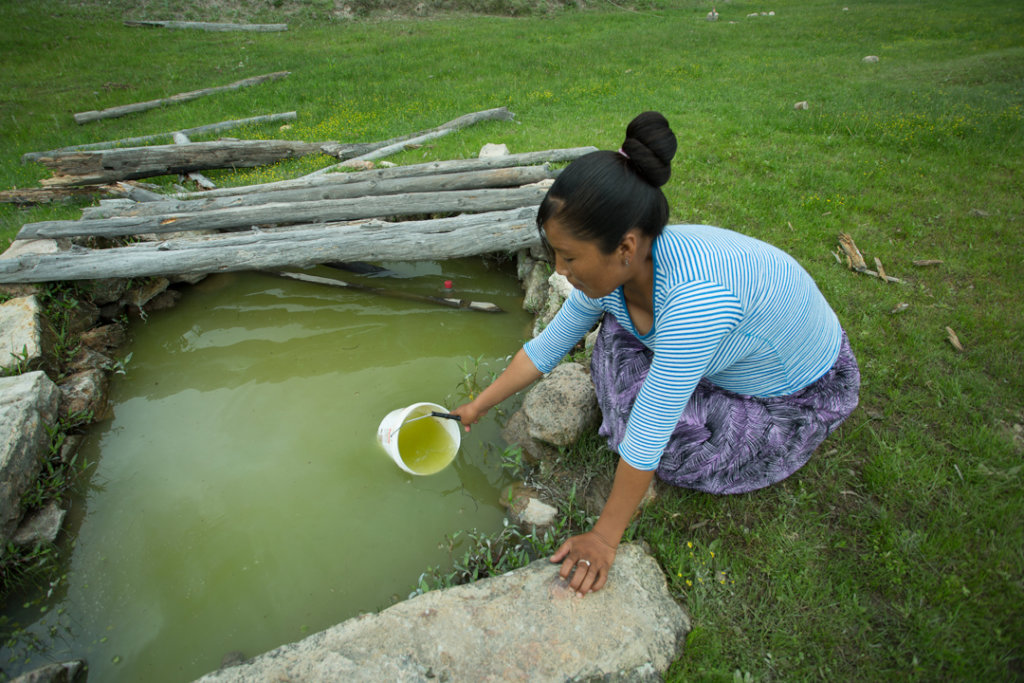
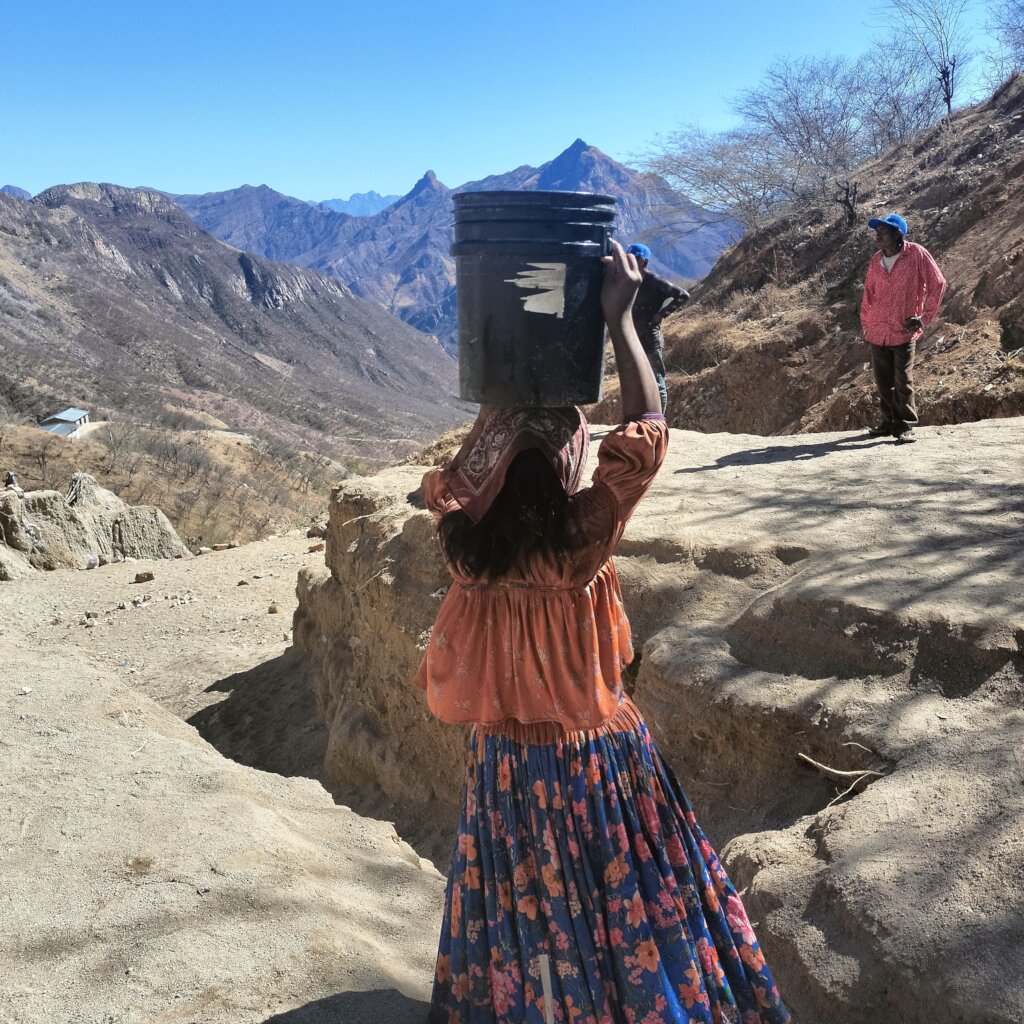
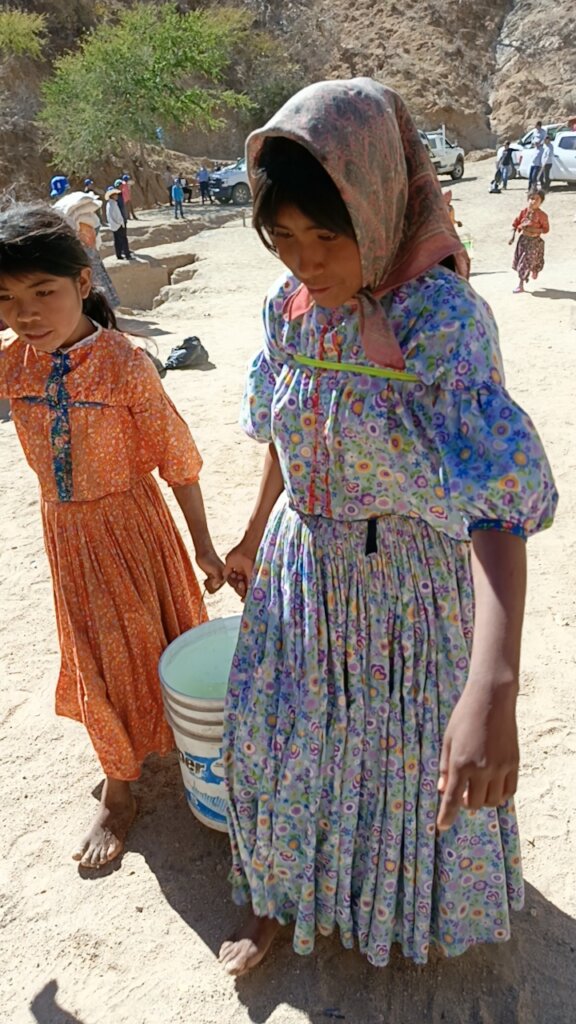
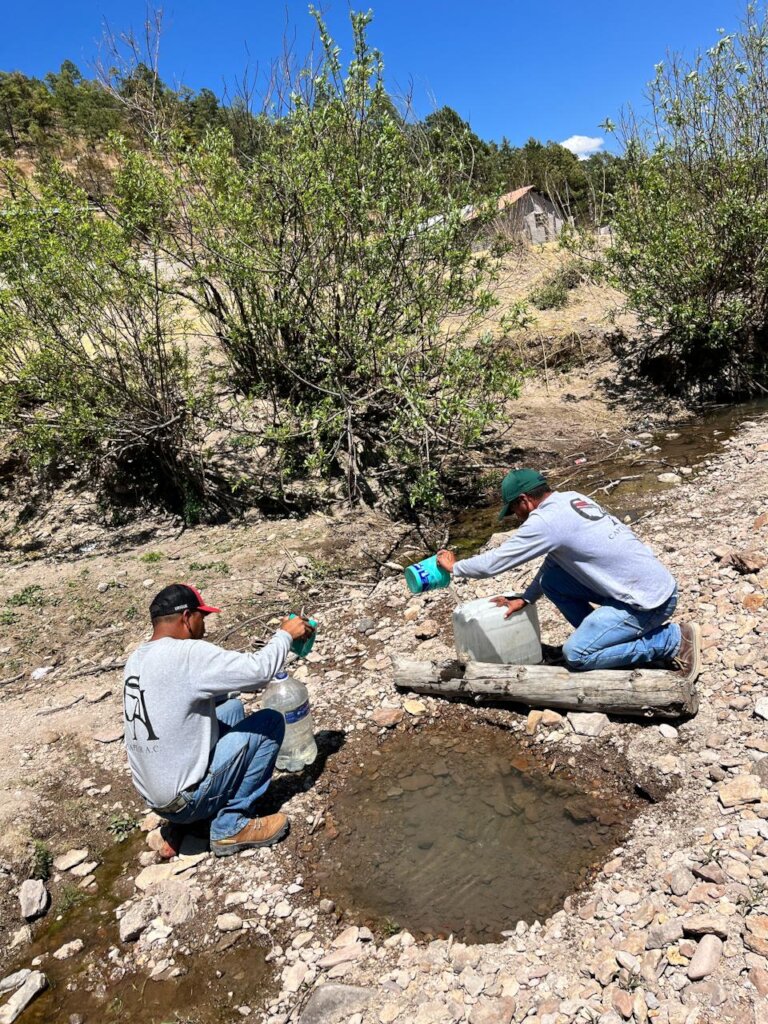
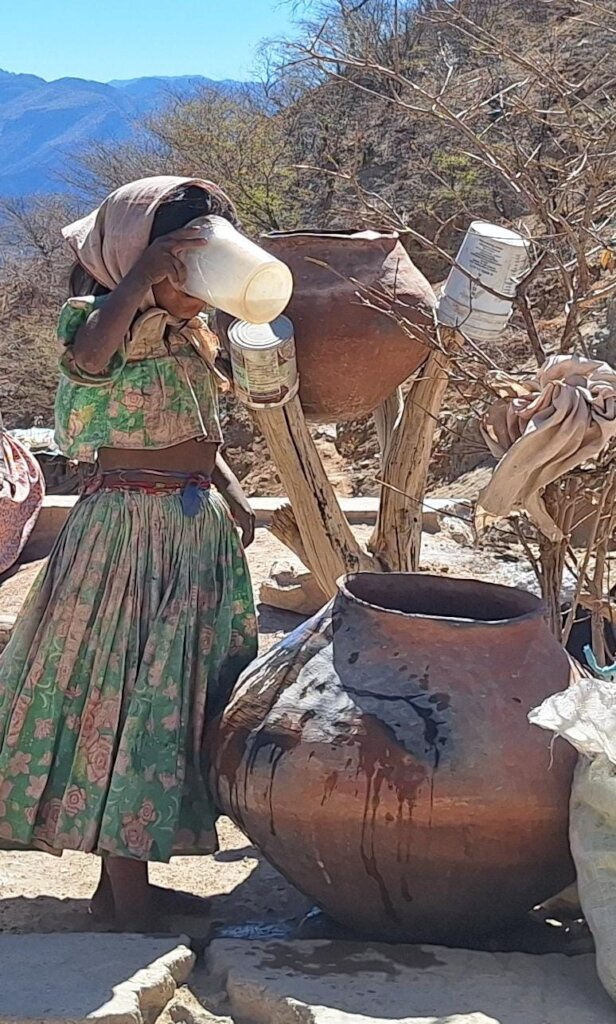
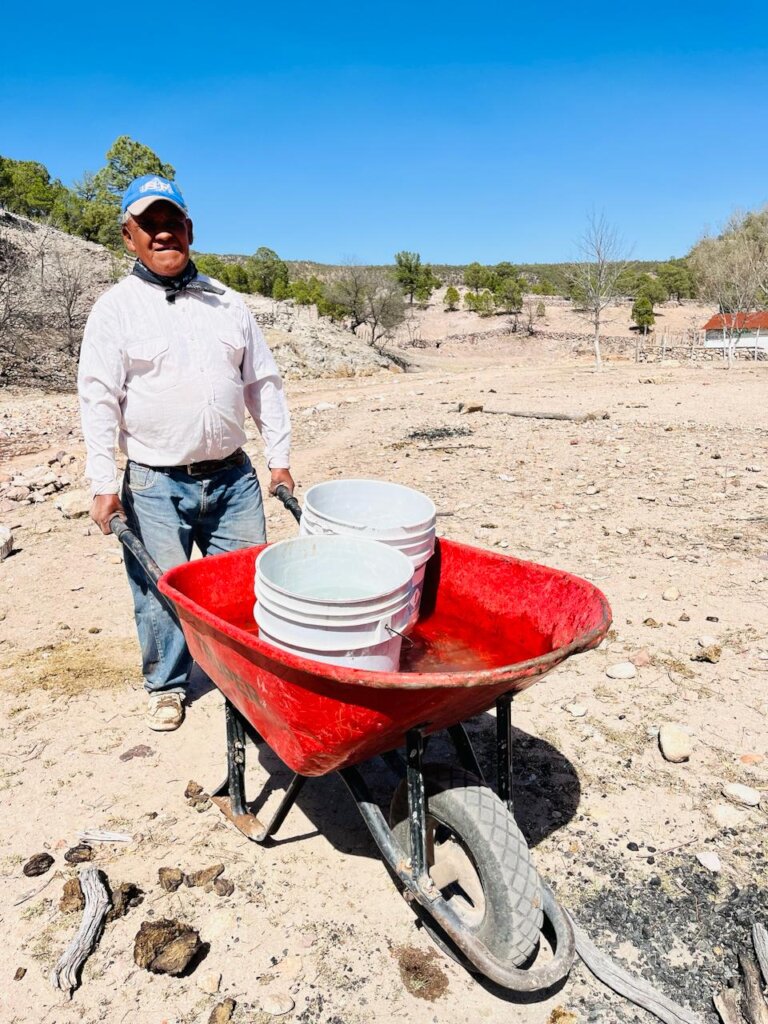
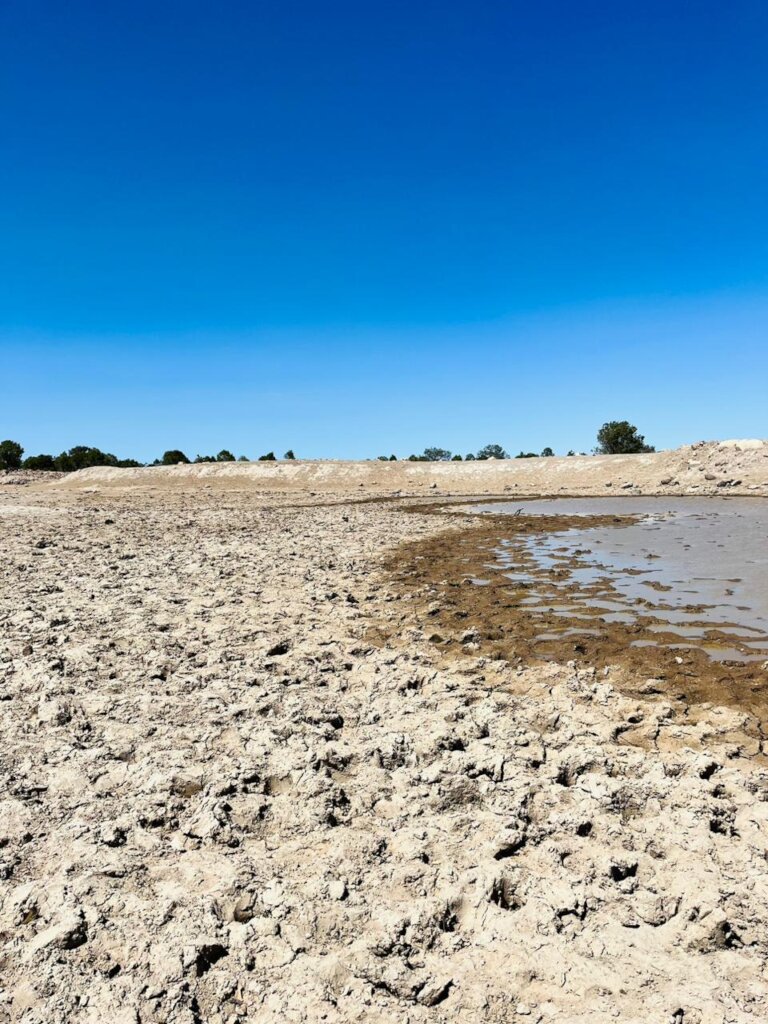
Todas las mañanas, antes del amanecer, caminaba con sus hijos hasta un arroyo lejano. El sendero era rocoso y empinado. Durante la estación seca, el agua bajaba y estaba turbia. A veces regresaban solo con medio cubo.
Estaba preocupada constantemente. ¿
El agua enfermaría a sus hijos? ¿
Habría suficiente para cocinar?
¿Tendrían que volver a caminar antes del anochecer?
Este año, gracias a vuestro apoyo, todo cambió.
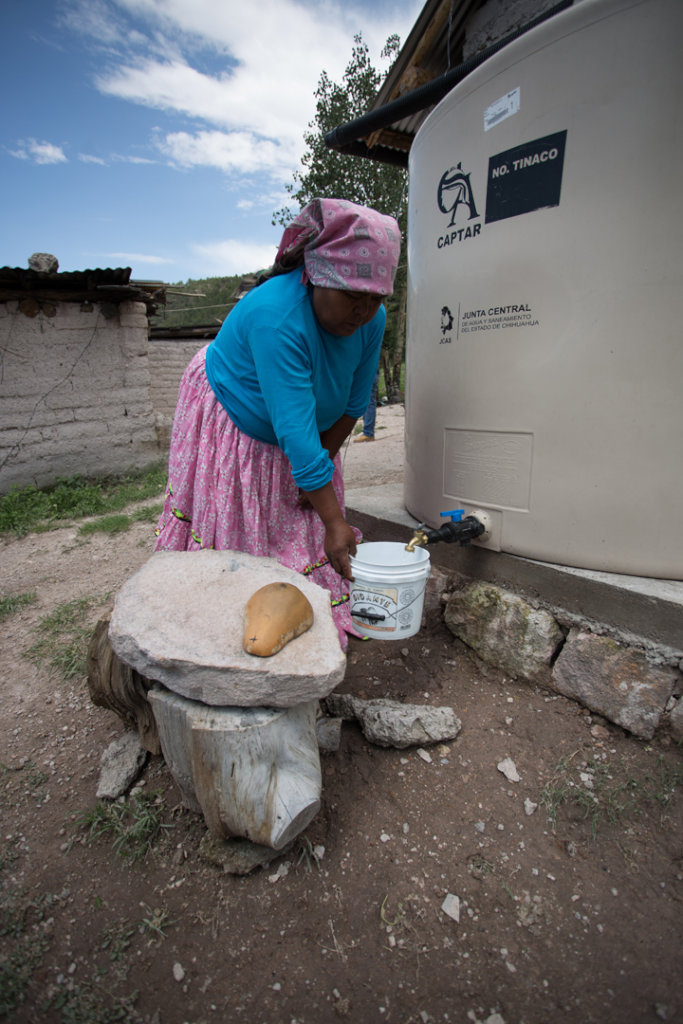
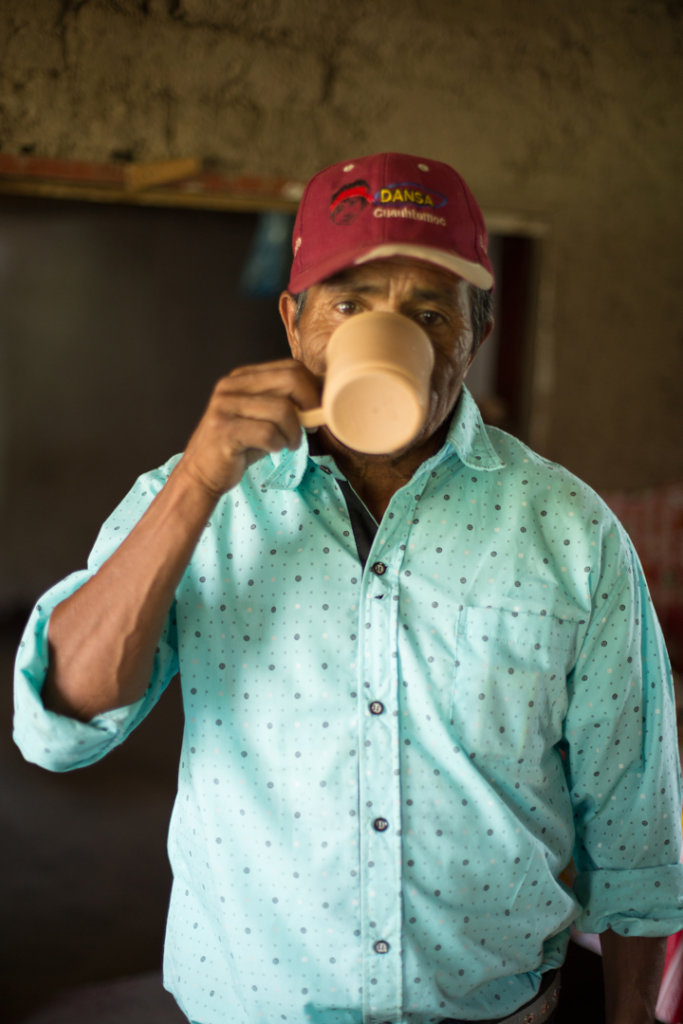
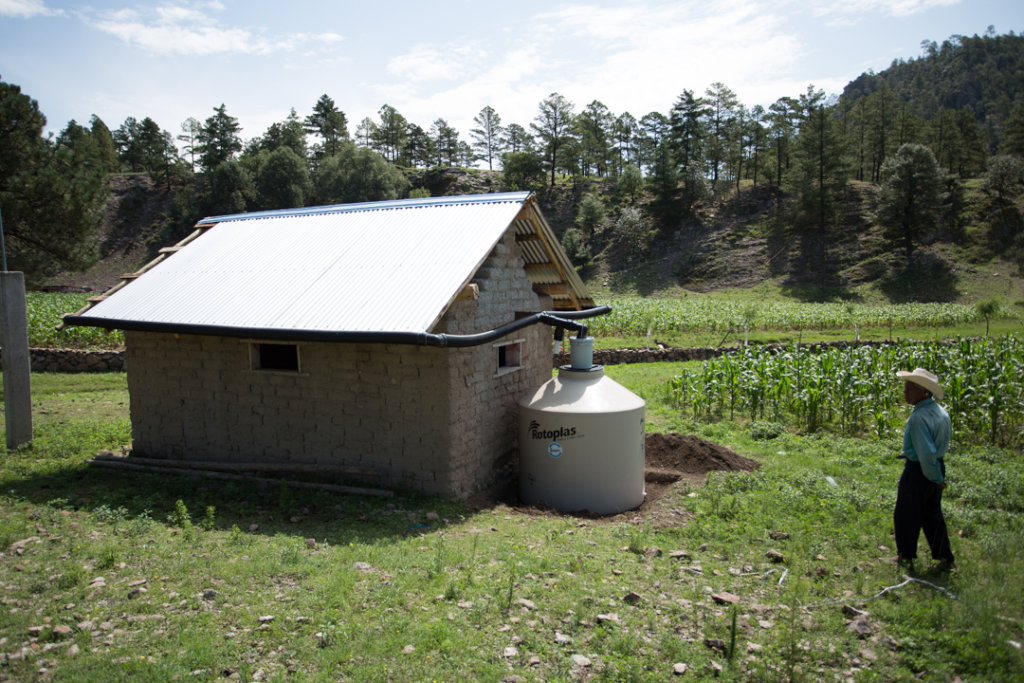
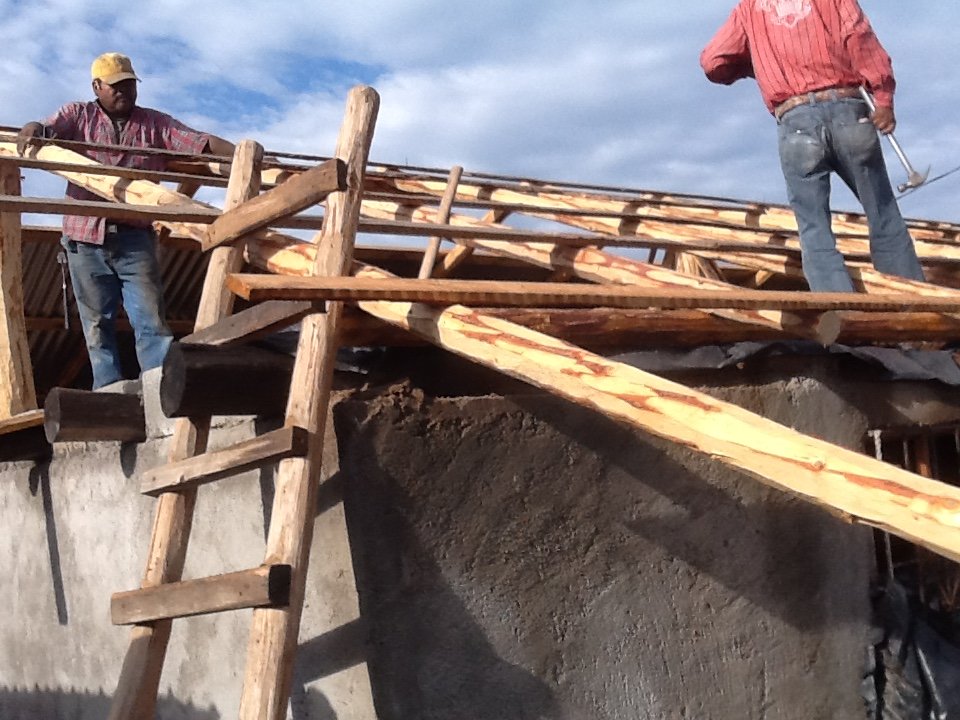
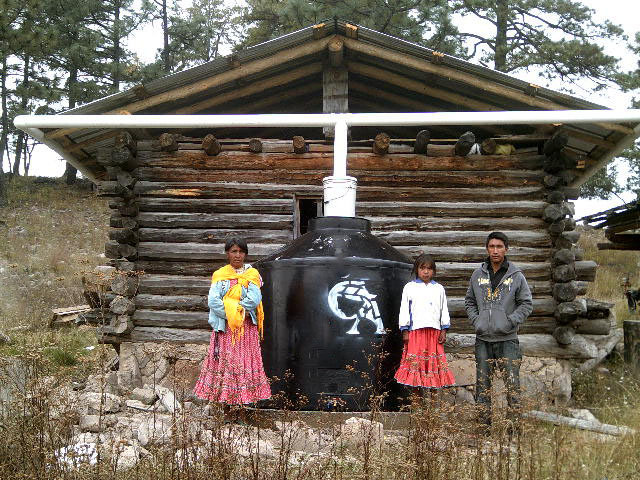
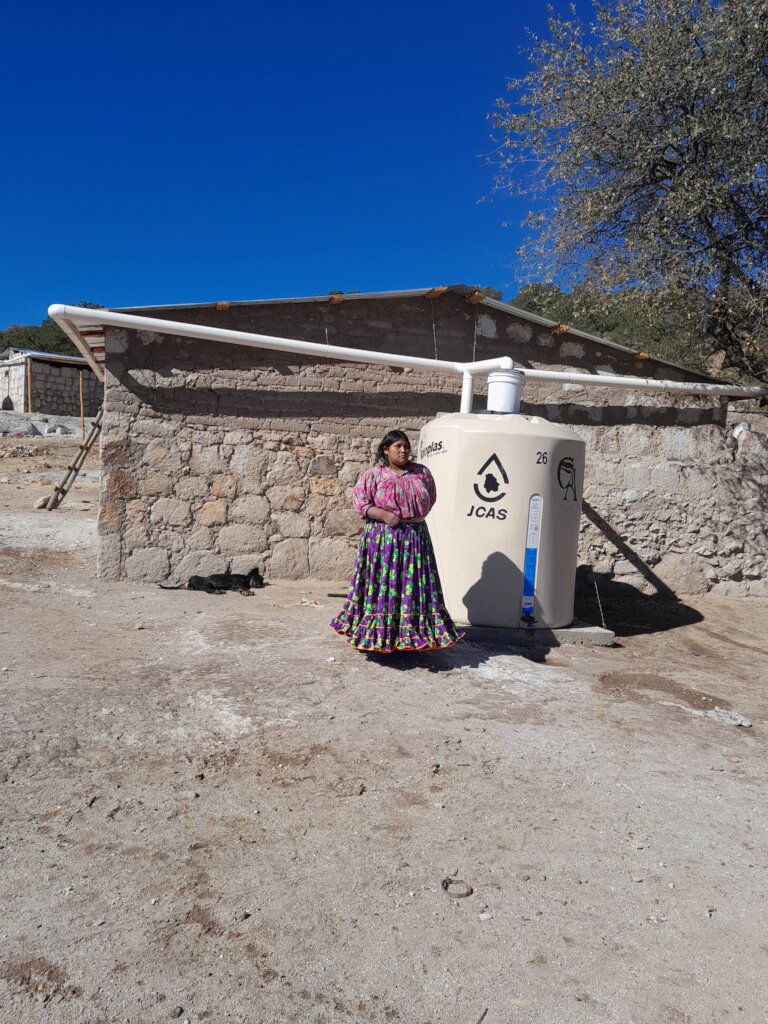
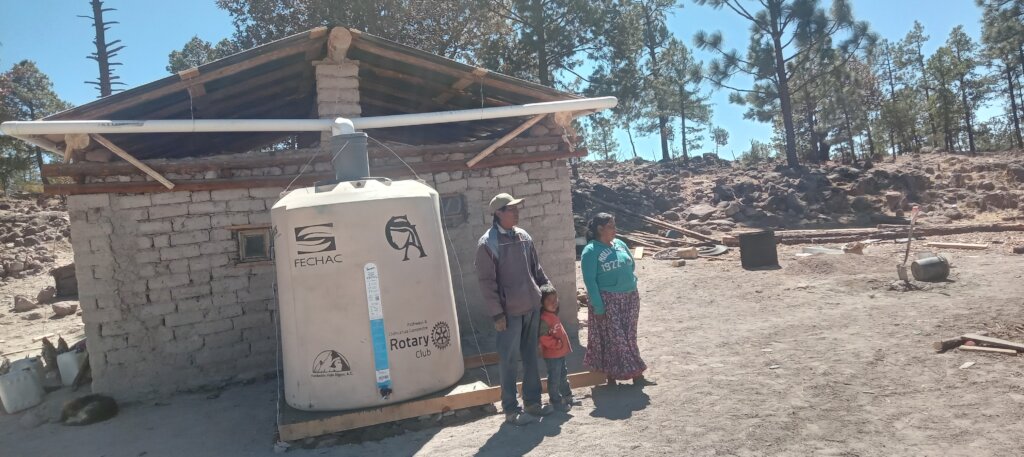
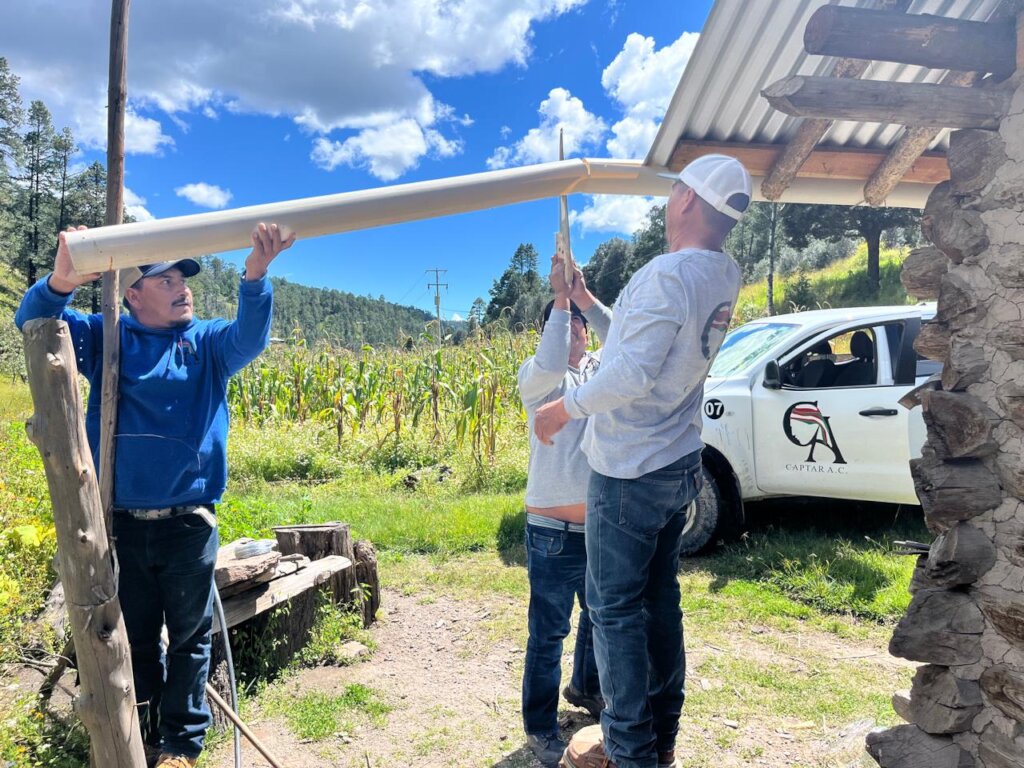
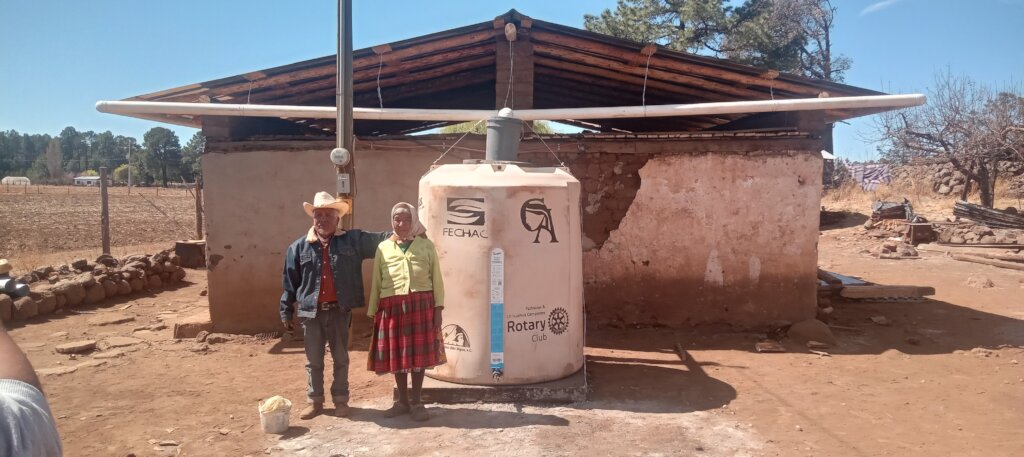
Se instaló un sistema de captación de agua de lluvia junto a su casa, uno de los 524 sistemas instalados en hogares indígenas de la región. Se añadió un filtro purificador para garantizar que el agua que bebe su familia sea potable.
Ahora cuando llueve, Juana sale y escucha de otra manera.
El agua cae sobre su techo y fluye a un tanque de almacenamiento que pertenece a su familia. Está limpia. Está protegida. Es suya.
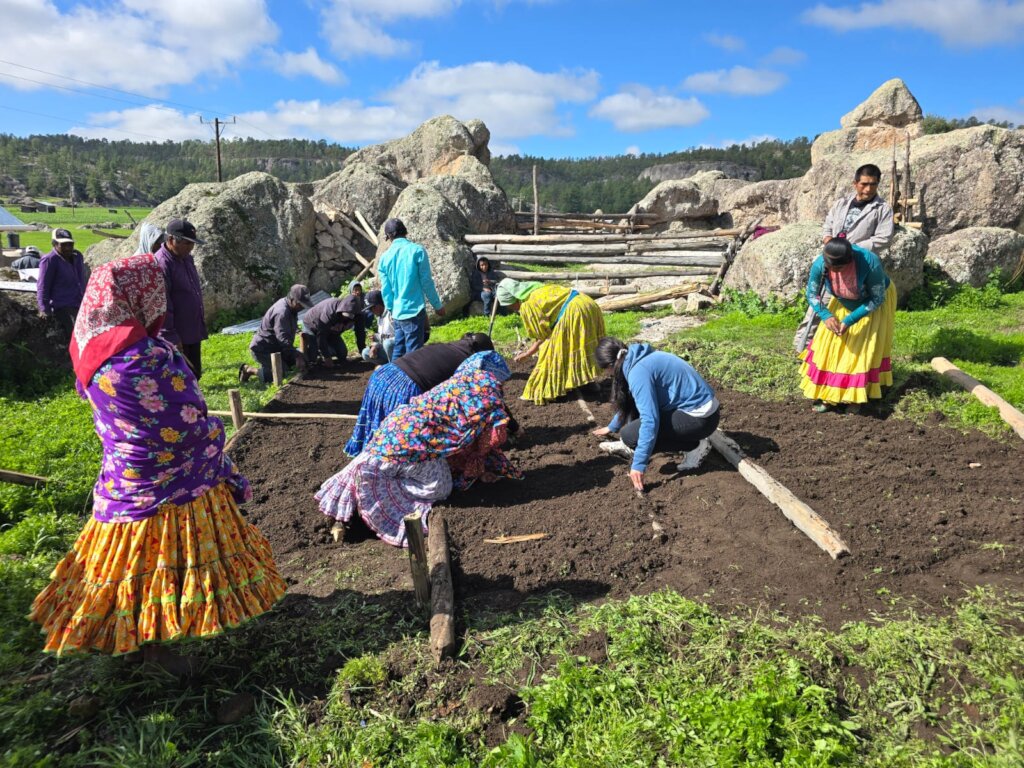
Sus hijos pierden menos días de clase. Tiene tiempo para preparar comida sin racionar hasta la última gota. Por primera vez, plantó un pequeño huerto cerca de su casa.
“Ya no le tenemos miedo a la estación seca”, nos dijo en voz baja.
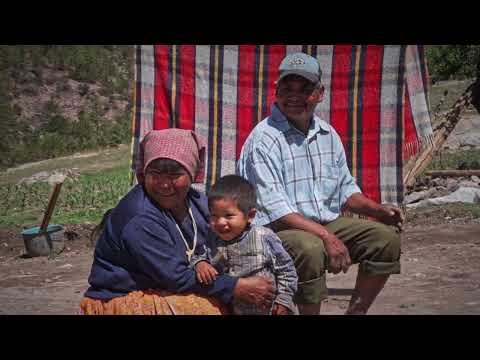
Juana es una de las 2.358 personas cuyas vidas han cambiado porque la lluvia ya no se pierde: se captura, se filtra y se guarda.
Pero todavía hay muchas familias esperando.
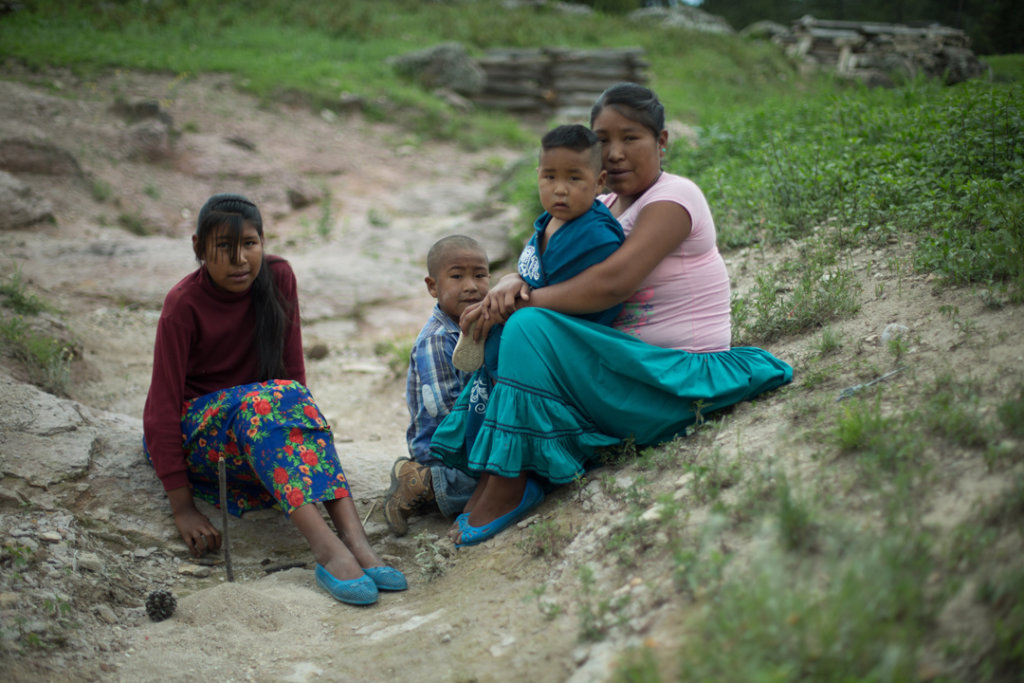
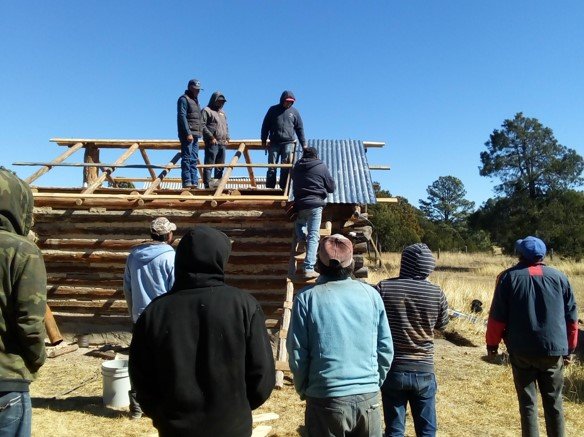
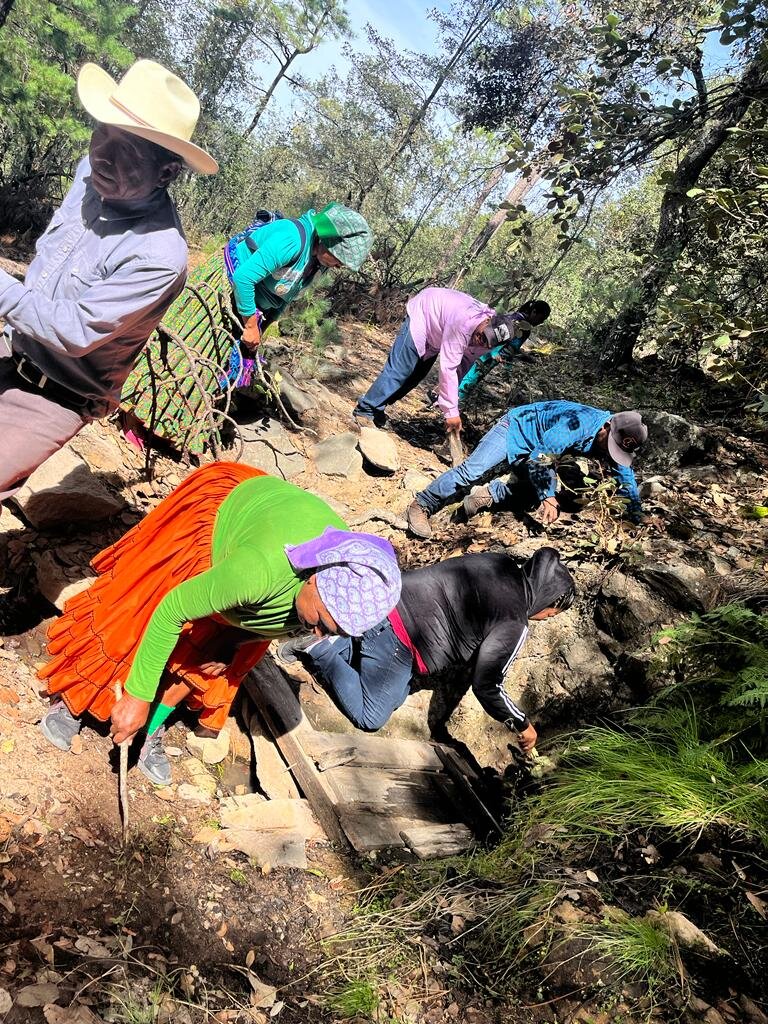
En la Sierra Tarahumara, miles de personas siguen caminando largas distancias para obtener agua contaminada. La necesidad sigue siendo urgente y el terreno sigue siendo difícil. Cada nuevo sistema requiere materiales, transporte por caminos montañosos, supervisión técnica y capacitación comunitaria.
Su continuo apoyo puede brindarle esa misma tranquilidad a otra madre.
A otra familia.
A otra comunidad.
Una donación hoy significa un techo más para recoger la lluvia.
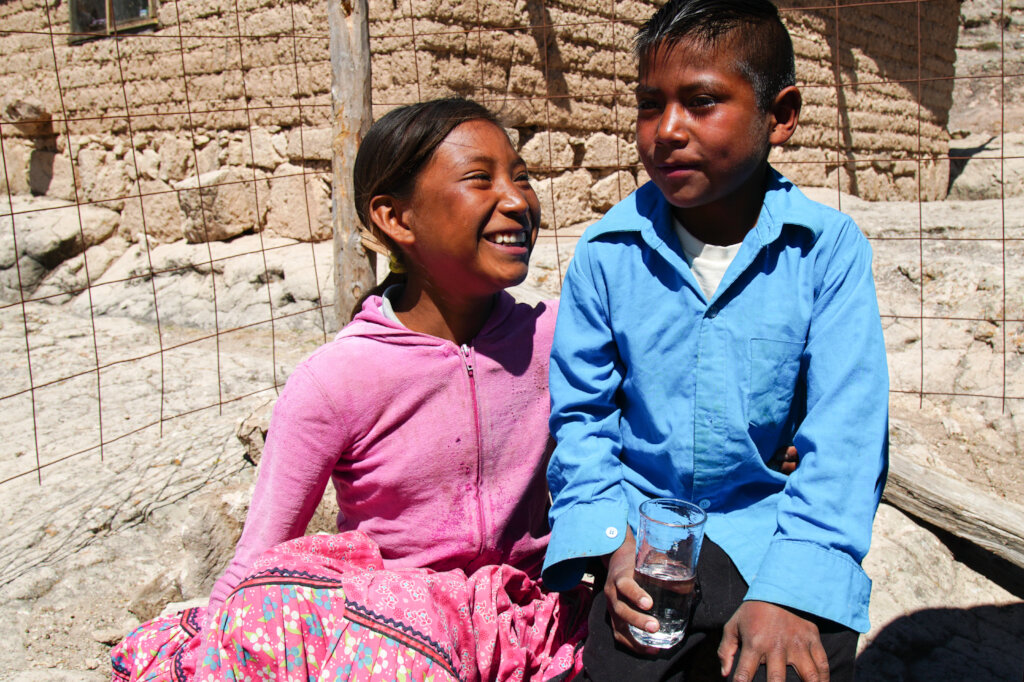
Un niño más bebiendo agua potable.
Una familia más entrando a la temporada seca sin miedo.
Gracias por apoyar a Juana y por ayudarnos a llegar a la próxima familia que espera agua.
Con profunda gratitud,
Links:
By Luisa Ramos | CEO
By Luisa Ramos | CEO
Project reports on GlobalGiving are posted directly to globalgiving.org by Project Leaders as they are completed, generally every 3-4 months. To protect the integrity of these documents, GlobalGiving does not alter them; therefore you may find some language or formatting issues.
If you donate to this project or have donated to this project, you can receive an email when this project posts a report. You can also subscribe for reports without donating.



Support this important cause by creating a personalized fundraising page.
Start a Fundraiser