By Christiana Okechukwu | Project Leader
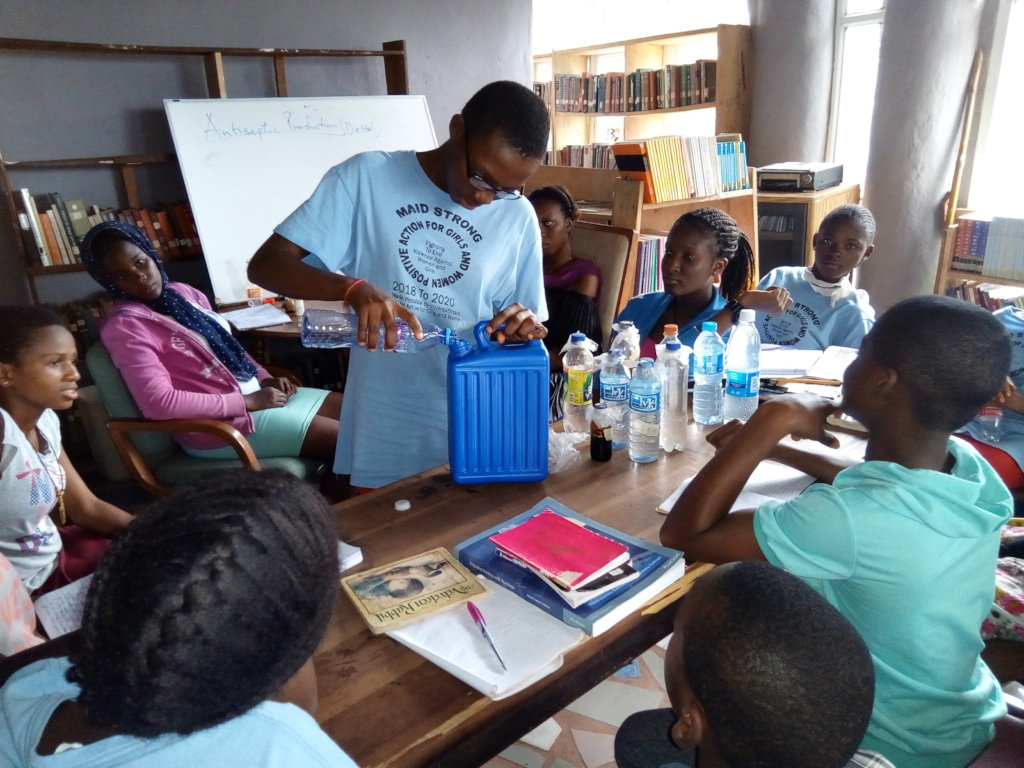
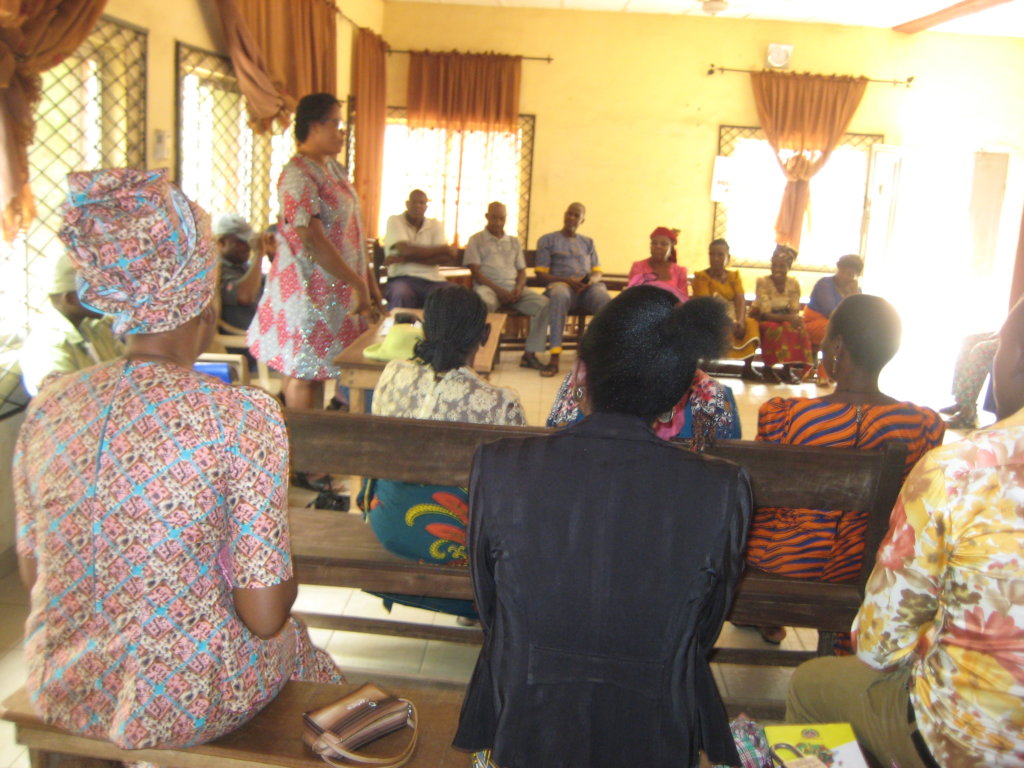
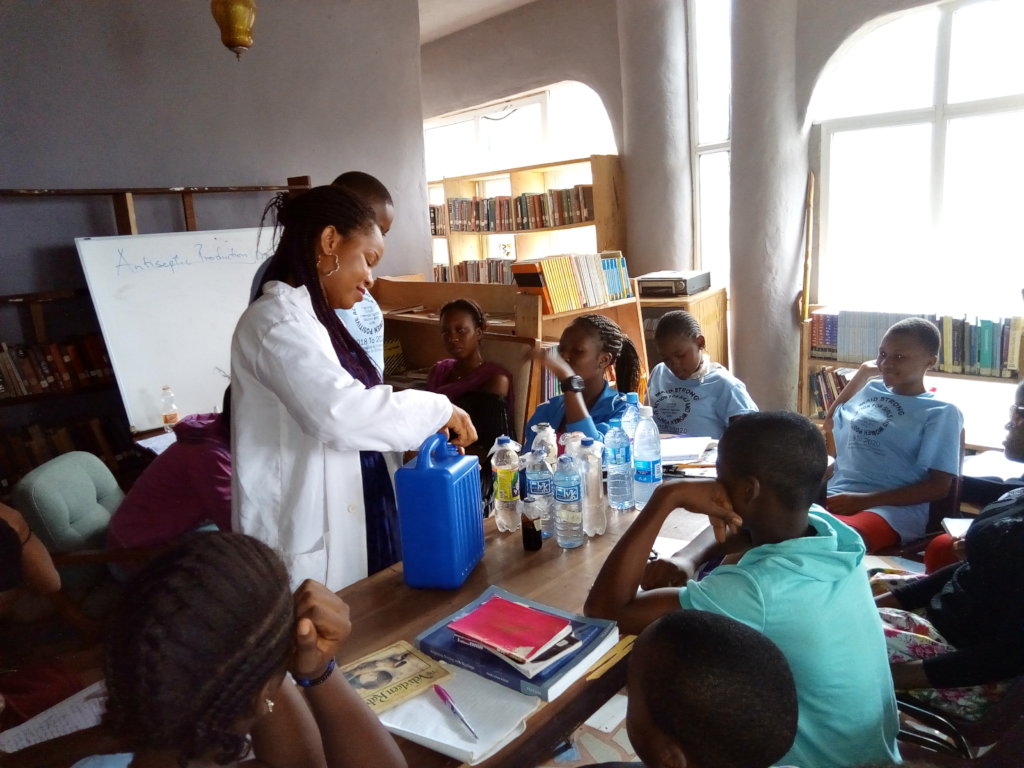
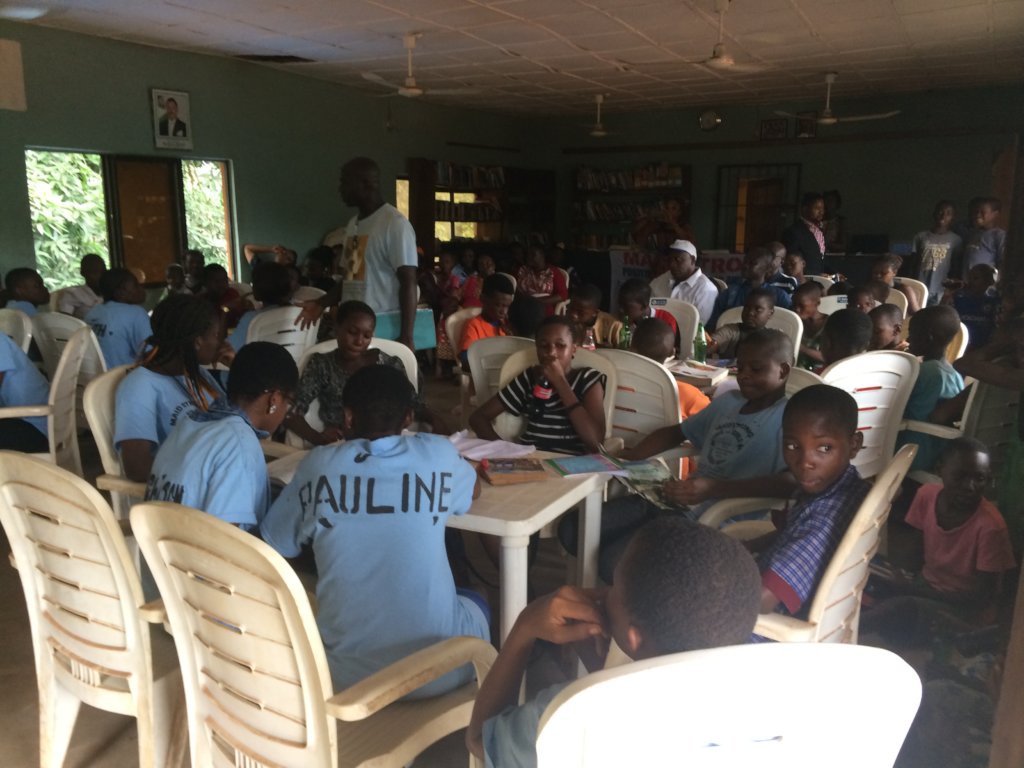
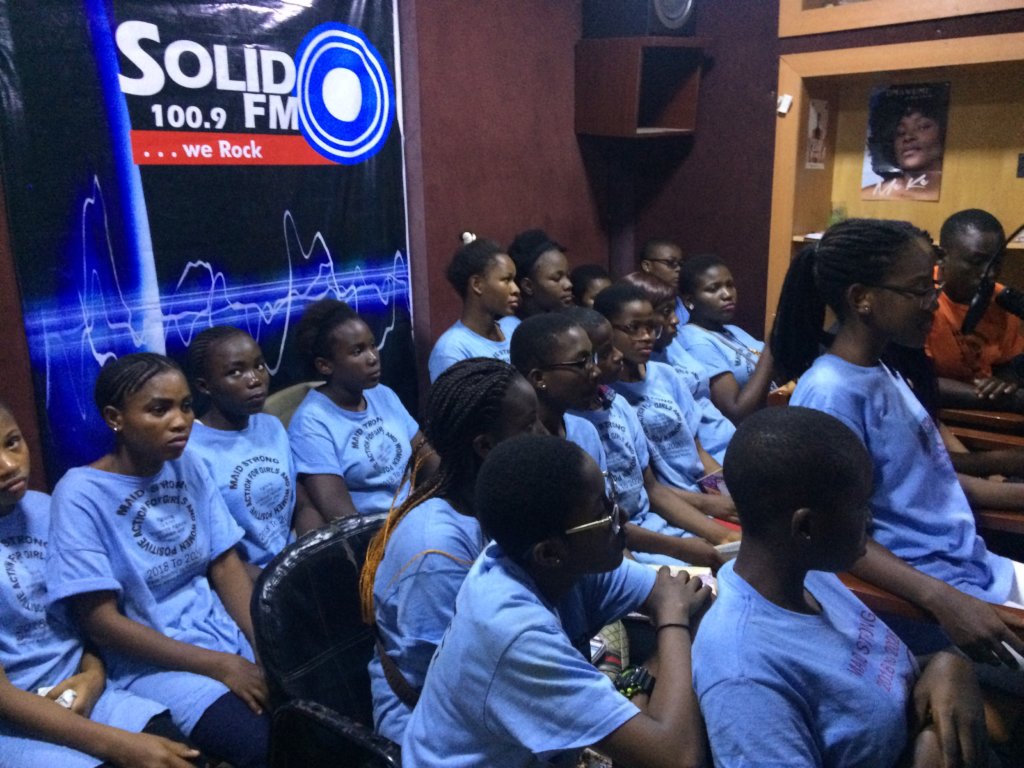
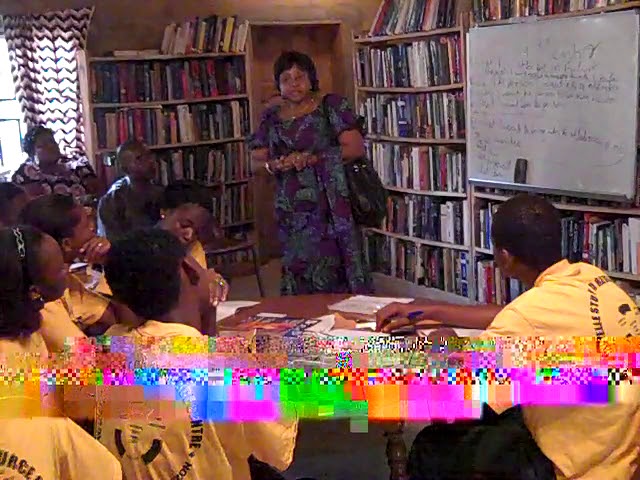
We continued the regular academic classes, computer training and skills acquisition training at the Inwelle International Academy of Excellence. We also presented a panel at The United Nations Commission on the Status of Women.
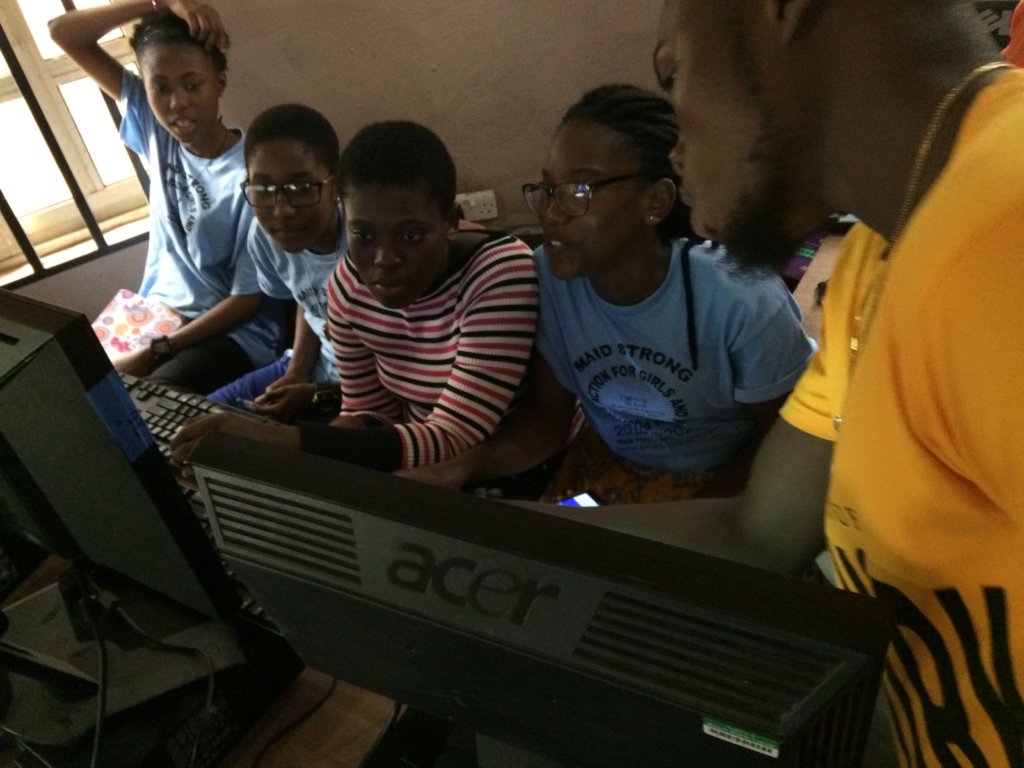
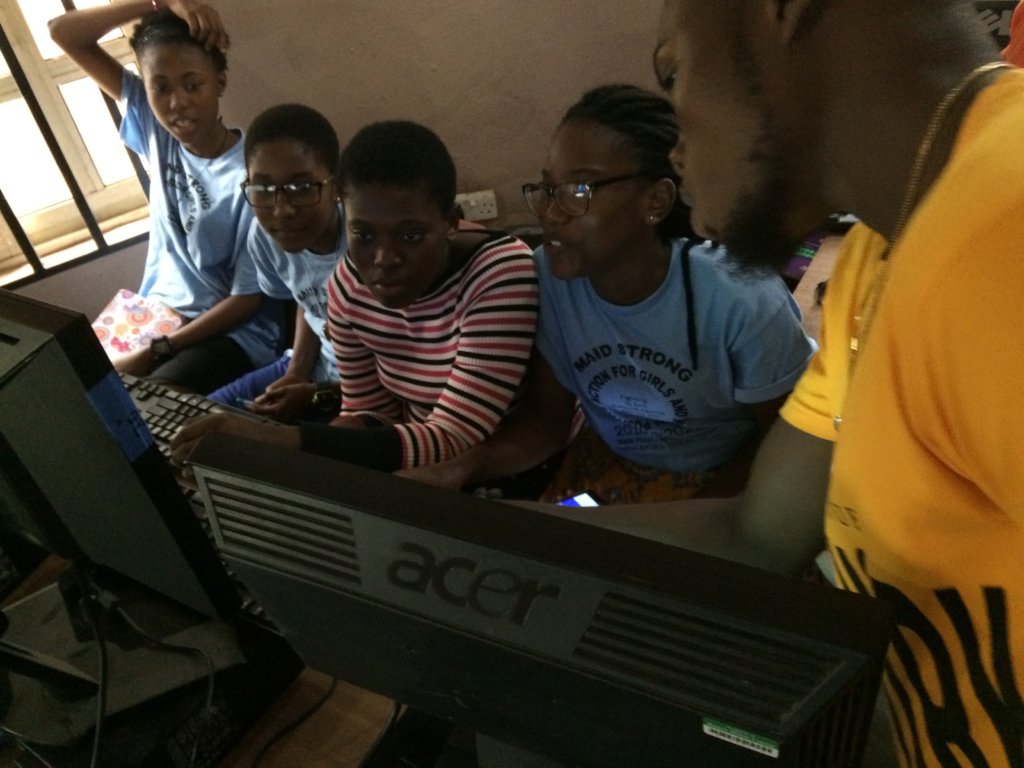
This period, we concentrated in teaching the students on how to type, research online, design graphics, and even code. These abilities make them more competitive in the job market and prepare them for future careers. One major benefit of teaching them computer skills is that it improves problem-solving and their critical thinking. It also enables our students to study and access information from anywhere. Moreover, with their knowledge of computers, they can earn money through freelancing jobs like data entry, graphic design, and web development. They can even start online businesses or create YouTube channels to generate income. The pictures below show our students in the school computer room, working on designs based on what they have learned so far.
Next we engaged in a recycling project. We taught the students the values of recycling to save the environment and to save money. The learnt to turn their trash into something beautiful. Materials used for the project were: discarded cardboard papers, scissors, gum and old rubber bottle tops. This project brings out the creativity in each child and makes the child appreciate the importance of recycling.
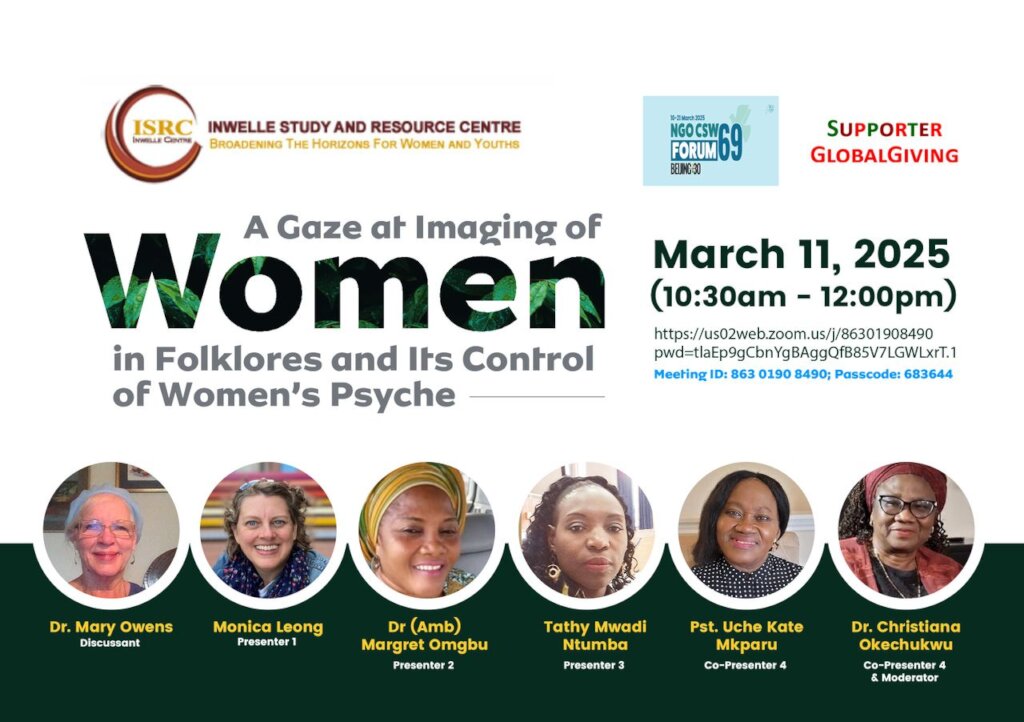
Panel Title: A Gaze at Imaging of Women in Folklores and its Control of Women’s Psyche.
Synopsis: The panel explored the impact of folklore on the societal attitude to women which has perpetuated Violence Against Women and Girls in indigenous societies. Five highly qualified women from Canada, Nigeria and the Republic of Congo selected a few folktales from their indigenous cultures and explored how these stories still control the way women think at this present age that make it difficult to fight Violence Against Women.
The Abstract of the Discussion
Folktales depict the life of the tradition that owns it. These folktales are mostly for entertainment, but they are used to teach values and norms of the society. Story telling is one way of making the children look inwards and yearn for the comfort of their homes. It also brings power and cohesion in a family. Above all, storytelling reduces the stress of everyday life for both to the storyteller and to the audience. After a hard day’s work, people recreate by the fireside, telling stories. At the moment of the story telling, all worries are suspended. For that moment, equilibrium is restored, even rivalries among peers are forced into the background as all are immersed in these stories.
However, the core of the presentation hinged on the fact that the imaging of the characters of these folktales are skewed in such a way that women are perpetually denigrated, leading to their denigrating themselves and ending up self-abasing. The four presenters in this panel examined the imaging of women from their different cultural perspectives.
Folktales as the medium for transmitting knowledge, language, and cultural values to children inculcates societal value to both boys and girls at a tender age—moving forward, these values manifest in how women are perceived and how women perceive themselves. Men rely on these received values and use it in dealing with women. – values prevalent in the society—introduces gender roles and positions, creates gender stereotypes—indicating social and domestic roles—male characters fight, travel while female characters stay at home, doing housework, and most often causing havoc. Gender construction in the stories is used in teaching children from young impressionable age. Since the stories emanate from human thoughts, they reflect societal expectations—therefore while imaging the female characters, they are shown to meet the societal expectation. Carl Jung —a person’s past and childhood determines future behaviour. Thus, Folklore impacts the psyche by providing a framework for understanding the world, shaping values, offering coping mechanisms for challenges, and creating a sense of belonging through shared narratives, often exploring universal themes of good vs. evil—which can resonate. According to Jung, the human psyche is made up of the personal ego, the personal unconscious and the collective unconscious. The characters of folktale have impact on human psyche because it builds collective unconscious desire which the folklorists depicts in forming the characters in the story. Children listen to folktales without prejudice and, thus, used to perpetuate the attitude to women embodied in the stories. We called for the recreation of folktales to image the women in a more acceptable light that depicts the value of women and the tremendous work women do in the family, the community, and the society at large.
Links:
Project reports on GlobalGiving are posted directly to globalgiving.org by Project Leaders as they are completed, generally every 3-4 months. To protect the integrity of these documents, GlobalGiving does not alter them; therefore you may find some language or formatting issues.
If you donate to this project or have donated to this project, you can receive an email when this project posts a report. You can also subscribe for reports without donating.



Support this important cause by creating a personalized fundraising page.
Start a Fundraiser