By SHAIF Ahmed ALI EZADEEB | project Manager
Performance Report - Local Partner: Sanad Organization (Nature Conservation Sector)
For the Project: Conserving Wildlife and Biodiversity in the Malhan Protected Area
July 2025
Report Prepared by: Shaif Ezz El-Din
Project data
Project Name:Biodiversity Conservation in the Malhan Protected Area
Project Location: Yemen - Al Mahwit Governorate - Malhan District
Name of Applicant: Sanid Relief and Development Organization
Report Duration: March
Start Date: April 1, 2025
Expiration Date: July 30, 2025
Organization Address: Sanad Al Asimah - Shu'ub District - Al Habari
Telephone Number: 0096701205757
Report Author: Shaif Ezz El-Din
Current Position: Project Manager
Email: Programs.officer@sanid.org
Mobile Number: 00967 778515109
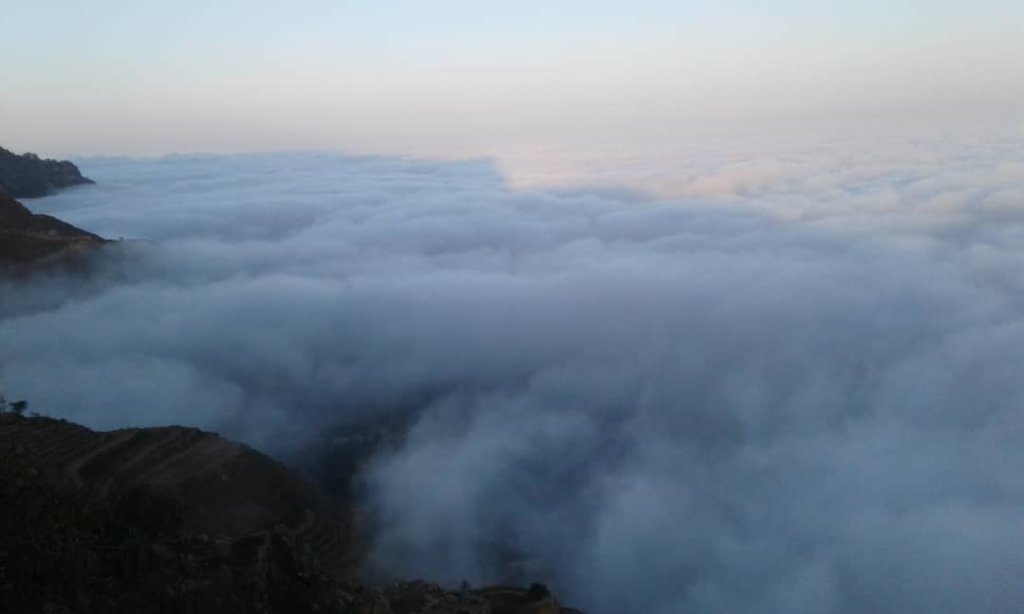
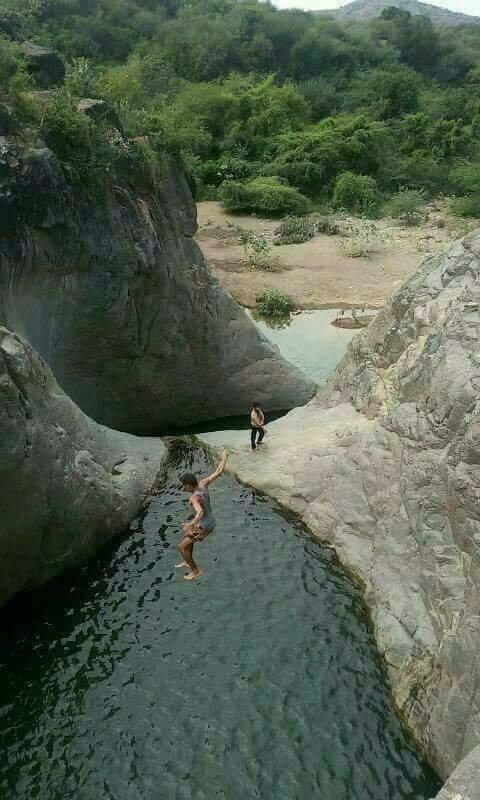
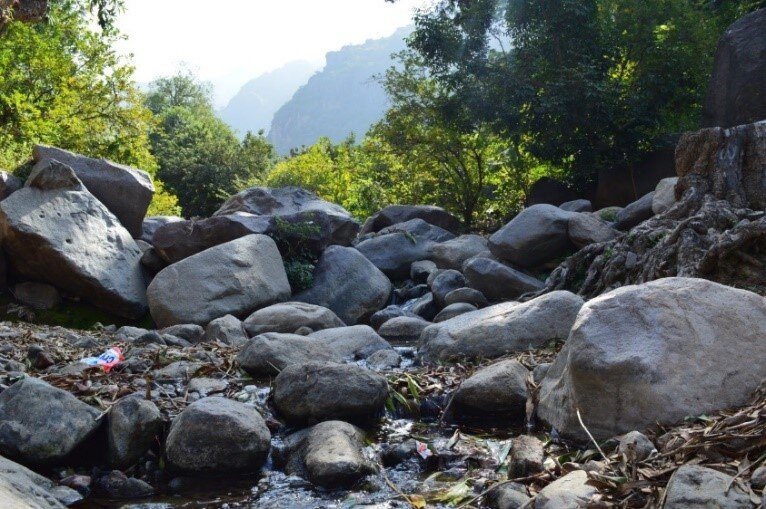
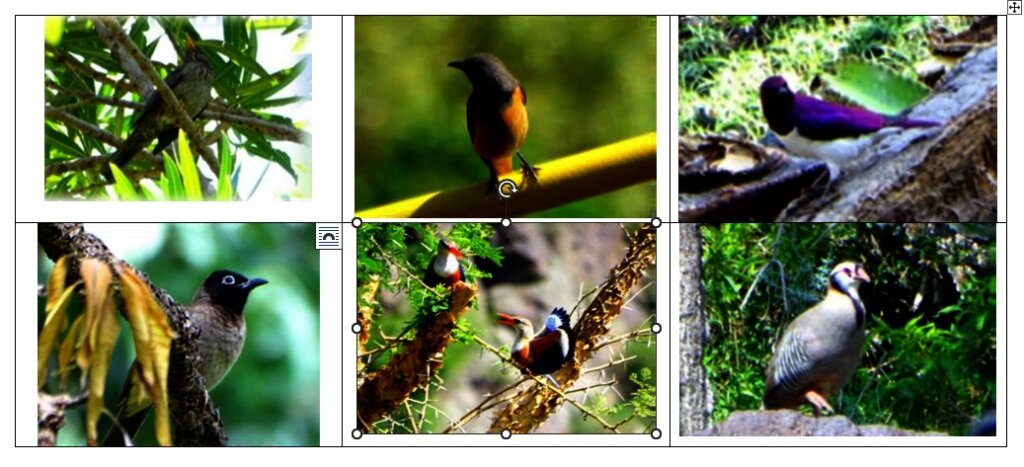
Overview of wildlife and biodiversity in the Malhan Protected Area in Yemen
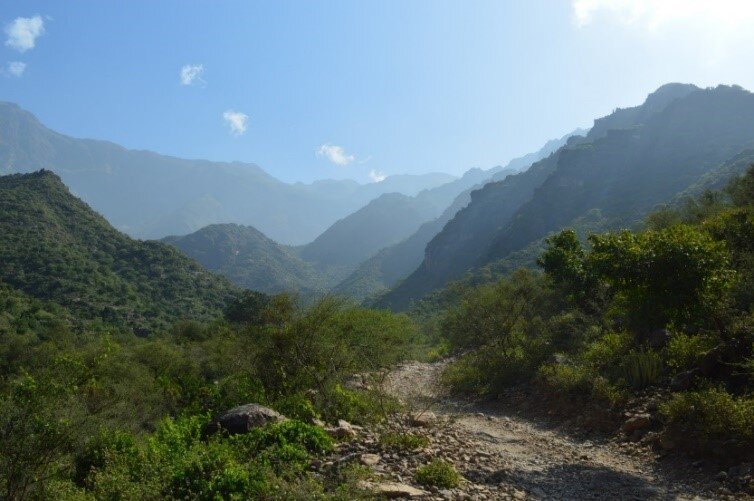
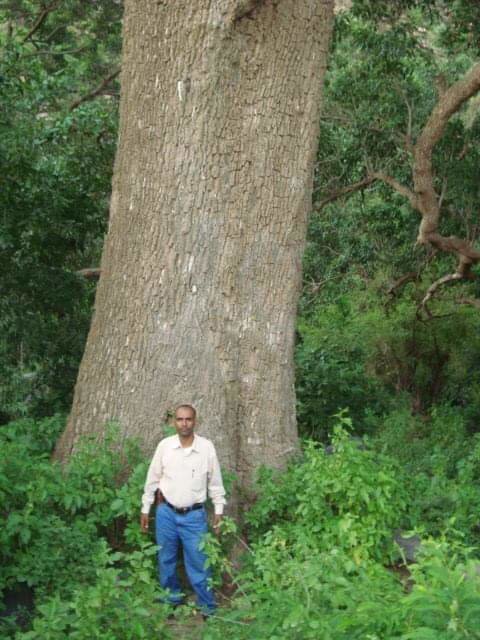
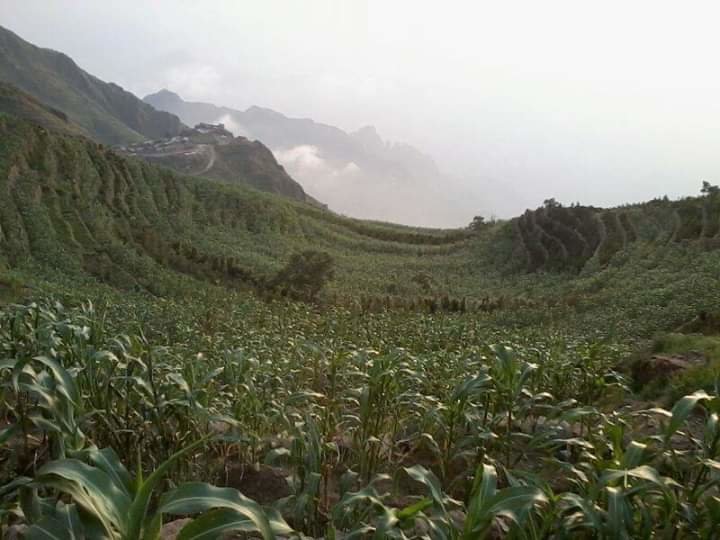
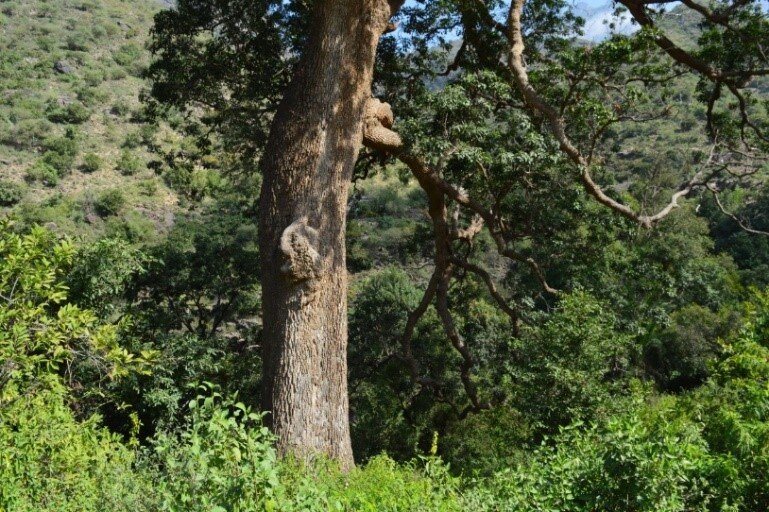
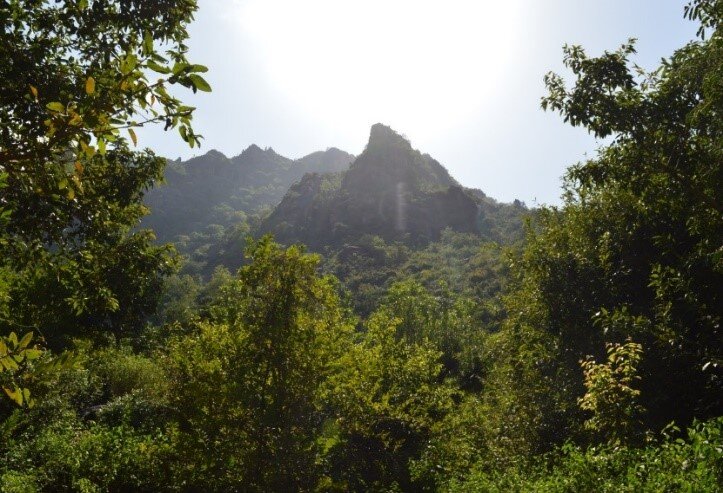
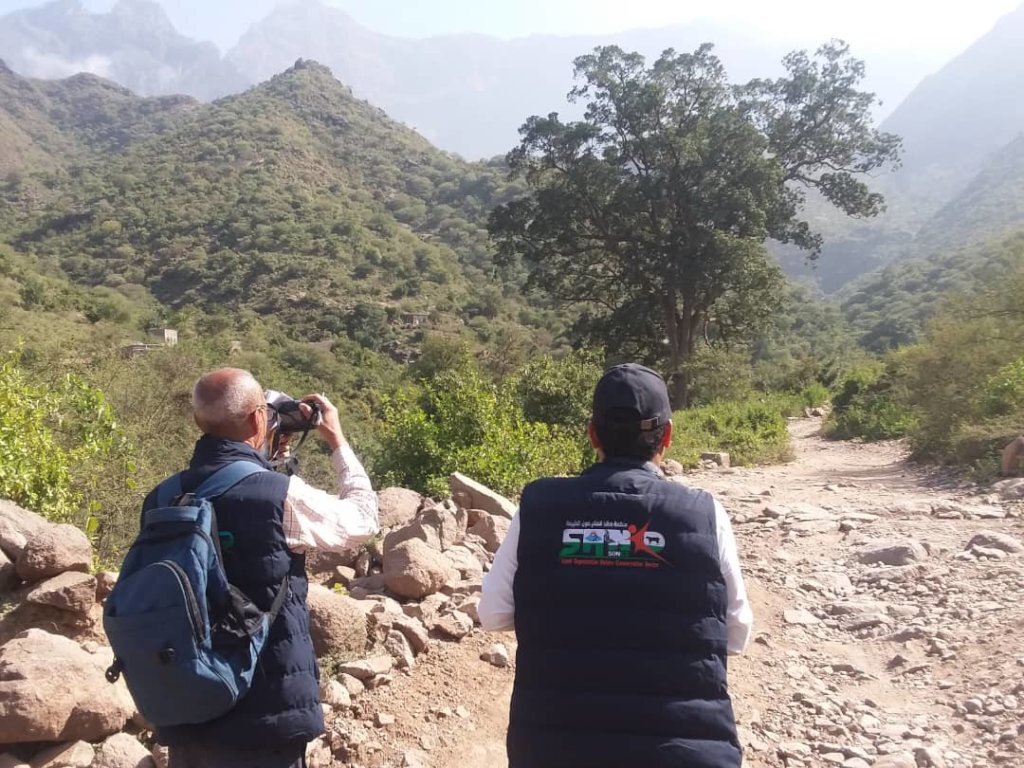
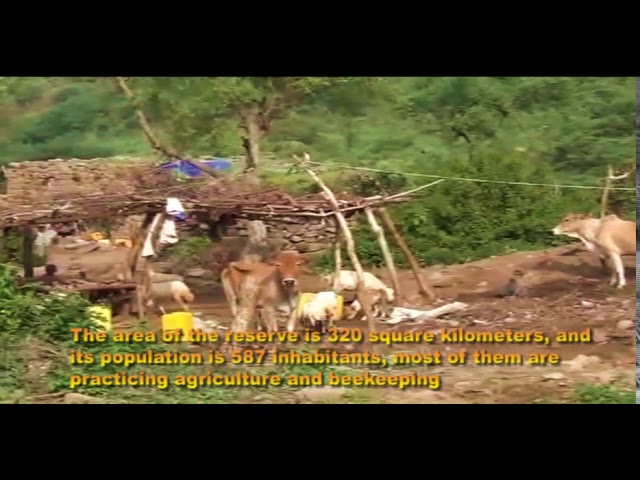
The project aims to preserve the endangered biodiversity in the Malhan Nature Reserve, which is a unique site that still maintains its ecological system, represented by the Arabian leopard, which became extinct in the Arabian Peninsula due to the threats and risks surrounding its environment in the Malhan area, as well as the distinctive plants with cash crops, such as medicinal and aromatic plants and perennial trees that reach more than 300 years and varying heights of more than 100 meters. All plants and trees are involved in the process of stabilizing the soil and humans as a result of climate change factors, erosion and natural disasters such as landslides due to its location near the towering Malhan Mountains.
Therefore, the spotlight has been shed on this reserve and many studies of a traditional nature and self-financing have been carried out, which encourages all those interested in nature to pay attention to this distinguished patch of land, as the state had previously shown interest by issuing a decision to declare it a nature reserve by decision issued by the Prime Minister No. (349) of 2010. All this biodiversity is reflected in the lives of individuals and communities, which are entirely dependent on these natural resources and pursue their primary activities of agriculture, some handicrafts, and traditional professions. Rural women play an important and prominent role in visible and invisible activities and businesses, such as farming, livestock breeding, wild beekeeping, and the increased breeding of wild carnivorous birds such as Arabian partridges, rabbits, and ibex.
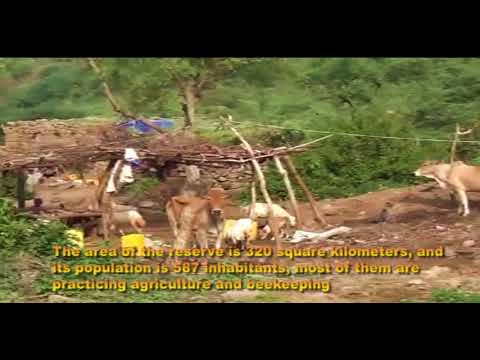
All the local residents of the reserve depend on these natural resources as their sole source of livelihood and for feeding their children, using ancient traditional methods. They also depend on wildlife and animals (mammals, reptiles, and insects).
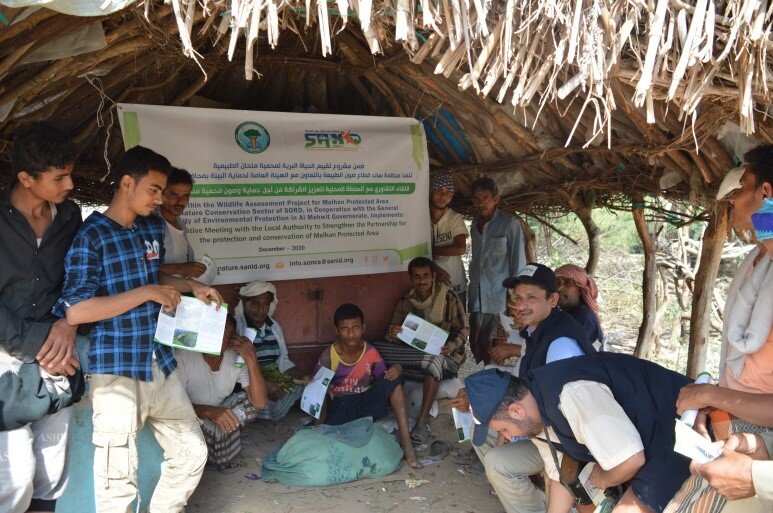
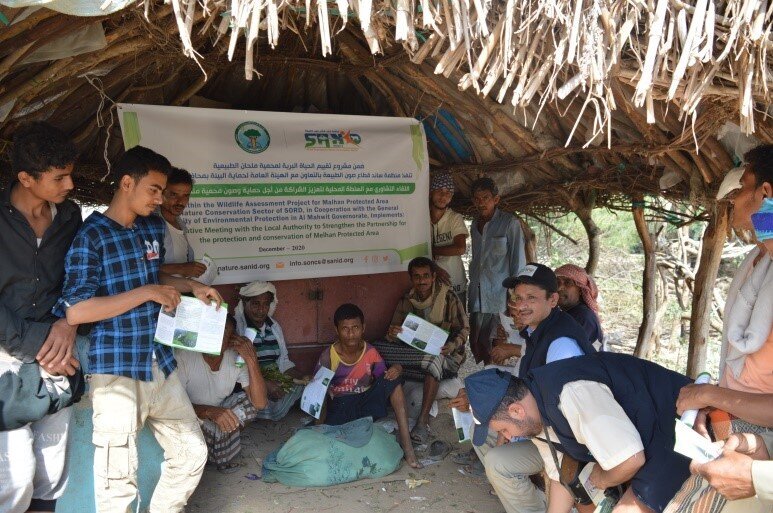
The reserve includes diverse plant and animal species, including some rare and endangered species. The project aims to develop a management plan that takes into account all aspects and establishes a relationship between the reserve and the local community based on partnership and cooperation in preserving the reserve's animal and plant components. This is limited to hunting and commercial purposes, defining and regulating grazing seasons, and raising community awareness of the importance of biodiversity and the sustainability of natural resources.
The project will also implement clean-up campaigns throughout the reserve and identify alternatives, particularly to reduce excessive logging. The primary target group for this project is the local community located within the Malhan Reserve area, comprising parts of five zones representing seven sub-zones. The expected direct outcome of this project is the conservation of animal and plant species, particularly threatened species, and the sustainability of natural resources for future generations.
The importance of this project for international conservation lies in the fact that the Malhan Reserve represents a unique combination of physical factors that support several different ecosystems of great biological value, including endemic and threatened species, as well as a unique land use in itself.
Preserving these vital values is part of universal values, as the environment has no boundaries and is considered an extension of other environments.
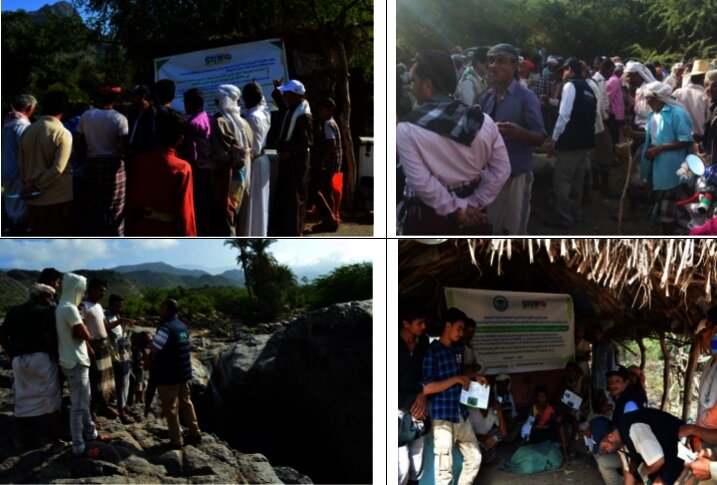
Implemented activities:
Project reports on GlobalGiving are posted directly to globalgiving.org by Project Leaders as they are completed, generally every 3-4 months. To protect the integrity of these documents, GlobalGiving does not alter them; therefore you may find some language or formatting issues.
If you donate to this project or have donated to this project, you can receive an email when this project posts a report. You can also subscribe for reports without donating.



Support this important cause by creating a personalized fundraising page.
Start a Fundraiser