By Lesly Bravo | Well Being Promoter, Midwife & Doula
Naming Violence to Protect Life: Mam Midwives and the Urgency of Addressing Obstetric Violence in Guatemala
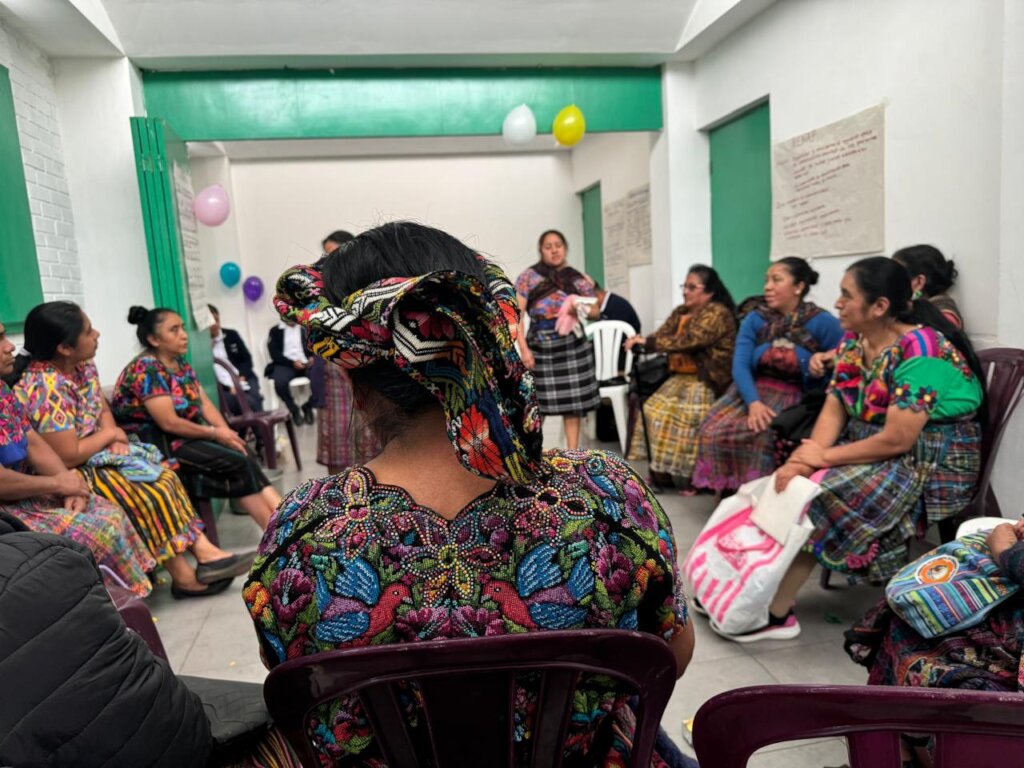
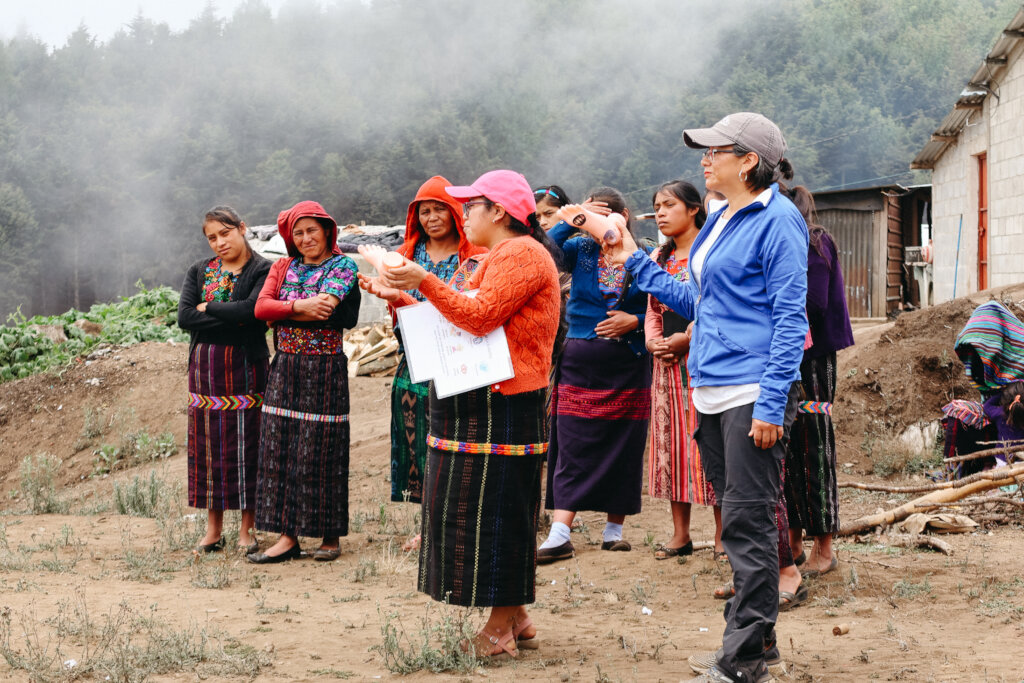
Across Guatemala’s western highlands, indigenous Mam midwives have nurtured and sustained life for generations. These skilled women guide pregnancies, childbirths, and postpartum care, integrating a deep understanding of the body, spirituality, and local environment. For many women in rural areas, midwives are not just an alternative to healthcare systems but their first and often only source of care.
Yet, this ancient wisdom now faces a covert threat. Systematic devaluation, institutional interference, and various forms of Obstetric Violence jeopardize the role of midwives while remaining largely ignored and unaddressed.
Shedding Light on the Unspoken
The study “Western Medical Epistemologies about the Role of the Midwife – Yoq’il in San Juan Ostuncalco and Concepción Chiquirichapa” uncovers the realities faced by midwives working in conditions marked by exclusion, structural racism, and inequality. Drawing on interviews with midwives, health professionals, and community organizations, it reveals a stark imbalance between the biomedical framework and indigenous practices.
Although the state formally acknowledges midwives through certification and training programs, this recognition frequently comes with strings attached. It often involves control, monitoring, and subordination. Many midwives recount tales of discrimination, exclusion from hospital settings, being barred from supporting women during labor, and the dismissal of their knowledge—even when it is officially sanctioned.
These systemic practices damage not only midwives but also the childbirth experiences of indigenous mothers, exacerbating challenges to maternal health in their communities.
When Childbirth Becomes a Space of Harm
The research reports a troubling reality that many healthcare norms constitute Obstetric Violence, even if they aren’t labeled as such. Obstetric Violence takes root when midwives are excluded, when procedures are performed without consent, when cultural traditions are mocked, or when the voices of indigenous women are dismissed.
In regions where over half of births are still attended by midwives, these practices create fear, distrust, and silence. Many women delay seeking professional healthcare until complications arise—not because of ignorance, but due to prior experiences of mistreatment and humiliation.
Obstetric Violence is not random. It stems from entrenched inequalities in gender, ethnicity, and class that have historically shaped healthcare systems.
Why Research Must Continue
One of the most pressing gaps identified is the absence of community-driven data on Obstetric Violence, documented from the lenses of both midwives and their patients. Without these insights, this violence remains invisible in statistics and absent from policymaking.
This research marks not an end but the beginning.
Through collaboration with Dr. Zobeida, the next phase will focus on comprehensive documentation of Obstetric Violence in its varied forms, including physical, symbolic, institutional, and cultural. This effort aims to refine and expand evidence, develop actionable tools, and advocate for change within the healthcare sector, civil society, and policymaking spaces.
Transforming Health Systems Through Data
The continuation of this work seeks to achieve life-saving change by:
Every recorded testimony moves us closer to justice. Every data point strengthens the case for systemic transformation in healthcare that serves, instead of failing, indigenous women.
Join the Call to Action
Supporting this research means supporting life, dignity, and the inherent right of women to give birth free from violence. It acknowledges Mam midwives not as relics of history but as foundational figures in Guatemala’s present and future community health efforts.
Naming violence is the first step to ending it. Documenting it is a collective act of care.
Project reports on GlobalGiving are posted directly to globalgiving.org by Project Leaders as they are completed, generally every 3-4 months. To protect the integrity of these documents, GlobalGiving does not alter them; therefore you may find some language or formatting issues.
If you donate to this project or have donated to this project, you can receive an email when this project posts a report. You can also subscribe for reports without donating.



Support this important cause by creating a personalized fundraising page.
Start a Fundraiser