By XILOTL ASOCIACION PARA EL DESARROLLO SOCIAL | Vilma Gutierrez Madueno, Lider del Proyecto
Migration Project: Sustainable Agriculture Challenges for Food Security:
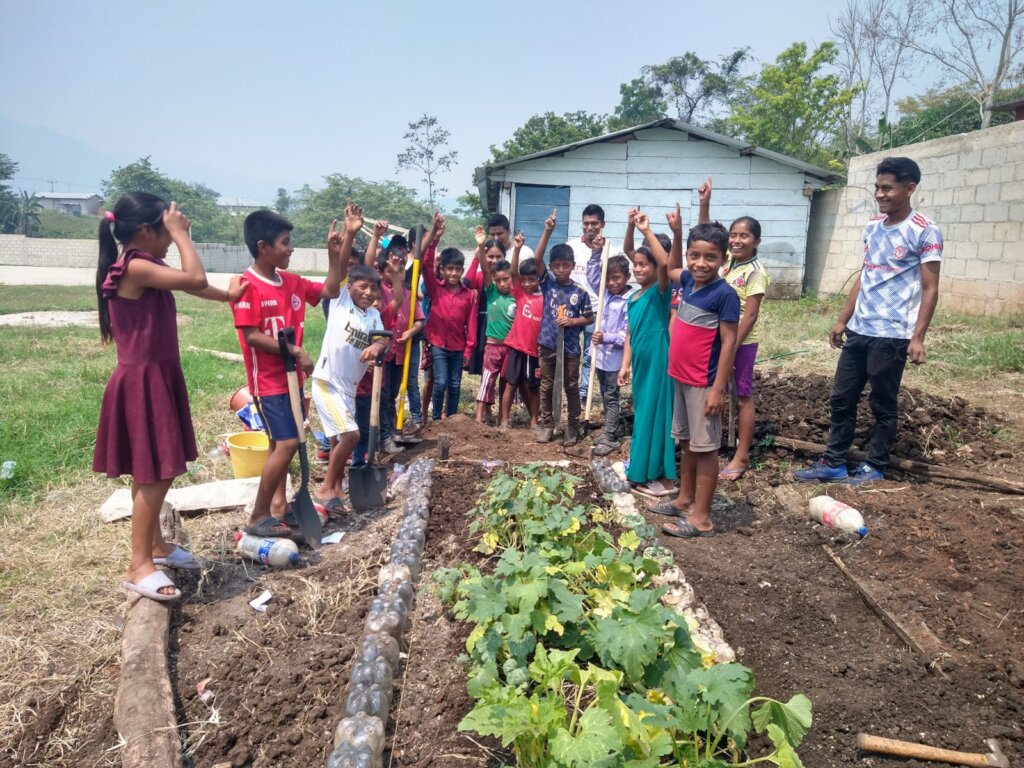
Currently, 51 families have improved the sanitary management of their birds. In addition, 19 men who are improving their plot for the regenerative milpa. In total, 62 orchards are operating and making efforts to properly manage water. In this period, mostly dry, the rains have behaved erratically, the availability of water has been very scarce, which has mainly affected the orchards in some communities, while those that had more water are achieving better profits because they can sell at a better price because it greatly reduces competition in the market.
As a result of the advisory and reflection processes, 47 people are improving the management of the milpa with the application of at least 2 practices, of which 19 people already apply 3 agroecological practices and are moving towards what we call Regenerative Milpa, which allows them to increase and diversify sustained production even in difficult times.
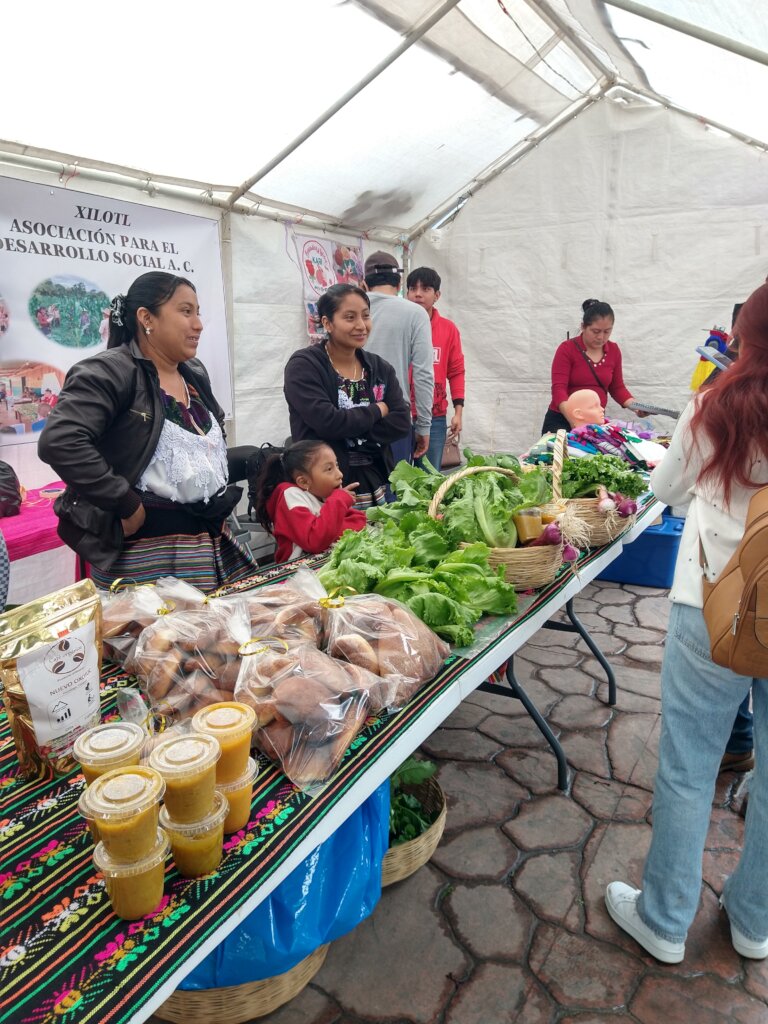
On average, participating families keep between 8 and 10 hens in production as a result, families consume eggs 2 to 3 times per week and consume meat at least once a month. Considering the high prices of both products (poultry and Creole eggs) have in the market, the benefits of poultry breeding are not only concentrated in better nutrition, but also means good savings in families. For their part, the families who have gardens assure that this productive space provides them with various fresh Creole vegetables such as chives, mustard and yerbamora, which benefits and diversifies the family diet with organic products. In addition, they are producing, throughout the year, vegetables of commercial interest such as radish, cilantro, lettuce and cabbage, for the benefit of their economy. The combined production of poultry and orchards, mainly dedicated to self-sufficiency, is allowing 65 families to have more quantity and variety of food for their own consumption, in this sense an increase of more than 10% in food security is calculated. It can be said that these advances are related to the introduction of agroecological practices since before, despite the efforts, they did not produce vegetables and birds only occurred 3 months of the year. In 85% of the orchards, fertilizers are applied, native plants are planted and more than 4 different associated species (diversity) are established, in addition to planting insect-repellent plants and manual auxiliary irrigation is applied. The 51 families participating in the work with backyard birds (hens) have greatly improved the management of breeding, after the consultancies they have begun to use roofs, perimeter fences, breeding cages, and sanitation for disease prevention. In the case of the Regenerative Milpa, the work of the 4 families that are practicing more comprehensively has impacted 35 families that are observing and testing at least two components such as non-burning, native seed, living cover and contour lines with living barriers of shrub species. Of the 51 families with gardens, 75% sold vegetables with incomes from $50 to $2500 pesos per month; and of the families producing hens, 63% reported the sale of eggs and poultry with incomes greater than 500 pesos per month.
By XILOTL ASOCIACION PARA EL DESARROLLO SOCIAL | Vilma Gutierrez Madueno, Lider del Proyecto
By XILOTL, A.C. | Vilma Gutierrez Madueno, Lider del Proyecto
Project reports on GlobalGiving are posted directly to globalgiving.org by Project Leaders as they are completed, generally every 3-4 months. To protect the integrity of these documents, GlobalGiving does not alter them; therefore you may find some language or formatting issues.
If you donate to this project or have donated to this project, you can receive an email when this project posts a report. You can also subscribe for reports without donating.