By Francescah Kipsoi | Executive Director Montessori for Kenya
Introduction and Background
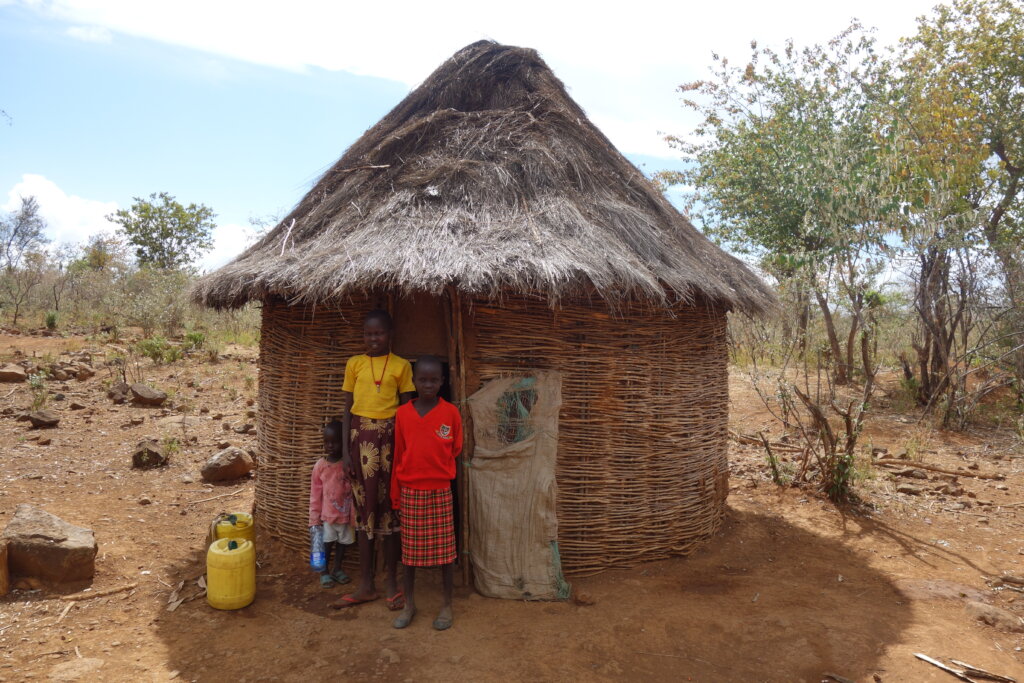
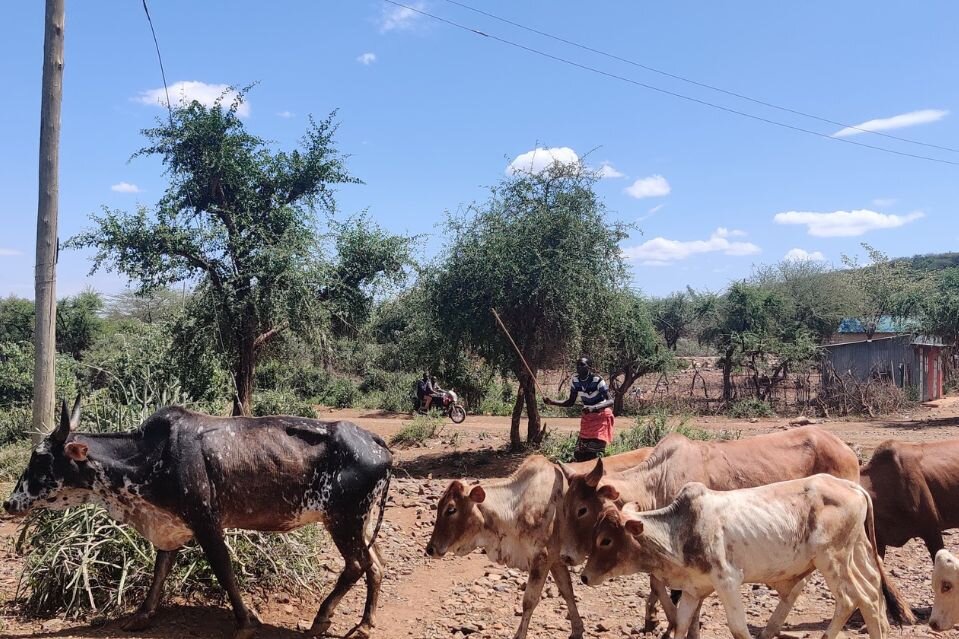
East Pokot is a remote, arid region in northern Kenya, located in Baringo County in the Rift Valley. Communities in this area are predominantly pastoralist, which means that they move around with livestock such as cows, goats, and sheep for their livelihoods. Daily life is shaped by ongoing food insecurity, poverty, and frequent conflict, all of which significantly affect access to education.
Educational Challenges
East Pokot is known as a region affected by conflict between different communities, often linked to competition over scarce natural resources. These conflicts disrupt learning, displace families, and limit access to education when movement becomes unsafe.
Prolonged drought remains a major challenge, resulting in persistent food shortages that leave many families highly vulnerable and struggling to meet basic needs, including supporting their children’s education. Boys are also affected, as many are required to care for livestock and travel long distances in search of pasture, which frequently keeps them out of school for extended periods and impacts learning outcomes.
Interventions and Mentorship Support Strategy
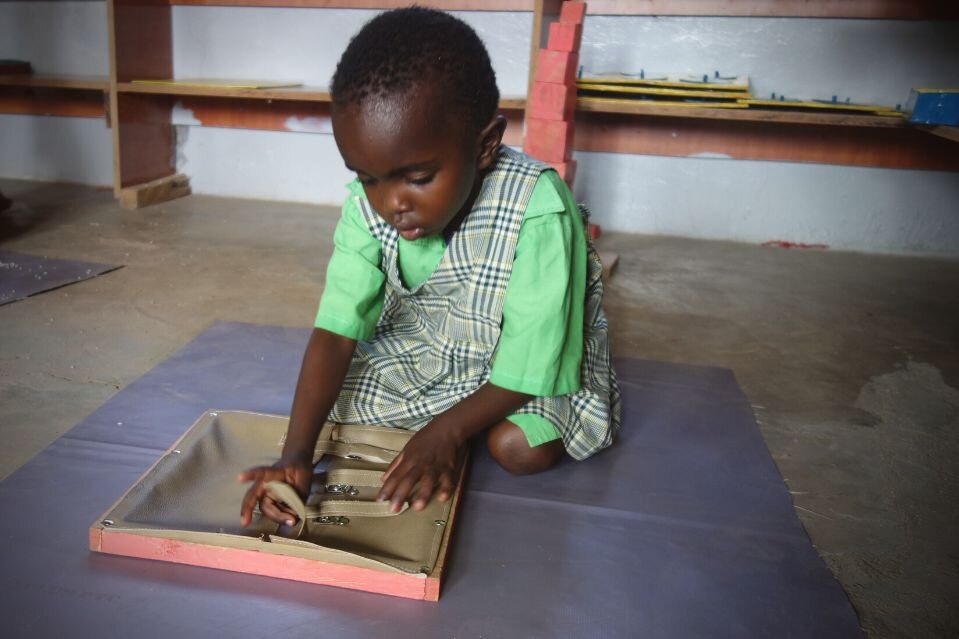
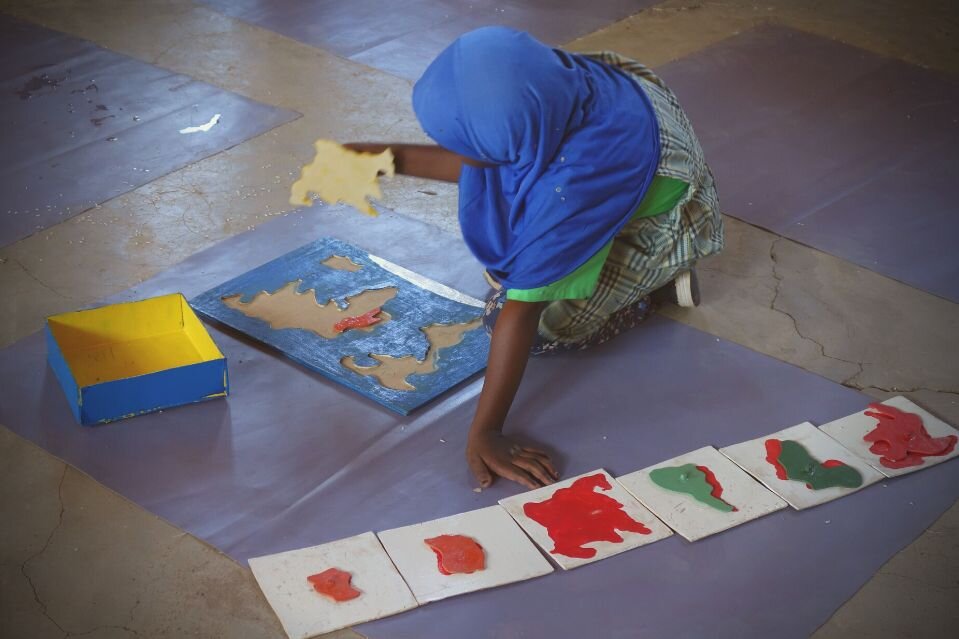
To address these challenges, Association Montessori Internationale and Montessori for Kenya have been the driving force behind the East Pokot Montessori initiative since its inception in 2020. The aim is to support young people from the remote and under-resourced East Pokot region to train as Montessori teachers, who then establish a supportive environment for children to learn.
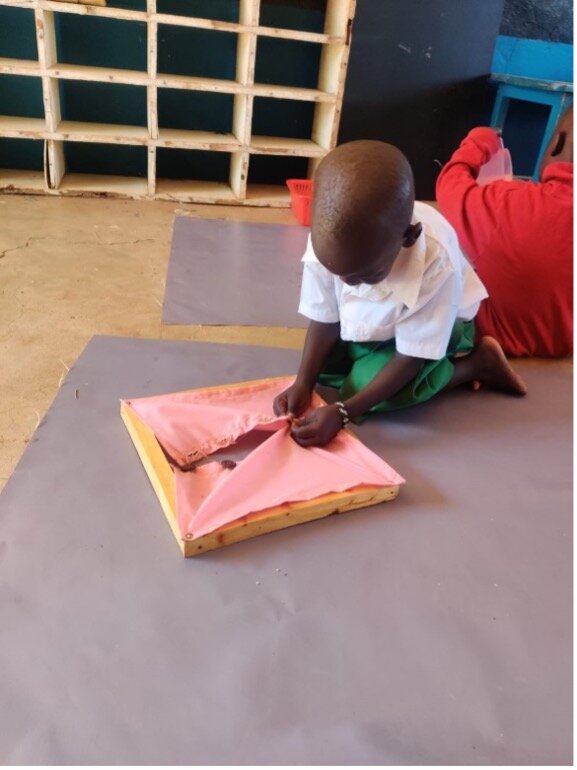
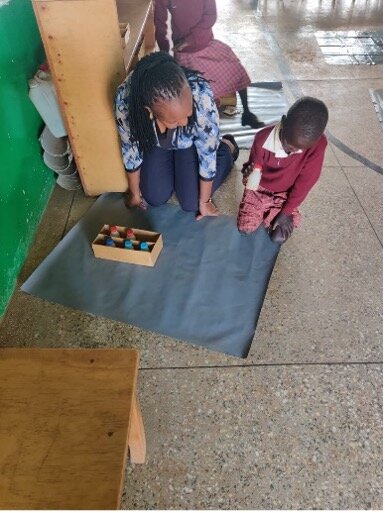
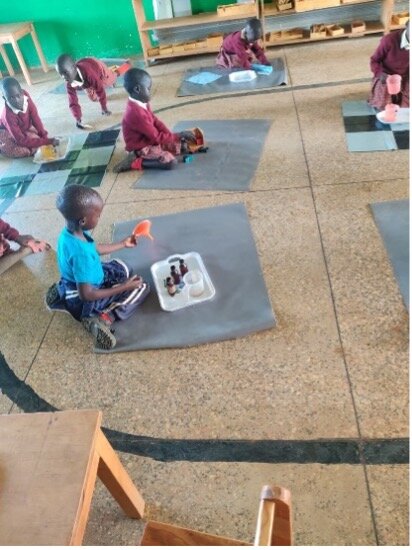
Being in a remote area which often witnesses conflicts means there is difficulty for teachers to access to workshops and mentorship and for mentors to visit. As a solution, this year, the focus has been on adopting flexible and adaptive approaches to monitoring and support. These include conducting online observations of teachers’ work, children’s activities, and prepared learning environments when physical access is limited. Teachers share photographs for documentation, monitoring, and guidance, allowing mentors to provide ongoing support and track progress. This ensures quality education, improves teacher motivation and confidence, and supports new teachers. Physical school visits are carried out whenever the security situation allows it, as in-person mentorship and classroom observation remains essential for quality implementation and teacher motivation.
Recent Developments
Over the past four months, weather conditions have improved slightly, with some rainfall received across the region, although attacks between communities continued during this period. Conflict levels havereduced, though the situation remains unpredictable. This improvement has enabled mentorship visits to resume.
For the past five months, relative stability has been restored, allowing children to return to learning consistently across all supported schools. Despite ongoing social and environmental challenges, educational activities have continued, and positive progress has been observed in classrooms.
Barpello School
Barpello School currently serves 36 children, with admissions still ongoing. It operates as an operates with one Montessori classroom.
Gladys C oversees the Montessori environment for 15 newly enrolled children of mixed ages. She is currently pursuing her AMI International Diploma in Dar es Salaam and volunteers her time at Barpello School.
Parents and the wider community are increasingly embracing Montessori education. According to parent feedback, children educated through Montessori demonstrate independence, discipline, early writing skills, and improved confidence and self-expression.
Sharon, who graduated in November last year with a national certificate from St. Ann’s Montessori College, completed her teaching practice at Barpello School. She is currently awaiting her TSC number, which is a requirement for her to be employed at a government school. The materials she prepared during her training continue to be used by the children, contributing to sustained learning.
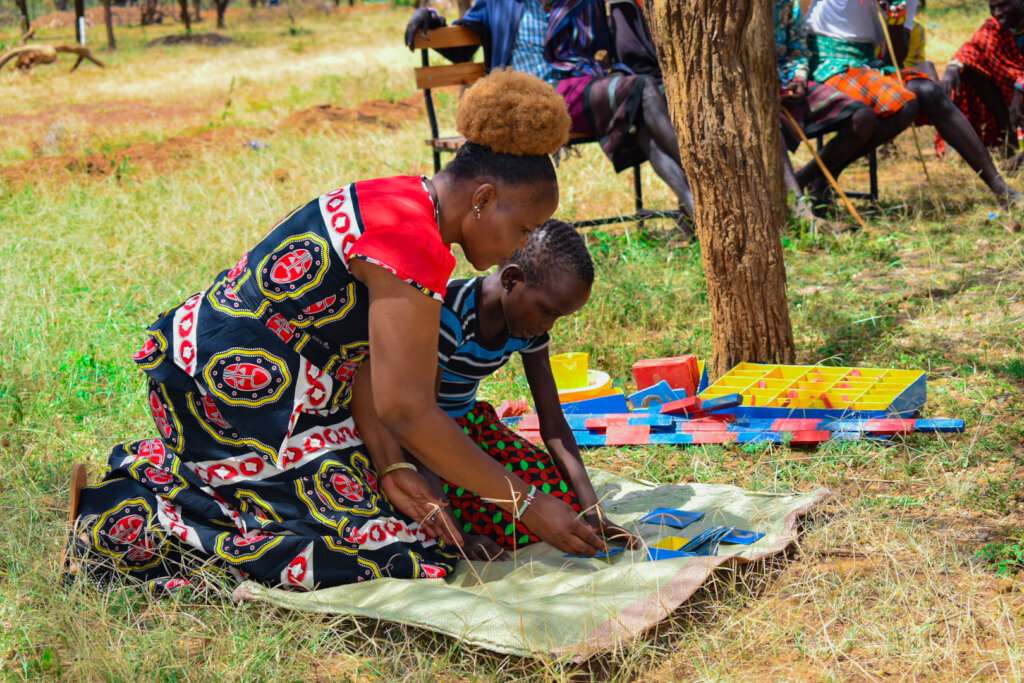
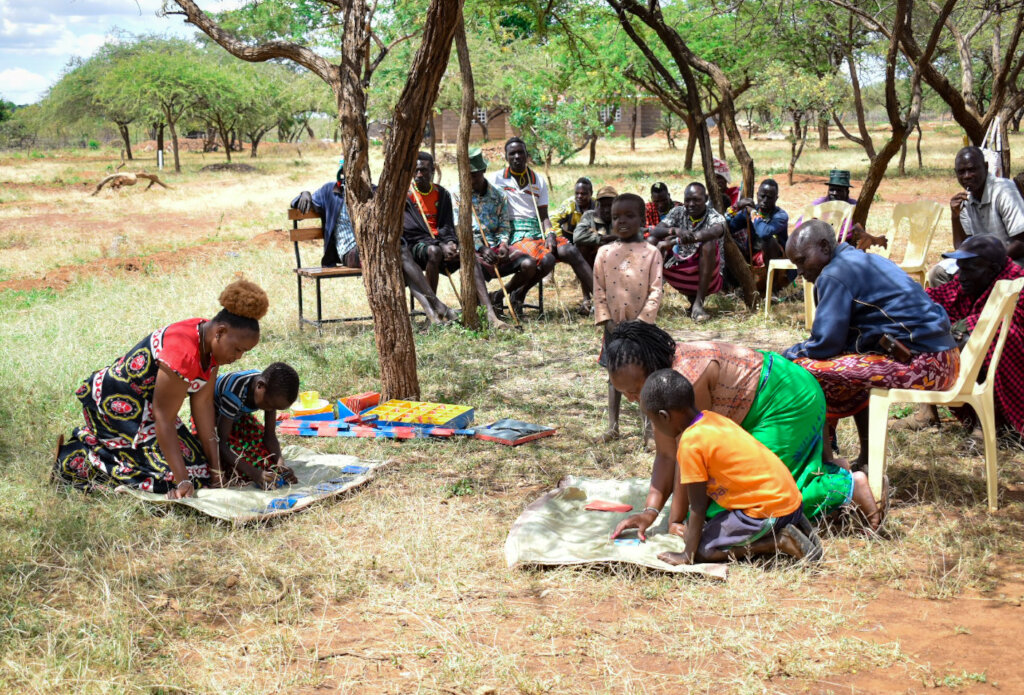
Photo: Gladys giving a presentation
St. Luke’s Mission School
St. Luke’s Mission School serves 114 children across three classrooms, two of which are Montessori Classrooms. Increased enrolment this year has been driven by parents’ growing appreciation of Montessori pedagogy.
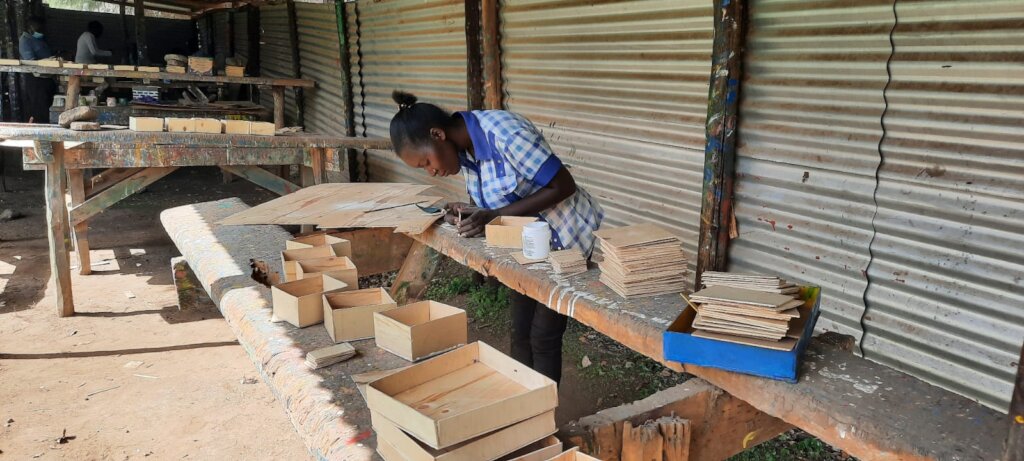
Denzel K currently guides 25 children, with admissions still ongoing. One of the main challenges in his classroom is the frequent repairs and replacement of Montessori materials. Another challenge relates to parent expectations, as many expect children to begin writing immediately. Denzel K has been actively engaging parents to explain child development and how this is supported through Montessori education, helping them understand that coordination of movement and foundational activities must come before writing. Mentorship has supported him in talking to parents as well as in his confidence as a teacher.
Eveline L is building her confidence in Montessori presentations. Through mentorship, she has received support in creating a calm environment through grace and courtesy activities and strengthening classroom structure.
Irene, a graduate of St. Ann’s Montessori College, has currently completed her teaching practice. She is committed to continuing her journey as a Montessori teacher.
Nasaltuko School
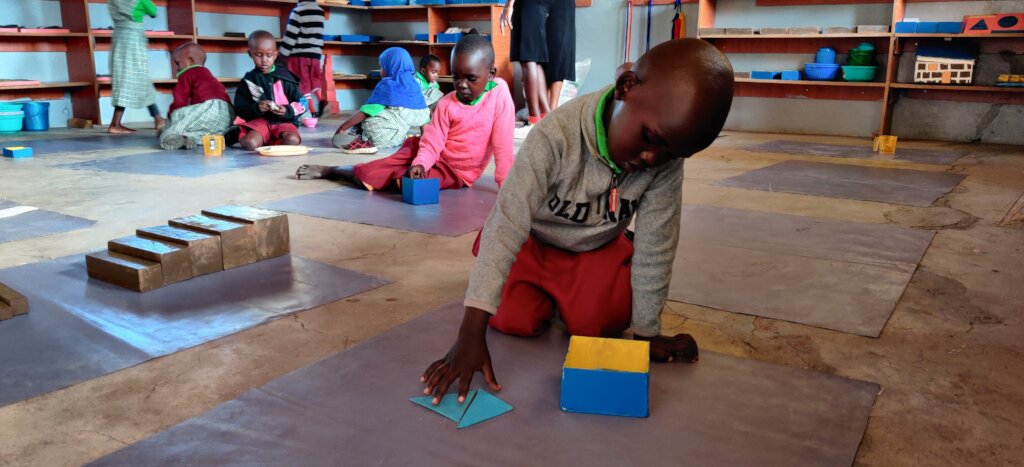
Nasaltuko School serves 140 children and includes two Montessori classrooms that are well equipped with learning materials. Parents strongly value the Montessori approach, contributing to increased enrolment this year. Children transitioning from Montessori have demonstrated discipline, independence, and enthusiasm for learning, which has been noted positively by other teachers.
Florence works with 24 children, some of whom joined school later than usual.
Linet also guides 24 children. Her classroom faces challenges related to sequencing of materials, incomplete resources, limited mats, and irregular attendance. She is interested in pursuing a National Diploma and is awaiting feedback on her county application.
Looking Ahead
Additional funds will enable schools to repair and replace materials, provide adequate classroom resources, support refresher courses, and strengthen parent and community engagement. With more resources, teachers can deliver consistent, high-quality learning experiences and maintain well-prepared environments for every child.
Additional funding will also support mentorship, which remains central to this work. By supporting teachers to grow in confidence and practice, mentorship ensures Montessori principles are lived daily in the classroom, strengthening both teaching quality and children’s learning outcomes. Well-supported teachers create environments where children develop independence, confidence, and a lasting love of learning — foundations that matter deeply in a context as challenging as East Pokot.
`
Project reports on GlobalGiving are posted directly to globalgiving.org by Project Leaders as they are completed, generally every 3-4 months. To protect the integrity of these documents, GlobalGiving does not alter them; therefore you may find some language or formatting issues.
If you donate to this project or have donated to this project, you can receive an email when this project posts a report. You can also subscribe for reports without donating.



Support this important cause by creating a personalized fundraising page.
Start a Fundraiser