By Shivani Datar | Field Researcher
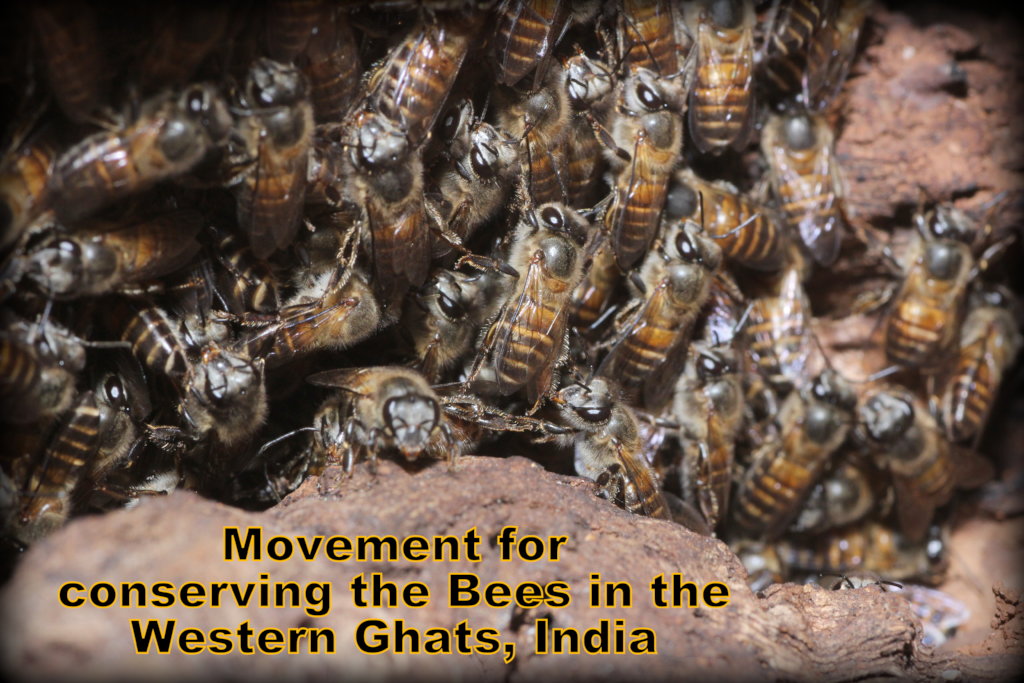
Earlier this year, our Bee Champions in Bhimashankar Wildlife Sanctuary stood ready for another promising honey season.
By May 2025, everything seemed aligned—the bee boxes had been placed, training sessions completed, and the forests were beginning to bloom with nectar-bearing flowers. The hum of bees was expected to return, echoing once more through the mist-laden valleys of the Western Ghats.
But nature had other plans.
When the Climate Shifted, the Bees Left
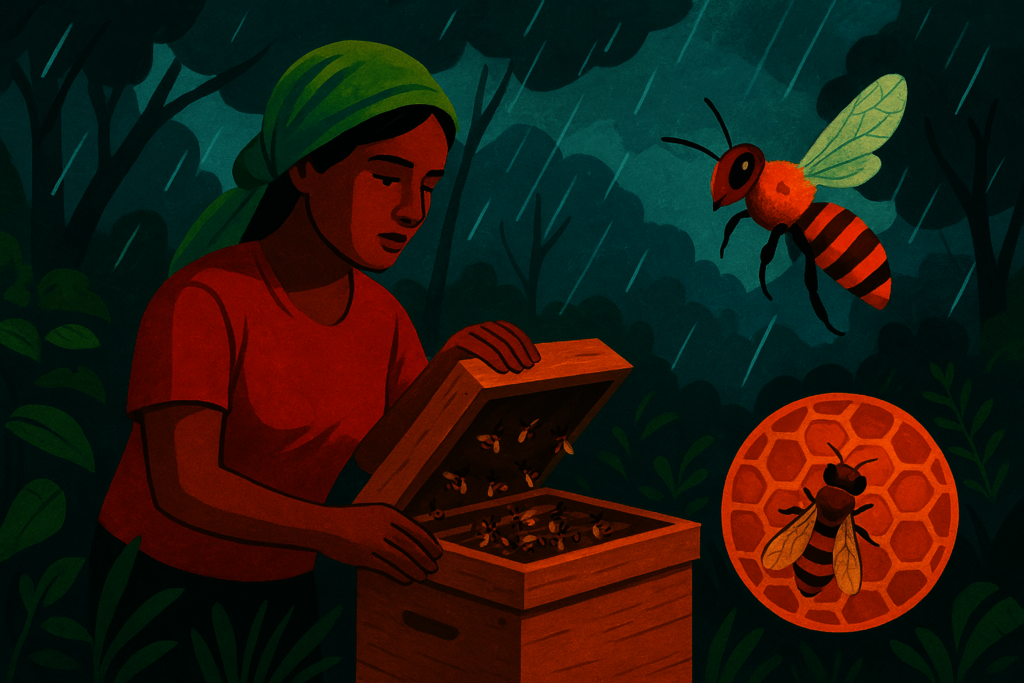
The monsoon arrived early—weeks before its time. What began as a gentle pre-monsoon drizzle soon became a relentless downpour that stretched across months, from May to October. The forest floor stayed soaked, flowers bloomed erratically, and humidity levels rose beyond the bees’ comfort.
Before anyone could predict it, the bees did.
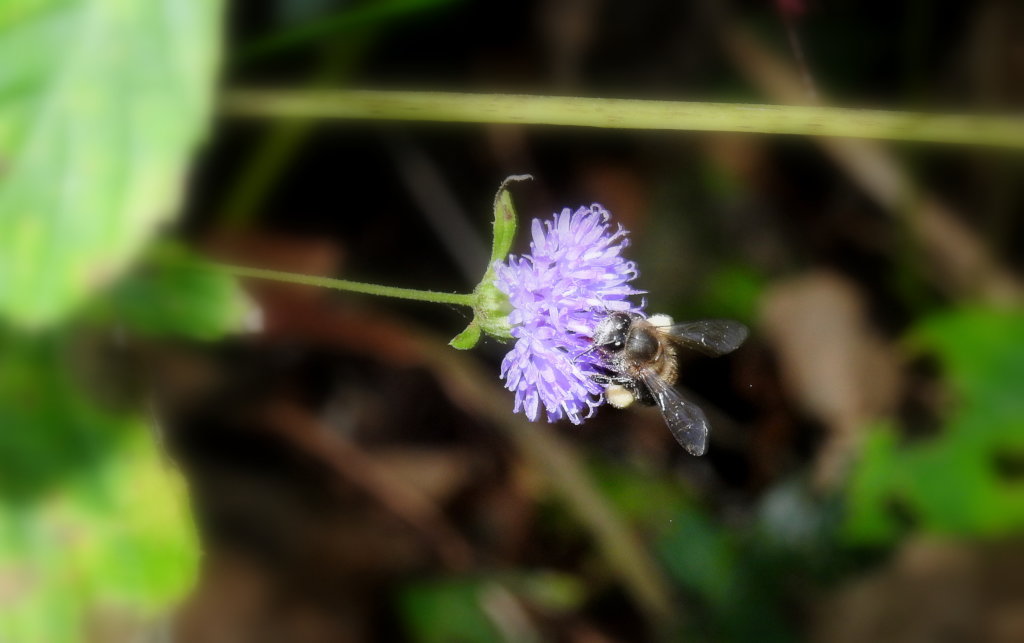
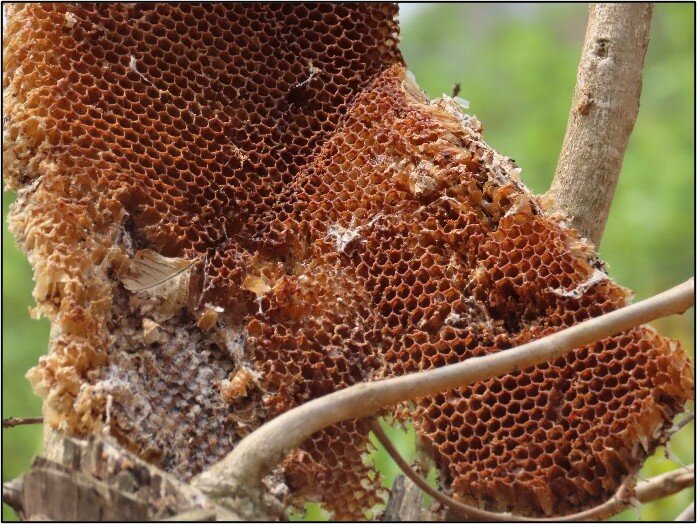
Sensing the atmospheric shift, colonies began to abandon their hives. One by one, the bee boxes stood silent—still frames of what was once a thriving partnership between forest, insect, and community.
For the Mahadev Koli people, this wasn’t just a loss of honey. It was a moment of reckoning. Their deep ancestral knowledge—honed over generations of living in tune with forest rhythms—was challenged by an unseen force: climate change.
Adapting with Wisdom and Resilience
While global conversations about climate change often center around rising urban temperatures, electric vehicles, or flood warnings, here in Bhimashankar, its impact is felt in subtler yet profound ways—through vanished pollinators, altered flowering cycles, and disrupted livelihoods.
Yet, what followed was not despair, but determination.
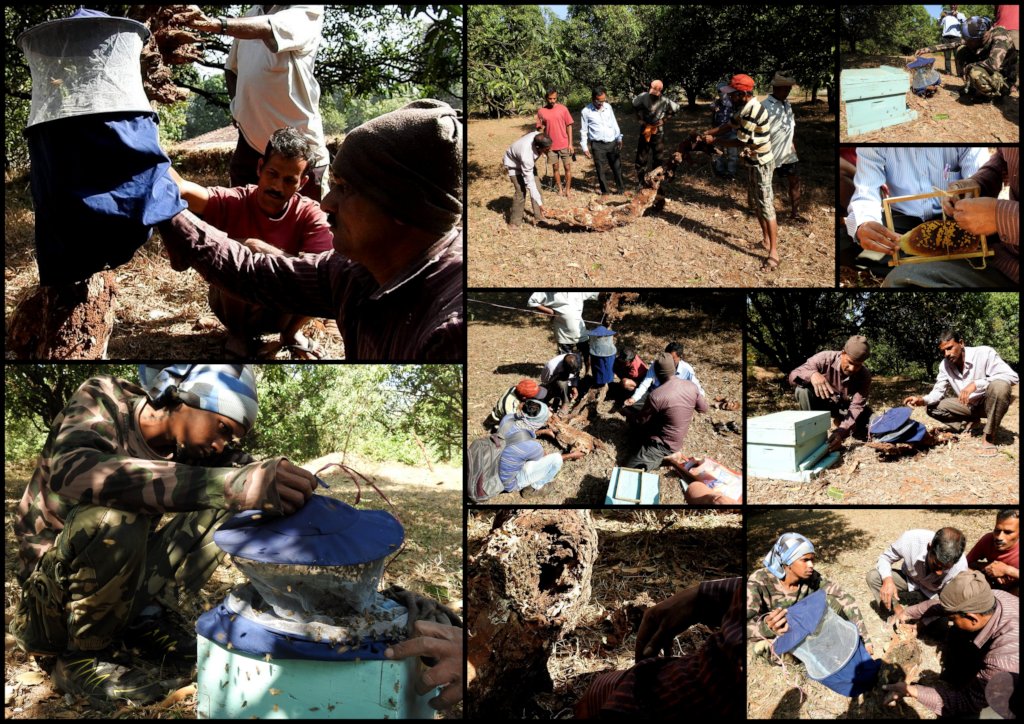
Supported by AERF, the Bee Champions gathered once again—sharing observations, recalling traditional knowledge from elders, and combining it with the scientific training they had received. Together, they began mapping “microclimates” within the forest—small pockets of stability where bees might find refuge even amidst extreme weather.
A new round of bee box training has been conducted, focusing on these climate-resilient areas. The team now waits patiently for November, when the forest will begin to dry and the next bee season begins. Their hope: that the bees will return, and the hum of life will fill the forest once again.
Hope That Hums
The story of Bhimashankar’s Bee Champions is not just about bees or honey—it’s about resilience. It is about how indigenous and forest-dependent communities at the frontlines of climate change are not passive observers but active problem-solvers.
Adaptation, as they show us, doesn’t always come from laboratories or policy frameworks—it comes from those who listen closely to the forest and respond with courage and creativity.
As AERF marks its 30th year, our commitment to community-driven conservation grows stronger. We continue to stand with the Bee Champions of Bhimashankar—empowering them to safeguard both their livelihoods and the delicate ecosystems that sustain us all.
With every bee box placed, every colony observed, and every drop of honey gathered, we are reminded of a deeper truth:
When people and nature work together, hope always finds a way to hum.
Thank you for being part of this journey. Together, we’re keeping the buzz alive.
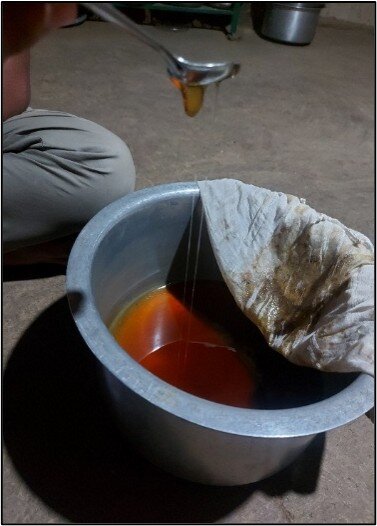
Project reports on GlobalGiving are posted directly to globalgiving.org by Project Leaders as they are completed, generally every 3-4 months. To protect the integrity of these documents, GlobalGiving does not alter them; therefore you may find some language or formatting issues.
If you donate to this project or have donated to this project, you can receive an email when this project posts a report. You can also subscribe for reports without donating.



Support this important cause by creating a personalized fundraising page.
Start a Fundraiser