By Shivani Datar | Field Researcher
Last year, the indigenous Mahadev Koli community living within the Bhimashankar Wildlife Sanctuary faced one of the most extreme and unpredictable weather patterns in recent memory. For generations, their lives have followed the rhythms of nature: summers dedicated to wild honey collection, pre- and post-monsoon months spent sowing and harvesting rice, and winters devoted to collecting Hirda (Terminalia chebula) mature fruits - still a primary source of income for many families.
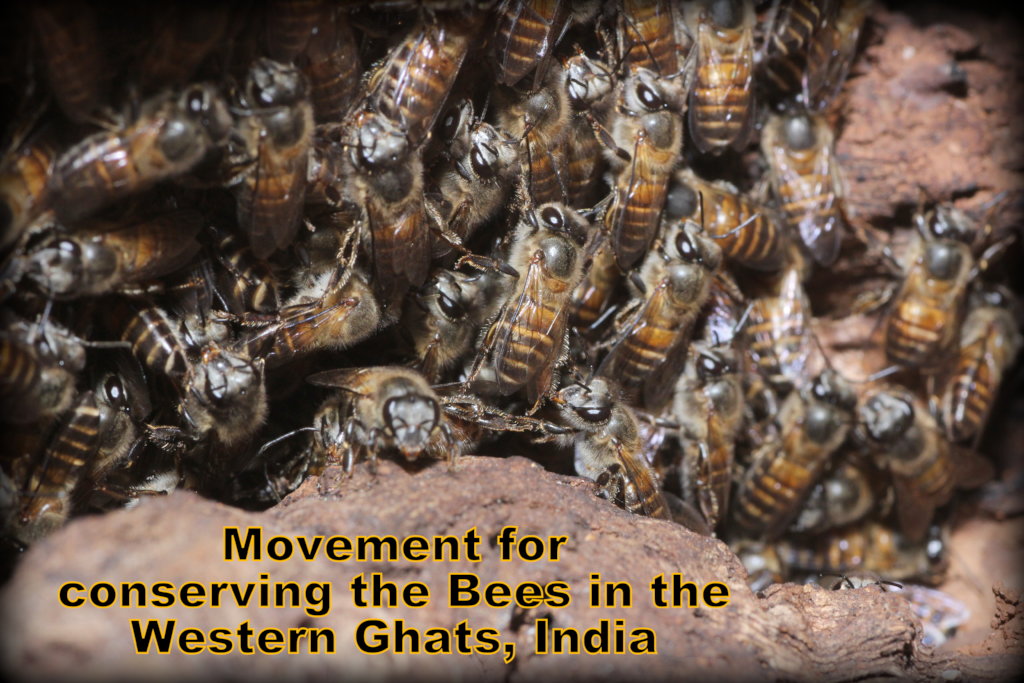
As summer arrived, the community turned to their rich traditional knowledge to track bees, locate hives, and populate the bee boxes provided by AERF to promote sustainable honey harvesting. However, this time-tested wisdom was challenged by the unseen yet powerful force of climate change. Cloudy summer skies suddenly gave way to an early and prolonged monsoon. Disoriented by the unusual weather, bees abandoned their hives and relocated. The excessive rainfall damaged rice crops and caused Hirda flowers to fall prematurely, resulting in a poor fruit yield during winter.
What could have been a moment of despair instead became a turning point for action and resilience.
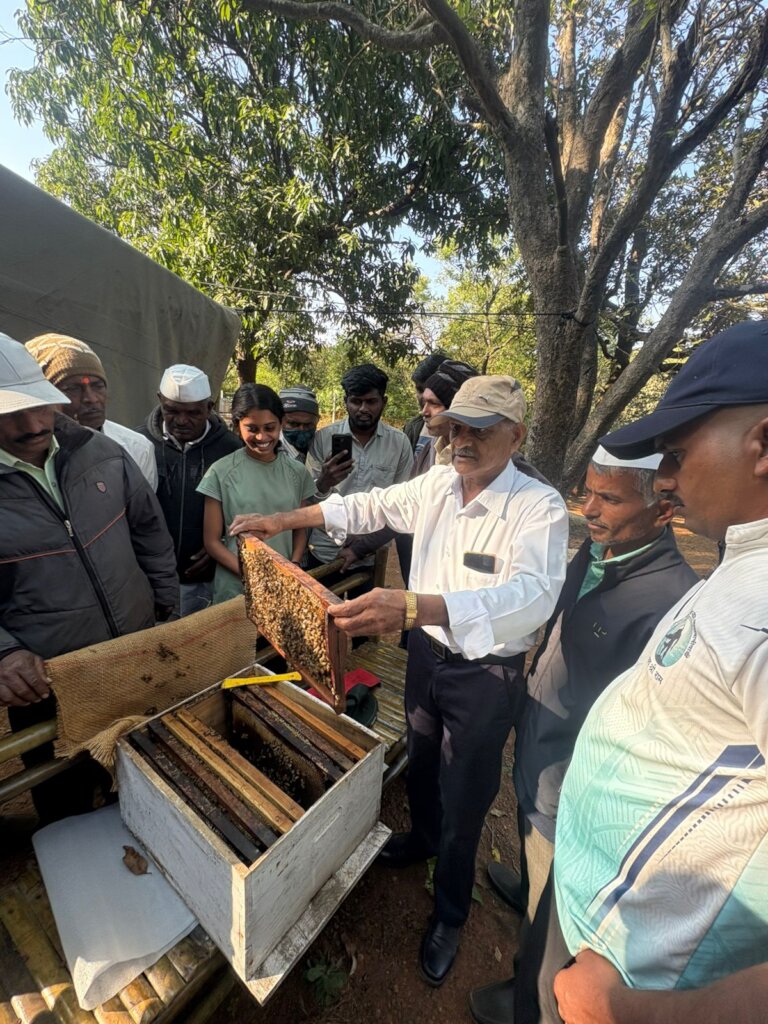
With the support of AERF, the community’s dedicated “Bee Champions” came together for an intensive four-day Beekeeping Training Workshop. The goal was not only to better understand the changing needs of bees, but also to explore new, sustainable livelihood opportunities beyond honey alone.
The training was held at the Jambhuldari Eco Lodge, nestled within lush forests alive with flowing streams, birdsong, butterflies, bees, and even giant squirrels, an ideal living classroom. Young and old alike participated, eager to learn and adapt.
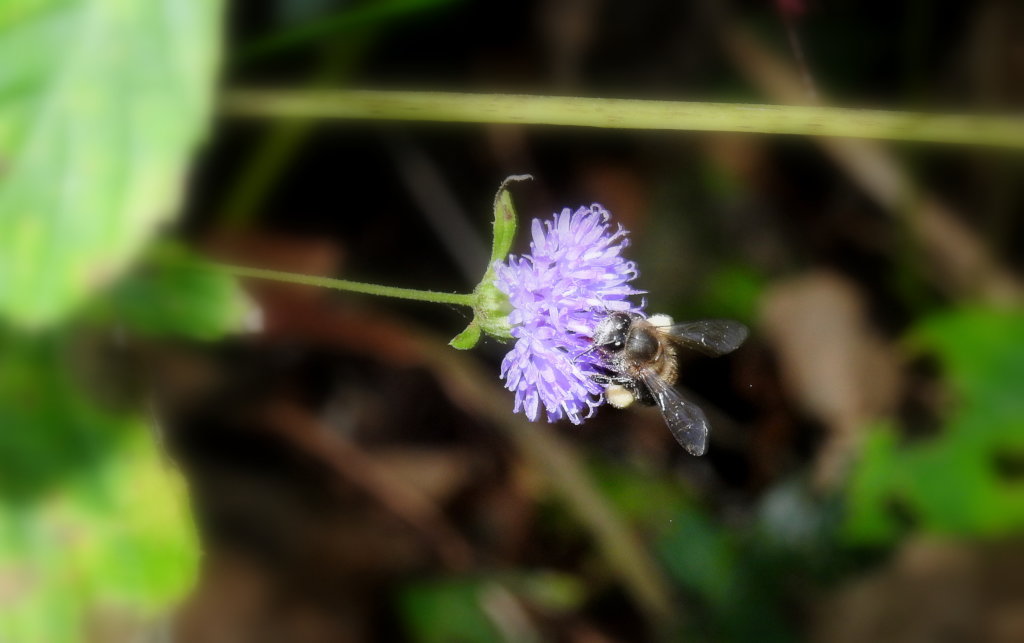
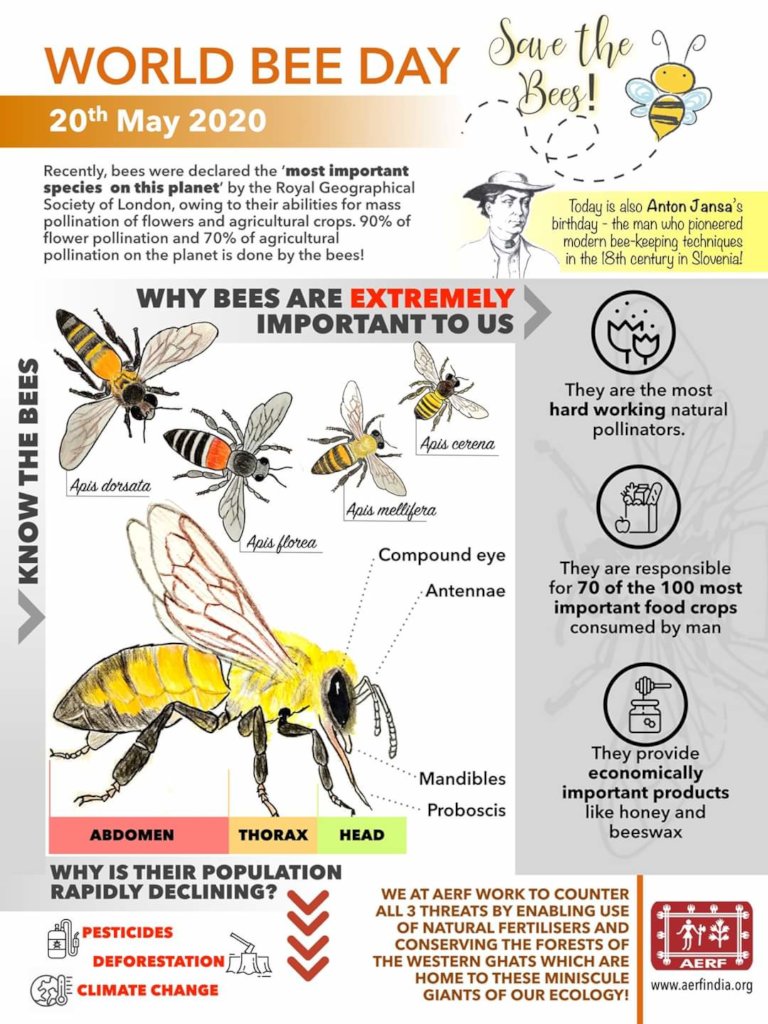
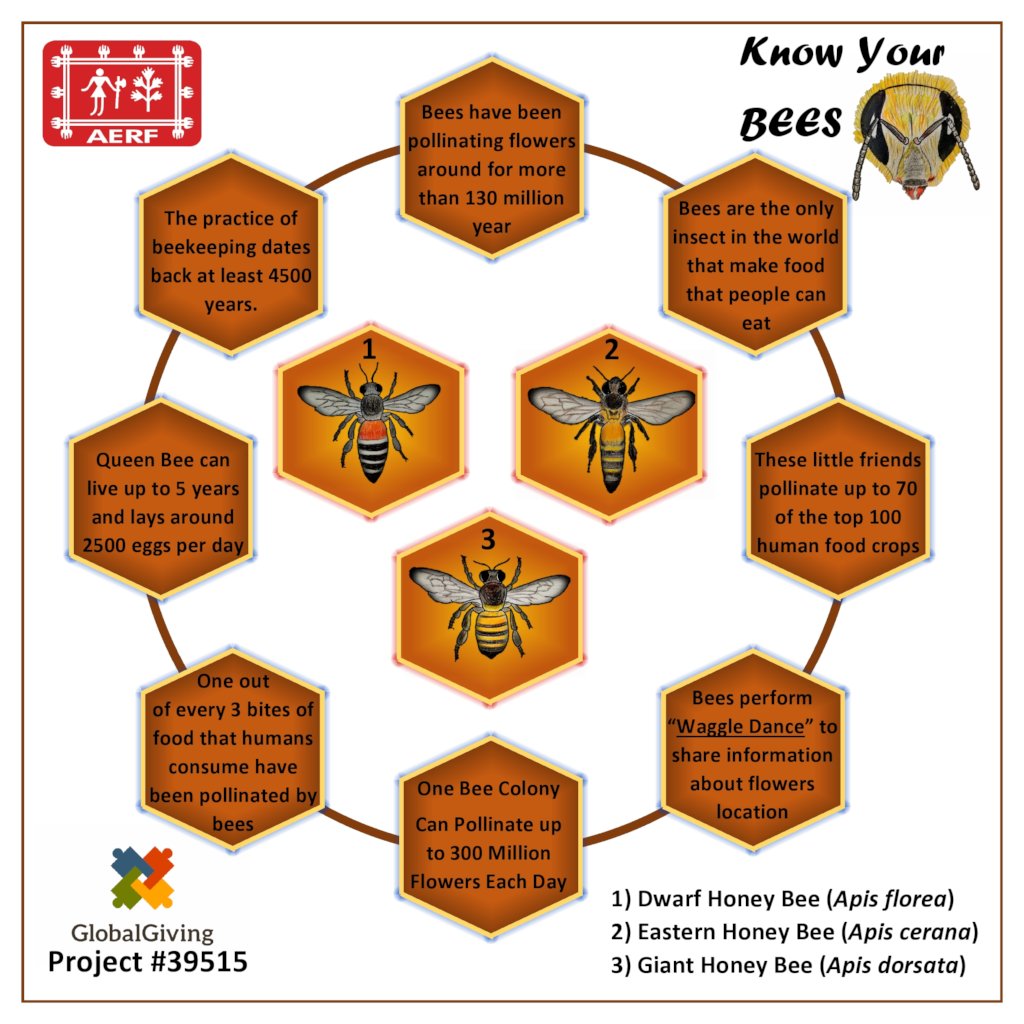
Day One focused on understanding local traditional knowledge. Experts introduced participants to the different species of honey bees found in the sanctuary and explained how honey derived from single floral sources carries unique flavours. Community members sampled honey made from Tulsi (Ocimum sanctum), Jamun (Syzygium cumini), Hirda (Terminalia chebula), Kadu Neem (Azadirachta indica), and Ova (Trachyspermum ammi), while also learning about market demand, pricing, and sales opportunities.
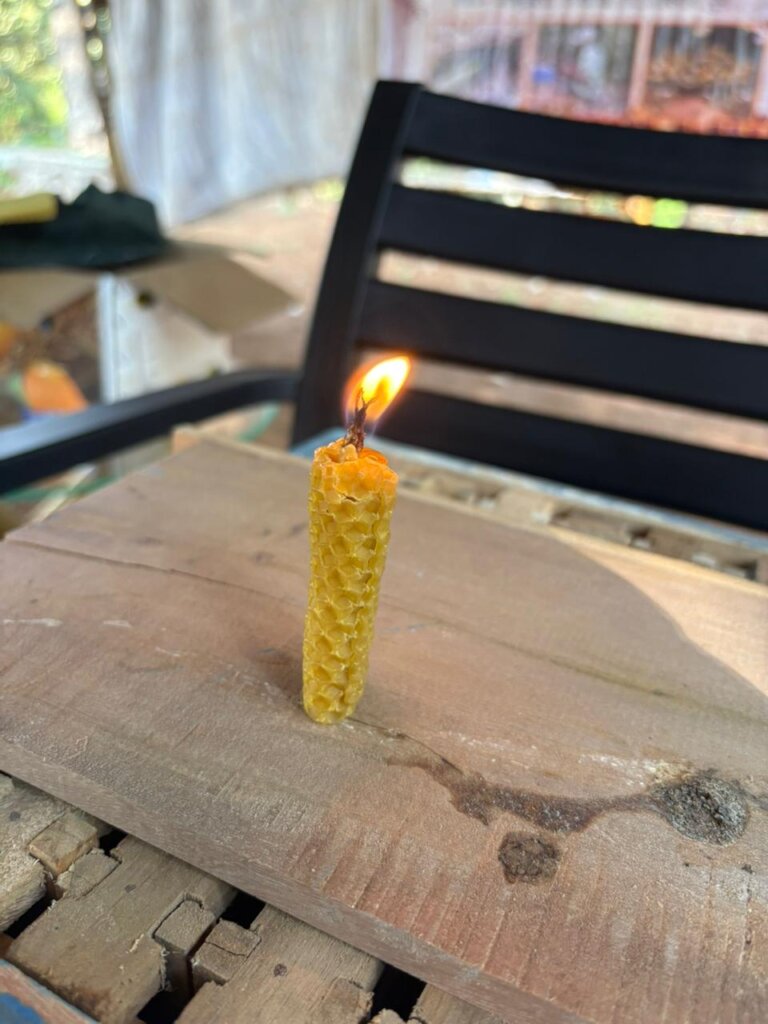
Day Two opened new doors to value-added products. Participants learned to create items from beeswax such as candles, lip balms, and VapoRub-style balms. They also prepared Shira (a traditional Maharashtrian breakfast item made from semolina, sugar, milk and cardamom powder cooked in Ghee), sweetened with honey instead of sugar-demonstrating how honey can be integrated into everyday life and nutrition.
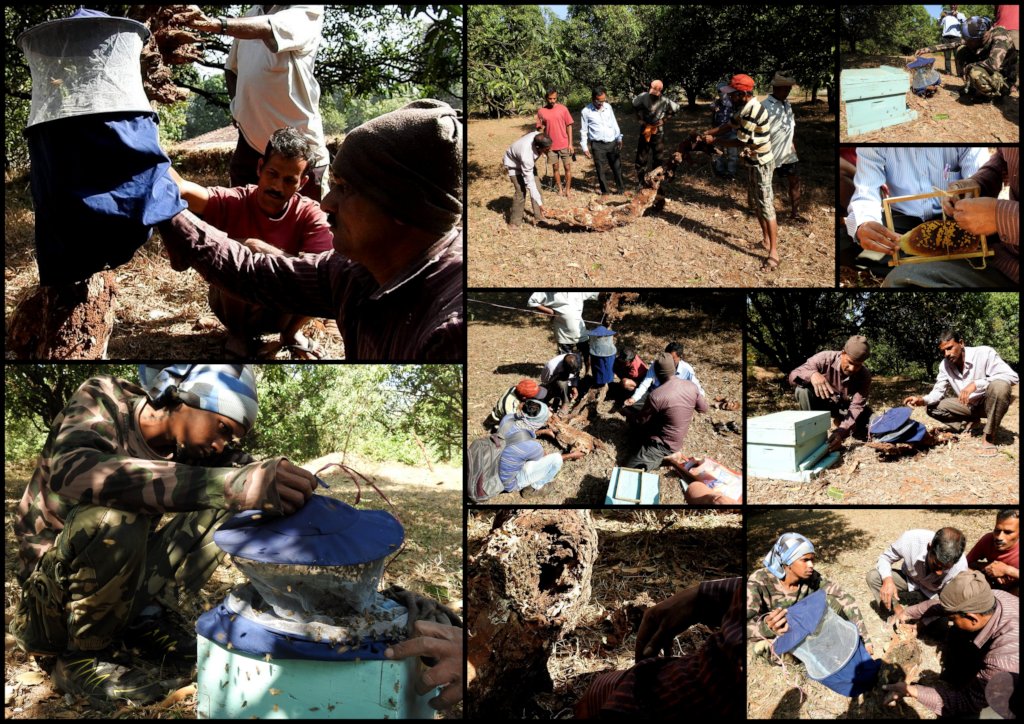
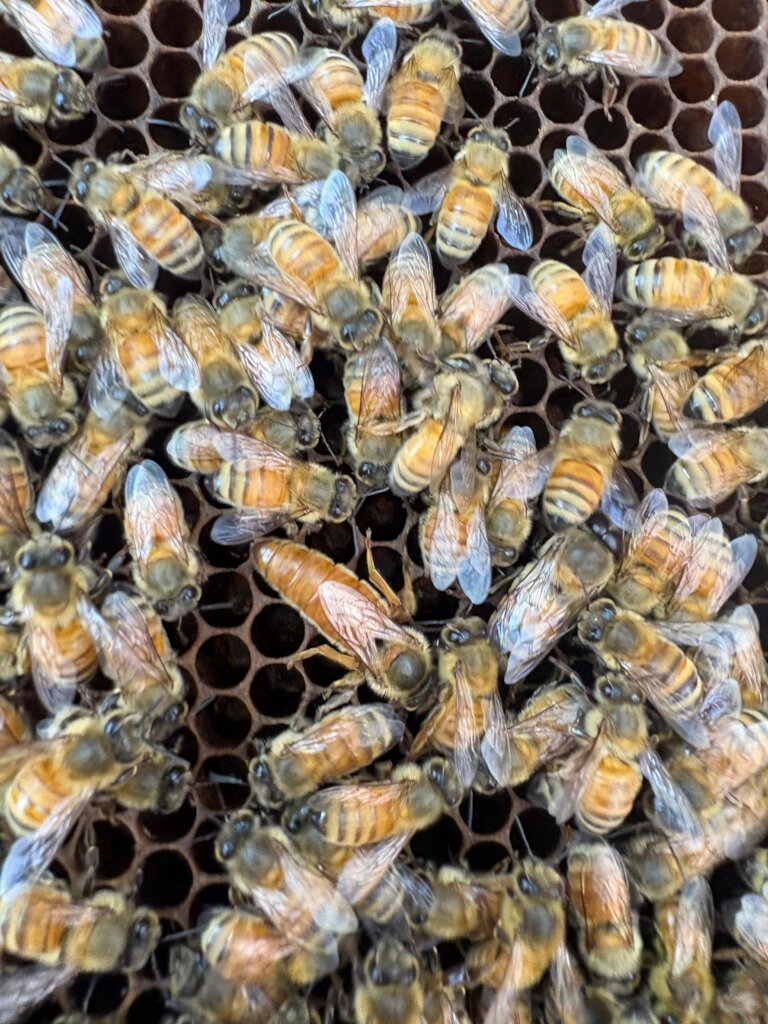
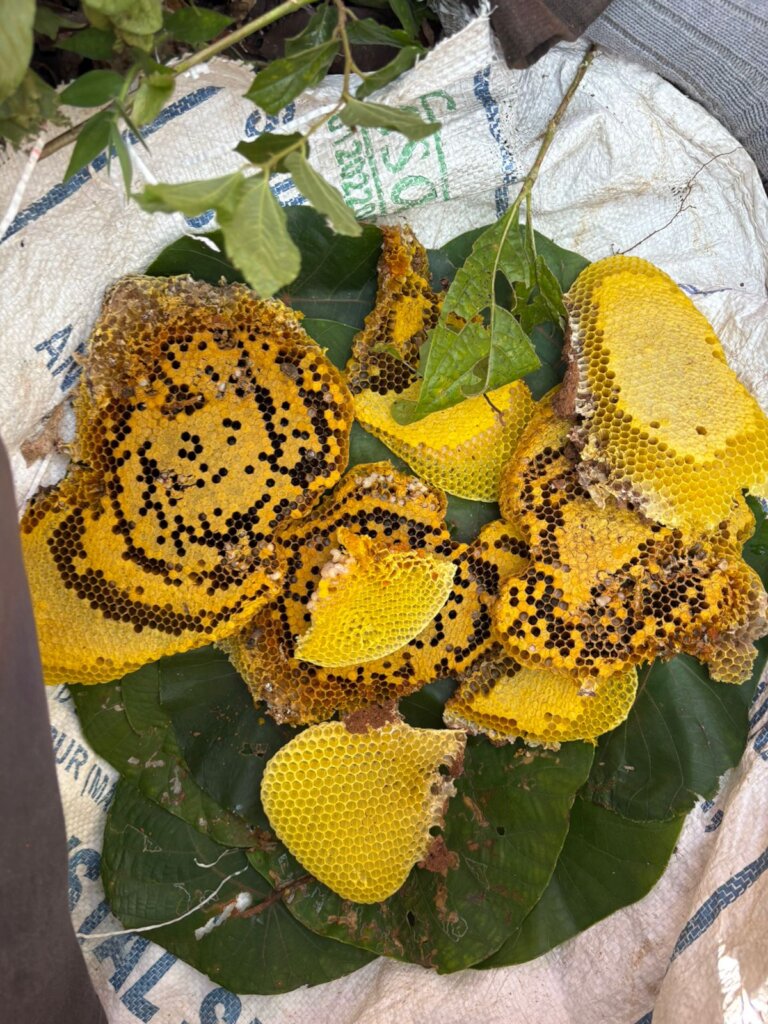
Day Three offered hands-on technical training. Participants learned about each component of a bee box, how it functions, and how to safely set one up. They practiced identifying and transferring a queen bee, managing worker and male bees, harvesting honey, filtering it, and bottling it for sale.
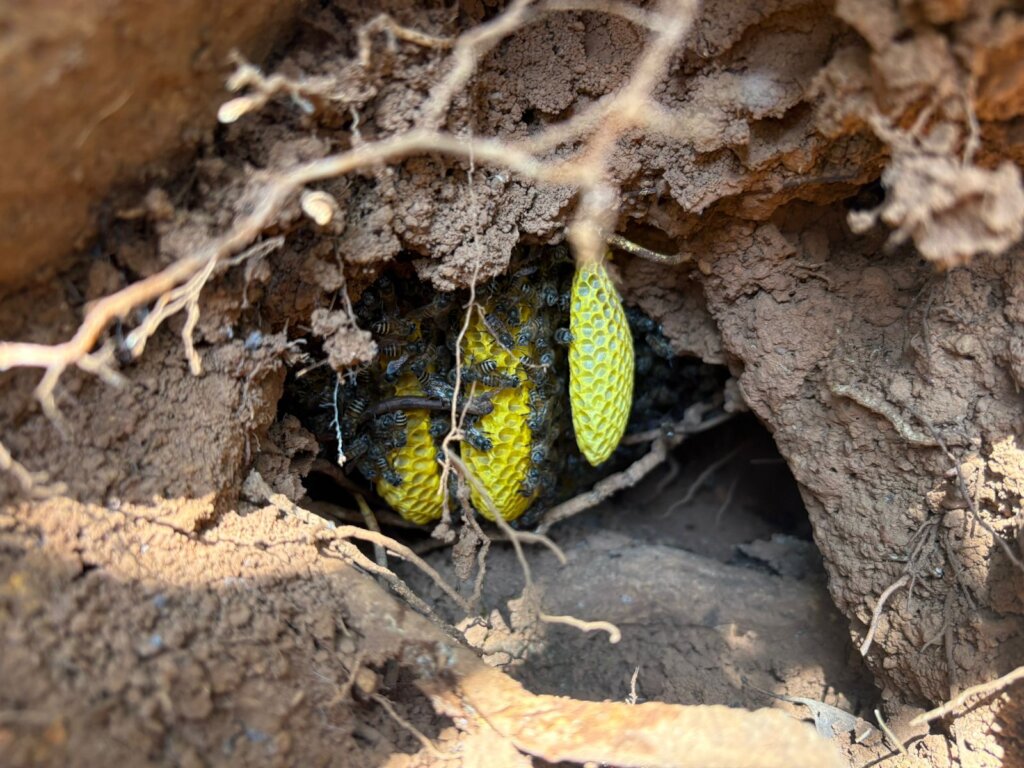
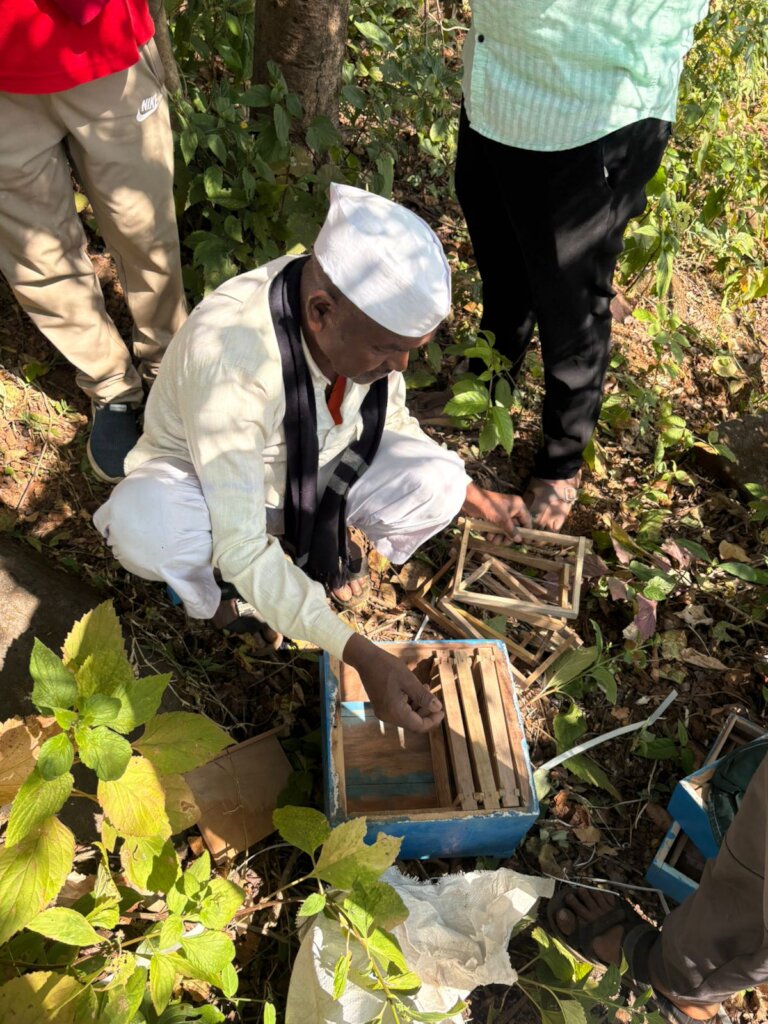
Day Four took learning into the forest. Guided by experts, participants tracked bees in the wild, located natural hives, and carefully transferred a queen bee into a managed bee box. As the colony followed, participants officially became caretakers of their own bee colonies, taking on a new responsibility and a renewed sense of ownership over their future.
A Hopeful Path Forward
This initiative is more than a training program; it is a lifeline. By blending traditional wisdom with modern ecological practices, the Mahadev Koli community is building resilience against climate uncertainty while protecting the forests they call home. Each bee box represents not just income, but food security, ecological balance, and dignity.
With continued support, these Bee Champions can expand sustainable beekeeping, create forest-friendly livelihoods, and inspire other communities facing similar challenges.
Project reports on GlobalGiving are posted directly to globalgiving.org by Project Leaders as they are completed, generally every 3-4 months. To protect the integrity of these documents, GlobalGiving does not alter them; therefore you may find some language or formatting issues.
If you donate to this project or have donated to this project, you can receive an email when this project posts a report. You can also subscribe for reports without donating.



Support this important cause by creating a personalized fundraising page.
Start a Fundraiser