By IsraAID Myanmar Emergency Team | IsraAID Myanmar Emergency Team
Central Myanmar is still recovering from two major earthquakes – 7.7 and 6.4 magnitude - that struck four months ago, on March 28, 2025. Although exact numbers are difficult to estimate, at least 5,000 people were killed and thousands more displaced. Myanmar was already experiencing several underreported humanitarian crises: almost 20 million people were affected by four years of armed conflict, political instability, flooding, and interruption of basic services in the lead-up to this emergency. The earthquake, which affected more than 6.5 million people, only added to their existing vulnerabilities.
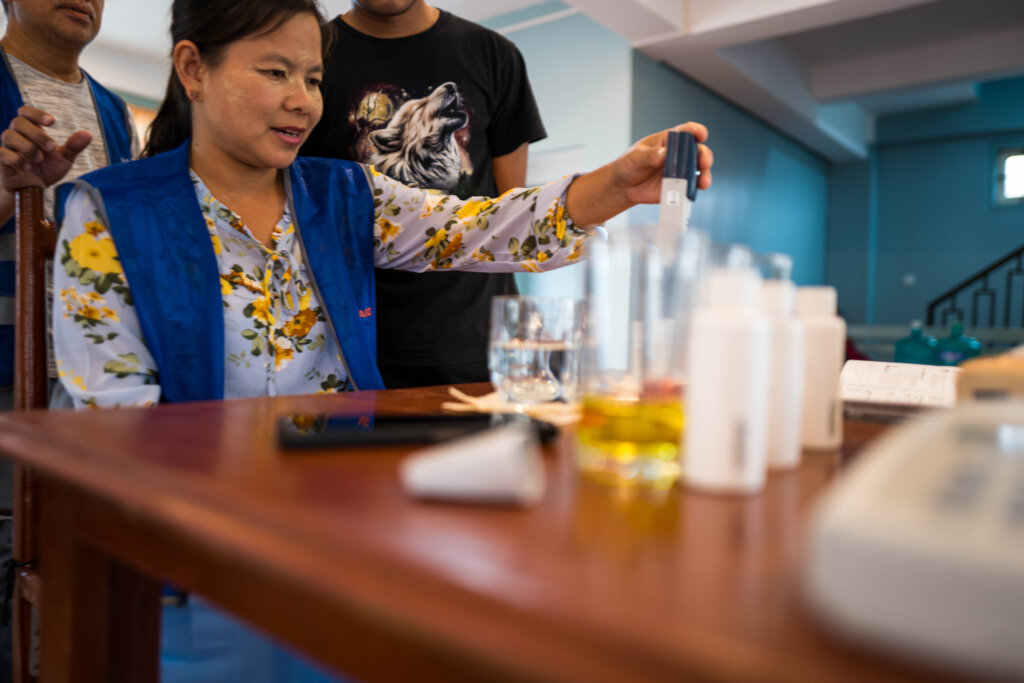
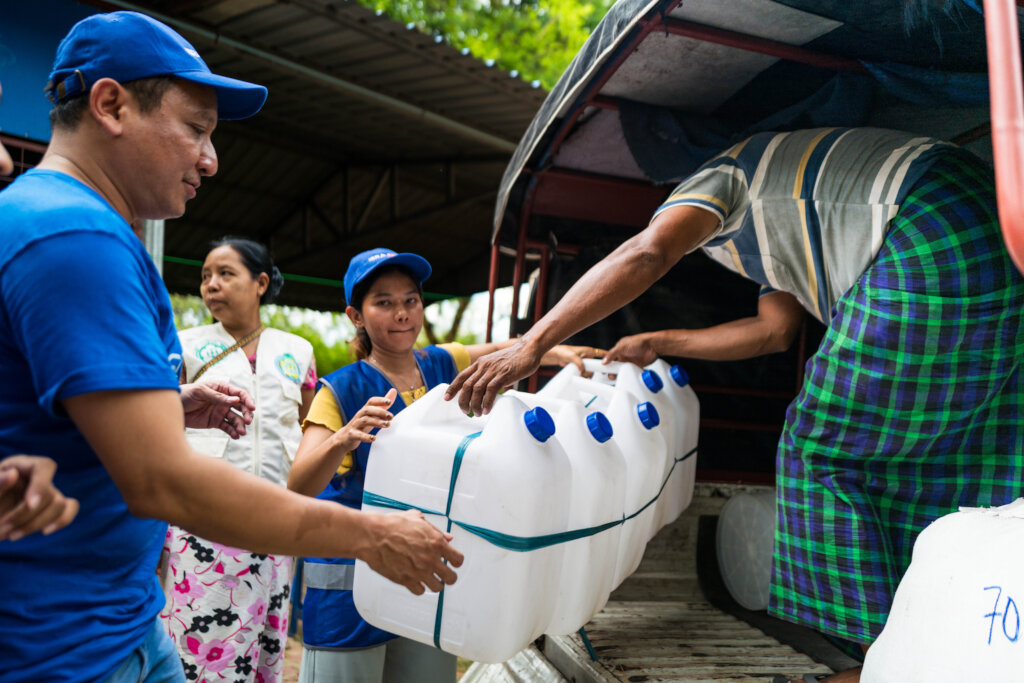
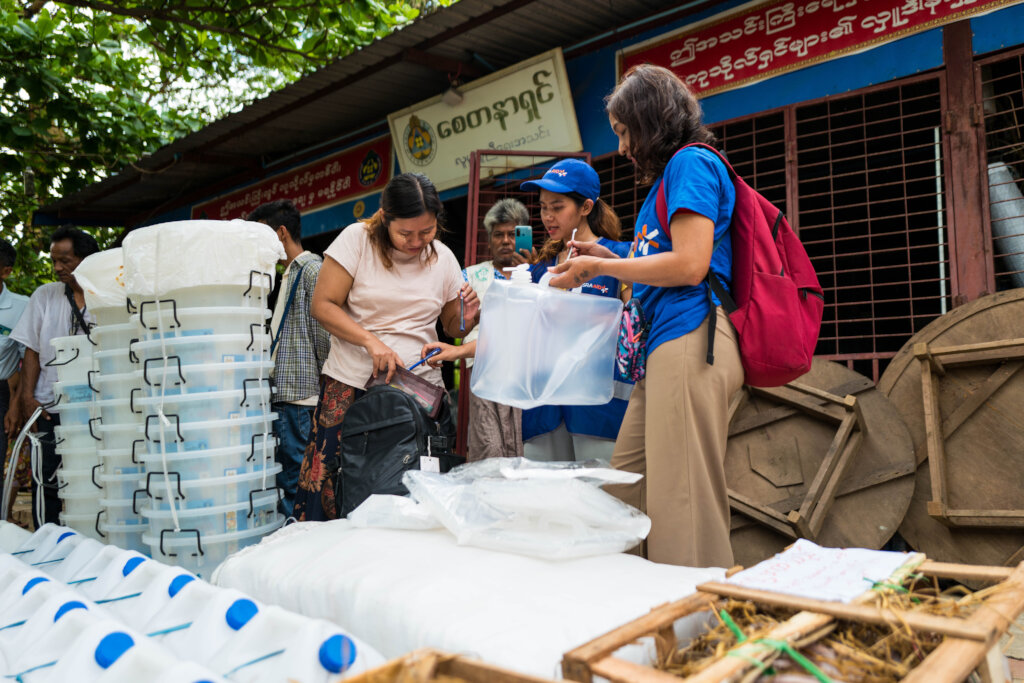
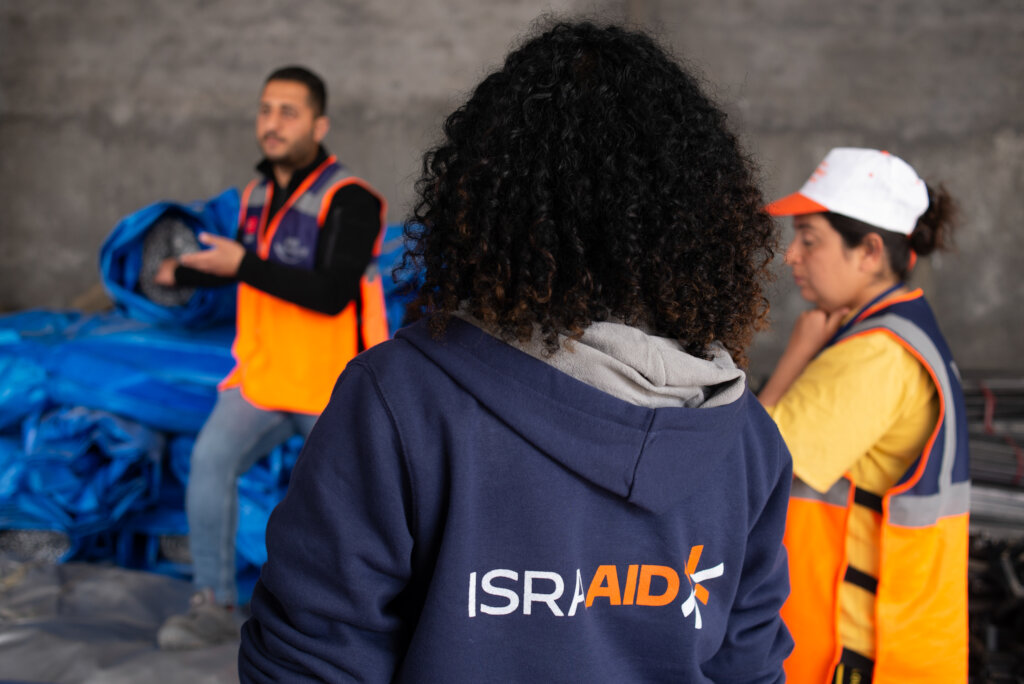
With damaged infrastructure threatening a secondary health crisis and mental wellbeing at risk, IsraAID’s emergency response experts deployed within 48 hours. We immediately partnered with local organizations to provide hundreds of the worst-affected households, including internally displaced people (IDPs), with essential relief items. These included dignity kits, mosquito nets, jerry cans, solar lamps, and water filters. The filters - 426 in total – are large enough to serve 1-2 households or an entire community. We prioritized schools, hospitals, and monasteries, especially those housing IDPs, to reach thousands of vulnerable people.
Today, we are developing longer-term strategies to support communities’ self-led resilience, focusing on those severely exposed to further crises.
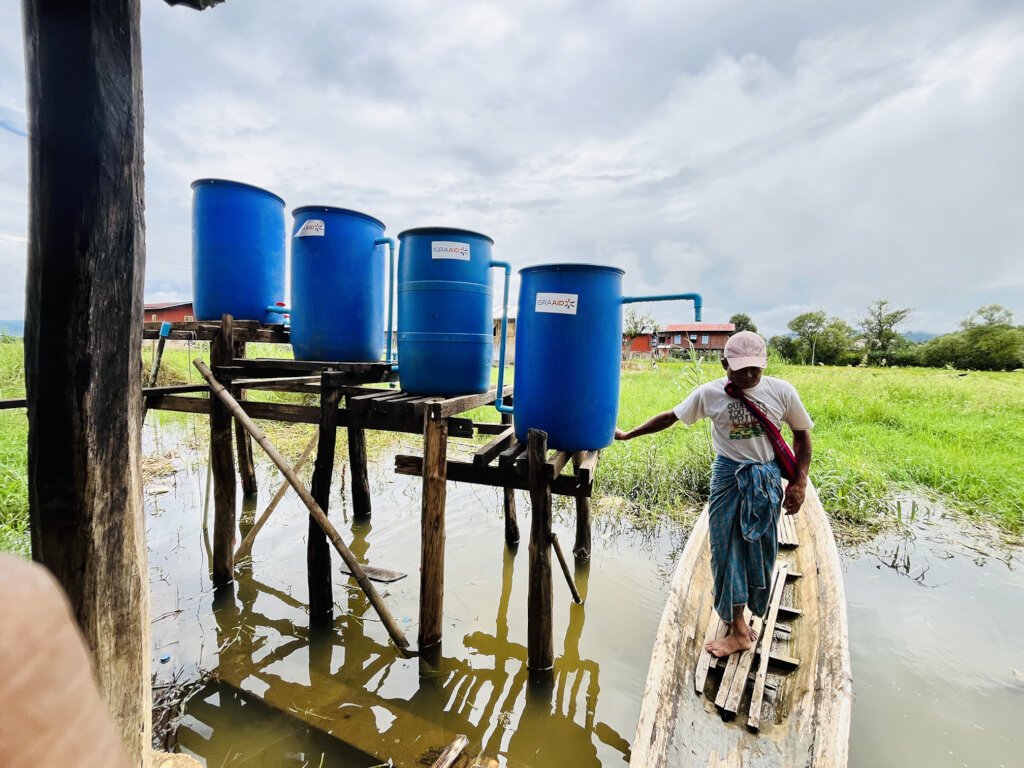
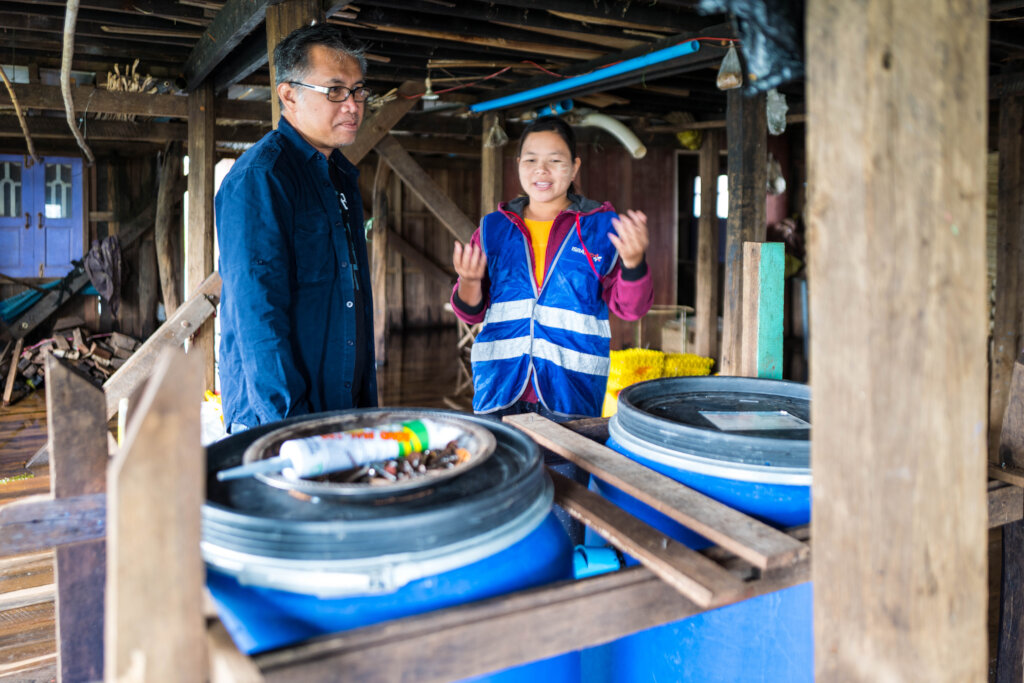
For example, communities surrounding Inle Lake, one of Myanmar’s natural wonders, were still recovering from last year’s floods when the earthquake struck. It contaminated the lake, which compromised wells and latrines, and damaged other sanitation facilities, increasing the risk of waterborne diseases. IsraAID worked with five Inle Lake communities to design two solutions: a household sanitation model and a community-based water system. Both combine traditional knowledge with low-cost technology, using local materials. They are designed to be affordable, sustainable, and resilient to flood risks. The models can be scaled up to other local areas, and they are suitable for floating and in-land communities alike.
We also worked with a local partner organization, CMMDA, to restore safe water access in 11 rural villages with damaged or salinized water sources. We reached more than 9,000 people, serving the entire population in each village. Each solution was tailored to the village’s individual needs, and community members were involved at every stage, from design to delivery.
We couldn't do it without you - thank you for your support!
Project reports on GlobalGiving are posted directly to globalgiving.org by Project Leaders as they are completed, generally every 3-4 months. To protect the integrity of these documents, GlobalGiving does not alter them; therefore you may find some language or formatting issues.
If you donate to this project or have donated to this project, you can receive an email when this project posts a report. You can also subscribe for reports without donating.



Support this important cause by creating a personalized fundraising page.
Start a Fundraiser