By Anoopa Mathews | Project Assistant
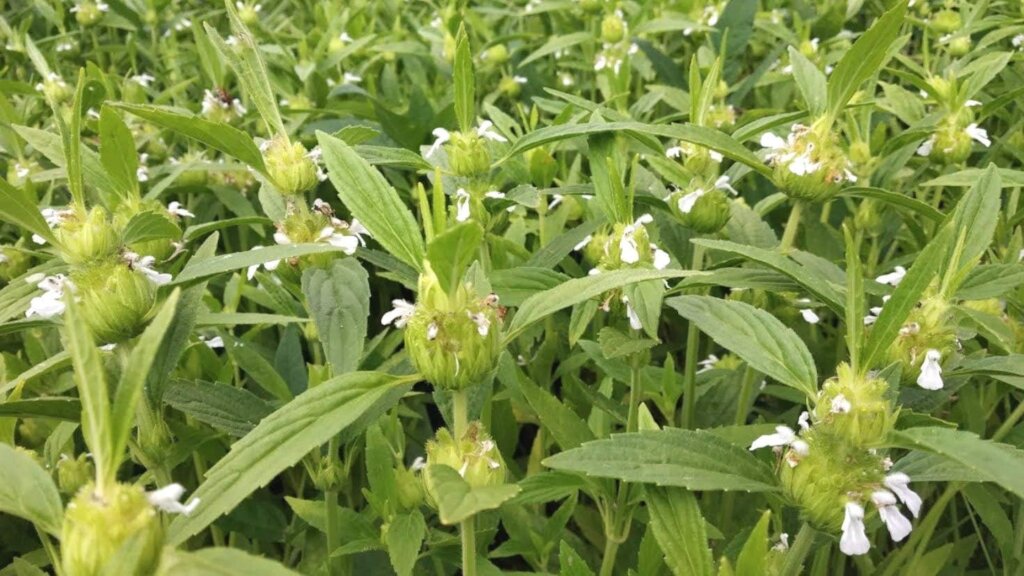
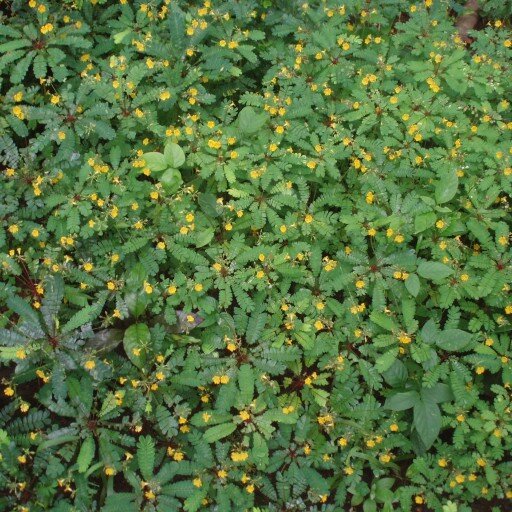
Onam, Kerala’s beloved national festival, is not only a celebration of unity and culture but also a festival of flowers. Traditionally, children and families would gather wildflowers from their homesteads and farms to create pookkalam (floral carpets) in the ten days leading up to Onam. This practice was deeply tied to Kerala’s ecology—native plants bloomed in abundance between the southwest and northeast monsoons, filling every courtyard with vibrant colors and medicinal blossoms.
But today, this living tradition is fading. With urbanization, changing landscapes, and the dominance of exotic ornamental plants, native wildflowers have become rare. Many species once vital for rituals, pollinators, and local ecosystems are disappearing. Children no longer recognize these plants—instead, they buy market flowers often grown with harmful chemicals. Along with biodiversity loss, this cultural disconnect is erasing centuries of traditional ecological knowledge.
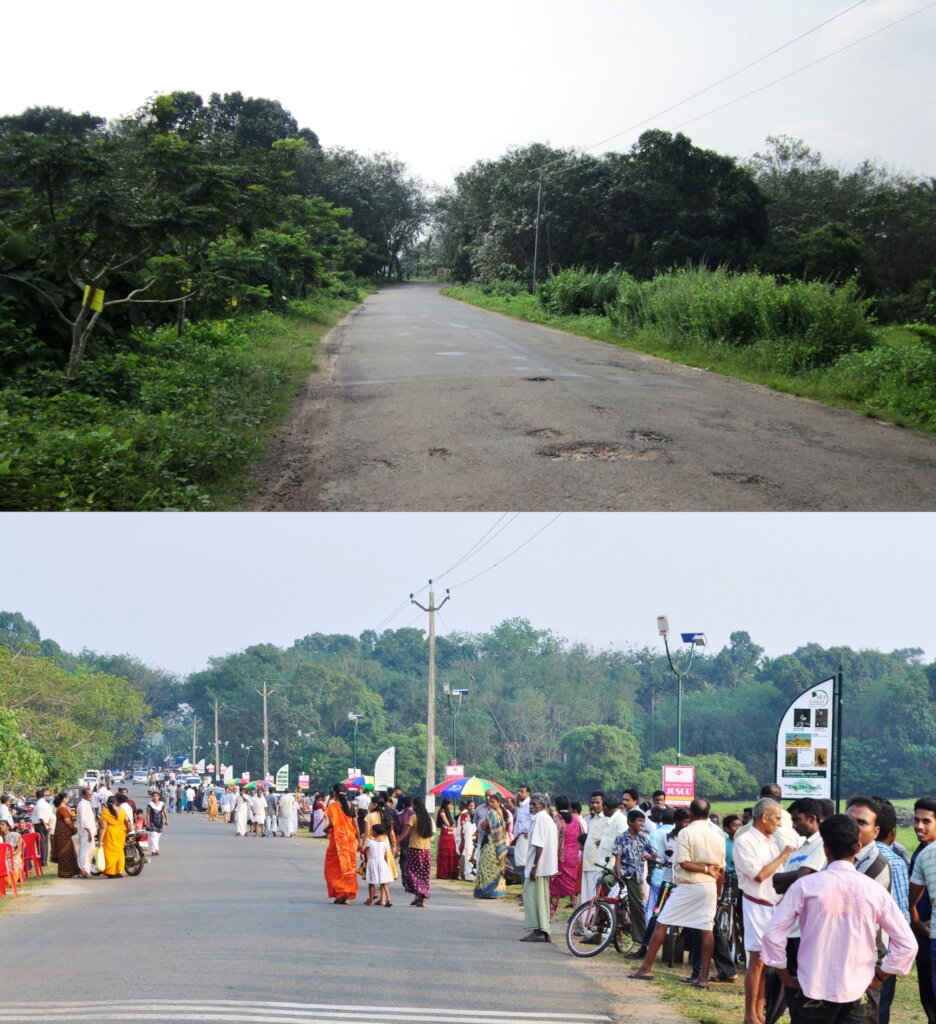
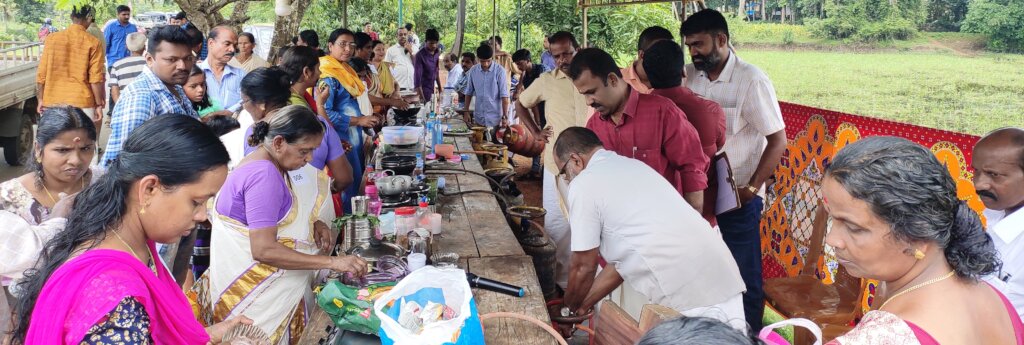
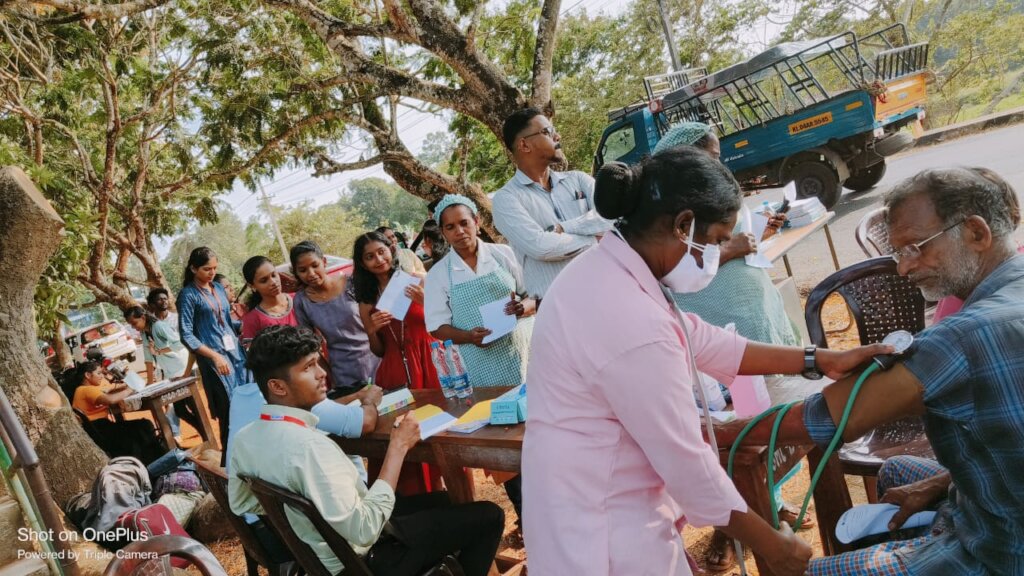
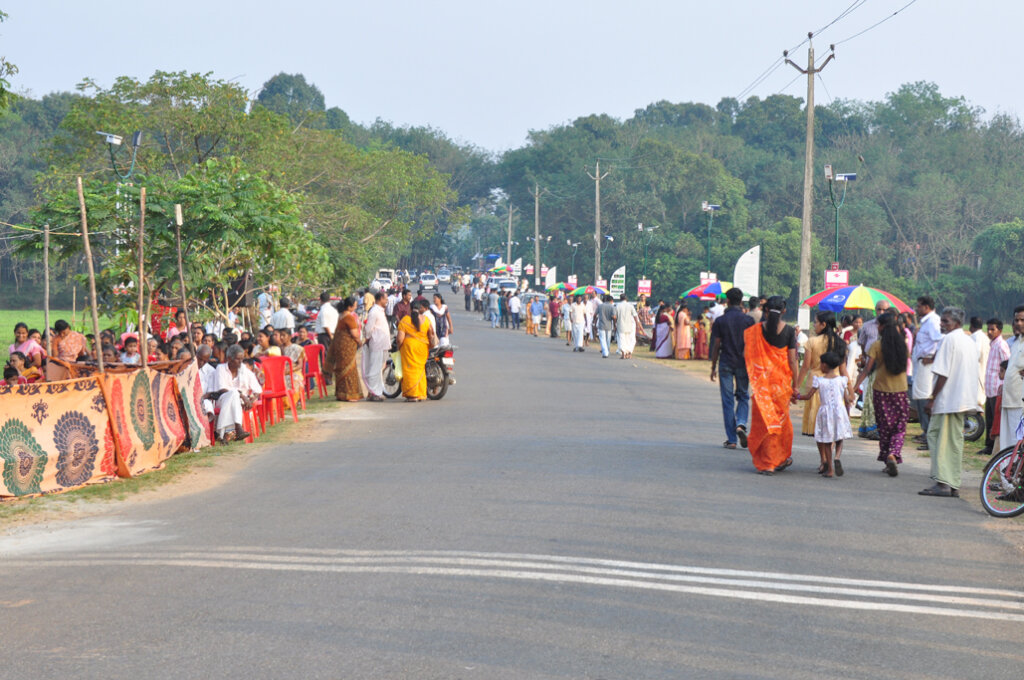
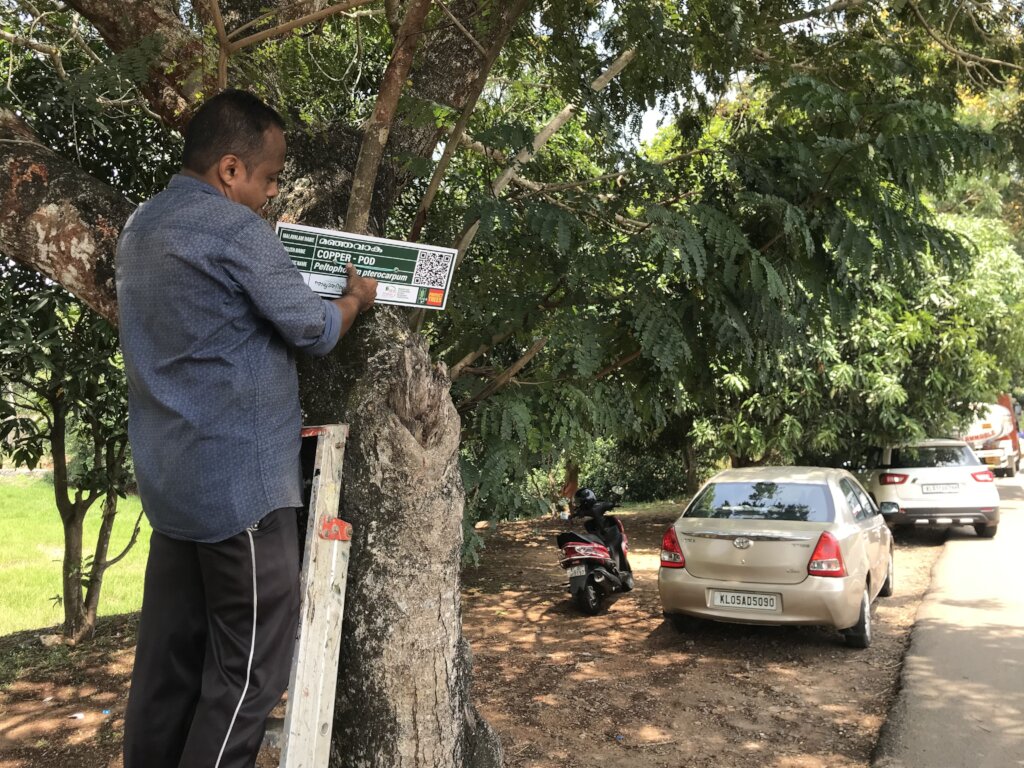
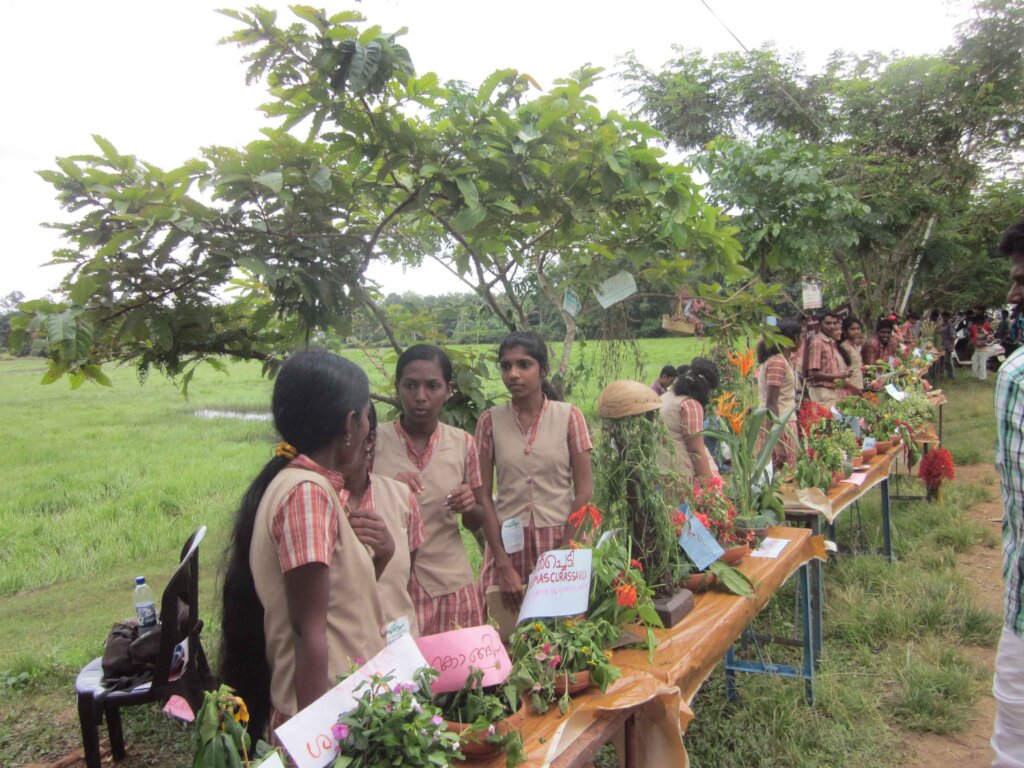
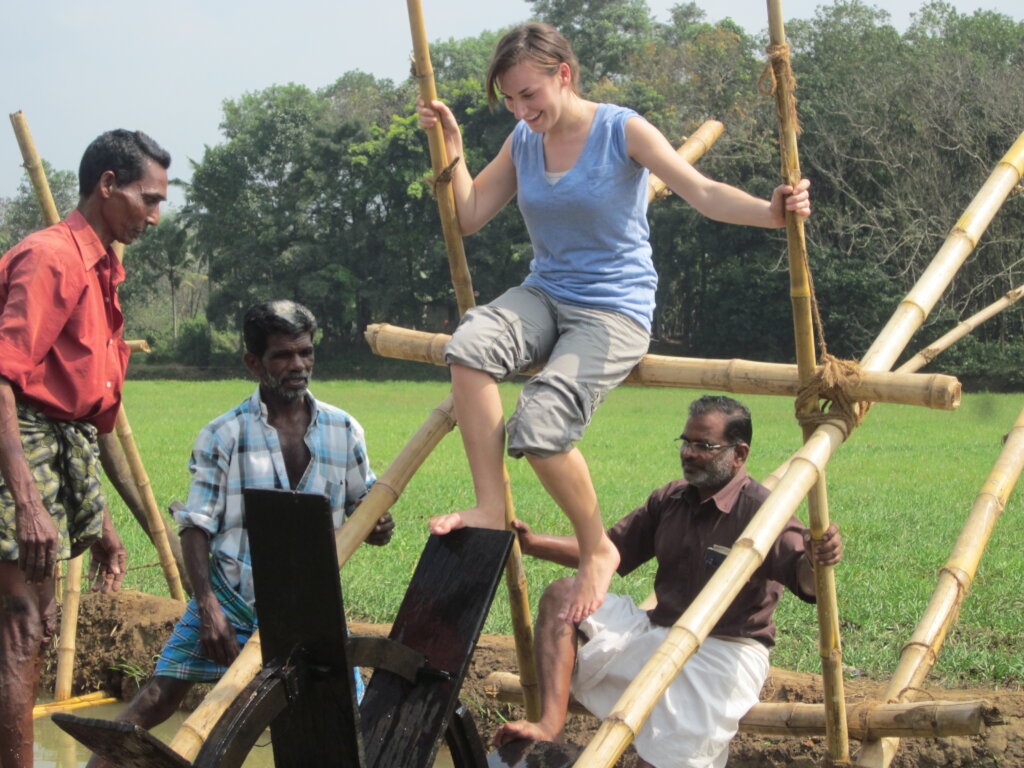
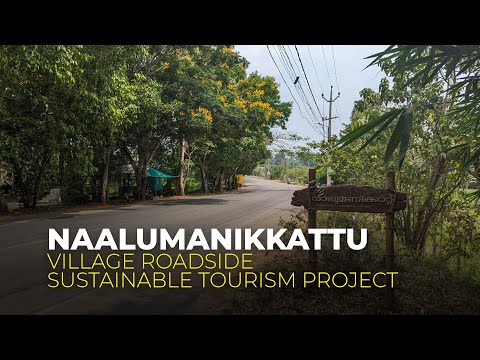
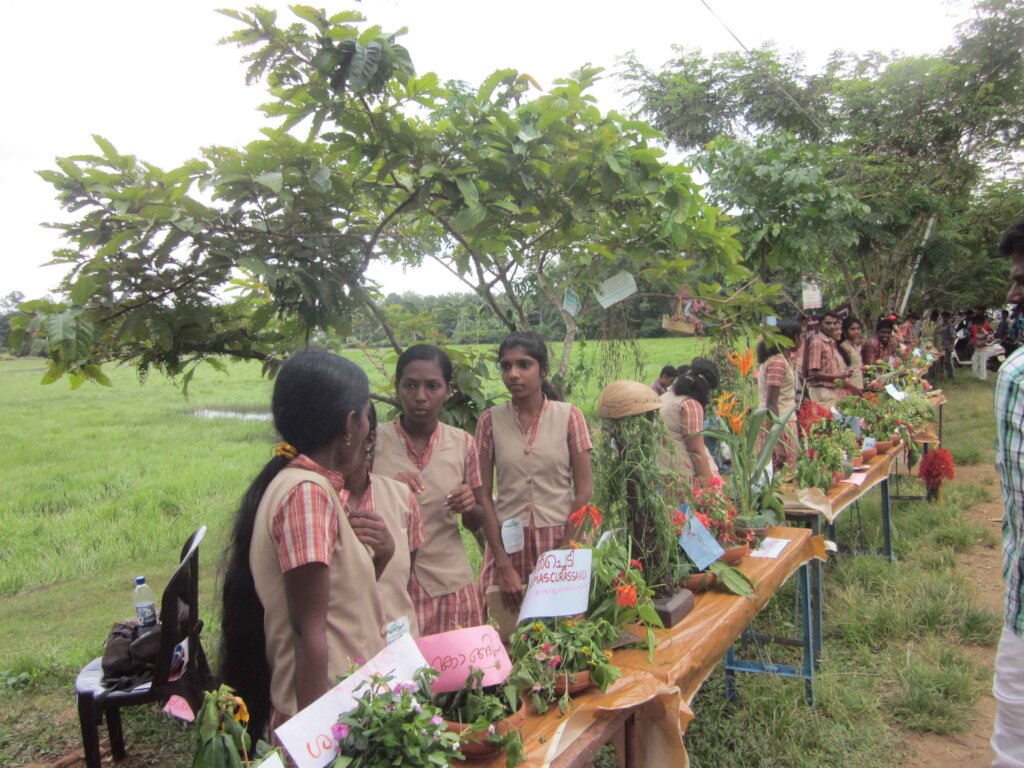
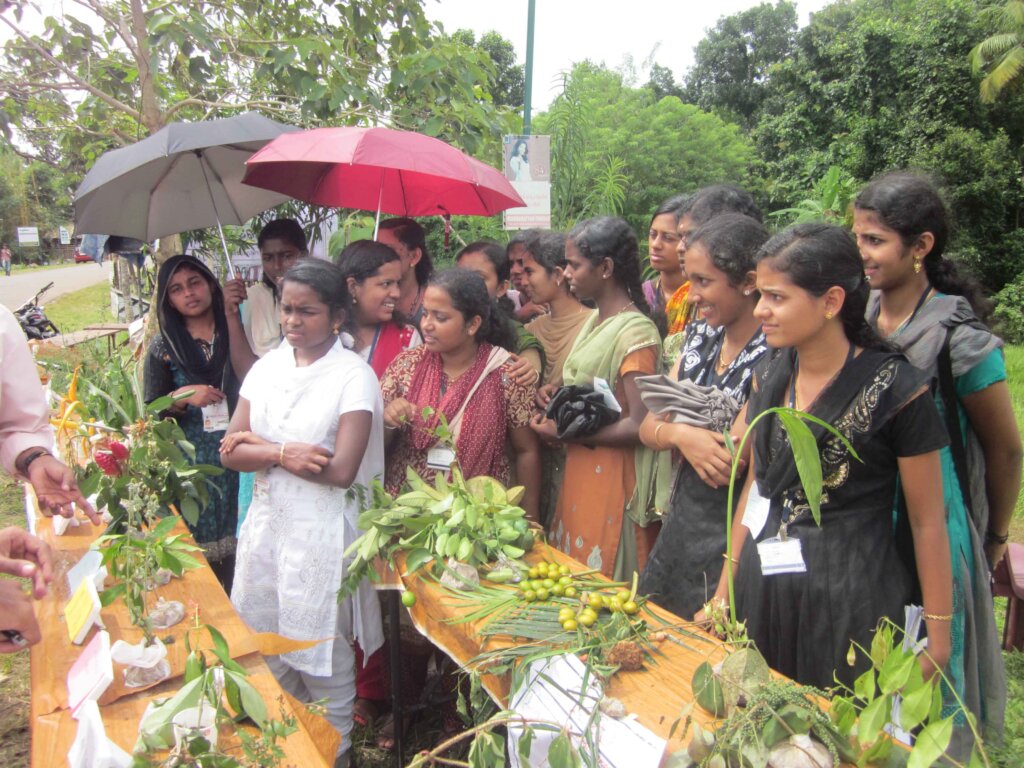
In response, the Tropical Institute of Ecological Sciences (TIES) launched the Wild Flower Show in 2015. Now in its 5th edition, held at Naalumanikaattu—India’s first village roadside eco-tourism project—the event has grown into a vibrant interschool and intercollegiate competition. Students, guided by their teachers, collect and display native wildflowers in living exhibits. These displays not only celebrate Kerala’s floral wealth but also raise awareness about invasive species, disappearing habitats, and the urgency of biodiversity conservation.
The Wild Flower Show is more than an exhibition—it is a movement. By reviving homestead biodiversity, it safeguards pollinators, birds, amphibians, and countless other species that depend on native plants. It also preserves cultural traditions, inspires ecological stewardship among youth, and creates a bridge between science, community, and heritage.
Your donations make this possible. Every contribution helps us:
The impact of your support goes far beyond the event itself. By empowering students—the future guardians of nature—you are investing in awareness, conservation values, and sustainable action. The Wild Flower Show is now a model of how communities can blend tradition with modern conservation to protect our shared natural heritage.
We sincerely thank our donors and well-wishers. Your generosity is not just funding an event—it is nurturing biodiversity, reviving culture, and securing a greener future for Kerala. Together, let us celebrate the beauty of wildflowers, reconnect with our roots, and conserve the ecosystems that sustain us all.
Project reports on GlobalGiving are posted directly to globalgiving.org by Project Leaders as they are completed, generally every 3-4 months. To protect the integrity of these documents, GlobalGiving does not alter them; therefore you may find some language or formatting issues.
If you donate to this project or have donated to this project, you can receive an email when this project posts a report. You can also subscribe for reports without donating.



Support this important cause by creating a personalized fundraising page.
Start a Fundraiser