By David Mabry | Executive Director
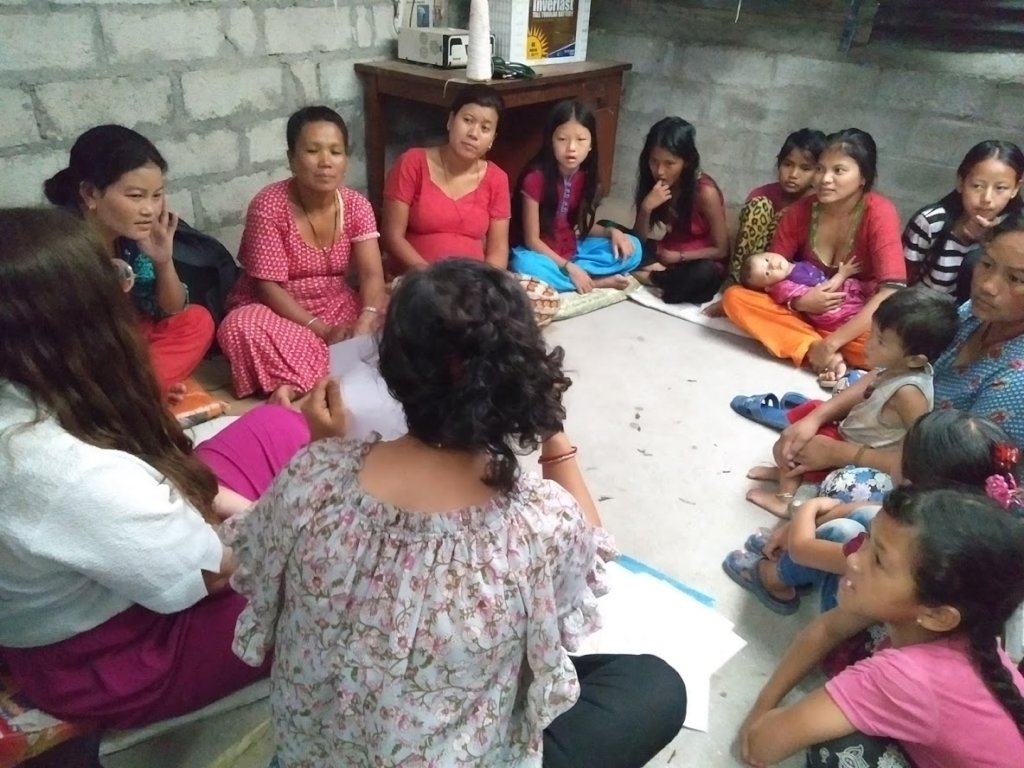
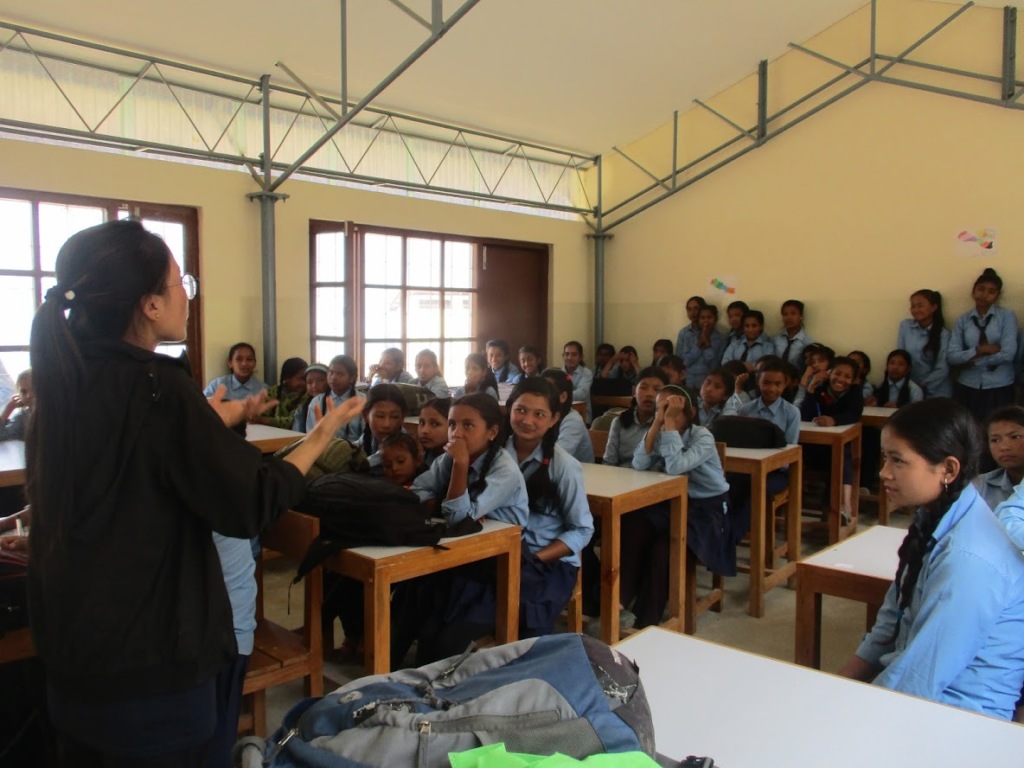
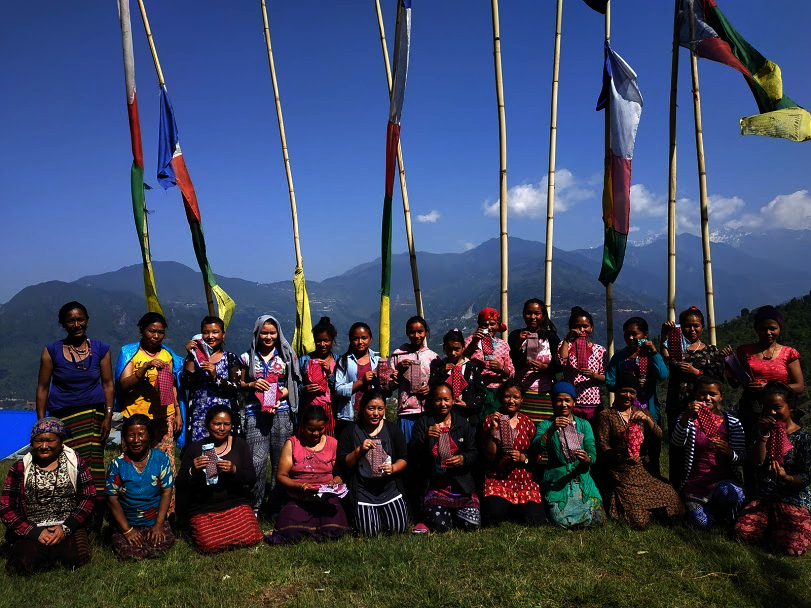
During our last update we described training hosted on health and hygiene to women and girls in two rural villages and one urban carpet factory in Nepal, and conducting surveys to plan future activities. Since then we have been hard at work planning upcoming activities in the fall and winter and coordinating with other organizations to reach new groups of women and girls.
Since June, Aythos has worked with other organizations in our goal to find the right solutions for women and girls besides commonly used unsanitary old clothes. Commercial pads are available in urban areas with more limited supply as populations become more rural; though poverty requires knowledge of, and comfort with reusable pads in all areas of Nepal.
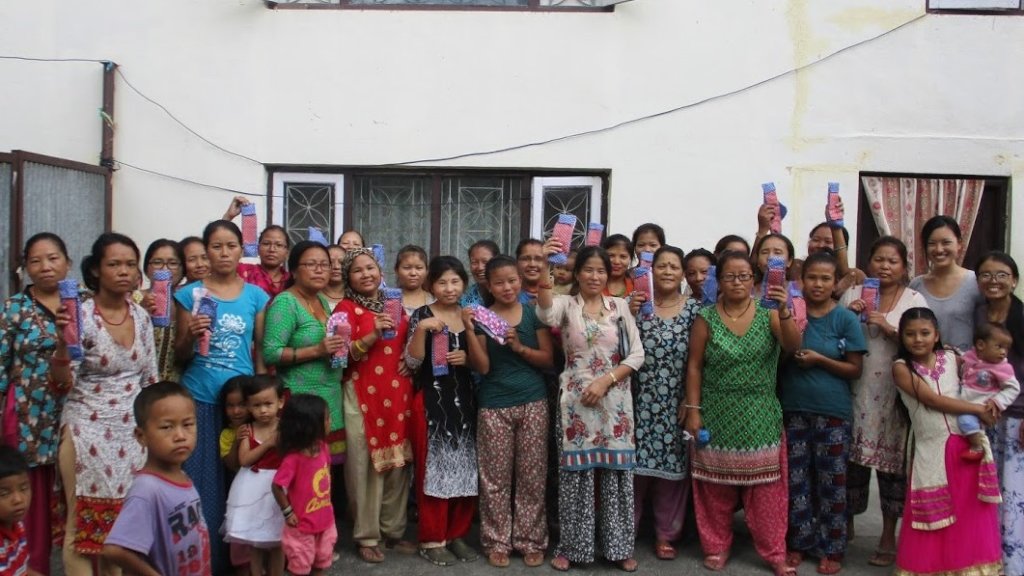
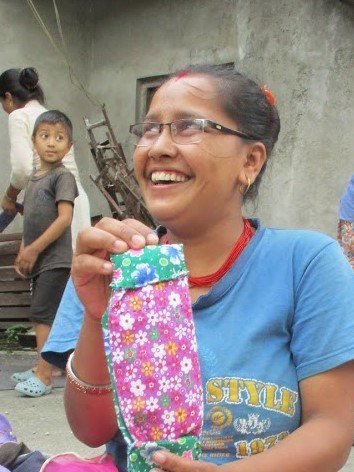
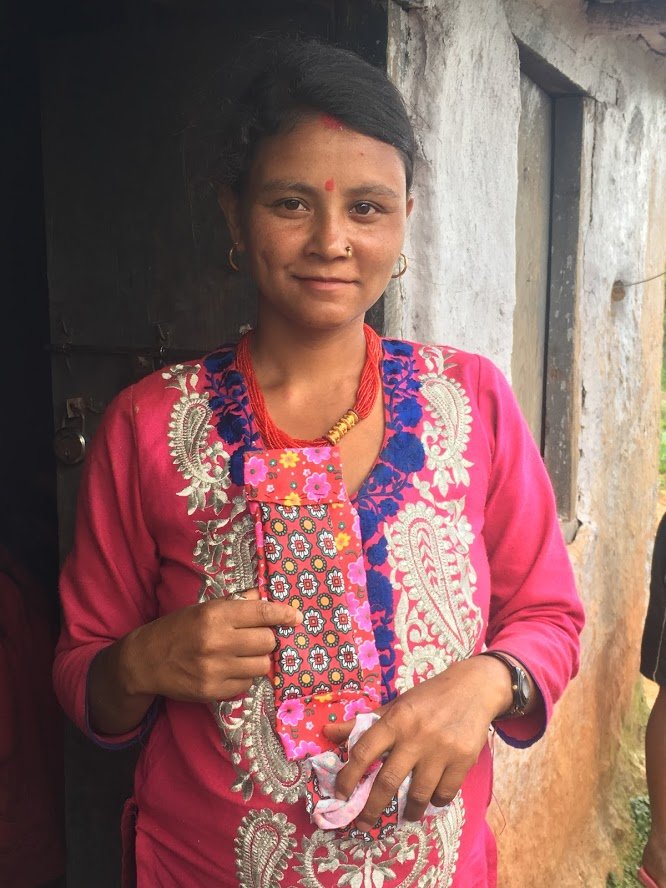
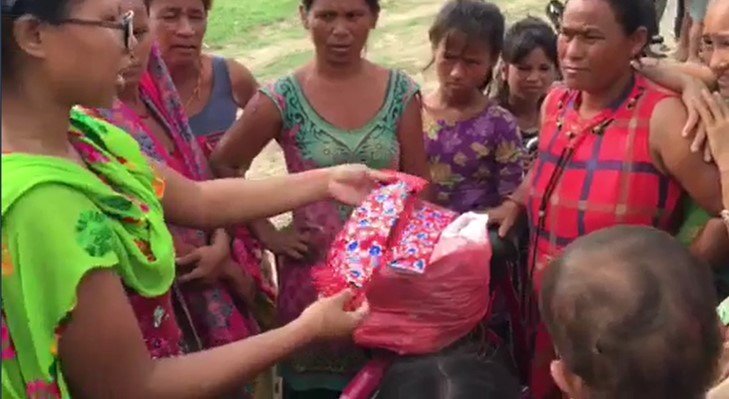
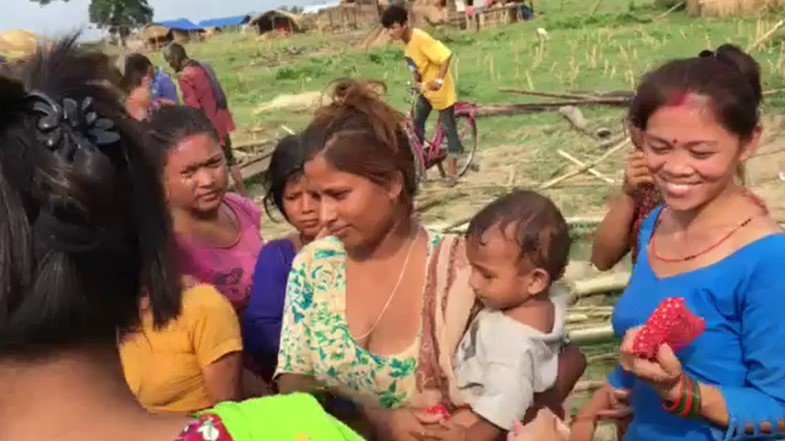
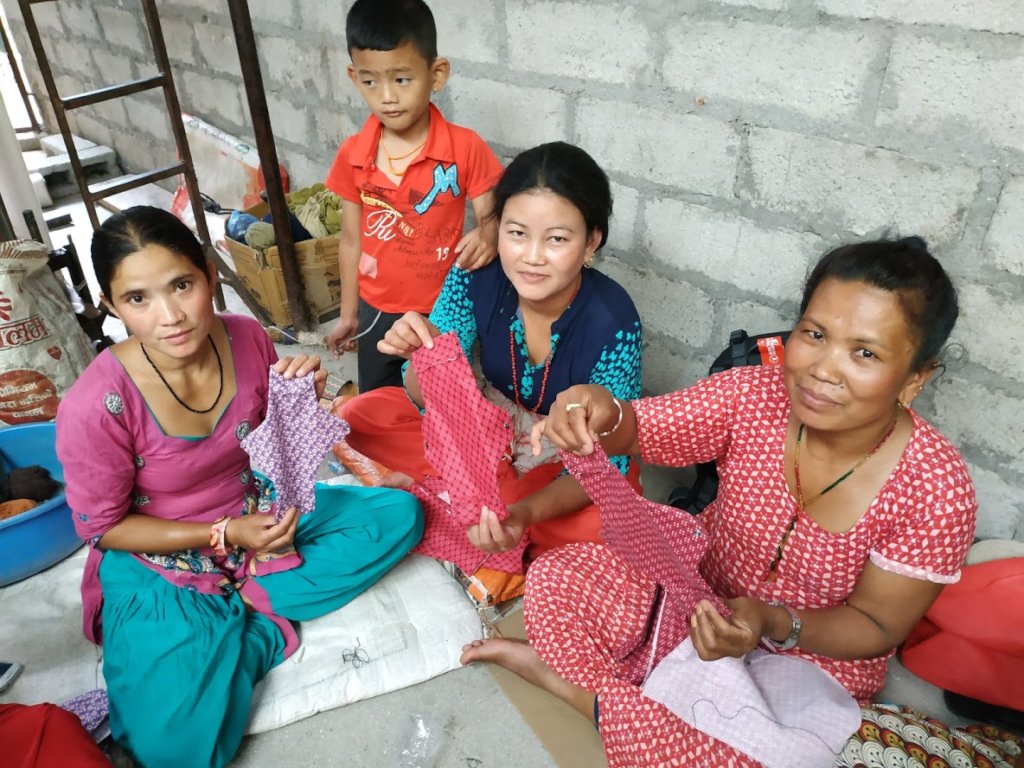
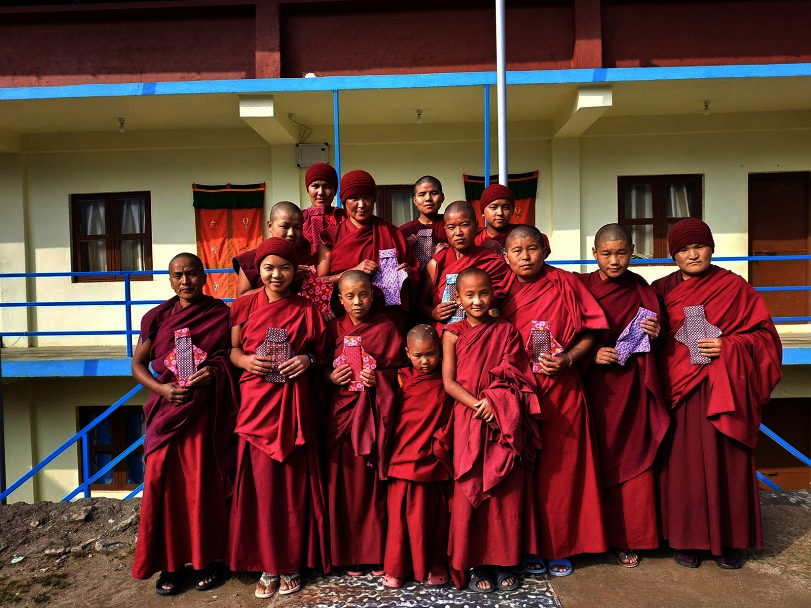
Working with Her Turn to provide free reusable pads during a three-day health conference, it is an opportunity to get feedback on different approaches. In addition, Aythos is coordinating with The Moon Catcher Project to focus on distribution of pads in coming weeks and working with Namaste Nepal to conduct training on health, hygiene, and making reusable pads in various rural communities. Aythos also worked with Girls Empowered by Travel to distribute reusable pads to 75 women and girls in the flood-stricken areas of the Sarlahi District.
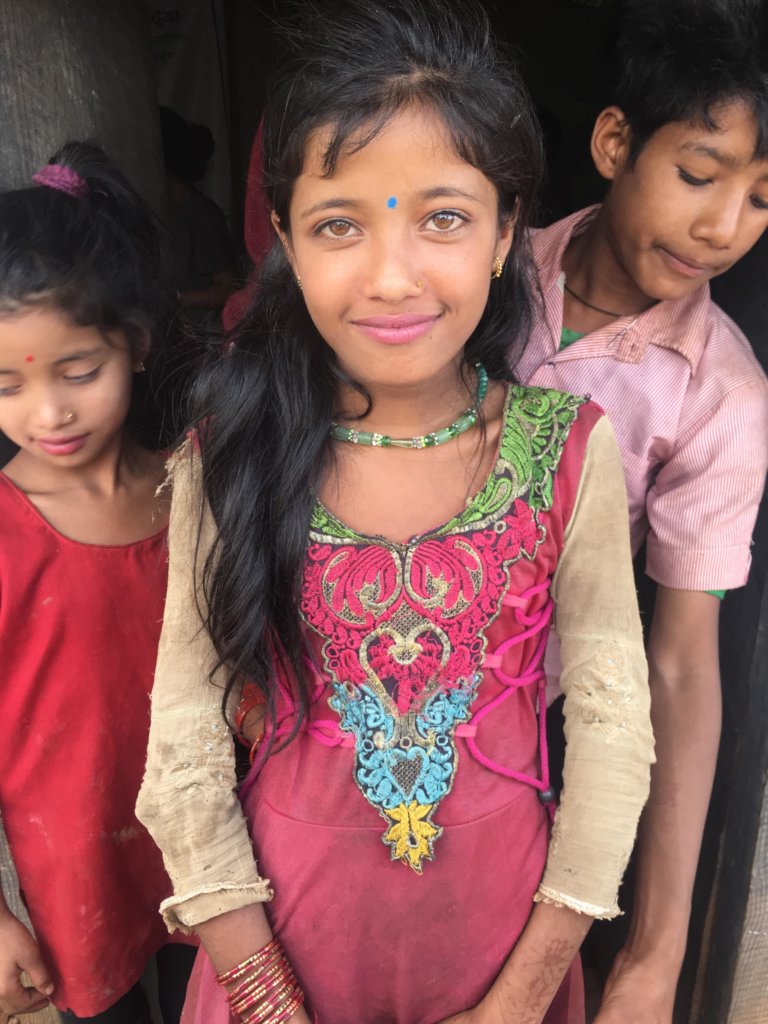
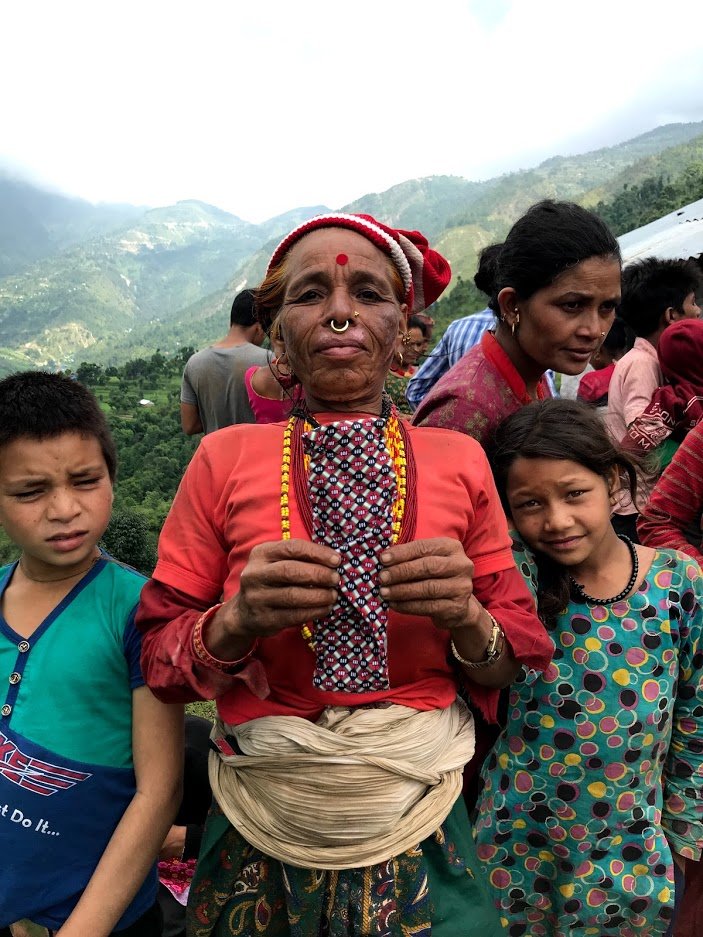
The rural Chepang community of Nepal have little education or resources on health and hygiene. Faced with social stigmatization from other groups, even a simple effort to improve their economic position is pushed away by locals outside their community. High rates of childhood marriage and limited ability improve circumstances has led to significant levels of depression for these rural populations. Education is a low priority along with high illiteracy rates and strong cultural beliefs demonizing menstruation. Many impoverished women in rural areas of Nepal use unsanitary old clothes to manage menstruation, however, it is very common in these impoverished communities for women and girls to be separated from their homes during menstruation often using no menstrual cloth at all. We have heard common complaints of urinary tract infections and irregular periods, but no health facilities to seek treatment.
Over the past two months Aythos has been seeking out communities like these with limited access to health and hygiene training. We find new communities through a network of NGOs and individual networks. After we find a community we cannot simply walk into a rural village and expect to be well received. Rather, through local friends and partner organizations we seek introductions, work to build trust, understand needs and local culture, and eventually deliver a tailored training to support women and girls of these communities. These early stages are an opportunity to plan projects and budgets to make sure we are using donor funds effectively. This important early work also allows us to maximize our impact and develop long-term strategies for community support.
We are ramping up activities over the next few months, conducting training on basic women’s health and hygiene, teaching women and girls on the manufacture, care, and use of reusable sanitary pads, and conducting surveys to understand health and overall needs. This important work needs your help to make sure we can reach as many women and girls possible. Please consider a monthly donation and donate today!
By David Mabry | Executive Director
Project reports on GlobalGiving are posted directly to globalgiving.org by Project Leaders as they are completed, generally every 3-4 months. To protect the integrity of these documents, GlobalGiving does not alter them; therefore you may find some language or formatting issues.
If you donate to this project or have donated to this project, you can receive an email when this project posts a report. You can also subscribe for reports without donating.