By Shanti Regmi | Country Director
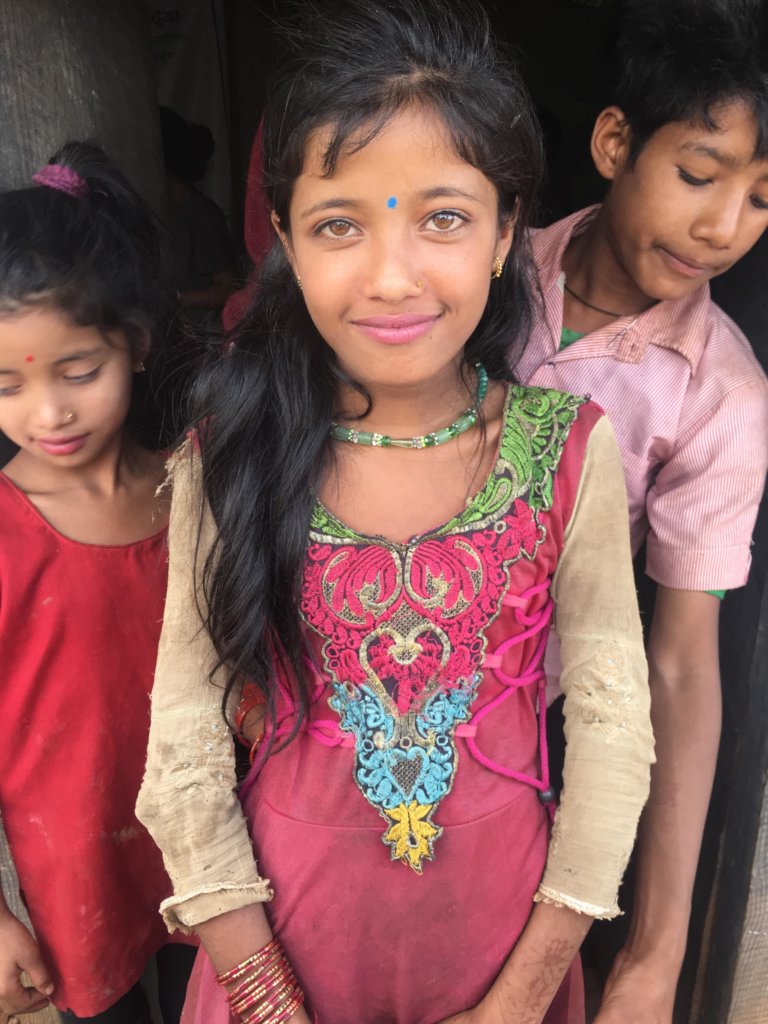
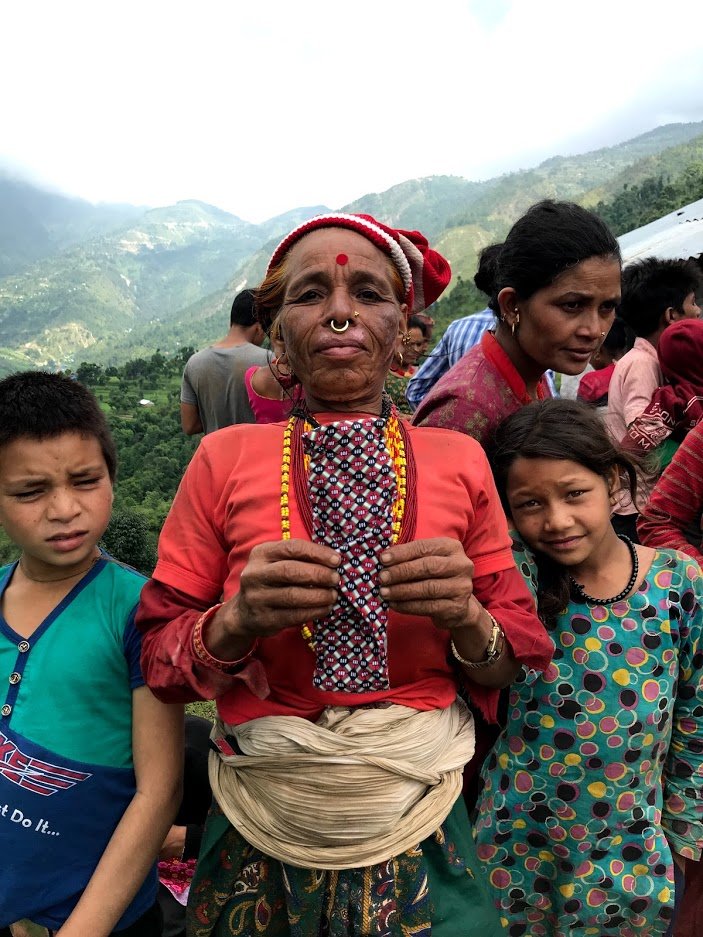
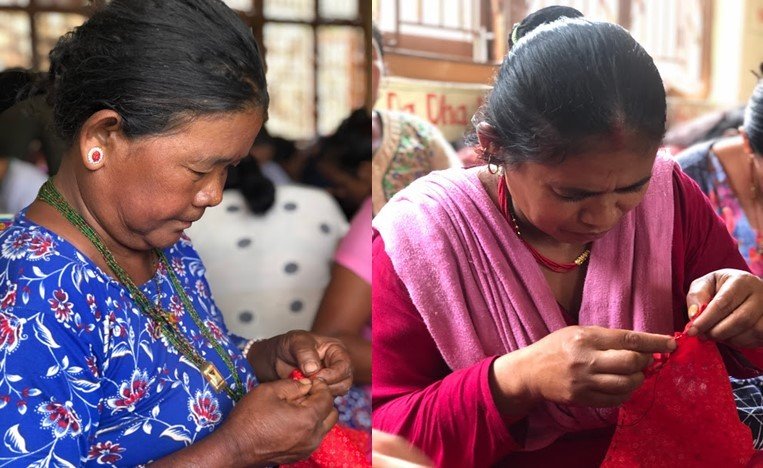
Approximately 172 miles west of Kathmandu, high in the mountain, there lies Dansing village largely populated by Magars, an indigenous ethnic group representing one of the largest ethnic groups of Nepal. With almost all the men and young boys migrating to foreign countries or joining the Indian military, they leave behind the women and young girls with responsibilities for households, childcare, and farming chores, but limited or no time to care for themselves.
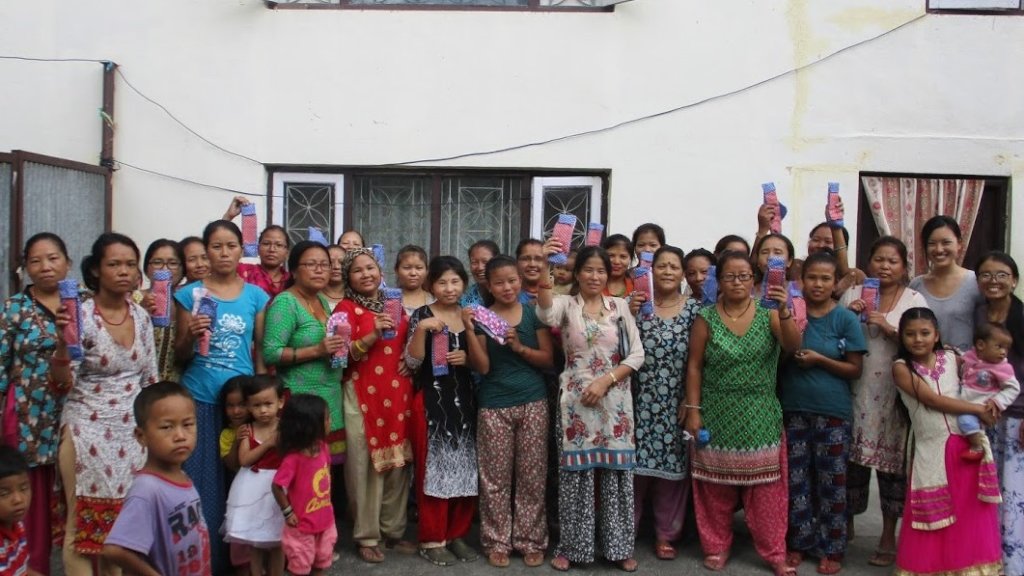
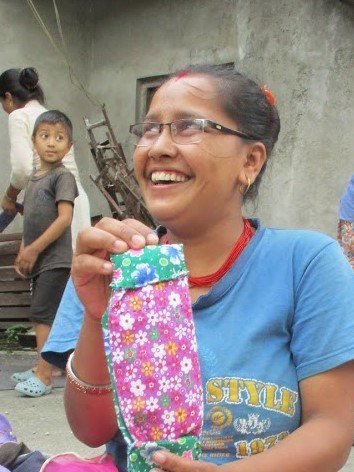
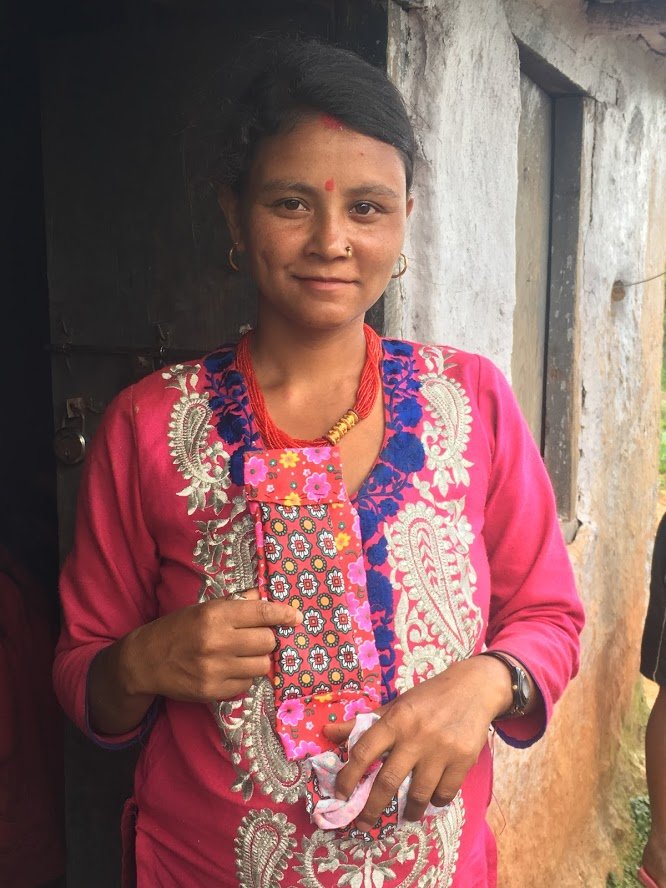
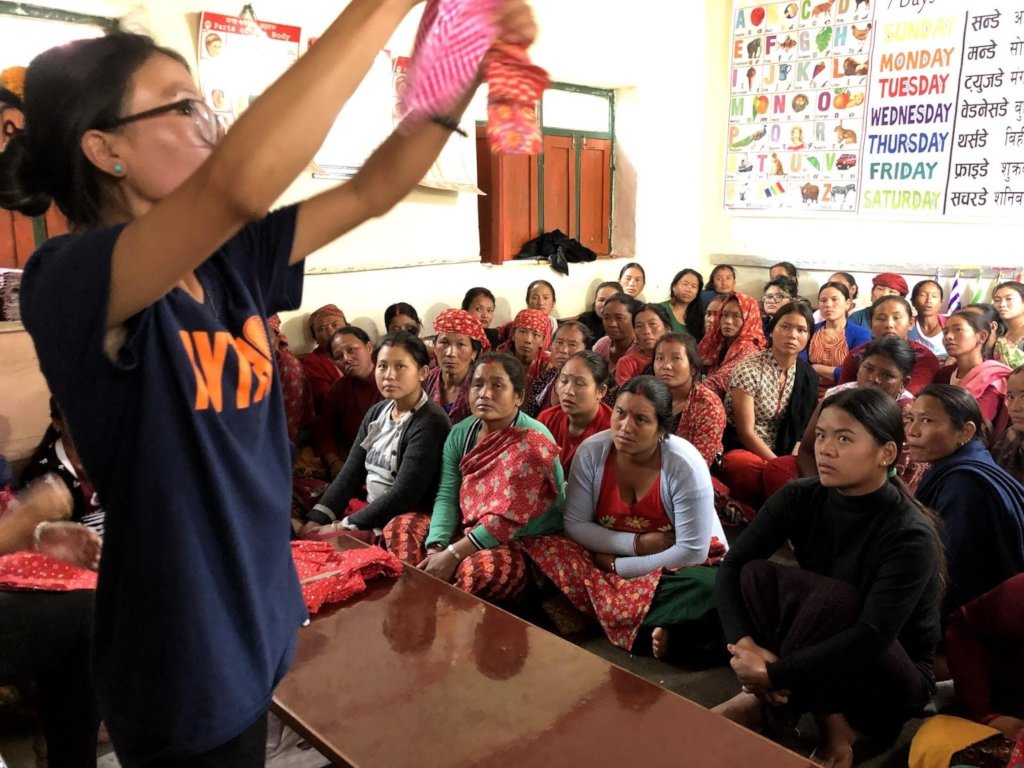
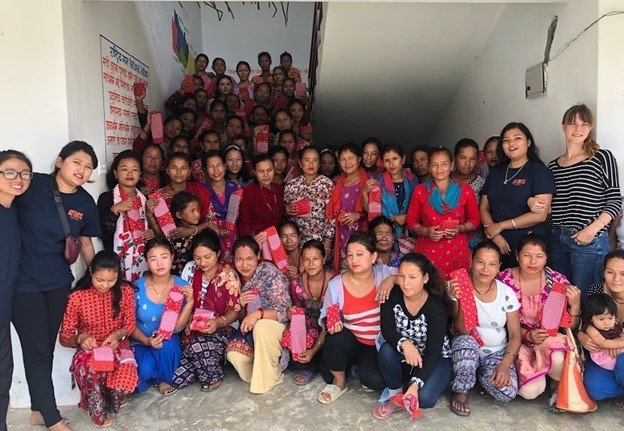
Situated in the remote parts of the Syangja District, these communities have little access to health facilities or commercially produced sanitary pads. Women traditionally use dirty clothes during menstruation causing infections and other negative health effects. Working with Namaste Nepal to plan and implement the training, Aythos conducted training for women and girls in three sessions with 255 total participants between 9 and 70 years old. The trainings included our standard curriculum of basic hygiene, reproduction, nutrition giving ample an opportunity for questions. Women and girls in these communities had very little or no knowledge about menstrual health and hygiene management practices.
A 70-year-old attendee told us during the training, “I wish we could have had an opportunity to learn about menstrual health and pad making training back in our time. Then we would not have been forced to stay separately inside the cowsheds with our lungi (a traditional skirt) painted red and treated like animals. However, I am very happy for my daughters-in-law as well as my granddaughter who is very fortunate to attend such training and learn about women’s health and pad making.”
A similar situation exists in another village called Gati in Sindhupalchowk district, north of Kathmandu. There Aythos conducted two trainings with 140 participants between 12 and 70 years of age, including one for school-age girls and another for women in the community. We were able to compliment the training with a health education video called “Hello Periods” in Nepali language which is not always possible in rural communites.
In addition to the health and hygiene training, Aythos conducted surveys and focus groups of the communities to understand their circumstances better. Questions include sources of food and income, education levels, dietary intake and more. In addition to the women’s health programs Aythos tries to support the long-term health programs through our sustainable livelihood programs.
Prior to each training Aythos spends significant time and resources trying to understand the communities where we work. Over the next six months, Aythos will be working with even more organizations and communities to plan, coordinate, and implement training programs. Our work to support women and girl’s health initiatives throughout Nepal is only possible with support from our generous donors. Please donate today!
Project reports on GlobalGiving are posted directly to globalgiving.org by Project Leaders as they are completed, generally every 3-4 months. To protect the integrity of these documents, GlobalGiving does not alter them; therefore you may find some language or formatting issues.
If you donate to this project or have donated to this project, you can receive an email when this project posts a report. You can also subscribe for reports without donating.