By Shanti Regmi | Country Director
Aythos is happy to share that in reaching 803 women and girls so far, we are well on our way to our goal of reaching 1,000 with health and hygiene programs.
Since our last update, Aythos focused on planning and delivering a remote training in the Nepali villages of Mandra and Singharche, neighboring villages of our previous programs in the Sindhupalchowk District. In our previous work, Aythos partnered with Namaste Nepal to deliver training programs. This project included both Namaste Nepal and US-based The MoonCatcher Project, both bringing new ideas to share with our beneficiaries.
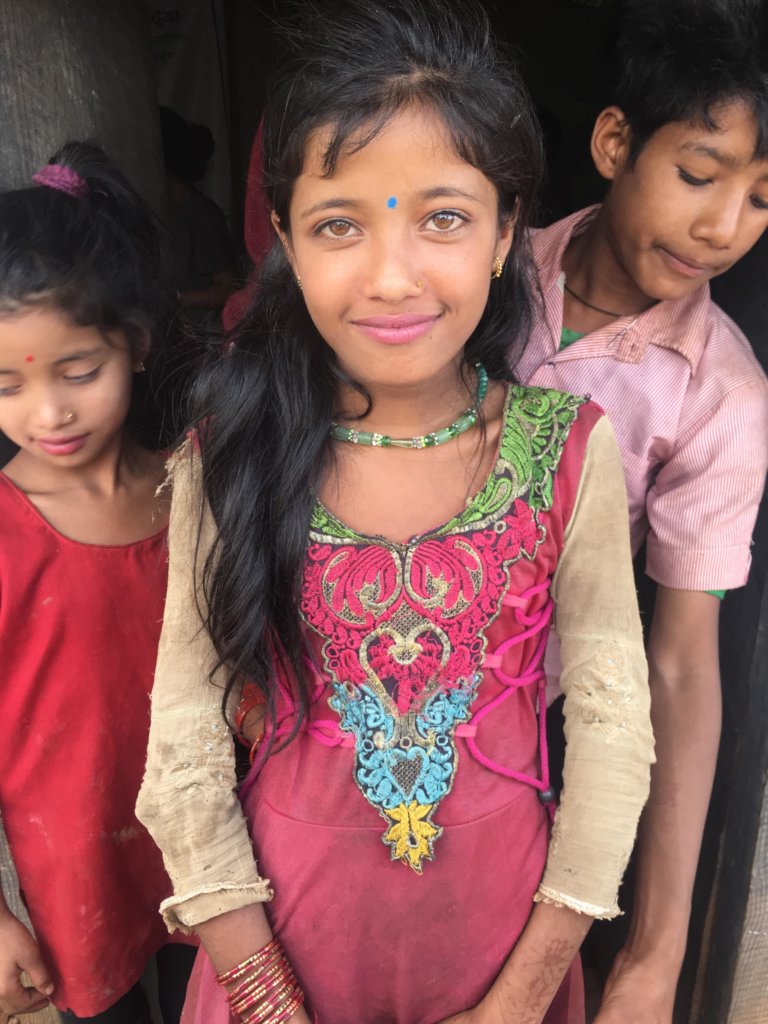
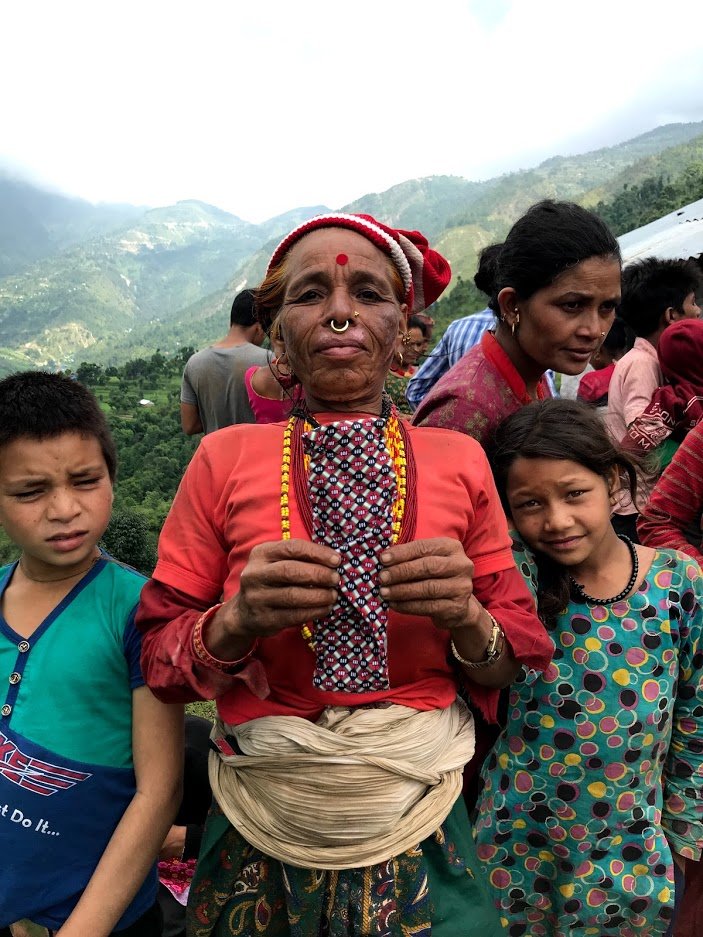
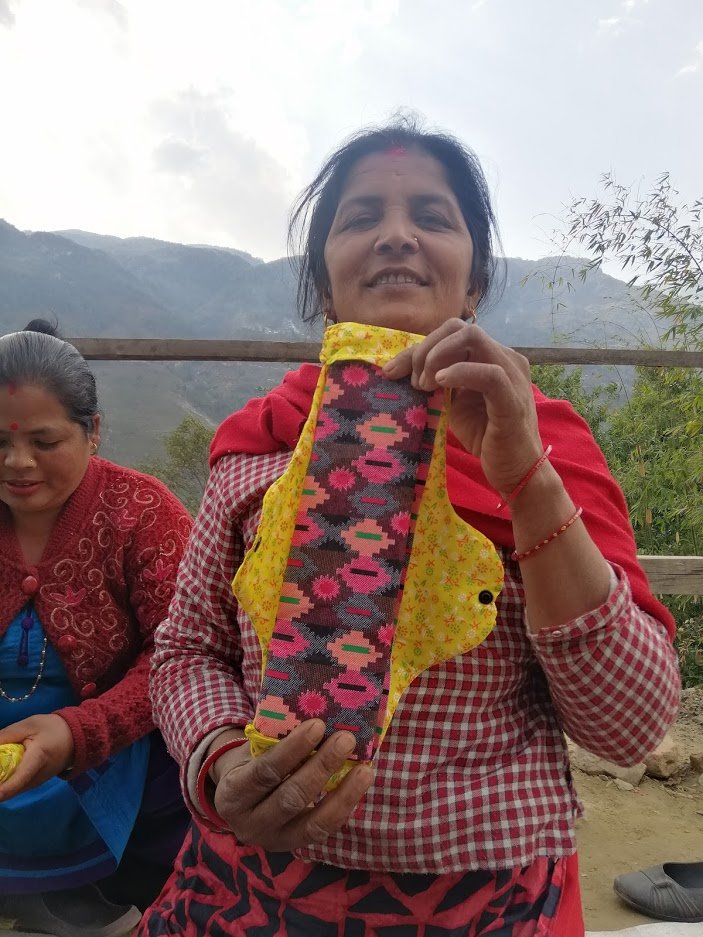
The roads leading up to Mandra and Singharche villages were not accessible, leading to a challenging hike to gain access to these communities. These villages have extreme levels of poverty and no health facilities. The geographic separation of access to information and institutions that can talk about health challenges leads many to suffer through otherwise resolvable health problems. Common infections for women are exacerbated by using dirty rags and old clothes to manager periods.
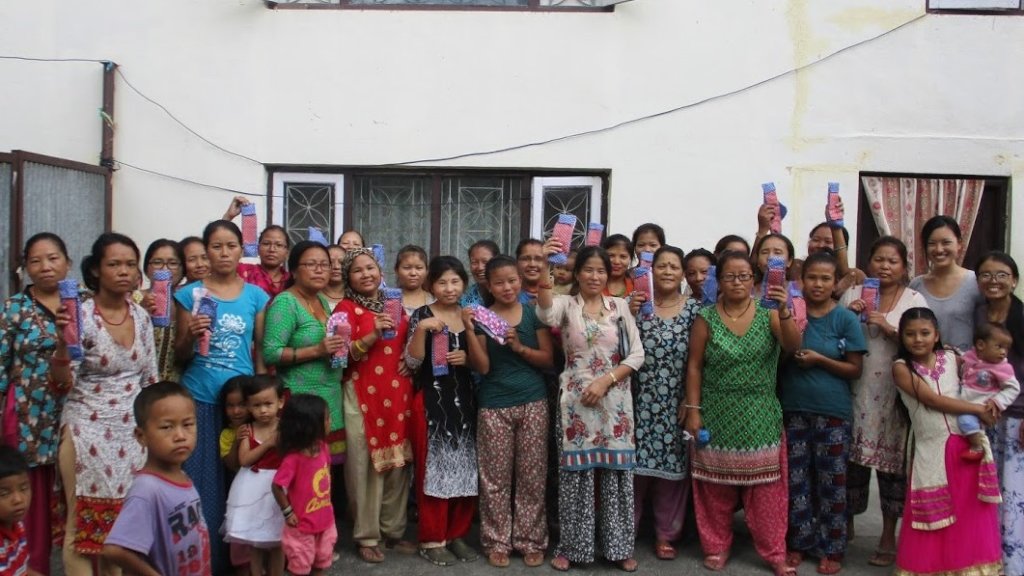
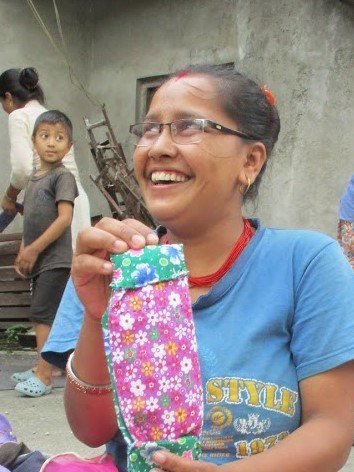
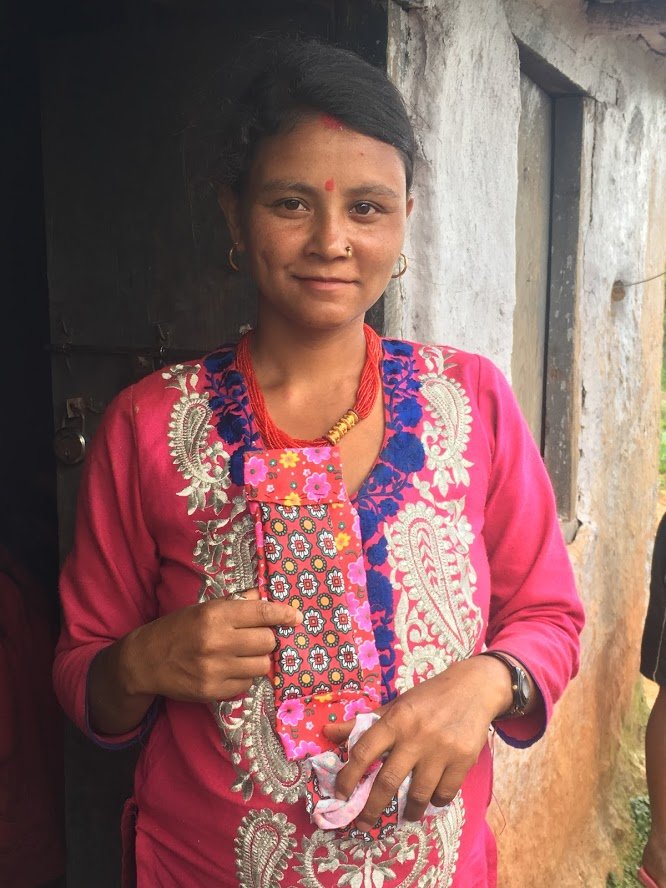
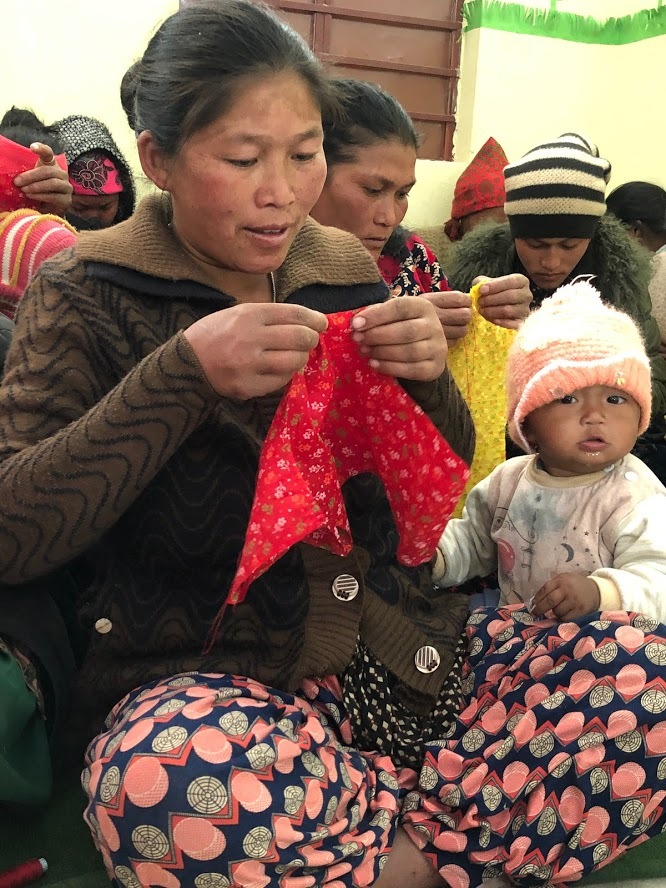
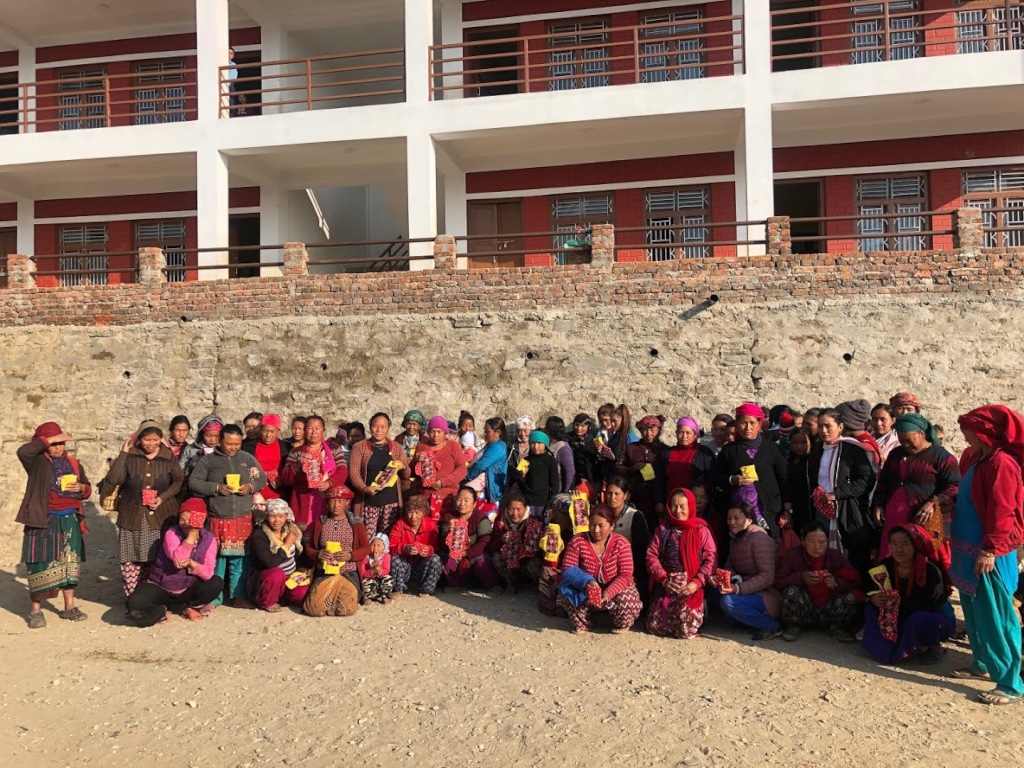
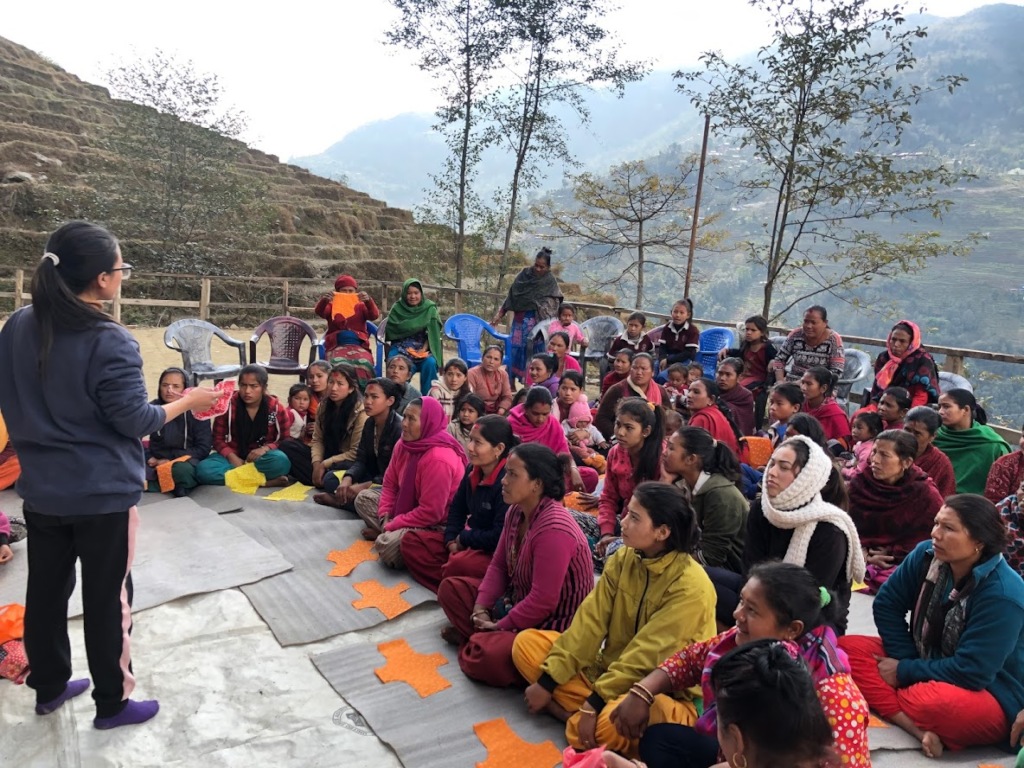
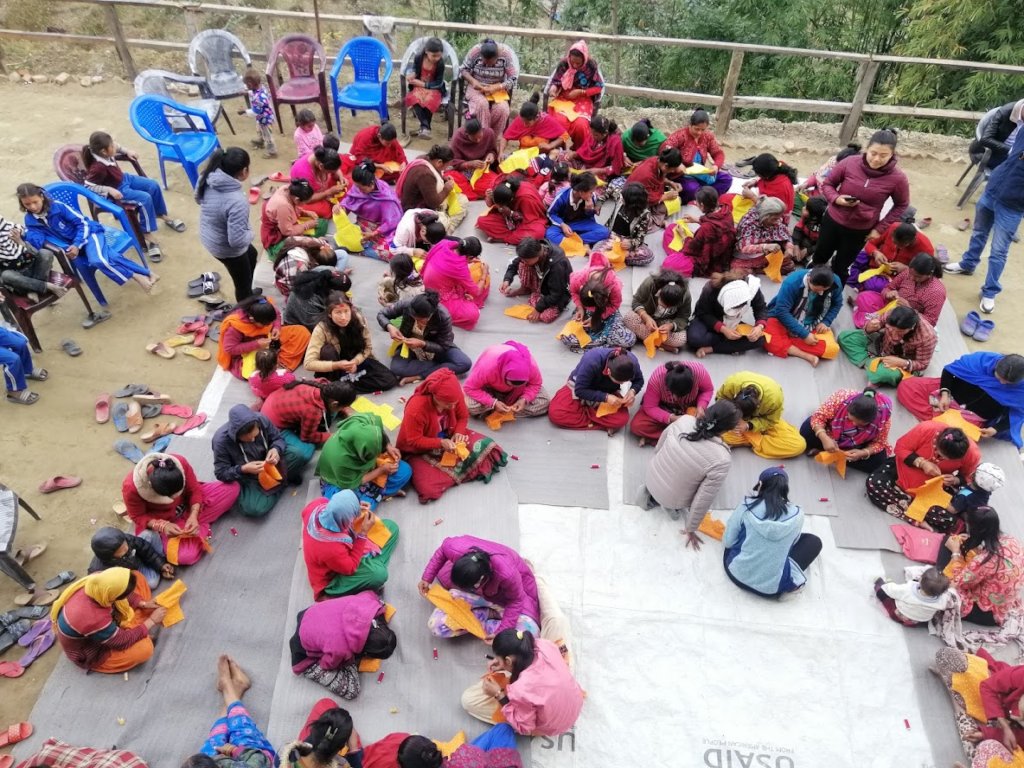
The menstrual health management training was conducted in these two villages among 148 women and young girls in a span of two days. The training got started with a discussion among the women and girls with regard to their menstrual health. Women were shy to talk about these sensitive topics, though after a few jokes and some laughter, women started opening up more and speaking freely about their experiences. From the conversations, we found many engage in traditional practices of avoiding the kitchen and religious places during their periods because of the belief that menstruation is impure as they bleed impure blood. Additionally, many women complained of severe cramps, though few take medicines out of a fear of future infertility. Fortunately, very few of those that use disposable synthetic pads were disposing of such pads out to nature like rivers, forests.
With a better understanding of the current knowledge and challenges women and girls face, the training team began a formal training of reviewing basic information on health and hygiene and then playing the animated menstruation, hygiene, and nutrition video, Hello Periods. That is followed by a time for questions.
The approach taken by Aythos, and its partner organizations, attempt to remove stigmas attached to women’s health. Using focus group discussions after the training, we found women reporting positive feedback and retention of the concepts presented.
Over the next few months, Aythos will soon start its need assessment with Dalit and Mushahar groups. Dalit communities are traditionally faced with discrimination as they struggle to build self-sufficient lives for their families. Mushahars are a type of Dalit community, whose name translates to “rat-eater” after an old common occupation of catching rats and surviving off them due to extreme poverty. The conversation has already begun with the existing local government in these communities who are highly interested in collaborating with Aythos on this journey. We are excited to work with these communities to make a positive impact and hopefully make new friends.
Please help us get to our goal to reach 1,000 women and girls! Donate today!
Project reports on GlobalGiving are posted directly to globalgiving.org by Project Leaders as they are completed, generally every 3-4 months. To protect the integrity of these documents, GlobalGiving does not alter them; therefore you may find some language or formatting issues.
If you donate to this project or have donated to this project, you can receive an email when this project posts a report. You can also subscribe for reports without donating.