By Shanti Regmi | Country Director
Nepal has over 13,000 cases of coronavirus, though testing limitations likely make that number much lower than the reality. Nepalese migrant workers, whose remittances to their families in Nepal made up nearly 30% of the country’s economy, are heading home from lack of work around the world. In response to increasing numbers of cases, Aythos canceled upcoming field projects and implemented a work from home policy on March 17th, both for the health and safety of staff and volunteers, but also to prevent spreading the virus to rural communities where we operate. One week later, on March 24th Nepal’s government initiated a nation-wide lockdown, including restricting travel between districts.
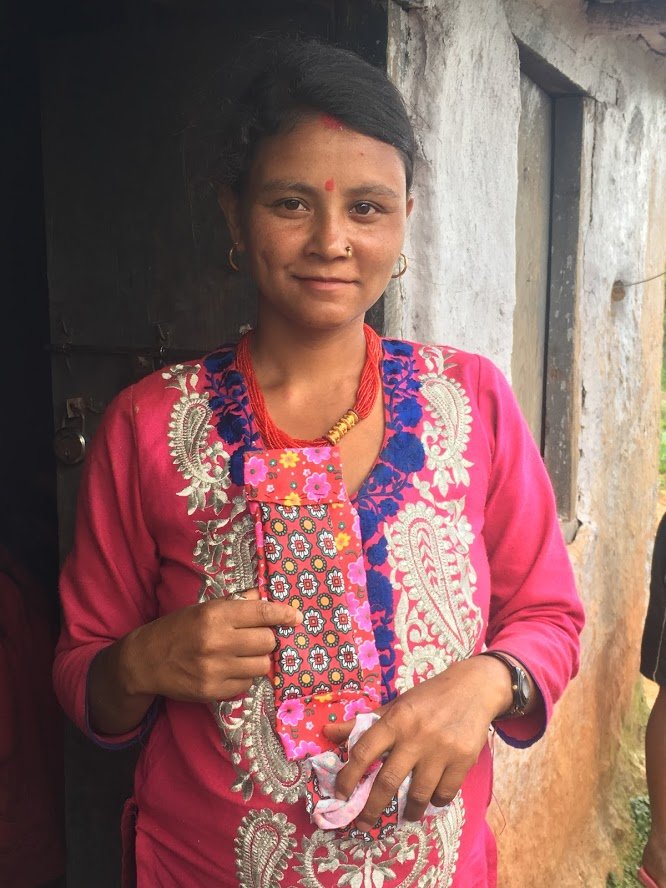
While working from home, the Aythos team has focused on planning future programs in more villages of Sindhupalchwok and Okhaldhunga districts. The team has been on the phone with rural villagers and getting regular updates on their menstrual health and how their lives have been affected amid the crisis, and to reflect back on the menstrual health program curriculum and menstrual health products (i.e. reusable cloth pads). Phone conversations with past beneficiaries who can reliably spread the word have been the most effective source of communication to sustain Aythos program activities during the crisis.
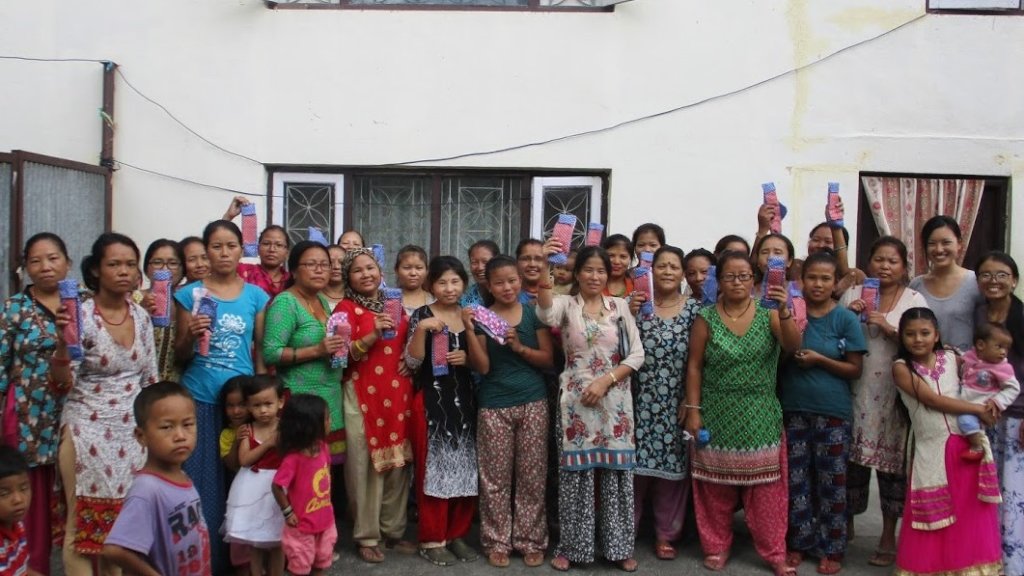
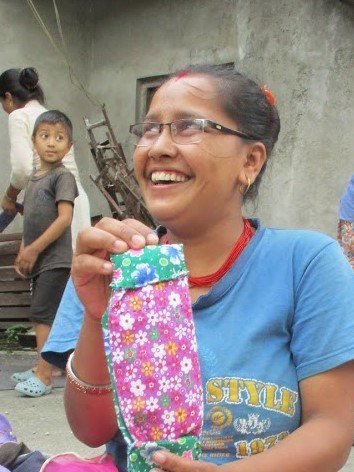
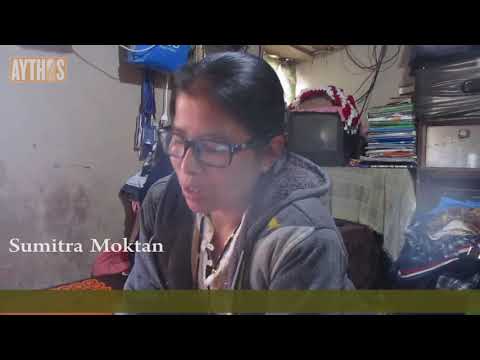
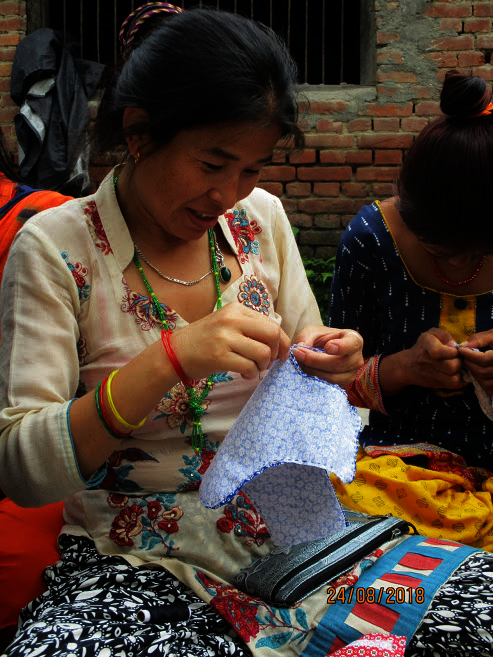
Despite the lockdown, we ran into one story that validated some of our previous training. We talked with a 39-year-old single mother who was a part of Aythos’s menstrual hygiene training presented to a group of women working at a carpet factory. She told us that the training stuck with her and it has been valuable during the lockdown. After the training she and her 16-year-old daughter used cloth provided at the training to make additional reusable cloth pads.
Unable to work for two months since the lockdown began, she is facing significant financial hardship. The family members that she used to rely on to provide occasional financial support are experiencing their own hardship, and the network of mutual support is gone, leaving her with difficult choices. Disposable pads come at a high price relative to income in Nepal. She said with everything else she could not afford to buy pads for her and her daughter for the last two months. Having reusable pads as an alternative has saved money that she can spend on other things she needs. She said, “The cloth pads have been very useful for both of us today while the country is still in lockdown for the virus. What would have happened if we never knew how to make reusable cloth pads?”
Aythos has also been attempting help the women at the carpet factory to understand the virus and learn how to protect themselves, though this single mother admits, while giggling, that she’s still trying to remember how to pronounce coronavirus.
As COVID-19 continues to impact Nepal and the world. Aythos continues to share its ongoing commitment to quality health practices and information, even though we cannot meet in person. Aythos is closely monitoring the impact in the communities where we work. By following the World Health Organization guidelines, we communicate however we can to offer health awareness and strategies among partner communities on preventive spread of the virus.
Currently, Aythos is coordinating food and supplies relief to several rural communities. When it is safe for our staff to travel again, the Aythos team will be working with Dalit and Mushahar communities to again provide menstrual health and hygiene programs.
Project reports on GlobalGiving are posted directly to globalgiving.org by Project Leaders as they are completed, generally every 3-4 months. To protect the integrity of these documents, GlobalGiving does not alter them; therefore you may find some language or formatting issues.
If you donate to this project or have donated to this project, you can receive an email when this project posts a report. You can also subscribe for reports without donating.