By Janet Wenholz | Sr. Assistant to the Executive Director
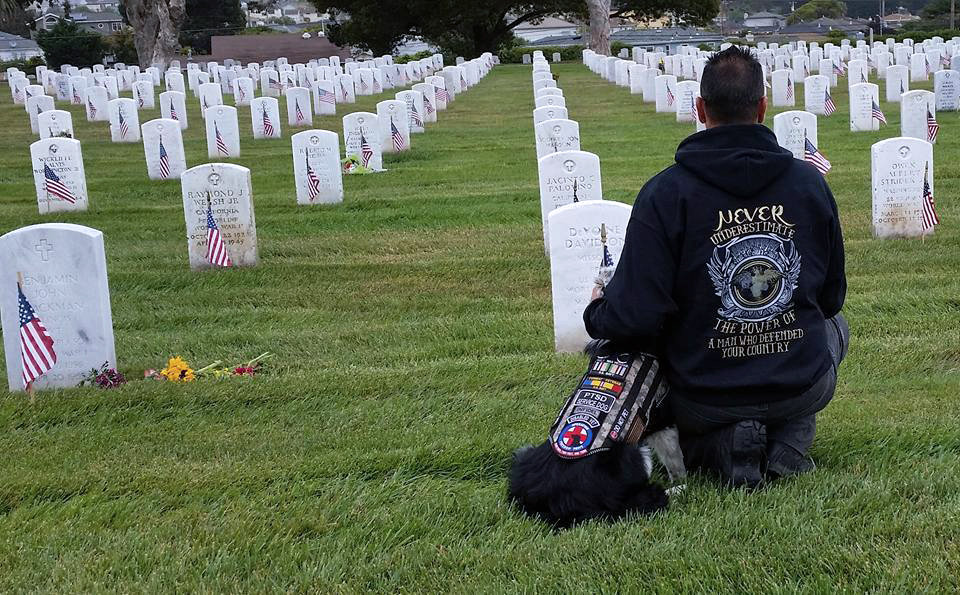
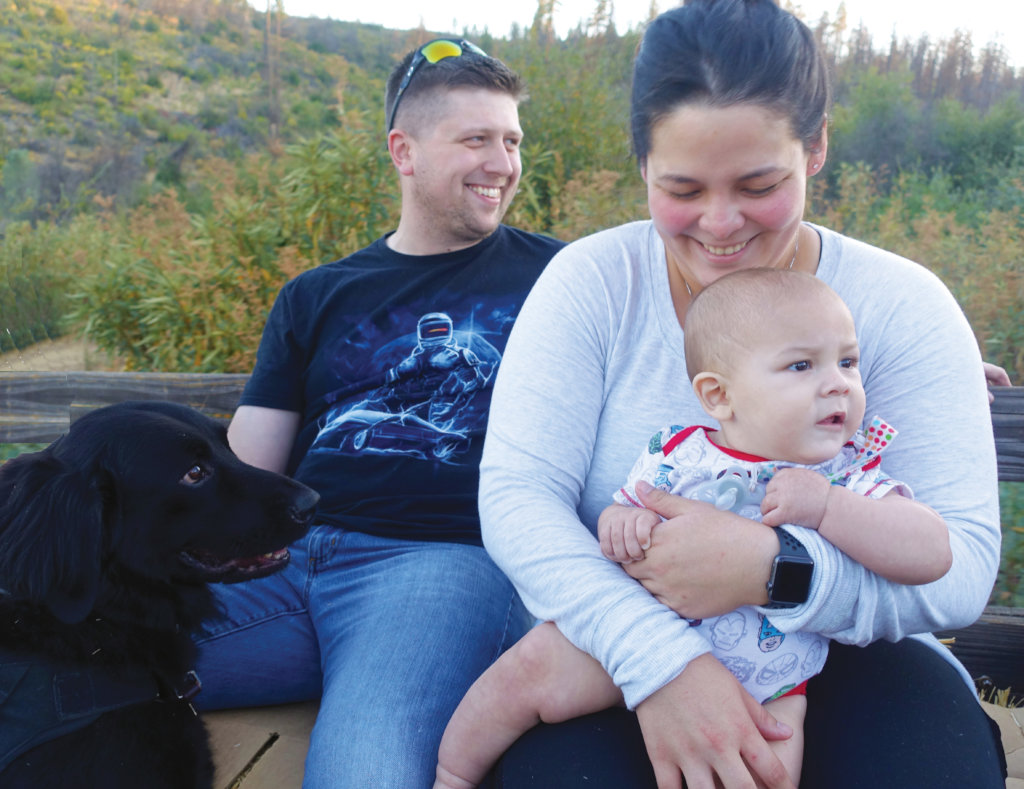
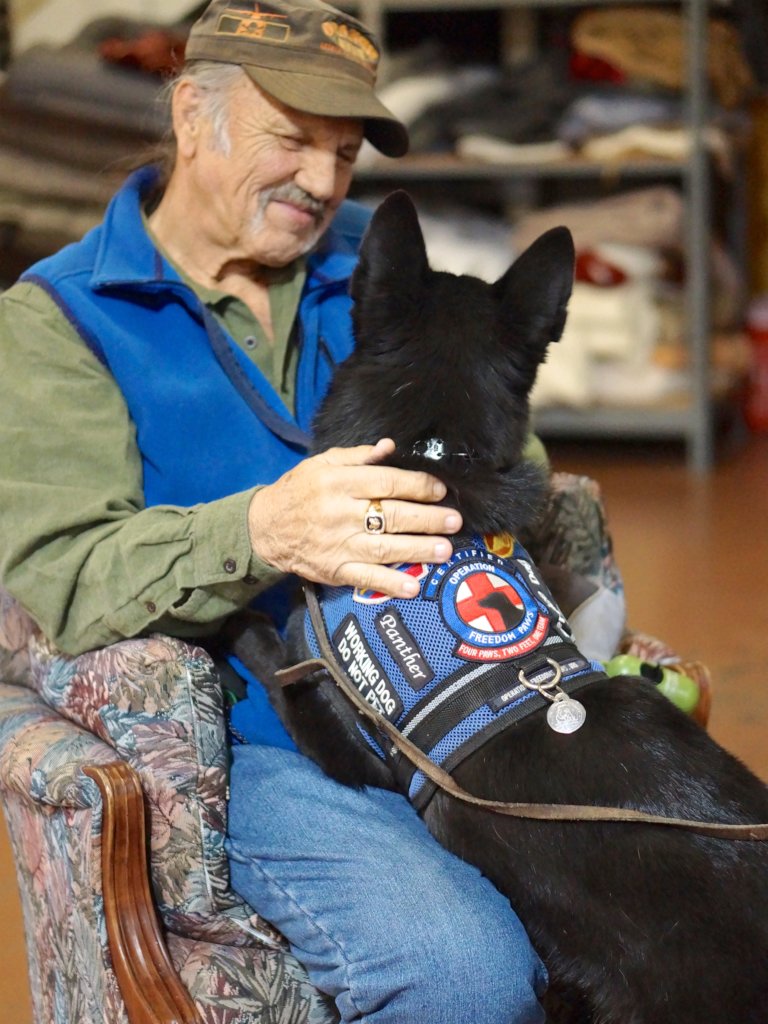
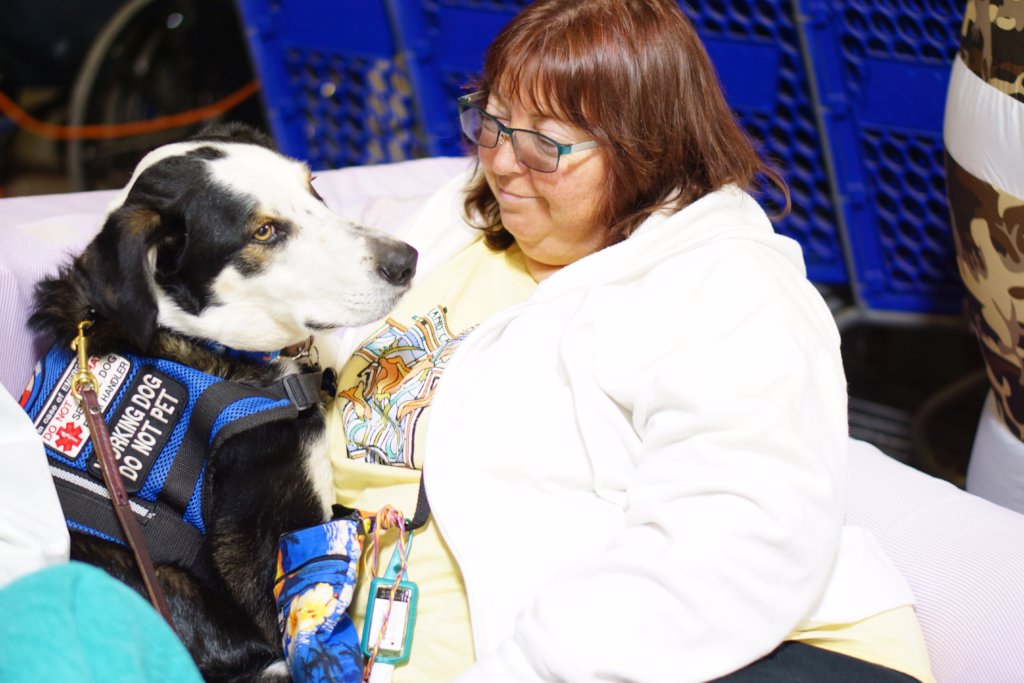
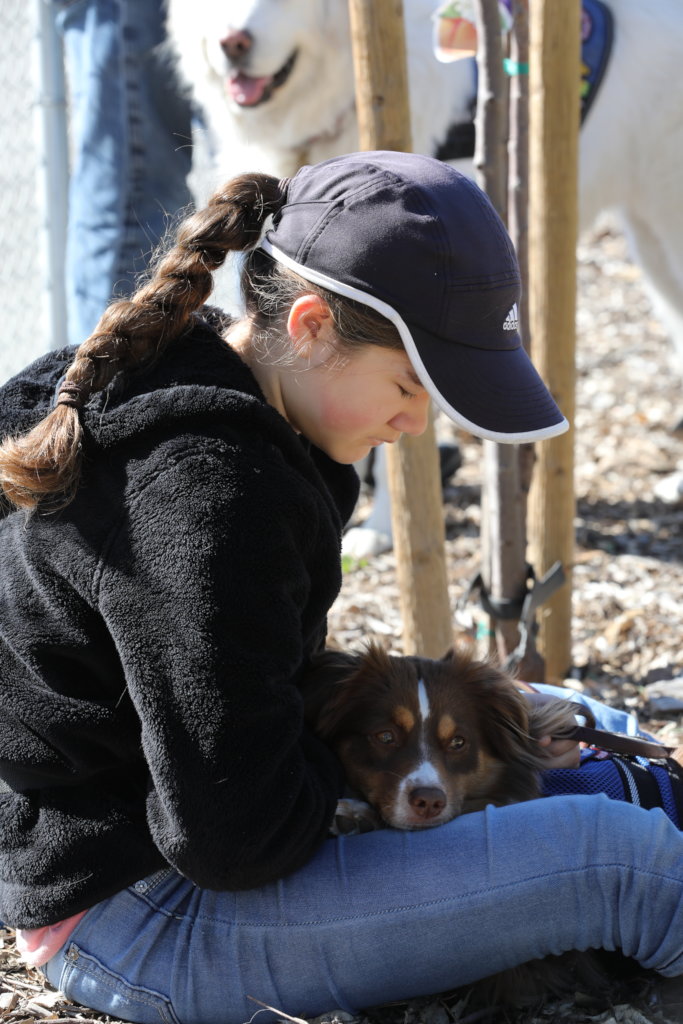
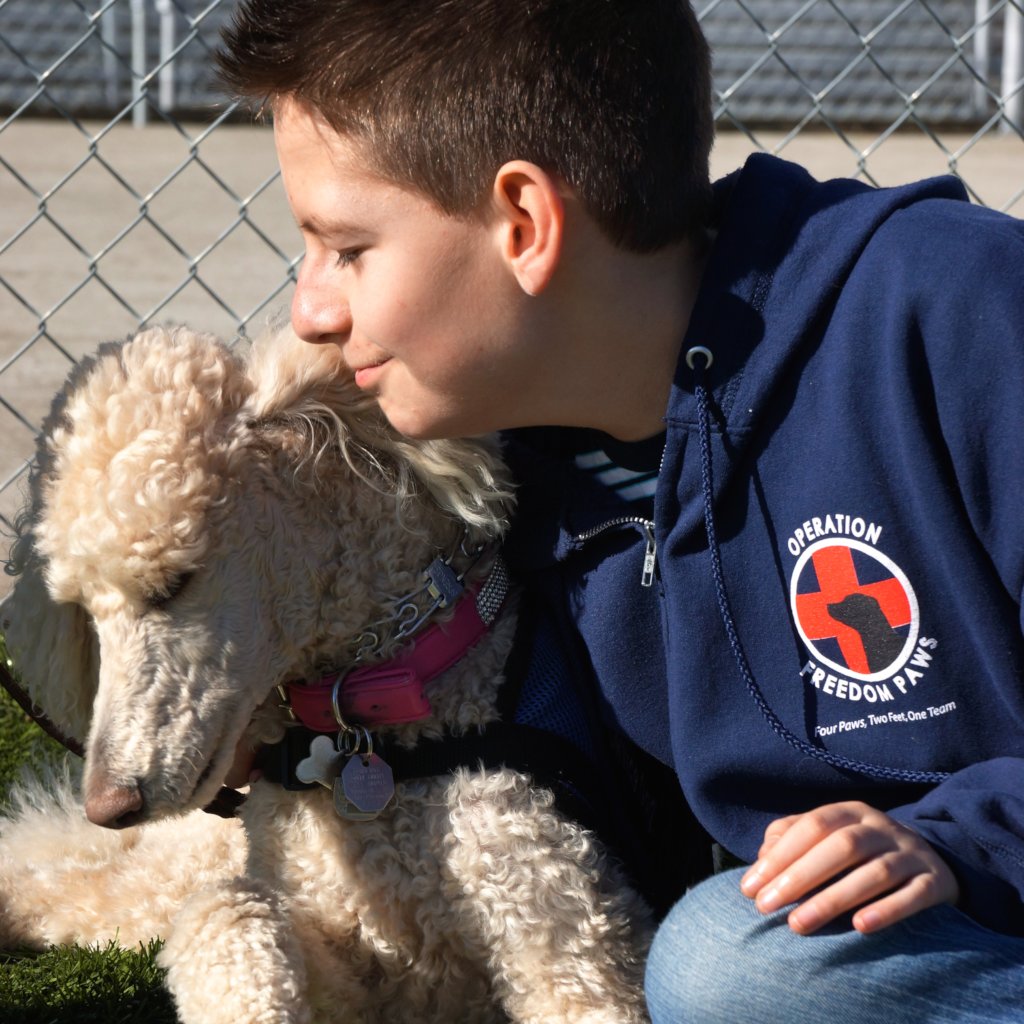
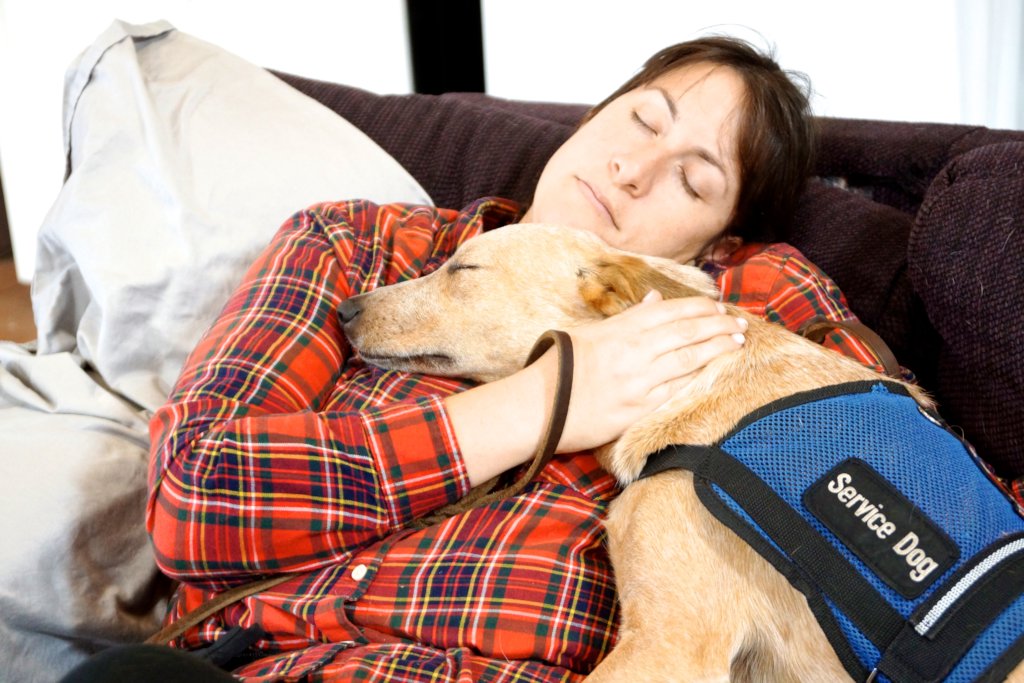
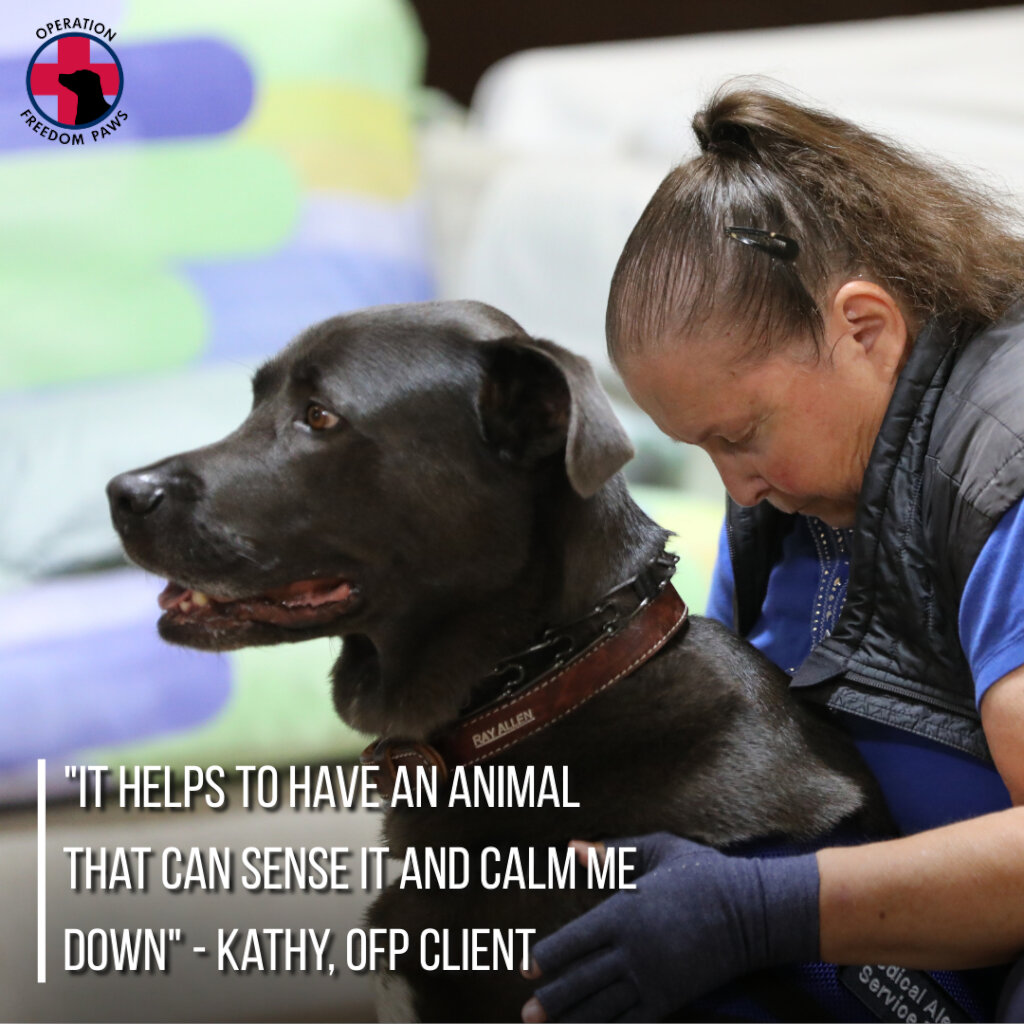
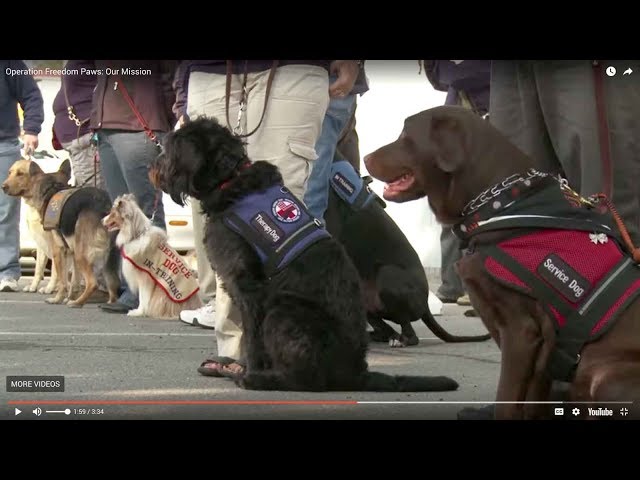
 A service dog is not a magic bean! Daily media stories about the (admittedly) fabulous things service dogs have done for people mean that expectations from applicants are often unrealistic. Being paired with a service dog does not mean that a person's medical and psychological challenges are going to disappear. The dog is a tool—just like a wheelchair or medication—something that can help mitigate the disability. How effectively and frequently every treatment tool is used determines its impact on the person's disabilities. People with diabetes or seizures who have medical-alert service dogs must continue to see their doctors for medication and monitoring. Dogs who work for clients with psychological injuries alert when their handlers are triggered, helping to change the handler's body chemistry. Bouts of depression can become fewer and less severe. This does not mean handlers can stop seeing mental health experts. OFP's program is intended to supplement—not replace—treatment our clients are receiving from their physicians and/or mental health clinicians.
Project reports on GlobalGiving are posted directly to globalgiving.org by Project Leaders as they are completed, generally every 3-4 months. To protect the integrity of these documents, GlobalGiving does not alter them; therefore you may find some language or formatting issues.
If you donate to this project or have donated to this project, you can receive an email when this project posts a report. You can also subscribe for reports without donating.



Support this important cause by creating a personalized fundraising page.
Start a Fundraiser