Project Report
| Jan 6, 2015
Hand Washing in Dita
By Diane Weatherup | Development Director
![Hand Washing in Dita]()
Hand Washing in Dita
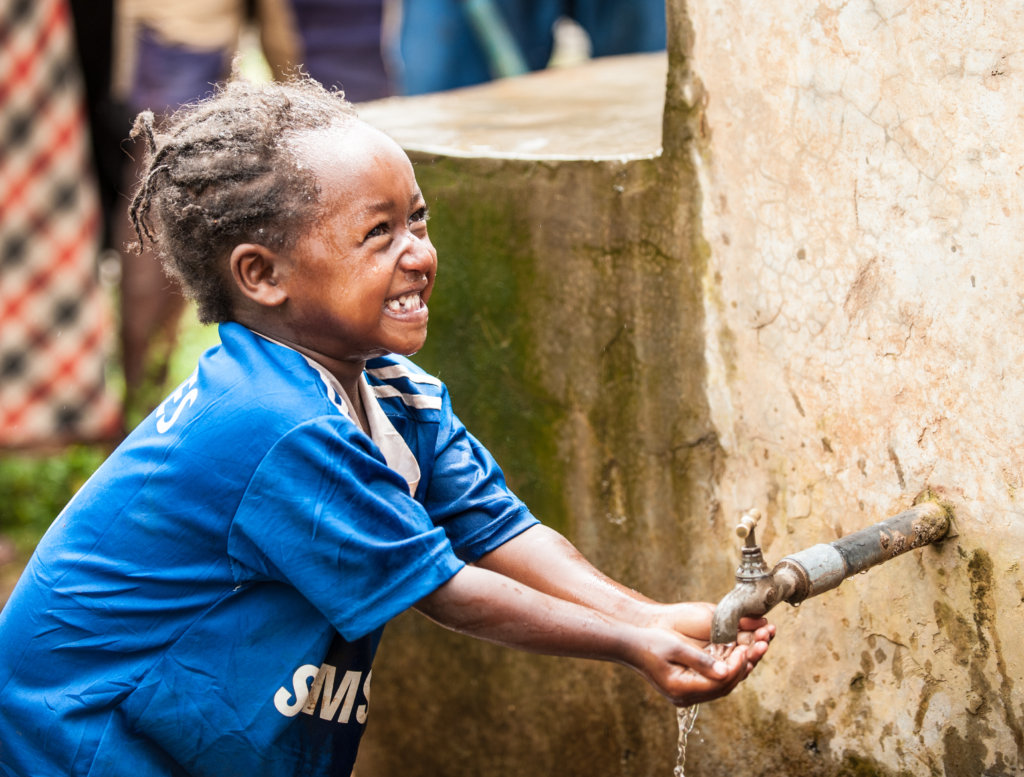
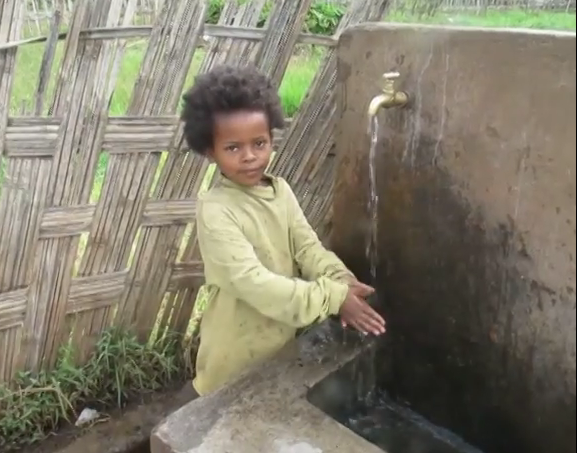
In November 2014, a group of Orbis Ireland supporters visited Dita in the Gamo Gofa region of Southern Ethiopia. It was truly breathtaking to witness the difference that access to clean water in this area has made to the lives of the local children.Orbis Ireland has been working in Dita since 2007, and, through a partnership with WaterAid, we have helped to ensure that the people of this region have access to clean water.
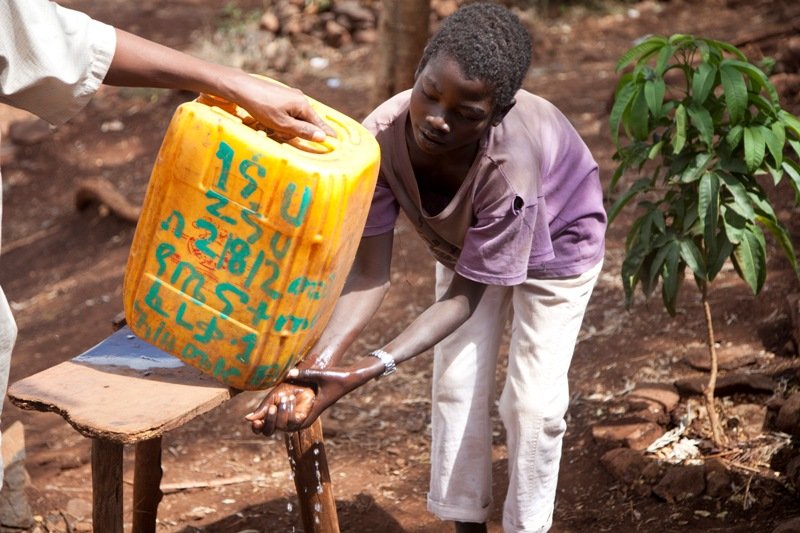
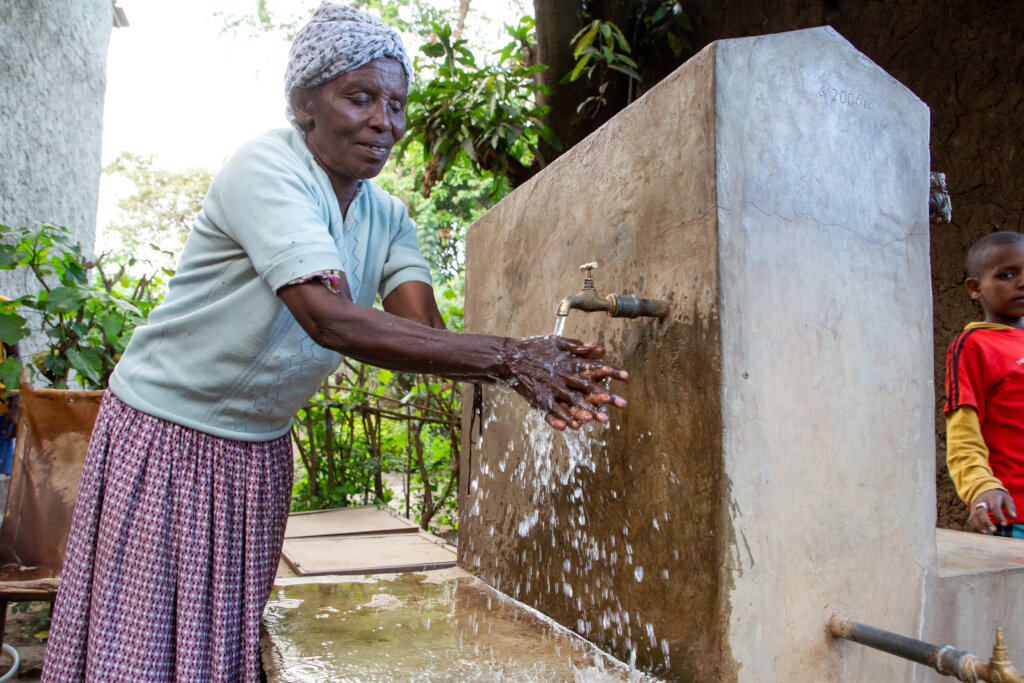
The WHO recommended SAFE strategy for trachoma elimination places a huge emphasis on the need for clean water. Without this vital life giving resource, eliminating trachoma would be impossible. Clean water is particularly important as the promotion of hand and face washing is central to Orbis Ireland's work in Dita.
It was touching to see the bright, clean faces on our visit to a school attended by approximately 700 children. The school was covered in posters about the importance of hand and face washing and the children performed a play demonstrating good and bad practices for personal hygiene.With your help, Orbis Ireland have not only improved access to clean water in Dita, but also drastically reduced the risk of blindness for hundreds of children.Thank you for all of your support in 2014, you have helped us towards our goal of stopping avoidable blindness in Dita.
![Share on Twitter]()
![Share on Facebook]()
Aug 14, 2014
Water: Helping to eliminate trachoma in Dokotu
By Diane Weatherup | Development Director
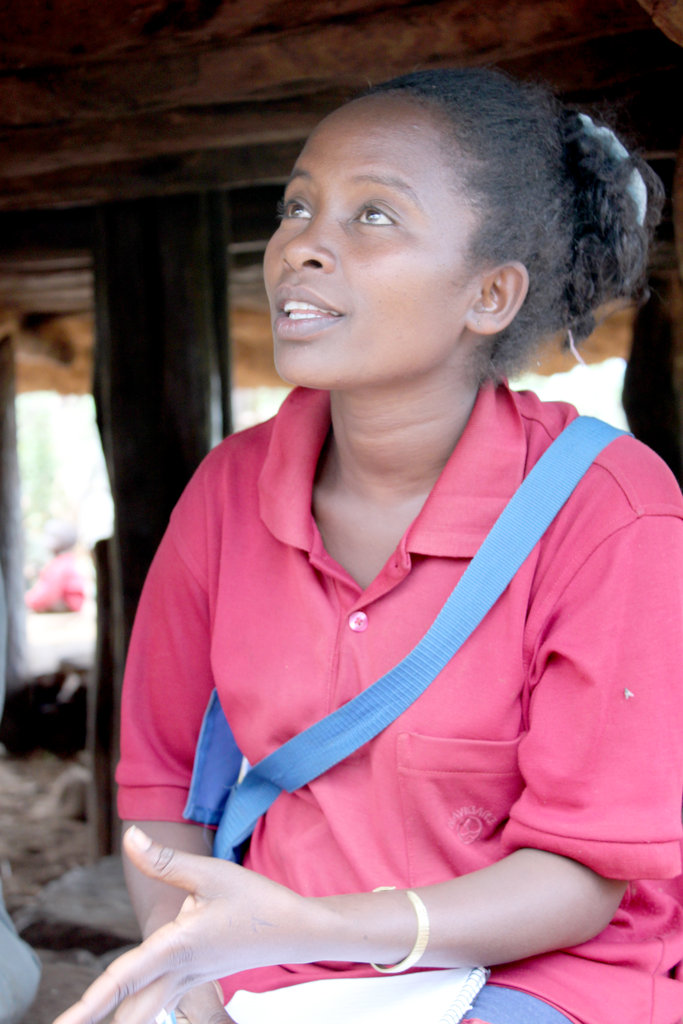
![Azeb Wondimmagage]()
Azeb Wondimmagage
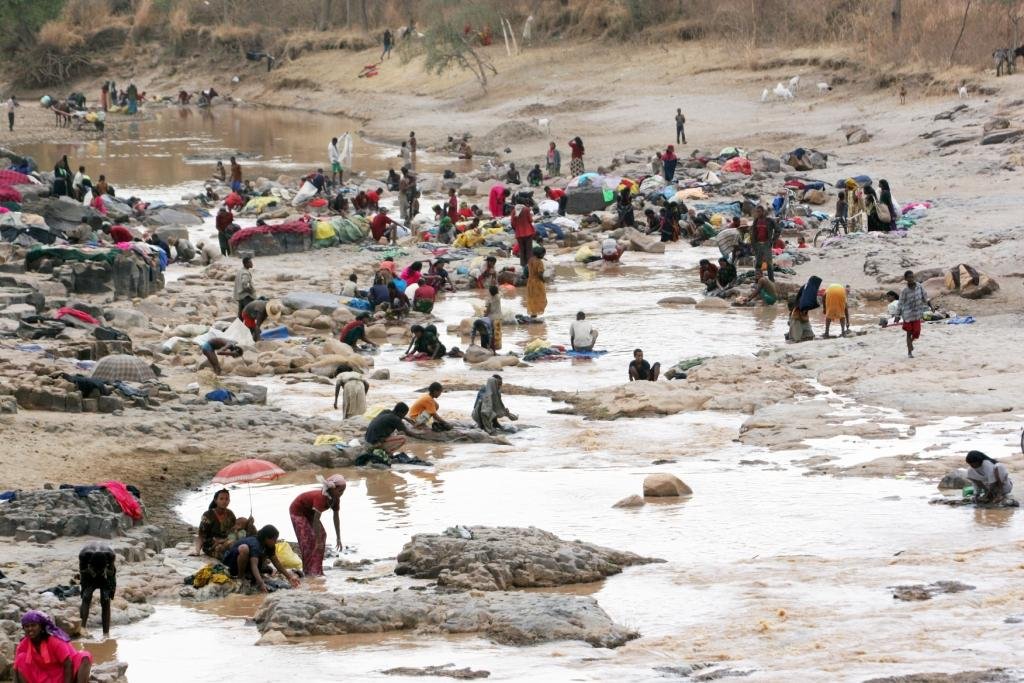
Azeb Wondimmagage is a government Health Extension Worker based in the rural village of Dokuto. As part of her role she visits houses to advise on hygiene and sanitation issues as well as maternal health, and vaccinations. She understands better than anyone that being blind in a rural village like Dokotu is a hard life. As a farming village, blindness from trachoma is not only painful but it also leaves sufferers without their livelihood. They have to be lead by a member of their family and need help with basic everyday tasks like washing, fetching water and cooking.
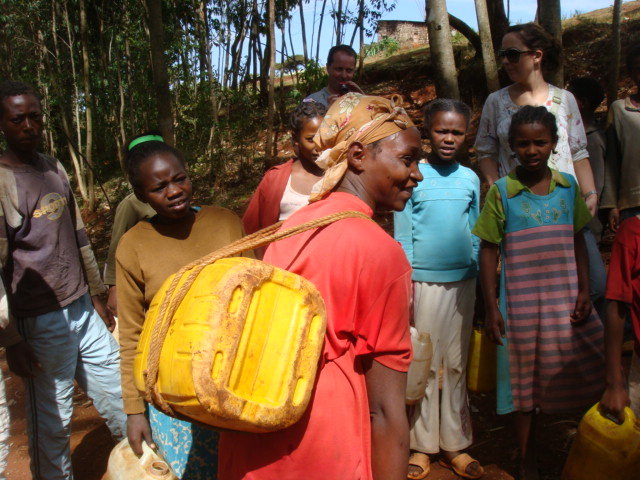
Azeb’s personal mission is to improve sanitation through hand and face washing in Dokuto and this is what motivates her. The main challenge to her work is the shortage of water which makes improving sanitation difficult. It is a two hour round trip to get clean water in this area. The area that Azeb covers includes a population of 1,330 people. She has been stationed in Dokotu so she lives there, works there and distributes medicine from her health post there. Over her three years in Dokotu, she has seen an improvement in the understanding of better health and hygiene.
For Azeb, the impact of working in hygiene education is beyond trachoma control and is directly related to the quality of life of the community. Major childhood killer diseases are related to poor hygiene and sanitation often resulting from a scarcity of water. Through teacher training and establishing eye care clubs in schools, it is possible to access communities to bring long term behavioral changes and greater impacts at community level. Access to clean water is central to these developments. With your support we can continue to work towards completely transforming this region so the next generation can grow up free from the threat of blindness.
![Share on Twitter]()
![Share on Facebook]()
Jul 1, 2014
Water Scheme serves 100 households
By Diane Weatherup | Development Director
![Rehabilitation of non-functioning Water Schemes]()
Rehabilitation of non-functioning Water Schemes
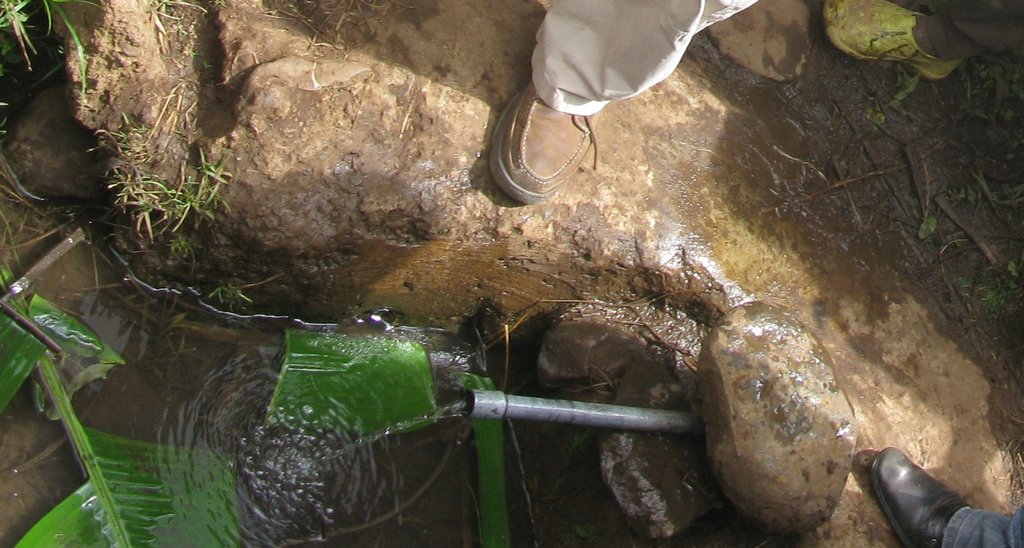
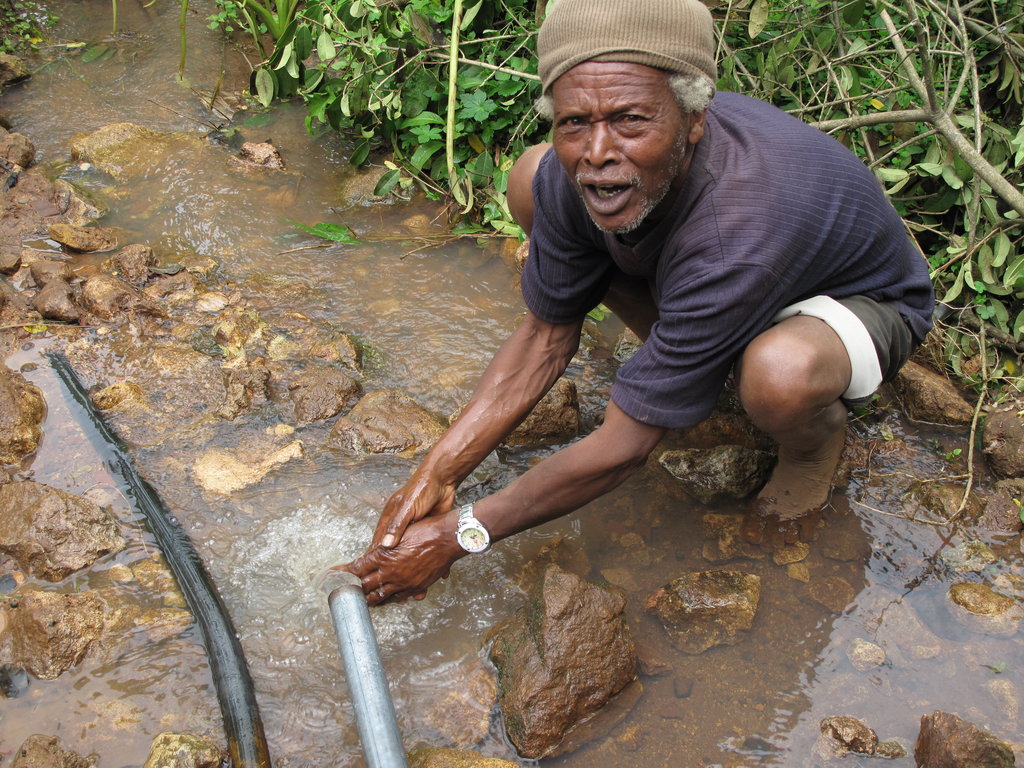
Before Orbis' intervention, within the Konso area almost 60% of the water-pumps were non-functional. Orbis implemented a strategy to repair the non-functional water schemes which involved training community members on how to perform minor repairs on these pumps to ensure they are in working order. This strategy is focused on educating the local community on how to maintain the water schemes and also the importance and value of clean water. In this way, Orbis is working to implement long term, community based solutions to the problem of water hygiene in this area.
A single water scheme could serve a population of up to 100 households. If the scheme is located in a school it can serve more than 1000 students.The average cost of maintenance for each water scheme is about ETB10,000 or €407. If there is sufficient budget the repair of the water pump should not take longer than 2 days, however, if a spare part is required this could take 2-3 days to secure.
One of the best ways to prevent the transmission of trachoma is by encouraging face and hand washing - not easy where water is scarce. Orbis representatives have started to train teachers about facial cleanliness, personal hygiene, environmental sanitation and how to wash hands effectively to prevent the spread of bacteria. In order to train the local community, it is important that water is readily available. Your generous support ensures that these water schemes continue to supply essential clean water to rural communities.
![Share on Twitter]()
![Share on Facebook]()