By Diane Weatherup | Development Director
Environmental change in a community is necessary for long-term protection from trachoma. The disease persists where people live in poverty with crowded living conditions and where there is insufficient basic infrastructure for water, sanitation, and waste disposal. Unless such conditions change, trachoma will return after antibiotic treatment.
The World Health Organisation has set the year 2020 as the target to eliminate blindness resulting from trachoma. This is a difficult but achievable target. To get there we must have inclusive community-based programmes that offer freedom from trachoma for all, but that also specifically and deliberately target women and girls.
Gender-specific household tasks place women at an increased risk for trachoma infection. For instance, women are more likely to have higher rate of trachoma because they are the primary caregivers of children.
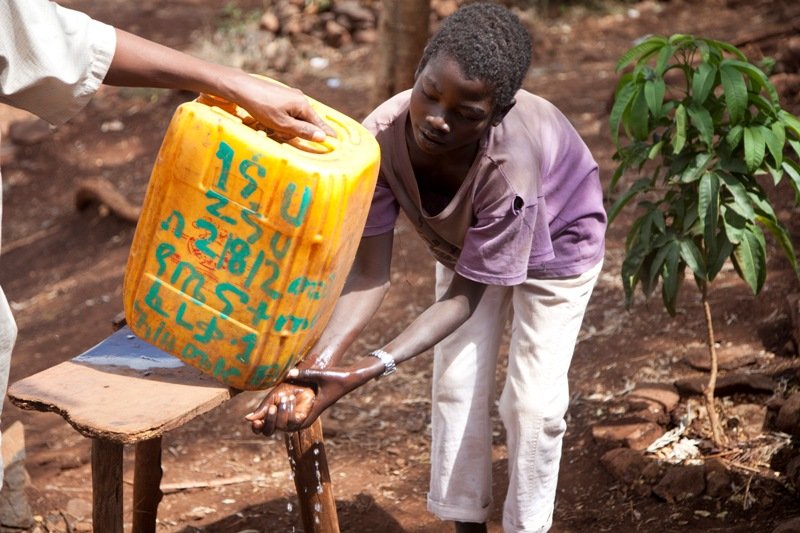
Hygiene should be understood from a gender perspective. Gender informs hygiene behaviors, which place men and women at different risks. Although women are responsible for the hygiene of their children, they may not be empowered to make decisions about the allocation of household resources for hygiene purposes. This includes access to water, soap, towels, or washcloths (if even used) and the time to teach hygiene to children.
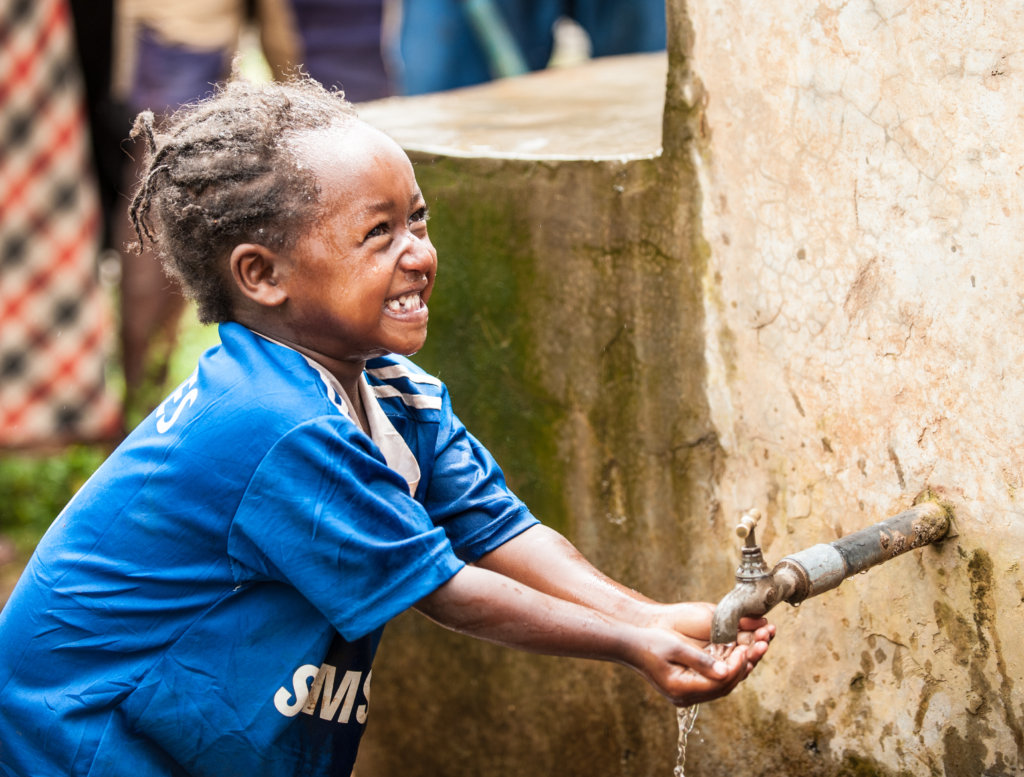
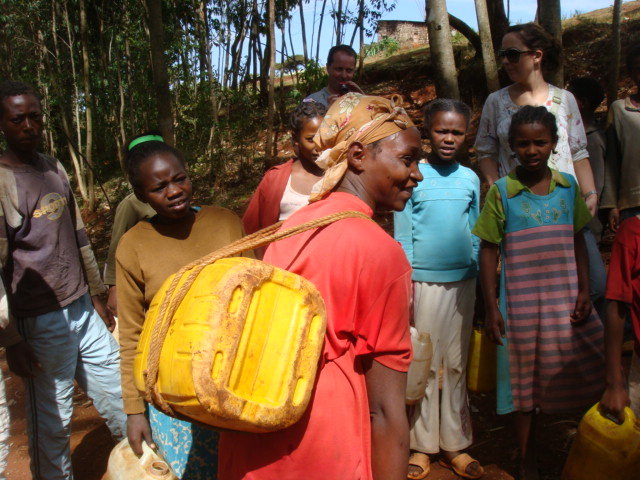
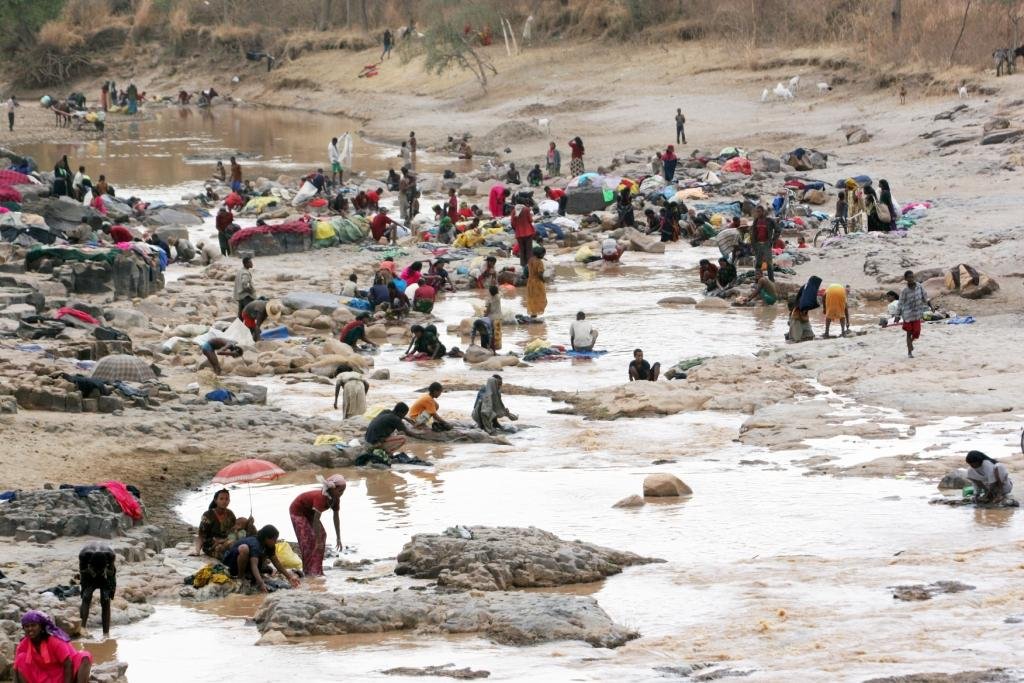
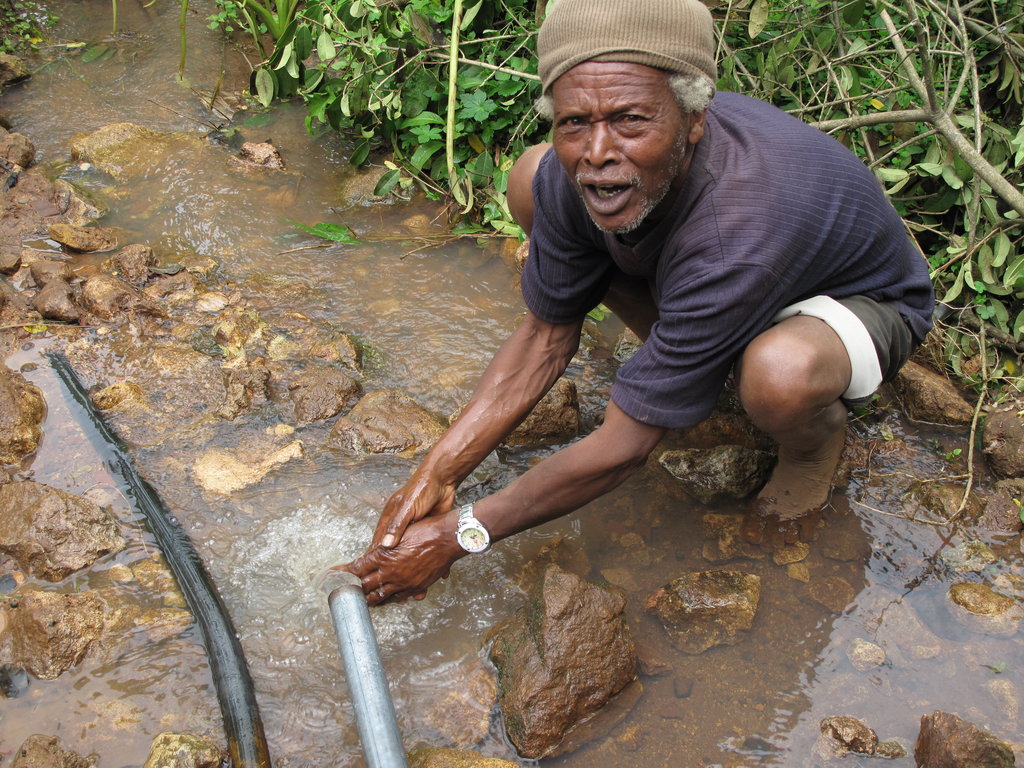
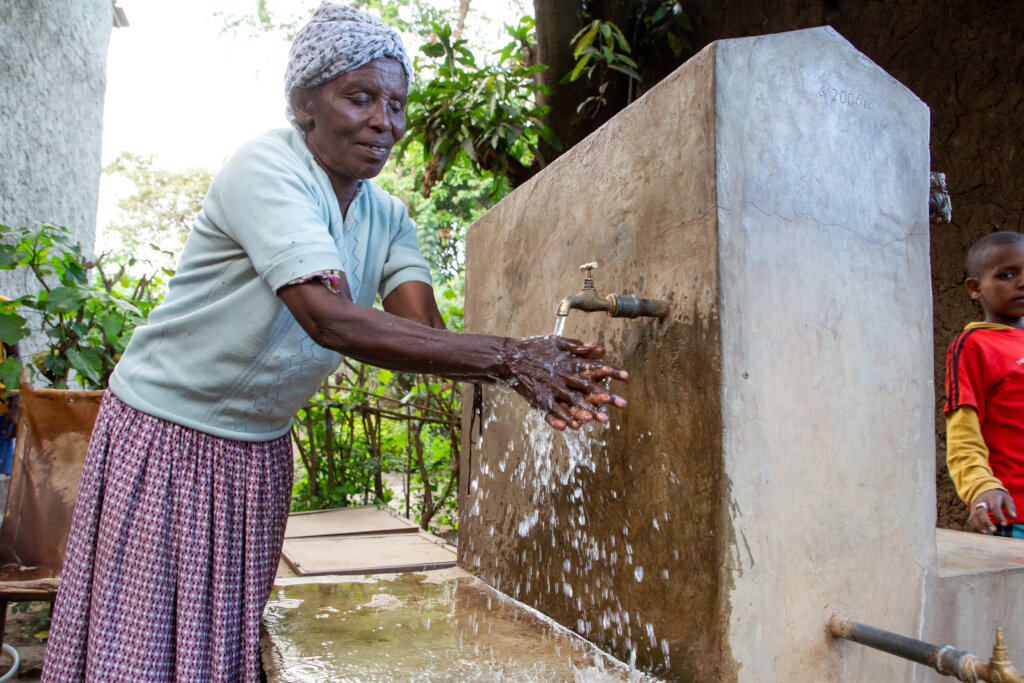
When water is not easily accessible, face-washing declines. Communities may be reluctant to use precious water for hygenic purposes which reduces water for more basic sustenance activities.
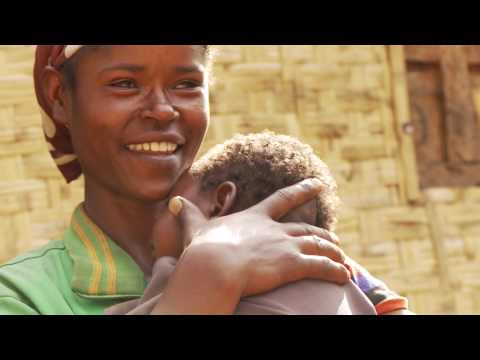
Women must be reached with health education so that they can protect themselves, and their children, from trachoma. They must be reached with treatment to cure their current infections. They must have access to water and sanitation.
Project reports on GlobalGiving are posted directly to globalgiving.org by Project Leaders as they are completed, generally every 3-4 months. To protect the integrity of these documents, GlobalGiving does not alter them; therefore you may find some language or formatting issues.
If you donate to this project or have donated to this project, you can receive an email when this project posts a report. You can also subscribe for reports without donating.