By Ikhlass Ahmed | Project Officer, Sudan
“We arrived with nothing. Not even the basic things women need every day.”
This was the reality for many women and girls who recently arrived in Tawilla, North Darfur, after fleeing the violence in El Fasher.
Following the fall of El Fasher on 26 October 2025, thousands of families were forced to escape their homes. Many walked for days, fleeing shelling, killings, and widespread violence. Women and girls arrived in Tawilla exhausted, traumatized, and without even the most basic personal items.
Many had no access to sanitary products, soap, or hygiene supplies. Some had experienced sexual violence during the conflict or while fleeing the city. Others had witnessed the killing of family members or the destruction of their homes.
Amid this crisis, Women Together for Cooperation (WTC) stepped in to support the newly arrived women and girls.
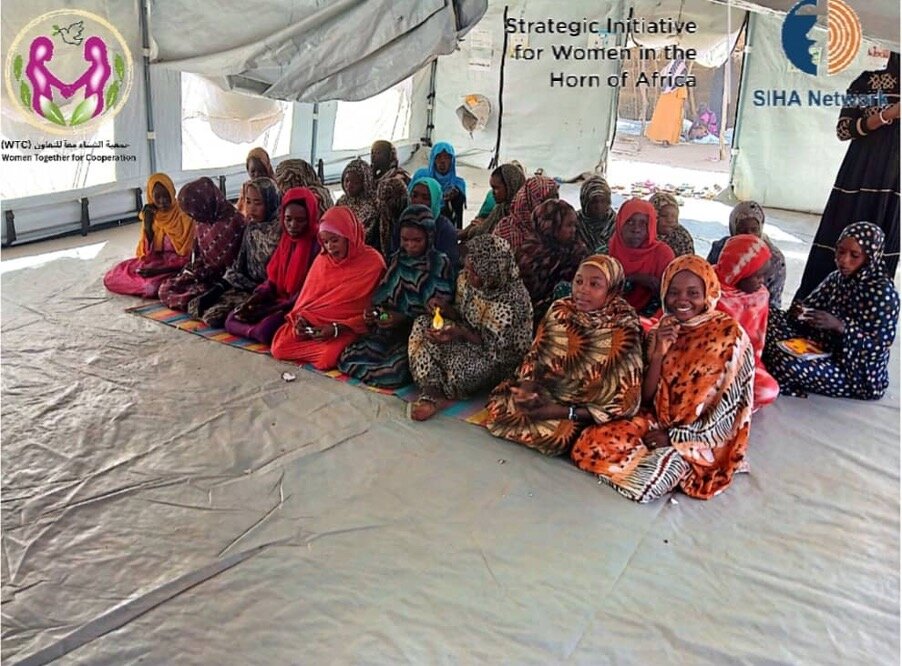
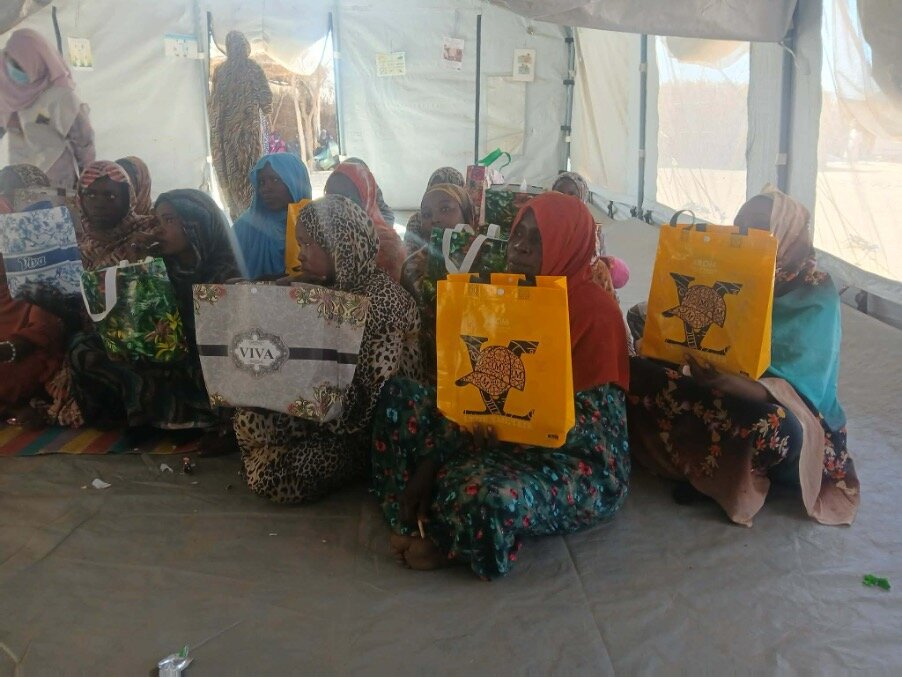
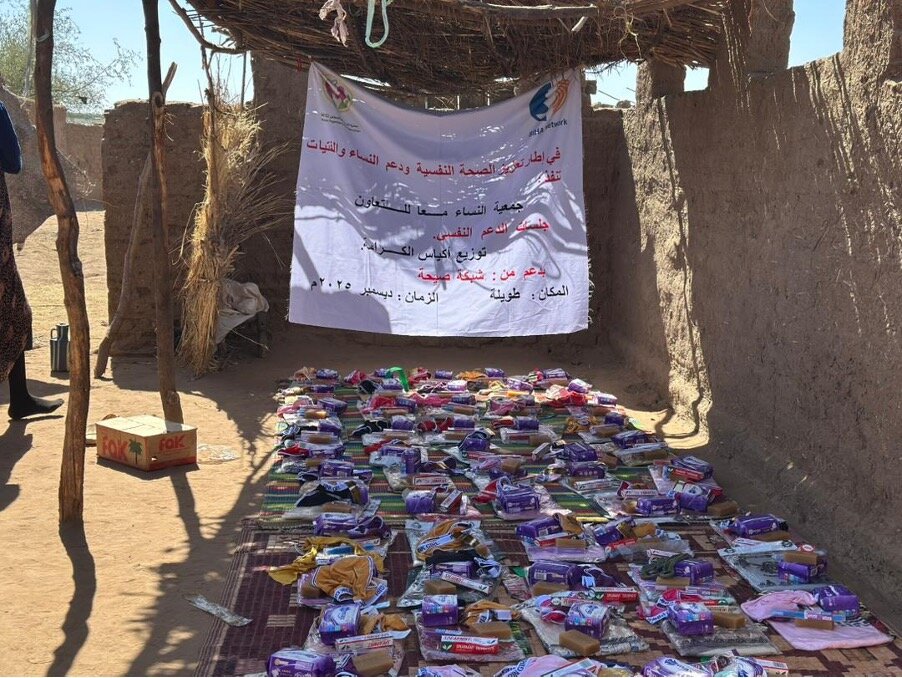
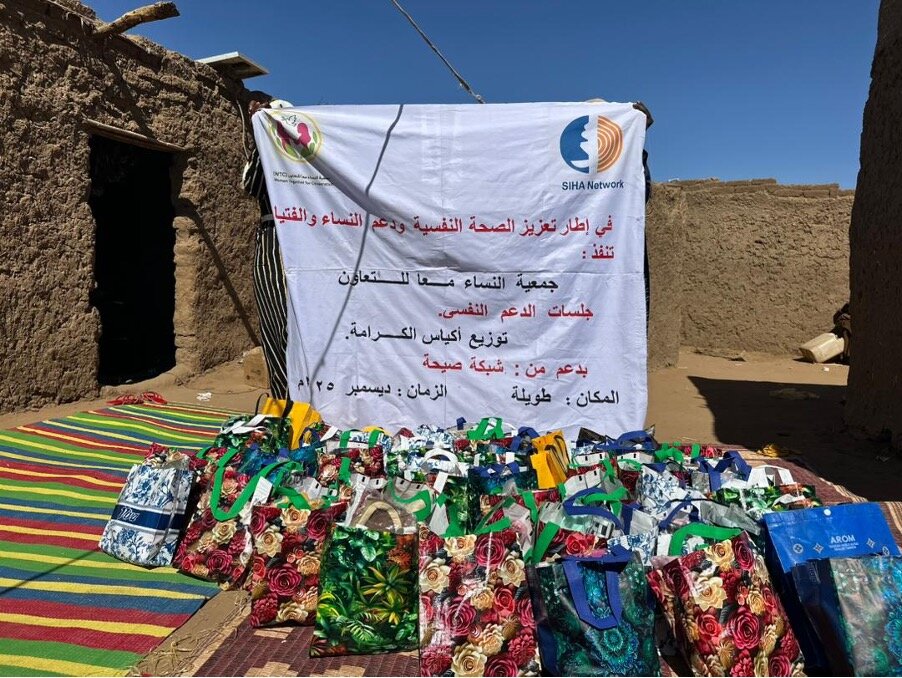
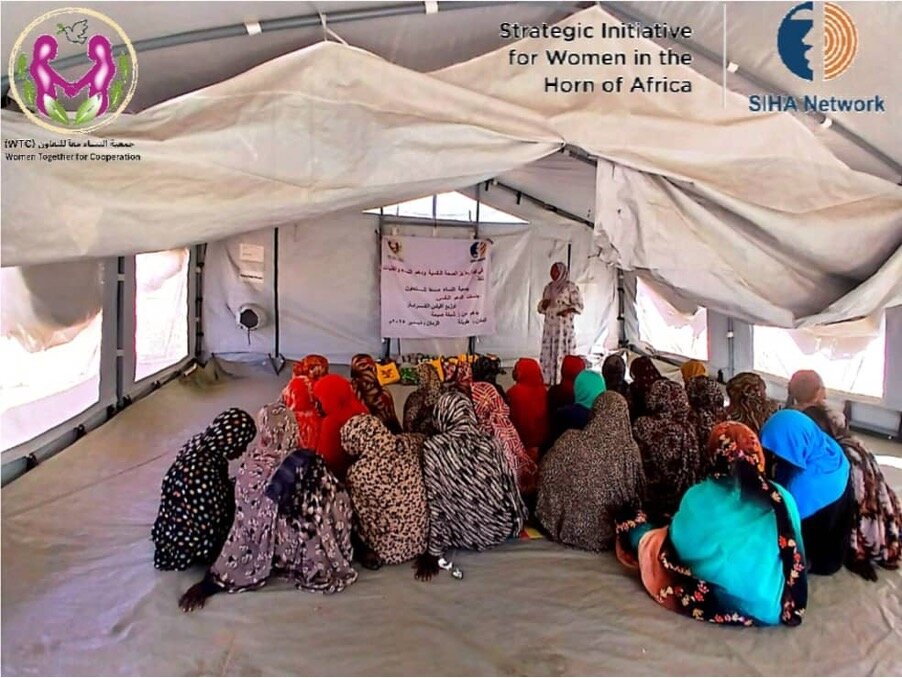
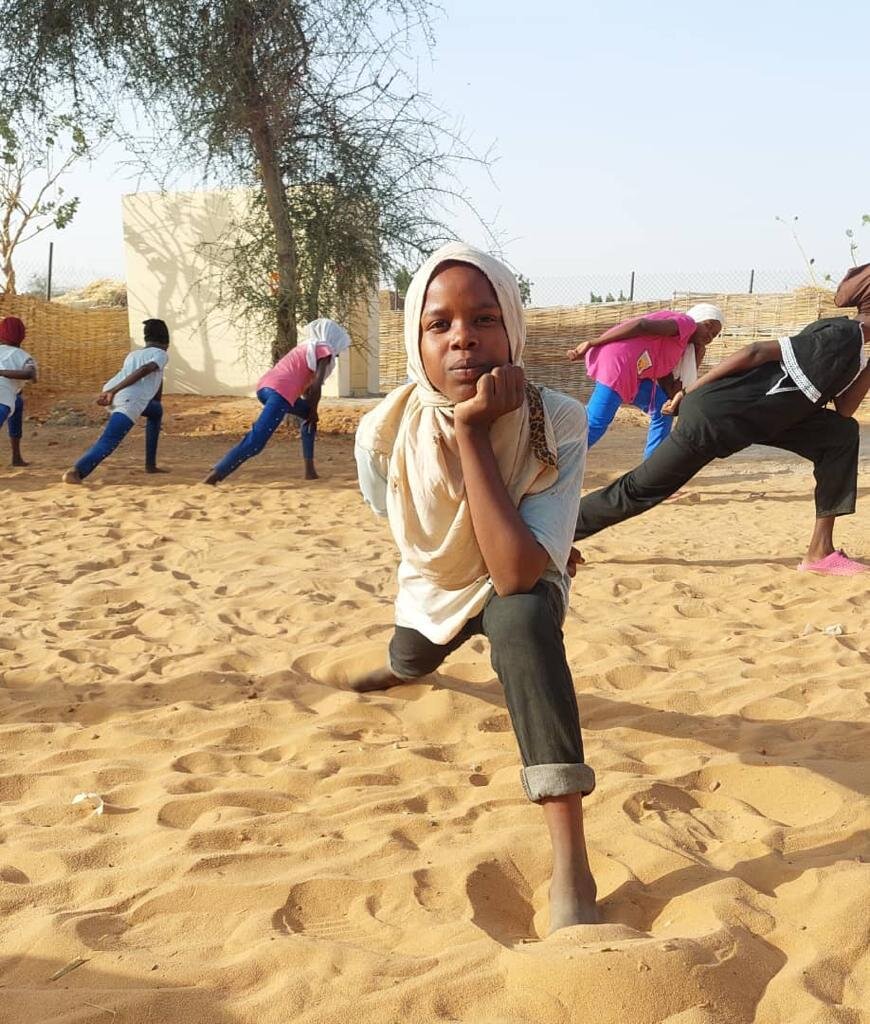
With limited resources but deep commitment, the team organized a three-day emergency support activity in Tawilla, providing dignity kits and psychosocial support sessions for women and girls displaced from El Fasher
“We realized that many women had fled without even a single personal item,” one organizer explained.
“Providing dignity kits went beyond hygiene support; it was about restoring a sense of dignity and care.”
With the support received during this reporting period, Women Together for Cooperation was able to:
These items are critical for women and girls living in displacement, where access to basic hygiene materials is almost nonexistent.
The psychosocial sessions created a safe and supportive space for women and girls to share their experiences, rebuild trust, and begin coping with the trauma they endured during the conflict and displacement.
For many participants, this was the first opportunity to speak openly about their experiences since fleeing El Fasher.
The needs in Tawilla continue to grow as new displaced families arrive daily.
Many women and girls are living without:
Participants in the sessions expressed strong appreciation for the support provided. Many also requested additional sessions and more dignity kits, especially sanitary pads, as the number of displaced women and girls continues to increase.
Without continued assistance, many displaced women and girls will remain without the basic resources necessary for dignity, health, and emotional recovery.
Looking Ahead
This small intervention, supporting 60 displaced women and girls with dignity kits and psychosocial support, shows how community-led initiatives can provide immediate relief in times of crisis.
But the needs are far greater.
Thousands of women and girls who fled the violence in El Fasher are still arriving in Tawilla with nothing. Many continue to face trauma, insecurity, and a lack of basic hygiene supplies.
SIHA remains committed to supporting displaced women and girls through its partners, such as Women Together for Cooperation, but additional resources are urgently needed to expand dignity kit distributions and continue psychosocial support sessions for those most affected by the conflict.
Even amid displacement and uncertainty, these women continue to show remarkable resilience.
With continued support, we can ensure that they are not facing this crisis alone.
Follow our journey:
Instagram: @sihanetwork
Twitter/X: @sihanet
Facebook: SIHA Network
LinkedIn: Strategic Initiative for Women in the Horn of Africa
YouTube: @SihaNetwork
Links:
Project reports on GlobalGiving are posted directly to globalgiving.org by Project Leaders as they are completed, generally every 3-4 months. To protect the integrity of these documents, GlobalGiving does not alter them; therefore you may find some language or formatting issues.
If you donate to this project or have donated to this project, you can receive an email when this project posts a report. You can also subscribe for reports without donating.



Support this important cause by creating a personalized fundraising page.
Start a Fundraiser