By Mingqian Li | University College London Student
This field study in Morocco deeply moved me and provided me with an invaluable and unprecedented experience. The precious memories and insights I gained will forever stay with me in Morocco.
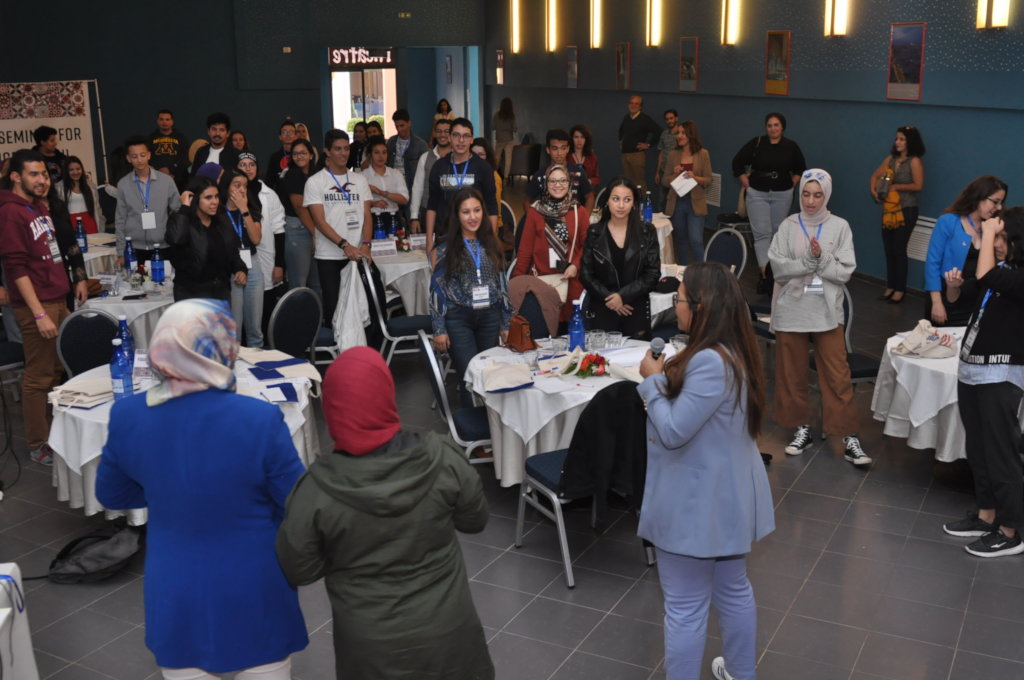
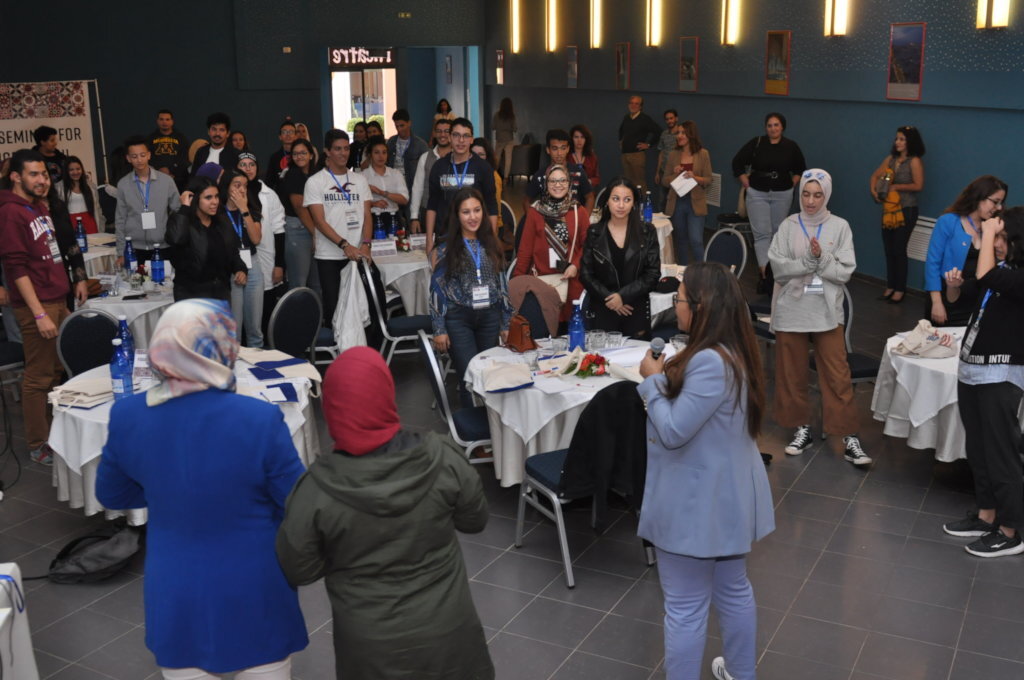
From the very first day, we immersed ourselves in interactions with the local community. During community activities, we learned to make traditional Moroccan Dishes from the residents.
It was my first time personally preparing couscous and tagine. Everyone sat together, singing and dancing to the rhythms of traditional folk instruments.
On the second day, two professional lectures gave me insight into how Morocco actively addresses the challenges of water scarcity through technologies such as rainwater harvesting systems, fog water collection and seawater desalination.
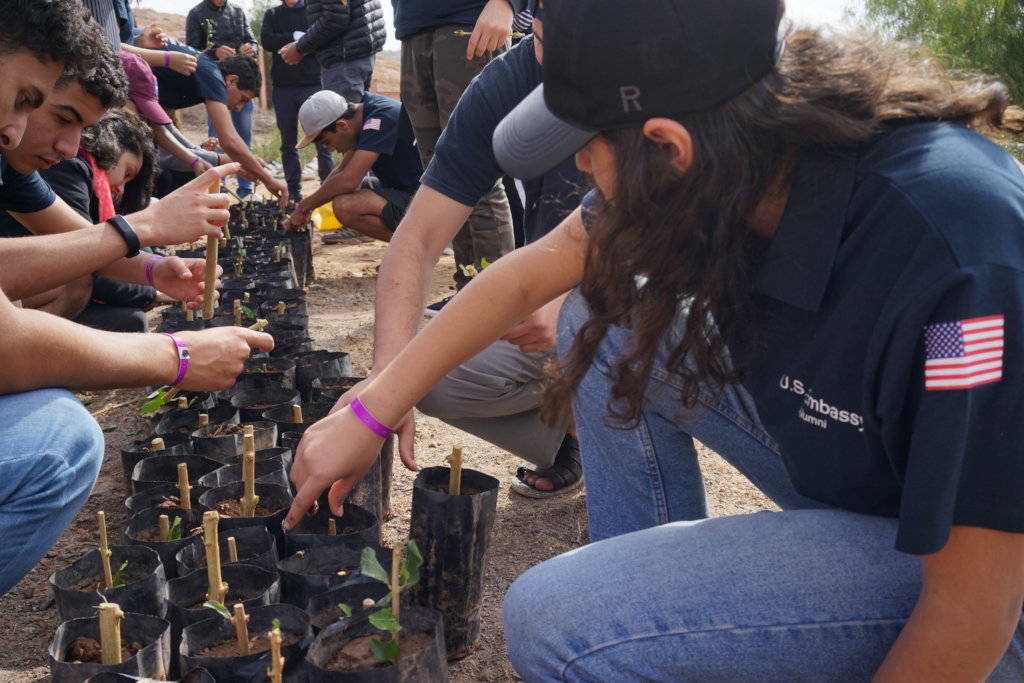
It also deepened my understanding of the impacts of climate change on the region. On The third day, each of us planted an olive tree by hand.
What seemed like a simple task turned out to be much more complex and difficult when actually put into practice.
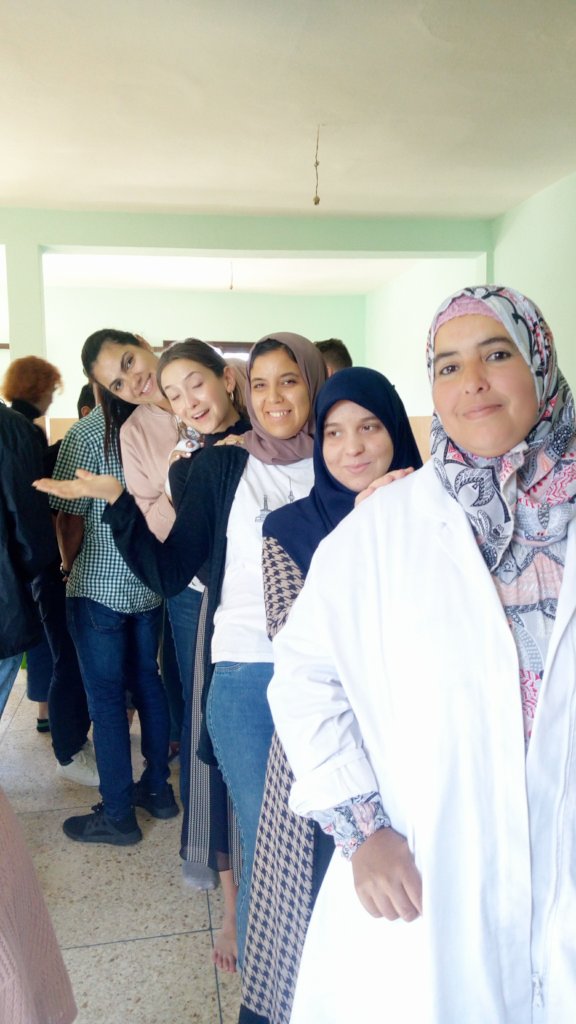
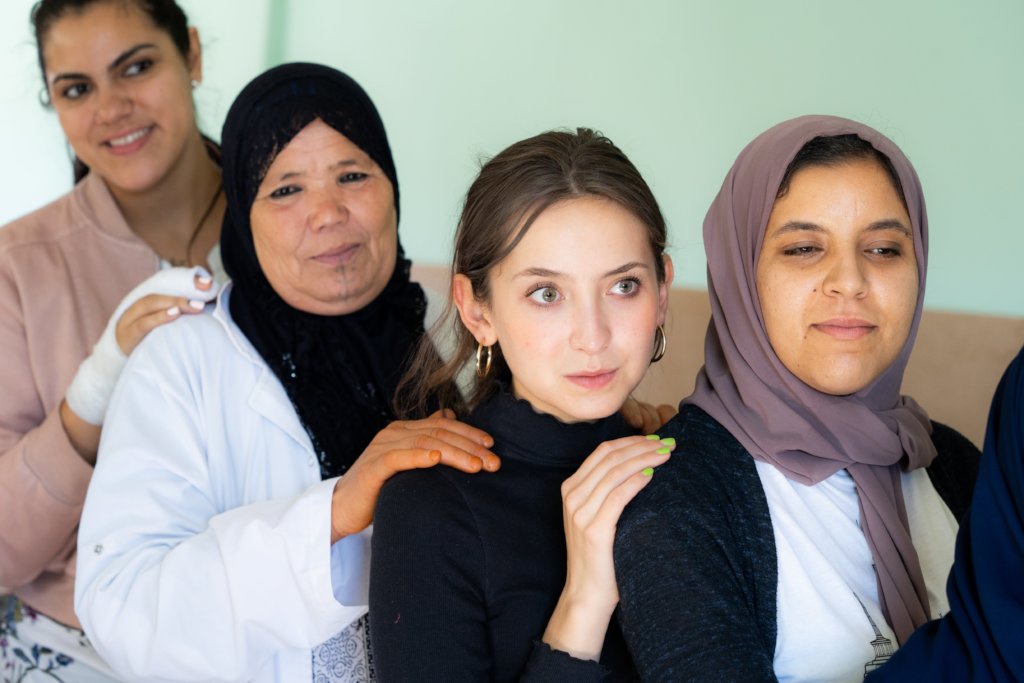
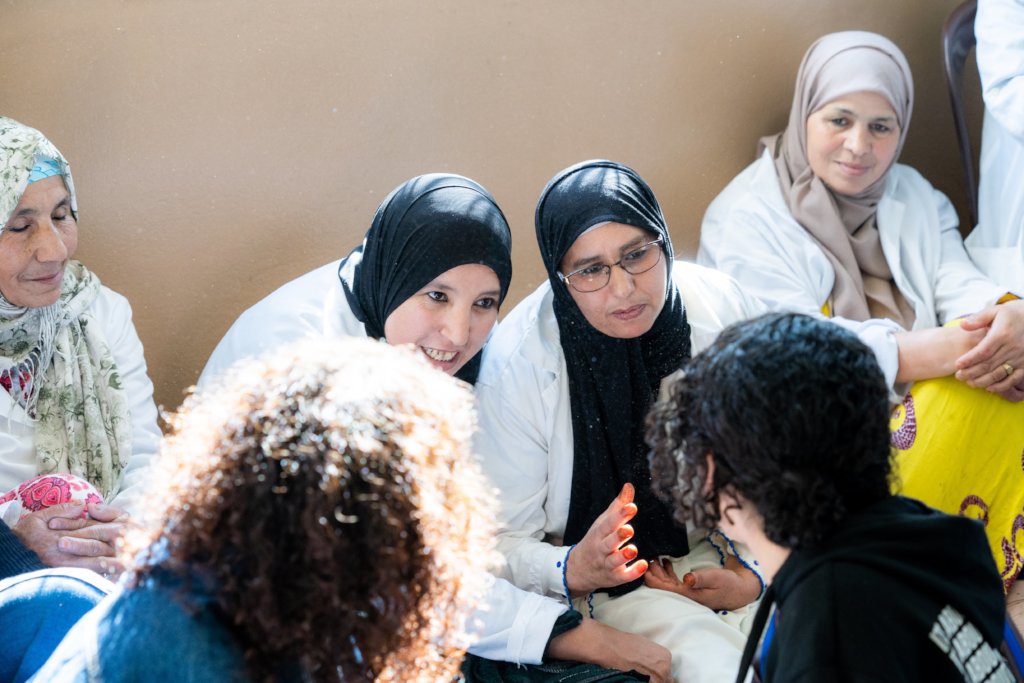
We also visited a Women Cooperative to learn how the High Atlas Foundation’s (HAF) IMAGINE program supports women who previously stayed at home by helping them develop essential life and economic skills.
With the support of HAF, these women have overcome the first major challenge—finding meaningful work and a source of income—and are now working to tackle the second: how to make their products known and attract visitors and customers.
One particularly moving story came from a woman who was among the first to join the cooperative; she now earns an income and has even obtained her driver’s license, allowing her to drive independently.
The women shared their vision of “getting better and better,” and hope to one day become fully self-sufficient—growing their own food, cooking it themselves, and no longer relying on supermarkets.
Their determination to be “as capable as men, even better”deeply inspired me. They currently produce handmade carpets and welcome orders or inquiries via WhatsApp/phone: +212646698605.
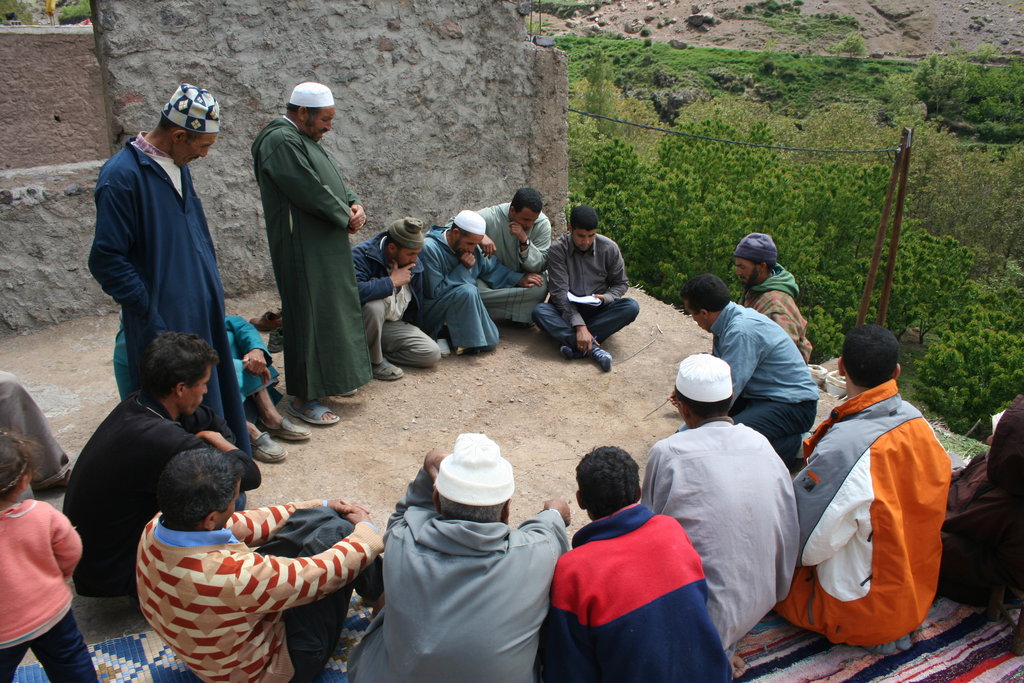
Next, we visited the village of Amizmiz, which was severely affected by the 2023 earthquake. During the aftermath, some families had to live in makeshift triangular tents for as long as six months.
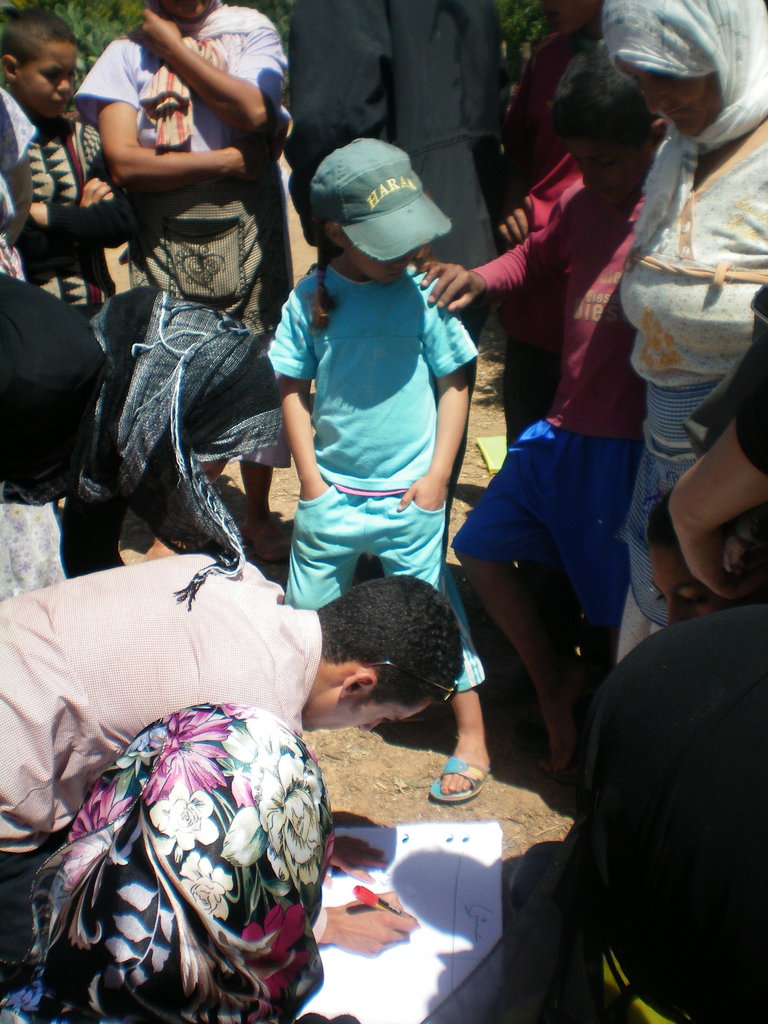
I witnessed the resilience of the local people and the pure and joyful smiles of the children. We saw hardworking individuals traveling by donkey cart, and children on the roadside waving to us with heart gestures.
Even when I asked “What’s your name?” in very broken Arabic, they smiled and cheerfully repeated their own names and their friends’ over and over again.
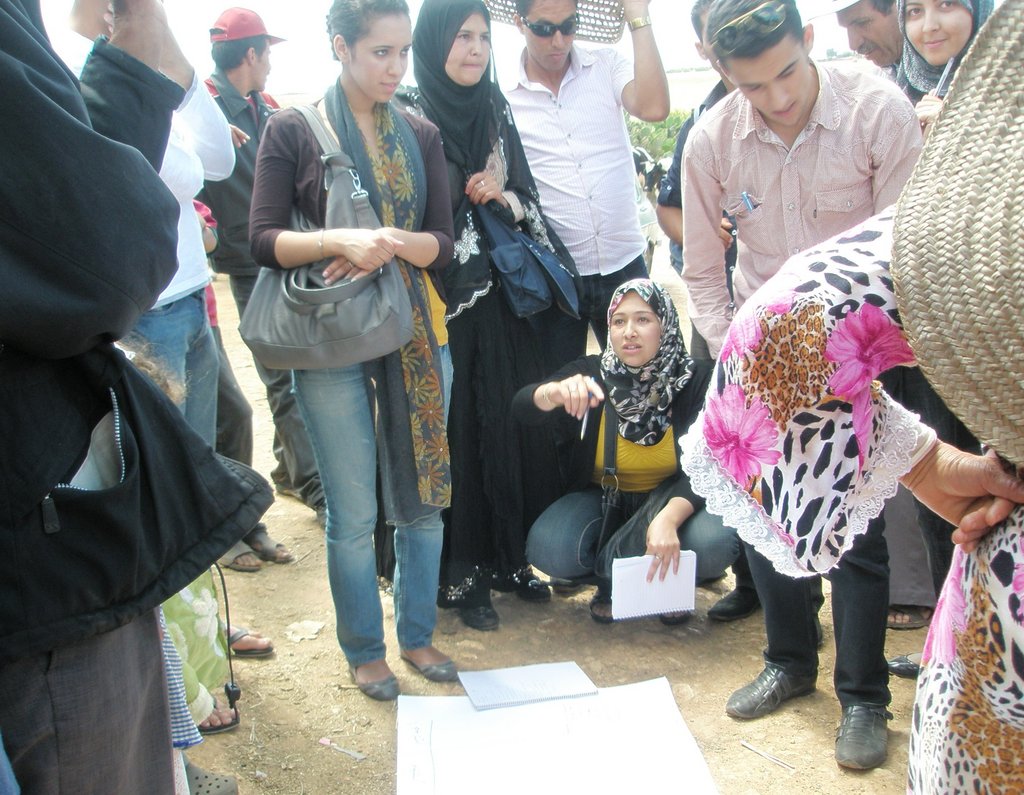
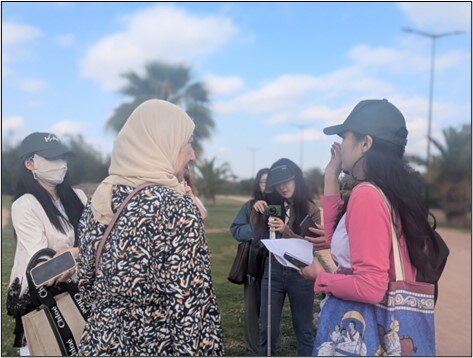
Once we officially entered the fieldwork phase, we conducted on-site research focusing on how urban green spaces, particularly their shading and cooling functions affect residents' health and help mitigate extreme heat.
We visited several parks and neighborhoods, including Menera Garden, Annahda Garden, Azli Garden, Gueliz District Council, Harti Garden, Cyber Park, etc.
I also noticed that during formal interviews, I often unintentionally directed my gaze toward our interpreter/coordinator instead of the interviewee.
Through continuous practice and conscious self-adjustment, I gradually learned to adapt questions based on the interviewees’ responses, to maintain eye contact and use body language effectively.
Over time, our interviews became more professional, natural and engaging.
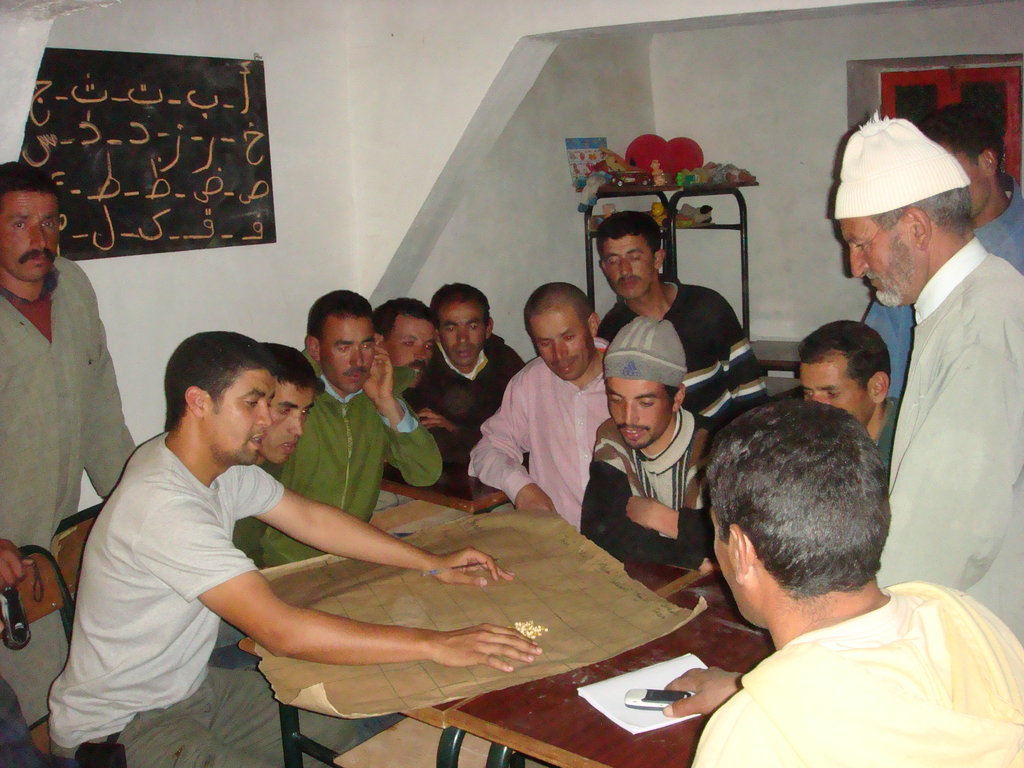
Beyond the research topic itself, I gathered many genuine observations from residents' responses. Across 21 interviews, we identified several recurring issues: boys enjoy playing football, but many clean and well-maintained fields require payment; girls like swings, but the number of swings is limited; there is a lack of lighting at night; most parks allow motorcycles to enter, creating significant noise andposing safety risks due to inadequate protective measures; there is a serious shortage of trash bins, leading to littering even in otherwise tidy green spaces; and there are not enough benches or public restrooms.
At the same time, I was deeply moved by countless moments of warmth. During one interview with a family having a picnic, a child enthusiastically offered me a piece of flatbread made by their mother; After another interview with a mother and her three daughters, she invited me to take a photo with them, and the girls joyfully hugged me and kissed my cheek; a family with pregnant women warmly invited us to their home after the interview.
A group of young men playing football told us they would be cooking tagine that evening and asked if we’d like to join them! These moments of sincerity and kindness filled me with gratitude! In this context, greenspaces and parks serve not only as places for shade and exercise, but also as vital hubs for family bonding, recreational activities and community connection!
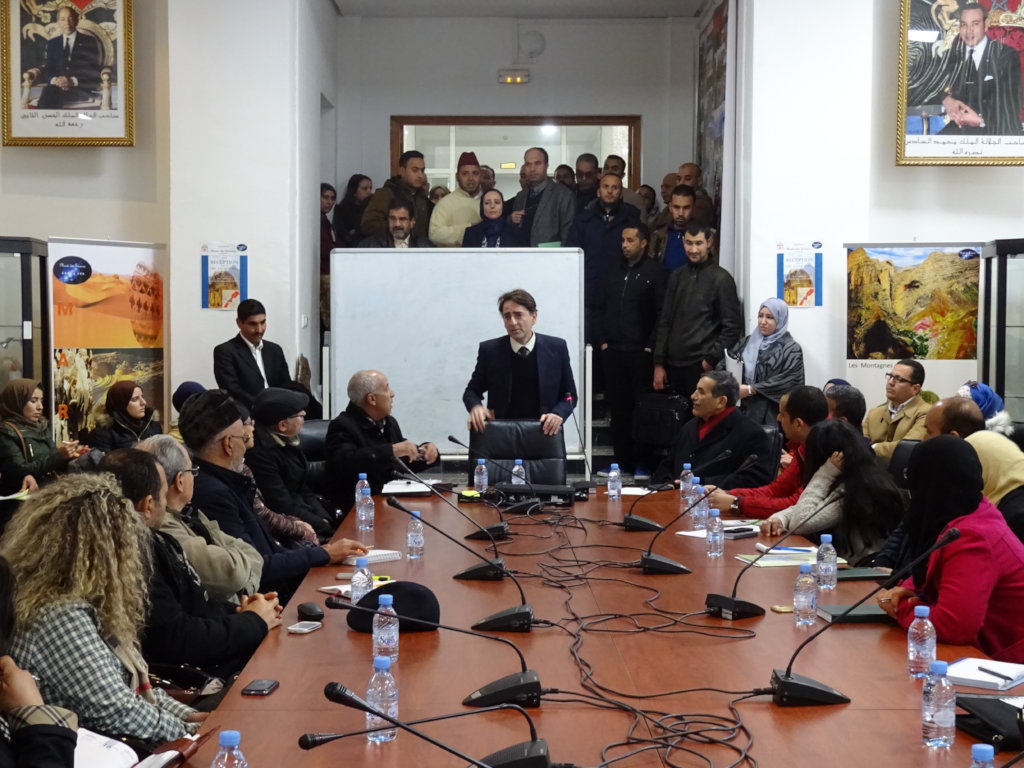
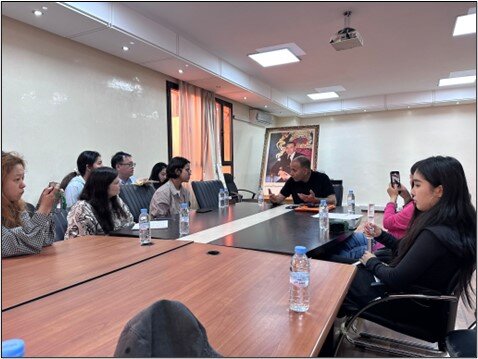
During the fieldwork, I was honored to have the opportunity to speak with Mr. Abderrahim, the Head of Urban Planting! He patiently explained the city’s main shading strategies, the challenges in managing urban green spaces, and the level of public awareness regarding climate change, etc.
At the end of the conversation, he smiled and said, “I’m looking forward to seeing your research report.”
This was not only a rare and valuable experience for me, but also provided our project with firsthand insights of great significance!
"Shukran" () cannot fully express my gratitude! I sincerely appreciate HUD for providing such a valuable field study opportunity! I am deeply thankful to our coordinator, Hanane Lahder of the High Atlas Foundation, for her amazing translation and support! I am deeply grateful to Prof.
Haim and Dr. Nura for their dedication, to Prof. Liza for her insightful guidance, to our coordinator Johanna for her continuous support, and to all of my amazing group members for their collaboration! I also extend my thanks to every effort made by the High Atlas Foundation, and to every resident of Marrakesh for their kindness, trust and warmth!
Project reports on GlobalGiving are posted directly to globalgiving.org by Project Leaders as they are completed, generally every 3-4 months. To protect the integrity of these documents, GlobalGiving does not alter them; therefore you may find some language or formatting issues.
If you donate to this project or have donated to this project, you can receive an email when this project posts a report. You can also subscribe for reports without donating.



Support this important cause by creating a personalized fundraising page.
Start a Fundraiser