By Lucas Miato | Social Project Specialist
Introduction
This report comprises an analysis of the Perfec Crossing Project. The data systematization and preliminary results of this project were formulated from a pedagogical perspective. Therefore, the analysis presented here will be informed by contributions from educational and social theorists, as well as documents that guide Brazilian education, such as the National Common Curricular Base (BNCC).
In the initial section of this report, we will present the methodology and teaching methods adopted and how they have been used in the different training paths that aim to promote the comprehensive development of students.
In the following section, we will present, in general terms, how the training paths are organized into activities and pedagogical practices facilitated by the team of educators and in partnership with other collaborators working directly on the project. This section will also seek to present some characteristics that comprise the social profile of those served by the project.
In the third section, we will highlight the initial positive impacts observed throughout this project. In the fourth section, we will outline the negative aspects to understand how these issues need to be overcome to ensure that the project's indicators are met.
In the final section, we will offer preliminary considerations based on the data collected by the team of educators and the observation of the activities carried out by the project coordinator.
Project Methodoly
The methodology proposed in the Perfect Crossing Project uses the theoretical and methodological assumptions of Comprehensive Education as its framework. This principle has guided the pedagogical work that guides the organization of the curriculum, the definition of teaching methods and procedures, and assessment instruments.
In agreement with Morin, E. (2000) – in the book: The Seven Necessary Knowledges for the Education of the Future – the author proposes a transdisciplinary and integrative approach, advocating for an education that develops the complexity of the human being, promoting critical thinking, ethics, and social responsibility.
Edgar Morin's theories were essential in the process of discussing the methodology and pedagogical practices that would underpin this project. These theories propose a vision of education that transcends the idea that learning is achieved through the transmission of content and in which the educator is the primary holder of knowledge, instead proposing a vision of education that focuses on the development of cognitive, emotional, ethical, and social skills. In short, Morin advocates for an education that values understanding the world as a whole, an education that encourages and enables individuals to become critical, ethical, and responsible citizens, capable of dealing with the complexity and demands of modern life.
According to the BNCC, comprehensive education aims to educate and develop students globally, understanding "the complexity and non-linearity of this development, breaking with reductionist views that prioritize either the intellectual (cognitive) or the affective dimension" (BNCC, 2017, p. 14).
In this sense, in the process of developing educational itineraries for students served at the Bola Pra Frente Institute, we considered the following dimensions:
Personal dimension of students:
In this dimension, children and adolescents, through pedagogical practices, are encouraged to know themselves, to build their identities, to understand their interests, values, abilities, skills and difficulties.
Social dimension of students:
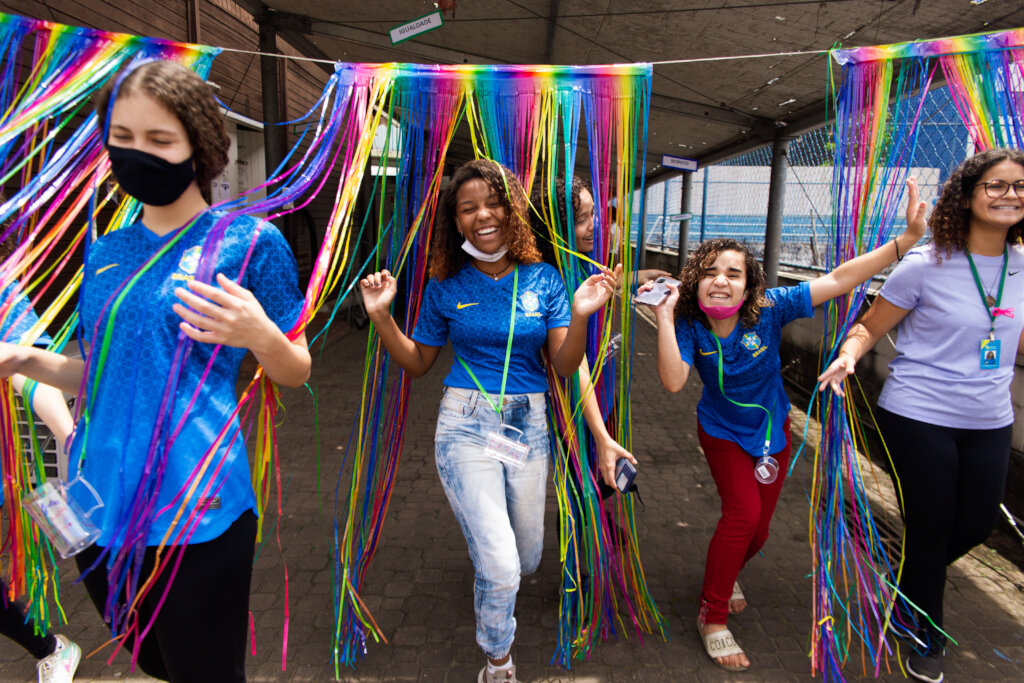
This dimension seeks to explore how interactions occur in the various contexts of students: family, school, community, and other spaces in which they participate. Understanding life as a collective helps children and adolescents build their perceptions of society and understand notions of rights, duties, citizenship, and democracy.
Professional dimension of students:
In the Perfect Crossing Project, this dimension is adapted to different age groups and project cycles. In the training itineraries for older students (14 to 17 years old), pedagogical approaches encourage students to understand the dynamics, possibilities, and complexities of the world of work, the fields of activity, professional relationships, and how young people can connect their interests and desires to this dimension.
Activity Report
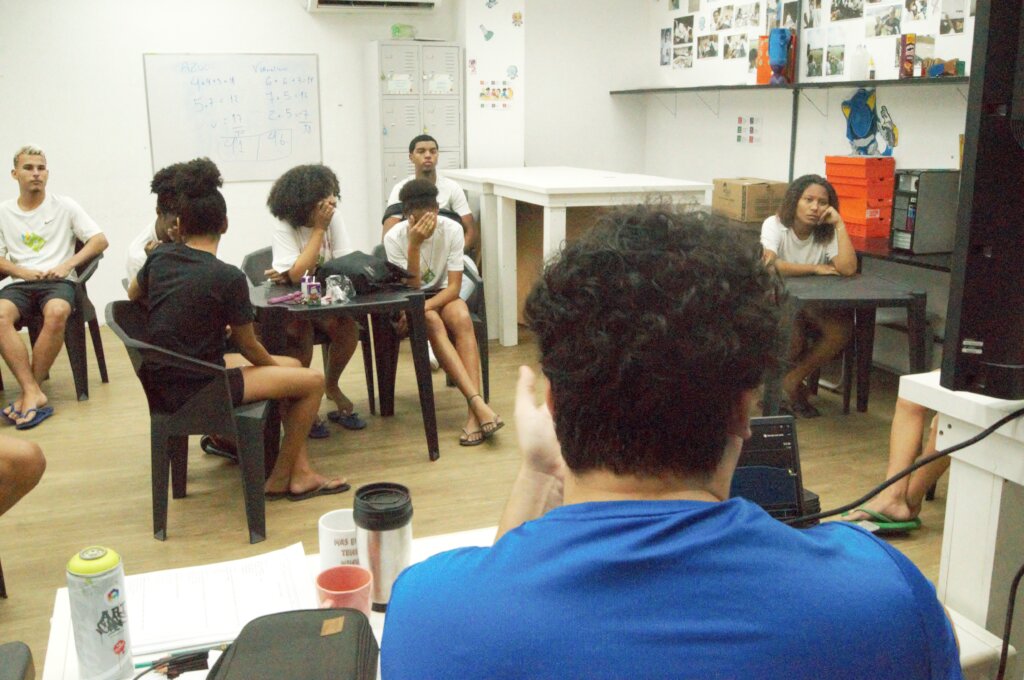
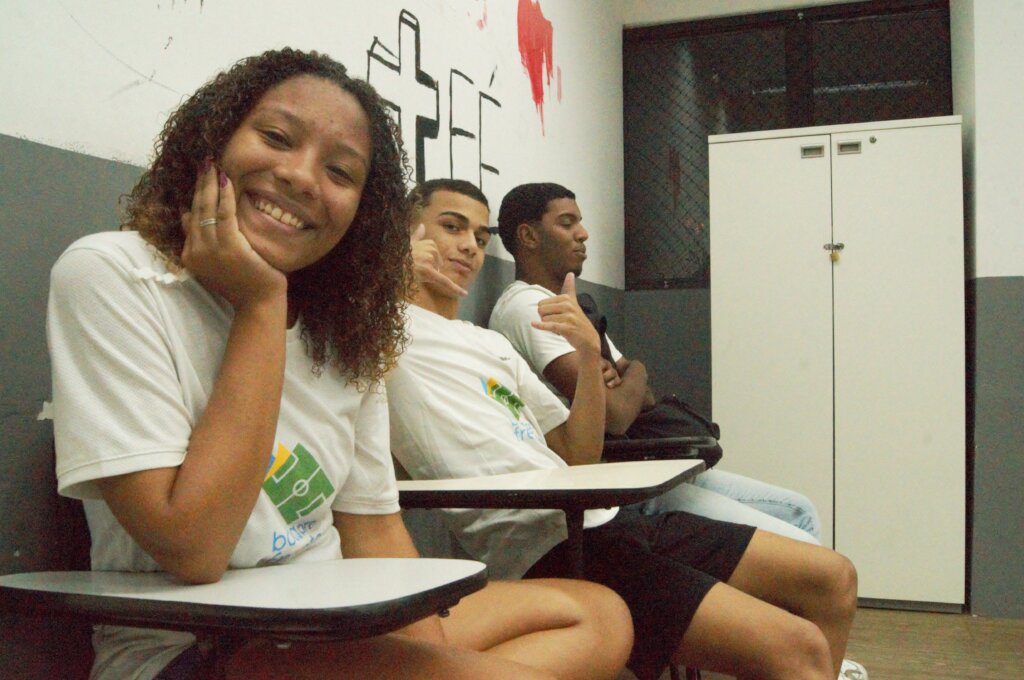
The project's activity calendar began in March of this year, offering in-person activities at the institute for all students. A total of thirty-eight weeks of activities, the content was distributed across course plans organized for each cycle. Classes always take place outside of school hours, and students attend the institute two to three times a week, depending on their age group.
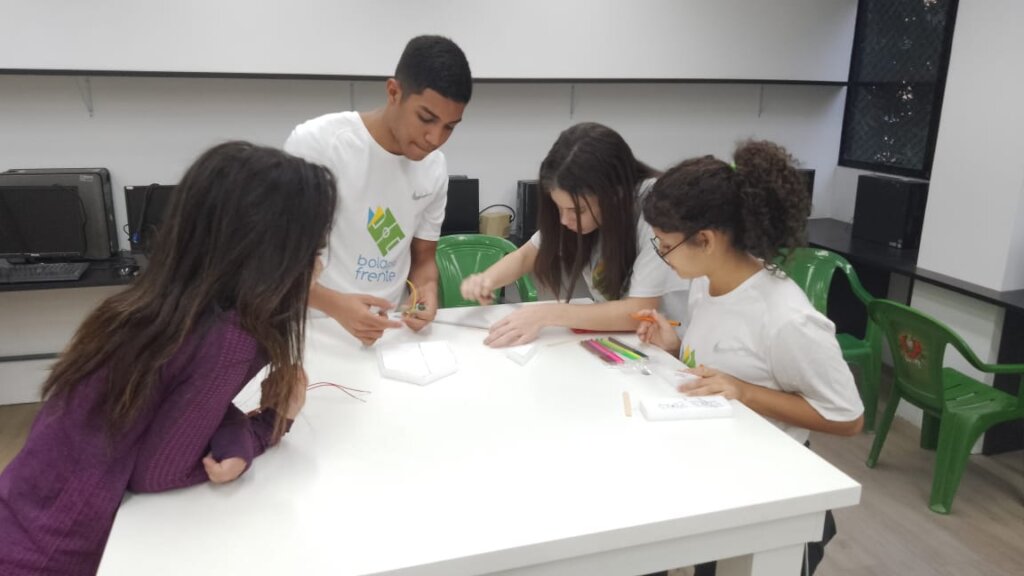
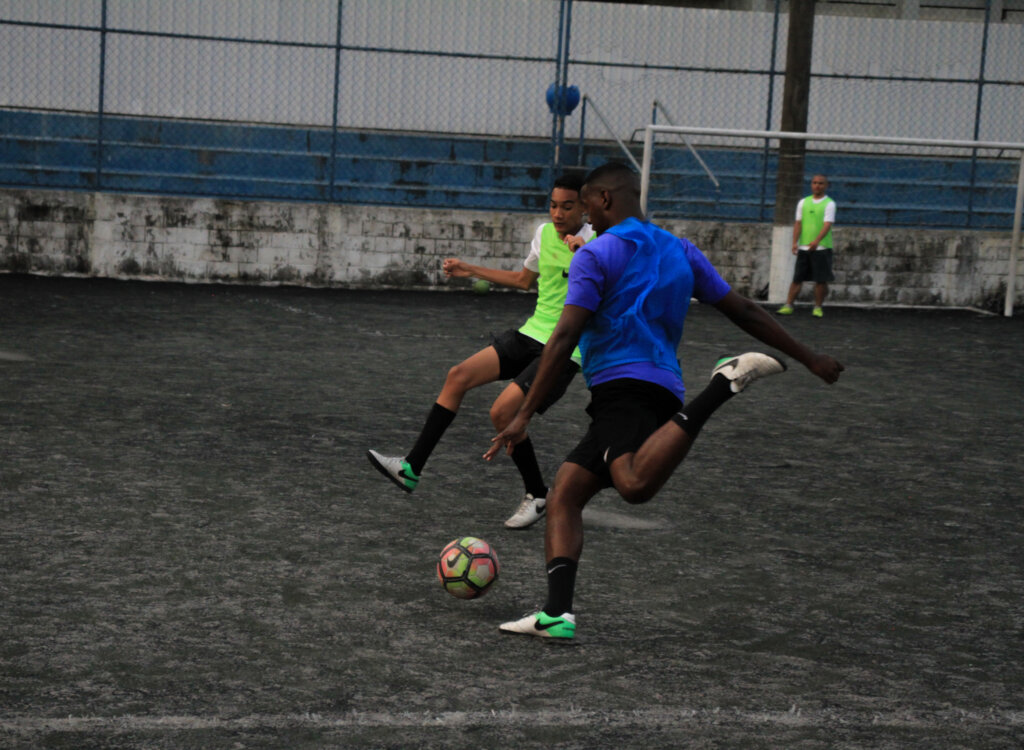
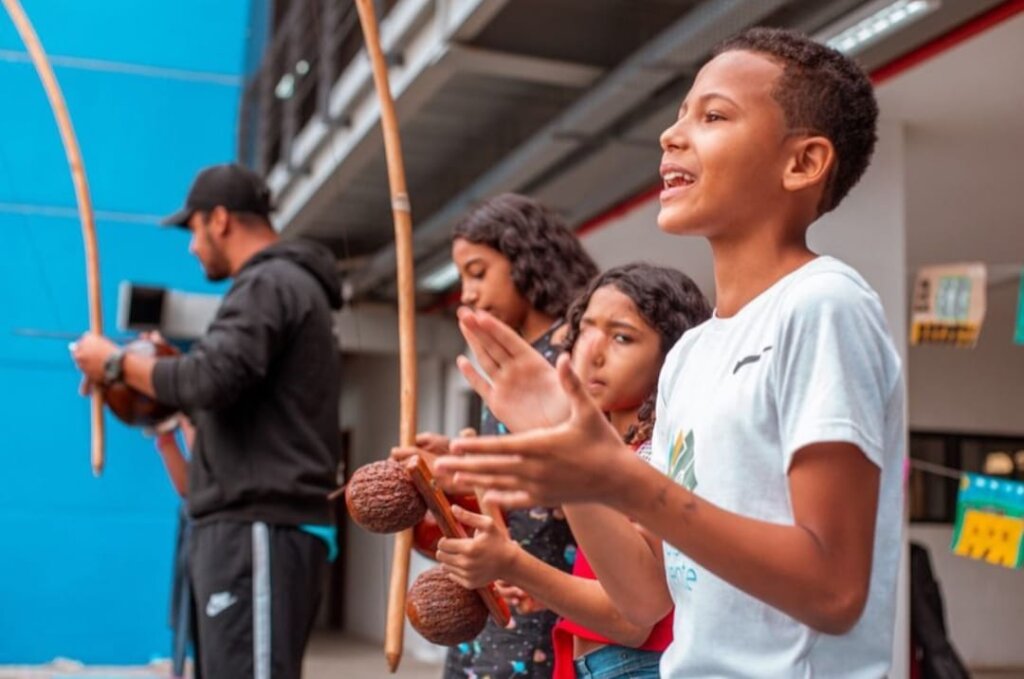
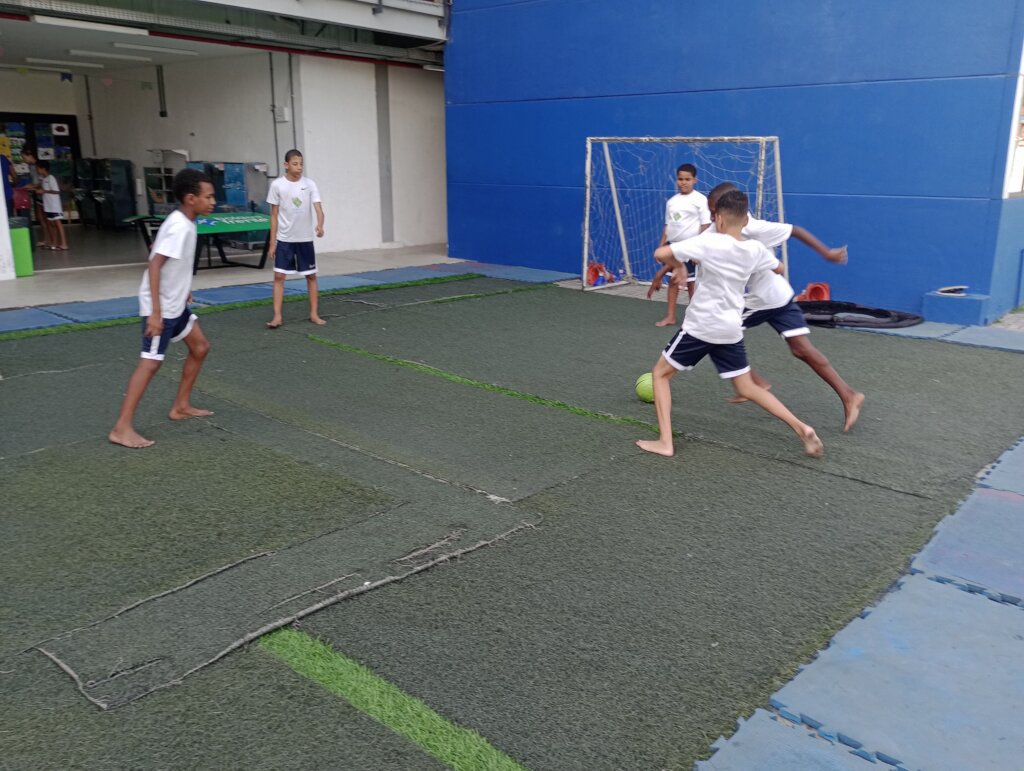
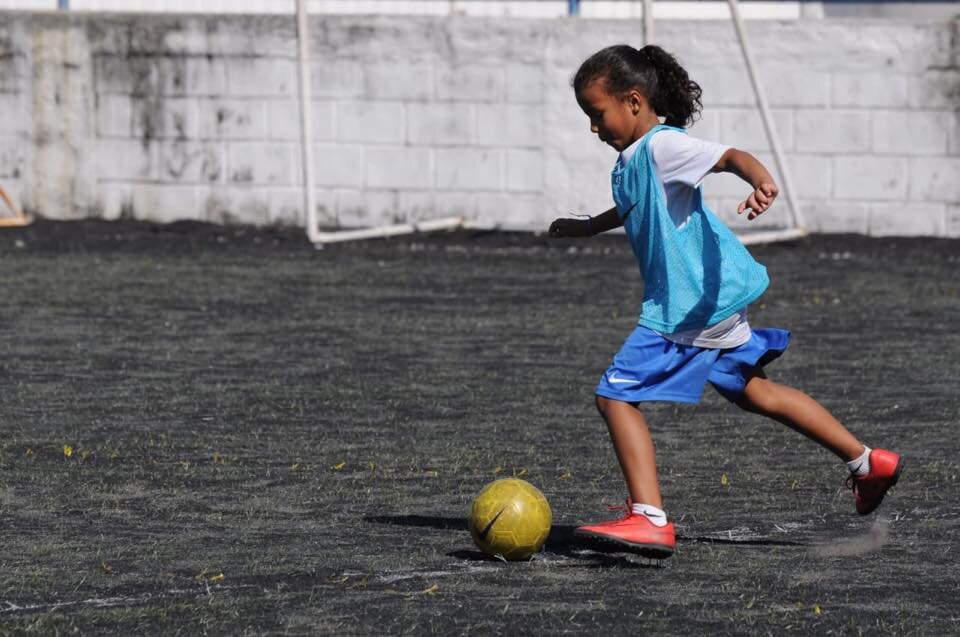
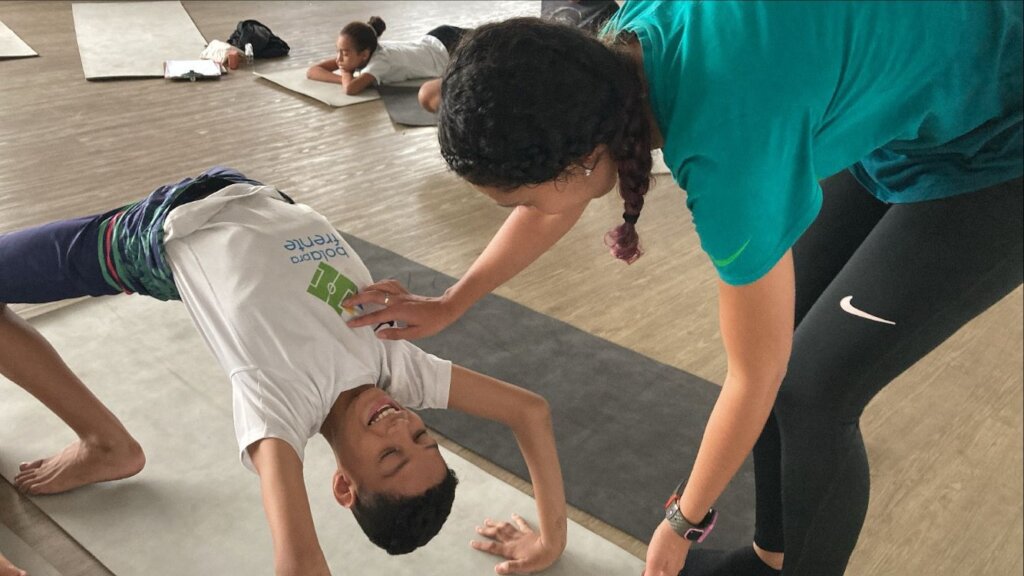
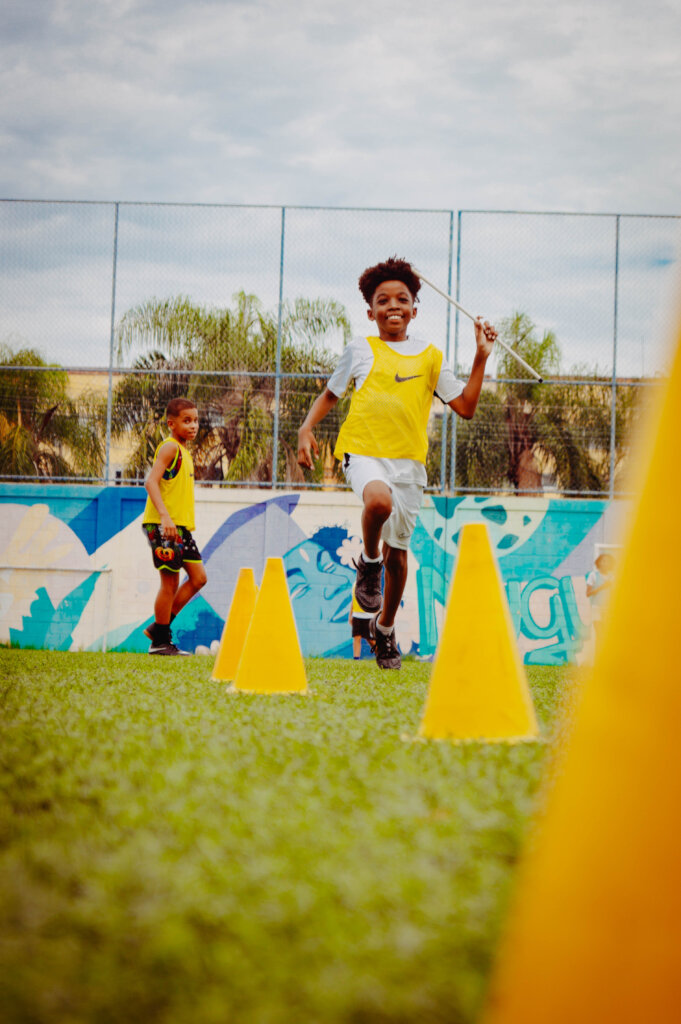
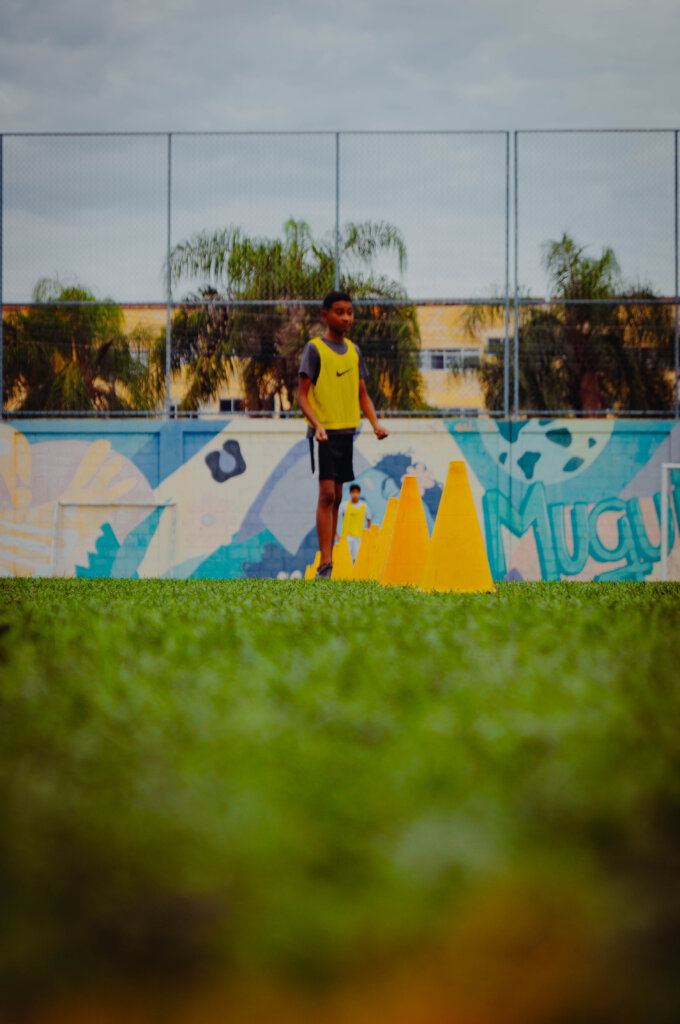
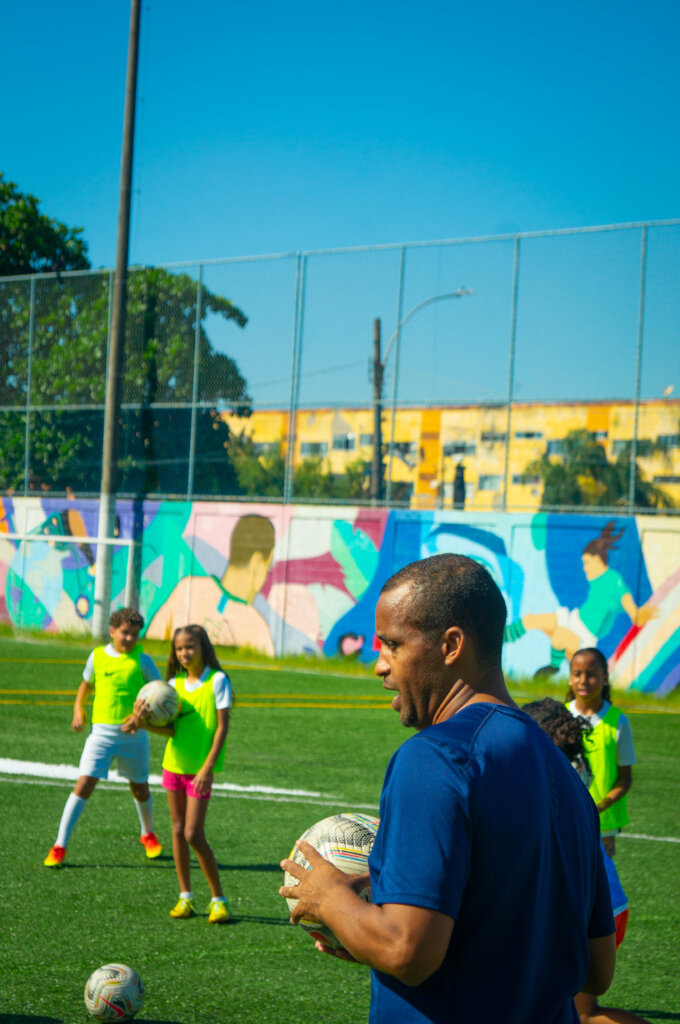
All students participate in the three-axis training tracks—educational sports, technology, and citizenship. Each week, students participate in a sports class, a digital literacy activity, and a citizenship class.
In addition to regular activities, the pedagogical calendar carries out activities in partnership with the project's technical team—composed of a social worker, a psychologist, and a nursing technician.
In the field of psychology, the main activity carried out so far was "Orange May," which focused on raising awareness and addressing the importance of mental health care. This activity was developed by the psychologist working on the project, in conjunction with the coordinators and educators. We understand that these issues require sensitive and careful treatment, as these issues are brought up by students, requiring a welcoming approach. Furthermore, some situations reported by students and later further investigated by the technical team require students to seek more individualized care, due to the complexity of the issues they present and the demands they face in the mental health field. At this point, the technical team advises those responsible for the students to seek help from the nearest and most accessible public health and psychology services in the area.
We understand that this type of coordinated pedagogical action, even if it does not fully meet the needs of those served, is essential to the learning and development of students, as it helps diagnose cases of students with special educational needs who require continuous and specialized care.
We also highlight an activity organized by the nursing technician that enabled the training of all the institute's staff. Before the activities began, the nursing technician and psychologist presented the First Aid Protocol to the team. This protocol was developed with the institute's specific needs in mind. This training, focused on first aid and protocols to be adopted in specific situations, was essential to further qualify the work of educators and other professionals who work directly in pedagogical activities (inspectors, coordinators) and those who work indirectly (cleaning, security, and others).
Activities promoted by social services are planned throughout the pedagogical calendar, such as access to document issuance and social benefits for students enrolled in high school.
In addition to these activities, events such as tournaments in various sports and outings to cultural centers and museums are also planned.
Project Strengths:
In this section, we will present some strengths we observed in these first three months of project development and the positive impacts we have observed on the students' educational journey:
1. Sports Activities and Development of Social-Emotional Skills -
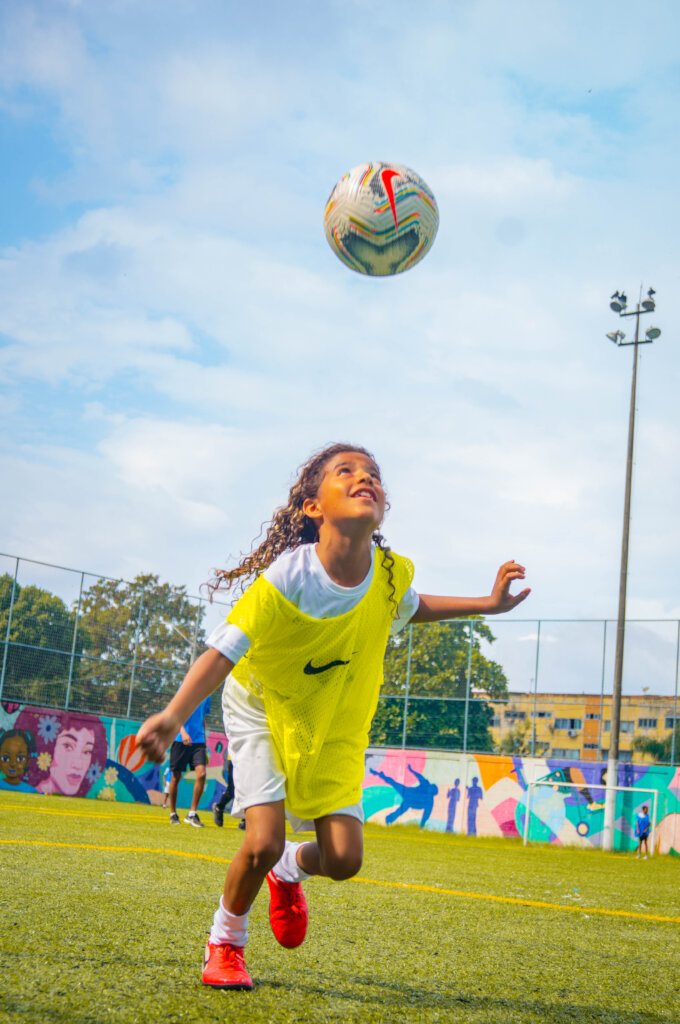
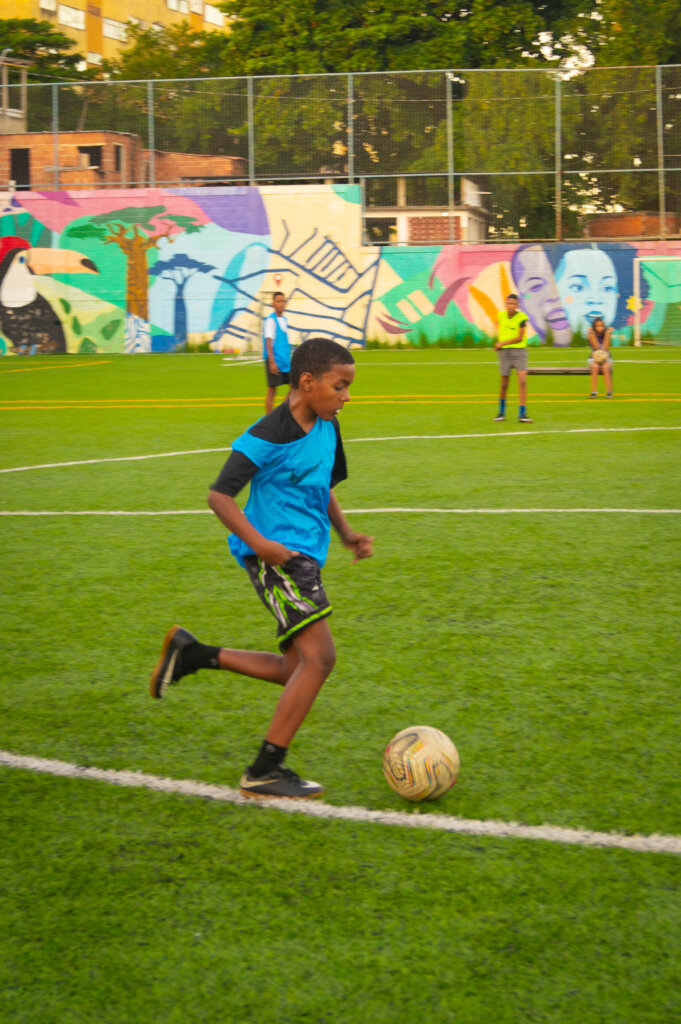
Participating in sports activities has proven to be fundamental for promoting the physical and emotional health of children and adolescents served by the project. In addition to improving physical fitness, these activities contribute to the development of social-emotional skills and competencies, such as self-regulation of emotions, self-care, and conflict management. These experiences help shape a more balanced, resilient, and socially competent personality.
2. Reading Activities Focused on Stimulating Creativity and Critical Thinking -
The reading activities carried out in the project have fostered the development of students' creativity and critical thinking. Reading broadens cultural repertoire, stimulates imagination, and promotes understanding of different perspectives. Furthermore, by promoting debates, analysis, and textual production, the project encourages students to develop argumentation, reflection, and expression skills, essential for their civic development.
3. Use of Active Methodologies: Games and Gamification
The implementation of active methodologies, such as games and gamification, has been an effective strategy for engaging students in the learning process. These approaches encourage logical reasoning, data interpretation, and hypothesis development, making learning more dynamic and meaningful. By transforming content into playful and challenging experiences, students become protagonists of their own learning, which increases their motivation and autonomy.
4. Multiliteracy Practices
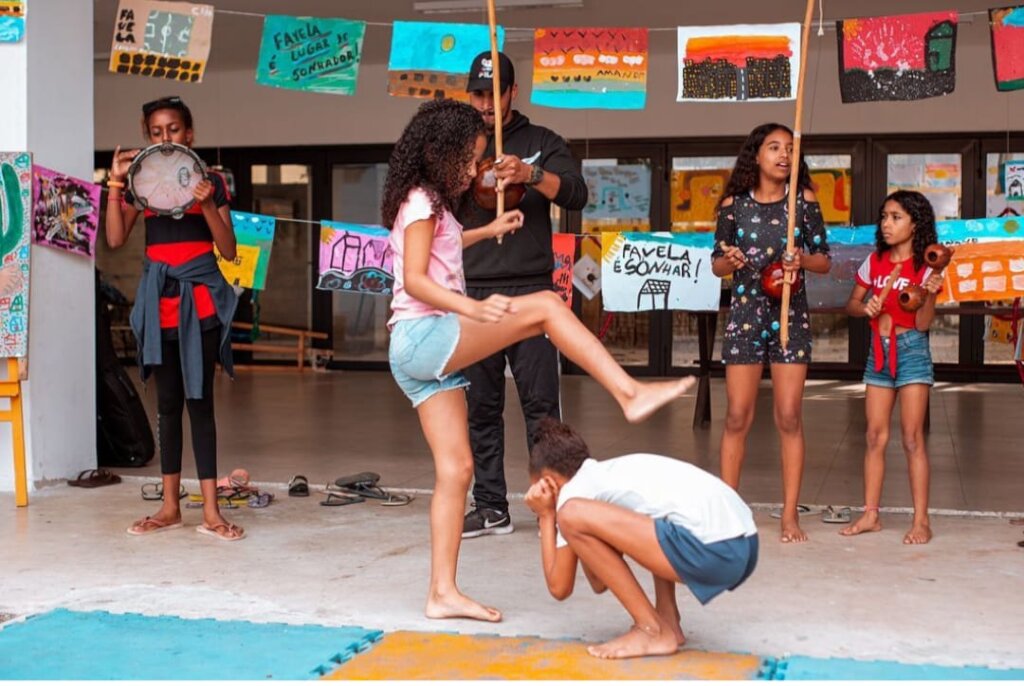
Multiliteracy practices, which involve communication through analog and digital multimedia platforms, have expanded students' learning possibilities. By using audio, text, images, graphics, and diverse languages—verbal, artistic, scientific, mathematical, cartographic, physical, and multimodal—students realize they can learn in different ways, more autonomously and creatively. These practices promote inclusion, encourage the expression of multiple languages, and strengthen the ability to interpret and produce content in different contexts.
Project Improvement Points:
Based on observation and monitoring of activities and students, we can highlight four aspects that require attention from the pedagogical and technical team to improve the project's effectiveness and student engagement in the training paths:
1. Irregular Student Attendance
One of the main challenges observed is the irregular attendance of students in the institute's proposed activities. Many of them are absent without justification, which significantly hinders consistency in the learning process. We know that irregular attendance compromises content assimilation, skill development, and the strengthening of the bond with the project. To mitigate this situation, the following measures will be taken: direct guidance and communication with students to encourage a sense of self-accountability and self-management; Contacting the families of students who are absent without justification reinforces the importance of attendance and connects families with the institute so they can contribute to this educational process. We also establish channels for listening to students to identify issues such as lack of motivation and disinterest in the proposed activities.
2. Adherence to Cell Phone Usage Guidelines
Another area of improvement we observed that needs to be addressed concerns students' resistance to following the guidelines regarding cell phone use during activities. Despite clear rules, some students, especially adolescents between the ages of 14 and 17, insist on using their phones during class, which interferes with concentration and the quality of learning. It should be noted that Law No. 15,100 of January 13, 2025, establishes restrictions on the use of portable electronic devices by students in public and private elementary and secondary schools. The Bola Pra Frente Institute works to reinforce this legislation and promote educational initiatives that raise students' awareness of the impacts of inappropriate cell phone use.
3. Dialogue and coordination with schools:
We have observed the importance of seeking greater dialogue and coordination with regular schools to closely monitor student performance. Some issues involving students at the institute, such as indiscipline and disengagement, are situations that recur in everyday school life. We believe it is important to hold regular meetings with the formal education system to exchange information and align strategies to support students.
4. Family support and monitoring of students' activities at the institute:
We observe that family support for students throughout their educational journey is insufficient. Generally, families only visit the institute in situations involving disciplinary issues, which demonstrates limited participation in monitoring the learning process. To strengthen this partnership, it is important to promote outreach and dialogue with families, clarifying the importance of continued family involvement in the activities offered at the institute.
In conclusion, we emphasize that identifying these areas for improvement is essential to guide actions that promote project development. Investing in regular attendance, raising awareness about responsible cell phone use, managing activities, working closely with the school, and strengthening ties with families are essential steps to creating an environment more conducive to the comprehensive development of students.
Note: The full report can be viewed as an attachment.
Links:
Project reports on GlobalGiving are posted directly to globalgiving.org by Project Leaders as they are completed, generally every 3-4 months. To protect the integrity of these documents, GlobalGiving does not alter them; therefore you may find some language or formatting issues.
If you donate to this project or have donated to this project, you can receive an email when this project posts a report. You can also subscribe for reports without donating.



Support this important cause by creating a personalized fundraising page.
Start a Fundraiser