![Liza]()
Liza
On November 8th 2013, the Philippines were devastated by what is being called the most powerful typhoon to have made landfall in modern times. With sustained winds of over 200 kph (peaking at 315 kph), typhoon Haiyan, locally called Yolanda, killed over 6,000 people, injuring more than 27,000 others, displacing approximately four million people, and affecting a grand total of 16 million people.
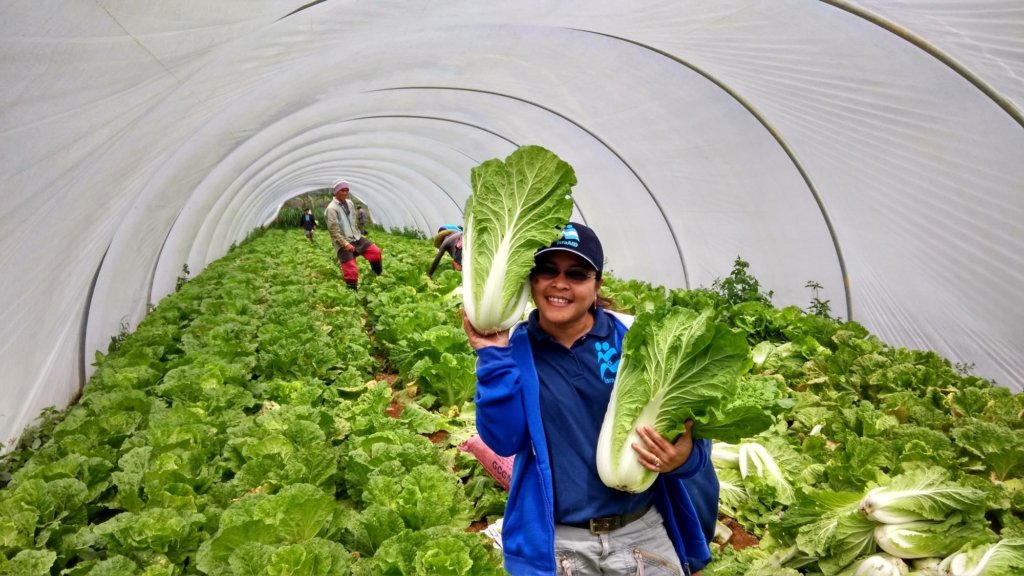
The Food Security and Agricultural Livelihood Program, was developed in response to the massive losses in livelihoods, for those relying on agriculture as their source of income. IsraAID’s program is the first of its kind in the region, to introduce viable crop irrigation and use of protective structures. The program offers support and capacity building for small-scale community farmers in the rural affected area of barangay Cabintan, Ormoc, Leyte, by providing hands on training, practical tools for agriculture, technical and practical improvements and knowledge sharing, thus allowing greater income generation and long-term recovery. The program is carried out in collaboration with Cabintan Livelihood Community Association (CALCOA), the largest local farmer’s association. The program partners innclude different entities working in the area, from government agencies through national and international NGOs.
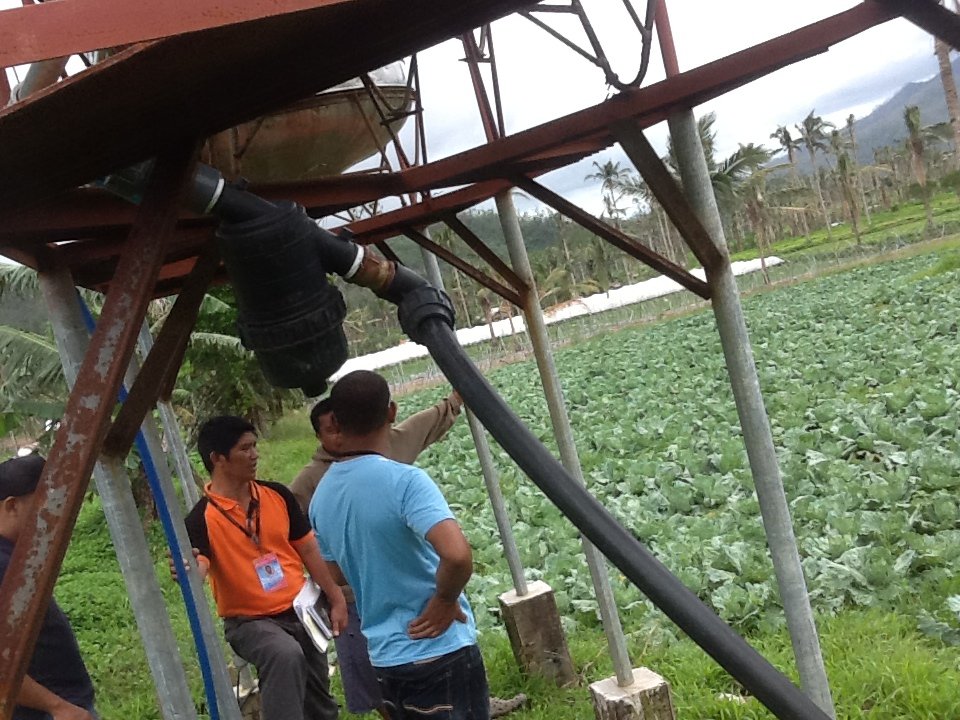
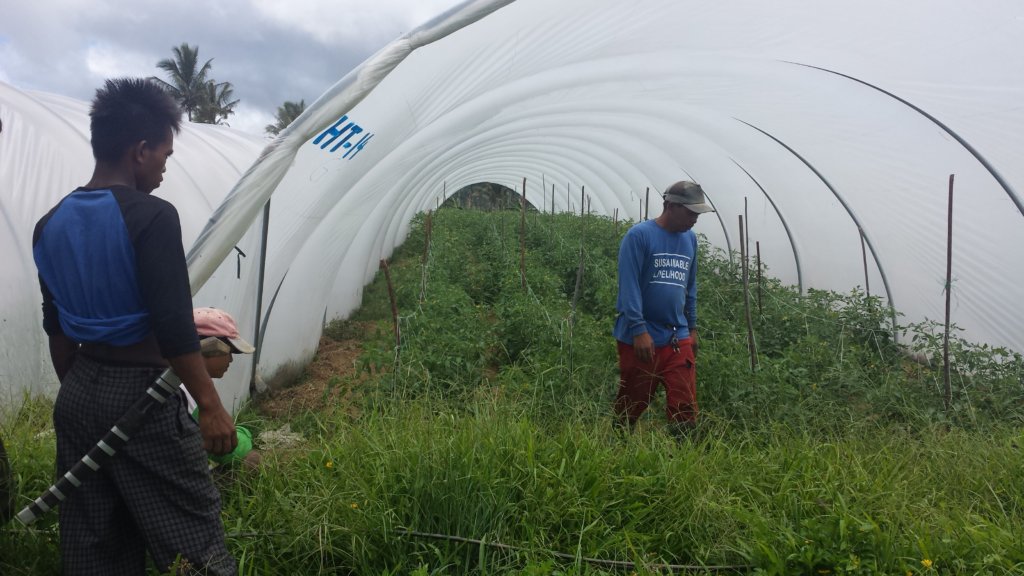
The program centers on a project for vegetables and fruits production in the Yolanda affected Ormoc City. IsraAID established long term support for the highland farmers through introduction of modern technology and methods, while committing to a daily presence of a professional expert. Whose responsibilities includes to train the farmers and to practice: irrigation installation and regimen, protective structures installation and operation, crop planning and management, nursery operation, land preparation, plant protection, post-harvest treatment and marketing considerations.
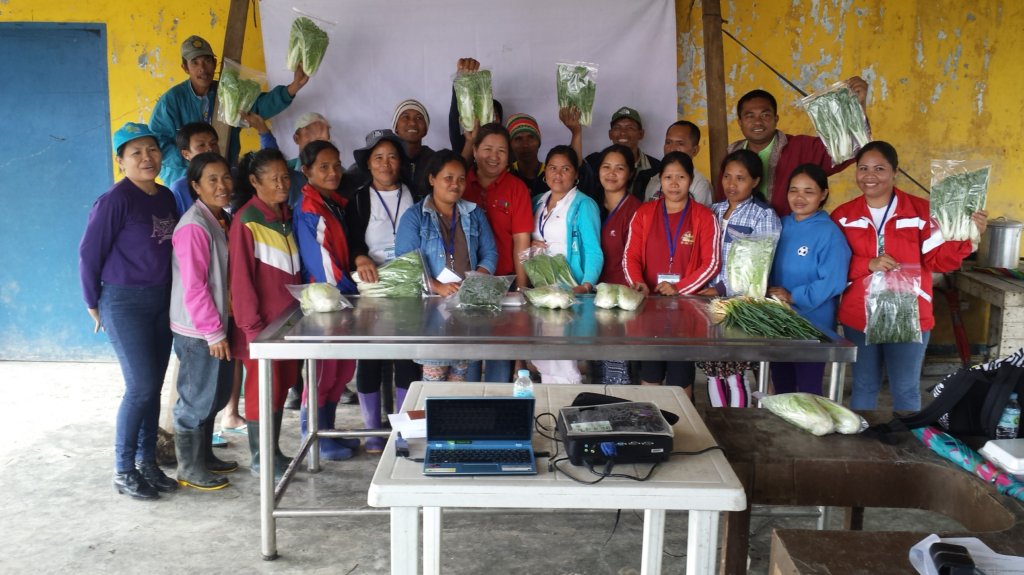
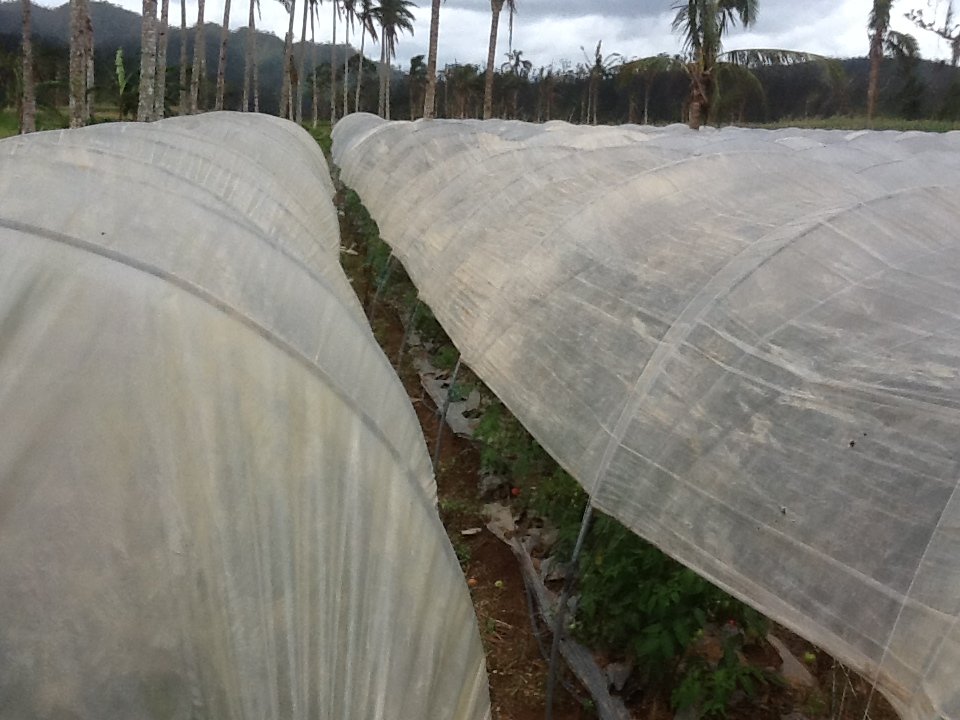
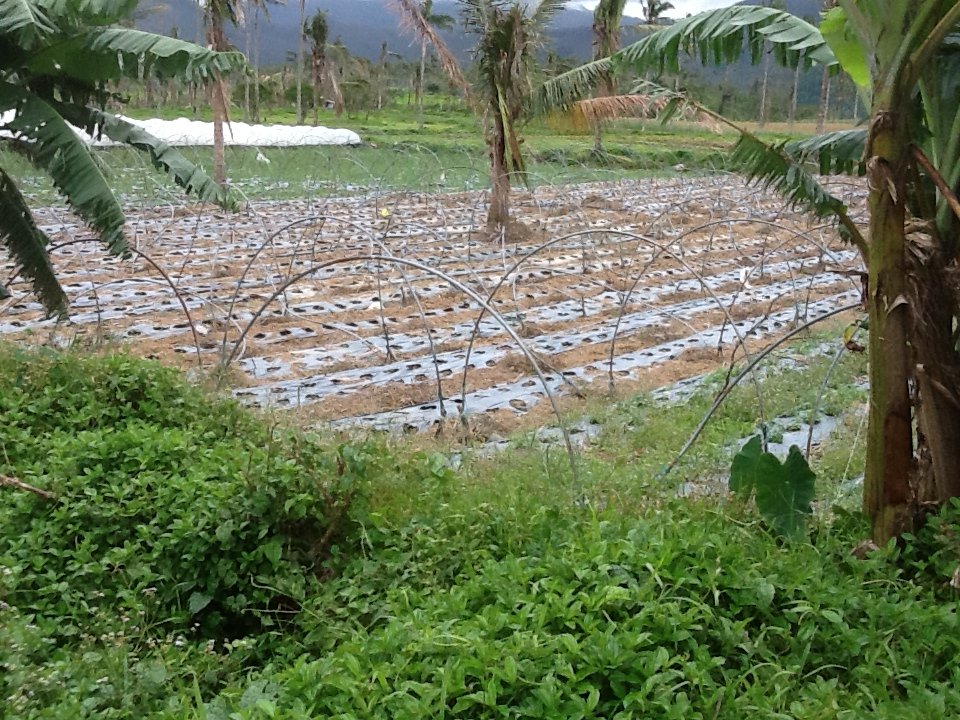
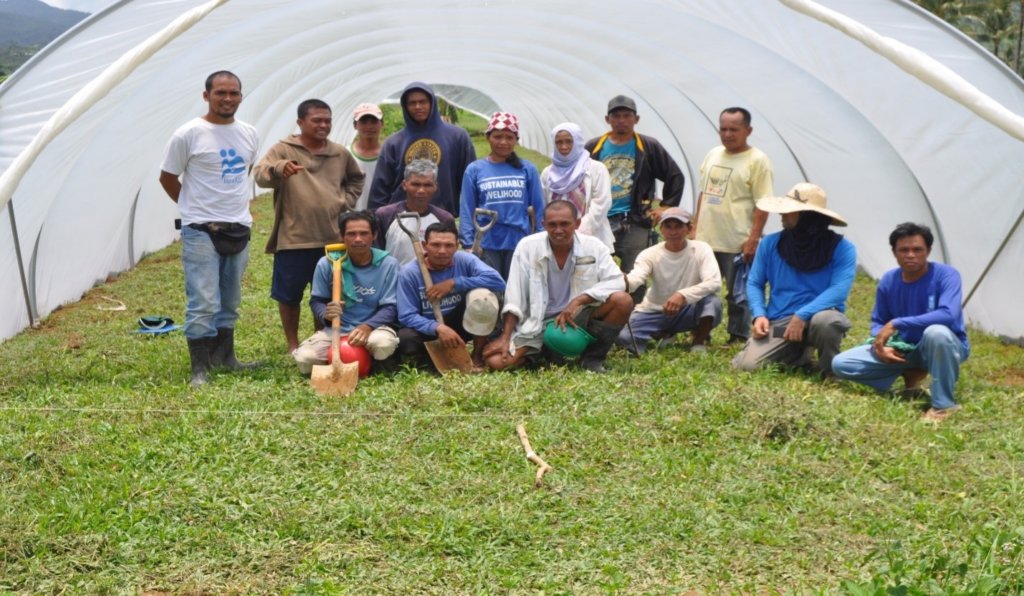
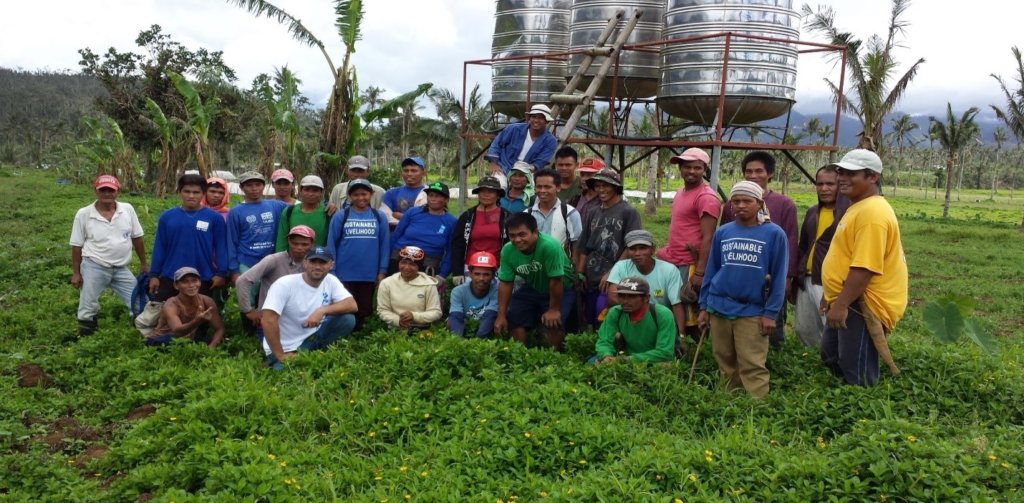
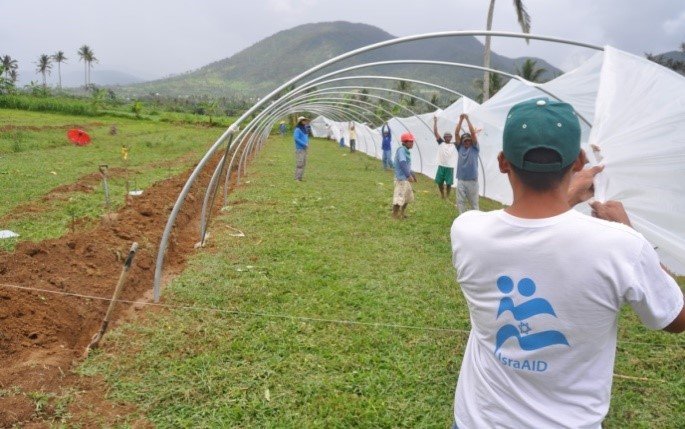
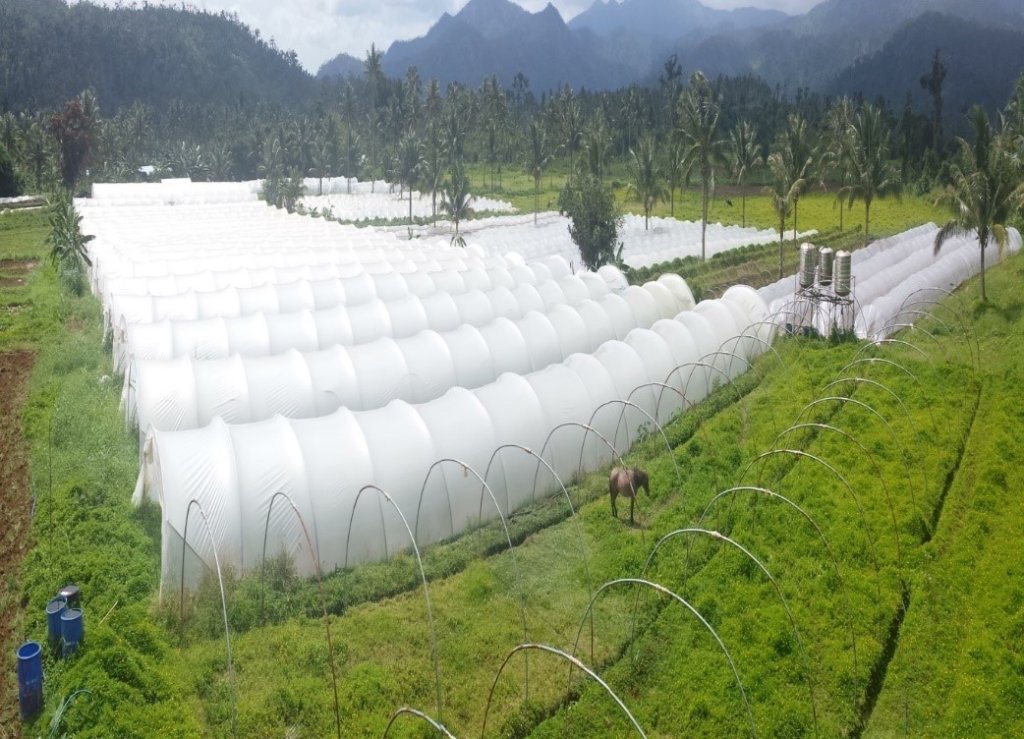
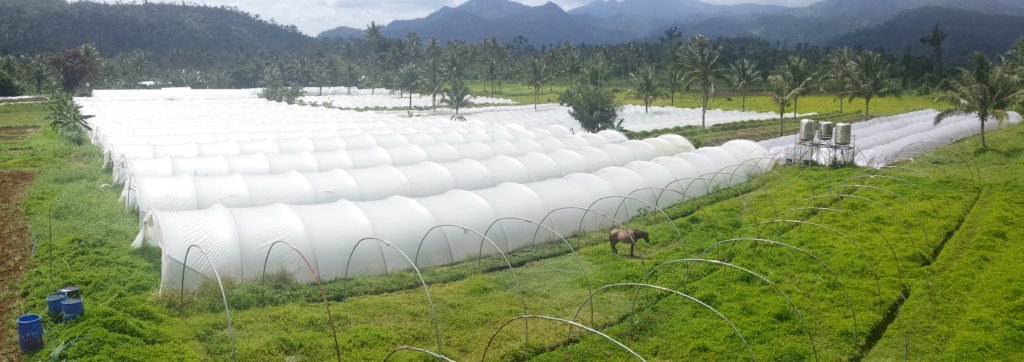
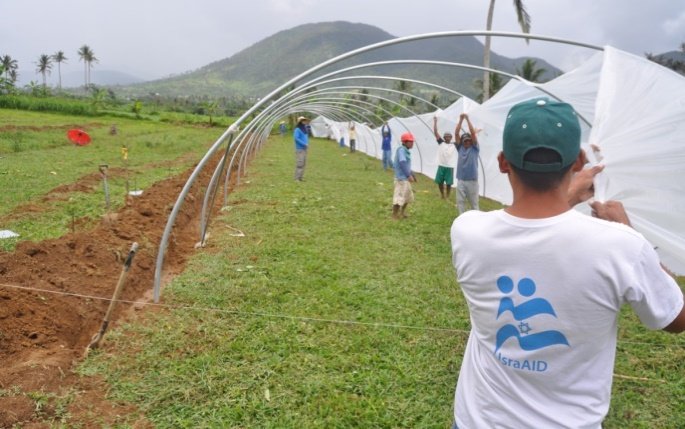
Currently, over 30 association farmers in barangay Cabintan (administrative division) are receiving continuous hands on training in the field on all stages of agricultural practice. A water source was identified and connected to the association's plots, allowing viable irrigation in the association's plots for the first time. The area been covered with structures to protect the crops from the heavy rain in the wet season. Modern approach was practiced for efficient use of inputs and labour. Initial contacts been established with high-end clients for the superior product. The farmers were able to achieve higher quality and higher volume of product, and sell it in higher prices, once they were able to cultivate in seasons were usually no crops were grown.
The direct beneficiaries are experienced local farmers. There are few characteristics making them the target group. First off they are members of a farmers’ association, which directly operate a communal field, where the program project is set. Secondly, other than their association activities, they are private, small scale land owners who grow vegetables. Contrary, in the lowland area of Ormoc City most lands are held by large scale landlords (hundreds of hectares each), which grow rain fed sugarcane and rice, with some corn and few pineapple farms. Those landlords employ hired labour in up to minimum wages. The beneficiaries vary in their business practice from relying on outside financiers, who usually sell the farmers product at the farm gate, to the ones that conduct their business from beginning to end, selling their product directly to wholesalers. However, most of the farmers occupy the middle of that value chain.
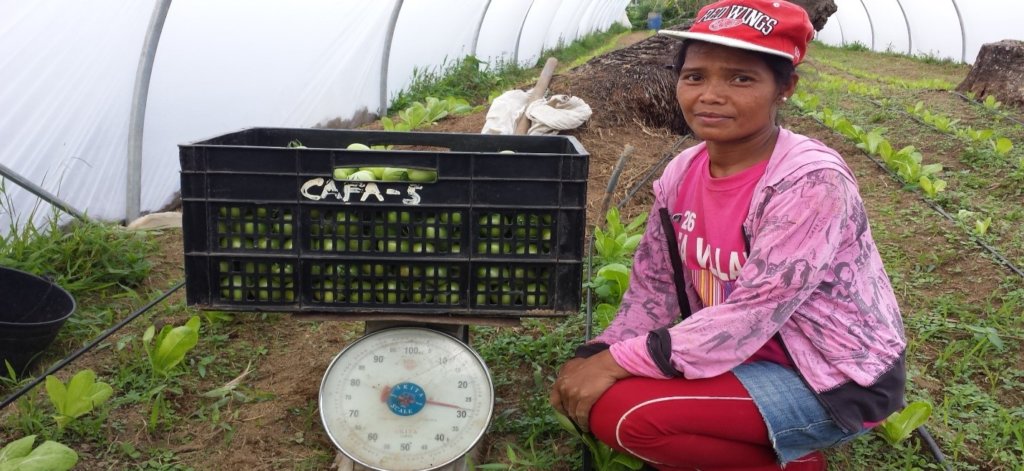
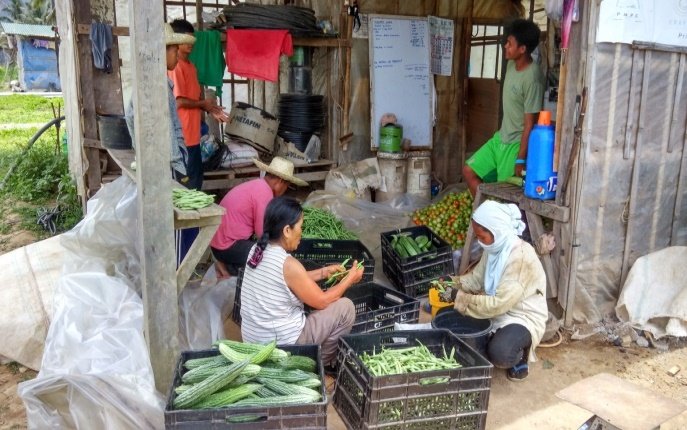
Liza (name changed) is an active member of CALCOA farmer’s association. She has two children but due to difficulty of livelihood and poor financial availability, she once decided to go to Cebu to find a better income being a housekeeper. Since IsraAID established the innovative vegetable production protocol in Cabintan, Liza and other collaborators learned the production aspects of farming as well as marketing. After learning the importance of personally engaging all marketing transactions she willingly participated in all supply chain transactions, such as negotiating for her tomato, bell pepper, lettuce and musk melon to high end consumers, although in low volume, but with higher prices and regular delivery. This further enhances her motivation to grow and in turn raises her quality of life.
IsraAID has proposed an additional phase to expand the existing site, so that it can employ a larger number of people. It will also work to develop the business skills of the farmers and put a heavier emphasis on building connections between farmers and other stakeholders.
![Farmers Learning New Techniques]()
Farmers Learning New Techniques
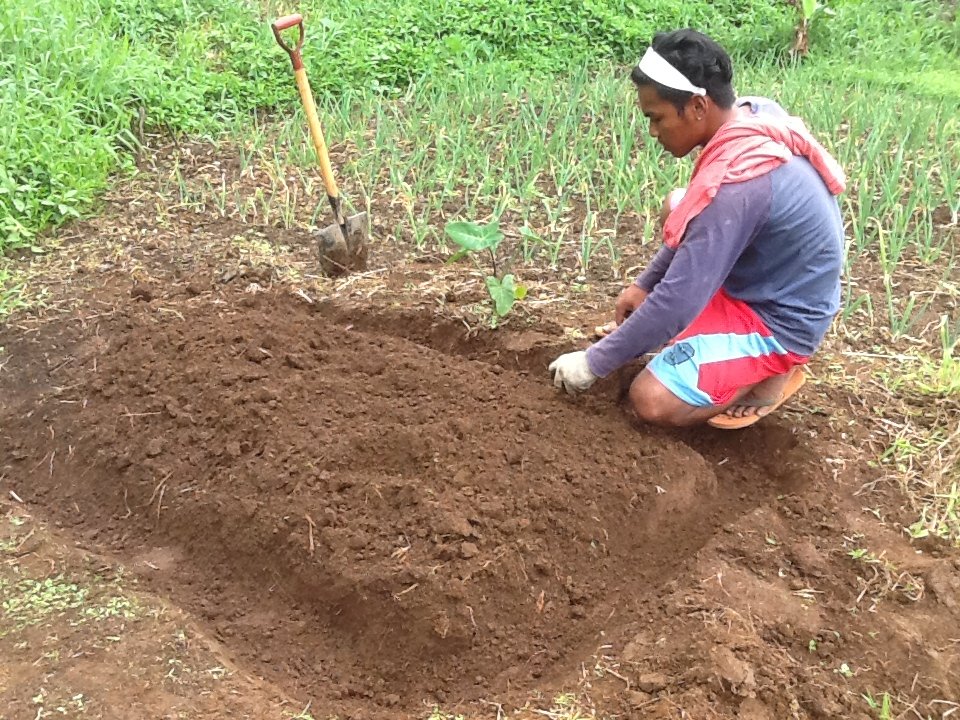
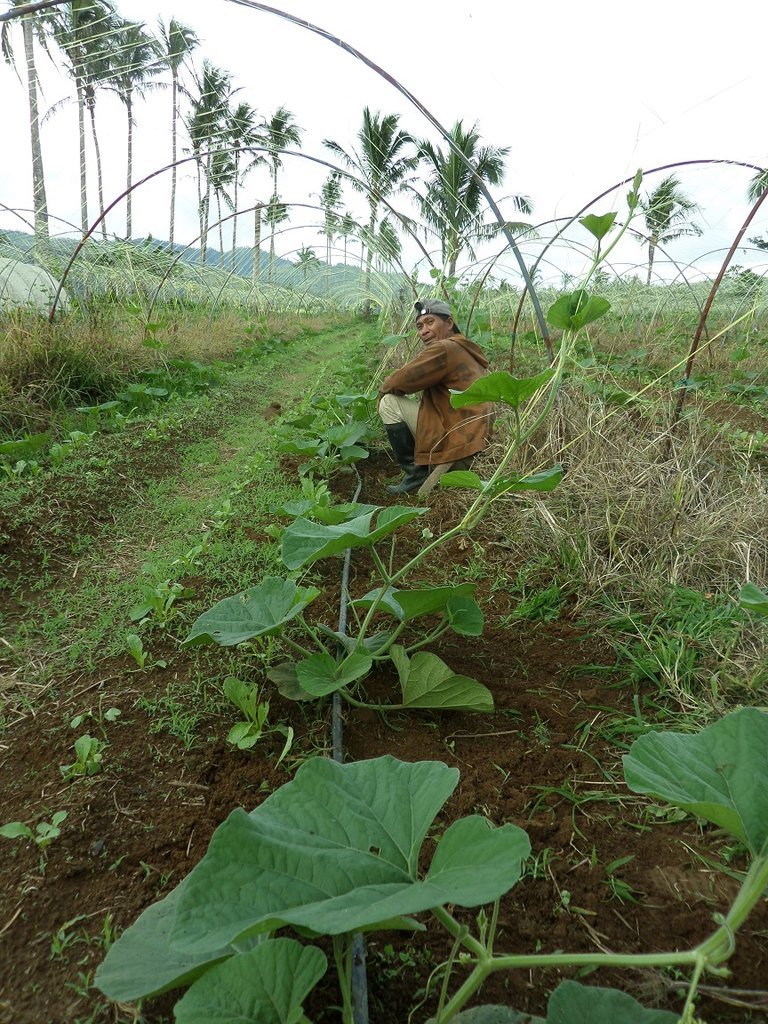
![Farmers at Work]()
Farmers at Work
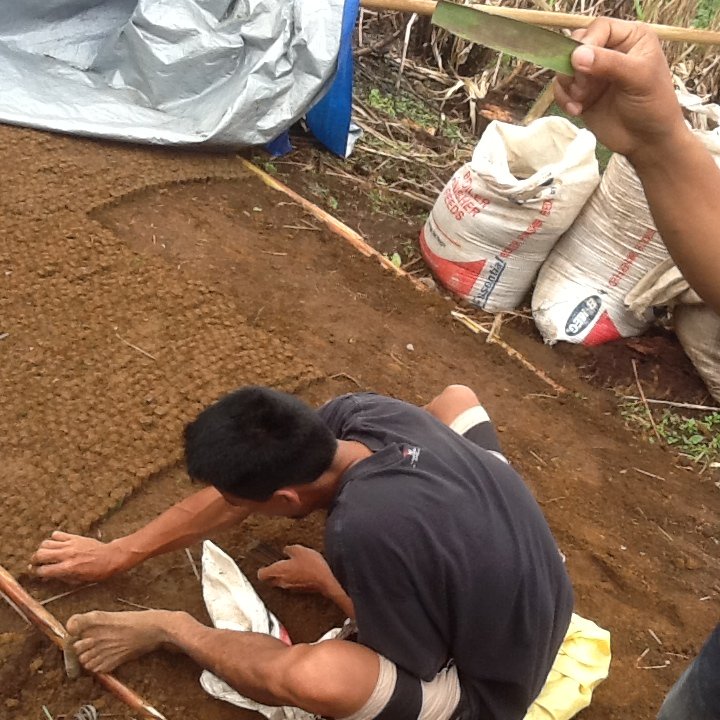
![Building Covers]()
Building Covers
![Grow Covers]()
Grow Covers
![Share on Twitter]()
![Share on Facebook]()