By Tilda Christensson | Head of Project Development in Africa
Dear Supporters,
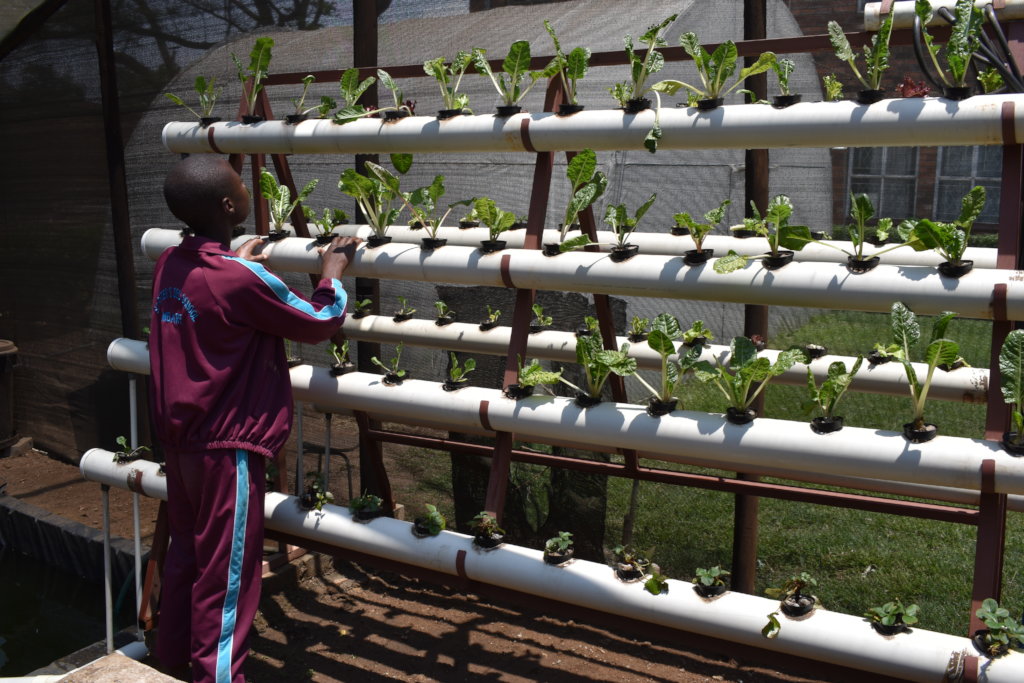
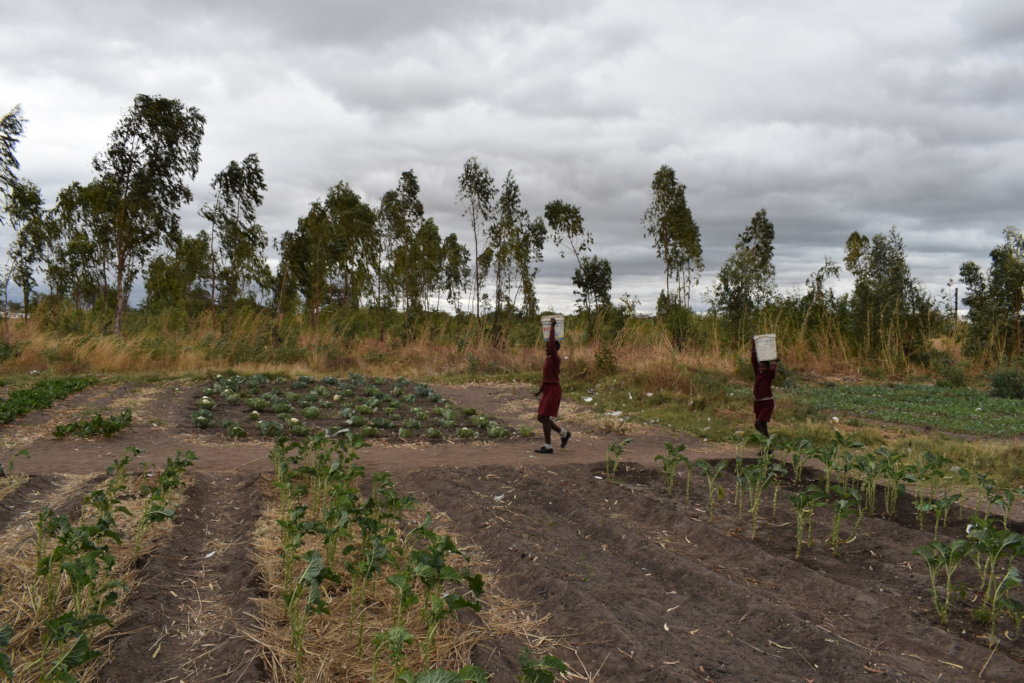
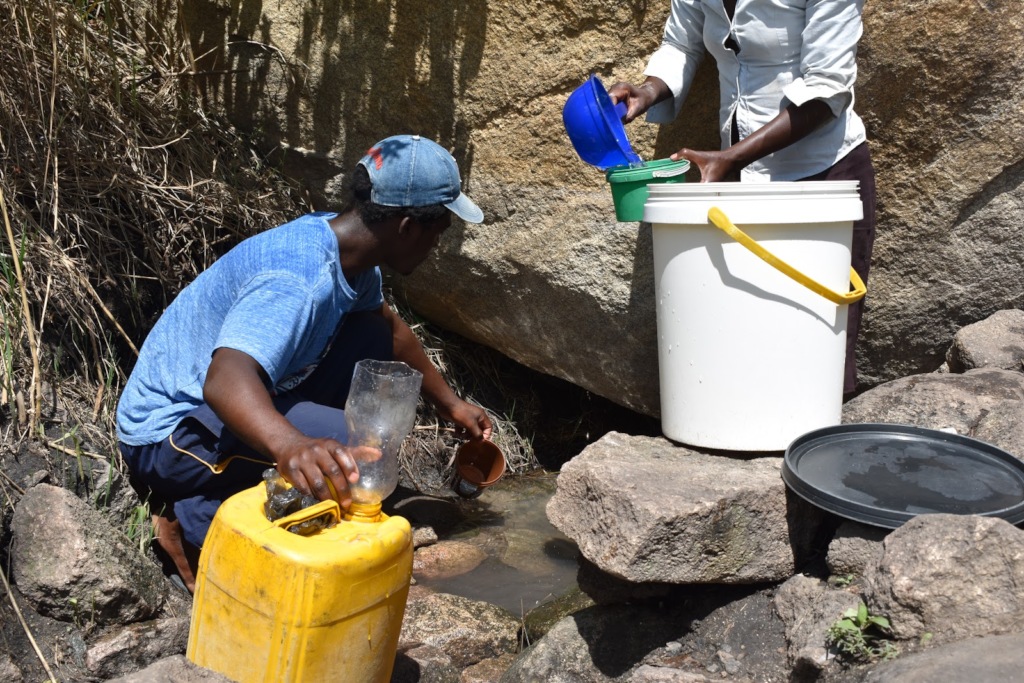
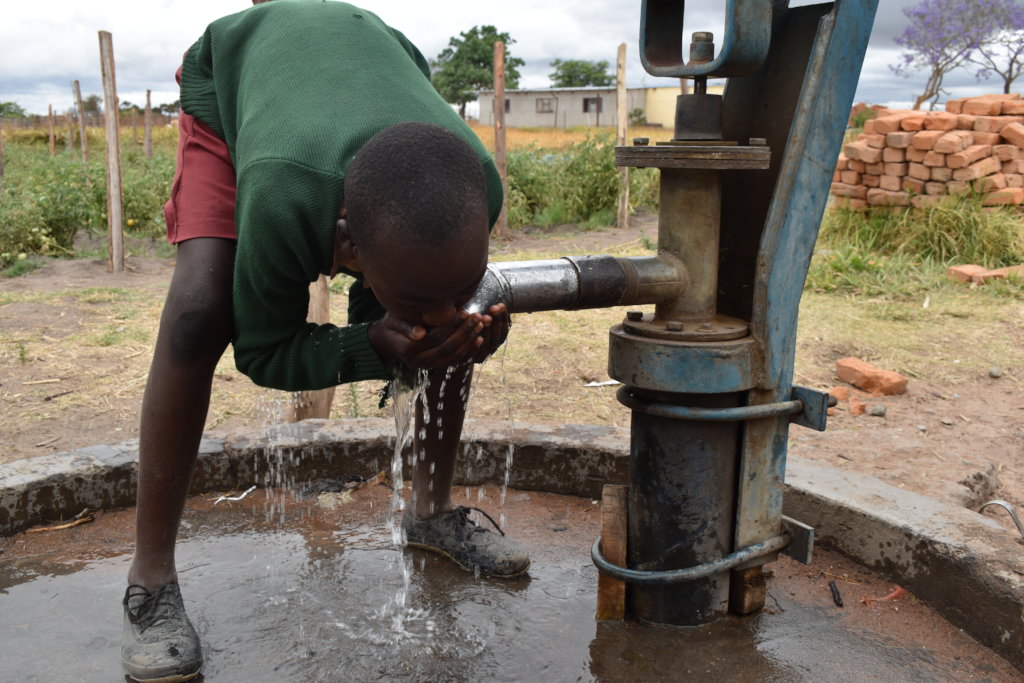
The more time passes, the more evidence is gathered that drought is happening and affecting the most vulnerable in our communities. Without water access in the homes, the rural population are reliant on community boreholes far away from their homes. This causes a constant chore of walking to collect water for drinking, sanitation and watering of their agricultural land. Thus, as we more frequently are reminded about climate change, more and more boreholes start to run dry due to the lack of rain causing many women and girls to return with empty buckets.
To not have a tap in the house is the reality for the majority of people living in rural areas in Zimbabwe which constitutes 67% of the population. Therefore, to collect water is a part of the daily routine, a routine which has many side effects on gender equality but also education as girls are forced to walk up to 15km to reach a community borehole in rural Zimbabwe. Zimbabwe has just gone through their dry season, which is standard for the country in Southern Africa. However, normally the previous season would have collected enough rain to last until the following rainy season resulting in a natural and functioning order. But as less and less rain falls in Zimbabwe’s drought affected areas every year, and the population and the use of water increases the boreholes run dry faster than ever. Even though the rainy season is still a month or two away, communities and their families are getting worried as more and more boreholes are proven to be empty.
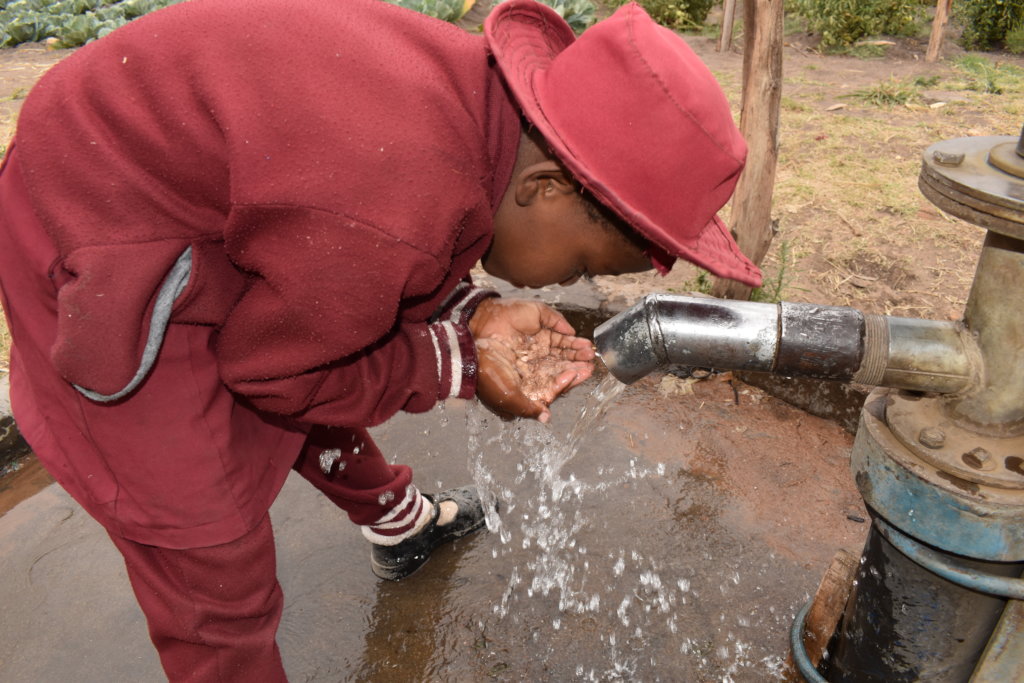
Whilst this has devastating effects on the environment and people who are struggling to survive, it has never been more dangerous to not have sanitation than it is today. Whilst we were all taught about the importance to wash our hands as children, we never got reminded to do it as adults. Until 2020. To now only have to walk 15km to get to the closest boreholes, families are forced to walk twice the distance in search for a secure water source to bring home. And then be faced with the decision if the water should be used for drinking, watering the garden to secure food, or to remain safe from COVID-19.
We are now calling on you to help us ensure that we do not simply provide emergency relief for families suffering from drought by providing access to immediate water sources, but to ensure that we tackle climate change.
It is with your continued support that we can make an impactful and long-lasting impact in the community by tackling the crucial issue of drought. We are grateful for your generosity and it goes without saying that the GVI Trust and all its donors, play a vital role in making a sustainable and impacting difference in Zimbabwe, and a positive contribution in tackling climate change. Your choice to support what we do in the field daily not only provides financial assistance to the projects but helps to bring hope to the community. We look forward to welcoming new and existing to join us on this remarkable journey.
Thank you to our Donors, Fundraisers and Supporters!
With Gratitude,
Africa Drought
Project reports on GlobalGiving are posted directly to globalgiving.org by Project Leaders as they are completed, generally every 3-4 months. To protect the integrity of these documents, GlobalGiving does not alter them; therefore you may find some language or formatting issues.
If you donate to this project or have donated to this project, you can receive an email when this project posts a report. You can also subscribe for reports without donating.



Support this important cause by creating a personalized fundraising page.
Start a Fundraiser