By Anna Cryer | Conservation Admin & Communications Officer
Our partner, The Corbett Foundation, is working in the Central Indian landscape to help people grow fodder for their cattle. In one year, their fodder sites can produce a whopping 100,000kg of food for livestock. But what does this have to do with tiger conservation?
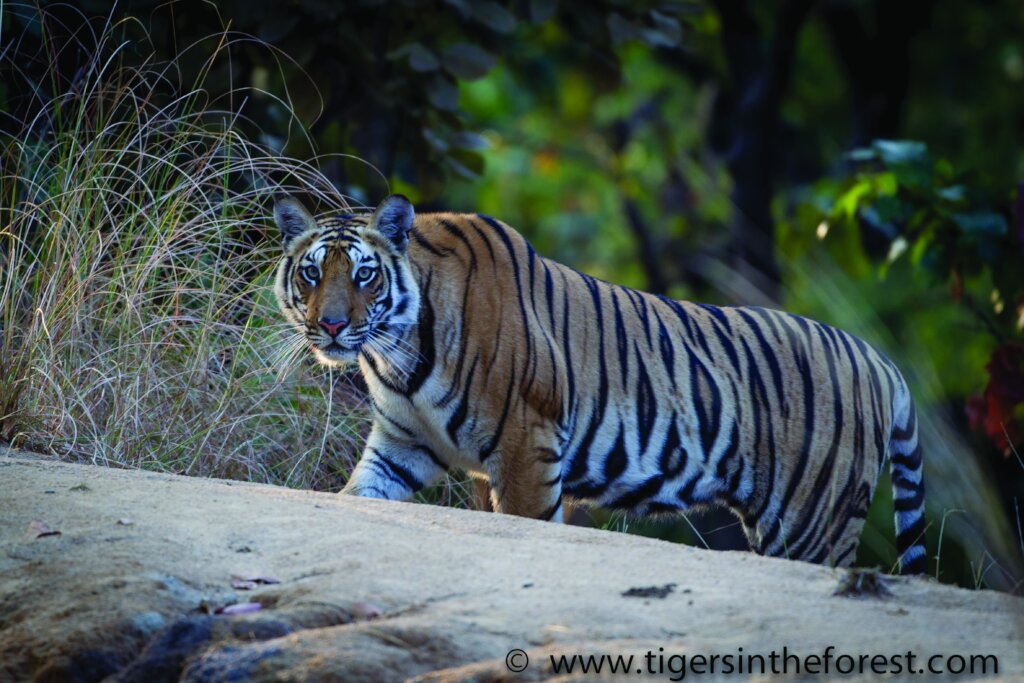
The Satpuda landscape, Central India, is made up of a network of tiger reserves, villages, forests and farms. This area is home to many wonderful wildlife species, including a healthy tiger population. Yet in a landscape where human and wildlife territories intertwine so closely, conservation succeeds only when the needs of all who call it home are met.
In many rural areas, people will have to graze their livestock close to tiger habitats, often in the buffer zones surrounding tiger reserves. Many protected areas aren’t fenced, so wildlife can move freely between the buffer zone and the heart of the reserve, or further afield into surrounding landscapes.
When livestock graze in buffer zones, they become vulnerable to attacks from big cats like tigers. These encounters can occasionally escalate to threaten people as well. The danger, however, extends both ways: tigers themselves face lethal retaliation from communities who have lost animals to predation, creating a cycle of conflict that endangers both human livelihoods and an already threatened species.
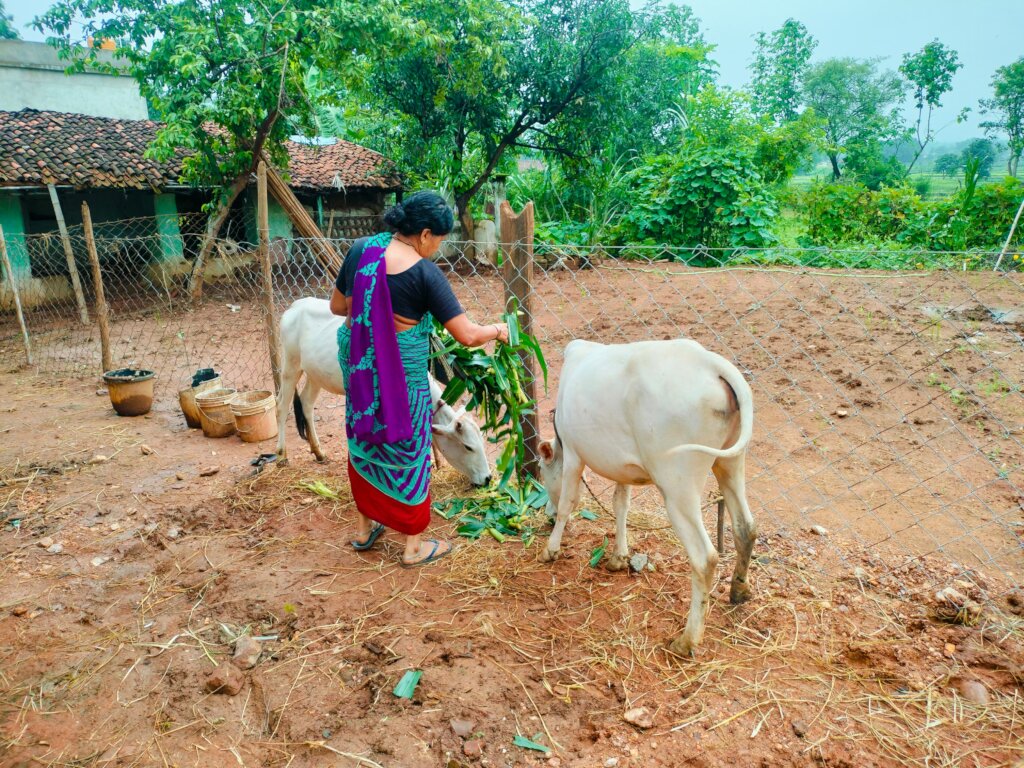
The Corbett Foundation developed a simple solution to reduce livestock, people and tigers coming into close proximity: a stall-feeding programme. Working in the buffer zone of the Kanha Tiger Reserve, they support communities living there to grow nutritious fodder for cattle and buffalo, reducing the need to graze livestock in tiger habitat and reducing the likelihood of deadly attacks.
This simple solution has had impressive outcomes. It began in 2021, with the procurement of their first fodder growing site in a village within the buffer zone of the Kanha Tiger Reserve. Only appropriate sites are selected where invasive species are currently growing. The team come and clear the invasive plants and help the community grow the fodder. This year, an impressive 20 acres has been planted, which can then be harvested by villagers when it is needed. Napier grass (a fast-growing tropical grass) and maize (a staple grain) provide a reliable, sustainable food source for livestock.
A female cow can consume around 4-5kg of plant biomass a day; that quickly escalates up to 35kg a week for only one animal. In two of the villages where The Corbett Foundation works there are 566 cows. If livestock are left to graze in the buffer zone, they can quickly munch through vast amounts of vegetation, with a large impact on natural habitats.
The last few months have been a quieter period, as monsoon season supports an abundance of fodder throughout fields, yet over 200 livestock have been fed from The Corbett Foundation’s fields in the last few months. This year alone, it is estimated that the 20 acres will produce an impressive 100,000kg!
When big cat attacks on livestock do occur, The Corbett Foundation offers free veterinary care, significantly reducing economic stress on the villagers and helping to foster coexistence by preventing anger or retaliation towards big cats.
You can help protect tigers and support activities such as the stall-feeding project by donating. The Kanha Tiger Reserve is not only home to Bengal tigers: Indian leopards, Sambars, langurs and many bird species like black ibis, and grey hornbills also call it home. By protecting tigers, this ecosystem can remain in balance and protects all of these species’ homes.
Links:
Project reports on GlobalGiving are posted directly to globalgiving.org by Project Leaders as they are completed, generally every 3-4 months. To protect the integrity of these documents, GlobalGiving does not alter them; therefore you may find some language or formatting issues.
If you donate to this project or have donated to this project, you can receive an email when this project posts a report. You can also subscribe for reports without donating.



Support this important cause by creating a personalized fundraising page.
Start a Fundraiser