By Evelind Schecter | Co-founder, Program Lead
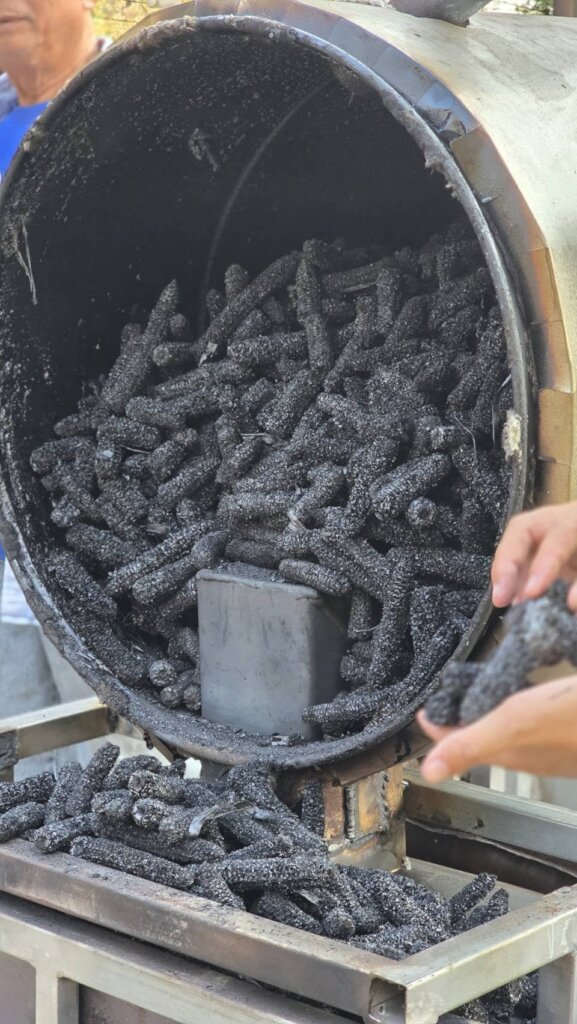
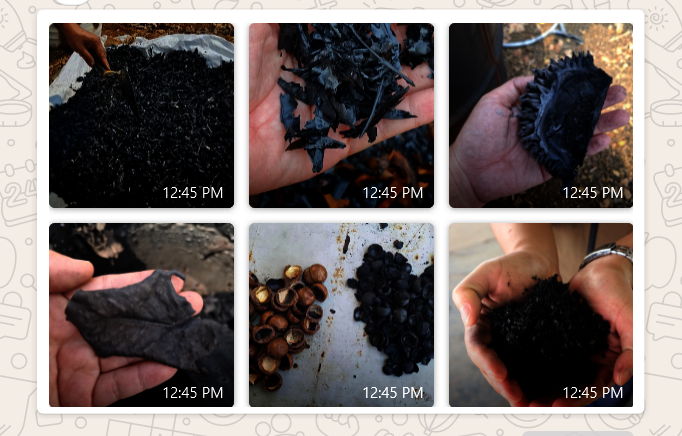
The final quarter of 2025 was focused on maximizing biochar production before Thailand’s five-month agricultural burning ban began on January 1 (through May 31). Our team converted as much agricultural residue as possible into biochar before open-burning restrictions took effect.
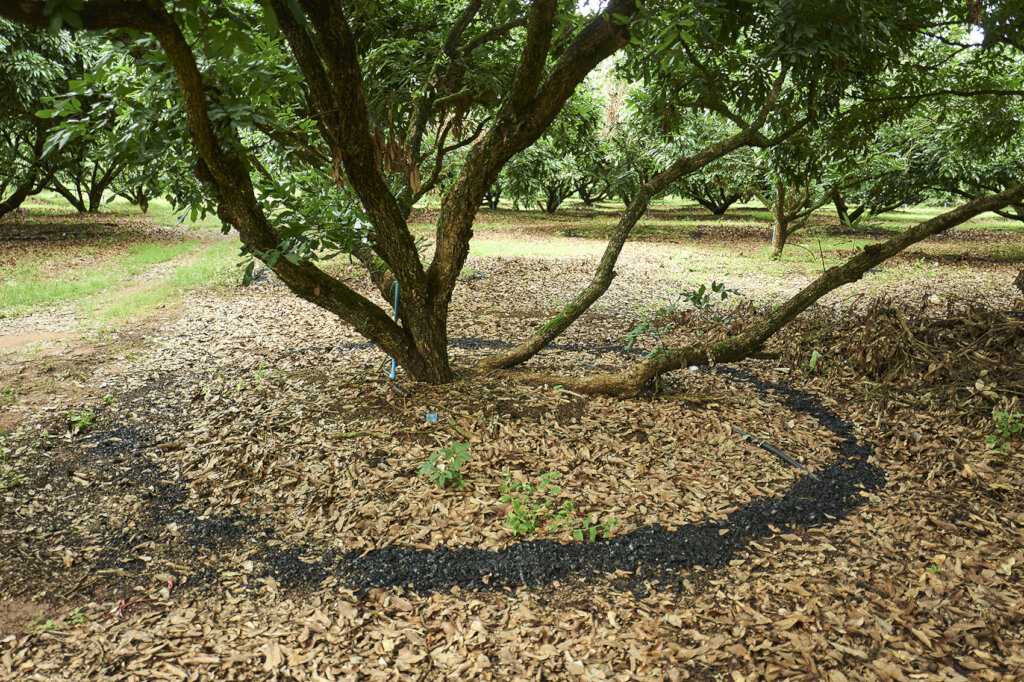
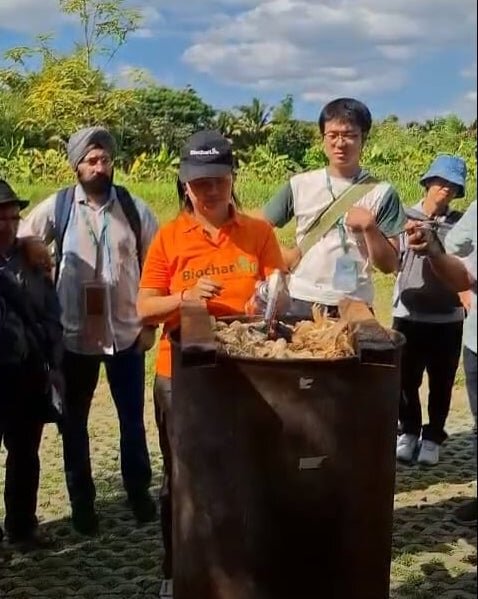
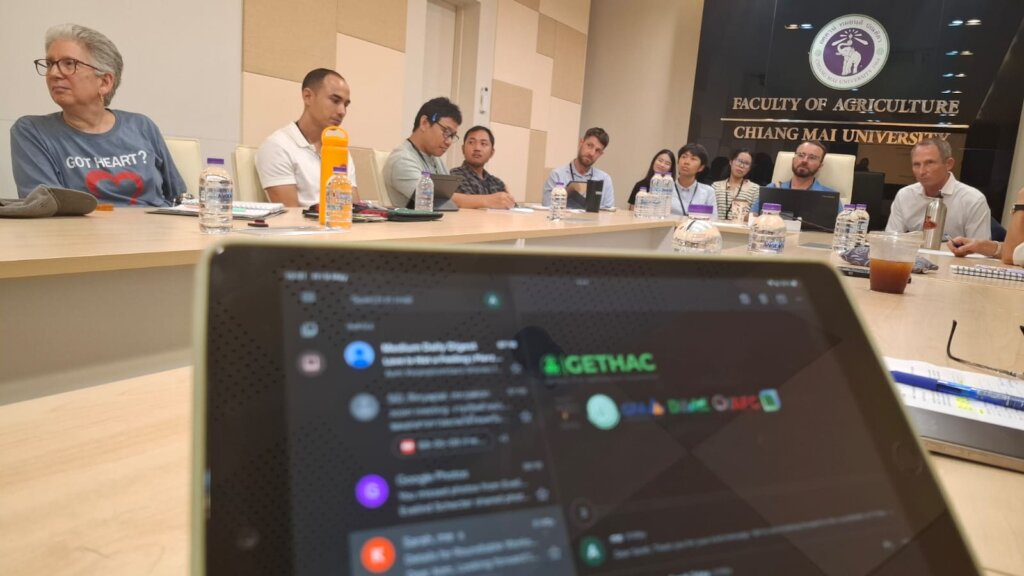
Interest in biochar continues to grow across Thailand. We are now working with a range of organizations, including the Food and Agriculture Organization (FAO) and the World Wildlife Fund for Nature (WWF), to plan expanded smallholder training programs, particularly in provinces north of Bangkok where crop residue burning remains a significant air-quality challenge. The farmers can reduce their chemical fertilizer costs, improve their soil over time, and stop the smoke.
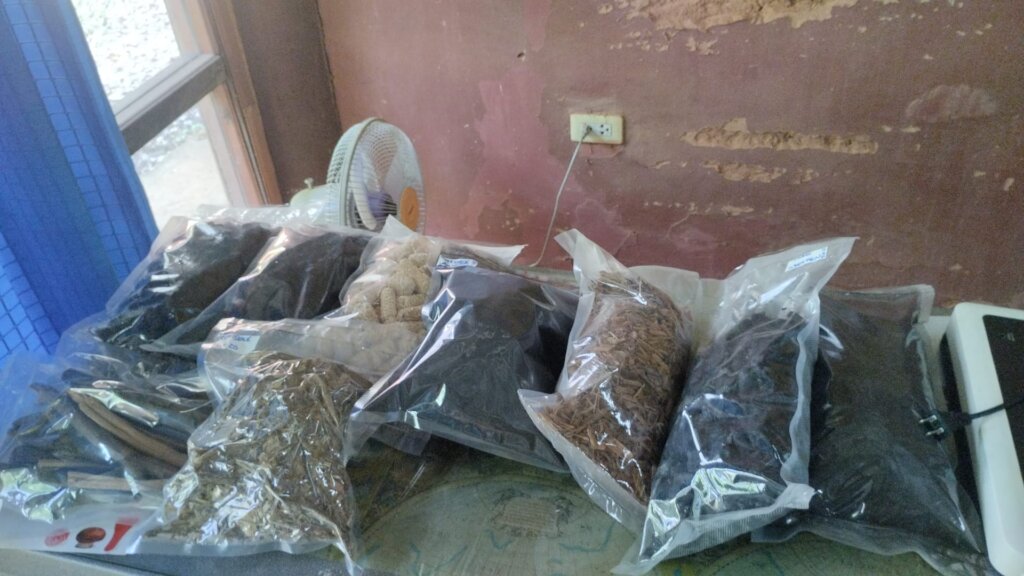
Our production team has continued collecting local biomass waste, especially longan branches, for chipping and storage. By preparing feedstock during the ban period, we’ll be ready to move quickly once production resumes.
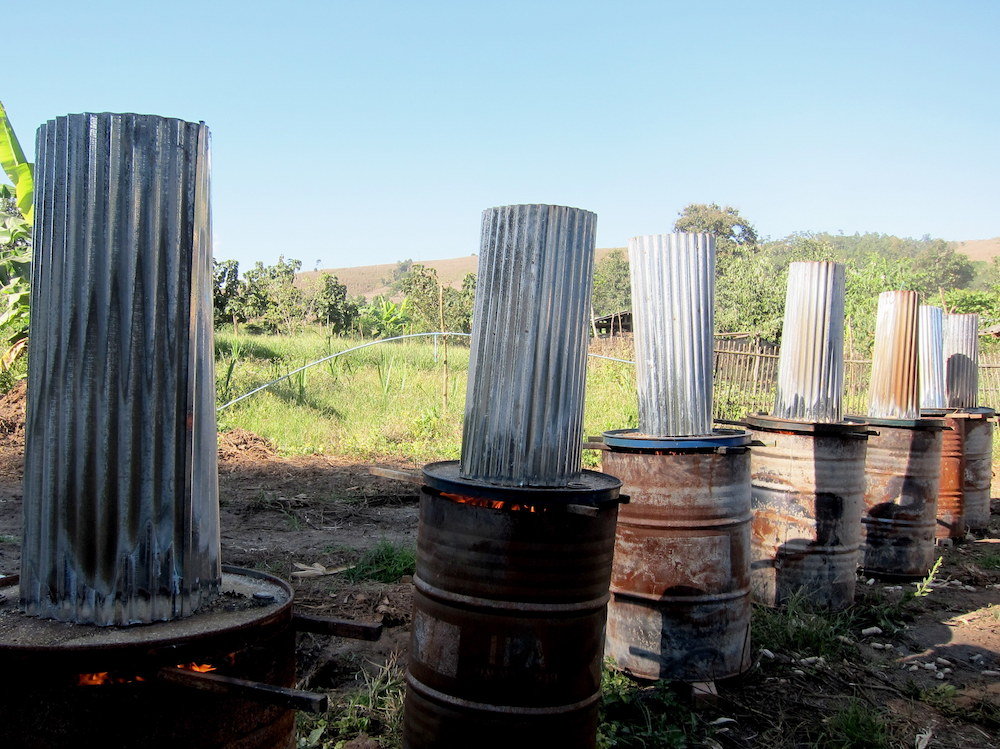
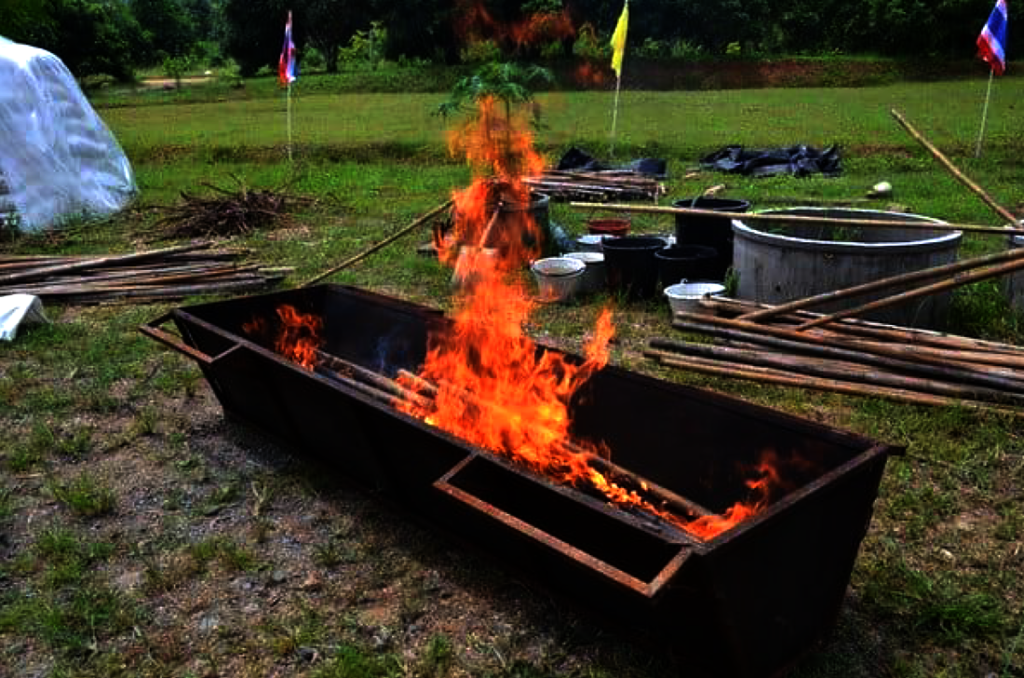
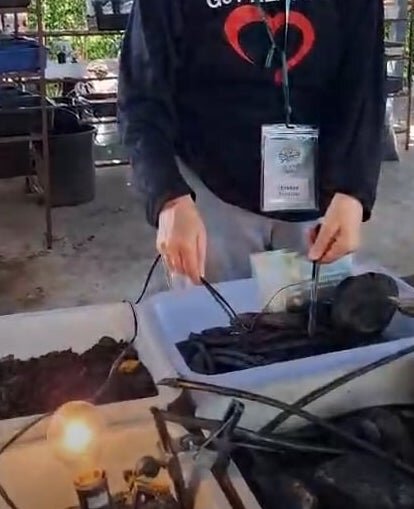
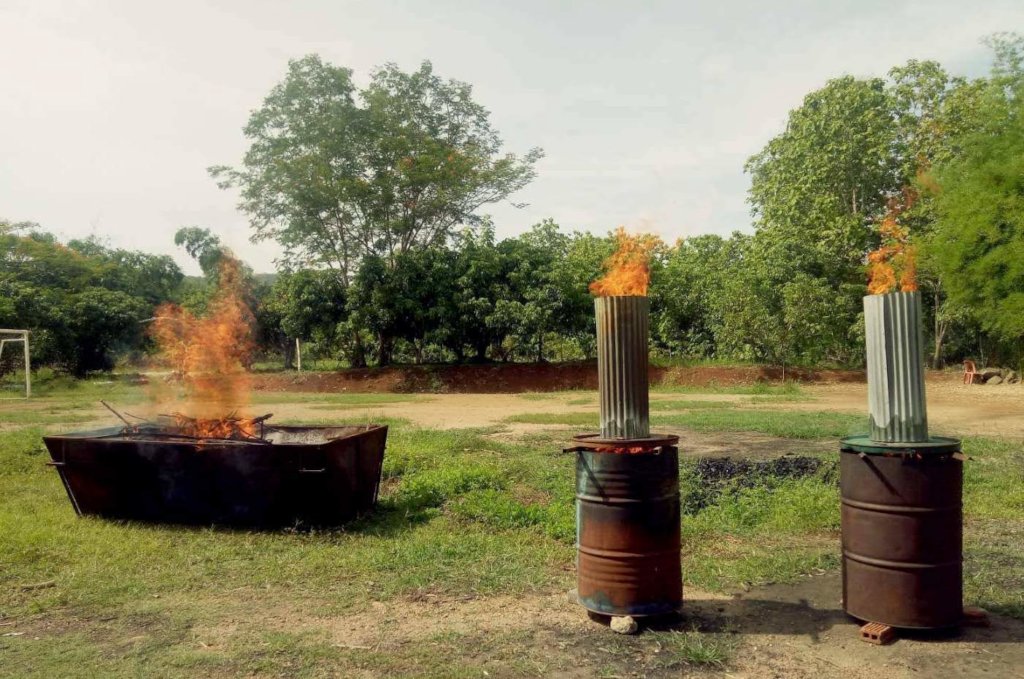
We also faced important decisions this quarter. Our low-tech industrial equipment from Wastex was not able to keep pace with the available feedstock or the demand for biochar. To prevent farmers from reverting to open-field burning, we returned to our proven “flame cap” trough for production. While less mechanized, they remain reliable and scalable.
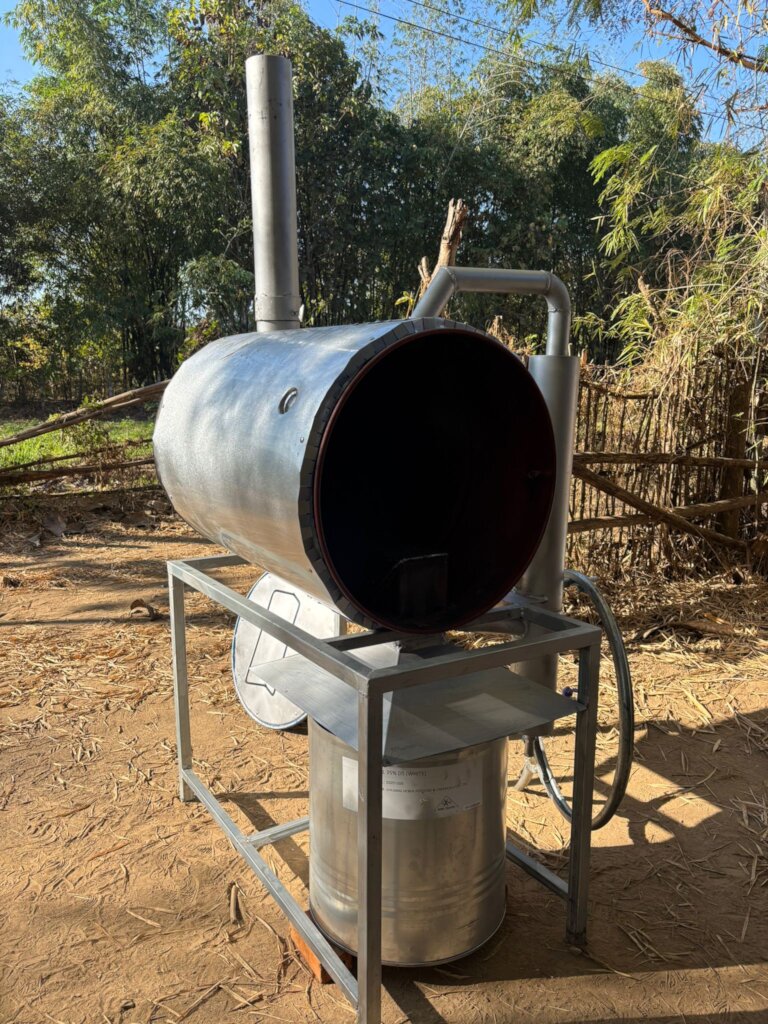
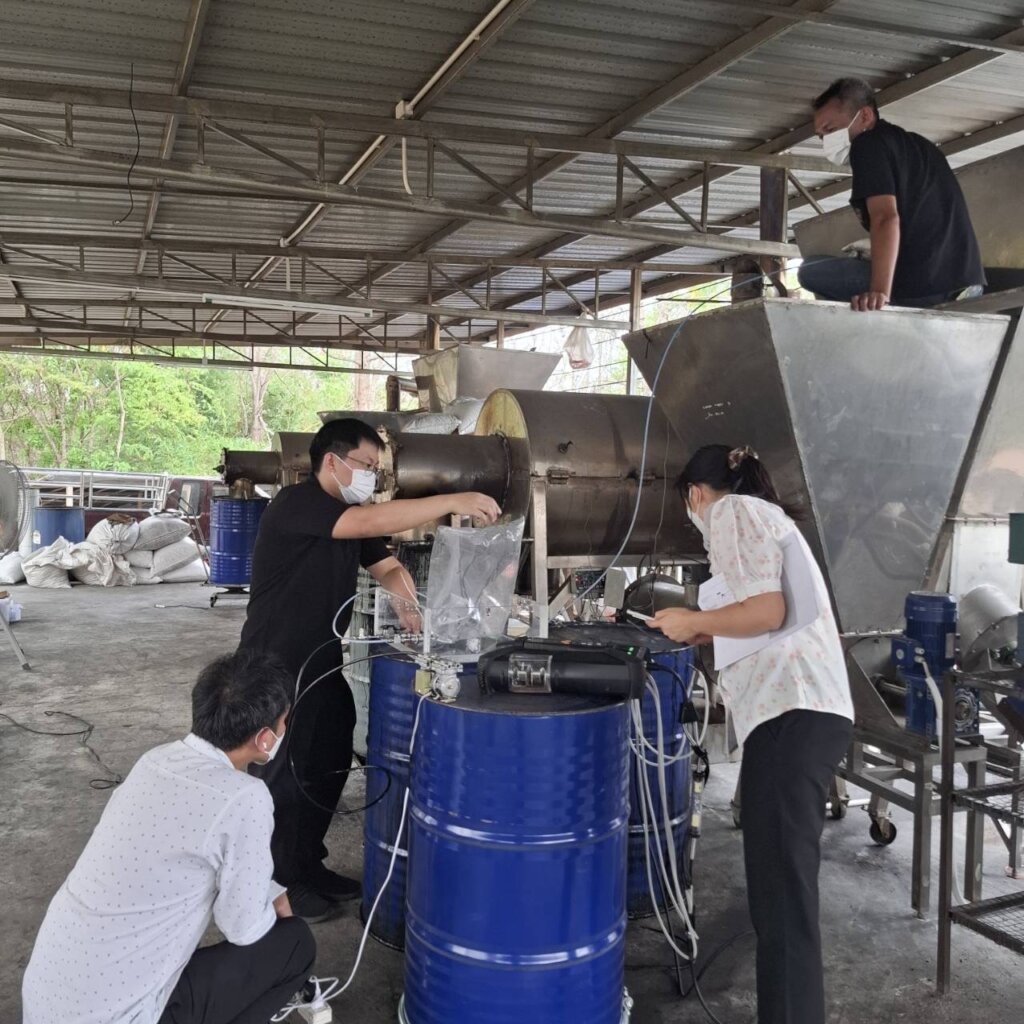
Meanwhile, Aom is advancing her enclosed kiln design toward formal certification. Emissions testing, particularly methane measurement, is complex and time-intensive. Initial test results required technical adjustments.
The next iteration will enter testing within the coming weeks. Certification is critical, as this kiln is designed to be portable, affordable, and appropriate for smallholder use. The closed-loop system captures and reburns syngases during production, improving efficiency and reducing emissions. It also produces wood vinegar as a byproduct, a valuable natural pesticide that farmers can use or sell.
On the measurement front, Biochar Life has partnered with Happy Ground to develop co-benefits MRV (Monitoring, Reporting, and Verification) systems for biochar in Thailand’s agricultural systems. This collaboration will help ensure that improvements in soil health, nutrient efficiency, and farmer livelihoods are not only visible but measurable and scientifically validated.
As we move into the burning ban season, our focus shifts to training, feedstock preparation, kiln refinement, and strengthening partnerships.
Thank you for supporting this work. Your commitment allows us to continue reducing smoke, restoring soil, and expanding practical solutions for farmers across Thailand and the world.
With gratitude and good wishes for the year ahead,
Dana. Michael, Evelind, and The Warm Heart Biochar Team
By Evelind Schecter | Co-founder, Program Leader
By Evelind Schecter | Program Manager
Project reports on GlobalGiving are posted directly to globalgiving.org by Project Leaders as they are completed, generally every 3-4 months. To protect the integrity of these documents, GlobalGiving does not alter them; therefore you may find some language or formatting issues.
If you donate to this project or have donated to this project, you can receive an email when this project posts a report. You can also subscribe for reports without donating.



Support this important cause by creating a personalized fundraising page.
Start a Fundraiser