![]()
Monthly Performance Report - Local Partner SAND (Sun Nature Sector)
For the Project: Emergency Coordination in the Evaluation of the Rescue of the Arabian Leopard from Extinction
June 2025
Report Prepared by: Shaif Ezz El-Din
Project data
Project name
Emergency Coordination in the Evaluation of the Rescue of the Arabian Leopard from Extinction
Project location :Yemen
Name of the organization applying for the scholarship: Sanid Organization for Relief and DevelopmentSORD
Report duration : My quarter
Start date : March 1, 2025 Expiration date: June 27, 2025
Organization address: Capital Municipality - Shu'ub District - Al Habari
Phone number: 0096701205757
Report prepared by:Shaif Ezaldeen Current job:project manager
e-mail: Programs.officer@sanid.org Mobile number: 00967778515109
The organization's website:www.sanid.org
Introduction:
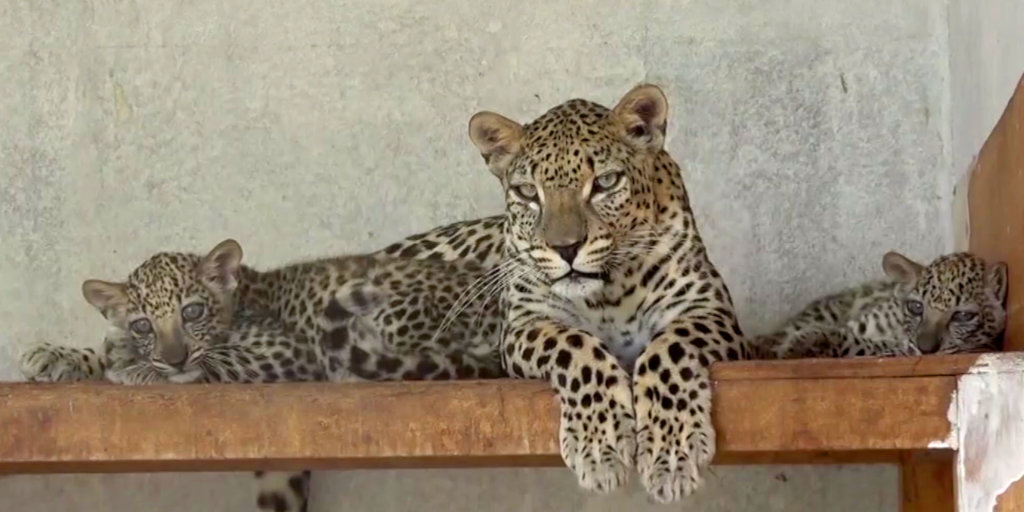
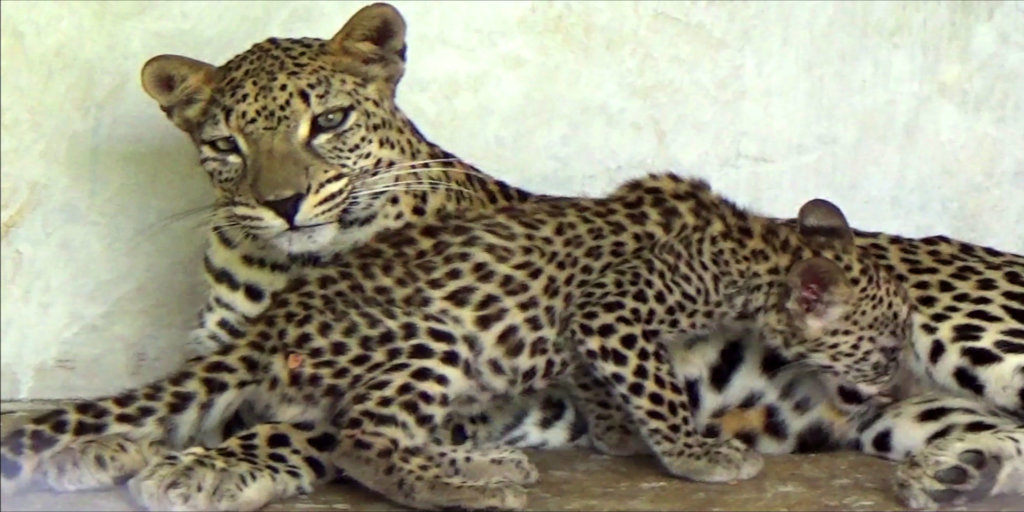
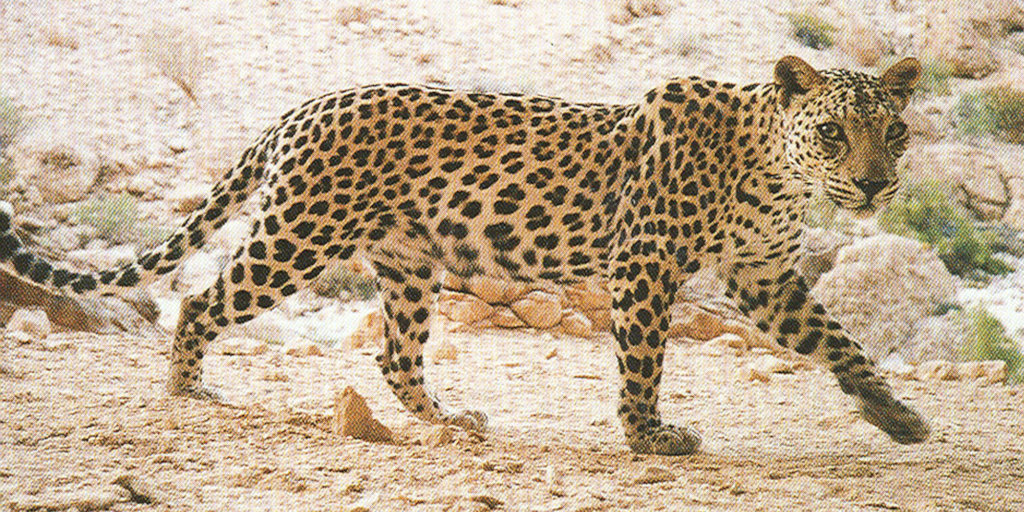
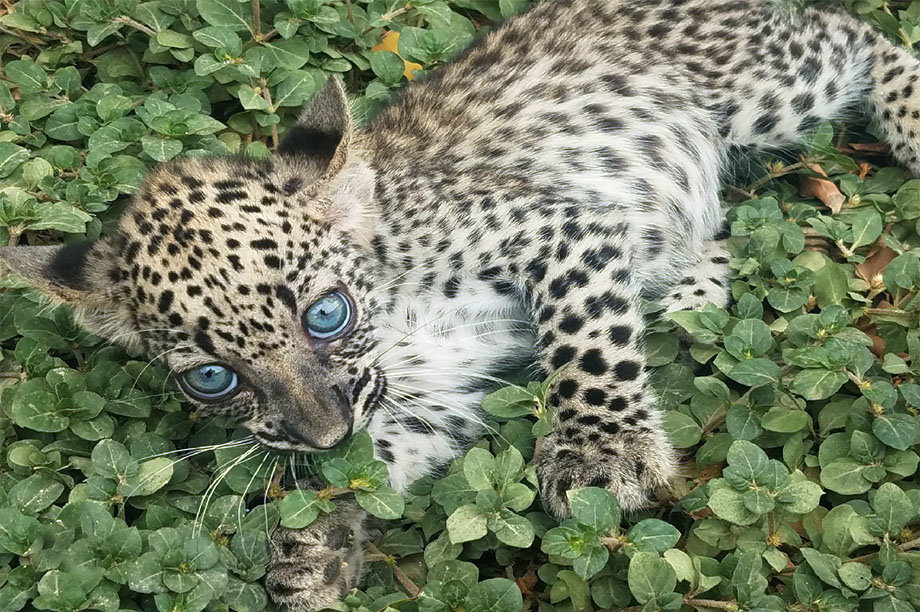
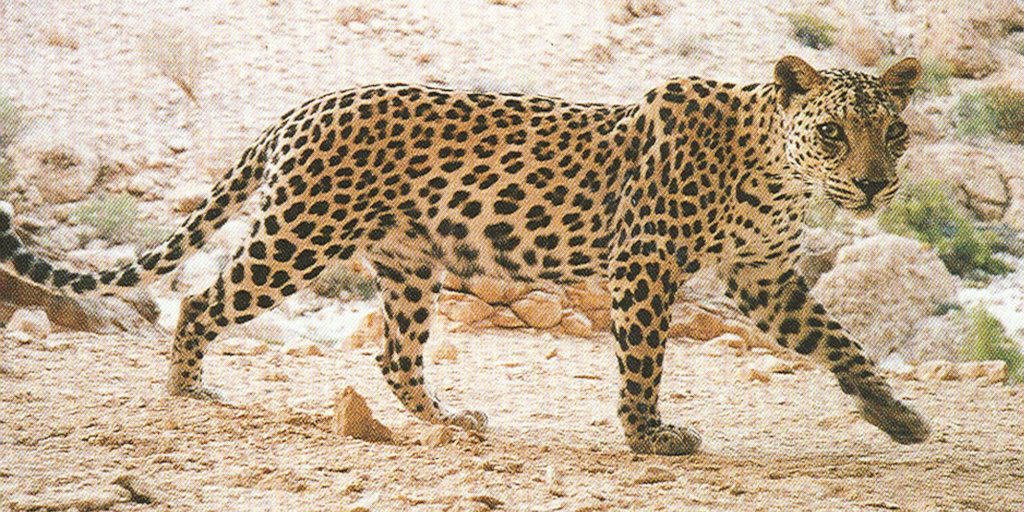
The Arabian leopard (Panthera pardus nimr) is assessed as Critically Endangered on the IUCN Red List of Threatened Species. Its status in Yemen is particularly precarious, with limited and fragmented information available.
Here's an overview of its status in Yemen:
- Critically Endangered Status: The global wild population of Arabian leopards is estimated to be fewer than 200 individuals, with some estimates putting it at 100-120 individuals total, and 70-84 mature individuals, mainly in Oman and Yemen. It is possibly extinct in Saudi Arabia. The population trend is decreasing.
- Historical and Current Range: Historically, Arabian leopards were found throughout the mountainous areas of Yemen, including the western and southern highlands. Since the early 1990s, they have been considered rare and close to extinction in Yemen. While some older reports indicated presence in western and south-western Saudi Arabia, western Yemen, and southern Oman, the newest Red List assessment (2023) shows only small patches in Oman and Yemen as "Extant," with more as "Possibly Extant," highlighting a continuous shortage of confirmed information. Some sources indicate current proven existence only in Hajjah and Al Mahrah governorates in Yemen, and the Dhofar region of Oman.
- Threats to Survival:
o Habitat Loss and Fragmentation: Due to expanding human settlements, agricultural activities, and infrastructure projects, the leopard's natural habitat is shrinking and becoming fragmented.
o Prey Depletion: Unregulated hunting by humans has led to a scarcity of natural prey species (like hyrax and ibex), forcing leopards to prey on livestock.
o Human Persecution and Retaliatory Killing: When leopards attack livestock, farmers often kill them in retaliation, sometimes using poisoned carcasses, or by shooting and trapping.
o Illegal Wildlife Trade: Leopards are also hunted for their valuable fur and body parts, which fetch high prices in illegal markets.
o Lack of Awareness and Protection: There is insufficient awareness among communities about the leopard's critical status and the need for its conservation. While laws exist to protect them, their enforcement is often inadequate.
o Civil Conflict: Ongoing civil conflict in various parts of Yemen further complicates conservation efforts and can lead to increased illegal killings, as reported from areas like Lawdar in Abyan.
- Conservation Efforts and Challenges:
o Organizations like the Foundation for the Protection of the Arabian Leopard in Yemen (FPALY) have conducted surveys, education and awareness programs, and liaised with governments.
o Camera trap sightings in areas like the Hawf Protected Area (near the Omani border) have confirmed leopard presence, but it's unclear if these are resident breeding populations or transient individuals from Oman. Recent reports of illegal killings in Hawf (November 2022, January 2023) due to livestock depredation are particularly concerning as it's outside the conflict zone.
o International efforts, like the UN's designation of February 10 as the International Day of the Arabian Leopard, aim to raise global awareness and galvanize conservation initiatives.
o There is a recognized need for an integrated approach combining in-situ (habitat protection, prey restoration, community involvement, law enforcement) and ex-situ (breeding programs) conservation efforts.
o The Arabian leopard is Yemen's national emblem and holds significant cultural importance, symbolizing strength and resilience, which can be leveraged for conservation efforts.
In summary, the Arabian leopard in Yemen is facing an extreme threat of extinction due to a combination of habitat loss, prey scarcity, direct persecution, and the complex challenges posed by ongoing conflict. Urgent and sustained conservation interventions are crucial for its survival.
Overview of the status of the Arabian leopard in Yemen
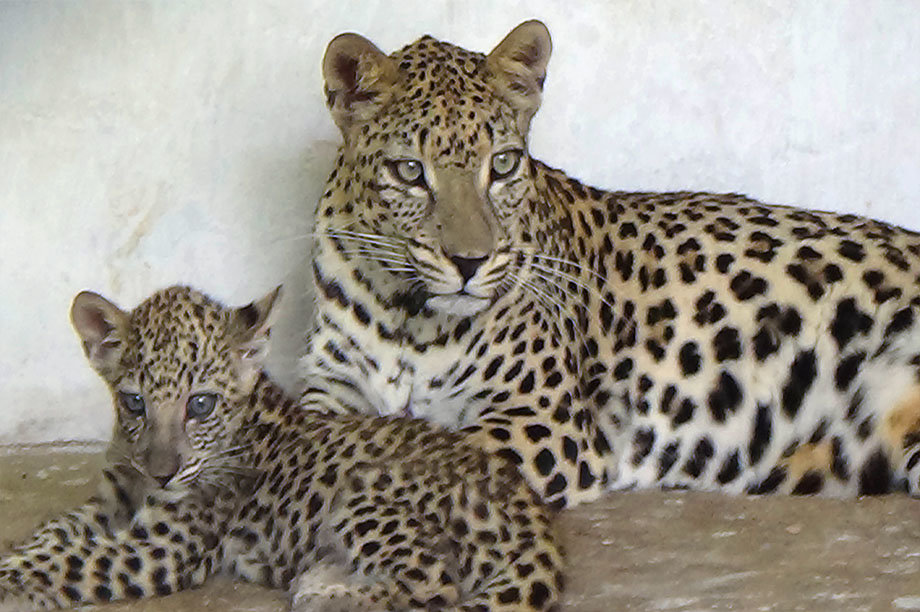
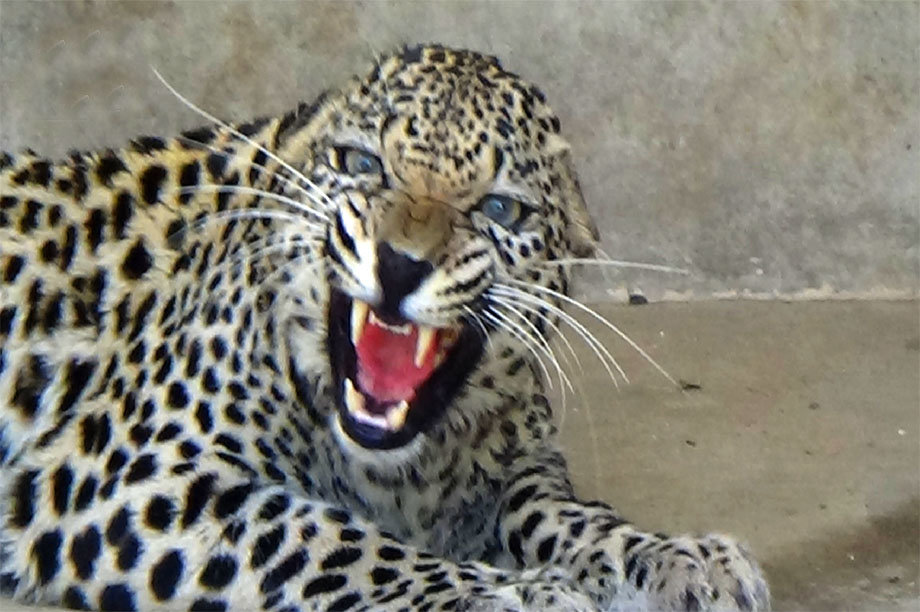
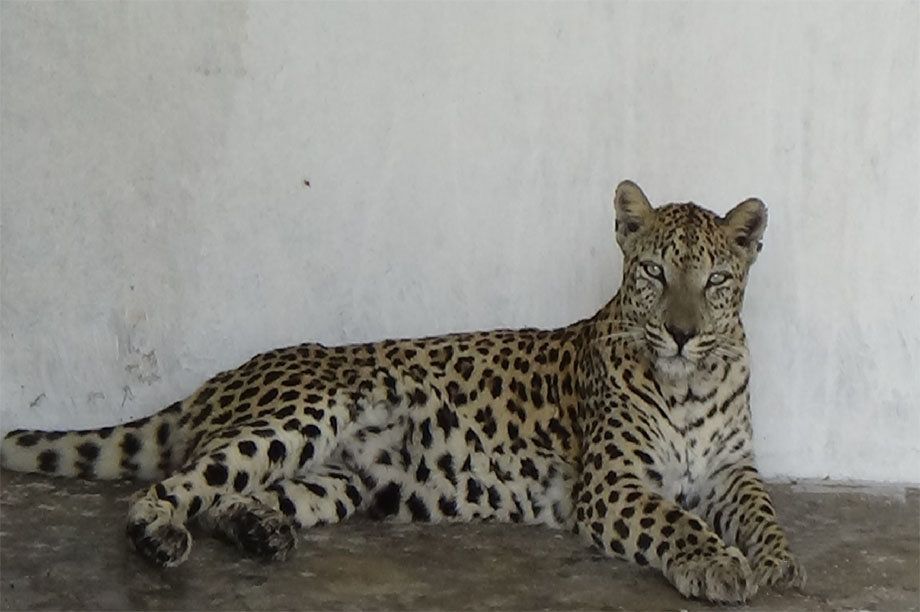
The Arabian leopard is found in mountainous regions, making Yemen one of the most prominent habitats in which it has been endemic since ancient times. This prompted the Yemeni government to declare it the national animal.
It is found in several regions of the country, including Al Mahrah, Ad Dhale', the mountains of Yafa', Abyan, Shabwa, Al Bayda', Rada'a, Ibb, and the Bani Qais Reserve in Hajjah.
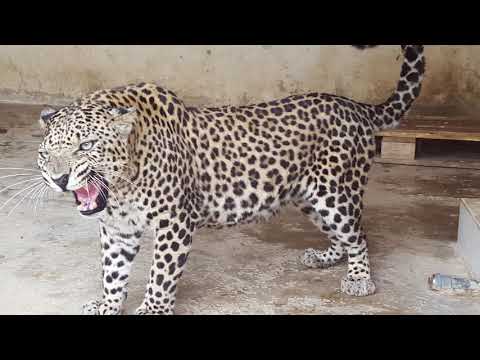
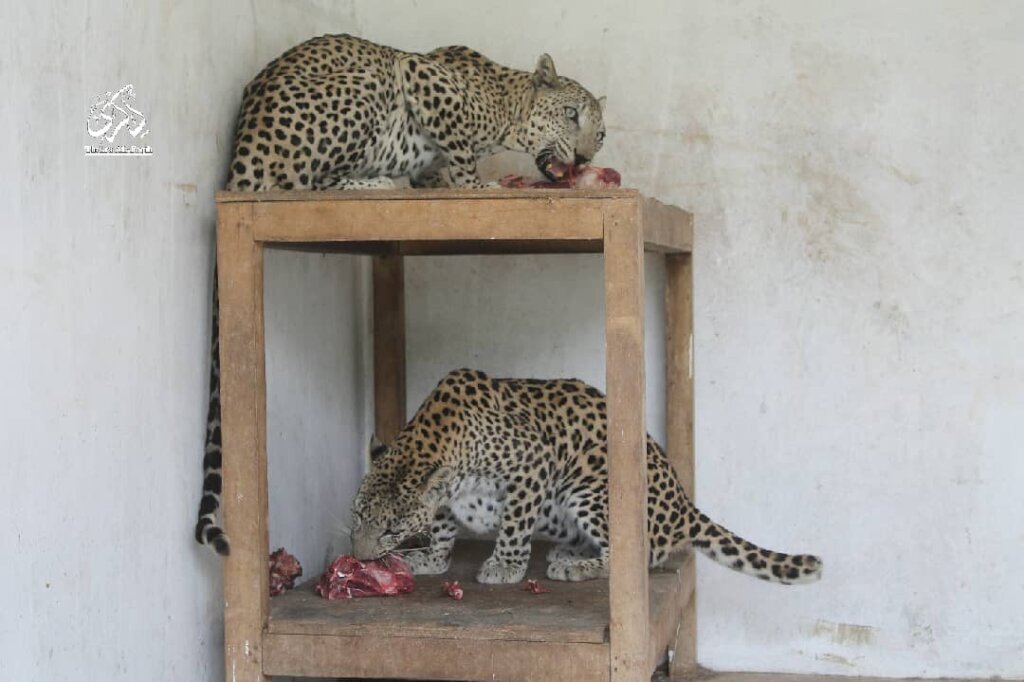
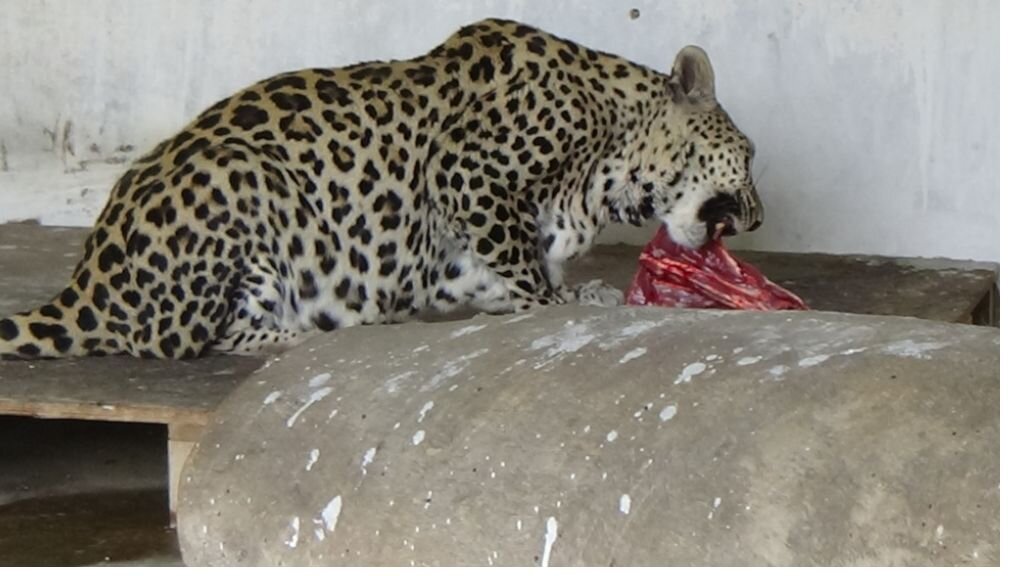
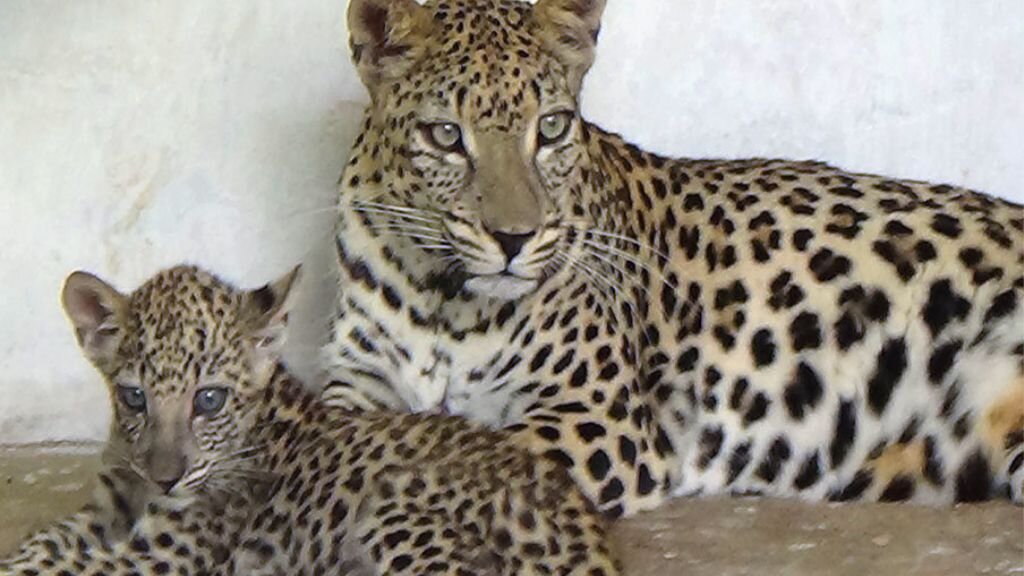
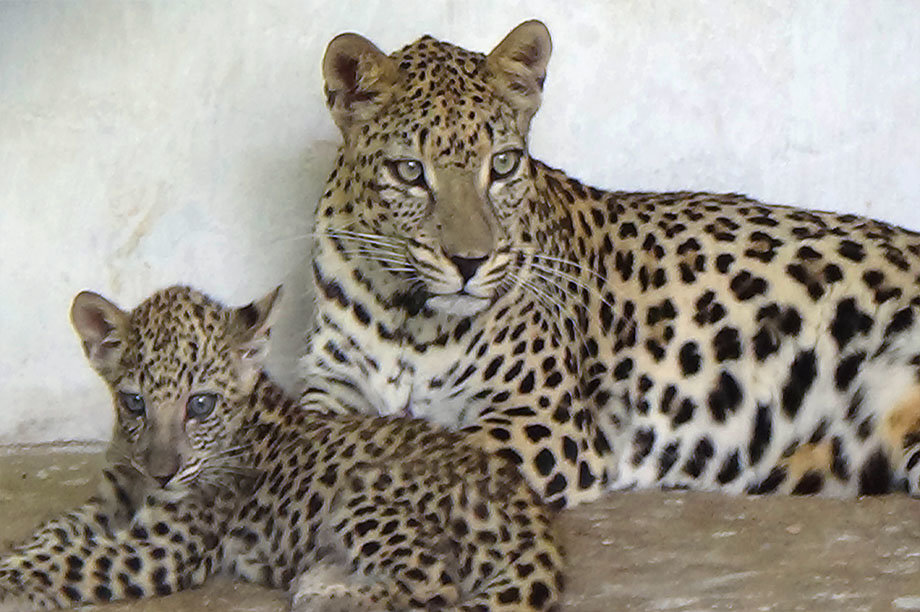
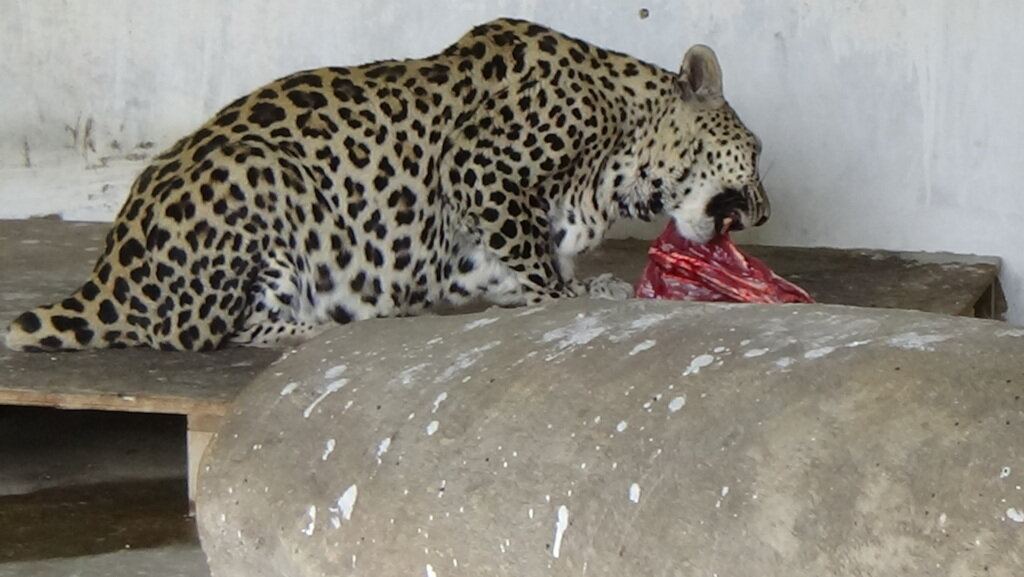
Dozens of leopards are also being conserved in several zoos in Yemen, such as the zoo in the capital, Sana'a, the Ibb Zoo, and the Taiz Zoo in the southwest of the country.
The Arabian leopard is also found in the "Kur Al Awaliq" mountains in the Yemeni governorate of Shabwa, after having disappeared from the Shabwa region for 20 years.
The Arabian leopard faces the threat of hunting, on the grounds that it preys on sheep owned by citizens, making it vulnerable to killing by sheep owners in Shabwa, who threaten to kill the leopard in revenge for the killing of their sheep. Protecting a wild animal seems daunting and extremely difficult, requiring SANID (Nature Conservation Sector) to work hard and call on relevant authorities to take action and coordinate to raise awareness among the people of the areas where the Arabian leopard is found and inhabits.
This requires activating awareness and guiding residents about the importance of preserving the rare animals found in their areas, such as the Arabian leopard.
The presence of rare animals and endangered species means that these animals are older than humans and are among the original inhabitants of the Earth, and we must respect this.
Implemented Activities:
SANID (Nature Conservation Sector) sought to place great emphasis on preserving the Arabian leopard, giving it a major focus in its objectives, activities, and popular, official, and specialized events during the second quarter of 2025, through the implementation of the following:
• Continued awareness-raising efforts among the people of the areas where the Arabian leopard is found and inhabited, with three awareness sessions held, targeting 300 people from the official and popular sectors, as well as specialists in this field.
• Monthly meetings were held with local volunteer activists in the targeted areas to review monitoring reports and report on violations against the Arabian leopard in the three most affected areas. This involved four volunteers who were previously trained in monitoring, tracking, and surveillance skills.
• Awareness-raising activities were conducted in areas where the Arabian leopard is present, criminalizing smuggling and killing, and reporting any threats to the Arabian leopard.
• Three visits were made to educational institutions (schools, universities, and institutes) to emphasize the importance of preserving and protecting the Arabian leopard to students, in coordination with educational institutions.
A meeting was held with relevant government agencies to activate the role of protection and legal prosecution of perpetrators of crimes against this animal.
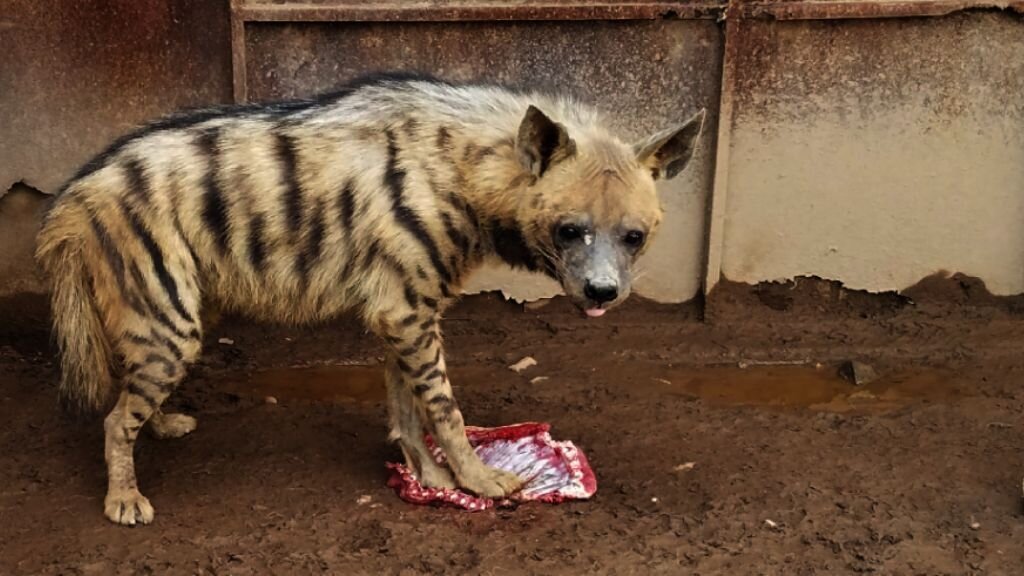
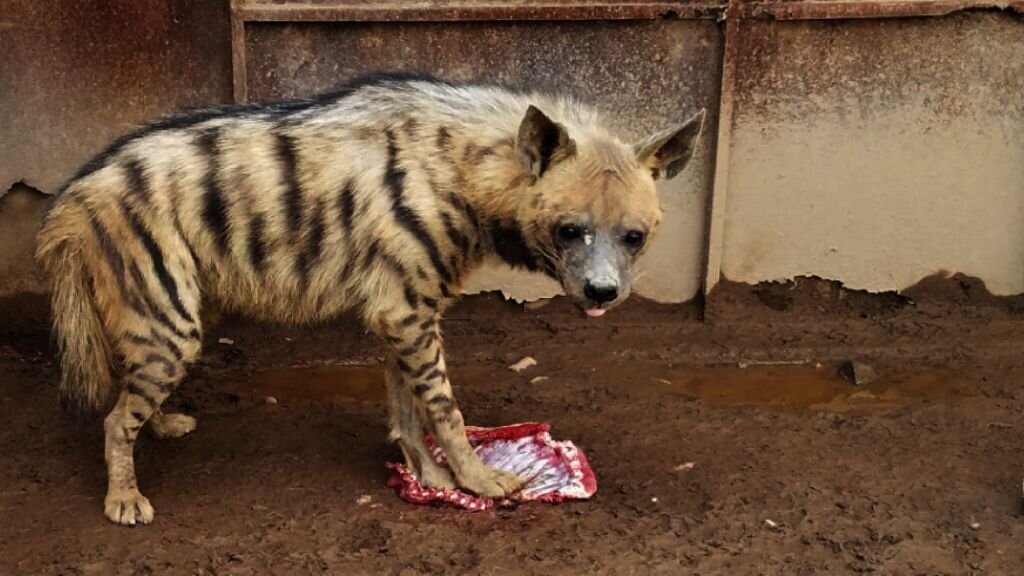
• Field visits were conducted to zoos to assess the needs of the Arabian leopard (and monitor the health status of the leopard).
• Tracking and updating data on the abundance of the Arabian leopard and studying the needs of new areas of its presence.
Challenges and obstacles:
• The deteriorating economic situation in Yemen and its impact on the deteriorating environmental situation.
• Lack of support and donations.
• Security and political challenges.
• Lack of financial and human resources.
• Poaching and illegal trade.
• Habitat degradation.
• Lack of community awareness of the importance of protecting the Arabian leopard.
Future Plans:
- Strengthening monitoring and surveillance efforts.
- Expanding habitat protection.
- Increasing investments in scientific research.
- Strengthening collaboration with partners.
- Developing more effective awareness programs.
End
.
![]()
![]() Attachments:
Attachments:
![Share on Twitter]()
![Share on Facebook]()