By Alejandro Morales | Project leader
REPORT ON THE PROJECT: CONSERVATION OF PSITTACINES ON AGRO-INDUSTRIAL FARMS ON THE SOUTHERN COAST OF GUATEMALA
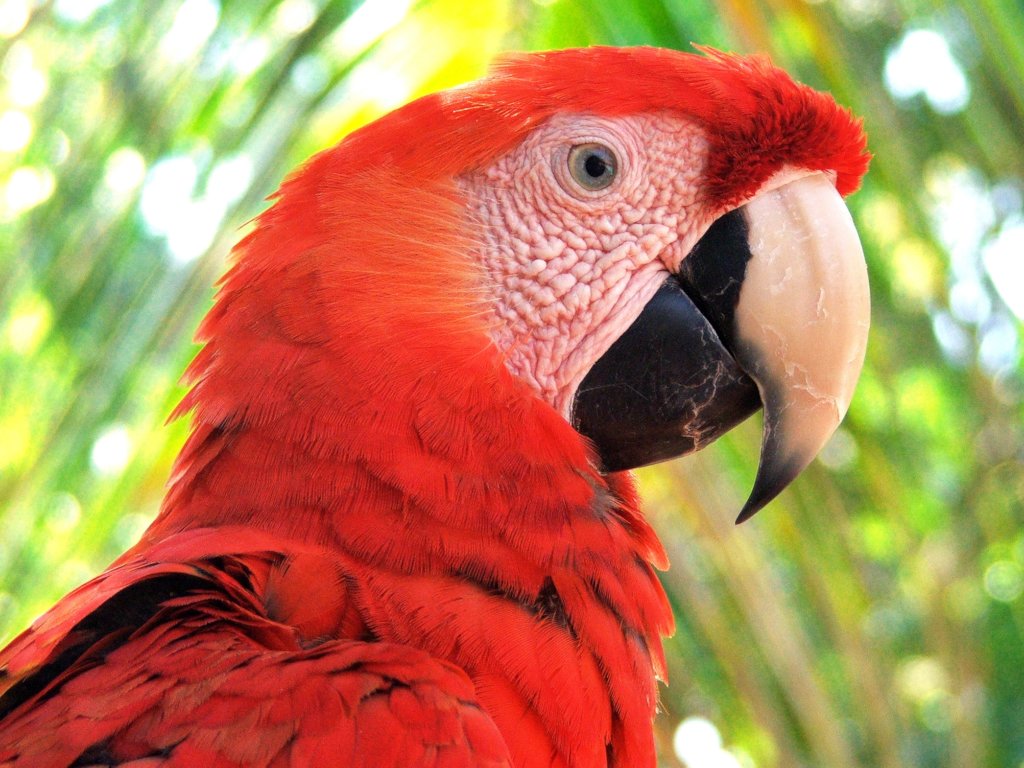
This project was an extension of the work of the Parrot Corridor, Reserves and Sanctuaries of the Yellow-naped Parrot - COLORES project, initiated in 2010. Founded by Dr. LoraKim Joyner of One Earth Conservation – OEC, Lic. Colum Muccio of ARCAS, and biologist Fernando Aldana, the project had the support of the National Council of Protected Areas (CONAP), private landowners, and the Tak’alik A’baj Archaeological Site.
During the first few years, 17 sites were visited in Guatemala and El Salvador in search of yellow-naped parrot populations, with most concentrated in the southwest and central coastal plain. However, the project focused on 15 conservation areas, including sites such as Finca Los Tarrales, Finca María del Mar, Finca El Patrocinio, the Tak’alik A’baj Archaeological Site, Finca Privada Las Margaritas, and Finca La Gracia and the Lost Tinamou Reserve.
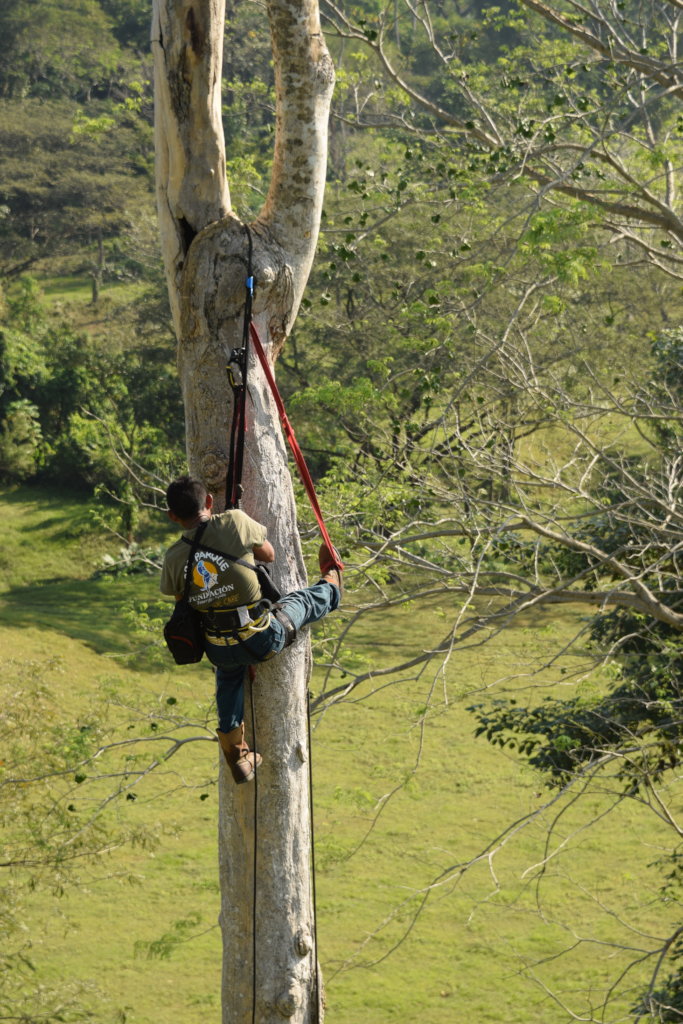
COLORES was a collaborative effort that depends on the voluntary support of farms, businesses, communities, and IRTRA. ARCAS and OE focus on nest monitoring and protection, environmental education, signage, and the installation of artificial nests. With the support of the Wildlife Conservation Society (WCS), CONAP is assisted in controlling illegal trafficking, and a Case Study on the Trafficking of the Yellow-naped Parrot has been developed. In addition, the American Bird Conservancy and the Wagmore Foundation sponsored environmental education activities and the placement of anti-trafficking fences and signs.
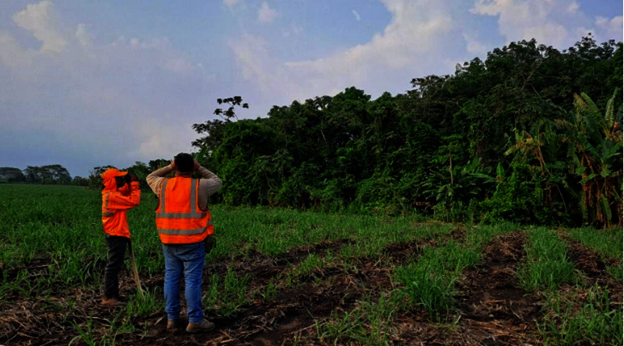
In its final year, a total of 21 visits were conducted at 5 potential sites identified by Ingenio Pantaleón staff. These visits included morning and afternoon surveys, during which data and/or information of importance regarding psittacines were collected at each location.
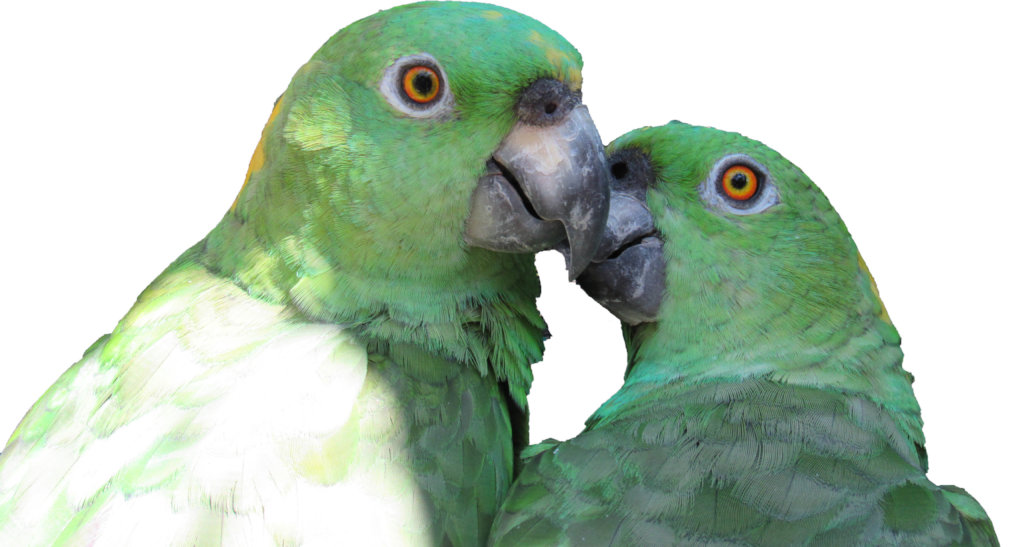
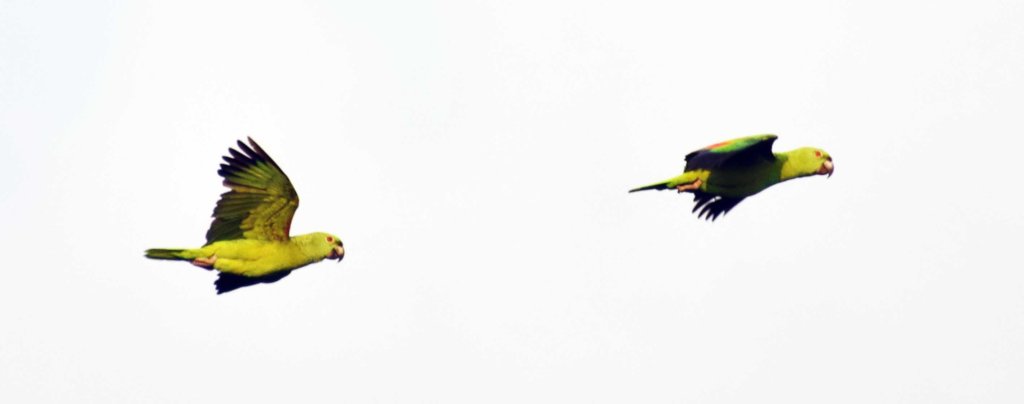
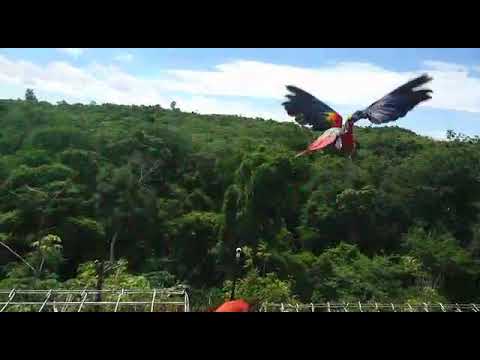
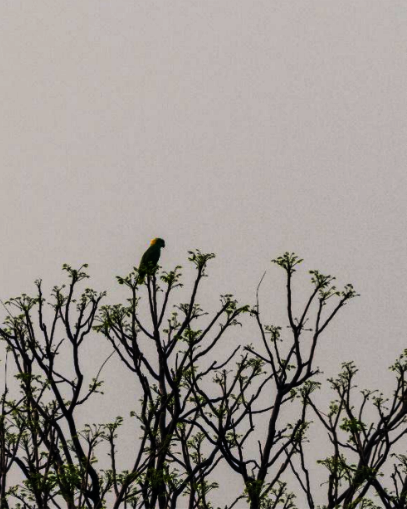
During the educational events, a total of 23 yellow-naped parrots were observed flying in pairs, suggesting social and reproductive behavior. However, no nesting activity was observed in the trees surveyed within the perimeter of each site.
Most of the observed yellow napes appear to use the farms as stopover areas rather than foraging areas. This suggests that the farms do not provide the necessary resources for the birds' survival and reproduction. We also noted a scarcity of plant species used by the parrots for feeding and few forest species for roosting were observed. This suggests that the available habitats are limited and do not provide the necessary resources for the birds' survival.
Results:
Psittacine Counts: During May and June, official population counts of the Yellow-naped Parrot were conducted at each of the work and/or monitoring sites. The fixed-point method was used for the counts, which consists of choosing a fixed position within each site with an unobstructed view to observe the birds flying during a set period and time. The counts were carried out during the last two hours of the afternoon to record the populations at each site, collecting the following data: time, species, number of individuals in each group, and flight direction. We saw 18 yellow naped parrots, 4 white fronted, 26 "señorita" parakeet, 12 orange fronted parakeet and 50 pacific green parakeet. This suggests that psittacines DO use the area, although more sites are needed to be monitored to stablish a true count of total individuals.
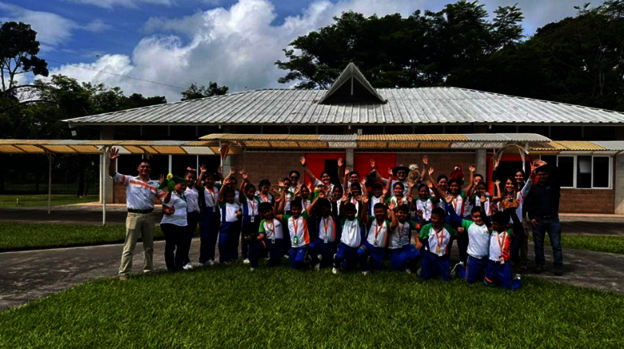
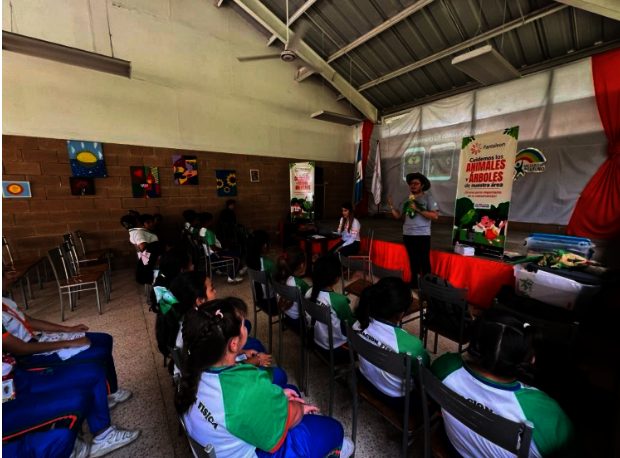
The project also focused on environmental education, building upon previously developed materials by COLORES. Educational materials about psittacines were adapted for children, providing an exciting opportunity to foster curiosity and a love of nature in young minds. A total of 224 children participated, learning about psittacine conservation and the importance of protecting them.
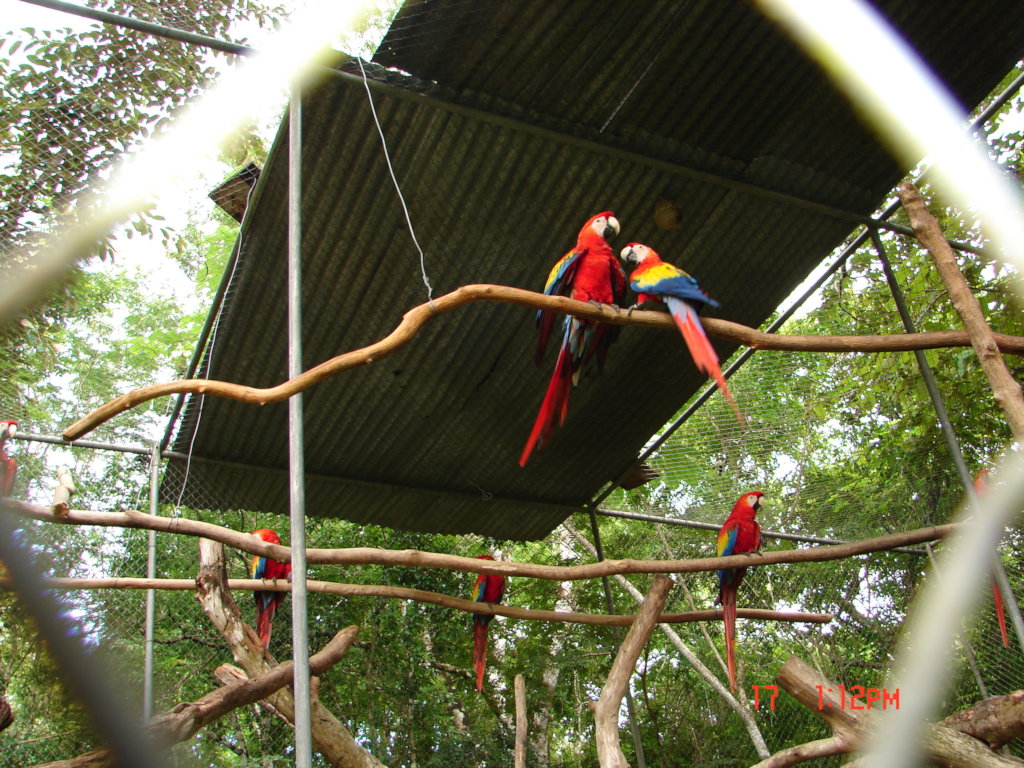
Although this program is closing, we are commited to saving the yellow naped parrot. Between rescues and confiscations, we now have a good base population to breed in captivity to potentially release in the future, we also have a tree nursery that includes species that can serve as food and roosting areas. The long walk to rewild the degraded areas and preserve the species in the wild continues.
Thank you for your support and please stay tuned to know about our next steps and how you can collaborate.
Project reports on GlobalGiving are posted directly to globalgiving.org by Project Leaders as they are completed, generally every 3-4 months. To protect the integrity of these documents, GlobalGiving does not alter them; therefore you may find some language or formatting issues.
If you donate to this project or have donated to this project, you can receive an email when this project posts a report. You can also subscribe for reports without donating.