By Vanessa Rees | Program Manager
Dear Supporters,
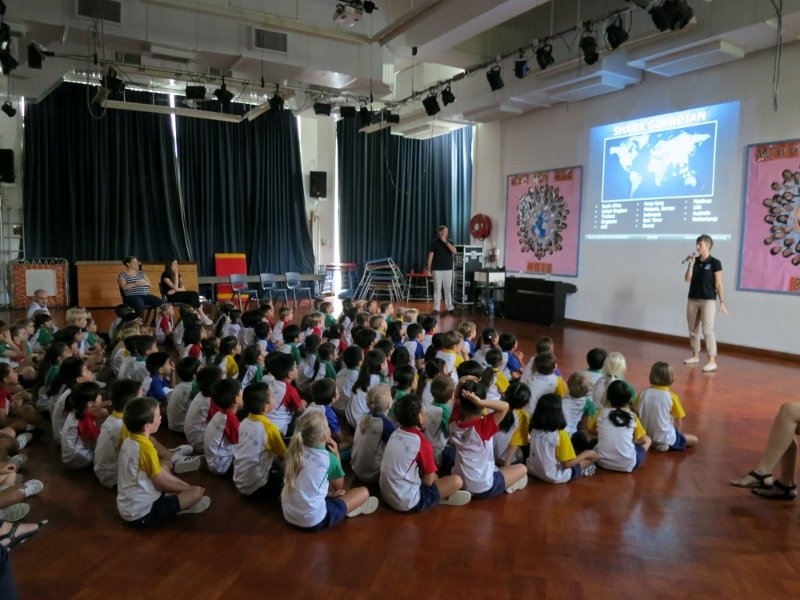
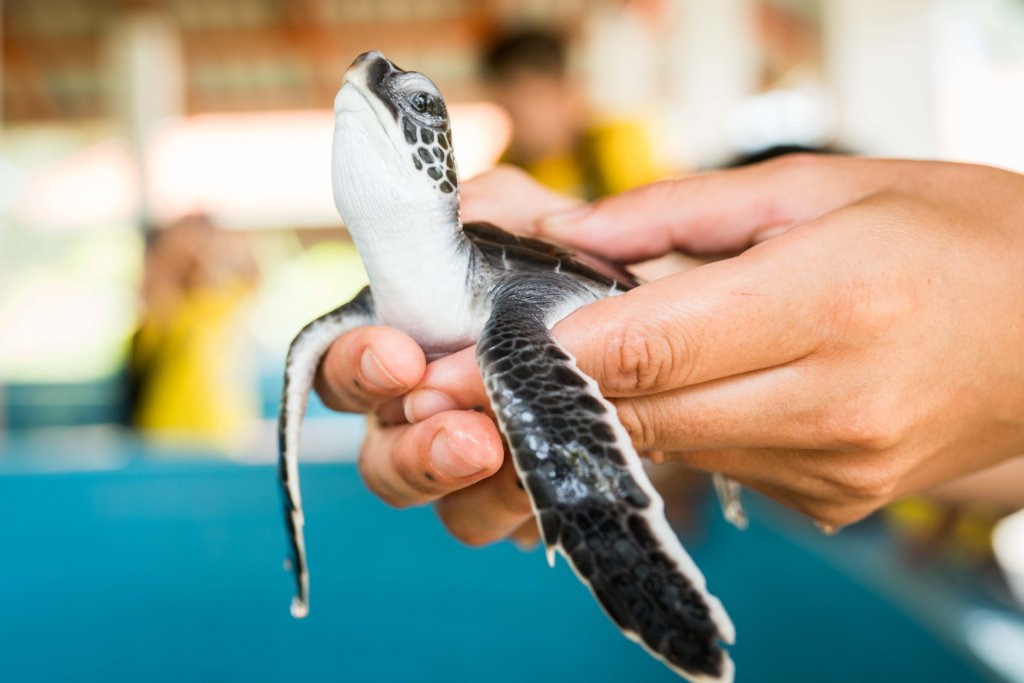
The first quarter of the new decade started well, biodiversity surveys were underway both in and out of the water. The Sea turtle conservation centre was busy with tourists, allowing the opportunity to educate them on the importance of the centre and the threats that the turtles face once they are released.
Marine Life - January through March is the perfect time for us to complete our coral and fish ID surveys. Two sites off the Andaman coast are the perfect areas to survey, with us able to compare the health of the coral in both areas. Ko Pa (just off the coast of Ban Nam Khem) has suffered over the last number of years with bleaching, this year its good to see that the coral is recovering, and reduced bleaching is visible. This has also led to an increased number of fish in the area. Lionfish were there to greet us nearly every survey. Koh Nai Yak is our alternative site, coral is generally healthier here and this year again we have seen increased recovery. This is all really positive news for marine life and the coral provides an ecosystem and protection for hundreds of different species.
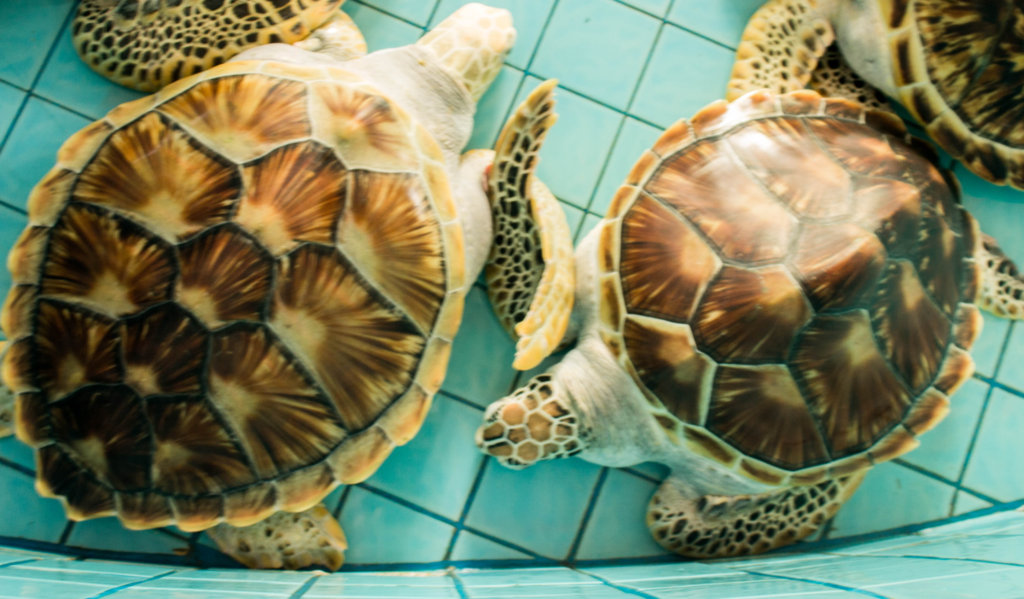
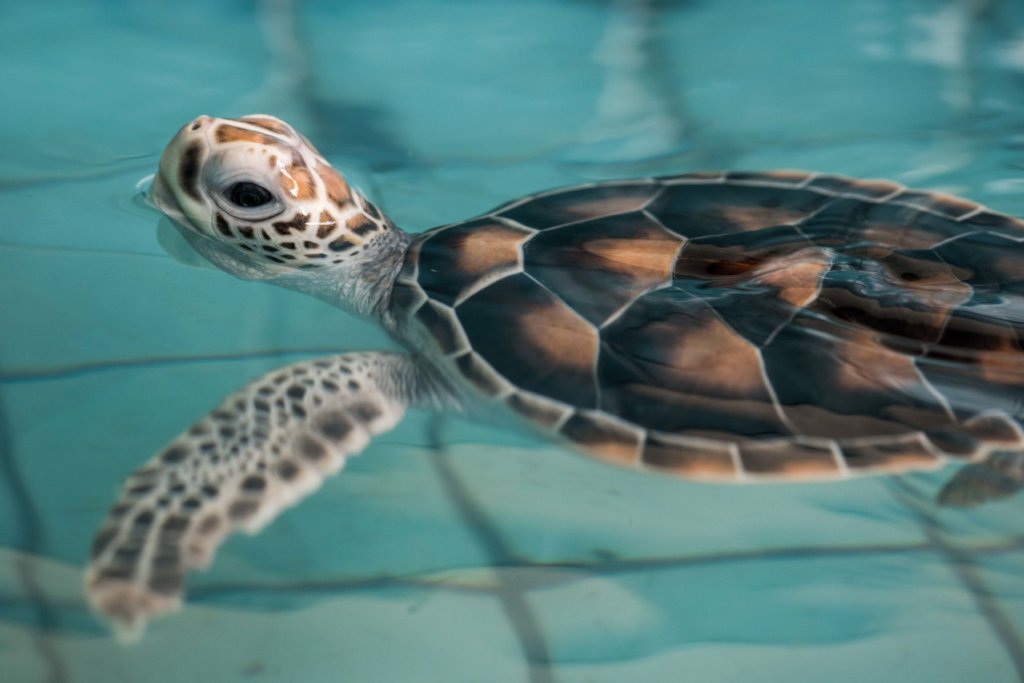
During the first quarter of this year there was a noticeable difference in the health of the turtles, with fewer turtles in the tanks we recorded a decrease in the number of infections that the turtles had. The Green Sea Turtles were also responding well to the additional greens that your kind donations have supplied.
Due to the COVID-19 pandemic The Royal Thai Navy closed the conservation centre to all visitors and volunteers. We have maintained contact and are pleased to hear that all the turtles are doing well through this time.
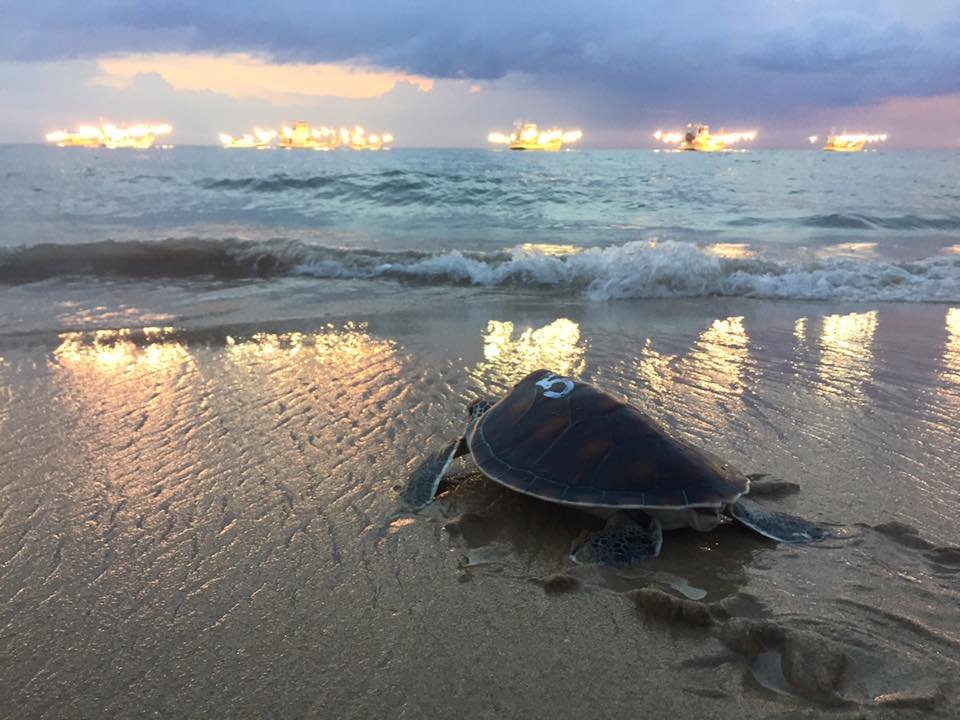
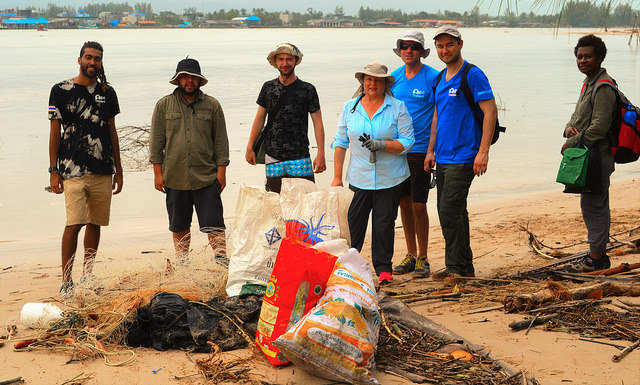
The pandemic has affected Thailand as it has the rest of the world. However, with reduced visitor numbers we have seen the highest number of turtles return to the beaches to lay their eggs. So far 11 Leatherback turtles have nested this is the highest number for over 20 years. We have also seen nests on neighbouring islands Ko Ko Khao and Ko Pra Thong. This is great news not just for the turtles but also for Thailand and we hope that this trend continues. Keeping our beaches clean and free from garbage ensures that the beaches are clean and easy for the turtles to lay.
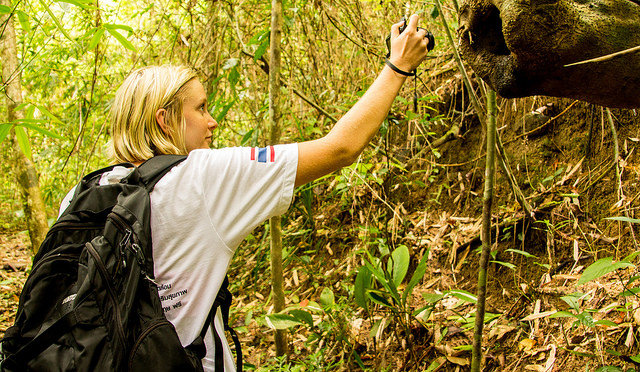
Camera Trap surveys – With help from GVI Trust we have purchased a number of camera traps that have been surveying two nearby islands. With the findings we have been able to confirm the presence of Sunda Pangolin (the most trafficked mammal in the world) the Sunda Pangolin (Manis Javanica) is listed by the ICUN Red List as critically endangered, due to high levels of hunting and poaching for its meat and scales. Over the last few months, we have images of a mother and baby pangolin which is really exciting. However, this quarter we had very bad news, whilst on survey we discovered that 3 of our cameras had been taken from their survey sites. This means that we have not only lost the camera but also the footage for the previous month. We are now considering our options and the impact that the project can have going forward. COVID-19 has given us the opportunity to reach out to new partners to see how we can help.
Protecting the coastline – whilst we work conserving both the marine and terrestrial wildlife, we also need to ensure that the shoreline is protected. Mangroves are the perfect solution to be able to do this. We have planted over 500 mangrove saplings this quarter, working with The Department for Marine Coastal Resources (DMCR) we have started planting in several new locations. Visiting sites that we have planted over the last couple of years is very encouraging. The trees are establishing well and are already providing shelter for the ecosystems in the water but also playing an especially important role in the ecosystems on land too. Bird and butterfly surveys have been very productive here and we have seen several different species in these areas.
Whilst this quarter was cut short due to the COVID-19 Pandemic we started the new decade with new hope. We also hope that in light of the pandemic people attitudes will shift and new hope is given to our very fragile world. Thank you for all your donations, we really need them to keep our work going and to expand the knowledge of the local and global communities.
With Gratitude,
Phang Nga Conservation
Project reports on GlobalGiving are posted directly to globalgiving.org by Project Leaders as they are completed, generally every 3-4 months. To protect the integrity of these documents, GlobalGiving does not alter them; therefore you may find some language or formatting issues.
If you donate to this project or have donated to this project, you can receive an email when this project posts a report. You can also subscribe for reports without donating.



Support this important cause by creating a personalized fundraising page.
Start a Fundraiser