Project Report
| Nov 18, 2024
A New Start for Turtles in Asia
Hello Supporters!
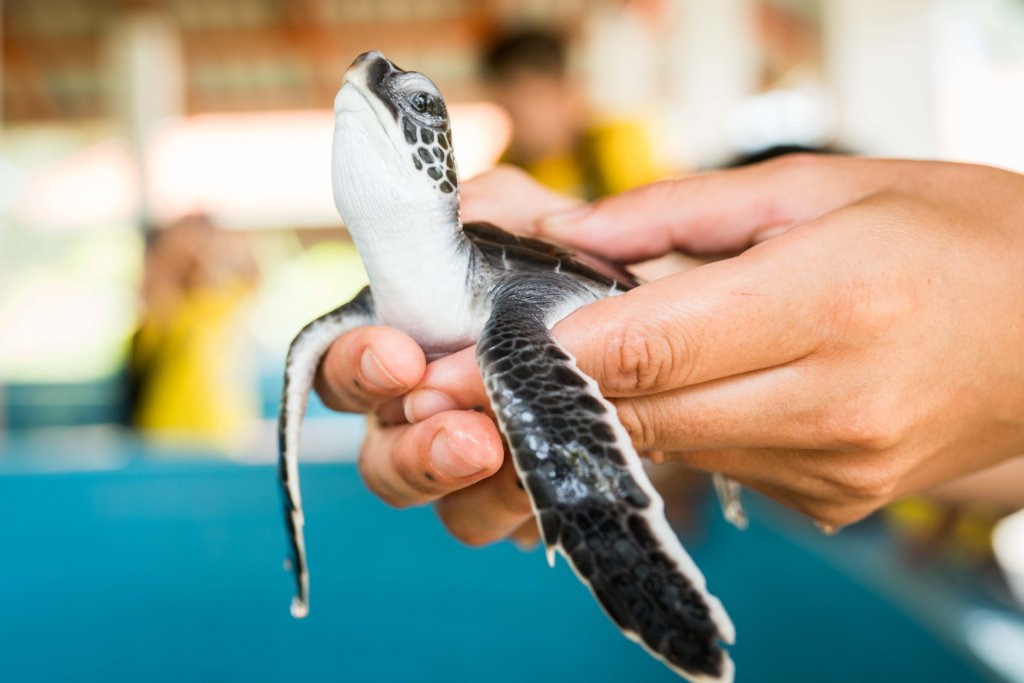
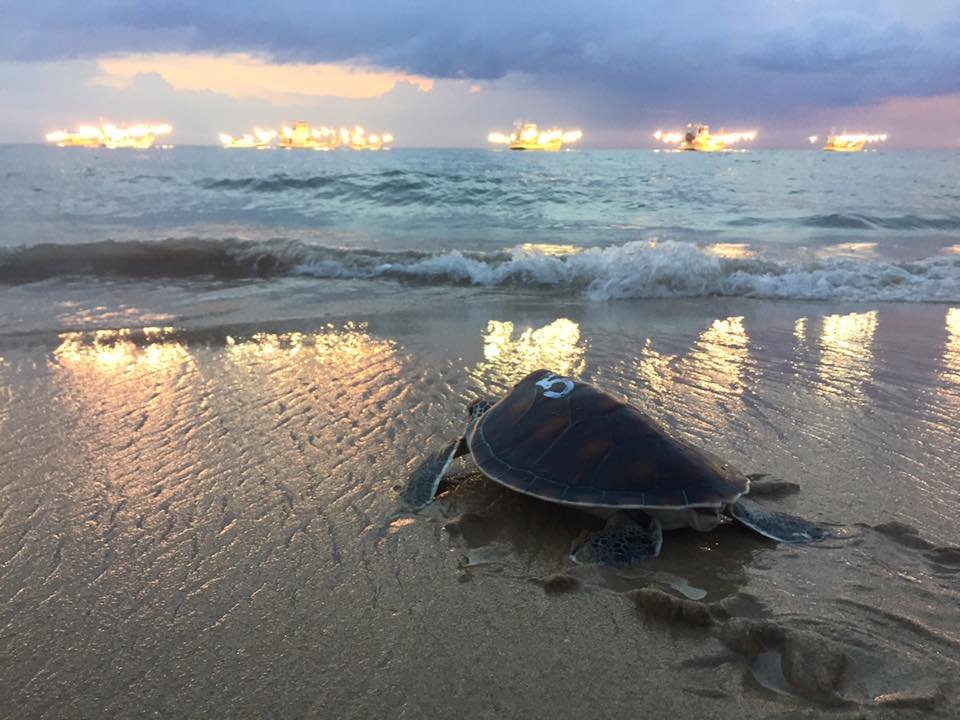
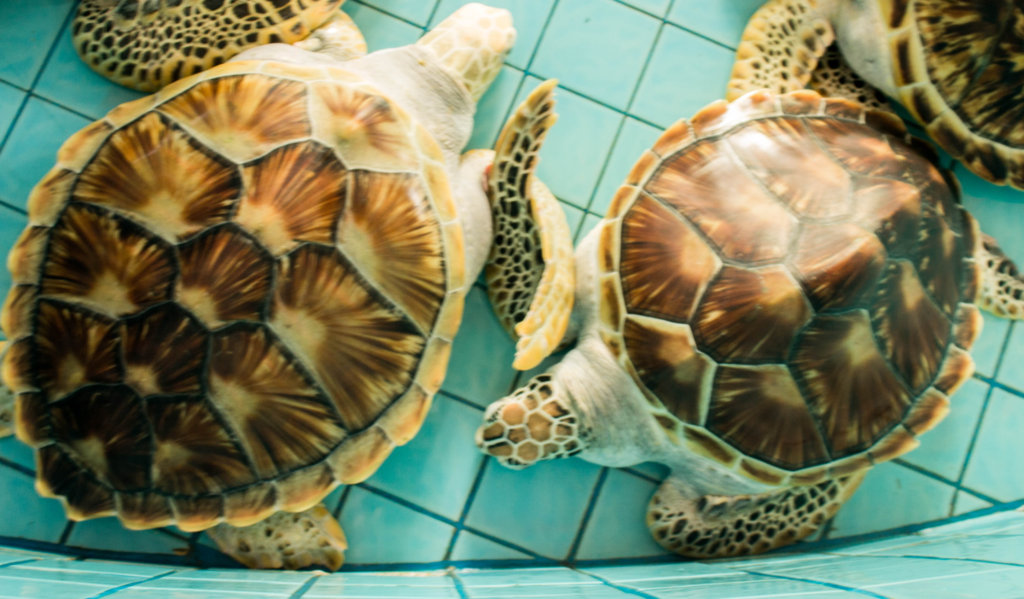
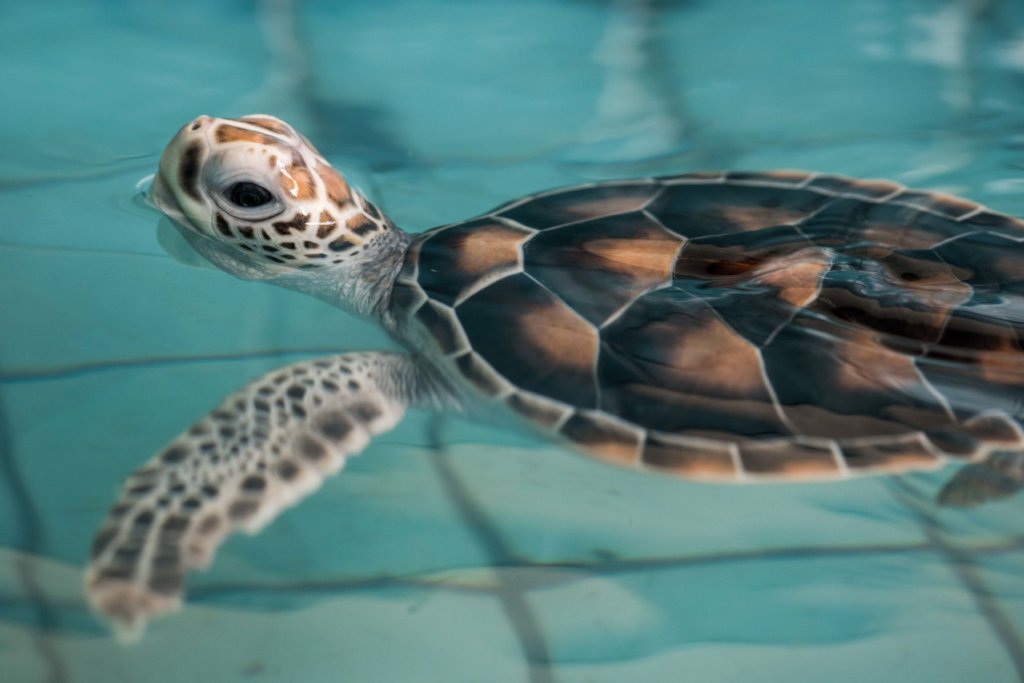
With funding becoming more and more challenging we stepped up our game in Thailand and we are pleased to announce that through registration we are now able to open our santurary to tourists and have been working with the local tour operators to being people in and as such the project is now being locally funded and sustainable without donations. We have also ensured that all activities remain sustainable and safe ensuring the turtles rescued are limited to human interaction and continue to prioritise release.
In 2025 we plan to start a new project it Vitnam along with another program in another parish in Thailand. We are continuing to see more and more issues for turtles due to human interaction.
Turtles in Asia face a variety of critical threats, many of which are driven by human activity. These issues vary depending on the species and region, but some of the most pressing challenges include:
1. Habitat Destruction and Degradation
- Coastal Development: Rapid urbanization, tourism, and industrial development along coastlines and riverbanks can destroy or degrade critical nesting and feeding habitats for sea turtles and freshwater turtles.
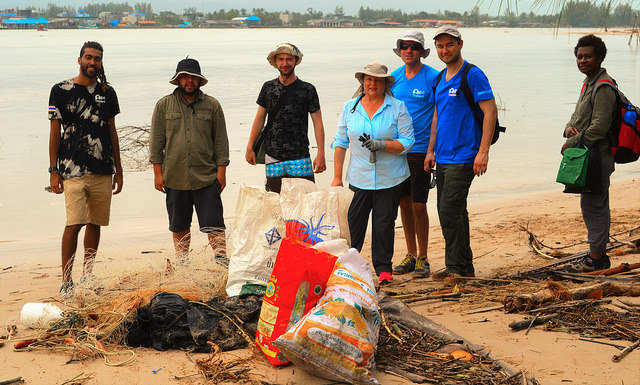
- Pollution: Both land-based and marine pollution, including plastic waste, chemical pollutants, and oil spills, are damaging ecosystems where turtles live. Marine turtles, for example, often mistake plastic for food, which can lead to injury or death.
2. Illegal Trade and Poaching
- Bushmeat Trade: Turtles are often hunted for their meat, which is considered a delicacy in some cultures. This demand is particularly high for species like the Green Sea Turtle and the Hawksbill Turtle.
- Traditional Medicine: Turtles and their shells are used in some traditional medicines and for ornamental purposes, contributing to their exploitation. In particular, the shells of Hawksbill Turtles are prized for making jewelry and souvenirs.
- Illegal Pet Trade: Many species of freshwater turtles are taken from the wild for the pet trade. The demand for exotic pets, especially in countries like China and Vietnam, can severely impact wild populations.
3. Climate Change
- Temperature-Dependent Sex Determination: Turtles, especially sea turtles, rely on the temperature of the sand where they lay their eggs to determine the sex of their offspring. Rising temperatures caused by climate change can skew the sex ratio, potentially leading to a lack of breeding males.
- Rising Sea Levels: Increased sea levels may erode nesting beaches, reducing the available habitat for turtles to lay eggs.
- Changing Food Availability: Climate change can alter the availability of key food sources for turtles, such as jellyfish, which are a primary food source for sea turtles.
4. Overexploitation of Nesting Sites
- Egg Harvesting: Turtles' eggs are often collected for food or for trade. In some parts of Asia, turtle eggs are considered a delicacy or used in traditional medicine.
- Tourism Impact: In some areas, unregulated tourism can disturb nesting turtles, either by crushing eggs or by causing adult turtles to abandon nesting sites. Bright lights from coastal development can also disorient hatchlings, leading them away from the ocean.
5. Bycatch in Fisheries
- Fishing Nets and Lines: Many turtles, particularly sea turtles, get caught in fishing nets and longlines, either through entanglement or accidental capture. This is a major threat to their survival, as it can lead to drowning or severe injury.
- Marine Traffic: Boat propellers and other forms of marine traffic can injure turtles, particularly in busy coastal regions.
There is so much more work for us to do and as we continue to setup rescue centres across Asia we plan to increase our outreach efforts to ensure we maximise awareness to help prevent some of the isses above that we face.
Thank you supporting us
![Share on Twitter]()
![Share on Facebook]()