By Hazel Briones | Digital Engagement and Fundraising Associate
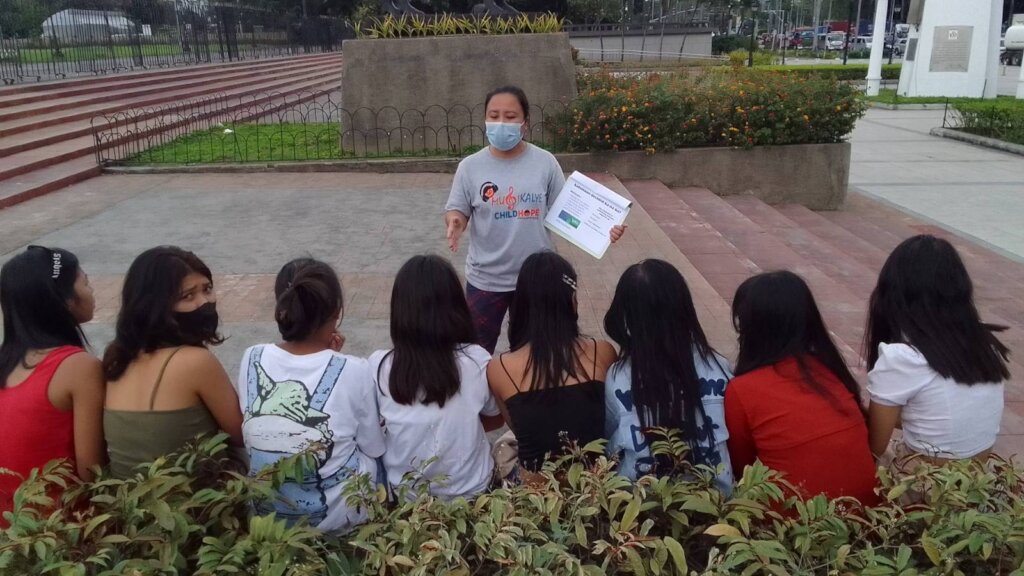
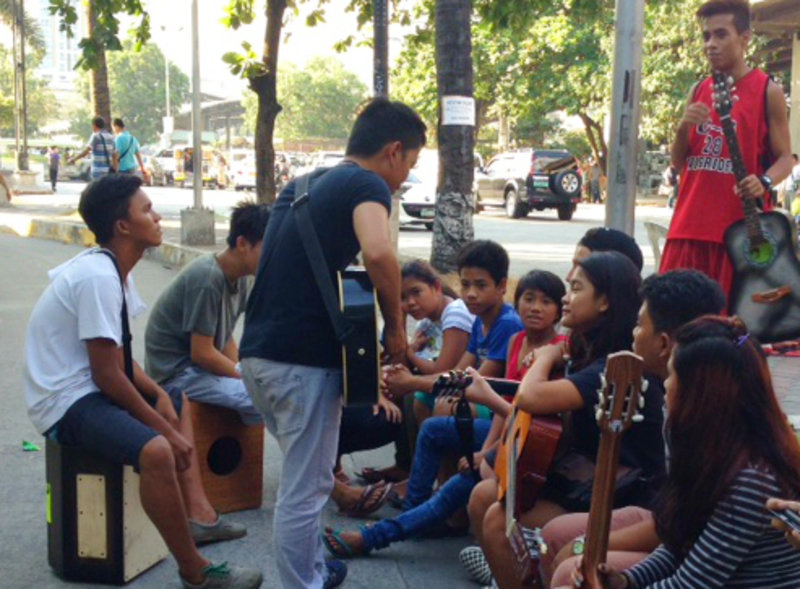
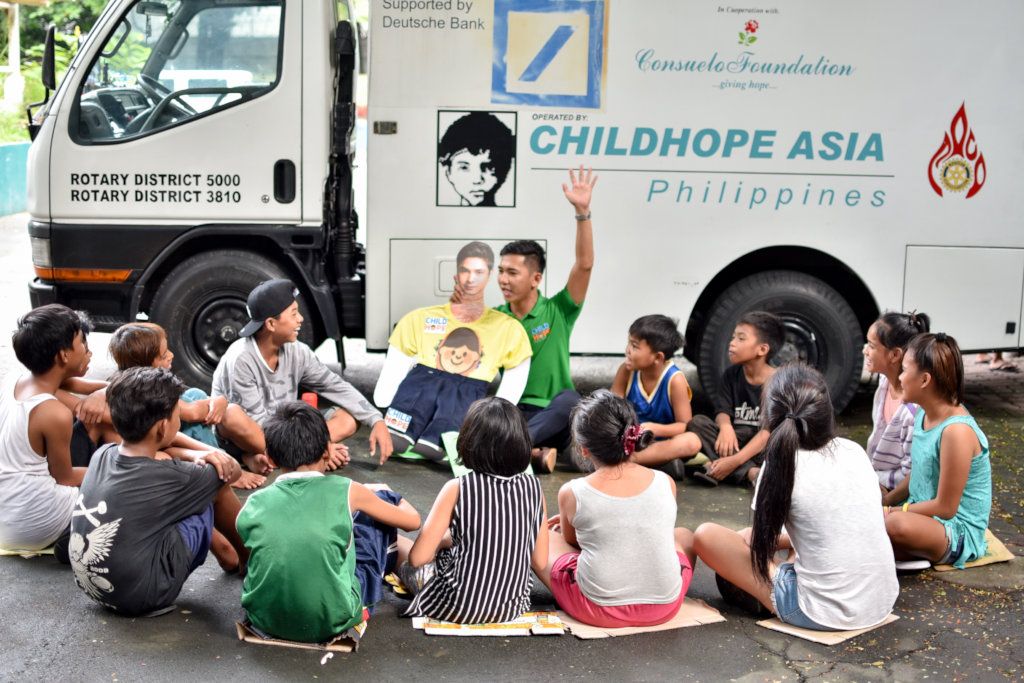
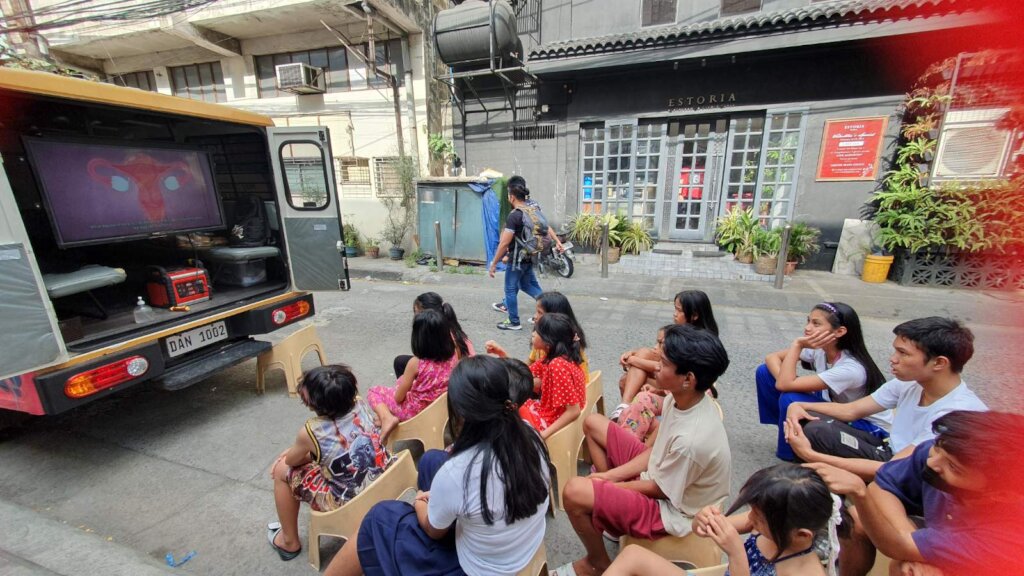
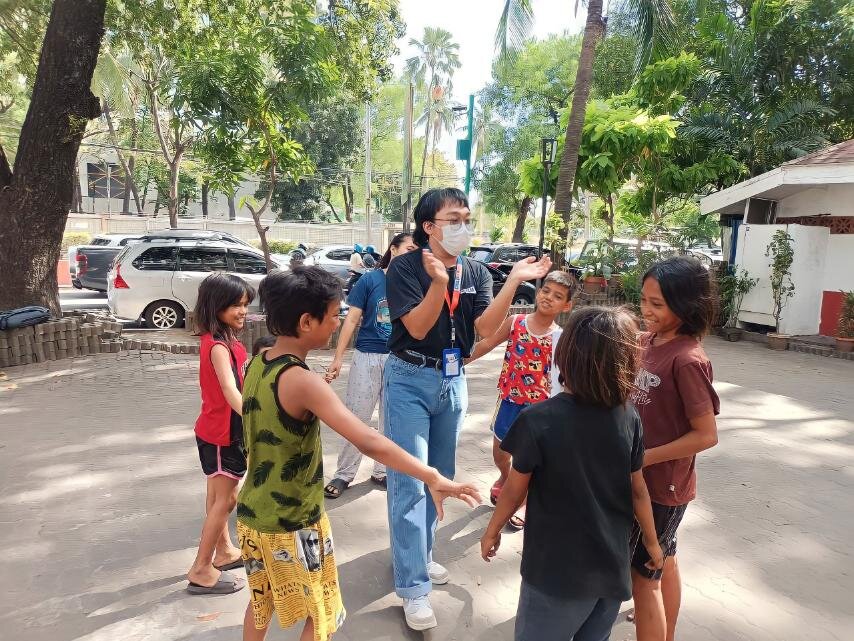
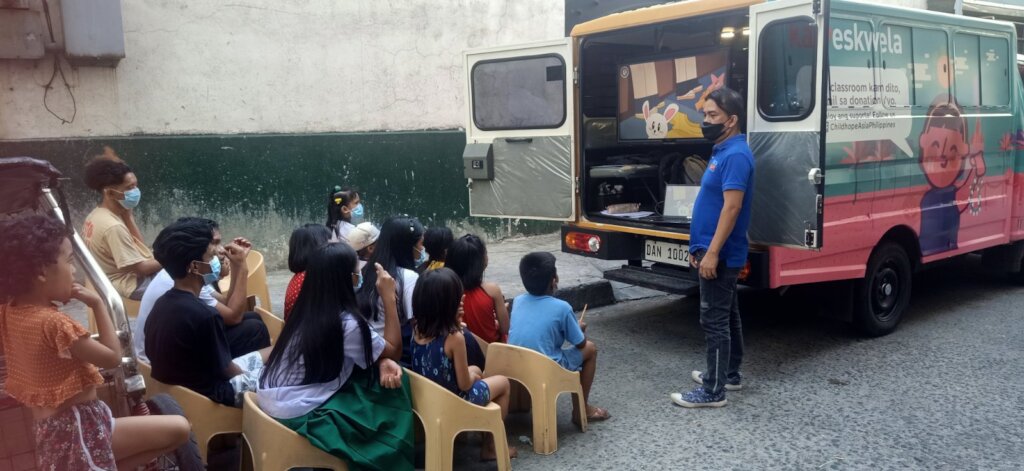
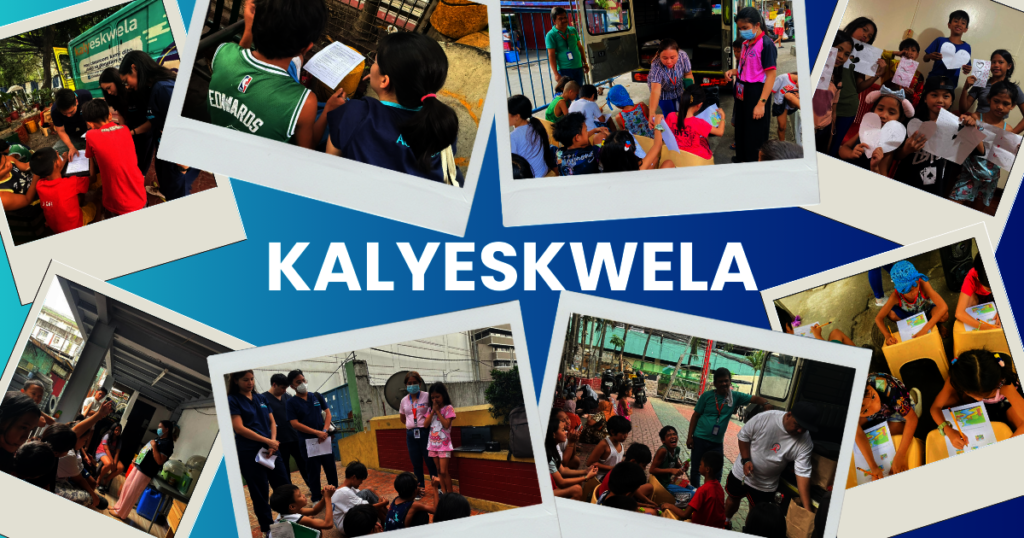
The KalyEskwela program engaged a total of 624 children—241 boys and 383 girls—through structured Alternative Education Sessions designed to promote holistic development and protection among children and youth in street situations. By providing safe, child-centered learning environments, the program reduced exposure to street-based risks such as begging, ambulant vending, and solvent sniffing, while fostering constructive engagement and personal growth. Its Values Education module strengthened the moral foundation of 368 participants by cultivating honesty, respect, empathy, and social responsibility, leading to improved self-awareness and accountability. Complementing this, sessions anchored on the United Nations Convention on the Rights of the Child equipped 287 children with a deeper understanding of their rights to survival, development, protection, and participation, empowering them to recognize rights violations and appreciate the role of duty-bearers in safeguarding their welfare.
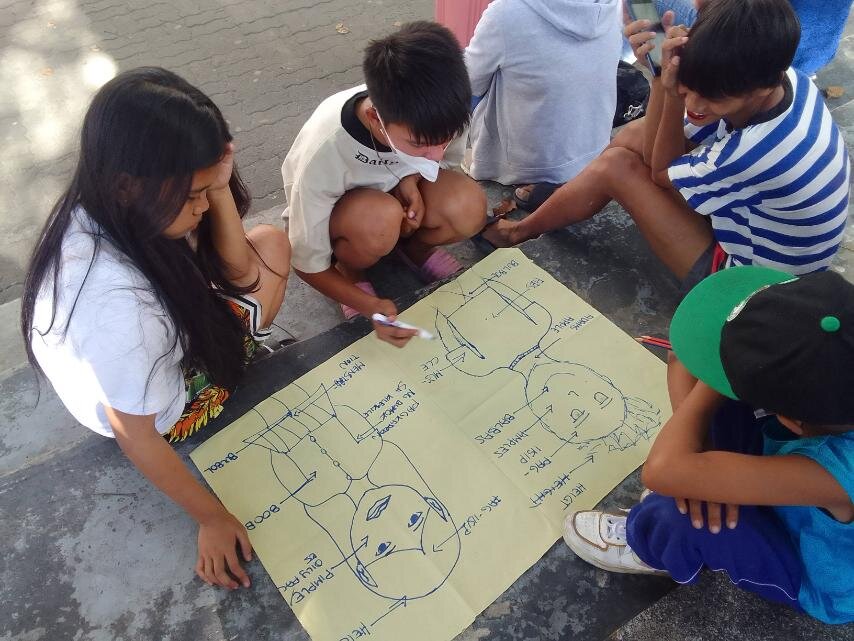
Health and protection education formed another critical pillar of the program. The Primary Health Care module reached 265 children with practical knowledge on hygiene, disease prevention, nutrition, and access to health services. Meanwhile, 230 participants benefited from the Substance Abuse Prevention Education module, which addressed the physical, emotional, and social risks of substance use while promoting resistance skills, healthy coping strategies, and informed decision-making. Gender Sensitivity sessions guided 142 children in challenging harmful stereotypes and fostering respect, equality, and inclusion within their communities. In addition, the Personal Safety and Protective Behavior module equipped 234 children with essential competencies in body safety, boundary-setting, and identifying unsafe situations, ensuring that both boys and girls gained the confidence and skills necessary to protect themselves.
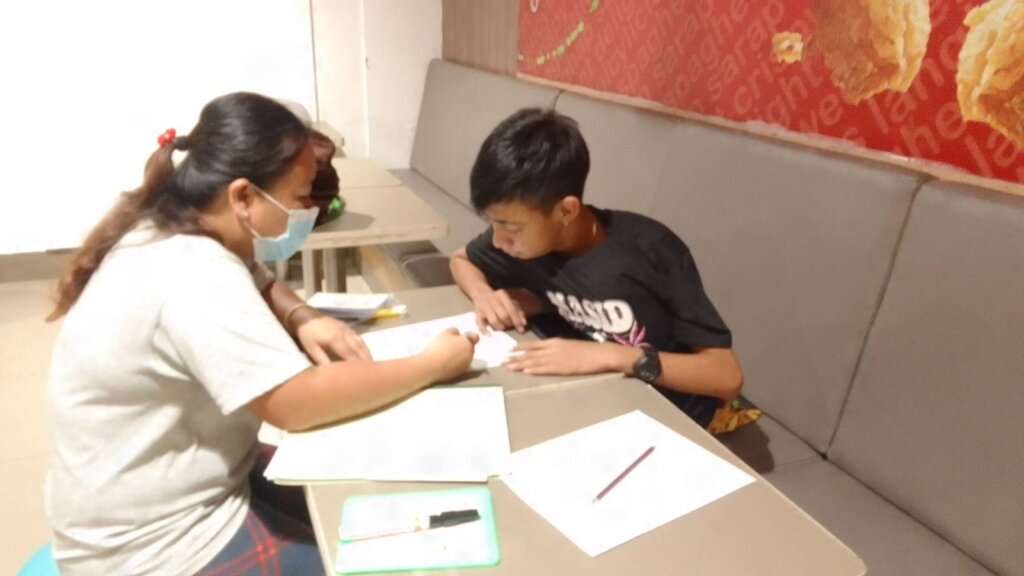
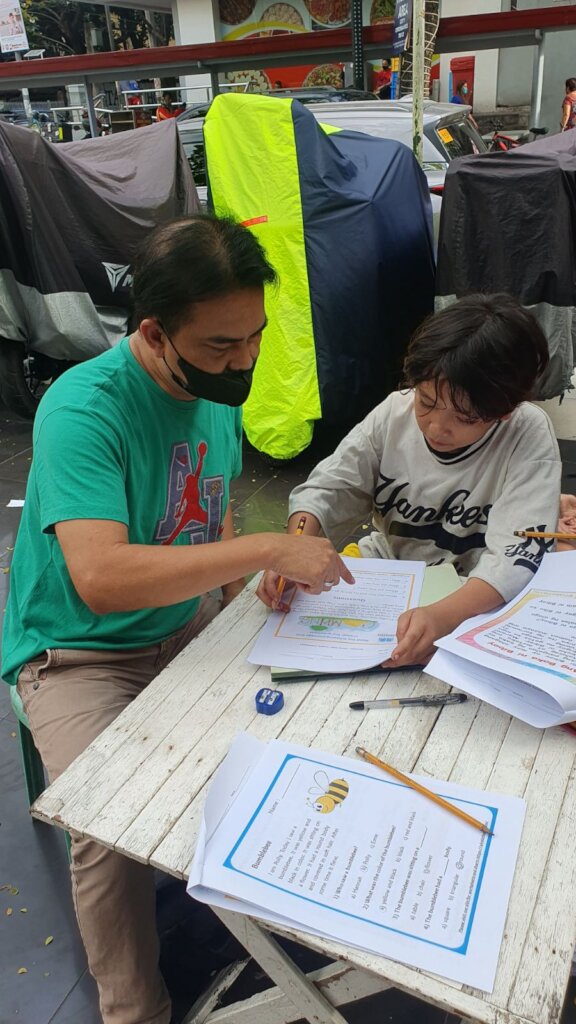
Educational support remains central to KalyEskwela’s long-term impact. Through Basic Literacy and Numeracy (BLAN) and tutorial sessions, 138 in-school and 15 out-of-school children strengthened their academic performance, with all participants demonstrating measurable improvements and 20 recognized as BLAN graduates. In School Year 2024–2025, 600 monitored learners successfully advanced to the next grade level, including two who completed their college education. For School Year 2025–2026, Childhope continues to support 523 enrolled learners, 82 of whom receive intensive assistance under the KalyEskwela Assistance Program (KAP), which provides financial aid and close case management in coordination with schools. The current distribution of monitored learners—341 in elementary, 147 in junior high school, 20 in senior high school, 15 in college, and 3 in the Alternative Learning System—reflects the program’s sustained commitment to preventing dropouts, strengthening resilience, and enabling children and youth in street situations to pursue safer, more hopeful futures through education.
Project reports on GlobalGiving are posted directly to globalgiving.org by Project Leaders as they are completed, generally every 3-4 months. To protect the integrity of these documents, GlobalGiving does not alter them; therefore you may find some language or formatting issues.
If you donate to this project or have donated to this project, you can receive an email when this project posts a report. You can also subscribe for reports without donating.



Support this important cause by creating a personalized fundraising page.
Start a Fundraiser