By Peace Winds Project | Project Organizer
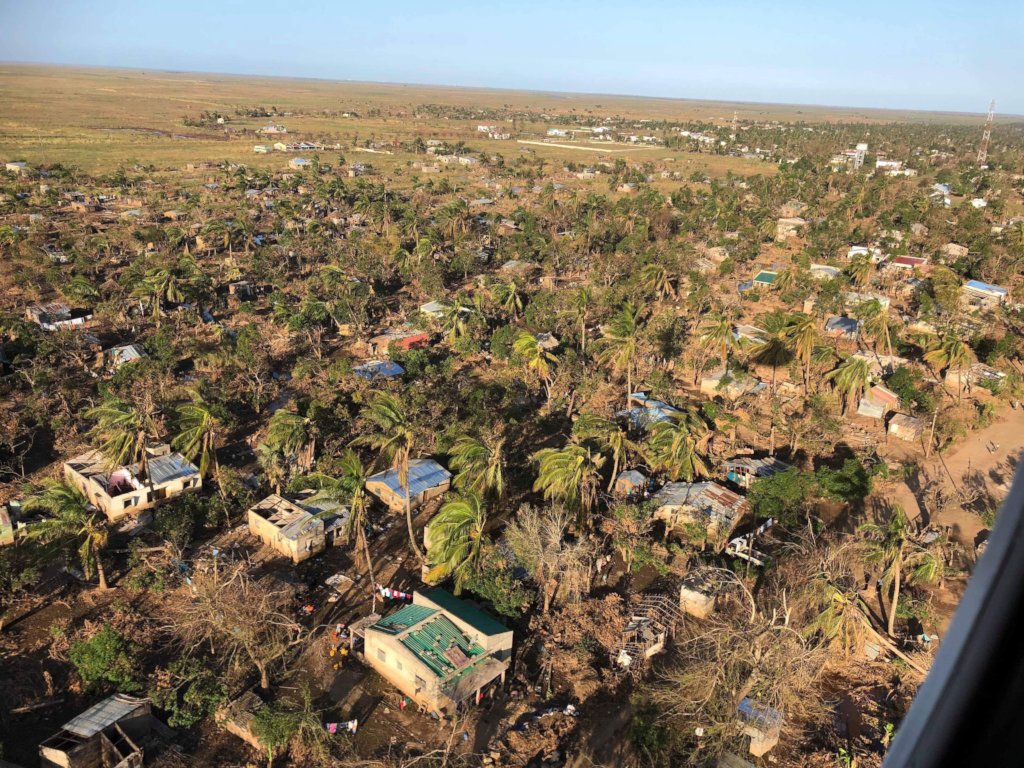
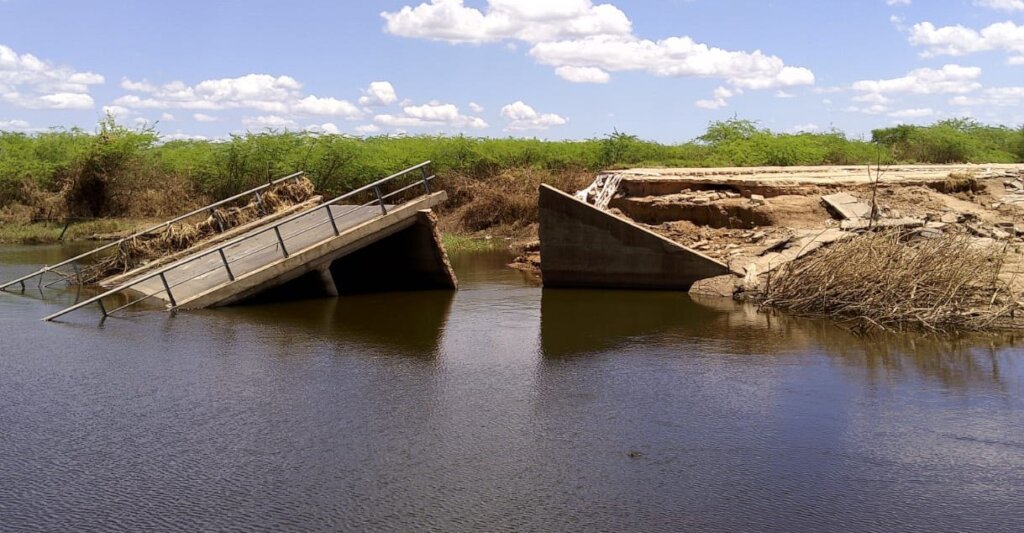
Following the devastating floods in Mozambique, Peace Winds has been active on the ground since late January, delivering essential aid and conducting impact assessments. We have now shifted our operations from Sofala Province to Gaza Province to address emerging needs. Our emergency team in Xai-Xai reports severe infrastructure damage and a growing humanitarian crisis for those forced to flee their homes.
Severe Damage Caused by the Limpopo River’s Overflow
This flood was triggered by the overflow of the Limpopo River, which flows from South Africa through Mozambique to the sea. Cutting through Gaza Province, the river’s mid-January breach unleashed extensive, devastating damage across a wide area.
Even in Xai-Xai, low-lying zones bordering the Limpopo River remain underwater more than a month after the disaster, stalling the return of displaced residents. In the Baixa district, where floodwaters once peaked at two meters, vast stretches of land endure as stagnant marshland or open water.
Displaced Populations Pushed to the Brink by Uncertainty
The Scale of the Crisis: Tracking Needs in Real-Time
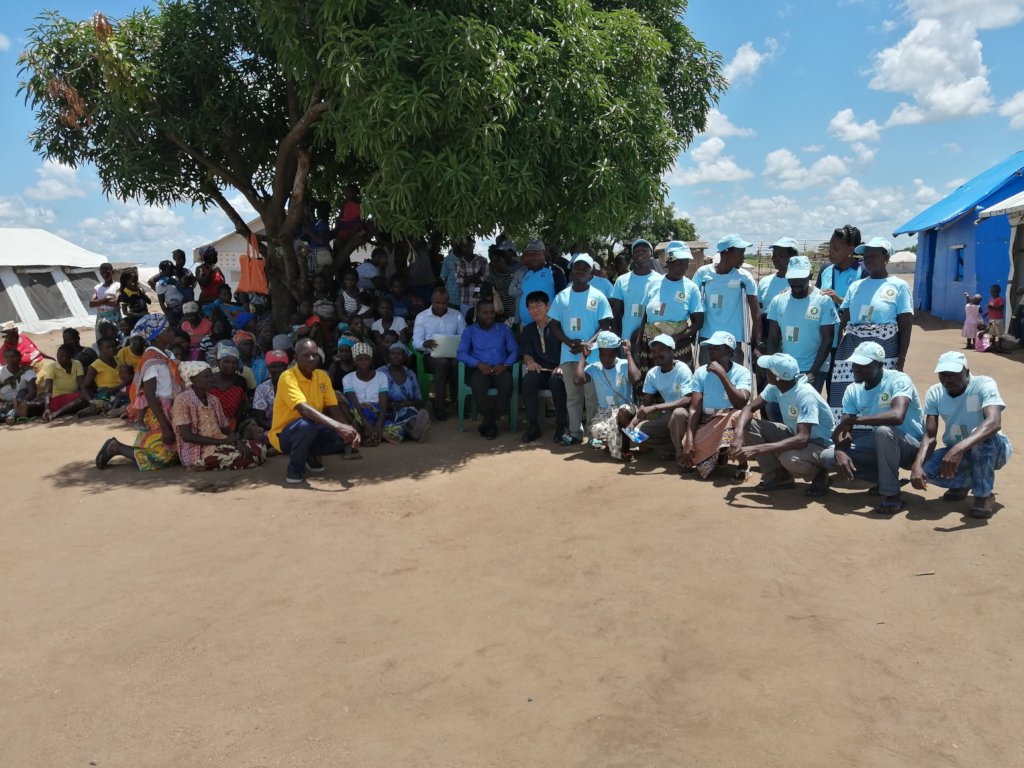
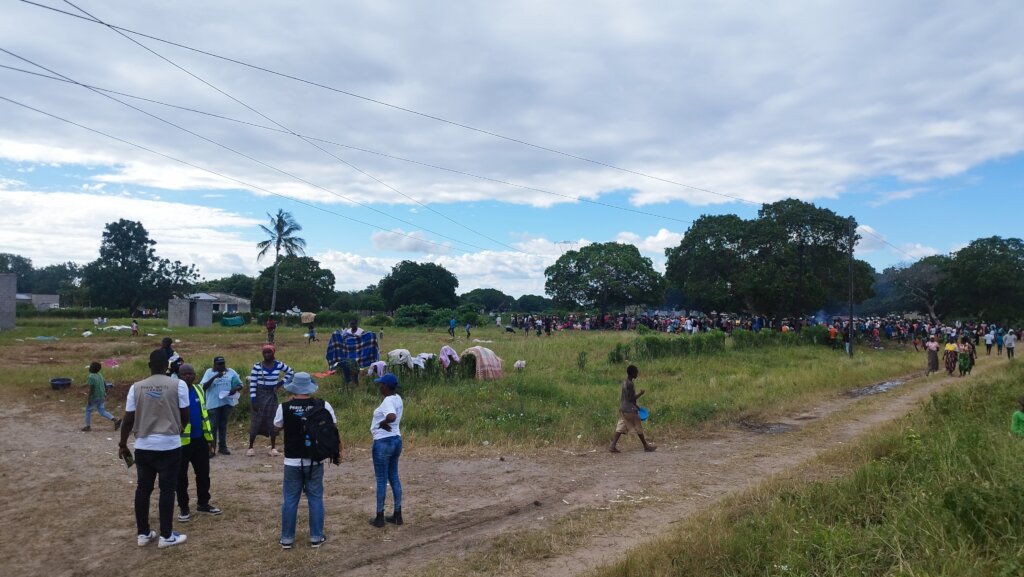
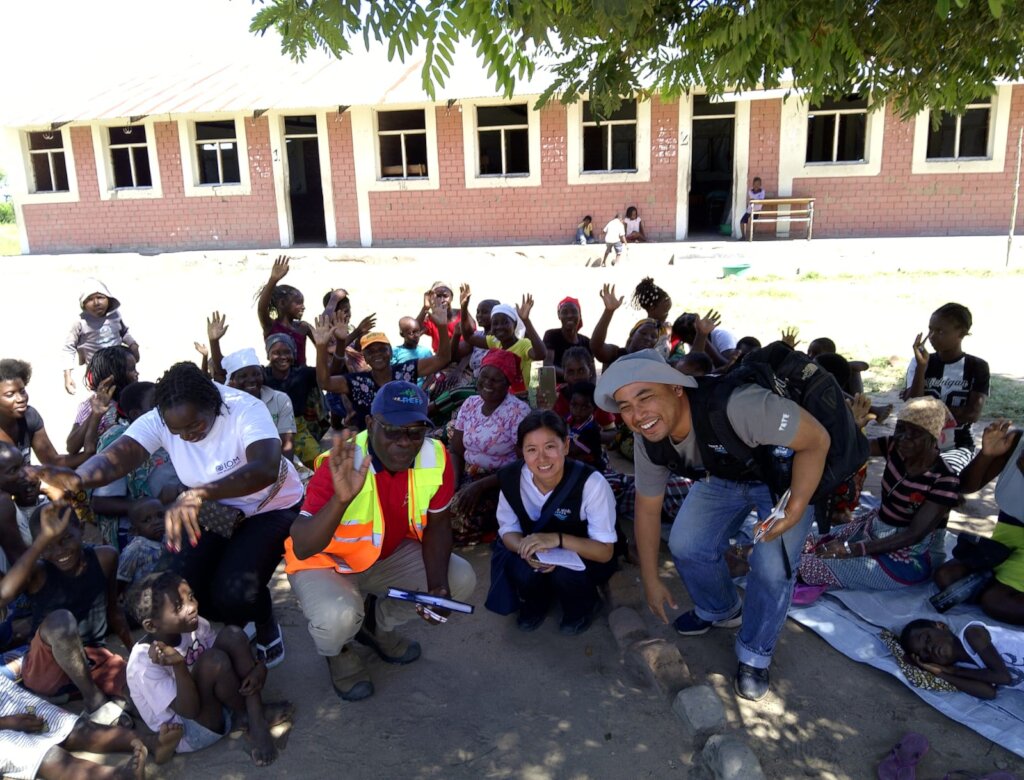
At the height of the floods, approximately 90,000 people sought refuge in temporary shelters across Gaza Province. To ensure our support is as precise as the need is vast, we have been meticulously documenting the living conditions of those displaced, tracking the subtle, daily shifts at each site.
The Toll of Deprivation
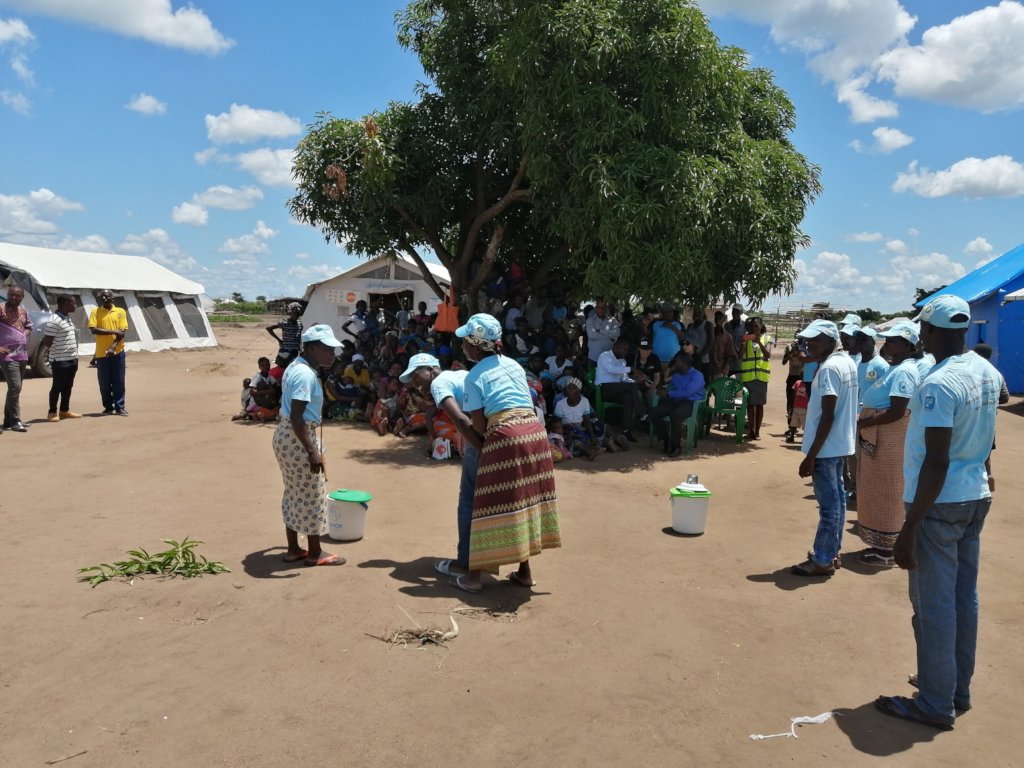
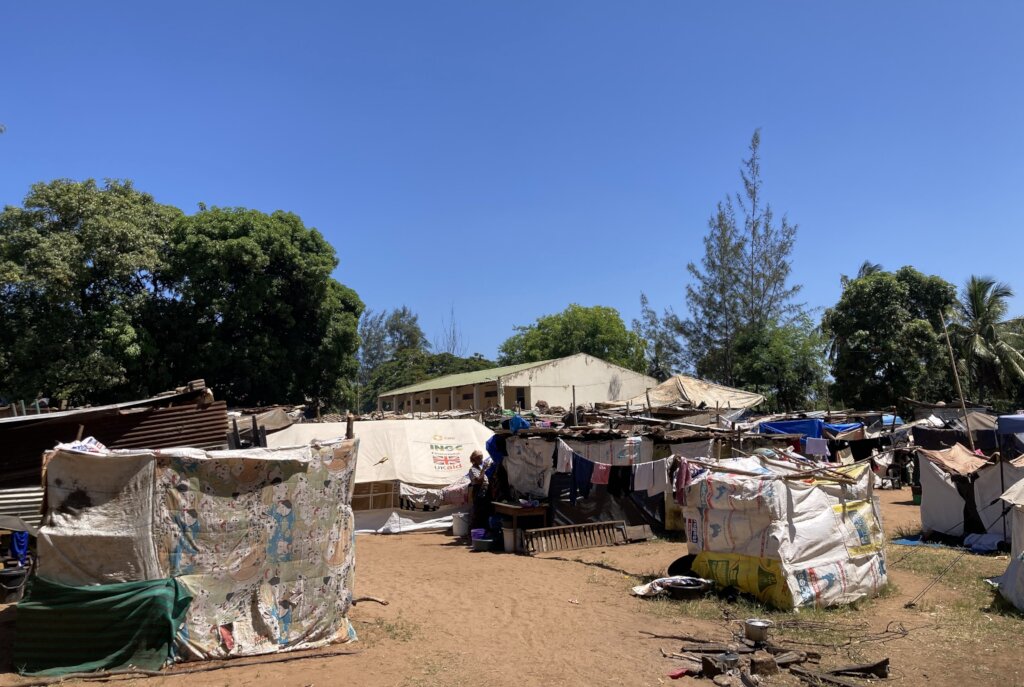
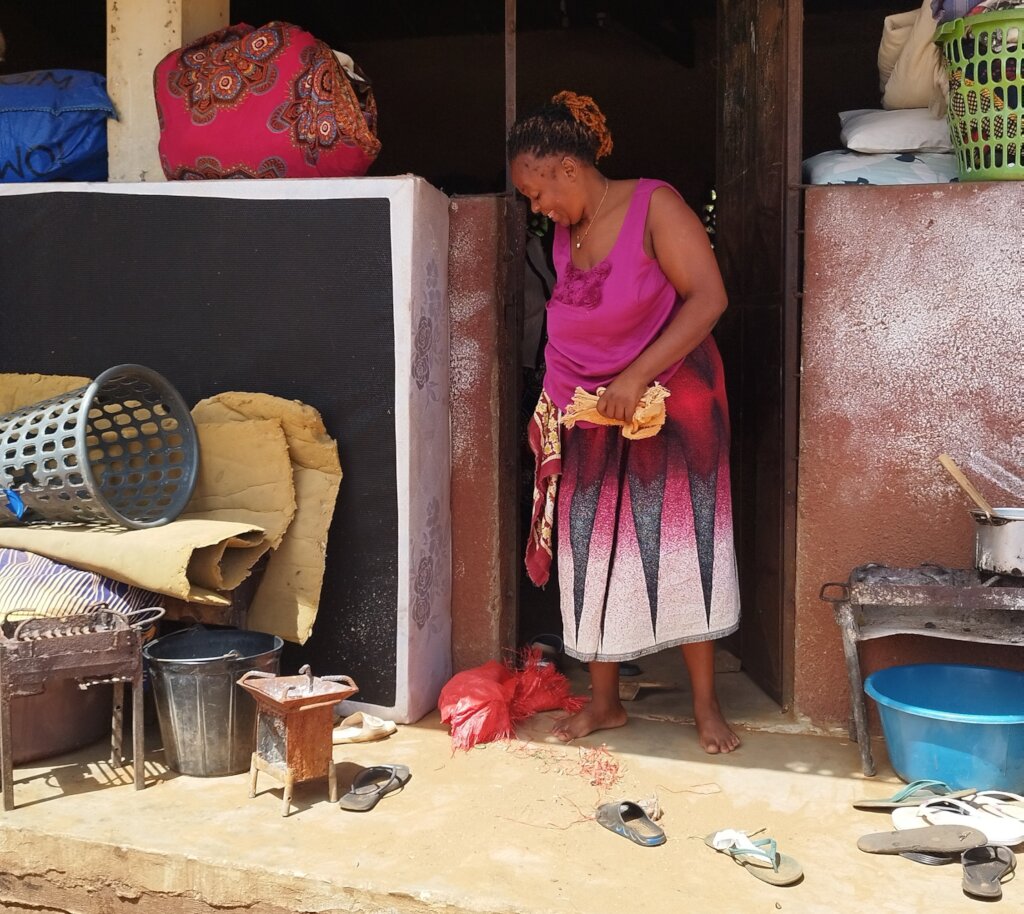
For over a month, many have survived on a monotonous diet of rice, nshima, and beans. This nutritional deficiency, coupled with the strain of displacement, has led to a profound sense of physical and mental exhaustion. At the Patrice Lumumba Shelter—a middle school converted into a refuge—the reality is stark: roughly 50 women and children are crowded into a single classroom to sleep. In an environment where even basic cleaning supplies are a luxury, relief workers have been forced to innovate, fashioning makeshift brooms from rolled-up plastic bags to maintain a semblance of hygiene.
The March Deadline: A Precarious Future
With schools across the province scheduled to reopen in early March, those currently taking refuge in classrooms face an imminent and forced relocation. Yet, for many, there is simply nowhere to go. Resettlement sites remain unconfirmed, and with floodwaters still encroaching on their original homes, the risk of renewed flooding is a constant shadow. While a move to higher ground is being discussed, the lack of a clear destination has left families in a state of profound anxiety, bracing for a second displacement with no end in sight.
Chokwe: 88% of Lives Upended
Chokwe: The Epicenter of a Mounting Humanitarian Crisis
Approximately two hours from Xai-Xai, Chokwe District bears the heaviest scars of the disaster. Here, the scale of devastation is near-total, with 88% of the population—roughly 170,000 people—impacted.
The arrival of a cyclone late last week brought a new wave of terror. While the storm spared the region from major structural damage, it forced a frantic mass movement to makeshift "Operation" shelters. These emergency sites, however, are catastrophically underserviced. With no latrines and a severe shortage of indoor space, hundreds are forced to sleep in the open air and relieve themselves outdoors. Amidst these primitive conditions, the threat of an infectious disease outbreak looms larger every day.
Fraying Resilience: Meeting the Surging Needs of the Long-Term Displaced
The Deepening Crisis: Why Time is Not a Cure
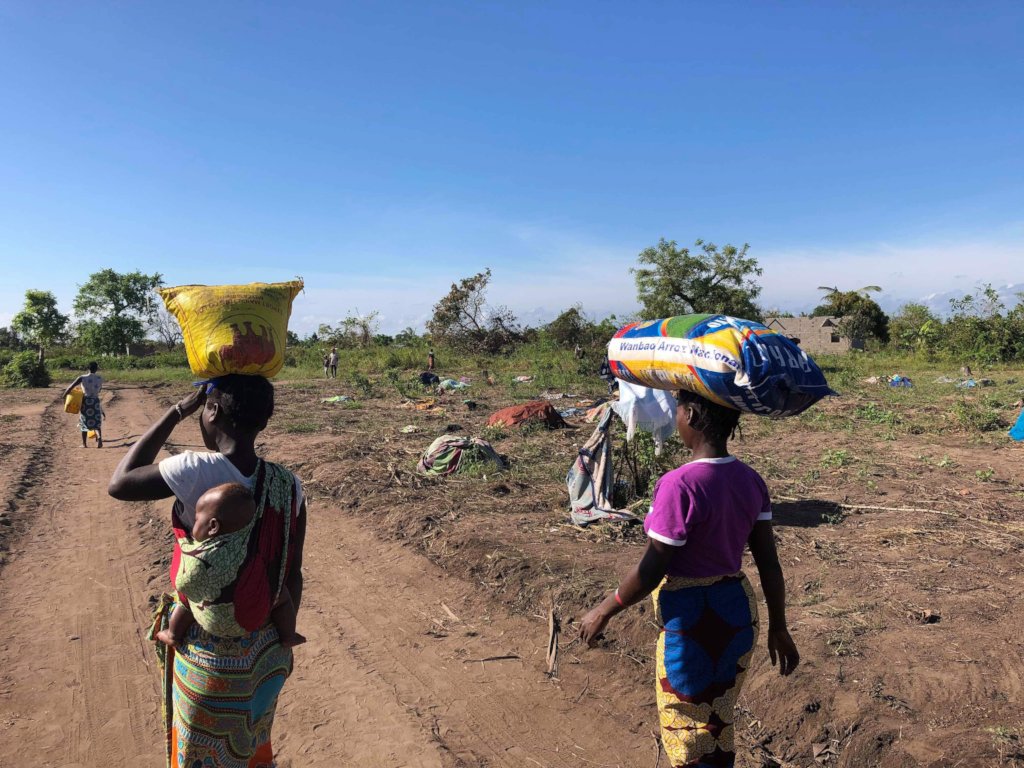
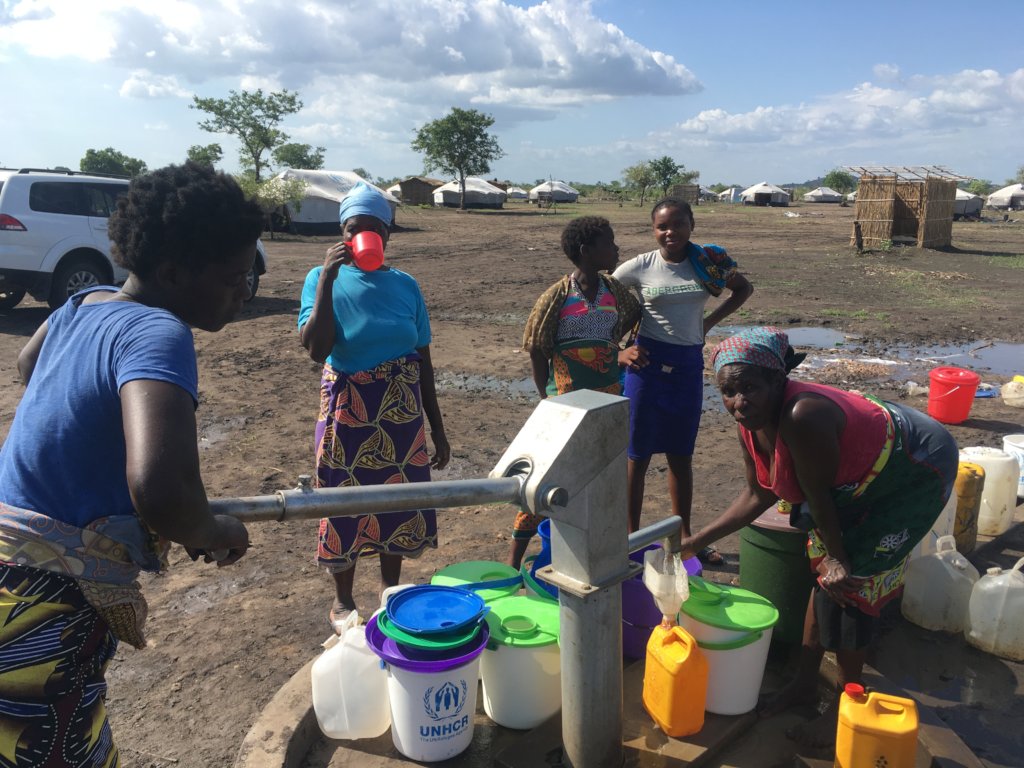
Even as the initial floodwaters recede, the situation in the affected areas is far from "stabilized." In fact, prolonged displacement has only intensified the struggle for survival. Food reserves at many shelters are nearly exhausted, and the lack of basic essentials—soap, laundry detergent, and sanitary napkins—is creating a secondary crisis of health and dignity.
The path to recovery is steep. Beyond the immediate need for blankets and mosquito nets, families face the daunting task of reclaiming mud-caked homes and devastated fields. To ensure that farmers can restart their lives and families can return to safety, Peace Winds remains on the ground, providing steadfast support. We transition now from emergency rescue to the long road of rebuilding, and we kindly ask for your continued compassion and support to make this recovery possible.
Project reports on GlobalGiving are posted directly to globalgiving.org by Project Leaders as they are completed, generally every 3-4 months. To protect the integrity of these documents, GlobalGiving does not alter them; therefore you may find some language or formatting issues.
If you donate to this project or have donated to this project, you can receive an email when this project posts a report. You can also subscribe for reports without donating.



Support this important cause by creating a personalized fundraising page.
Start a Fundraiser