By Parfaite Ntahuba | Project Leader
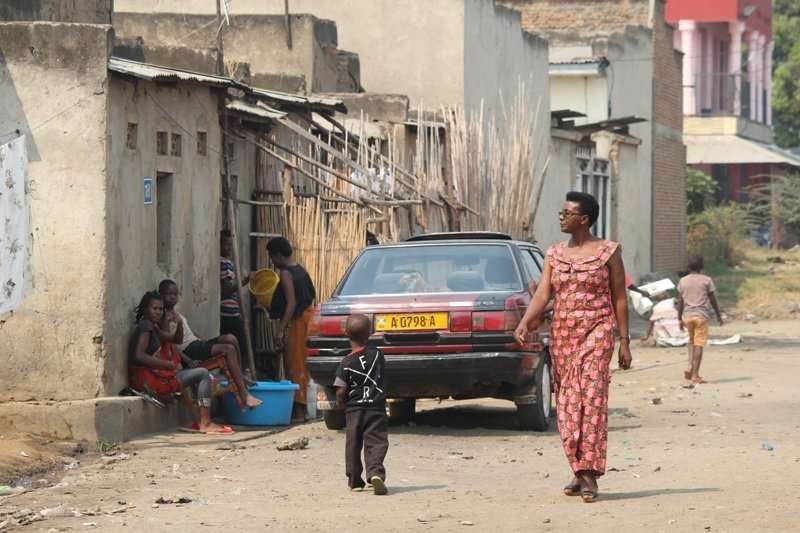
“I was legally married to my husband here in Maramvya. We lived as a normal couple without major conflicts, and together we had four children. For a long time, our life seemed stable.
After some time, I started hearing rumors that my husband had another wife in the village. These rumors made me feel anxious and afraid. Whenever I tried to ask him about it, he would become angry and refused to discuss about the issue. To avoid conflict, I stopped asking questions. I also suggested that we visit his family together, but he always refused.
Last year, he told me he was going to the village. When he left, everything changed. I never saw him again. He switched off his phone, and to this day I do not know where he is or how to reach him. This situation affected me deeply on a psychological level. He left me alone in a rented house with our four children, without any explanation or goodbye. The pain of being abandoned by someone you love, without closure or understanding, has been extremely difficult to carry.
Since then, I have struggled to raise my children alone. Recently, all of them fell seriously ill with high fever, and I had no money to take them to a health center. I tried to help them as best as I could by placing wet cloths on their heads, but the situation left me feeling helpless and traumatized.
Participating in this workshop helped me starting to accept my wounds. It gave me the strength to let go and accept that my husband may not return. I feel that I have just started my grieving and healing process”.
Improving Women’s Reproductive Health (IWRH). FWA staff and FWA community health workers have continued to educate both men and women on the importance of family planning.
Activity: Raising Awareness Among Young People of FWA Services and Projects on HIV/AIDS and STIs
I. Introduction and Context
As part of its mission to promote community health and empower women, Friends Women’s Association (FWA) organized an awareness workshop for young people of its services and projects.
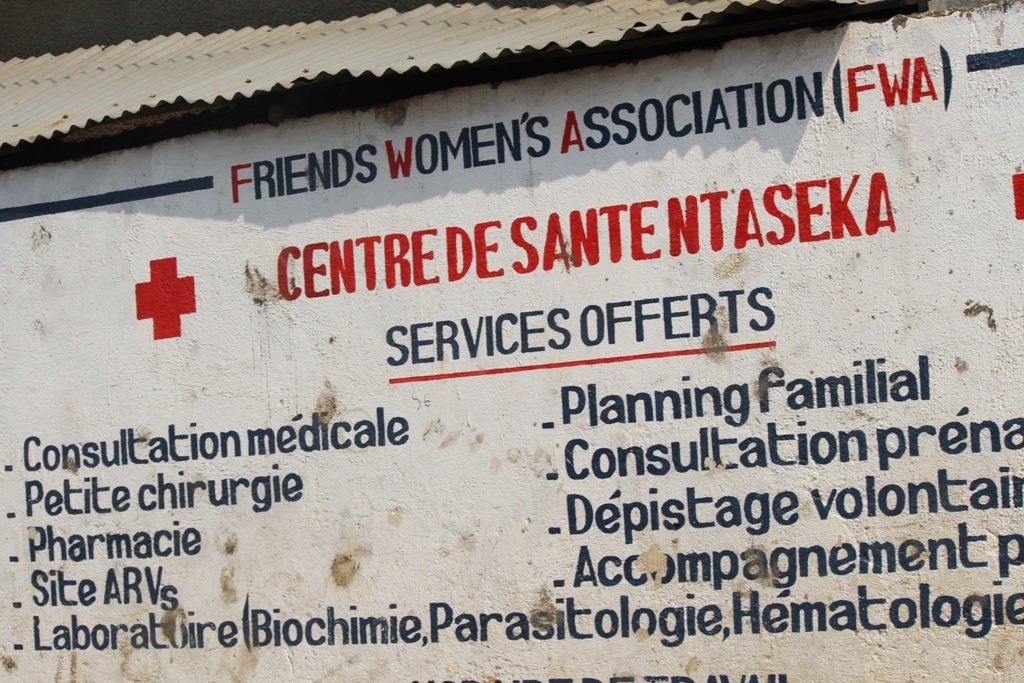
FWA is a local, women-led organization that has been working since 2002 to support women and families affected by conflict, poverty, HIV/AIDS, and gender-based violence. Through its health center and various programs, including the Ntaseka program, the association supports people living with HIV and their families.
Children and young people from these families constitute a priority group requiring increased knowledge about HIV/AIDS, sexually transmitted infections (STIs), mental health, and sexual responsibility. It is with this in context that this awareness-raising activity was organized.
II. General Activity Information
• Participants: 50 young people
• Facilitators: 3 facilitators (2 from HIV Care services and 1 from SRH)
• Date: Saturday, January 10, 2026
• Time: From 10:00 AM to 3:00PM
• Location: FWA Headquarters
III. Objectives
Overall Objective
To raise awareness among young of FWA services and projects about HIV/AIDS and sexually transmitted infections (STIs).
Specific Objectives
1. To inform young people about FWA's mission, vision, and objectives;
2. To raise awareness among young people about using the health services available at the Ntaseka clinic;
3. To strengthen their knowledge about HIV/AIDS and STIs;
4. To promote discussions on sexual responsibility and mental health.
IV. Methodology
The workshop was conducted using a participatory methodology combining:
Interactive presentations;
Group discussions;
Question-and-answer sessions;
Sharing of experiences adapted to the age of the participants.
1. Presentation of FWA
The facilitators began by presenting FWA's mission, vision, and its main programs, including:
Caring for HIV Positive People (CHIVPP)
Improving Women’s Reproductive Health (IWRH)
Rape Survivors’ Support (RSS)
Action on Gender_based Violence (AGBV)
The young people were encouraged to visit the Ntaseka Community Health Center (CDS) to access consultation, testing, counseling, and psychosocial support services.
2. HIV/AIDS and Sexually Transmitted Inffections (STIs) Awareness
The facilitators explained the following in a simple and accessible way:
a) Meaning of HIV
HIV stands for Human Immunodeficiency Virus.
It is a virus that attacks the immune system, making the body unable to effectively fight infections. Without treatment, HIV can progress to AIDS.
b) Means of Transmission
HIV is mainly transmitted through:
Unprotected sex;
Contact with infected bodily fluids (blood, semen, vaginal secretions, breast milk);
Mother-to-child transmission during pregnancy, childbirth, or breastfeeding.
c) Prevention
The main prevention methods presented are:
Sexual abstinence among young people;
Correct and consistent condom use for sexually active individuals;
Voluntary testing;
Mutual fidelity;
Early access to antiretroviral treatment.
During the question-and-answer session, it was observed that several young people had limited or inaccurate information about HIV/AIDS, demonstrating the relevance and necessity of this activity.
3. Mental Health and Juvenile Delinquency
A facilitator psychologist led a specific session on mental health and the factors contributing to juvenile delinquency.
Causes discussed:
1. Family conflicts (disagreement between parents);
2. Bad influences (“false friends”);
3. Loss of a loved one;
4. Heartbreak;
5. Poverty;
6. Changes related to adolescence.
Identified consequences:
Vagrancy;
Unprotected sex;
Increased risk of HIV and STI transmission;
Unwanted pregnancies;
School dropout.
This session helped young people understand the link between mental health, risky behaviors, and sexual health.
V. Results achieved
At the end of the workshop:
1. The young participants gained a better understanding of FWA's mission and services;
2. They were informed about the services offered at the Ntaseka Health Center and encouraged to use them;
3. Their understanding of HIV/AIDS and STIs improved;
4. Open discussions on sexual responsibility and mental health were held;
5. The young people expressed interest in further awareness sessions.
VI. Challenges Encountered
Low initial level of knowledge about HIV/AIDS;
Shyness among some participants at the beginning of the discussions;
Need for regular follow-up to consolidate learning.
VII. Conclusion and Recommendations
The awareness-raising activity was an important step in the prevention of HIV/AIDS and STIs among young people. It addressed not only the biomedical aspects of HIV, but also the psychosocial dimensions influencing risky behaviors.
Recommendations:
Regularly organize awareness-raising sessions adapted to young people;
Establish youth clubs within FWA;
Strengthen the integration of mental health into prevention activities;
Further promote voluntary and confidential testing.
FWA reaffirms its commitment to promoting the health, peace, and empowerment of young people and women in Burundi.
VIII. Stories from participants
At the end of the workshop organized by Friends Women’s Association (FWA), several young people shared their impressions and the lessons learned. Here are some of them:
Aline, 19 years old
“Before this training, I thought HIV was only transmitted through sexual intercourse. Today, I understand that it can also be transmitted from mother to child and through blood. I’m going to share this information with my friends.”
Beate, 18 years old
“I didn’t really know what HIV meant. Now I understand that it’s a virus that attacks the immune system. This session opened my eyes to the importance of testing and prevention.”
Adelard, 21 years old
“The part about mental health really resonated with me. I understood that family conflicts and bad influences can lead us to make poor decisions. I’m going to pay more attention to my friends and my choices.”
“I was shy at first, but the discussions helped me ask my questions. Now I know that abstinence and using condoms are means of prevention. I feel more responsible.”
Edith, 23 years old
“I learned that unprotected sex can lead to HIV and also unwanted pregnancies. This training helped me understand that we must protect our future.”
Adnette, 24 years old
“I thank FWA for this awareness-raising. Many young people lack accurate information about HIV/AIDS. We need this kind of activity to continue.”
These testimonials illustrate the positive impact of the workshop on the knowledge, attitudes, and awareness of the participants. They also demonstrate the need to continue education and prevention activities adapted to the realities of adolescents and young people.
IX. Stories from young people on FWA activities
In addition to learning about HIV/AIDS and STIs, several young people expressed their appreciation for the various activities carried out by Friends Women’s Association (FWA) within the community.
Iris, 21 – On the services of the Ntaseka Health Center
“I didn’t know that the Ntaseka Health Center offered so many services for young people. Now I know I can come for advice and get tested for free.”
Chanelle, 24 – On psychosocial support
“The sessions with the psychologist are very important to us. Sometimes we go through difficult times at home, and FWA can help us not to face our problems alone.”
Joris, 22 – On support for families living with HIV
“Thanks to the Ntaseka program, our parents receive support. This also gives us hope and motivates us to take care of our health.” “Solange, 20 –
On violence prevention
“I learned that FWA also helps girls who are victims of violence. It’s reassuring to know that there’s a place where we can seek help and be heard.”
Chantal, 25 – On empowerment and education
“The training sessions organized by FWA helps us become responsible. We not only receive care, but also guidance on building our future.”
Édouard, 25 – On the continuation of activities
“We hope that these activities will continue and be organized more often. Many young people still need information about health and responsible living.”
These stories show that young people see FWA not just as a health center, but as a space for support, listening, learning, and hope.” Awareness-raising activities boost young people's confidence, improve their knowledge, and contribute to the prevention of HIV/AIDS, STIs, violence, and risky behaviors.
By Parfaite Ntahuba | Project Leader
By Parfaite Ntahuba | Project Leader
Project reports on GlobalGiving are posted directly to globalgiving.org by Project Leaders as they are completed, generally every 3-4 months. To protect the integrity of these documents, GlobalGiving does not alter them; therefore you may find some language or formatting issues.
If you donate to this project or have donated to this project, you can receive an email when this project posts a report. You can also subscribe for reports without donating.



Support this important cause by creating a personalized fundraising page.
Start a Fundraiser