![]()
Monthly Performance Report - Local Partner (SORD)
Addressing Malnutrition Among Children Under Five and Pregnant and Lactating Mothers in Yemen
July 2025
Project name
protection children in Yemen from Forms violence during conflicts and crises
Project location
Yemen
Name of the organization applying for the scholarship
Sanid Organization for Relief and Development ( SORD )
Report duration
My quarter
Start date
March 2025
Expiration date
July 2025
Organization address
Capital Municipality - Shu'ub District - Al Habari
Phone number
0096701205757
Report prepared by
Shaif Ezaldeen
Current job
project manager
e-mail
Programs.officer@sanid.org
Mobile number
00967778515109
The organization's website
www.sanid.org
Project data
Introduction (Background and Context):
Yemen is facing an unprecedented humanitarian crisis, exacerbated by years of armed conflict, economic collapse, and natural disasters, resulting in widespread malnutrition, particularly among the most vulnerable groups: children under five and pregnant and lactating mothers.
Malnutrition in Yemen is a multifaceted phenomenon, resulting from a combination of food insecurity, limited access to safe water, sanitation, and hygiene (WASH), deteriorating health services, and inadequate feeding practices. This report aims to highlight the current state of malnutrition in Yemen, review key interventions to address it, and identify challenges and recommendations to strengthen the response.
Yemen is experiencing a severe malnutrition crisis, particularly among children under five and pregnant and lactating mothers. This crisis is attributed to years of conflict, economic collapse, limited access to basic services, and disease outbreaks.
Current State of Malnutrition:
Available data shows that malnutrition levels in Yemen remain at critical levels, exceeding emergency thresholds in many governorates.
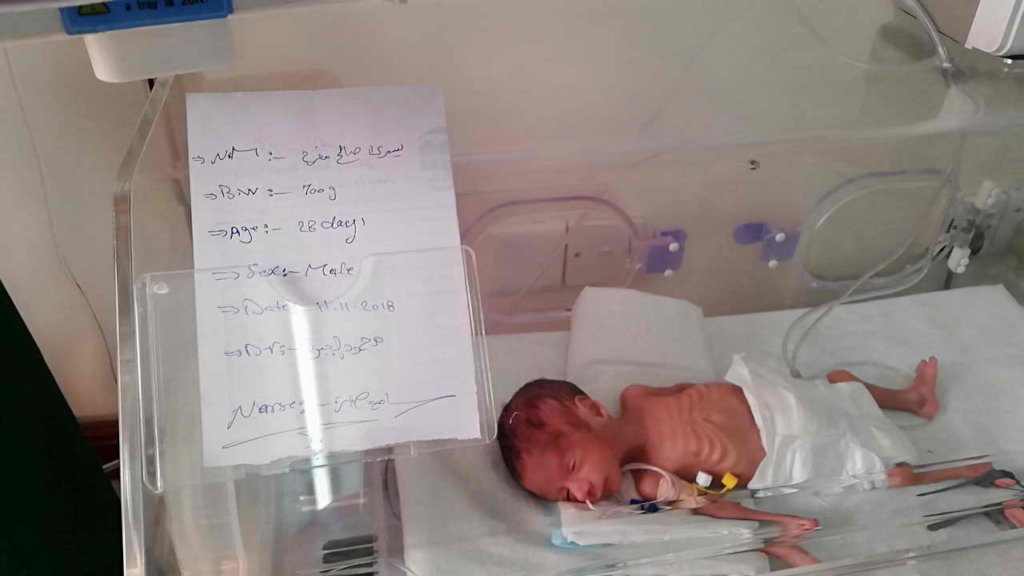
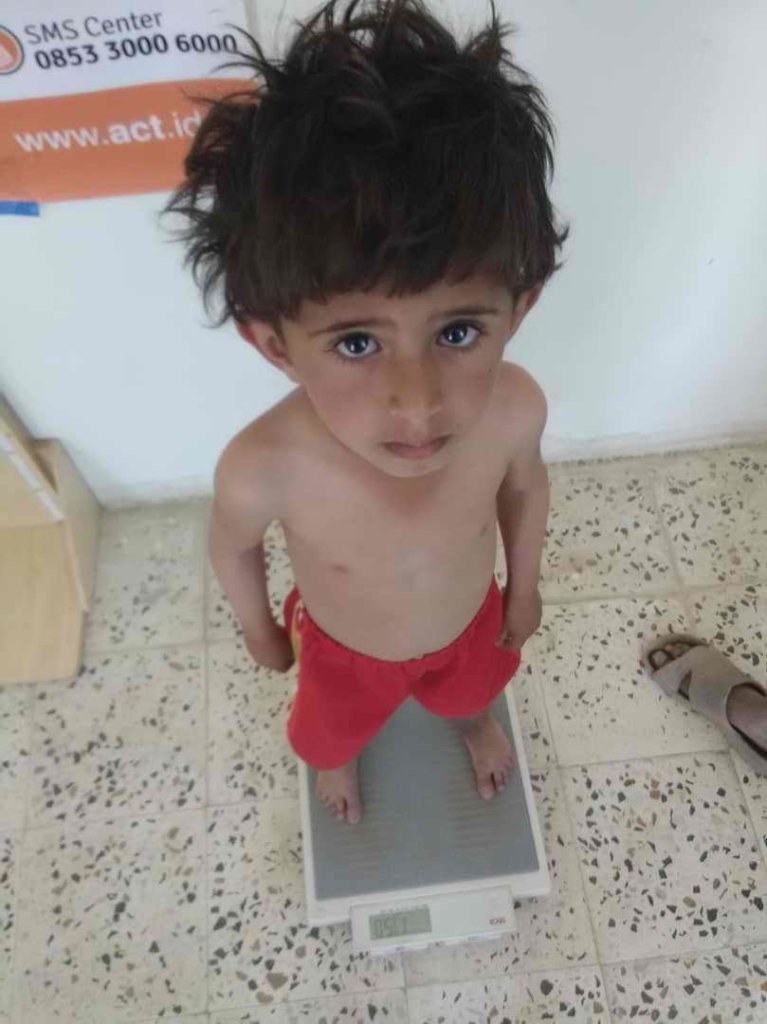
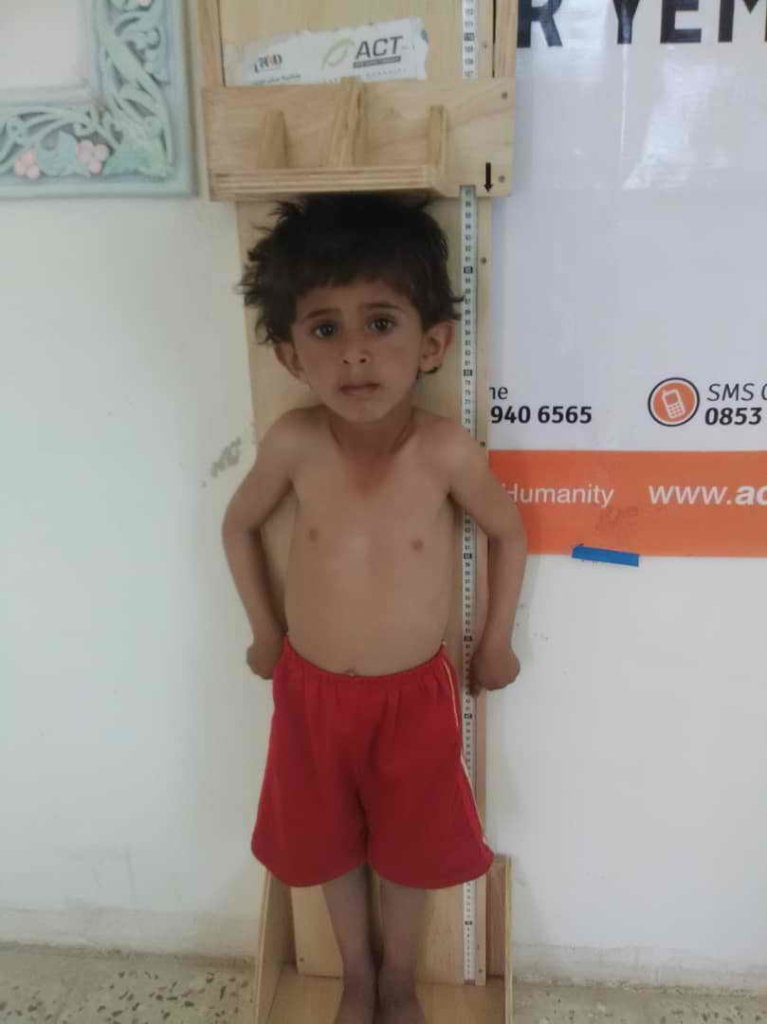
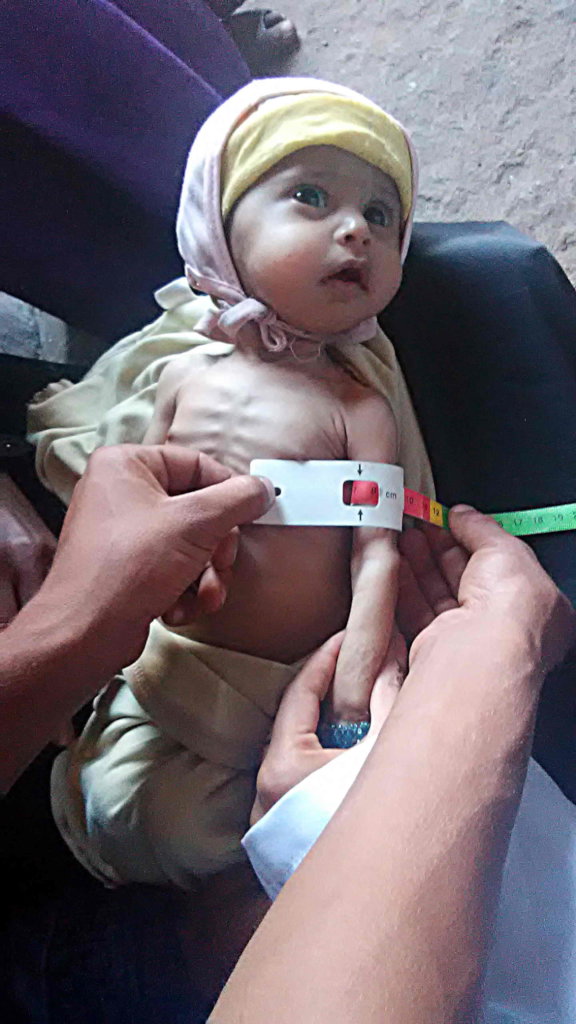
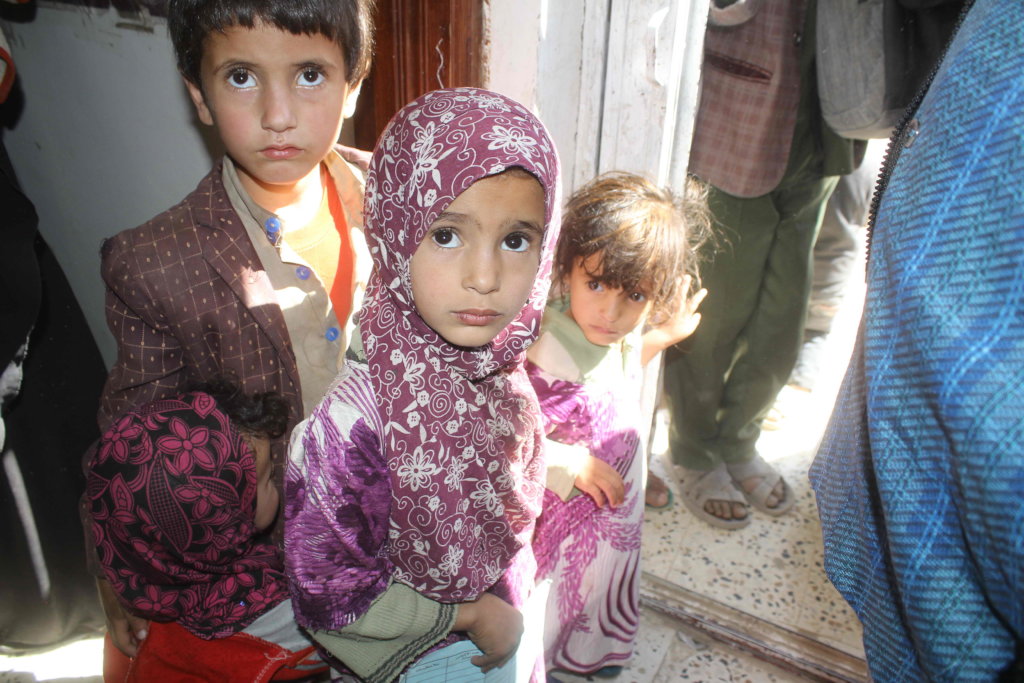
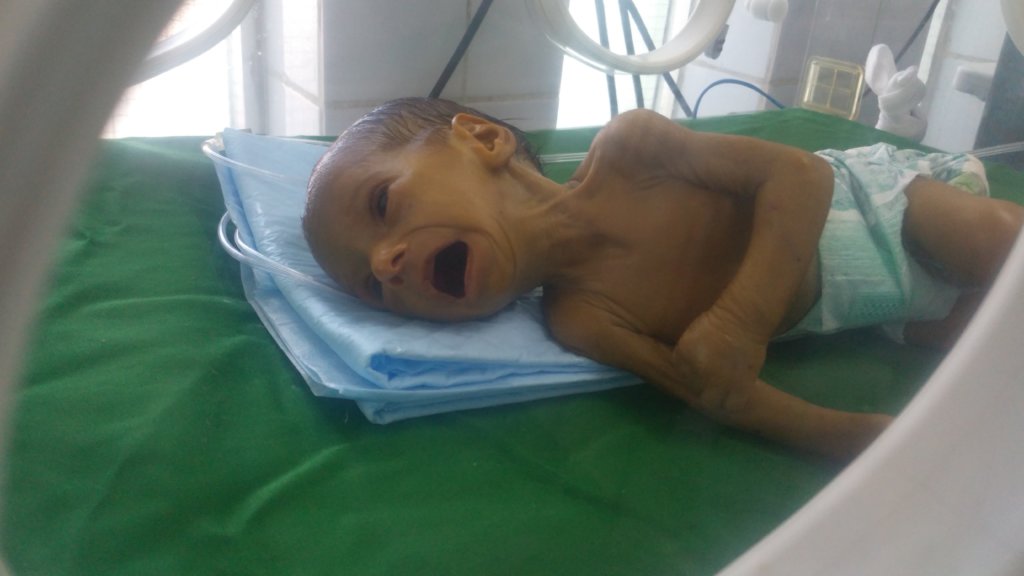
• Children under five: Millions of children suffer from severe acute malnutrition (SAM) and moderate malnutrition (MAM), with alarming levels of stunting and wasting. Malnutrition significantly affects children's growth and physical and mental development, increasing their vulnerability to disease and death. It is estimated that at least one in five children is acutely malnourished in some areas.
• Pregnant and lactating mothers: A significant proportion of pregnant and lactating women suffer from malnutrition, micronutrient deficiencies, and anemia. Maternal malnutrition directly affects their health and pregnancy, increases the risk of preterm birth and low birth weight, and negatively impacts the health and nutrition of their children.
Factors contributing to malnutrition:
• Food insecurity: Years of conflict have caused a sharp decline in agricultural production, destroyed infrastructure, and disrupted supply chains, leading to increased prices for basic foodstuffs and reduced household purchasing power.
• Deterioration of water, sanitation, and hygiene (WASH) services: Damage to water and sanitation infrastructure has led to the spread of waterborne diseases (such as cholera and diarrhea), which exacerbate malnutrition and reduce nutrient absorption.
• Collapse of the health system: Health facilities suffer from severe shortages of staff, medicines, and equipment, limiting the ability to provide essential healthcare services, including screening and treatment for malnutrition and immunization.
• Poor feeding practices: Despite efforts, infant and young child feeding (IYCF) practices remain inadequate in some areas, with low rates of exclusive breastfeeding and appropriate complementary feeding.
• Poverty and displacement: Conflict has displaced millions of people, exacerbating their living conditions and increasing their vulnerability to malnutrition. Addressing malnutrition in Yemen requires a multi-sectoral and integrated approach, including the following interventions:
1. Community Management of Acute Malnutrition (CMAM):
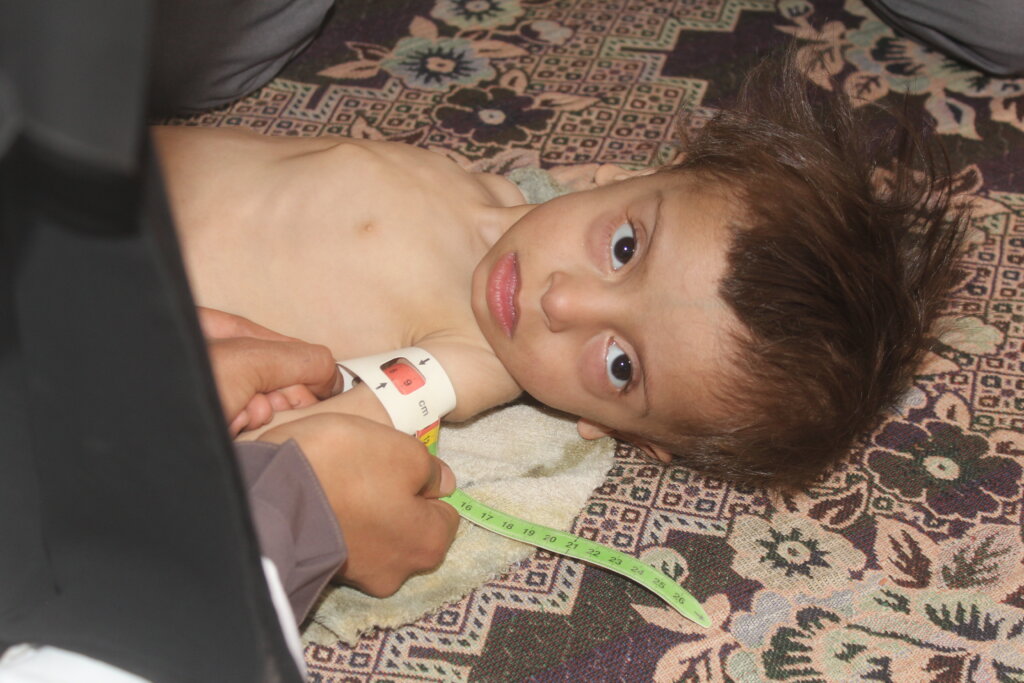
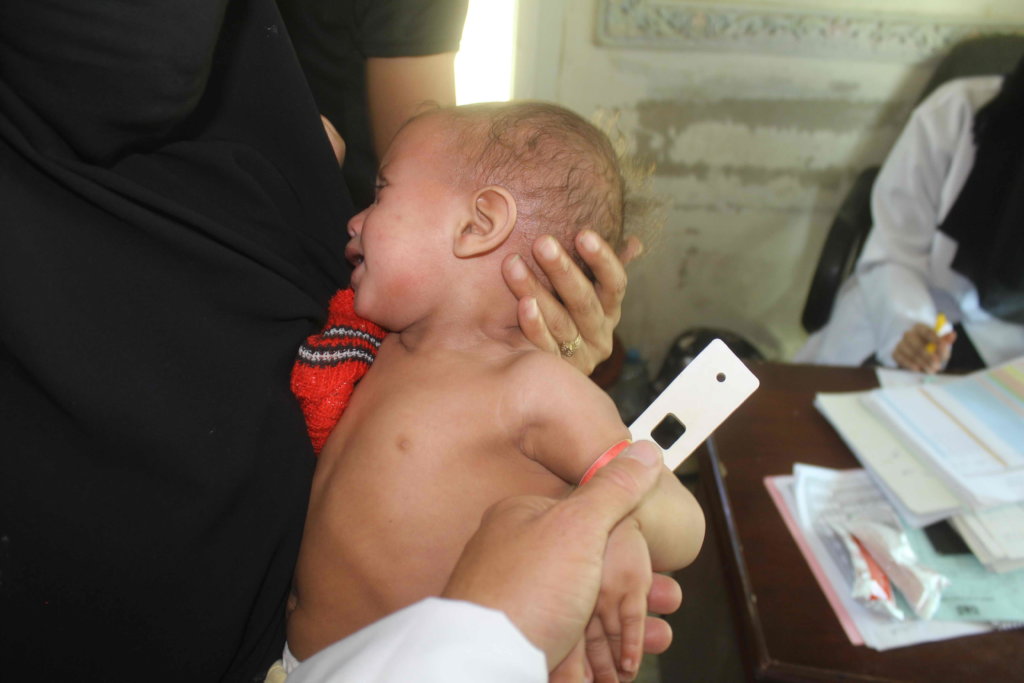
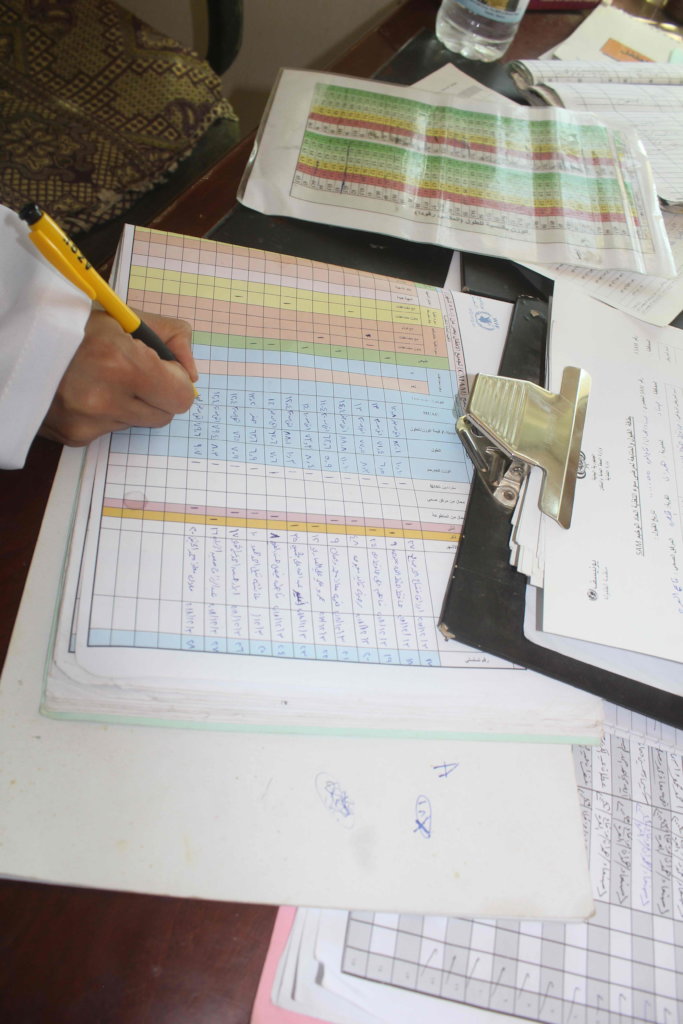
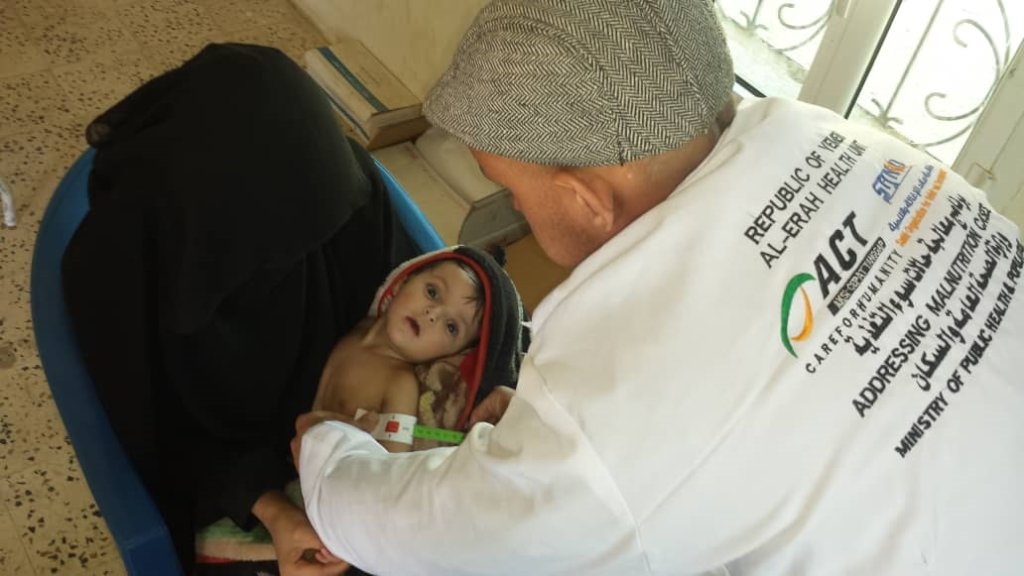
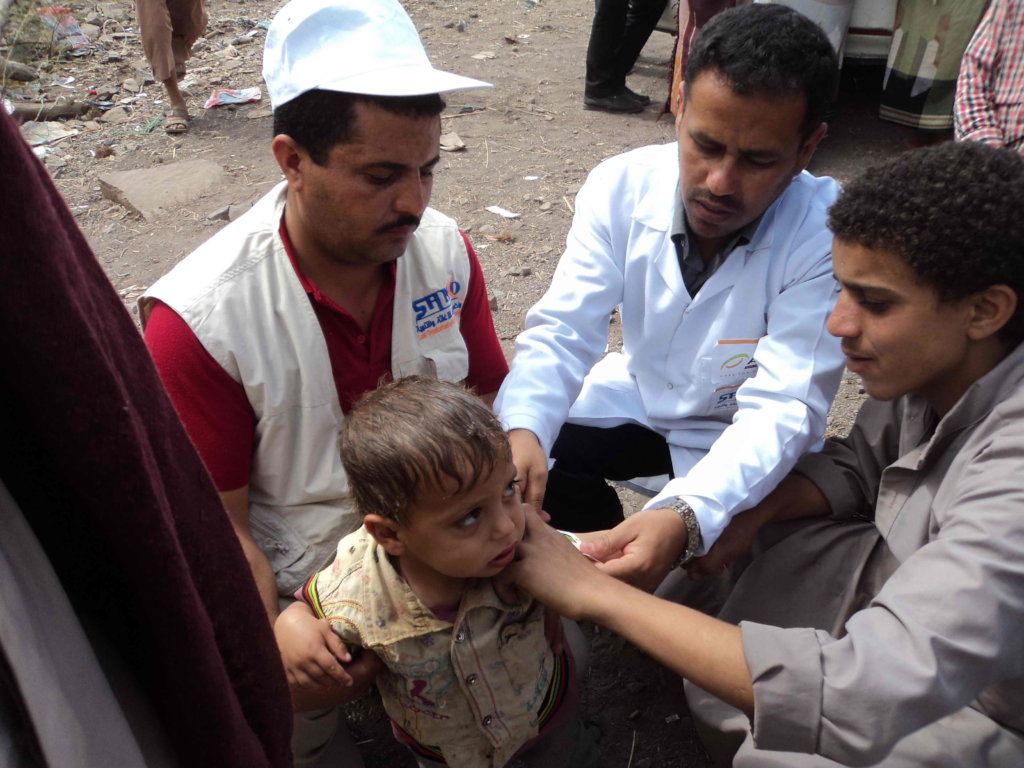
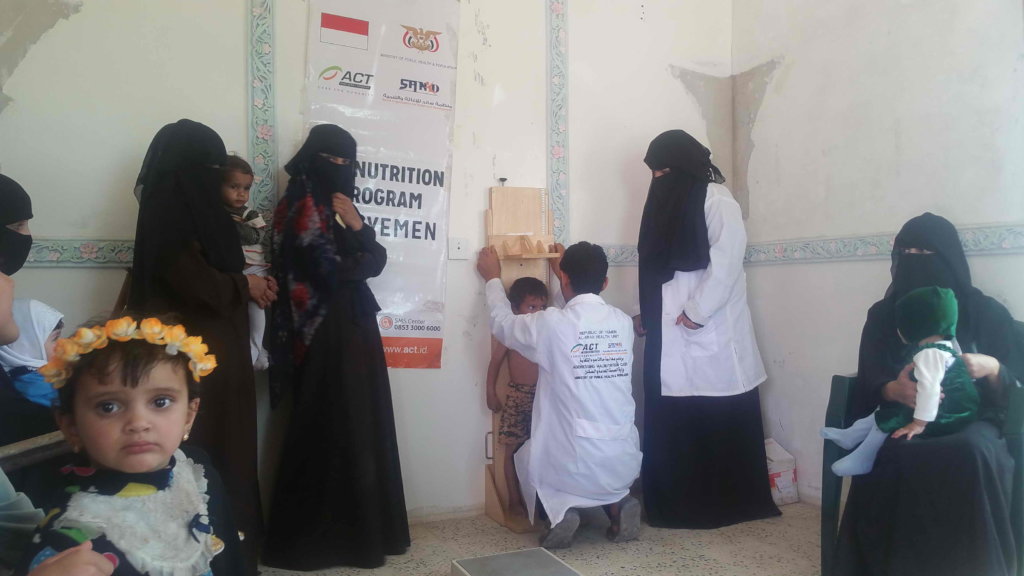
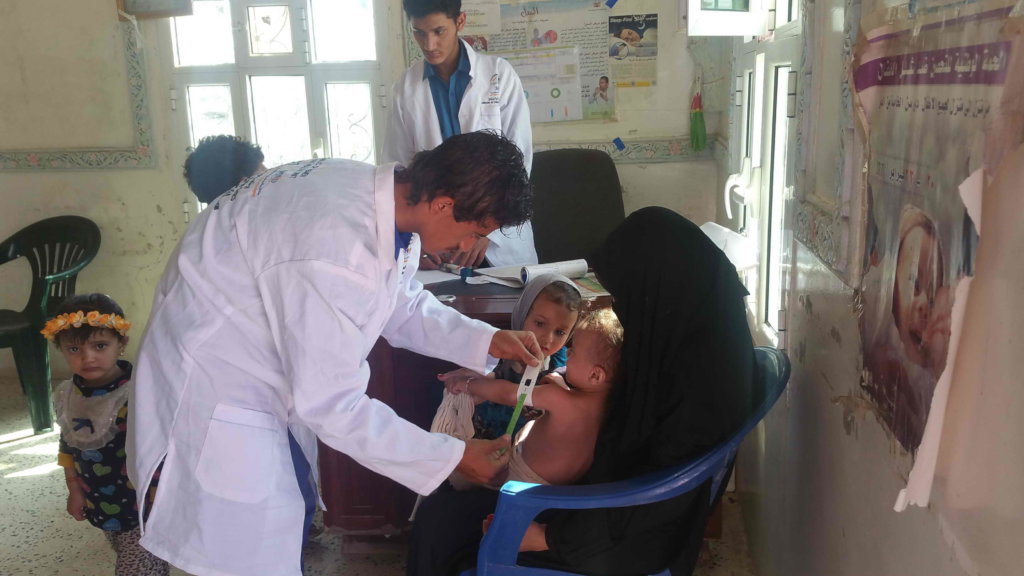
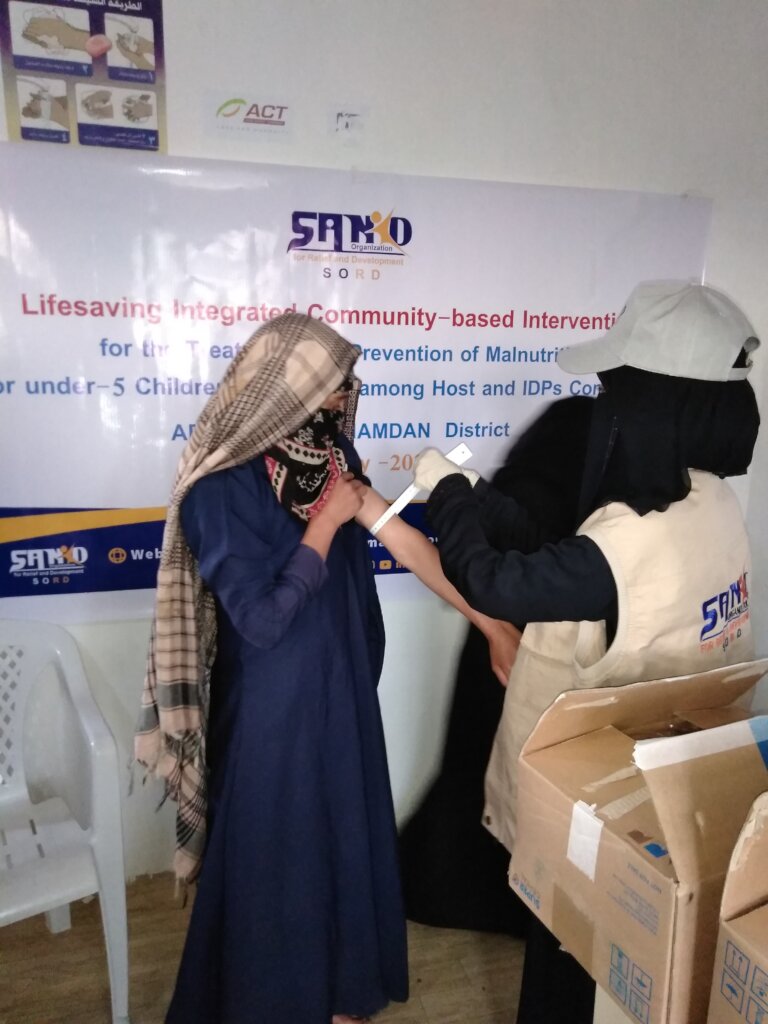
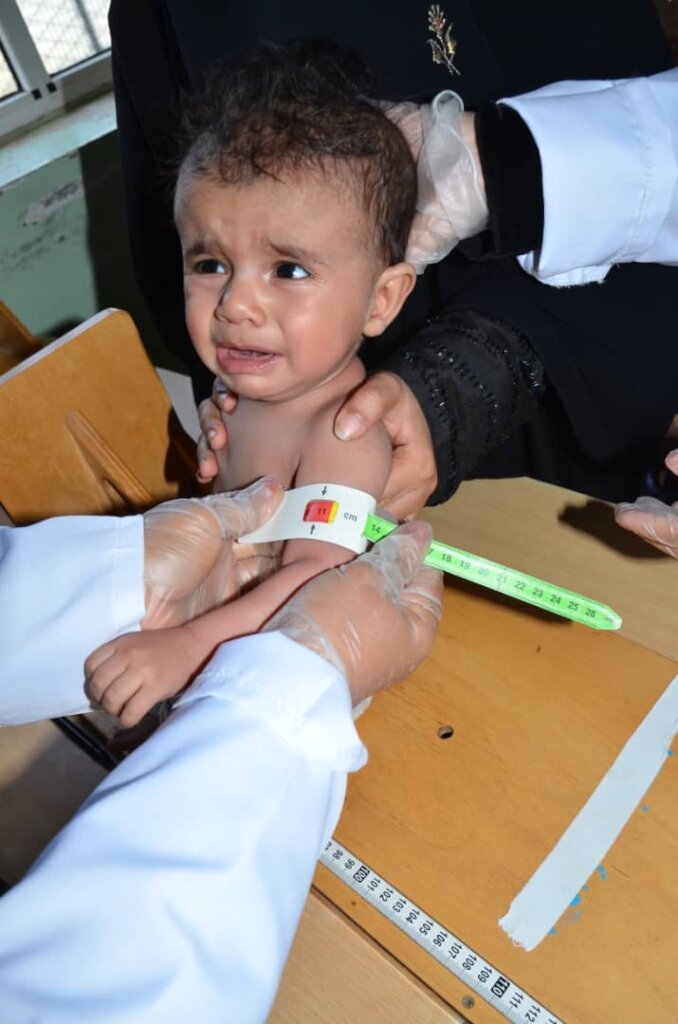
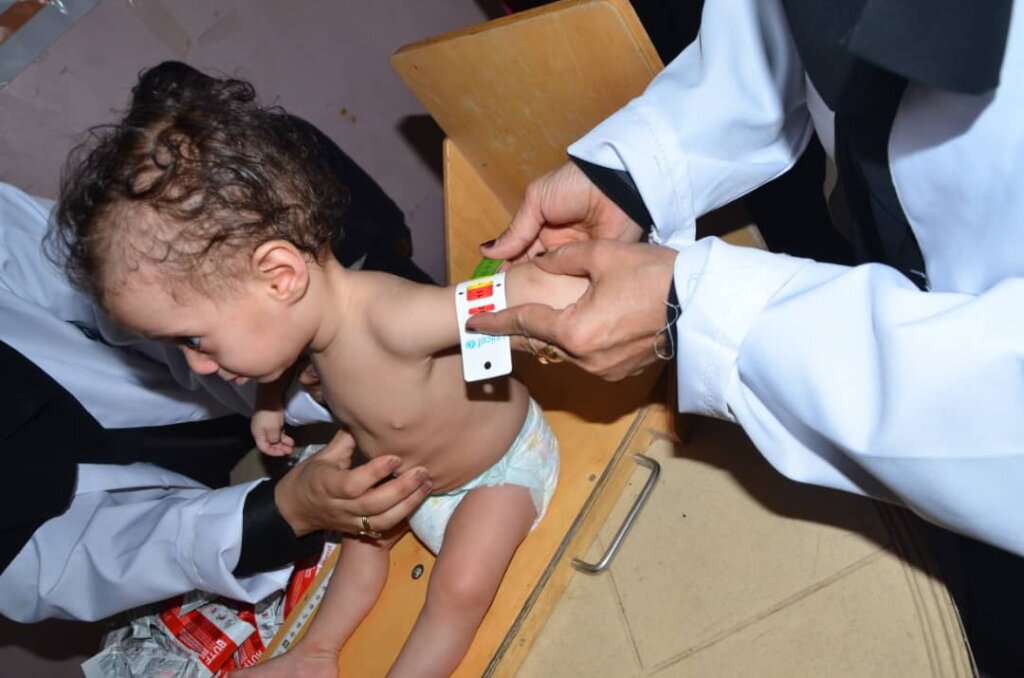
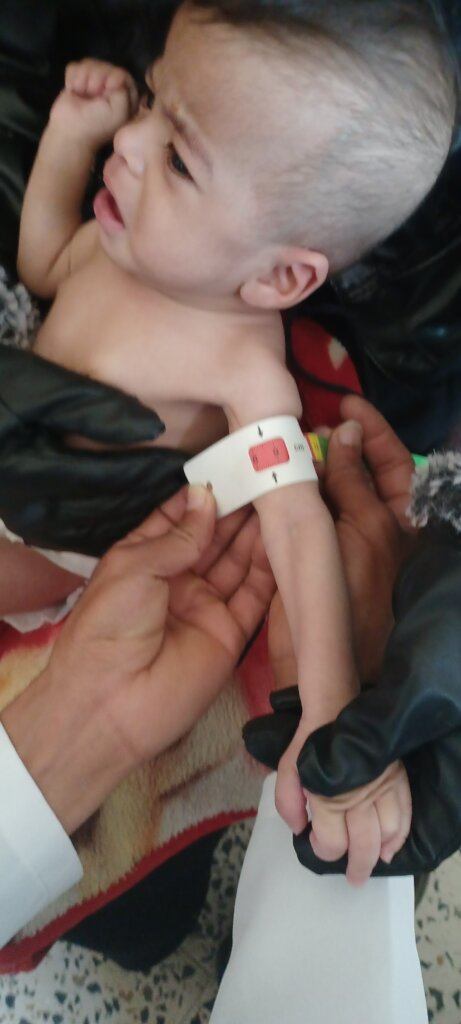
• Early detection and treatment: Identifying children with severe acute malnutrition (SAM) and moderate acute malnutrition (MAM) and malnourished pregnant and lactating mothers through regular screening (e.g., mid-upper arm circumference (MUAC) measurement).
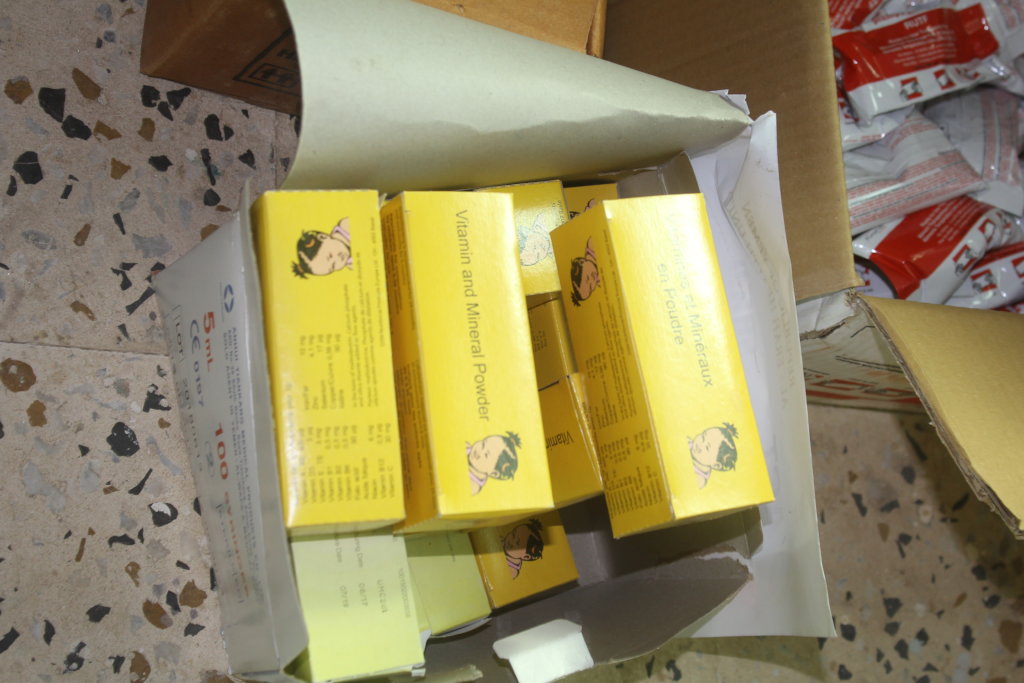
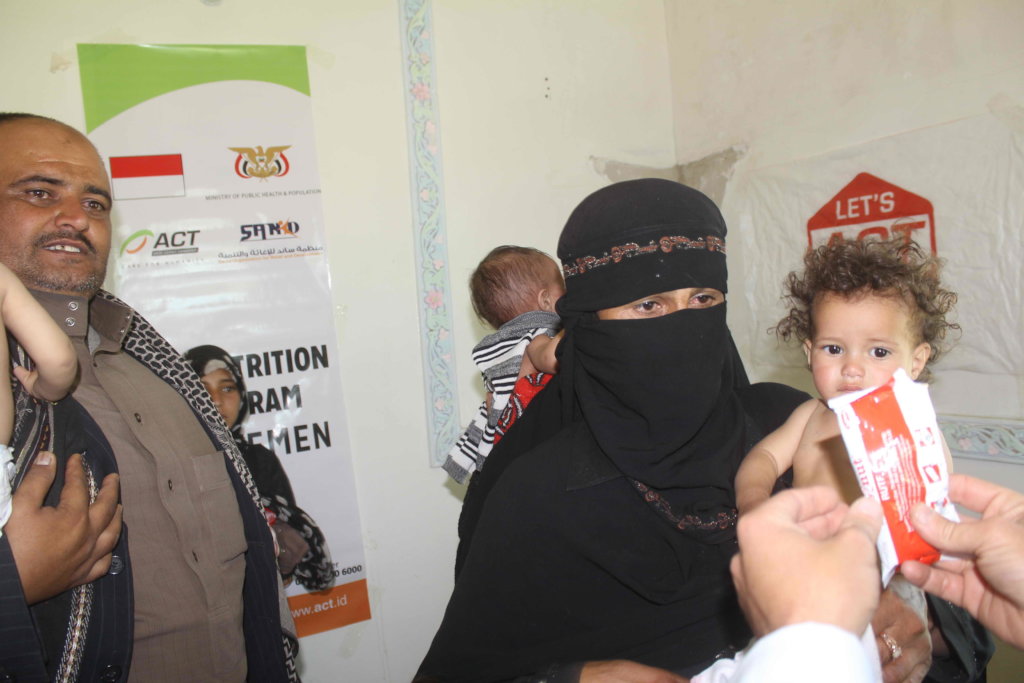
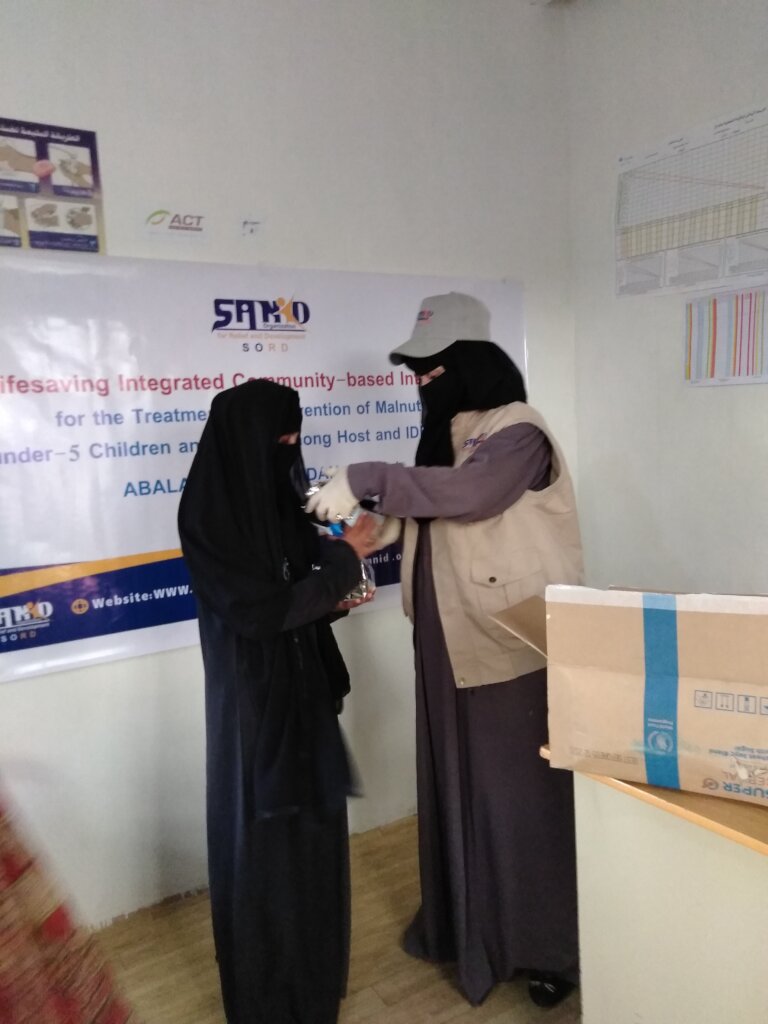
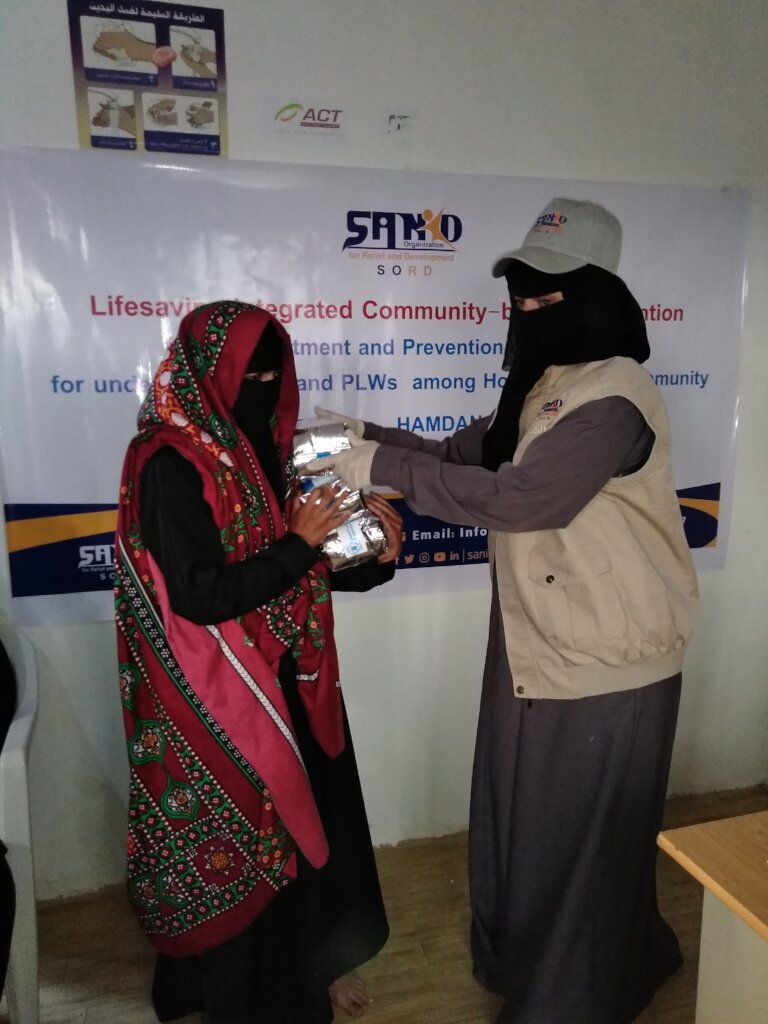
• Therapeutic nutritional supplements: Providing ready-to-use therapeutic food (RUTF) to children with severe acute malnutrition without medical complications, and ready-to-use nutritional supplements (RUSF) or fortified complementary foods to children with moderate acute malnutrition.
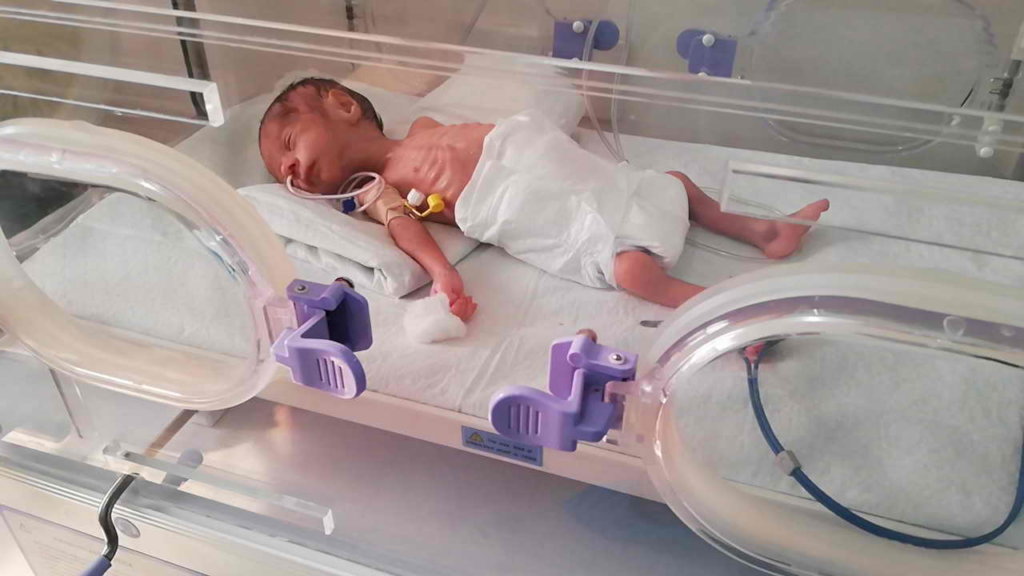
• Therapeutic Feeding Centers (TFCs) or Stabilization Centers: Referring complicated cases of severe acute malnutrition with medical complications (e.g., severe infection, dehydration) to hospitals or specialized centers for necessary medical and nutritional care.
2. Preventive Nutrition Programs:
• Blanket Supplementary Feeding Programs (BSFPs): Targeting the most vulnerable groups (children under two years of age, pregnant and lactating women) with nutritional supplements to prevent malnutrition.
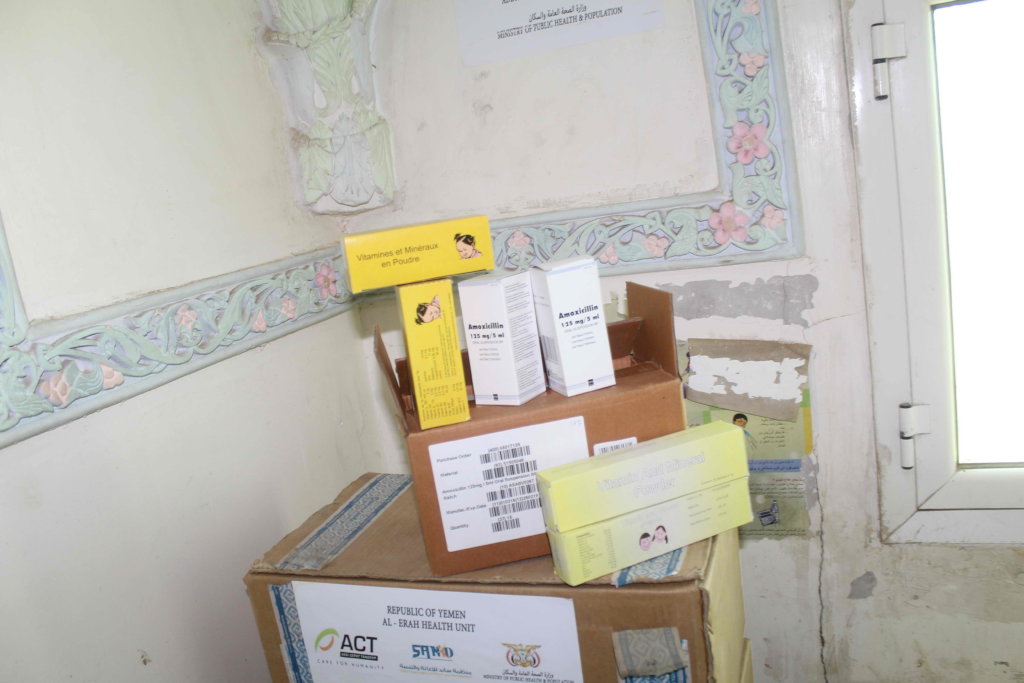
• Micronutrient supplementation: Providing vitamin and mineral supplements (such as vitamin A, iron, and folic acid) to children and mothers to reduce micronutrient deficiencies.
• Immunization: Ensuring high vaccine coverage against common diseases that contribute to malnutrition (such as measles and cholera).
3. Promoting infant and young child feeding (IYCF) practices:
• Exclusive breastfeeding: Promoting exclusive breastfeeding for children up to 6 months of age.
• Appropriate complementary feeding: Providing guidance and support to mothers on healthy and safe complementary feeding practices for children 6 months and older.
• Health education: Raising awareness about the importance of proper nutrition, hygiene, and health practices at the community and health facility levels.
4. Improving access to essential services:
• Health and water, sanitation, and hygiene (WASH): Improving access to clean water, improved sanitation facilities, and promoting hygiene practices to prevent diseases that exacerbate malnutrition (such as diarrhea).
• Primary health care: Strengthening primary health care services, including nutrition screening, antenatal and postnatal care, and health education.
5. Food Security and Livelihoods:
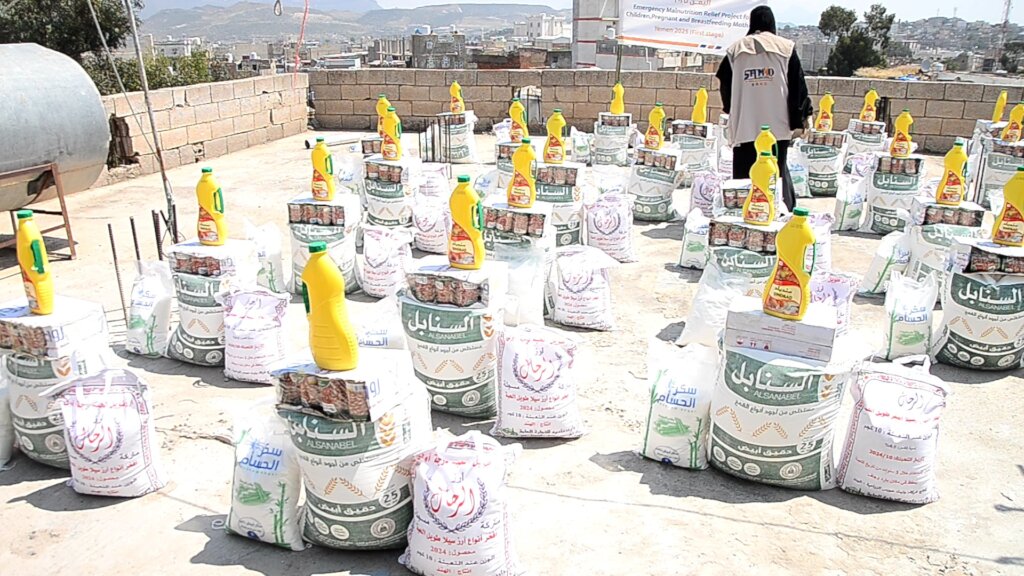
• Food Assistance: Providing emergency food assistance to the most vulnerable households.
• Livelihood Support: Supporting sustainable livelihoods and income-generating activities for households to improve their access to food.
• Supporting Local Agricultural and Fisheries Production: Enhancing food security by supporting local production.
Send feedback
6.Capacity Building and Collaboration:
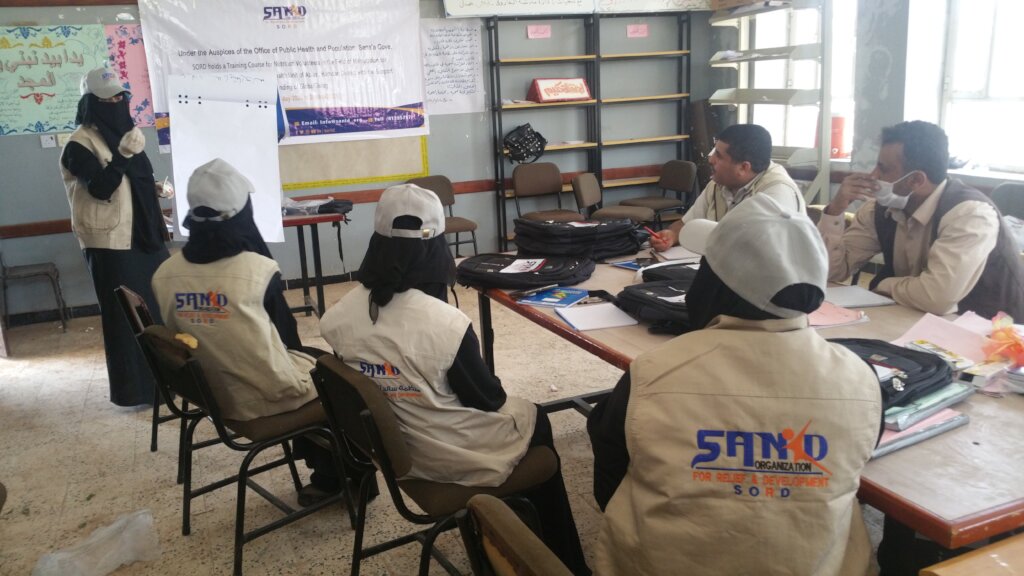
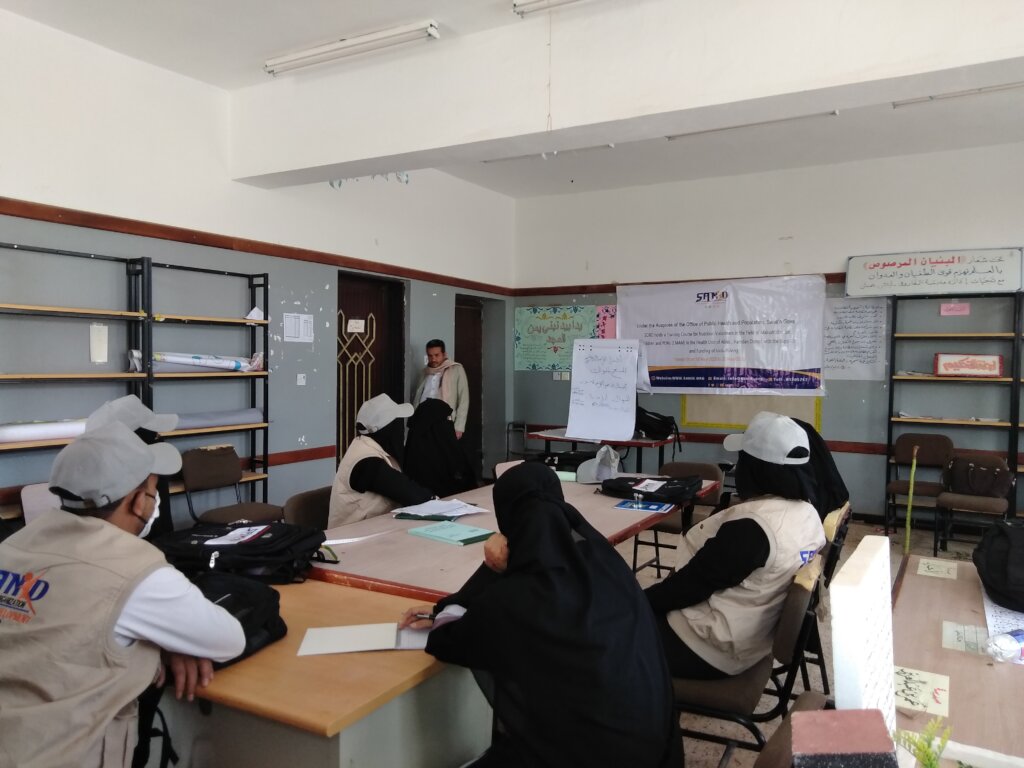
- Health Worker Training: Training community health workers, health care providers in facilities, and nutrition program supervisors.
- Collaboration and Partnerships: Strengthening coordination among humanitarian organizations, government agencies, local communities, and donors to ensure a comprehensive and effective response.
- Monitoring and Evaluation: Establishing robust monitoring and evaluation systems to track progress, identify gaps, and adapt programs as needed.
Key Challenges:
- Funding Shortages: Nutrition programs are severely underfunded, limiting the scope and reach of services.
- Access: Access to conflict-affected areas remains difficult, hindering aid delivery.
- Health System Collapse: Yemen's health system is in near-total collapse, limiting its ability to provide essential services.
- Economic Situation: The deteriorating economic situation and price inflation put basic food out of reach for many families.
- Disease Outbreaks: Recurring epidemics (such as cholera and measles) exacerbate malnutrition by increasing nutrient requirements and reducing nutrient absorption. Addressing this complex humanitarian crisis requires sustained international commitment, adequate funding, and unrestricted humanitarian access to save the lives of millions of children and mothers in Yemen.
Overview of the Tragic Situation in Yemen
It has been deeply inspiring to witness the work of GlobalGiving and the humanitarian community. Sanid expresses its deep gratitude to all humanitarian supporters who are doing their utmost to help the Yemeni community and alleviate its suffering. Amid the escalating global food insecurity crisis, the hope of millions already suffering from severe hunger is fading. GlobalGiving was the hope to save them from the specter of famine.
From January to November 2024, the percentage of malnourished people reached 49%, according to government and international organization reports.
From January to June 2025, cholera spread widely among children and women, especially pregnant and lactating women.
Yemen is one of the countries with the highest rates of acute malnutrition.
It needs an emergency health and nutrition project and an emergency human capital project to provide vital nutrition services to the most vulnerable communities. There are eight therapeutic feeding centers.
They lack sufficient support to meet the needs of malnourished people, including nutritional supplements, most importantly therapeutic milk.
They also urgently need rehabilitation, furnishing, equipment, and supplies.
According to government reports and international organizations, Yemen's districts, particularly rural ones, are the most vulnerable, with food insecurity and acute malnutrition converging to extremely high levels.
They also have the highest prevalence rates, with more than 65 percent of the population currently in Phase 3 of the Integrated Food Security Phase Classification (IPC) and above.
A large number are also expected to move to higher IPC phases, with levels of humanitarian food assistance significantly reduced.
Overall Performance
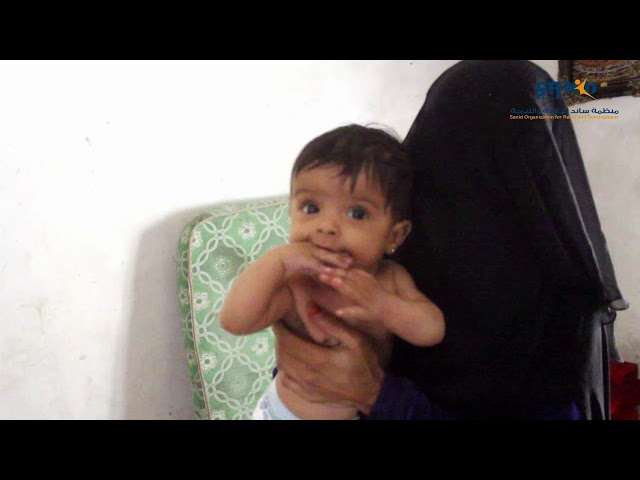
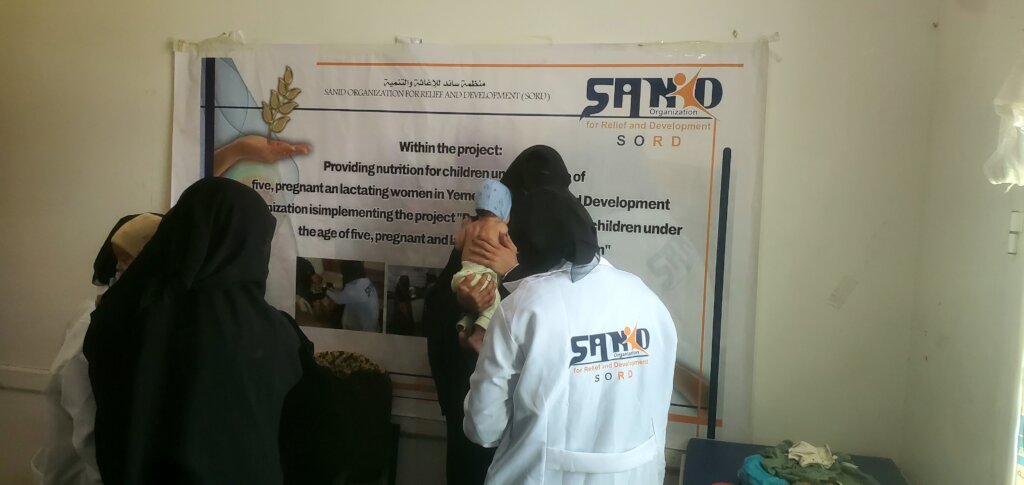
SORD, for its part, submitted its project entitled: "Protection and Treatment of Children Under the Age of Five, Pregnant and Breastfeeding Mothers." The proposed project aims to contribute to reducing mortality and morbidity associated with acute malnutrition among children under the age of five, pregnant women, and breastfeeding mothers in targeted areas with high rates of acute malnutrition. During the second quarter of 2025, children under the age of five, pregnant and breastfeeding women suffering from acute malnutrition were provided with appropriate supplementary nutrition. Community awareness was raised among pregnant women, breastfeeding mothers, and girls of childbearing age regarding the prevalence of malnutrition, both for children and mothers, the importance of good nutrition for mental and physical health, and how to use available resources to overcome or reduce malnutrition. More details about the project's achievements can be found here.
Activities Implemented During the Reporting Period:
SANID implemented activities within its available resources and with the support and donations it received from Global.
Narrative Report on Activities:
Narrative Report on What Was Implemented
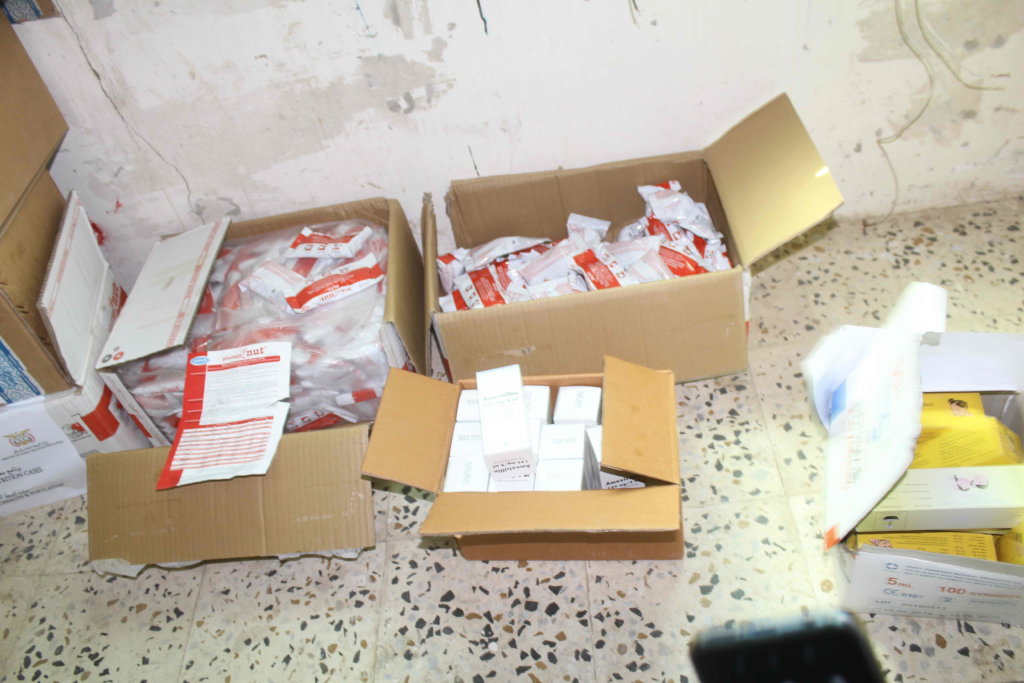
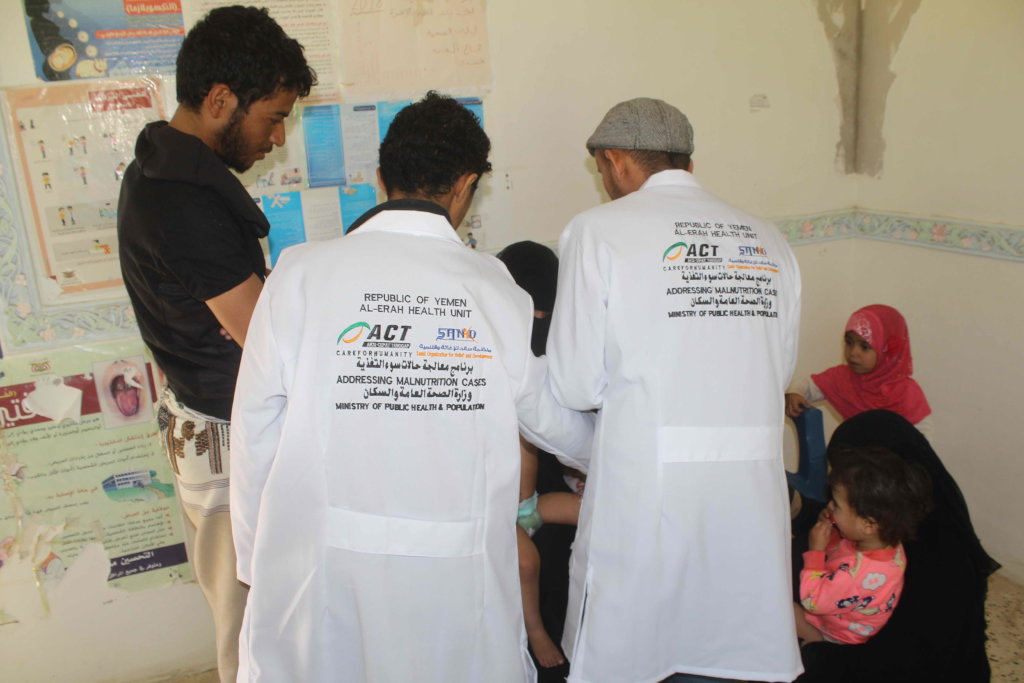
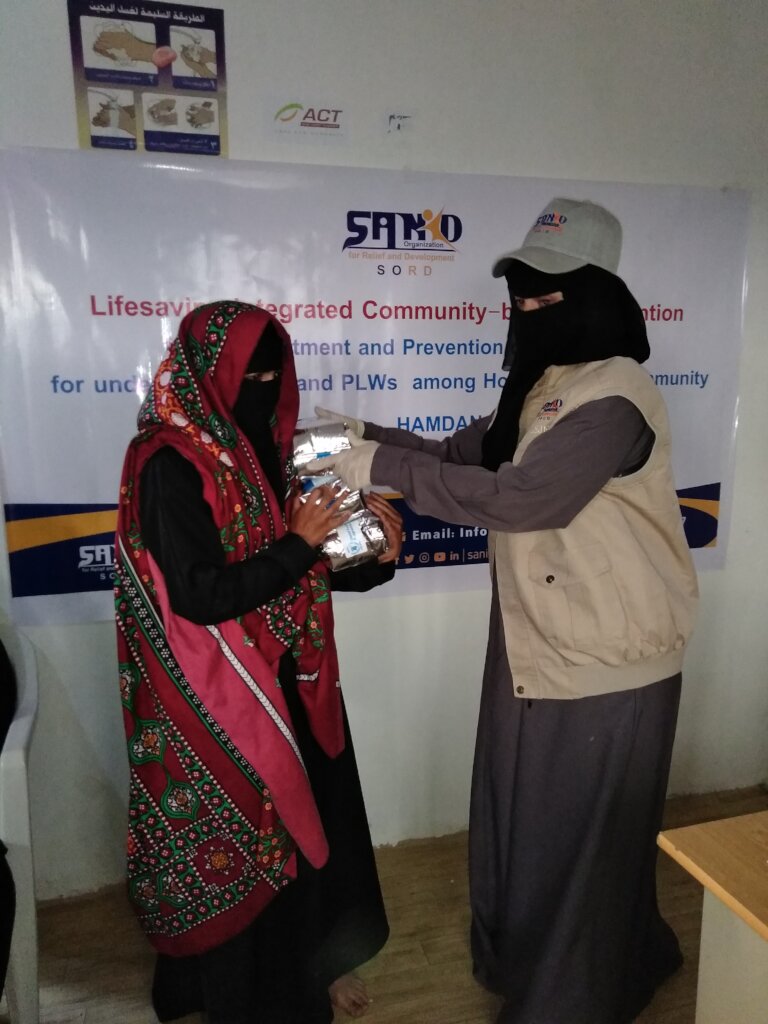
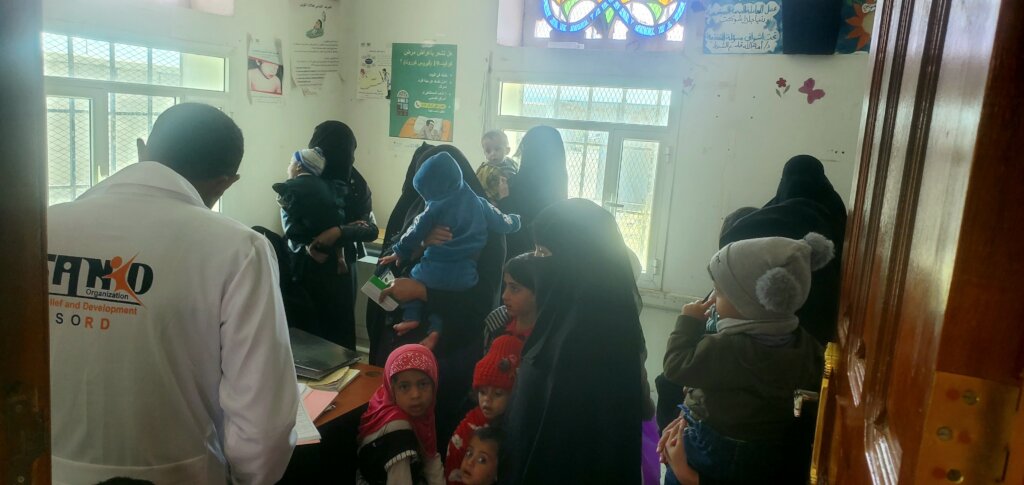
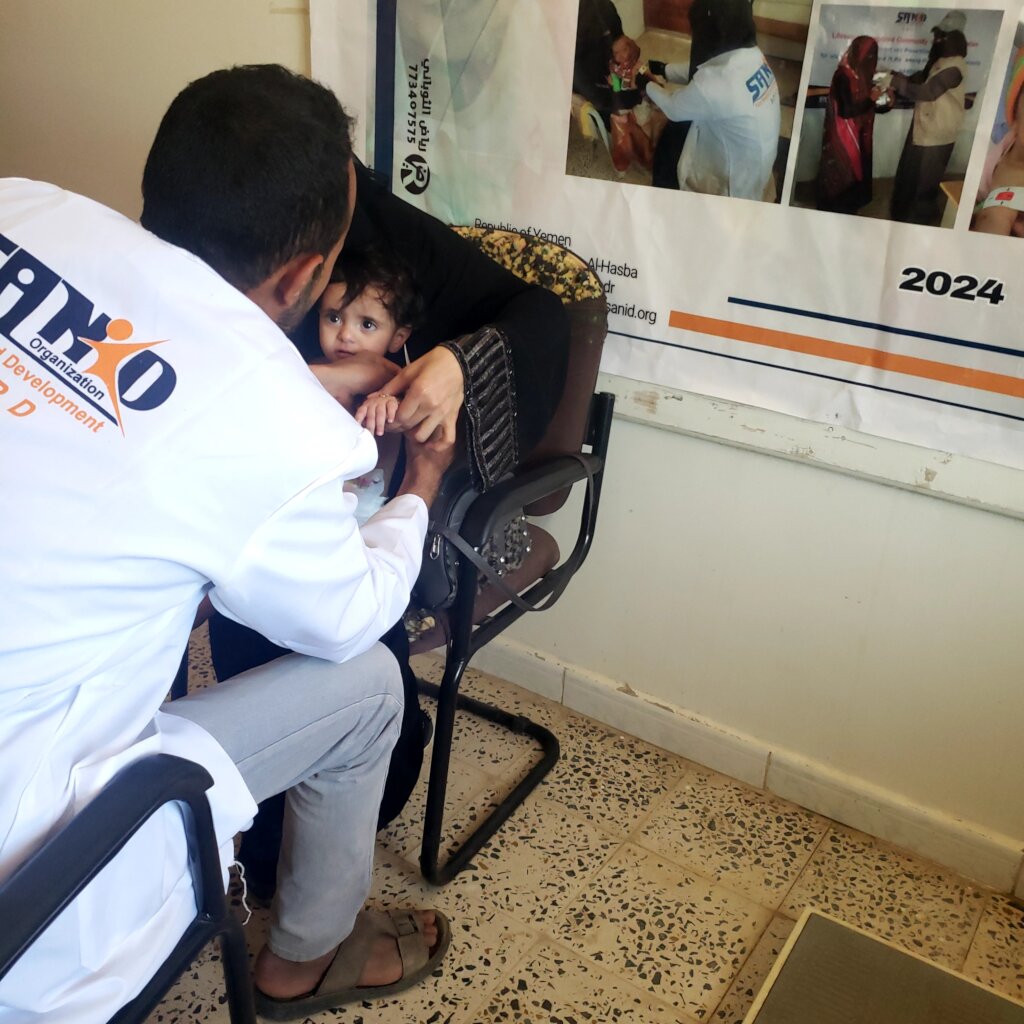
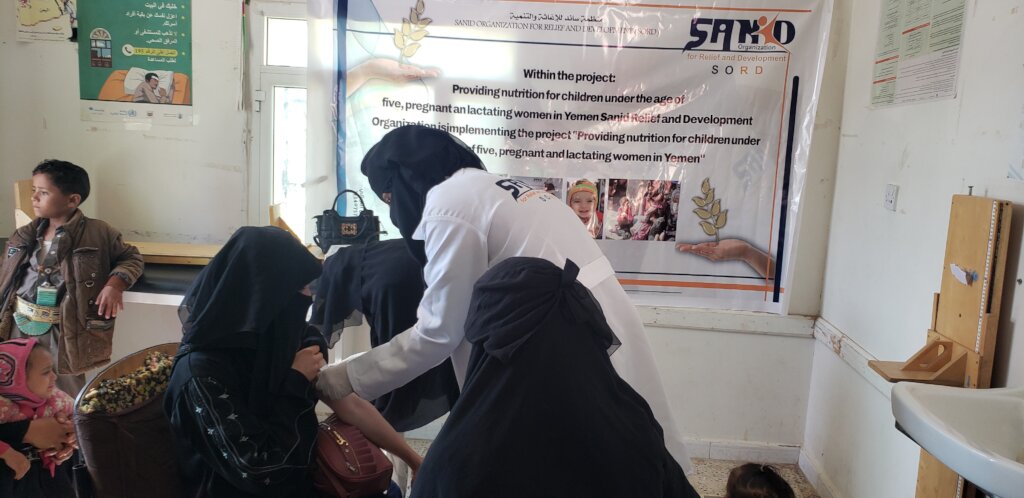
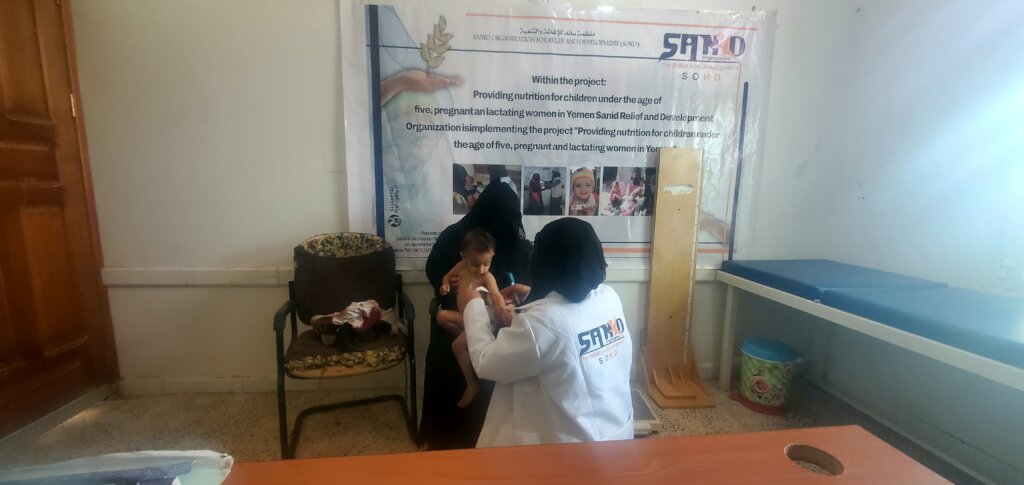
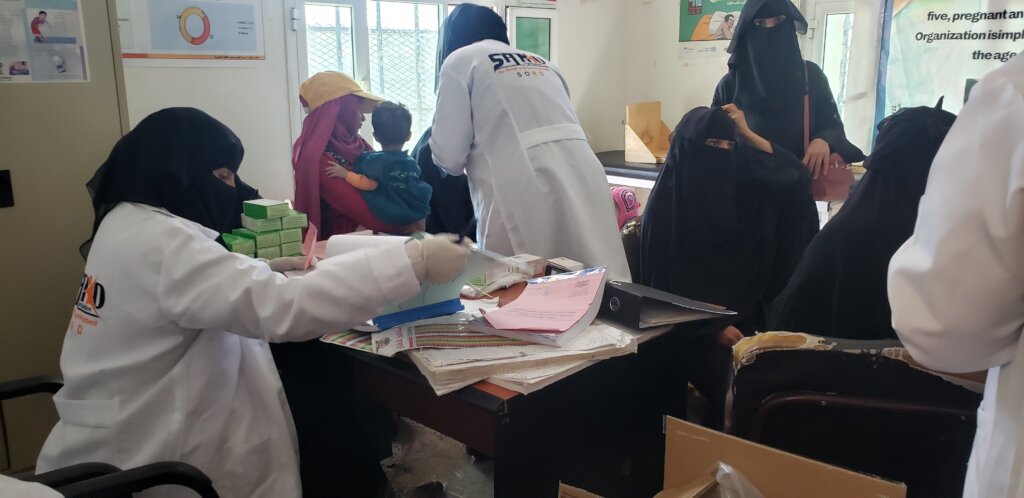
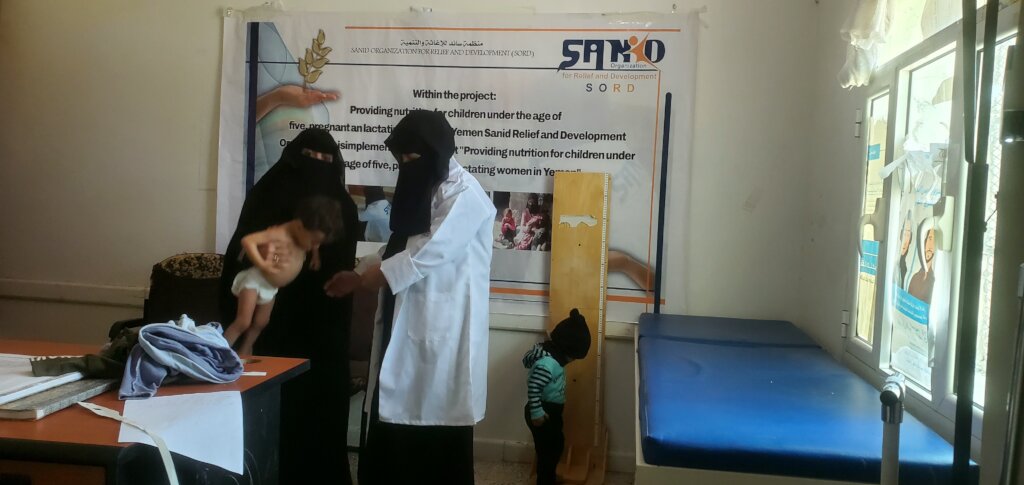
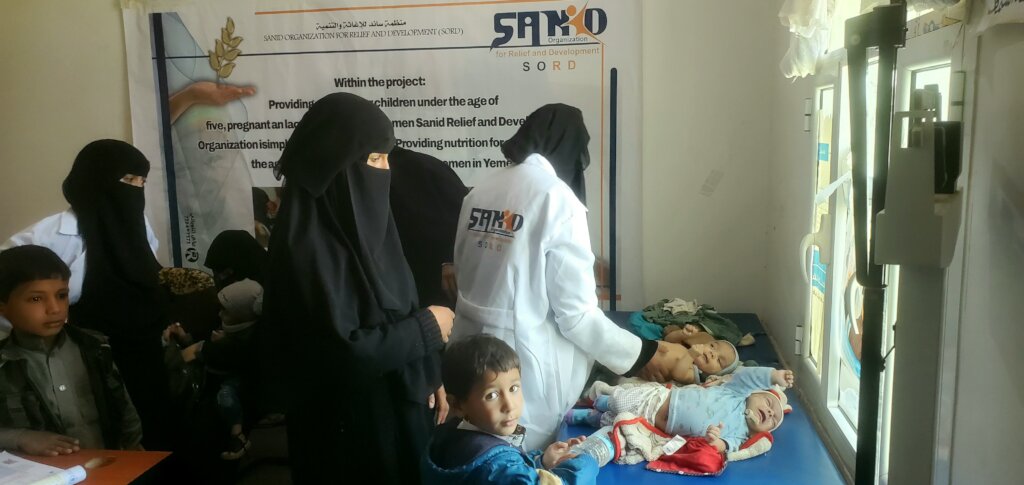
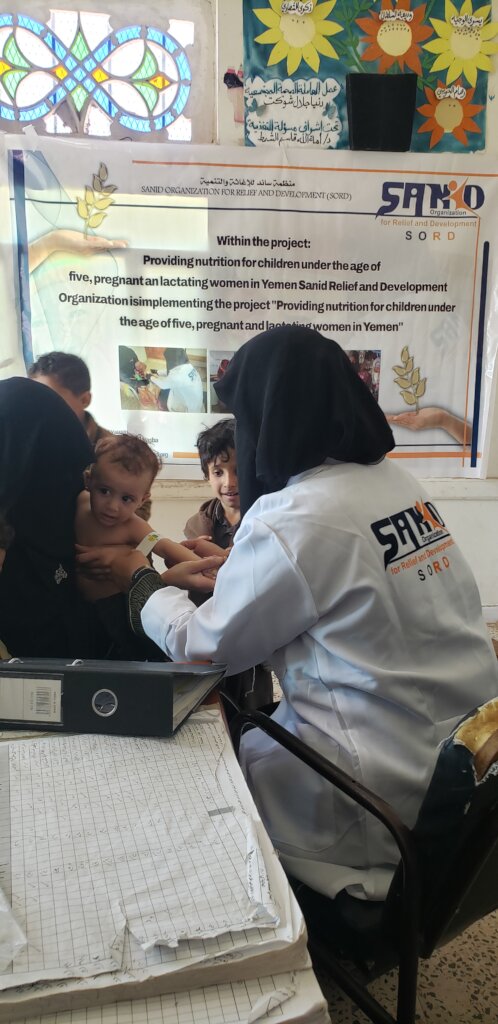
• Coordination was made with health centers to receive 27 cases of infected children. With malnutrition (new) and presented to specialist doctors within the malnutrition program at the health center.
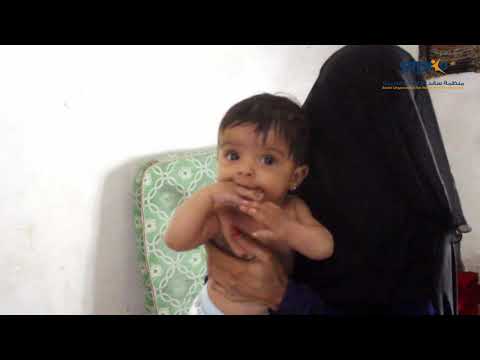
Approximately 720 cases of malnourished children were recorded. As we mentioned, due to limited resources, Sanad was unable to help this number of patients. However, it was able to provide assistance (examination, tests, and dispensing of therapeutic supplements) to 27 children under the age of 5 suffering from severe and malignant malnutrition.
38 children under the age of 5 were immunized against infectious and fatal diseases.
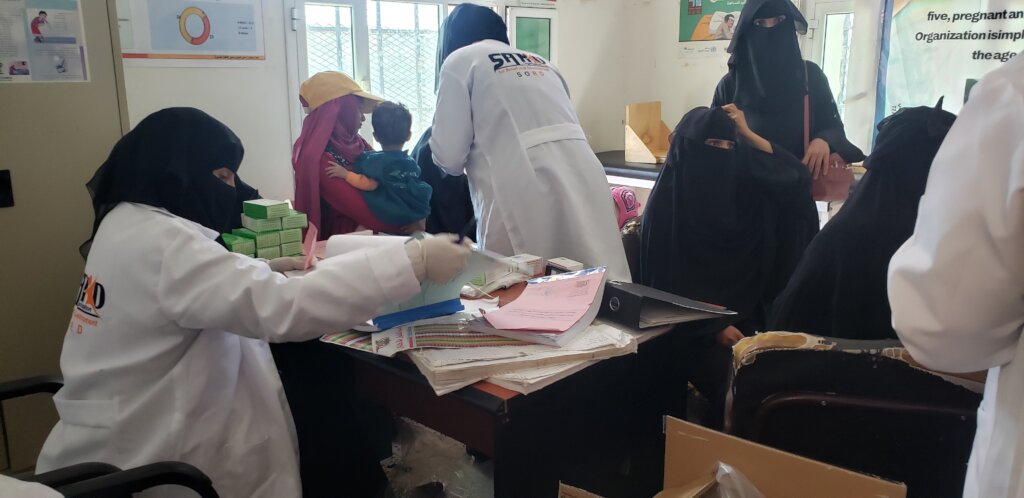
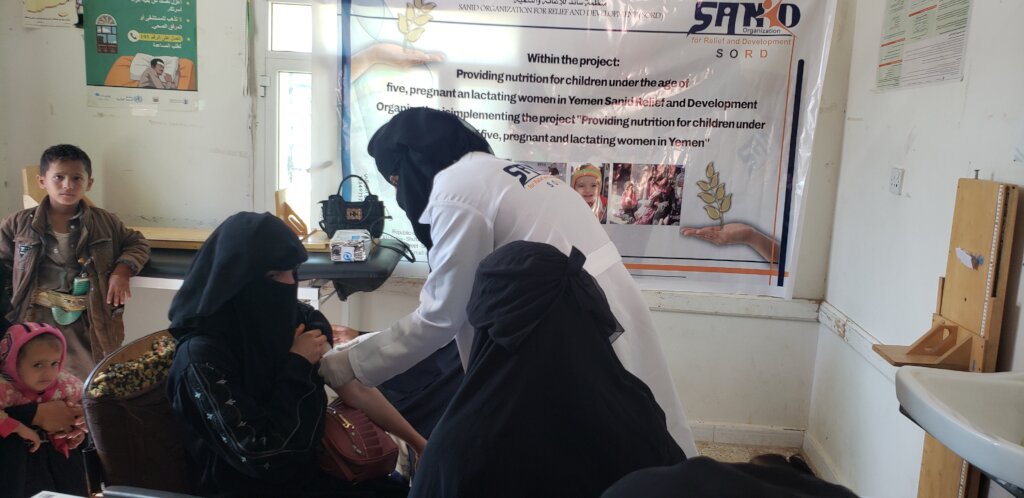
Approximately 30 pregnant and breastfeeding women were registered with malnutrition. As we mentioned, due to limited resources, Sanad was unable to help this number of pregnant and breastfeeding women in need of health care and follow-up. Sanad was able to provide assistance (examination, tests, and dispensing of therapeutic supplements) to 24 pregnant and breastfeeding women.
132 pregnant women were vaccinated against tetanus.
• 24 cases (children under the age of 5) were referred Among the beneficiaries targeted by Sanad, those suffering from severe malnutrition, whose conditions have become critical and require intensive care, were transferred to hospitals in the governorate, which have specialized facilities and care. They were assisted with transportation costs, accommodation, supplementary feeding, and intensive care room fees in private hospitals.
• Seven cases of pregnant women suffering from chronic diseases and requiring special care were referred to central hospitals.
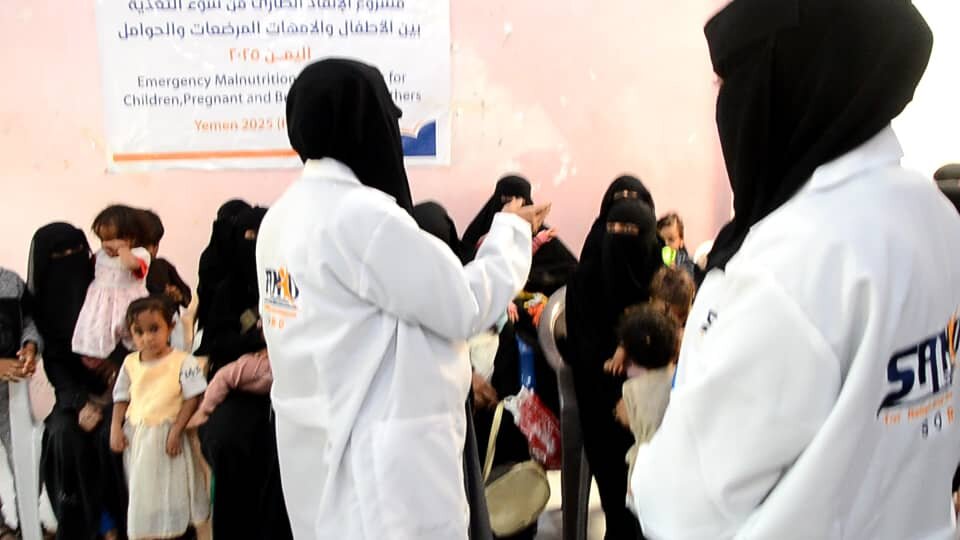
• Four awareness sessions were conducted on reproductive health, malnutrition prevention measures, hygiene methods, and proper nutrition. Volunteer midwives targeted 44 pregnant and breastfeeding women.
• Coordination with local authorities and relevant agencies to obtain a service map for entities working in the same field within the targeted areas and neighboring regions. This is to exchange experiences and refer cases requiring other services not available to us.
Challenges:
• Deteriorating health conditions in health centers in targeted areas.
• Weak capacity to cover outpatients at health centers.
• Lack of support and donations.
• Despite efforts, significant challenges remain that hinder an effective response to malnutrition in Yemen.
• Limited funding: Nutrition programs suffer from chronic underfunding, affecting the scope and quality of services.
• Logistical and access constraints: Access to some conflict-affected areas remains difficult due to insecurity, hindering the delivery of humanitarian and nutrition assistance.
• Deteriorating infrastructure: Damage to health and water infrastructure has weakened service delivery capacity.
• Community awareness: Despite awareness-raising efforts, there is still a need to raise awareness about the importance of proper nutrition and hygiene practices.
• Recurrent conflicts and displacement: Recurrent conflicts and ongoing displacement exacerbate the humanitarian crisis and hinder recovery efforts.
• Local institutional capacity: Local institutional capacity to manage and implement nutrition programs remains limited in some areas.
Send feedback
Recommendations:
• Redouble efforts to provide support and assistance to save the largest number of children and women on the brink of death.
To strengthen the response to the malnutrition crisis in Yemen, the following are recommended:
• Increase funding: Mobilize more funding from donors to ensure the sustainability and expansion of life-saving nutrition programs.
• Ensure humanitarian access: Continued advocacy for safe and unrestricted humanitarian access to all areas in need.
• Strengthen sector integration: Intensify efforts to link nutrition programs with the health, water, sanitation and hygiene, and food security sectors to deliver a comprehensive response.
• Build local capacity: Invest in training and qualifying community health workers and healthcare providers to enhance their capacity to detect, treat, and prevent malnutrition.
• Expand preventive programs: Focus more on preventive programs, including promoting infant and young child feeding practices and providing micronutrient supplements.
• Support sustainable livelihoods: Support projects that enhance food security and household livelihoods, reducing their dependence on aid and contributing to their long-term recovery. • Investing in infrastructure: Supporting the rehabilitation of health and water infrastructure to ensure the continuity of essential services.
• Monitoring and evaluation: Strengthening monitoring and evaluation systems to ensure program effectiveness and identify areas for improvement.
Conclusion:
Addressing malnutrition in Yemen requires a sustainable and integrated humanitarian response, supported by strong international commitment. The deteriorating situation requires urgent and coordinated action to save lives and improve the health and future of entire generations of Yemeni children and mothers.
![]()
![]()
![]()
![]()
![]()
![]() Attachments:
Attachments:
![Share on Twitter]()
![Share on Facebook]()