By Hannah Sharron | Sierra Leone Ebola Heroes Program Manager
Ebola Heroes Report Fall 2015:
Ebola Heroes works to collect and share the stories of frontline workers in the Ebola response in order to inspire, educate, and mobilise communities to eradicate stigma.
Burial teams, cemetery workers, 117 hotline operators, social workers, community mobilisers, security personnel, hygienists, nurses, and doctors have been on the frontlines of the battle to end Ebola in Sierra Leone.
Their work can be traumatising. One burial team worker described the personal impact of his work:
We have once collected a dead body at Dr. Bash hospital which has been in that place for eleven days. It took a week to forget and I will never forget that scene as it was really frightened. I will never forget what I have seen. Sometime when I go to sleep I have nightmares. This work is not really easy.
Despite the immense trauma many frontline workers experienced while providing essential services during the Ebola response, they have received little to no support or recognition from the government.
Many frontline workers also face violence and stigma in their communities, born mostly out of fear and misinformation. The same burial team worker described his experience in his community:
Before I took up this work the community was united and respect was reciprocal. But now there are some people who do not appreciate what I do and when I move they call me Ebola, sing slogans at me because of the work I do. They do not appreciate thinking I am doing a bad job. Most people don’t appreciate us in the community, they stigmatise us. I was once driven from where I was unless I had to seek refuge at my uncle’s place who accepted me. This work we do has a lot of stigmatisation.
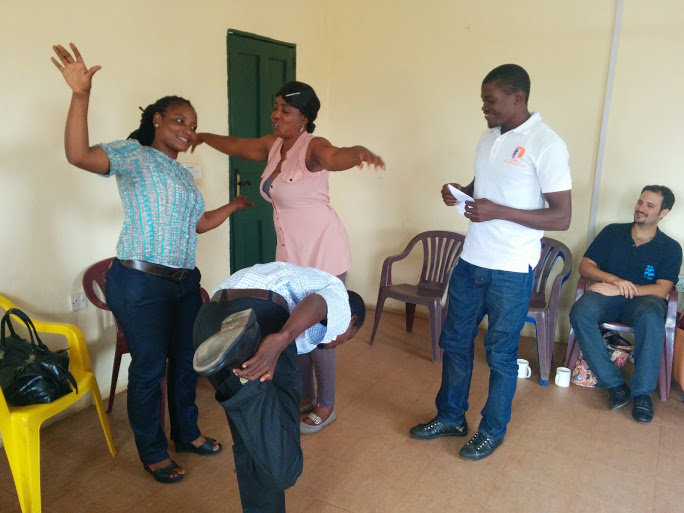
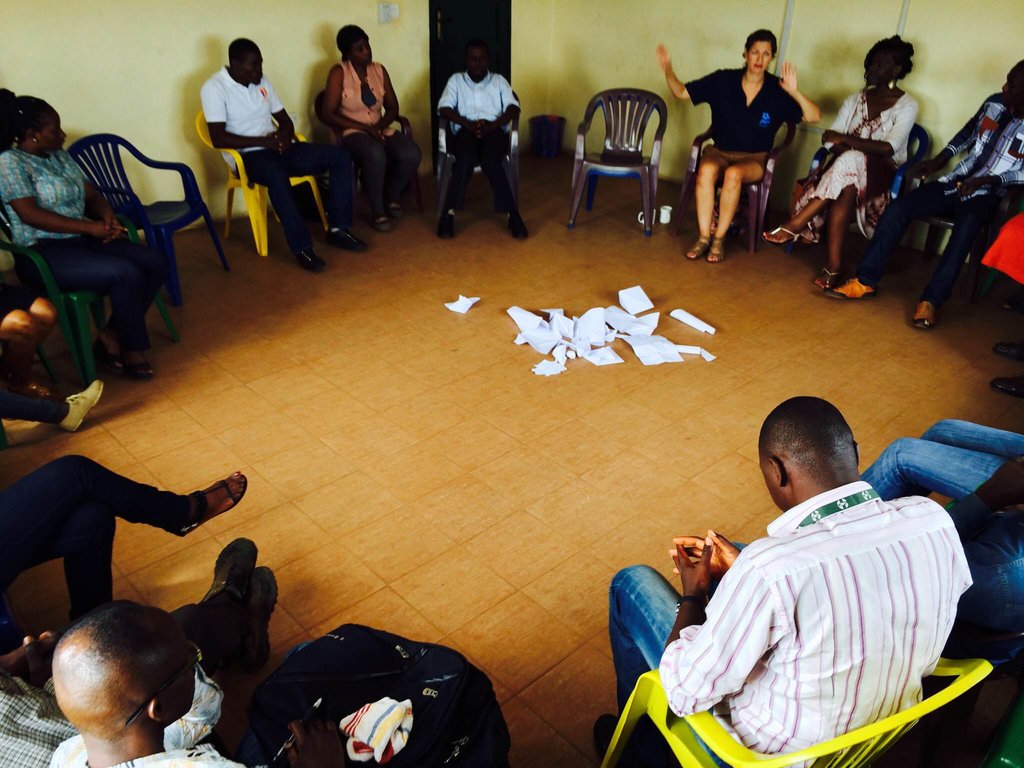
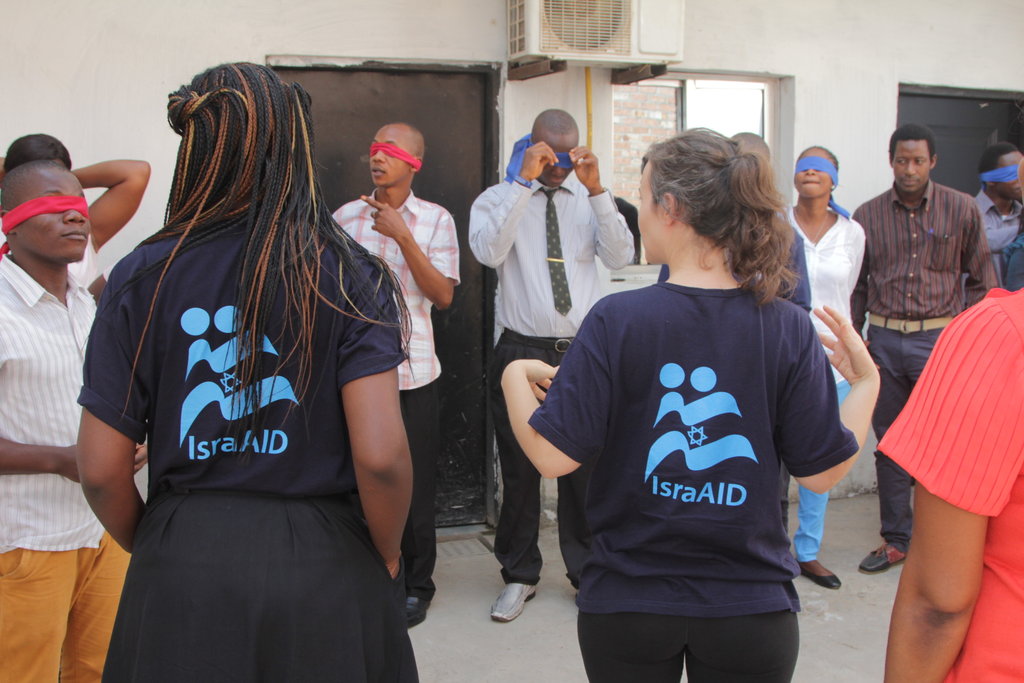
Ebola Heroes works to address the trauma of frontline workers and the stigma surrounding their work in a number of ways. This includes:
We have completed 140 interviews in the two districts that make up Western Area, with 60 to go to reach our target. To achieve this, we initiated partnerships with a number of government and non-governmental organisations. Utilising contacts from these organisations, our Field Officers have collected the stories of burial team workers, cemetery workers, social workers, 117 Hotline workers, hygienists, orphanage workers, health promoters, nurses, and doctors.
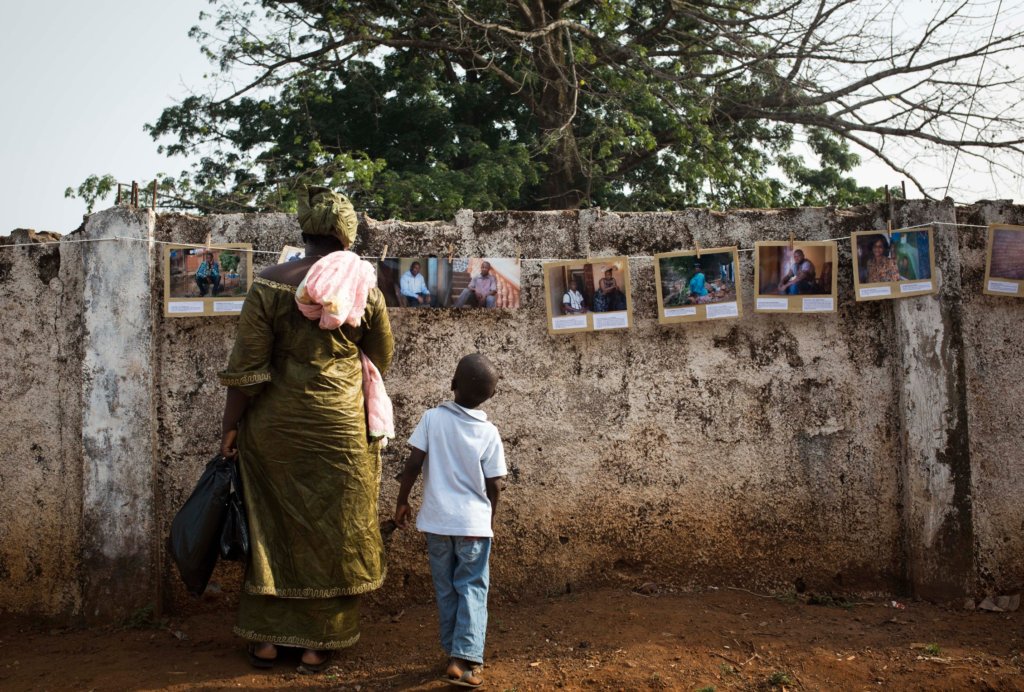
We are in the process of rolling out 7 community events in the Western Area in partnership with the Freetong Players. We have finalised the locations of each event. They will take place in densely populated areas that were particularly affected by Ebola. In an effort to create a sense of ownership, we will meet with the community leaders in each area to seek formal approval for the events. We hope to work with these leaders, including councillors, youth chairmen, and religious leaders, to finalise dates and publicise the event in the community.
An image of a community event that took place during the pilot event in Aberdeen Freetown.
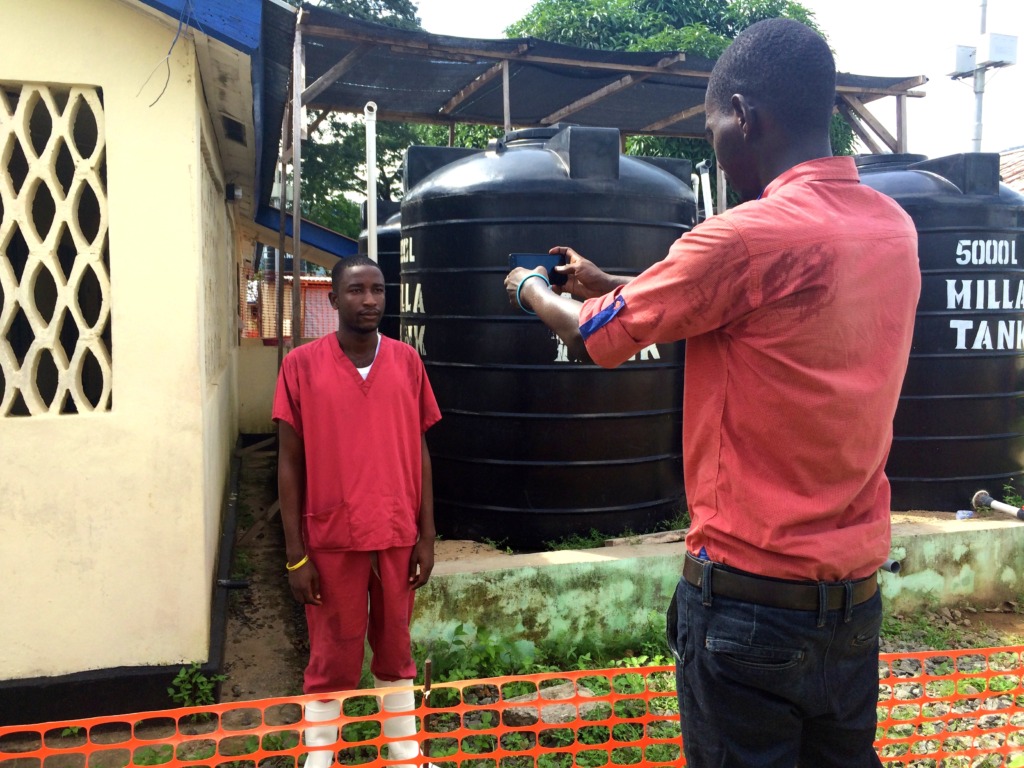
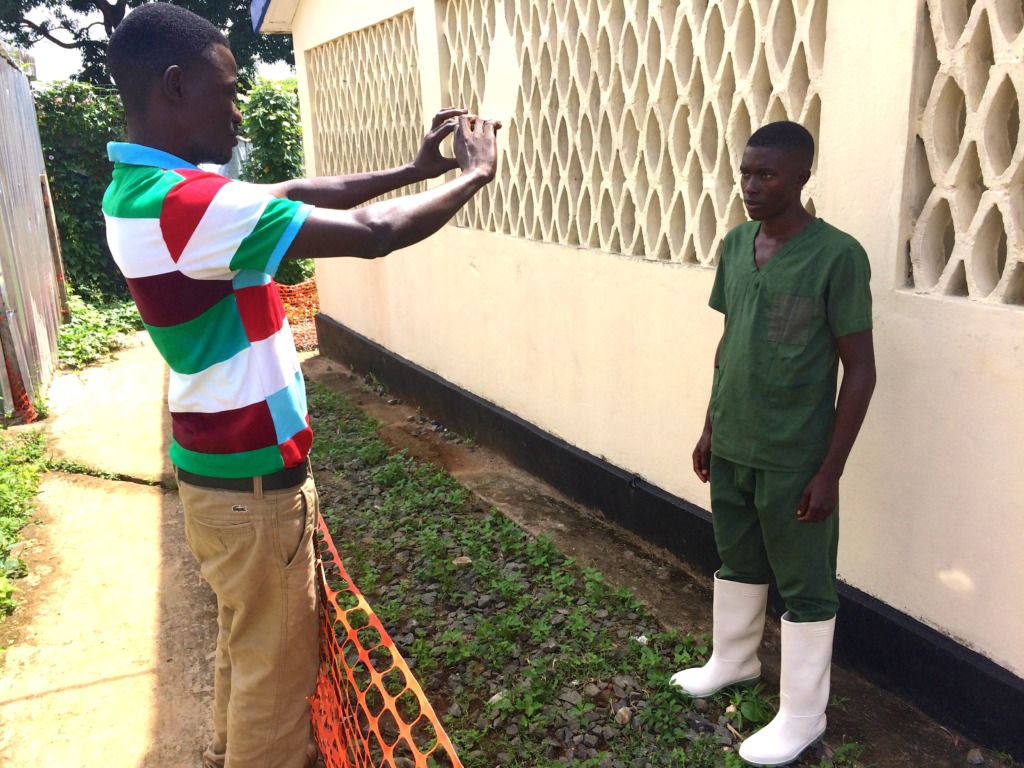
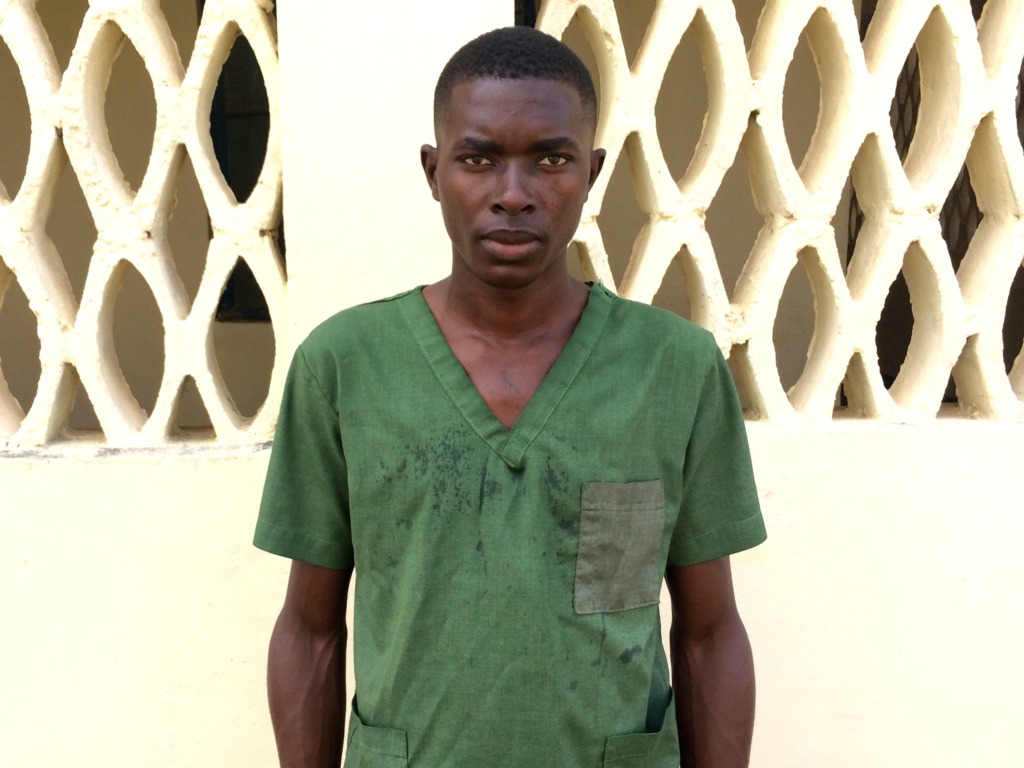
We are also currently processing the completed interviews for publication in our online archive. As well as creating an archive, we will print a portrait for each participant to have as a keepsake.
In the coming months, we will roll out the narrative interviews and community events in the remaining 12 districts of Sierra Leone. Monitoring and evaluation will largely be through qualitative indicators, generated through focus groups.
Project reports on GlobalGiving are posted directly to globalgiving.org by Project Leaders as they are completed, generally every 3-4 months. To protect the integrity of these documents, GlobalGiving does not alter them; therefore you may find some language or formatting issues.
If you donate to this project or have donated to this project, you can receive an email when this project posts a report. You can also subscribe for reports without donating.