By Yeshaya Amichai | Ebola Heroes Program Manager
IsraAID’s mission in Sierra Leone started in September 2014 amidst the Ebola Virus Disease (EVD) outbreak, where a preliminary needs assessment highlighted the gaps in the mental health and psychosocial support response being provided. Given our expertise in trauma and psychosocial support, IsraAID has subsequently offered a range of programming striving to mitigate the implications of EVD on stress, trauma, social stigmatization and marginalization on survivors, frontline workers, and other communities impacted by the EVD epidemic.
Through the provision of these projects, IsraAID SL recognized the need to support and empower frontline workers including medical personnel, burial teams, survivors, and a myriad of other individuals who were integral in curbing the spread of Ebola. One therapeutic program launched was Ebola Heroes, which had a multilayered approach, striving to 1) collect narratives of those involved in the EVD response, 2) offer support to individuals who continue to face stigmatization, isolation, and other impacts from the response 3) provide community events to combat stigmatization and celebrate the strength of Sierra Leones communities.
The ultimate goal of the Ebola Heroes project is to mitigate the psychosocial impact of Ebola Virus Disease on affected populations, emphasizing survivors and service providers.
In this phase of the project, IsraAID SL is focusing on strengthening the local existing mental health and psychosocial support (MHPSS) structures through capacity-building at the community level, by developing peer-based support networks. IsraAID SL is working to rebuild and strengthen the capacity of the communities themselves rather than creating dependency on support from the outside. The main outcomes achieved thus far are:
After completing the first phase of the program in Sierra Leone's Western Area, IsraAID has expanded the project into the eastern and northern provinces respectively. On April 24th, 2016, Ebola Heroes initiated this phase in Kailahun and Kambia Districts. IsraAID’s field officers have been meeting with four peer support groups in Kambia Town and three in the Kailahun Town.
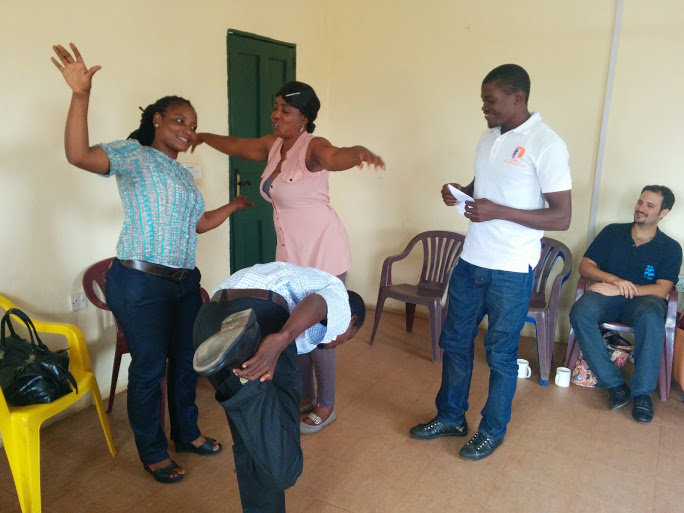
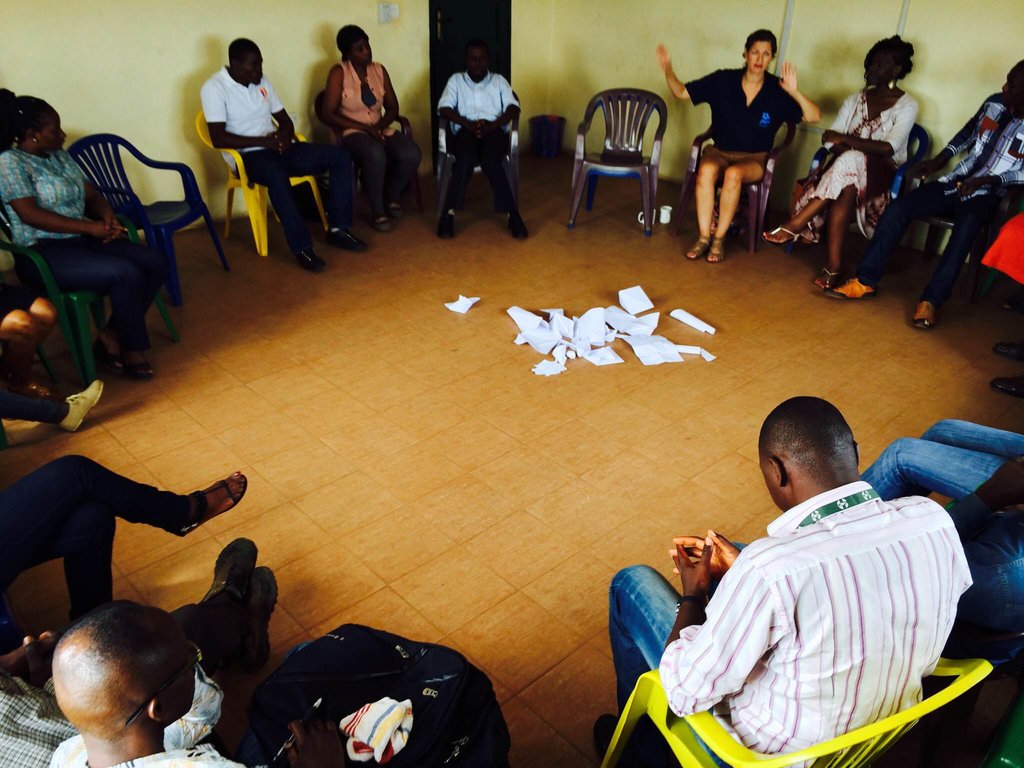
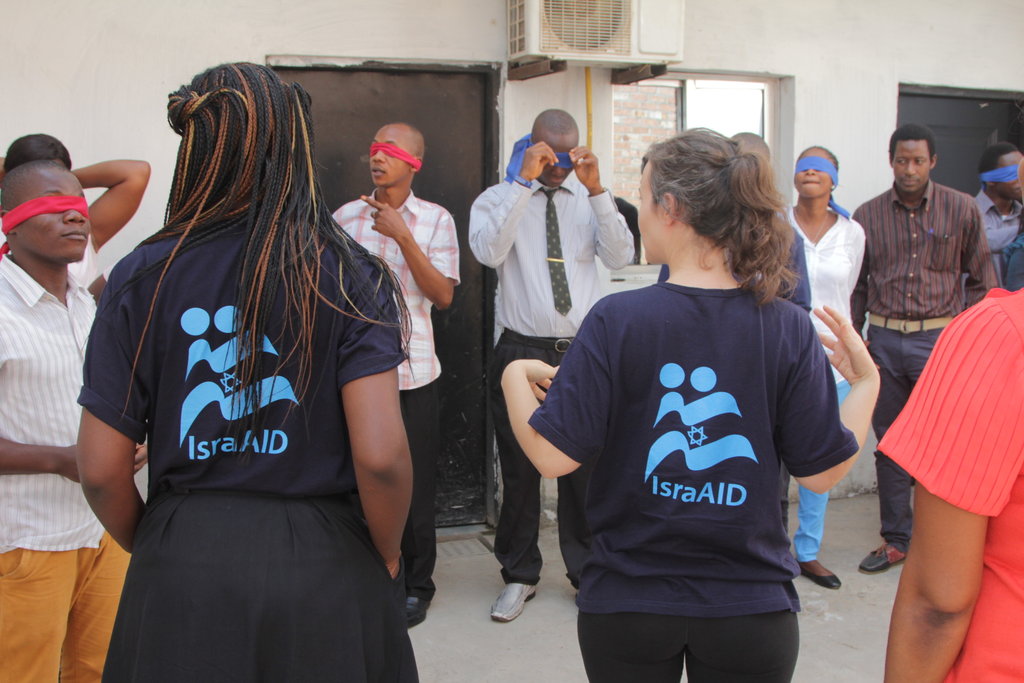
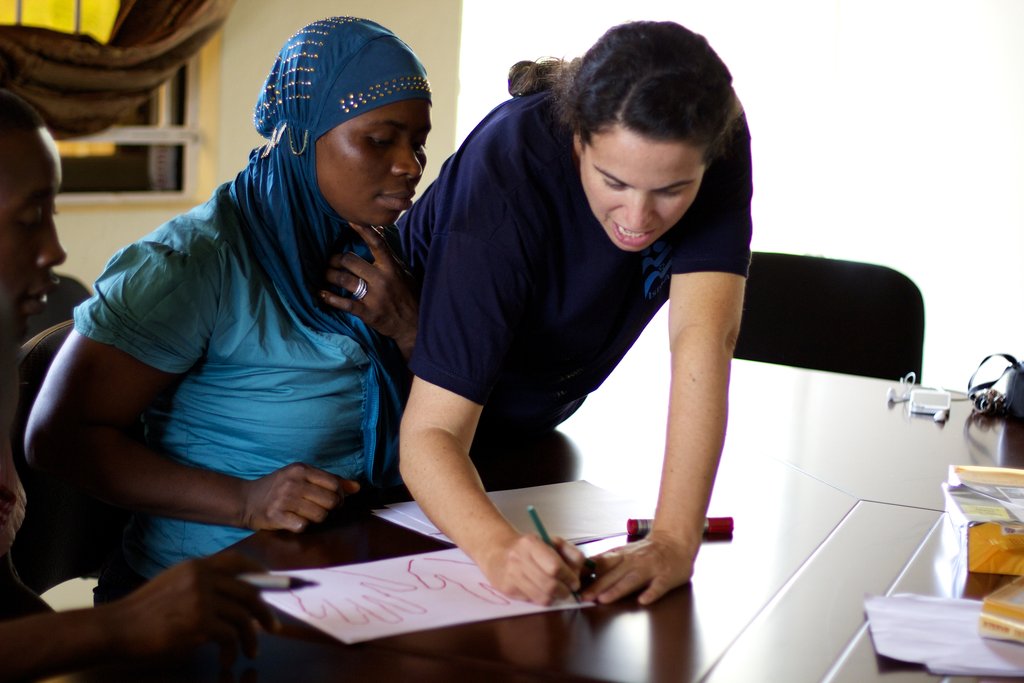
These groups are composed of high school students, caregivers for orphans, Ebola survivors, and community volunteers. Each group is composed of 20 participants meeting for two hours each gathering. During each session the field officer’s facilitated the group, guiding them through psychosocial activities and discussions using narrative practice technique.
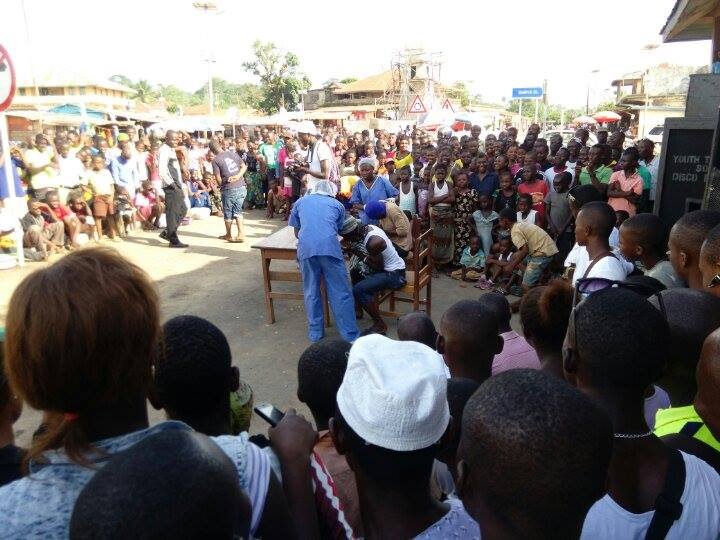
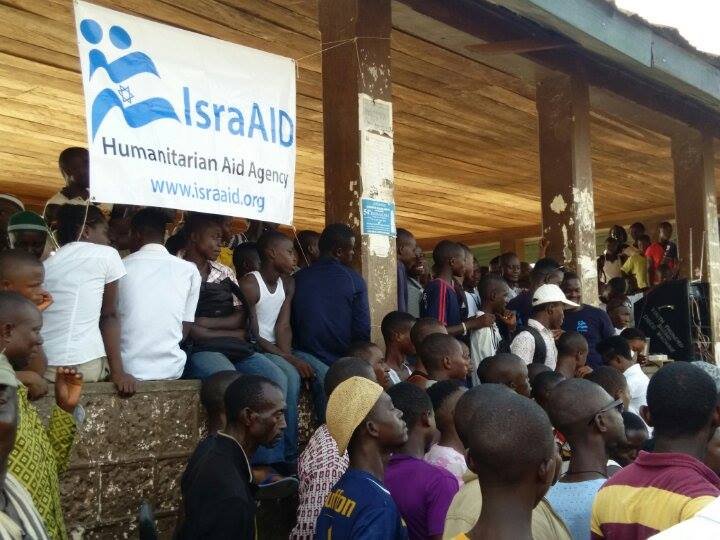
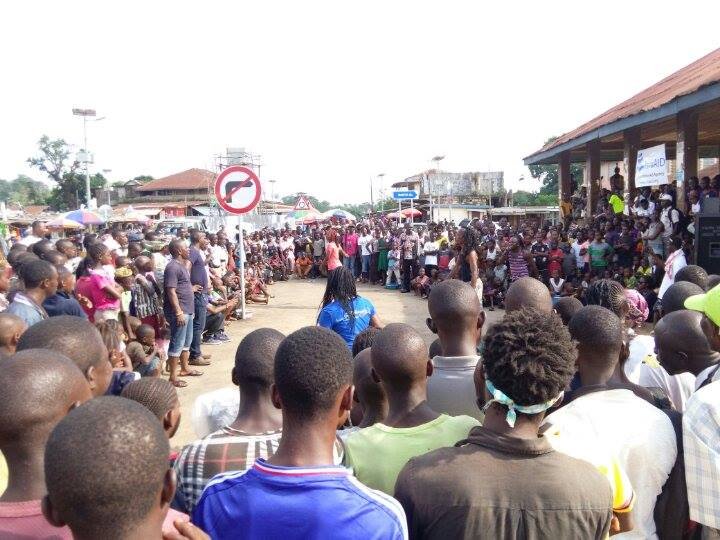
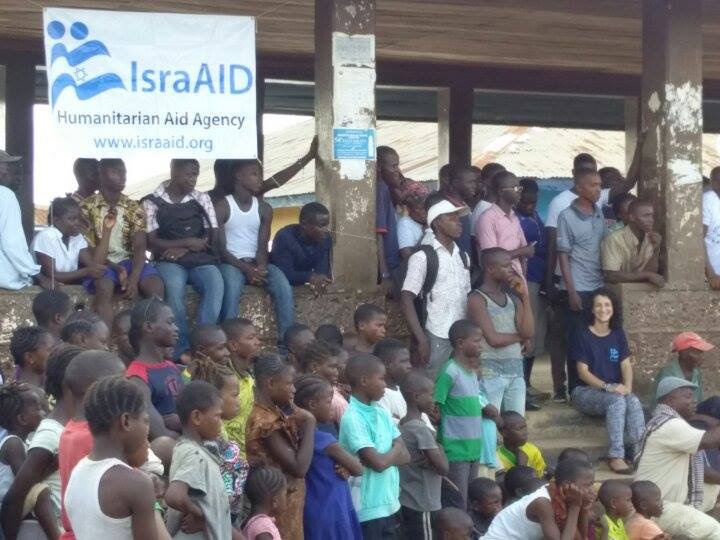
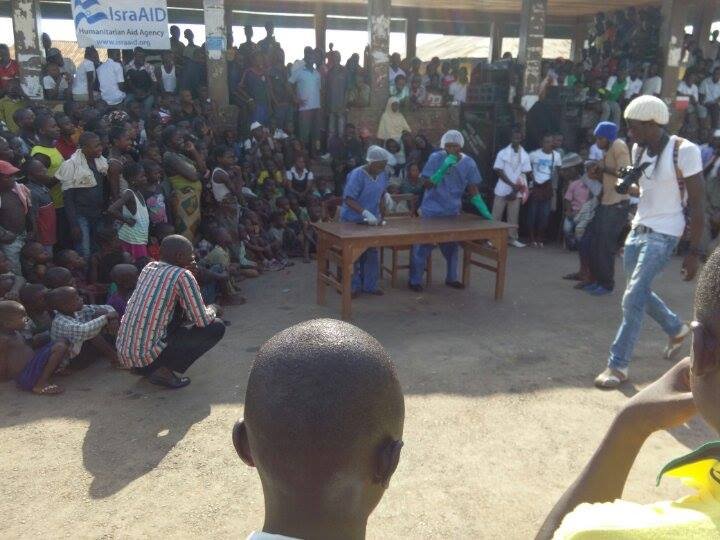
In mid-May we hosted our first community event in Kailahun in partnership with the Ministry of Social Welfare and the theater troupe Freetong Players International. The event included a dramatization of people's stories of heroism in the face of the epidemic, distribution of educational material regarding the effect of stigmatization on the community and had over 500 people in attendance. Through this event, the community had the opportunity to share their experiences during the epidemic and reflect on lingering stigmatization and fears.
Margaret's Story
In our Ebola survivors group in Kailahun, we heard Margaret’s story. Margaret, a 32-year-old woman, is originally from the village of Koindu in the east of Kailahun District. She lost six members of her family to EVD including her mother, elder sister, her two children and two nieces and nephews. It was her sister who first contracted the virus and later infected their mother, then the children of the house and finally Margaret herself. After surviving the disease and enduring the loss of her family, Margaret moved to Kailahun township because the memories of her family in Koindu we too much for her to bear. She now lives in Kailahun and works as a trader in the market. After recounting her story, the group thanked her for the show of fortitude and courage. They further complimented her for her resilience in sharing such loss with the group. Since the beginning of the sessions, Margaret has begun to open up to the group and express more positive emotions and opinions about her situation.
Aminata's Story
In our high school girls group in Kambia, we heard the story of Aminata, a 19-year-old student. Aminata had attended the Kollenten Secondary School in Kambia before Ebola came to Sierra Leone. With the Ebola outbreak in 2014, her life was changed forever. Her father volunteered to work as a hygienist in one of the treatment centers as a source of income for the family. He contracted Ebola at the center. One day he felt ill and was taken to the treatment center where he tested positive. The family was quarantined for 21 days, and within the quarantined period, her mother, elder brother and sister showed signs of the virus and eventually died along with her father. Aminata's mother and father left behind four children, and her elder brother and sister who died also left behind four children. Aminata is now the primary caregiver for all eight children and struggles to maintain them while also attending high school. She is enrolled in a tailoring training program hoping that this skill will enable her to generate income. In the evenings, her siblings ask many questions about those that have died. It is difficult for her to cope with the responsibility, and thus she often tells them that their parents are only away on a trip. She is very overwhelmed with her new role and finds no time to take care of herself. She has expressed thanks for the support group. It has helped her cope emotionally with the stress and sadness she constantly feels in her current circumstances.
These two stories are just a couple of the dozens of harrowing stories that we have collected from Kambia and Kailahun. The discipline of narrative practice teaches that through the sharing of stories, one begins the process of healing and building resilience from trauma. Through undertaking these interviews and recording the stories, IsraAID SL strives to simultaneously provide therapeutic support to individuals and communities through narrative practice and memorialize their experiences for perpetuity.
All testimonies and portraits, in addition to the Ebola Museum, are uploaded to a website for the wider world community to engage and learn from Sierra Leone's experience.
http://ebolaheroes.com/
Project reports on GlobalGiving are posted directly to globalgiving.org by Project Leaders as they are completed, generally every 3-4 months. To protect the integrity of these documents, GlobalGiving does not alter them; therefore you may find some language or formatting issues.
If you donate to this project or have donated to this project, you can receive an email when this project posts a report. You can also subscribe for reports without donating.