By Michele Bornstein | Country Director Sierra Leone
In spring 2014, the Ebola Virus Disease Epidemic (EVD) spread across West Africa into Sierra Leone. It killed over 3,500 individuals in Sierra Leone alone, and left about 3,500 survivors in its wake. Early emergent health consequences for survivors include joint pain, depression, anxiety, neurological symptoms, chronic pain, and ophthalmological issues. Throughout the epidemic and in its aftermath, survivors have been exposed to a multitude of risk factors that are known to trigger common mental health disorders such as trauma, post traumatic stress disorder (PTSD), anxiety and depression. These include exposure to life-threatening disease, bereavement, financial loss, lack of services, stigmatization, and isolation from support systems. In addition to the impact on survivors, children were left orphans, families lost breadwinners, and countless others were traumatized by their experiences, treating, collecting, and disposing of individuals and bodies. Survivors and frontline workers including medical professionals, burial teams, cemetery workers, and many others continue to face high levels of stigmatization within their communities.
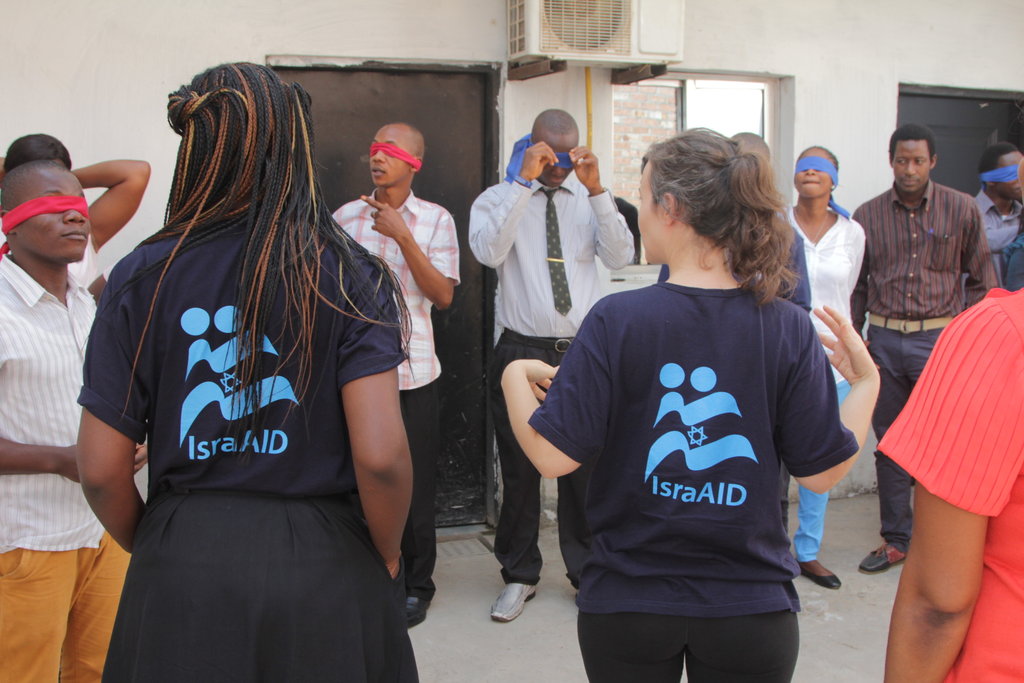
Amidst the Ebola Virus Disease (EVD) outbreak, IsraAID’s mission in Sierra Leone launched in September 2014, when a preliminary needs assessment highlighted the gaps in mental health response being provided. Given their expertise in trauma and psychosocial support, IsraAID has subsequently offered a range of programming striving to mitigate the implications of EVD on stress, trauma, and social stigmatization and marginalization on survivors, frontline workers, and other communities impacted by the EVD epidemic.
IsraAID has subsequently undertaken a range of projects working with international NGOs, local NGOs, and International Organizations. Since it’s launch IsraAID Sierra Leone has undertaken over a dozen projects. IsraAID’s efforts in Sierra Leone have and continue to respond to the emerging mental health and psychosocial needs of the Sierra Leonean people. To this end, during the third quarter of 2016, IsraAID implemented the ‘Ebola Heroes’ project recognize and share inspiring stories of different frontline workers and community members that were infected or affected by the EVD epidemic.
Program Summary
The ‘Ebola Heroes’ project was undertaken over a four-month period. In Kambia implementation was ten weeks while in Kailahun it was compressed into six weeks.
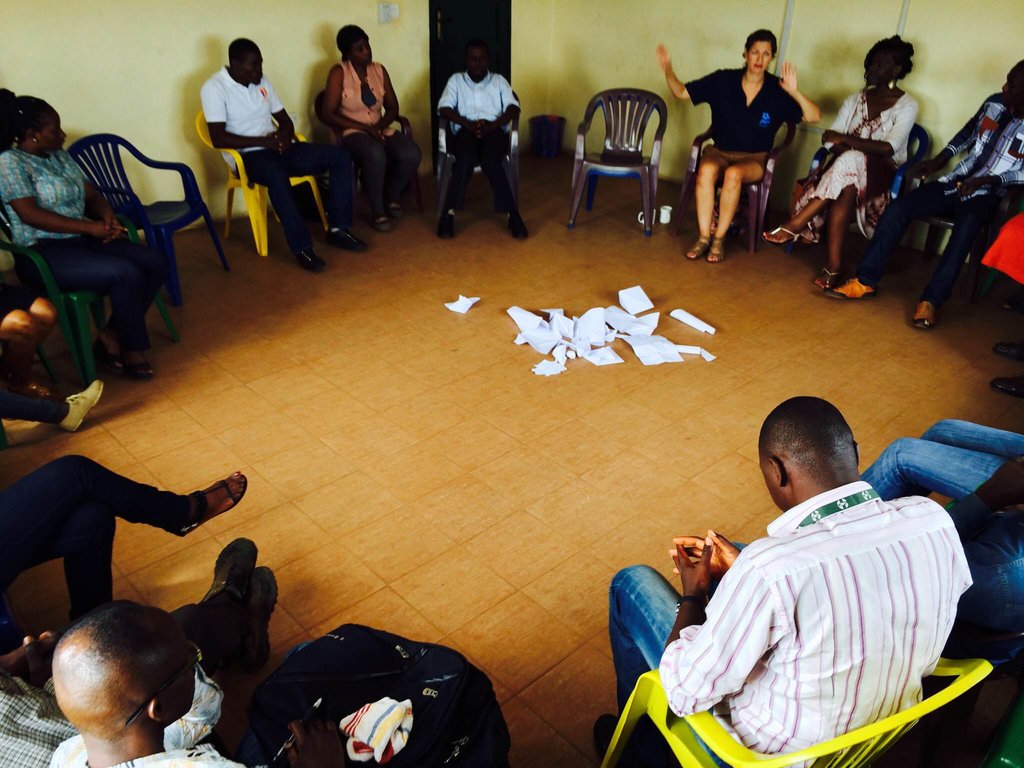
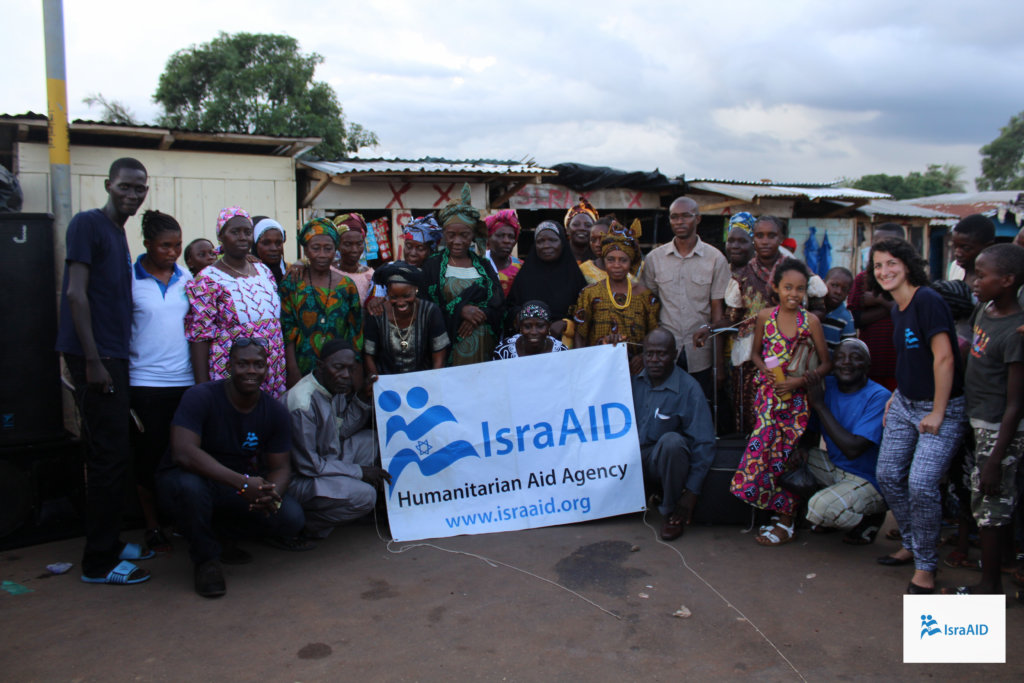
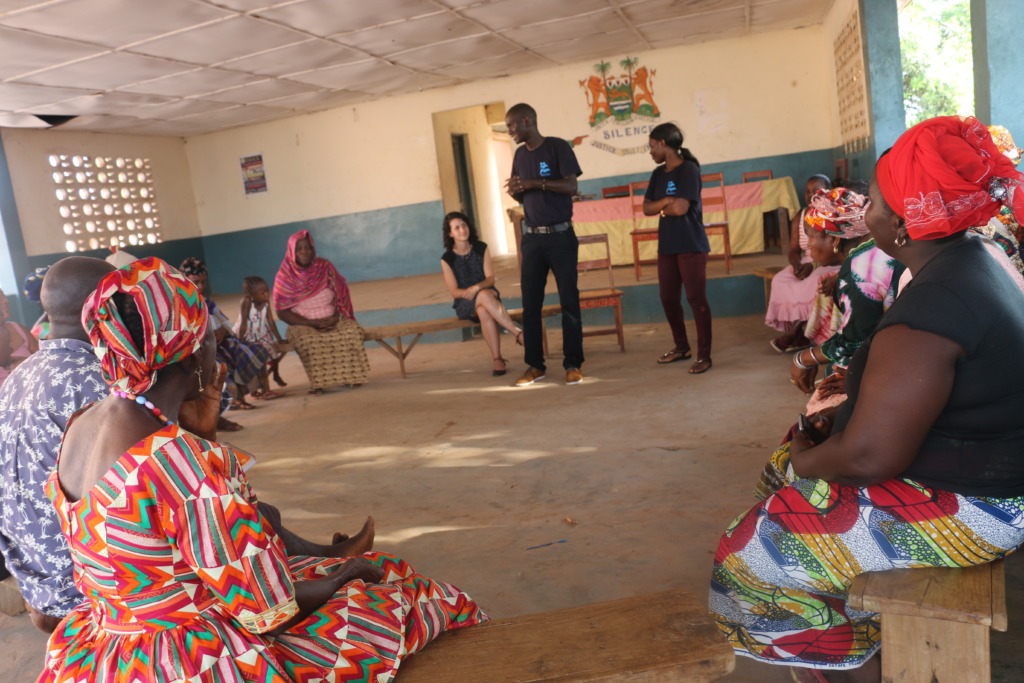
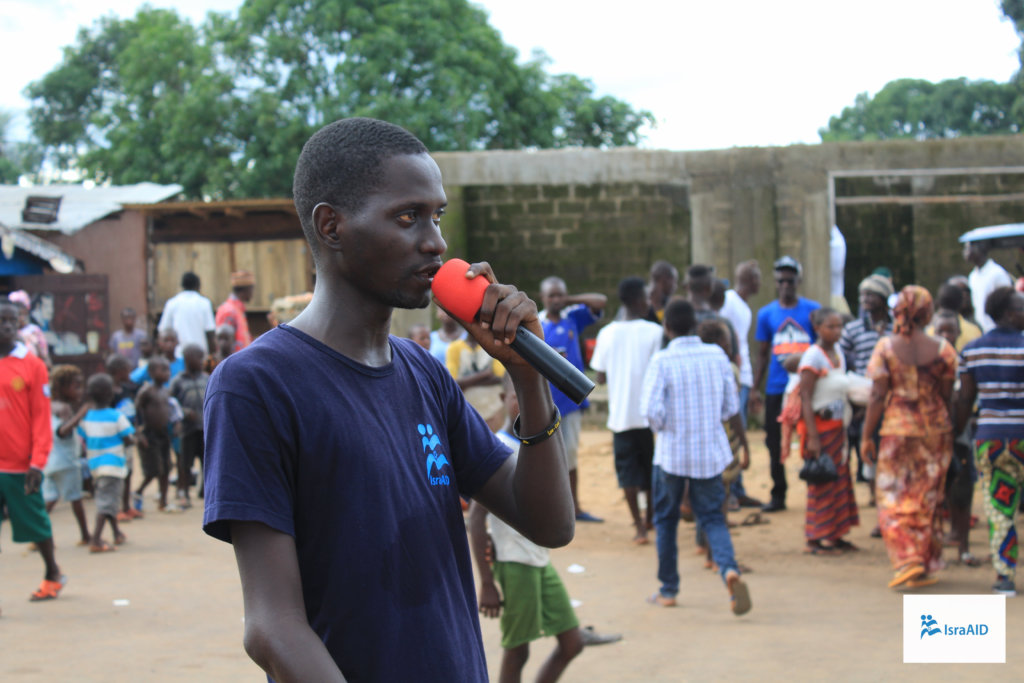
The Ebola Heroes project aimed to 1) support those impacted by EVD, 2) recognize and collect inspiring stories of survivors, frontline workers and community members 3) facilitate community dialogues on stigmatization and community rebuilding. Through this multipronged approach the project strove to promote the resilience of participants, mitigate communal stigmatization and help memorialize stories of those who were crucial to curbing the spread of EVD. This goal was tackled through a multifaceted approach i) peer support sessions were provided in both the Kailahun and Kambia districts, trained social workers offered selected groups emotional support ii) over 245 interviews were collected from across the Kambia and Kailahun districts iii) community sensitizing events were held in each district capital bringing over 300 people a piece to discuss and reflect on EVD and stigma.
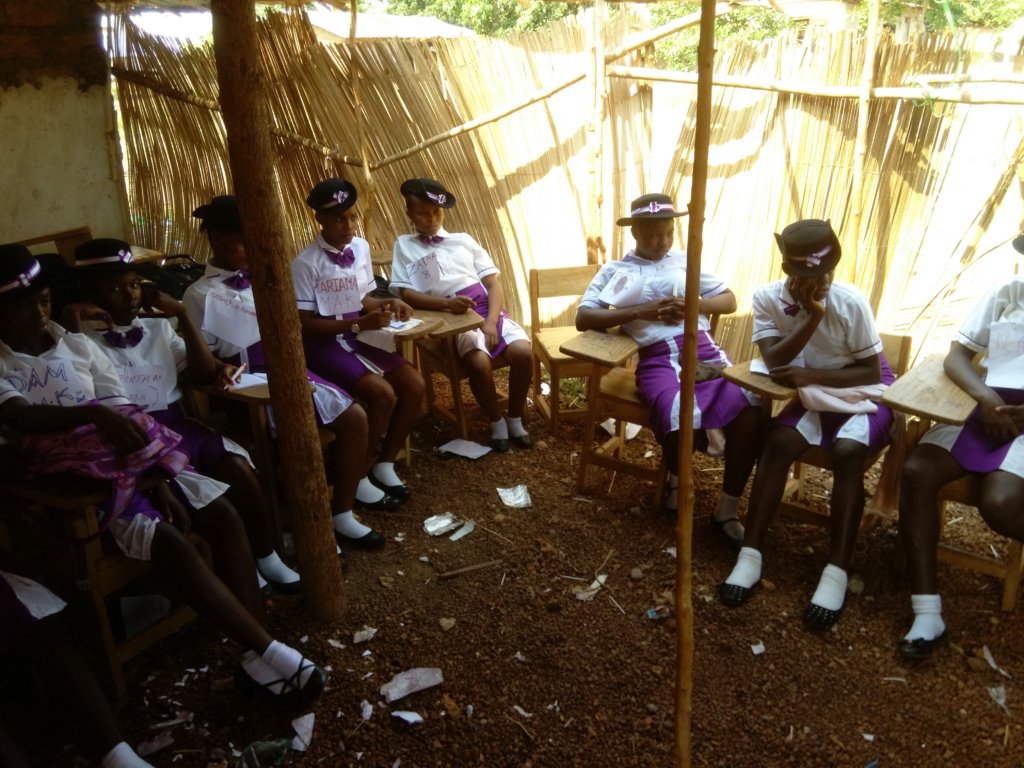
In its needs assessment, IsraAID identified four target groups for providing the peer narrative therapy support across Kambia and Kailahun town. These groups were identified based on the advice of a range of community stakeholders. These groups were as follows:
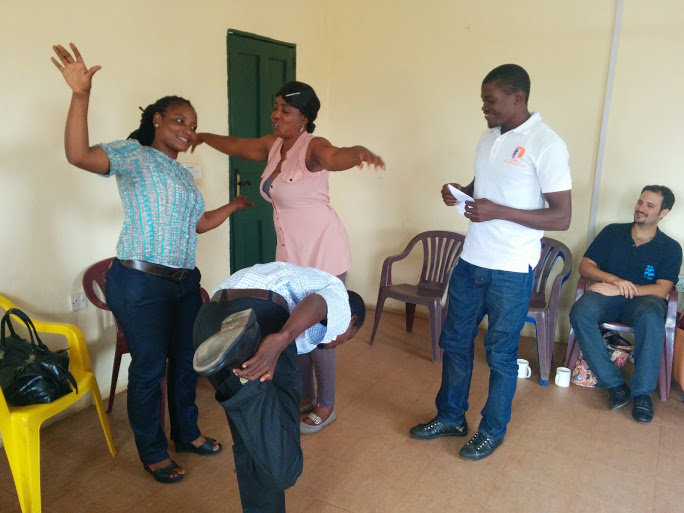
The Ebola Heroes project had three main components – 1) the collection of testimonies from over 245 EVD survivors and frontline workers to honour and memorialize their work; 2) the implementation of peer support groups in Kambia and Kailahun districts of Sierra Leone, 3) two community events held in each which featured the FreeTong Player theater troop.
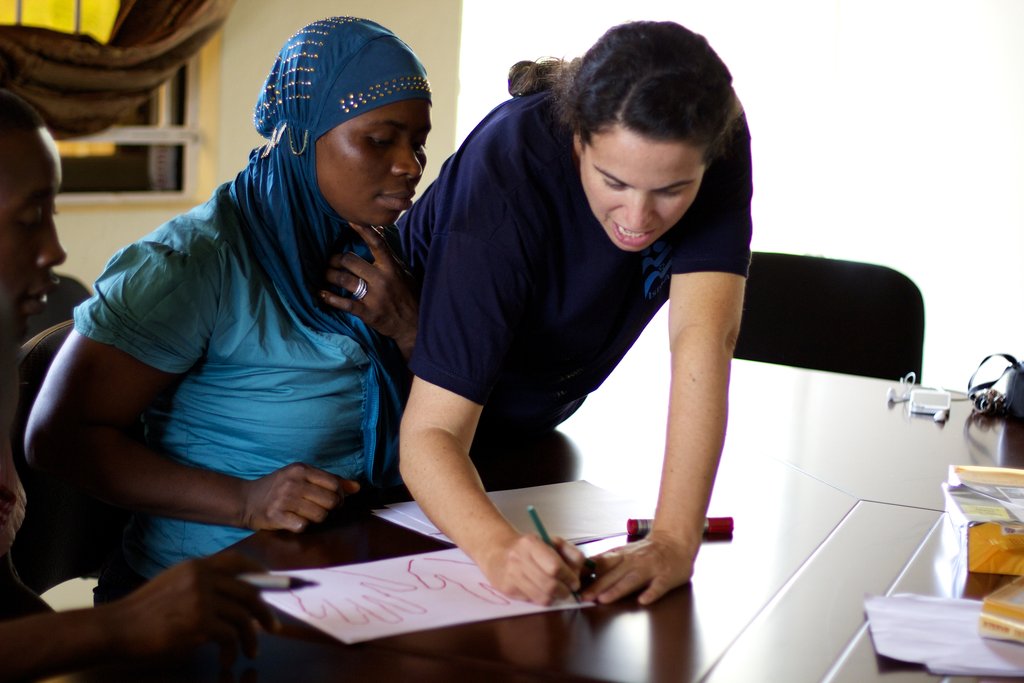
The organization of the peer support groups was based on ‘narrative therapy practice’, which allows individuals to build resilience through sharing their stories and learning from the experiences of others. This model focused on the possibility of conversation and collaboration. To this end, the weekly modules included:
Sustainability measures were incorporated in the design of the project from its commencement to ensure that the project could have longevity. Beneficiaries were selected and grouped by common characteristics / attributes that would provide a reason for them to continue meeting even after the project had ended. For instance, the caregivers group in Kailahun district comprised of members of the Child Welfare Committee (CWC), that meet regularly at the Ministry of Social Welfare office in Kailahun town. Similarly, other target groups in Kambia were convened under the auspices of an umbrella organization – Community Association for the Welfare of Children (CAWEC) in Kambia. The Ebola Heroes project identified beneficiaries with the assistance of the CWC and CAWEC, so that the members of these organizations are now equipped with better skills and tools to continue supporting each other through peer groups.
A new survey instrument tool was piloted to begin to examine, and eventually quantify, the relationship between the participant's experience with group narrative therapy and an increased sense of empowerment.
This is a One Group Pre-Post Test Design. The instrument adopted used Linkert-based scales to measure changes in:
The scales correspond to the main objectives of group narrative therapy – inner strength and resiliency, the recovery of personal agency, and are based on the individual’s perception of self.
The three main positive outcomes of the Ebola heroes project were:
The Freetong Players’ act during the community event highlighted some of the humiliation that frontline workers and survivors were faced with during the Ebola crisis. This sent a message to community members that survivors and frontline workers should not be condemned, but recognized for their roles and reintegrated into their community.
Question: Could Ebola Heroes have provided you with additional support during session what do you think would have been the most helpful?
Question: What did you like best about the peer group? What about the peer group would you change?
Question: Is there anything else you would like to share with us about your experience participating in this peer group?
Thank you to all the donors who helped make 'Ebola Heroes' such a success.
Project reports on GlobalGiving are posted directly to globalgiving.org by Project Leaders as they are completed, generally every 3-4 months. To protect the integrity of these documents, GlobalGiving does not alter them; therefore you may find some language or formatting issues.
If you donate to this project or have donated to this project, you can receive an email when this project posts a report. You can also subscribe for reports without donating.